


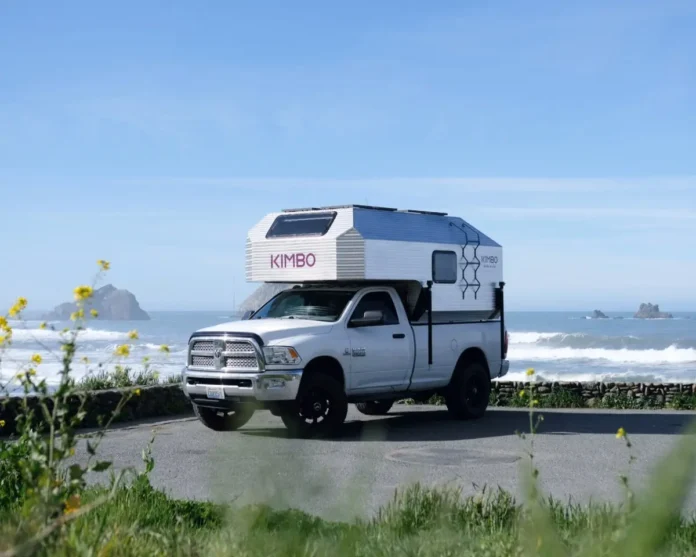

I’ve camped and overlanded most of my life, and my rig has gotten bigger over time. I started in a tent, moved up to a bumper pull trailer, and later bought a fifth wheel. I’ve tried plenty of other camp setups along the way, too. I’m not a full-timer, but I’ve spent more than my share of time on the road, so I know what a lot of camping each month looks and feels like.
Here’s what those years taught me. Space feels great in the driveway, but the road rewards simplicity. I hear the same story from travelers all the time (and have experienced this myself): downsizing overland rigs keeps coming up in every overlanding lifestyle conversation I join. In this article, I’ll explain why so many overlanders are making the switch, what they give up, and how the Kimbo 8 fits the trend.
Quick Facts:
- Topic: Downsizing overland rigs and why it’s gaining ground
- Best for: Overlanders moving from large trailers to compact setups
- Featured rig: Kimbo 8 hard-side camper
- Kimbo 8 weight: 1,125 to 1,660 lbs
- Kimbo 8 truck fit: 6.5 to 8 foot beds, full-size trucks only
- Kimbo 8 price: From $42,990, currently waitlisted
8 min read
In This Guide
- Why Downsizing Overland Rigs Is Gaining Ground
- What Pushes Overlanders Toward Smaller Rigs
- What You Gain by Downsizing Overland Rigs
- Kimbo 8 Key Specs
- What You Give Up When You Downsize
- Where the Kimbo 8 Fits
- Downsizing Versus Keeping a Big Trailer
- How to Downsize Without Regret
- Final Verdict
- Frequently Asked Questions
Why Downsizing Overland Rigs Is Gaining Ground
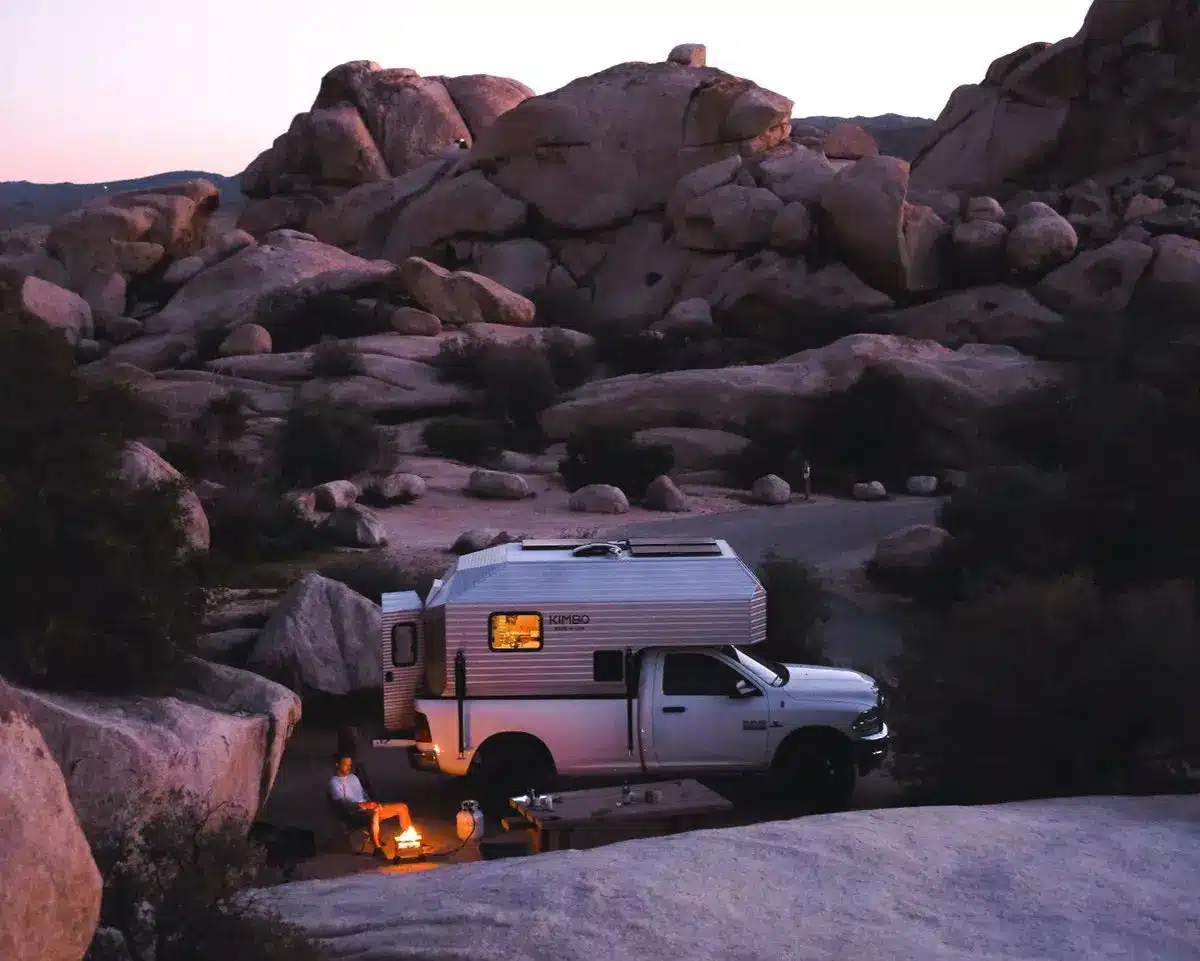
Downsizing overland rigs is now a common sight at popular trailheads, and you’ll notice the pattern quickly. Smaller rigs reach the best sites, while big trailers wait in town. Many owners tell me they bought for space, then used a fraction of it.
Downsizing means moving to a smaller, lighter, simpler setup. For many travelers, a truck camper fits the bill. It rides on a truck you already own, so you keep one vehicle, one insurance bill, and one set of tires.
The goal isn’t size for its own sake. Instead, overlanders want a rig matching how they travel in practice. A couple spending most days outdoors rarely needs a living room on wheels.
Several forces drive the shift, and they build on each other. Cost, access, and time all push in the same direction. The next section covers each one.
What Pushes Overlanders Toward Smaller Rigs
Access comes first. A long trailer turns a tight campground loop into a puzzle, and forest roads with low branches become off limits. A truck camper adds little to your truck’s footprint, so the same road stays open.
Upkeep matters next. A towed rig has its own axles, tires, brakes, bearings, and registration. Each part wears out and costs money. A camper rides in the bed, so your truck carries the load and you maintain fewer parts.
Fuel and time follow. Towing a heavy trailer usually burns more fuel than carrying a camper, especially in wind or on long grades. Setup also takes longer with a large rig, since you level, hitch, and unhook at every stop.
Finally, lifestyle shifts matter. More travelers now stay out for weeks or months, and they move more often. We covered this change in our article on why more overlanders are trading fast trips for full-time life. Frequent moves reward a rig quick to park and quick to leave.
What You Gain by Downsizing Overland Rigs
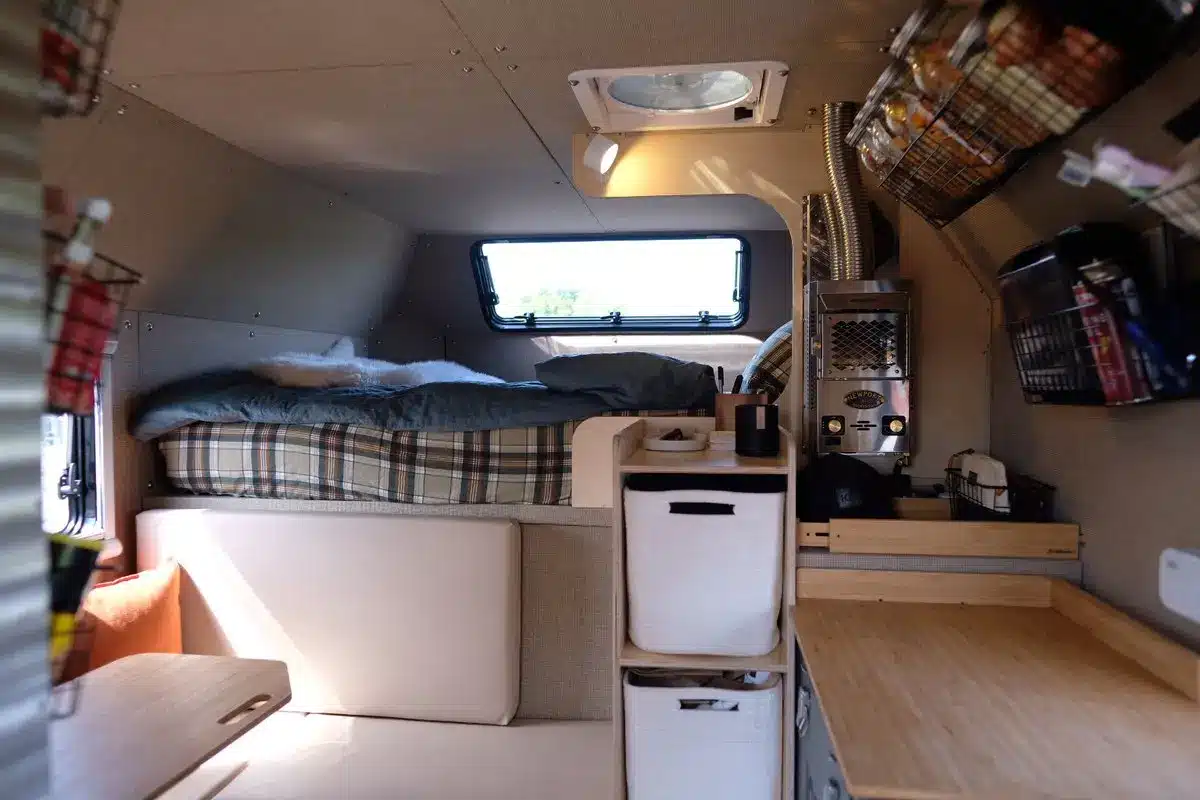
Handling is the biggest gain. For example, with a camper in the bed, your truck still drives like a truck. Backing into a tight site takes seconds, not a ten-point turn.
Likewise, parking improves. Town stops, trailheads, and fuel stations all get easier. You also skip the storage fee or driveway space a large trailer demands between trips.
In addition, weight drops. The Kimbo 8 weighs 1,125 to 1,660 pounds depending on options, which is far less than a typical fifth wheel. Your truck works less, and your tires and brakes last longer.
Campsite choice widens as well. Many dispersed sites on public land sit at the end of short, rough approach roads. A compact rig reaches them without scraping bumpers or backing up a quarter mile. As a result, you spend more nights in quiet places and fewer in crowded lots.
A camper also moves with you from truck to truck. When you replace your truck, the camper comes along, provided the new bed size matches. Trailers, by contrast, tie you to hitch ratings and tow packages.
Simplicity might be the quietest benefit. Fewer systems mean fewer failures, and fewer rooms mean less to clean. Our look at minimalist living in the Kimbo 8 shows how a lean layout keeps daily life calm.
Kimbo 8 Key Specs
| Spec | Kimbo 8 |
|---|---|
| Starting price | From $42,990 (waitlisted) |
| Weight range | 1,125 to 1,660 lbs |
| Truck fit | Full-size trucks, 6.5 to 8 foot beds |
| Insulation | R10 |
| Bathroom | Standard wet bath |
| Bed | Queen cabover (60 x 80 in) |
| Solar and battery | 200W solar, 2,000Wh battery |
| Build time | 8 to 12 weeks |
| Construction | Hand-riveted aluminum monocoque, built in Bellingham, WA |
Downsize Without Giving Up Comfort
Meet the Kimbo 8 Truck Camper
R10 insulation, a wet bath, and a queen cabover bed in a lightweight aluminum shell.
What You Give Up When You Downsize

Downsizing has real costs, and you should weigh them honestly. Space is the first one. A camper offers a compact kitchen, bed, and bath, so you won’t host a crowd for dinner indoors.
Also, storage shrinks. You’ll carry fewer clothes, fewer tools, and fewer gadgets. For some owners this feels freeing, while others struggle with it. A trial trip with a pared-down kit shows which camp you fall into.
Truck requirements also matter. The Kimbo 8 fits full-size trucks only, so owners of midsize trucks should look at the Kimbo 6 instead. Payload still deserves a careful check before any purchase.
Guests also face limits. A camper sleeps two comfortably, so plan on a tent or a nearby cabin when friends visit.
Finally, timing matters. The Kimbo 8 is currently waitlisted, and build time runs 8 to 12 weeks. If you need a rig next month, this isn’t the path, but planning ahead makes the wait easy.
Where the Kimbo 8 Fits
The Kimbo 8 camper targets overlanders who want comfort in a small package. It uses R10 insulation, so cold nights and hot afternoons feel manageable. A standard wet bath also removes a common reason people stay in big rigs.
Insulation matters more in a small shell. A compact space heats and cools quickly, so strong R-value keeps nights comfortable without running a heater all day. Cold mornings stop dictating your schedule.
The queen cabover bed measures 60 by 80 inches, which matches a home mattress for most couples. Meanwhile, 200W of solar and a 2,000Wh battery keep lights, a fridge, and devices running for several days off-grid.
Also, build quality supports long ownership. Each camper is a hand-riveted 0.1 inch 5052 aluminum monocoque built in Bellingham, Washington. The company has delivered more than 600 campers since 2016, so the design has a track record.
It’s one option among several worth cross-shopping. Even so, it suits travelers who want the comfort of a trailer with the agility of a truck.
Plan Ahead for Your Build
Join the Kimbo 8 Waitlist
Starting at $42,990 with R10 insulation, 200W solar, and a 2,000Wh battery.
Downsizing Versus Keeping a Big Trailer
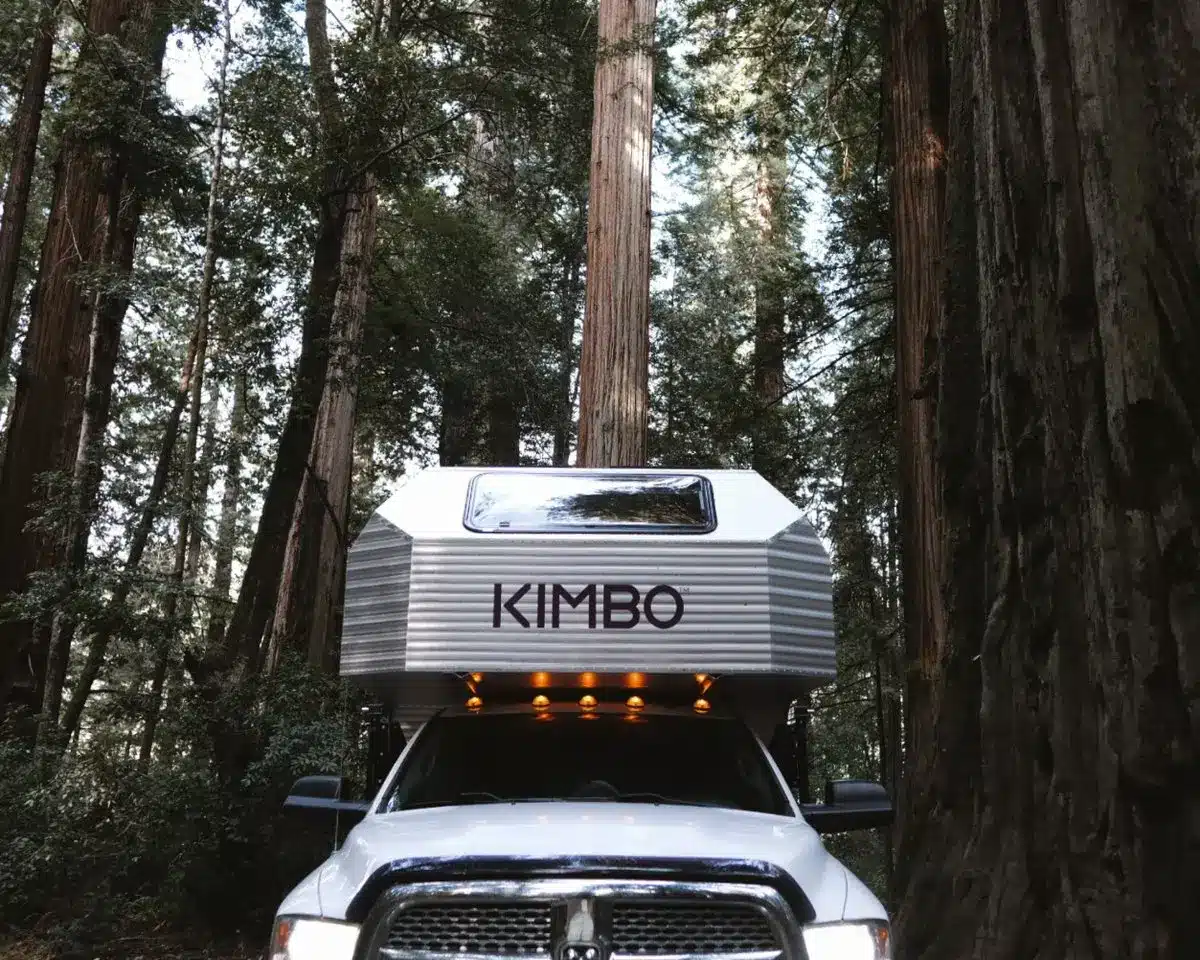
Big trailers still make sense for some people. Families with several kids, or travelers who stay in one campground all summer, gain real value from extra room. Space also helps when weather keeps everyone inside for days.
However, the picture changes once you move often or head off pavement. A large trailer limits your routes, and each move costs time. A camper trades some space for freedom, and many overlanders find the trade worth making.
Consider the daily routine as well. A small camper keeps everything within three steps, so cooking, sleeping, and packing take less effort. For many travelers, this ease matters more than extra square footage after the first month on the road.
Price deserves a look too. For instance, a new Kimbo 8 starts at $42,990, and you still need a capable truck. Large fifth wheels vary widely in cost, so compare total ownership, including storage, tires, and fuel, instead of sticker price alone.
How to Downsize Without Regret
A few steps keep your overlanding lifestyle intact during the transition. Start with your own travel history, because real habits beat guesses.
- List your last three trips and note how many nights you spent inside the rig.
- Mark every item you didn’t touch, and plan to leave those behind.
- Check your truck’s payload against the camper’s loaded weight.
- Rent or borrow a small camper for a long weekend before buying.
- Sell or store the old rig only after the new setup proves itself.
Expect an adjustment period. The first week often feels tight, since every item needs a home. By week three, many owners settle into routines, and meals, bedtime, and mornings all get simpler.
Pace yourself as well. Many owners downsize in two steps, first to a smaller trailer and then to a camper. Because every trip teaches something, this gradual path often feels easier than one big leap.
Final Verdict
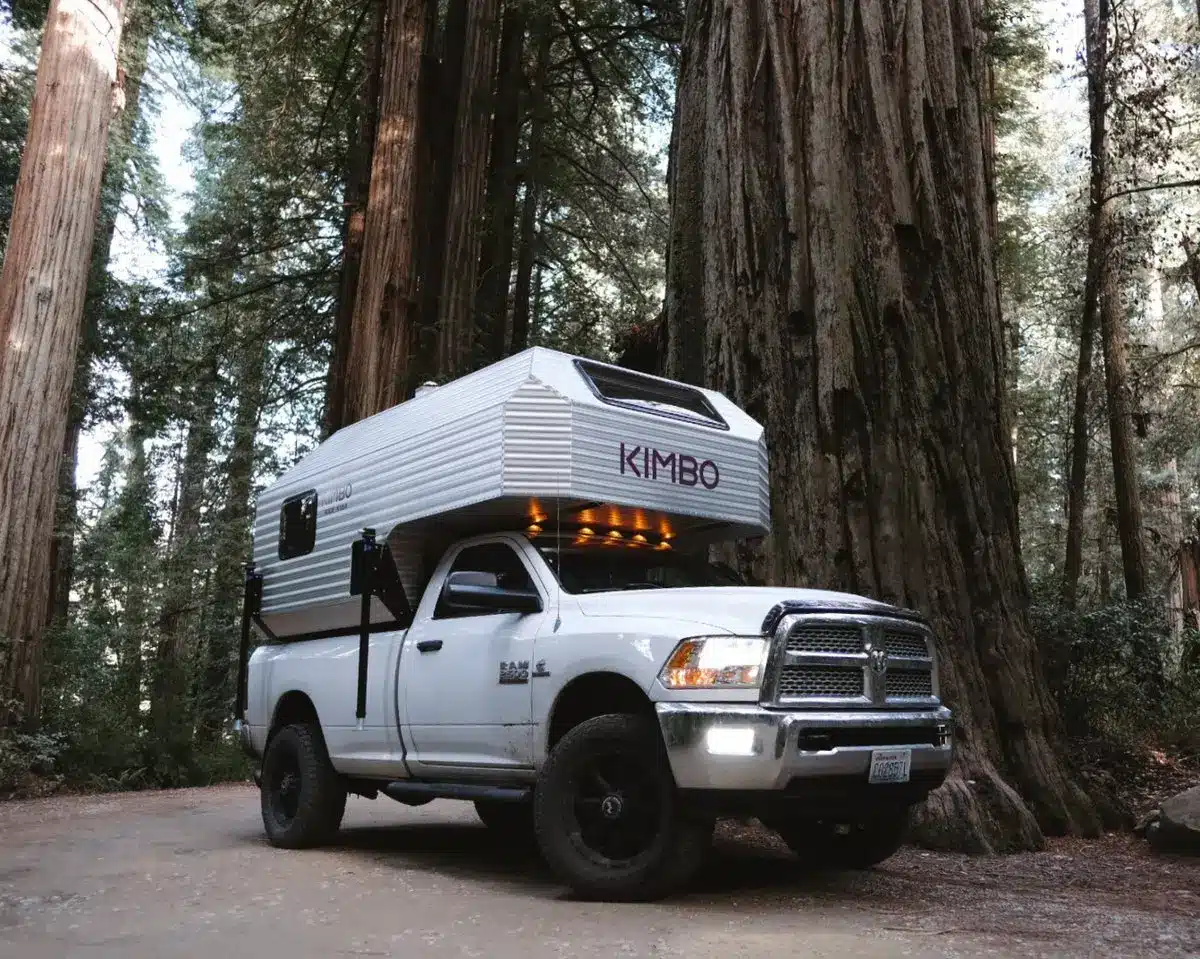
Downsizing overland rigs makes sense for travelers who move often, camp in tight spots, and spend most days outdoors. The main strength is freedom. Likewise, the Kimbo 8 truck camper keeps your truck agile while still offering a real bed, a wet bath, and solid insulation.
The trade-offs are real, though. You’ll give up space, and the Kimbo 8 fits full-size trucks only. Families who need room for four or more, or travelers with midsize trucks, should look elsewhere or consider a different model.
On value, the Kimbo 8 starts at $42,990 and carries a long build time. In return, you get hand-riveted aluminum construction and a design with more than 600 campers delivered. Compare total ownership costs before you decide.
If this lifestyle fits you, the Kimbo 8 is a strong option to cross-shop. Compare it with other compact hard-side campers, check your truck’s payload, and join the waitlist early so your build slot is ready when you are.
Ready to Downsize?
Reserve Your Place on the Kimbo 8 List
An aluminum monocoque, a queen cabover bed, and a layout built for life on the road.
Frequently Asked Questions
Why are overlanders downsizing their rigs?
Travelers want better access, lower upkeep, and faster setup. A smaller rig reaches tighter sites, costs less to maintain, and suits frequent moves.
Is a camper a good replacement for a fifth wheel?
It depends on how you travel. campers offer less space but better handling, and they ride on a truck you already own.
How much does the Kimbo 8 weigh?
The Kimbo 8 weighs 1,125 to 1,660 pounds, depending on options. Check your truck’s payload before you order.
What trucks fit the Kimbo 8?
It fits full-size trucks with 6.5 to 8 foot beds. Owners of midsize trucks should look at the Kimbo 6 instead.
Is the Kimbo 8 available now?
The Kimbo 8 is currently waitlisted, and build time runs 8 to 12 weeks. Joining the waitlist early helps you plan your timeline.
A quick heads-up: If you snag something through our affiliate links or check out our sponsored content, we might earn a commission at no extra cost to you. But fear not, we’re all about recommending stuff we’re truly stoked about!