


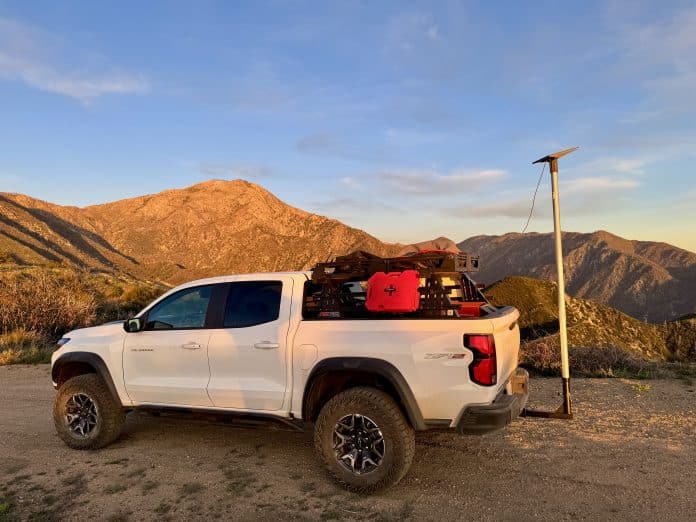

When you’ve spent as many years overlanding as I have, you realize that long stretches off-grid teach you fast in terms of what earns its space and what doesn’t. Because the nearest store can be a couple hours or more away, a forgotten item costs far more than its price.
My list favors a midsize truck with a bed and a roof rack. However, the lessons carry over to almost any rig. First, you’ll see how I plan water, power, and food. Then you’ll see how experienced overlanders handle comfort, repairs, and connectivity on extended boondocking trips.
Quick Facts
- Best for: overlanders planning extended boondocking trips of a week or more
- Focus: what experienced overlanders pack, ranked by trip-saving value
- Water rule: plan on about 1 gallon per person per day for drinking and cooking
- Power rule: size your battery to your daily draw, then add a backup charging option
- Connectivity pick: Mini Starlink Flat Mount, $49.99
- Mount type: four 2.5-inch magnets, no drilling, steel roof required
- Extras: 2-year warranty and free domestic shipping
8 min read
In This Guide
- Why Extended Boondocking Changes Your Packing List
- Packing Priorities at a Glance
- Water, Food, and Cooking
- Power and Charging for Extended Boondocking
- Camp Comfort, Waste, and Hygiene
- Recovery, Repair, and Safety Gear
- Staying Connected While Boondocking
- Magnetic Mount Pros and Cons
- Final Verdict
- FAQ
Why Extended Boondocking Changes Your Packing List
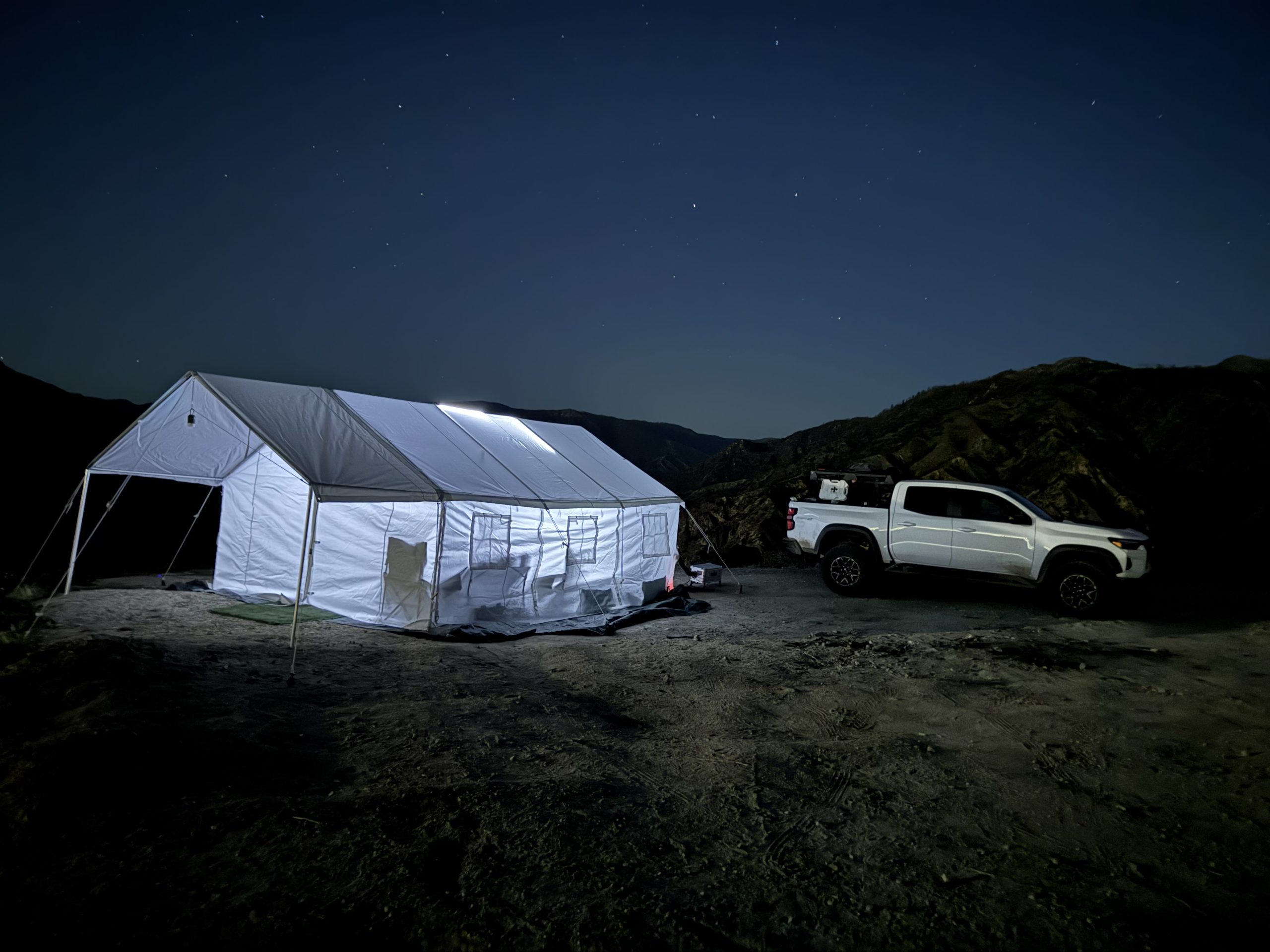
A weekend trip forgives sloppy packing. You eat the leftovers, rinse in a creek, and drive home on Sunday. Extended boondocking removes this safety net. After day four, every shortcut shows up as a dead battery, an empty water jug, or a cold dinner.
Experienced overlanders pack differently for this reason. They don’t carry more gear; they carry fewer, better items, and each one has a backup. Specifically, they sort everything into five groups: water and food, power, comfort, repair, and communication. If a group has no backup, they keep packing until it does.
The weight budget matters too. Your truck has a payload limit, and water alone is heavy. Therefore, you’ll trade a few comforts for essentials. The sections below show where I draw the line after years of long trips.
Off-Grid Connectivity
Mini Starlink Flat Mount
Four 2.5-inch magnets. No drilling. Free domestic shipping and a 2-year warranty.
Packing Priorities at a Glance
| Category | What Experts Pack | Backup |
|---|---|---|
| Water | Jugs plus a filter, about 1 gallon per person daily | Purification tablets |
| Food | Fridge, dry staples, one-pot meals | Shelf-stable meals |
| Power | Battery bank plus solar or alternator charging | Jump pack |
| Repair | Tools, spare belts, tire plug kit, compressor | Full-size spare |
| Communication | Starlink Mini on a $49.99 magnetic mount | Satellite messenger |
Water, Food, and Cooking

Water comes first because nothing else works without it. Most guides suggest about one gallon per person per day for drinking and cooking. Add more for dishes and washing. Experienced overlanders carry two or three separate containers instead of one big tank. Therefore, a single leak never drains the whole supply.
Filtration extends your range. A gravity filter turns creek or lake water into drinking water, so you refill less often. Also, pack purification tablets as a backup, since filters fail or freeze. Before each trip, test your jugs for leaks while they’re full.
Food planning follows the same logic. A 12-volt fridge keeps fresh food safe for a week or more, while dry staples such as rice, pasta, and oats fill the gaps. Meanwhile, one-pot meals save water and fuel. For example, a skillet dinner needs one pan to wash instead of three.
Keep your stove simple. A two-burner propane stove handles nearly every camp meal, and spare canisters weigh little. Carry a lighter and a backup, because a dead igniter is a common failure. Then add a small fire-safe pan for the days when wind rules out an open flame.
Power and Charging for Extended Boondocking
Power runs the fridge, lights, laptops, and phones. Therefore, start by adding up your daily draw in amp-hours. A fridge, a few lights, and two phones often use 40 to 60 amp-hours a day. Your battery should cover at least two days of use, since cloudy weather cuts solar output.
Charging sources work best in layers. Solar panels handle the daytime, and a DC-to-DC charger tops up your battery while you drive. Also, a portable power station adds flexibility, because you move it between camp and truck. Experienced overlanders rarely rely on one source alone.
Keep a jump pack in the cab as your last line of defense. Recharge it before every trip, and check its level on day three. Likewise, carry spare fuses and a basic multimeter. Most electrical failures on the trail trace back to a loose connection or a blown fuse, so both tools pay for themselves.
Seasonal timing also shapes your list. Spring and fall bring wide temperature swings, so pack layers and a warmer sleeping bag than you expect to need. Summer trips demand extra water and shade, while winter trips demand fuel, insulation, and traction. Check the forecast the night before you leave, then adjust your load.
Finally, build your list around a written checklist. Experienced overlanders keep one in a notes app and update it after every trip. For example, a missed item on one trip becomes a line item for the next. Over time, the checklist replaces memory, and you stop forgetting the small things.
Camp Comfort, Waste, and Hygiene
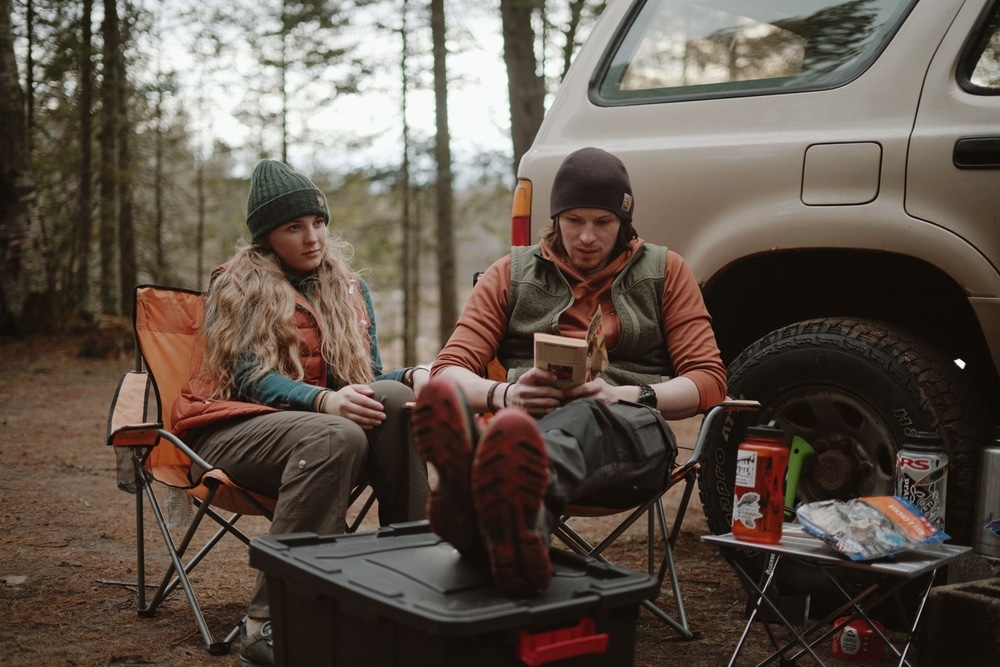
Comfort decides whether you stay out for ten days or turn back after four. Pack a good camp chair, a quality sleeping pad, and a layered sleep system. First, a poor night of sleep ruins the next day. Next, a shaded sitting spot makes long afternoons bearable. Compared to a fancy tent, these two items deliver more value per pound.
Waste handling matters more on long trips. Pack out all trash, and bring a portable toilet system or a trowel with waste bags, following local rules. Bring biodegradable soap and wash dishes well away from water sources. Additionally, carry a small bin with a lid so animals stay out of your garbage.
Hygiene keeps you healthy. A solar shower bag, wet wipes, and a small towel cover most needs. Meanwhile, a first aid kit belongs within arm’s reach, including any personal medications. Check its contents before each trip, because expired items are useless when you need them.
Recovery, Repair, and Safety Gear
Repairs separate seasoned overlanders from beginners. The best kit is small and specific. Pack a socket set, pliers, zip ties, duct tape, and spare hose clamps. Also, bring a tire plug kit and a quality compressor, since flats are the most common trail problem.
Recovery gear sits right behind repairs. Traction boards, a shovel, and a rated strap handle most stuck situations. However, you should learn to use them at home before you need them in sand or mud. Practice makes a stressful recovery routine instead.
Safety gear rounds out the list. Pack a fire extinguisher, a headlamp with spare lithium batteries, and paper maps for your area. Because cell service fails often in remote country, a backup communication device matters. Our guide to staying connected without cell service while camping compares the main options.
No Drilling Required
Mount Your Starlink Mini Without Drilling
Four 2.5-inch magnets grip a steel roof, and you remove the dish in seconds.
Staying Connected While Boondocking
Connectivity used to be a luxury on extended boondocking trips. Today, many overlanders treat it as core gear, especially if they work from the road. Our article on how to balance work and overlanding explains how I split my days between the trail and the laptop.
A Starlink Mini needs a clear view of the sky, and a roof mount delivers it. The Mini Starlink Flat Mount from Flagpole Buddy uses four 2.5-inch magnets, so you drill nothing into your roof. It costs $49.99, ships free within the United States, and carries a 2-year warranty. The mount is PETG plastic, and it needs a steel roof to grip.
Magnetic mounting suits long trips for a practical reason. You pull the dish off in seconds, store it inside, and put it back at the next camp. Flagpole Buddy also sells flush and suction versions for other setups. If you’d rather skip the roof, read our Flagpole Buddy Starlink hitch mount review.
Still, tree cover and canyon walls block the sky, so pair Starlink with a satellite messenger for emergencies. Starlink handles email, maps, and weather checks. The messenger handles the worst day. Together, they cover both comfort and safety.
Magnetic Mount Pros and Cons
Pros
- No drilling into your roof
- Four 2.5-inch magnets
- Removable in seconds for storage
- $49.99 price
- 2-year warranty
- Free domestic shipping
Cons
- Requires a steel roof
- Dish needs removal before low garages
- Still needs a clear view of the sky
- Not a replacement for an emergency messenger
Final Verdict: Pack for the Worst Day
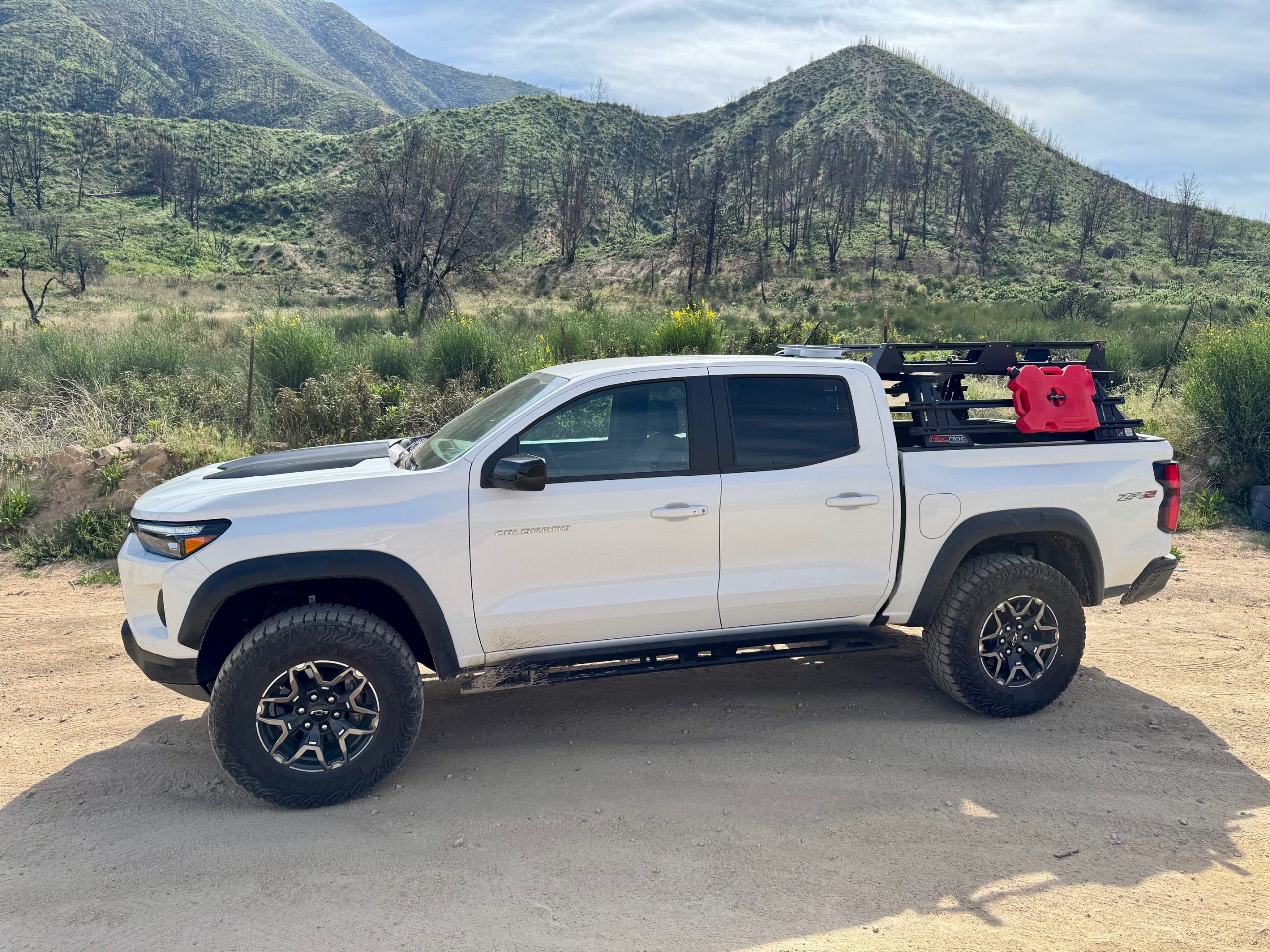
Experienced overlanders pack for the worst day, not the average one. For extended boondocking, this means backups for water, power, repairs, and communication. Start with the essentials, then add comfort items until your payload says stop.
The magnetic Starlink mount fits best if your roof is steel and you want a removable setup. Owners with other roof materials should look at the flush, suction, or hitch options instead. Either way, pair your connection with a satellite messenger, because trees and terrain will block the sky sooner or later.
Ready for Longer Trips
Add the Mini Starlink Flat Mount to Your Rig
$49.99, free domestic shipping, and a 2-year warranty.
FAQ
How much water should I pack for extended boondocking?
Plan on about one gallon per person per day for drinking and cooking. Add more for washing, and carry a filter as a backup. For example, two people on a seven-day trip need at least 14 gallons.
What is the most overlooked item for long boondocking trips?
A backup power source tops the list. Many overlanders pack a battery but skip a jump pack, so one dead battery ends the trip. Pack both.
Does a magnetic Starlink mount work on every truck?
No. The Mini Starlink Flat Mount uses four 2.5-inch magnets and needs a steel roof. For aluminum or fiberglass tops, look at the flush, suction, or hitch versions instead.
How long should a first extended boondocking trip be?
Start with four or five days. This length tests your water, power, and food plans without much risk. Then lengthen your trips as your system proves itself.
Heads up: Clicking on our affiliate links and exploring our sponsored content helps us at no extra cost to you, and we only recommend gear we’re absolutely crazy about!