


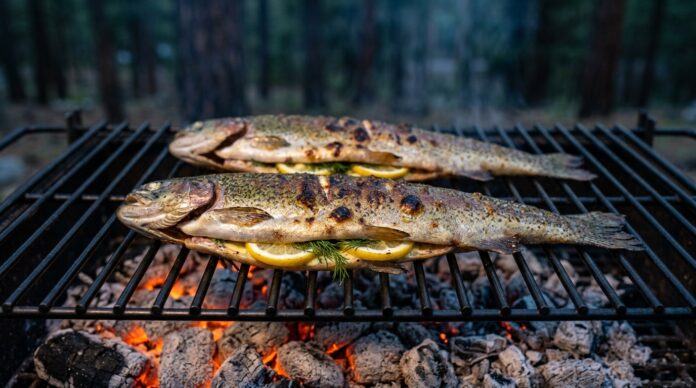
Quick Verdict: Campfire trout cooks whole on an oiled grill grate over medium coals in 8 to 10 minutes. A gutted 10 to 12 inch fish stuffed with lemon slices, butter, and dill needs 4 to 5 minutes per side and one flip. Pull it at 145F, or when the flesh turns opaque and flakes at the spine. Oil the grate, oil the skin, and leave the fish alone for the first 4 minutes.
Save this recipe for your next trip.
Last updated: August 2026 | Prep 10 min | Cook 10 min | Serves 4.
Written by Alex Schult
Editor in Chief of 4wdTalk.com. 15+ years of off-road and overlanding experience with 1,000+ hours on the trail.
This recipe was tested on an actual overland trip. Amazon affiliate links support 4wdTalk.com at no extra cost to you.
In This Recipe
Why This Recipe Works for Overlanders
Whole trout is the fastest protein in the cooler. A 10 to 12 inch fish weighs about 10 ounces, so it holds enough fat under the skin to stay moist over direct heat. The cook runs 8 to 10 minutes instead of the 25 a chicken thigh demands. Campfire trout also skips the cutting board, since a gutted fish goes from cooler to grate with one wipe of oil.
Skin does the structural work here. It holds the fillet together over medium coals, then peels off in one sheet at the table. After the cook, the spine lifts out in a single piece and takes most of the pin bones with it. Meanwhile, lemon slices, butter, and dill in the cavity steam the interior while the outside browns.
Campfire trout also fits a rig running zero pots. The grate is the only cookware, so cleanup is a wire brush and a rinse. Fresh trout runs $6 to $9 per pound at a grocery counter, though a fish pulled from the water beside camp costs nothing past the license. Fishing regulations and limits vary by state and by water, so check with the local wildlife agency before keeping a catch.
Equipment You Need
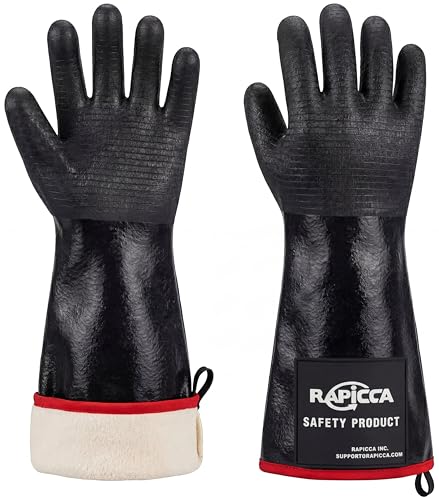
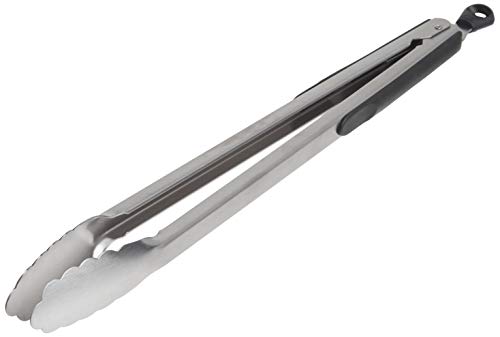
The grate carries campfire trout, so pick one with tight bar spacing. Wide bars let a 10-inch fish sag between them and tear at the flip. A folding steel grate with bars a half inch apart sits flat over a fire ring, then packs down to the size of a laptop. Add a fish spatula or a wide metal turner, because tongs crush cooked flesh. An instant-read thermometer confirms 145F behind the head, where the fish is thickest. Heat gloves and 16-inch tongs move the grate itself, which sits above 400F for the entire cook.
Camp Kit for Campfire Trout
- Folding steel grill grate, bars a half inch apart or closer.
- Fish spatula or wide metal turner, at least 6 inches across the blade.
- Instant-read digital thermometer reading 145F in 3 seconds or less.
- Long-handled tongs, 16 inches, for raking coals and shifting the grate.
- Heat-resistant gloves rated to at least 500F, because bars hold heat after the flip.
- Grill brush plus a folded rag for oiling the bars.
- Squeeze bottle of canola or avocado oil, both above a 400F smoke point.
- Cedar planks soaked 1 hour, as a no-stick backup.
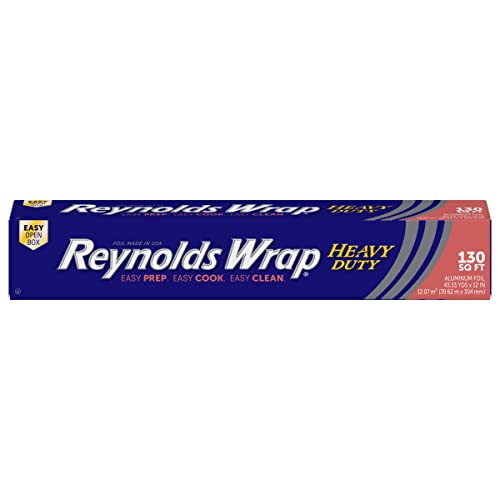
- Heavy-duty foil for leftovers and pack-out.
Gear for This Recipe
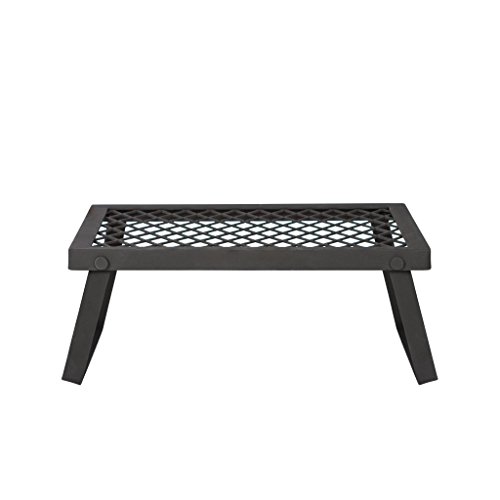
Amazon Basics Heavy-Duty Portable Camping Grill Grate for Outdoor O…


TempPro TempSwift 1 Sec Meat Thermometer Digital for Kitchen Cookin…
Ingredients
Serves 4 | Prep 10 min | Cook 10 min | Medium coals.
- 4 whole trout, 10 to 12 inches each, gutted and scaled.
- 2 lemons, sliced into rounds about an eighth of an inch thick.
- 4 tablespoons butter, cut into 8 pats.
- 1 bunch fresh dill, or 2 teaspoons dried dill.
- 2 tablespoons canola or avocado oil, for the skin and the bars.
- 1 teaspoon kosher salt.
- Half a teaspoon cracked black pepper.
- 4 garlic cloves, thinly sliced, optional.
- Lemon wedges and flaky salt to serve.
Step-by-Step Instructions
Home Prep
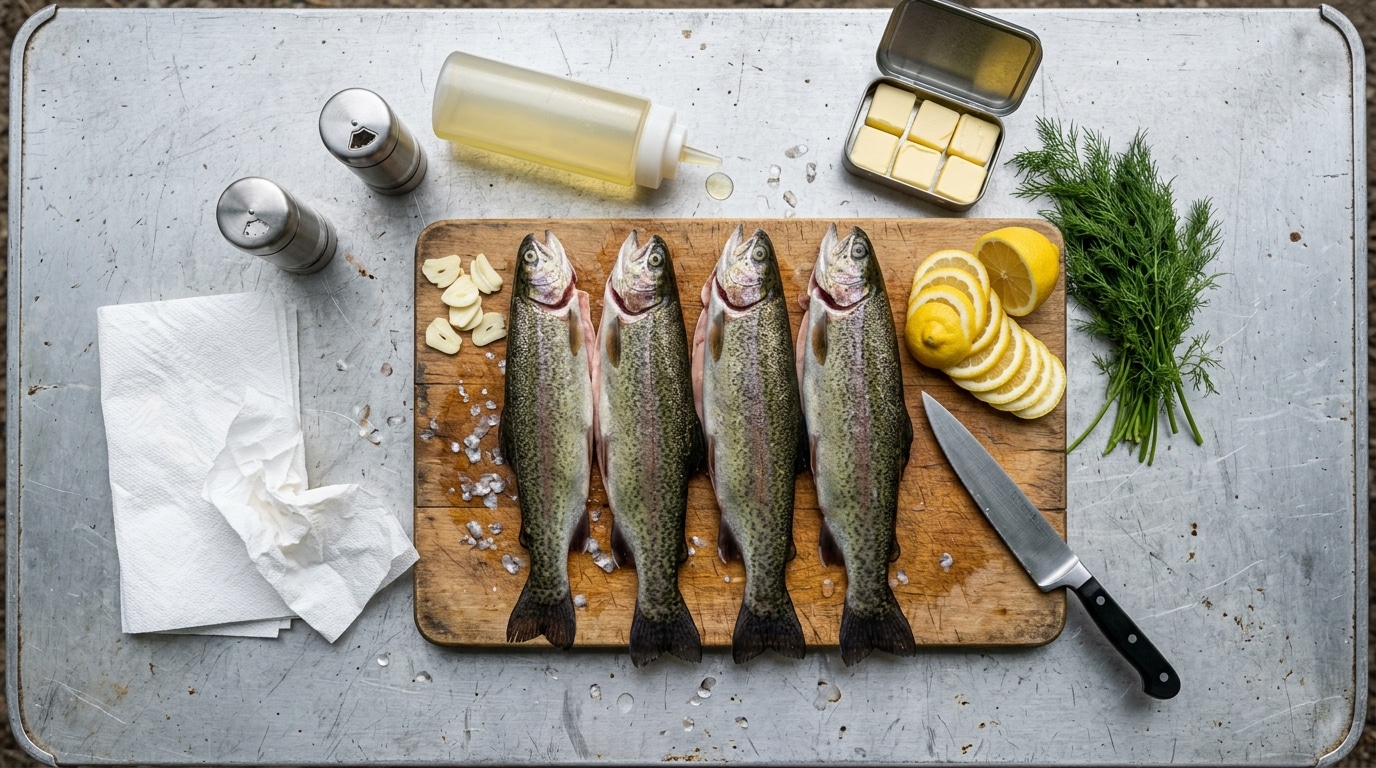
- Ask the fish counter to gut and scale the trout, or handle it yourself over a trash bag. Rinse the cavity under cold water, then pat both sides dry with paper towels.
- Slice the lemons into thin rounds and seal them in a bag with the dill sprigs. Thin rounds soften in 10 minutes over heat, while thick ones stay raw.
- Cut the butter into 8 pats and keep them cold in a small container. Soft butter runs out of the cavity before the skin sets.
- Fill a squeeze bottle with 2 tablespoons of oil and mix the salt and pepper in a shaker. Then stage all four items in the same cooler bin so nothing hides at dinner time.
At Camp
- Light the fire 45 to 60 minutes before dinner so hardwood burns down to coals. A chimney of briquettes takes 15 to 20 minutes instead.
- Rake the coals into two zones. Pile them 2 inches deep under half the grate, then leave a thin layer under the other half as a holding zone.
- Set the grate 3 to 4 inches above the medium coals and preheat it 5 minutes. Bars should read 350F to 450F, hot enough to hiss under a flick of water.
- Scrub the hot bars with a wire brush. Next, grip a folded rag with tongs, dip it in oil, and wipe the bars twice.
- Pat each trout dry one more time, because surface moisture glues skin to steel. Rub oil over both flanks, then salt the skin and the cavity.
- Stuff each cavity with 3 lemon rounds, 2 butter pats, a few dill sprigs, and a garlic slice or two. Press the fish closed rather than tying it.
- Lay the trout on the hot side of the grate at a slight diagonal to the bars. Now leave it alone for 4 full minutes. Skin releases on its own once the proteins set, so early prodding is what tears it.
- Slide the spatula under the head end, lift, and flip once. Cook 4 to 5 minutes more, until the thickest spot reads 145F and the spine flesh turns opaque. Rest the fish 2 minutes before it hits the plate.
Fire and Heat Management
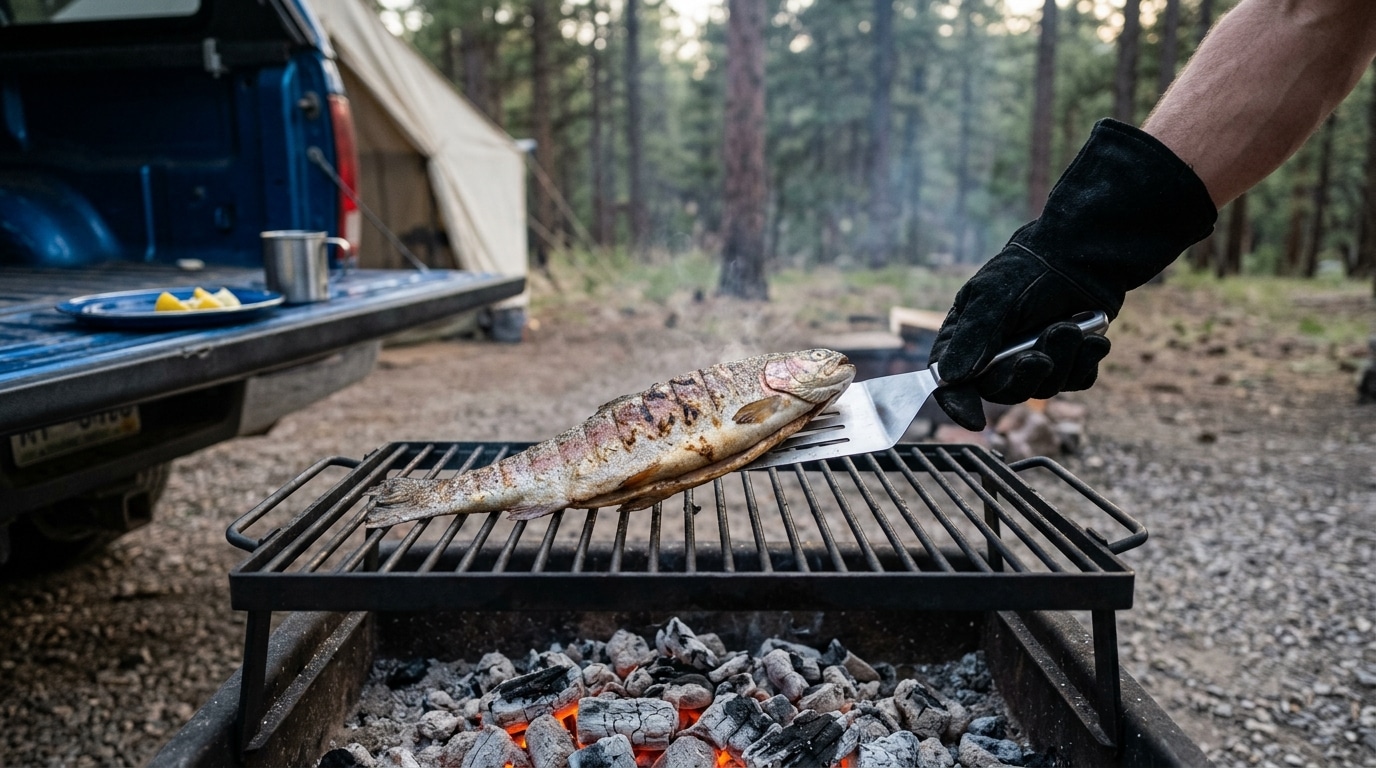
Medium coals are the whole ballgame for campfire trout. Flame scorches the skin before the interior warms, while low embers steam the fish into mush. Look for orange coals under an even coat of gray ash, which is the 350F to 450F band. Read the bed before the fish lands, because a mid-cook correction costs you the skin.
| Heat Source | Appearance | Approx Temp | Common Use |
|---|---|---|---|
| Open flame | Active yellow-orange flames | 600F+ and uneven | Boiling water, searing skewers, marshmallows, popcorn |
| Hot coals | Bright orange, minimal ash | 500F-600F | Grate searing steak or chicken, cast iron skillet |
| Medium coals | Orange with gray ash | 350F-450F | Grate cooking campfire trout, kebabs, pie irons, most mains |
| Low coals or embers | Mostly gray ash, soft glow | 250F-350F | Holding cooked fish warm, coal-roasting husk vegetables, dump cake |
Grate height is the throttle. Raise the grate an inch or spread the coals thinner when the bars run past 450F, then drop it back once the bed calms. Two zones give the same control sideways: cook campfire trout on the deep coals, then slide a finished fish to the thin side. Since a grate holds four 10-inch fish at most, the holding zone earns its keep on a group dinner.
Field Adjustments
Wind over 10 mph burns fuel faster and creates hot spots along one edge of the bed. Stack rocks on the windward side of the ring, or park the rig 8 to 10 feet upwind. Ambient air under 40F adds 3 to 5 minutes and eats more wood, so build the bed deeper than a summer fire. Above 5,000 feet, cooking runs slower across the board, though direct heat feels it less than a pot of boiling water.
Field Tips
Sticking is the only real failure mode with campfire trout, and it has three causes: a cold grate, a wet fish, or an impatient cook. Preheat the bars 5 minutes, dry the skin twice, and oil both surfaces. After the fish lands, count 4 minutes before touching it. Skin fused to steel at minute two releases cleanly at minute four.
Temperature beats guesswork. The USDA lists 145F as the safe internal temperature for fish and shellfish, and their safe temperature chart covers every protein worth carrying in a cooler. Slide the probe in behind the head at an angle, stopping short of the spine. Without a thermometer, open the cavity and read the flesh along the backbone: opaque and flaking means done, translucent means 2 more minutes.
Season lightly and late. Salt pulls moisture to the skin surface, so salting 20 minutes ahead undoes the drying work you did with the paper towels. Salt right before the fish goes on, then finish with flaky salt at the table. Fresh dill scorches on direct heat, which is why it belongs inside the cavity.
Handle raw campfire trout like any other protein at camp. Keep the fish in a sealed bag at the bottom of the cooler at or below 40F, and sanitize hands before anyone touches the bread. Pack out guts and skin rather than burning them, because fish waste in a fire ring draws bears and ravens to the next group. More fire-side workflow lives in our Camp Cooking for Overlanders guide.
Fire and Cleanup Gear

Variations and Substitutions
Once the base campfire trout method is dialed in, the stuffing and the surface both take swaps. Change one variable per fish so the result tells you something useful.
- Cedar plank trout: Soak a 12-inch plank in water for 1 hour, weighted with a rock. Set the fish on the plank and the plank on the grate over medium coals for 12 to 15 minutes, no flip. Wood removes the sticking risk entirely.
- Grill basket build: A hinged fish basket clamps two trout and flips both in one motion. Oil the basket, since aluminum grabs skin as hard as steel.
- Foil-wrapped version: Wrap each stuffed fish in heavy-duty foil and cook 12 minutes on medium coals, turning once. Skin stays soft, but nothing sticks.
- Bacon-wrapped trout: Spiral 2 strips of bacon around the body before the fish hits the grate. Fat bastes the skin, though flare-ups need a cooler zone ready.
- Orange and fennel: Swap the lemon rounds for orange slices and the dill for fennel fronds. Sweeter, and a good match for smoked paprika.
- Chili lime rub: Coat the skin with a teaspoon of chili powder, lime zest, and cumin. Then serve with lime wedges instead of lemon.
- Butterflied trout: Open the fish flat along the spine and cook skin-side down 5 minutes, flesh-side down 90 seconds. Faster, though thin edges dry out on hot coals.
- Larger fish: A 14 to 16 inch trout needs 7 to 8 minutes per side and a cooler bed near 350F, so the interior catches up before the skin blackens.
Storage and Leftovers
Cooked campfire trout keeps 2 days in a cooler held at or below 40F. Pull the meat off the bones while it is still warm, seal it in a container or a foil pouch, and bury it under the ice rather than leaving it in the door tray. Flaked trout goes into breakfast hash, a tortilla with hot sauce, or a cold salad with the leftover lemon.
Reheat gently or skip reheating altogether. A second pass over high heat turns campfire trout dry and stringy, so warm it in a covered skillet over low coals for 3 to 4 minutes at most. Reheated leftovers should reach 165F before serving. Pack out bones, skin, and foil in a sealed bag, because fish scraps in a fire ring teach wildlife to visit the site.
Frequently Asked Questions
How do you keep campfire trout from sticking to the grate?
Three habits handle it. First, preheat the grate 5 minutes so the bars are hot before the fish lands. Second, dry the skin with paper towels and oil both the skin and the bars with a high smoke point oil. Third, leave the fish untouched for 4 minutes, since skin releases on its own once the proteins set.
What internal temperature does trout need?
The USDA calls for 145F for fish and shellfish. Probe the thickest part behind the head at an angle, stopping short of the spine, because bone reads hotter than flesh. Without a thermometer, look at the meat along the backbone: opaque and flaking is done, while translucent needs 2 more minutes.
How long does a whole trout take on a grill grate?
A 10 to 12 inch fish takes 4 to 5 minutes per side over medium coals in the 350F to 450F range, so 8 to 10 minutes total with one flip. A 14 to 16 inch trout needs 7 to 8 minutes per side on a slightly cooler bed. Cold ambient air below 40F adds 3 to 5 minutes either way.
Do you scale trout before grilling it whole?
Yes, scale it if you plan to eat the skin, which is the best part of this recipe. Run the back of a knife from tail to head over a trash bag. Rainbow trout scales lift off quickly, unlike the armor on a bass or a carp.
Is foil better than cooking trout directly on the bars?
Foil is more forgiving and skin-on grate cooking tastes better. A wrapped fish steams in its own juices, though the skin stays pale and soft. Direct grate contact browns the skin, so save foil for a windy night or a wide-barred grate.
What wood works best for campfire trout?
Oak, alder, and fruit woods like apple or cherry burn down to steady coals with mild smoke, which suits campfire trout. Alder is the traditional pairing for trout and salmon in the Pacific Northwest. Avoid pine, fir, and cedar firewood, because resinous species leave a bitter film on the skin.
Do you need to soak a cedar plank before grilling trout?
Yes, soak the plank in water for 1 hour before it goes near coals. A dry board ignites within minutes on a 400F grate, while a soaked board smolders and releases steam and smoke into the fish. Weight it with a rock in the tub, since wood floats.
Where does trout fit on a multi-day trip menu?
Cook trout on night one or on the day you catch it, because fresh fish holds poorly past 48 hours in a cooler. Frozen trout works later if the cooler stays below 40F. Plan tougher proteins like chicken quarters and pork chops for the back half of the route.
You Might Also Like
- Campfire Cooking Recipes
- Camp Cooking for Overlanders
- Cedar Plank Salmon (recipe coming soon)
- Campfire Grilled Asparagus (recipe coming soon)
- Campfire Grilled Chicken Quarters (recipe coming soon)