


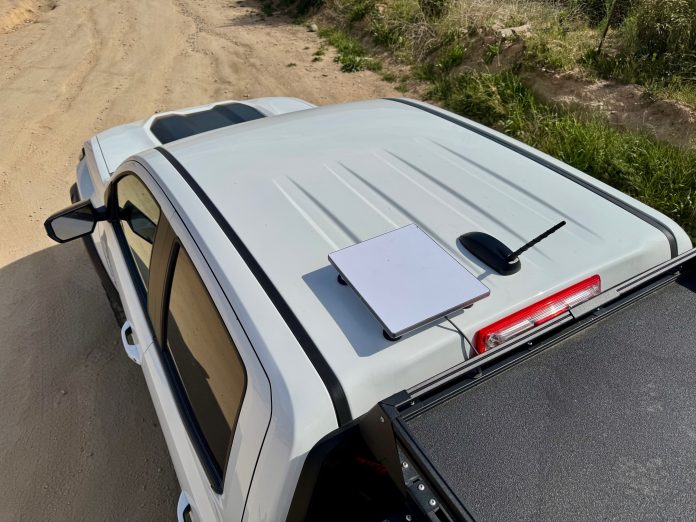

I’ve spent years overlanding around the American Southwest. My rig has never stayed the same for long. Some upgrades I bolted down once and never touched again. Others I swapped in and out depending on the trip. I’ve even changed trucks, for that matter! Over time, I learned the choice between permanent and portable upgrades matters more than the product itself. The wrong call costs money, time, and sometimes a hole in your roof.
Most overlanders face this question the first time they add gear to a new rig. Permanent installs feel solid, while portable ones feel flexible. Both have a place. After years of trial and error, I know where each one belongs. This guide breaks down how to decide, using real trade-offs instead of guesswork. It also shows why a magnetic Starlink mount became my favorite example of a portable upgrade done right.
Quick Facts:
- Topic: Deciding between permanent and portable rig upgrades
- Best for: Overlanders building or refining a rig
- Key factors: Frequency of use, vehicle ownership, resale value, and budget
- Rule of thumb: Bolt down what you use every trip. Keep the rest removable.
- Starlink pick: Magnetic Flat Mount, $49.99, no drilling required
7 min read
In This Guide
- Permanent and Portable Upgrades: What’s the Difference?
- Permanent vs. Portable at a Glance
- When a Permanent Install Makes Sense
- Where Portable Upgrades Win
- Mounting Starlink: A Portable Upgrade Done Right
- A Simple Framework for Deciding
- Pros and Cons of Going Portable
- Final Verdict
- Frequently Asked Questions
Permanent and Portable Upgrades: What’s the Difference?

A permanent upgrade stays on the rig. You bolt it, weld it, wire it, or drill for it. Roof racks, bull bars, drawer systems, and dual battery setups all fall in this group. A portable upgrade comes off in minutes. It clips, magnetizes, slides into a hitch receiver, or straps on. Recovery boards, camp tables, and removable mounts fit here.
Permanent upgrades usually cost more up front. They also feel more secure on rough roads. Portable upgrades cost less, and they move easily between vehicles. Neither type wins every time. The right choice depends on how often you use the item, how it affects your vehicle, and how long you plan to keep the rig. Likewise, a leased truck calls for different choices than one you own outright.
Featured at Flagpole Buddy
Mini Starlink Flat Mount, Magnetic Version
A no-drill Starlink Mini mount. Install it in minutes and take it with you.
Permanent vs. Portable at a Glance
| Factor | Permanent | Portable |
|---|---|---|
| Install time | Hours to days | Minutes |
| Vehicle changes | Drilling, wiring, or welding | None or minimal |
| Resale impact | Might help or hurt | Neutral |
| Moving to a new rig | Difficult | Easy |
| Best for | Daily-use and heavy gear | Occasional and seasonal gear |
When a Permanent Install Makes Sense
Some gear earns a permanent spot. In particular, anything you use on every trip belongs on the rig, especially if it carries weight or needs a solid mount. A roof rack is a good example. It holds heavy loads at highway speed, so a secure install matters more than convenience.
Electrical upgrades follow the same logic. A properly wired battery system stays safer when you build it in. Indeed, loose wiring and temporary connections cause problems on rough trails. Still, a permanent install comes with trade-offs. Drilling into body panels leaves holes. Those holes might leak, rust, or lower resale value if you remove the part later.
Before you commit, ask three questions. First, will you use this on most trips? Second, does it need to hold serious weight or handle real vibration? Third, are you keeping this vehicle for years? If the answer to all three is yes, bolt it down.
Where Portable Upgrades Win
Portable gear wins on flexibility. You move it between vehicles, loan it to a friend, or leave it home when a trip doesn’t need it. Cost also favors portable options, since they usually skip professional installation. Resale value stays protected because the vehicle itself never changes.
Leased vehicles make a strong case for portable gear. Similarly, shared rigs, daily drivers, and trucks you plan to sell within a few years also fit. Likewise, seasonal gear belongs here. A snow-focused accessory has no business riding around all summer.
Portable upgrades have limits, though. They need storage space when you aren’t using them. They also take a few minutes to set up at every camp. Because of this, choose portable items installing fast and staying put once they’re in place.
Mounting Starlink: A Portable Upgrade Done Right
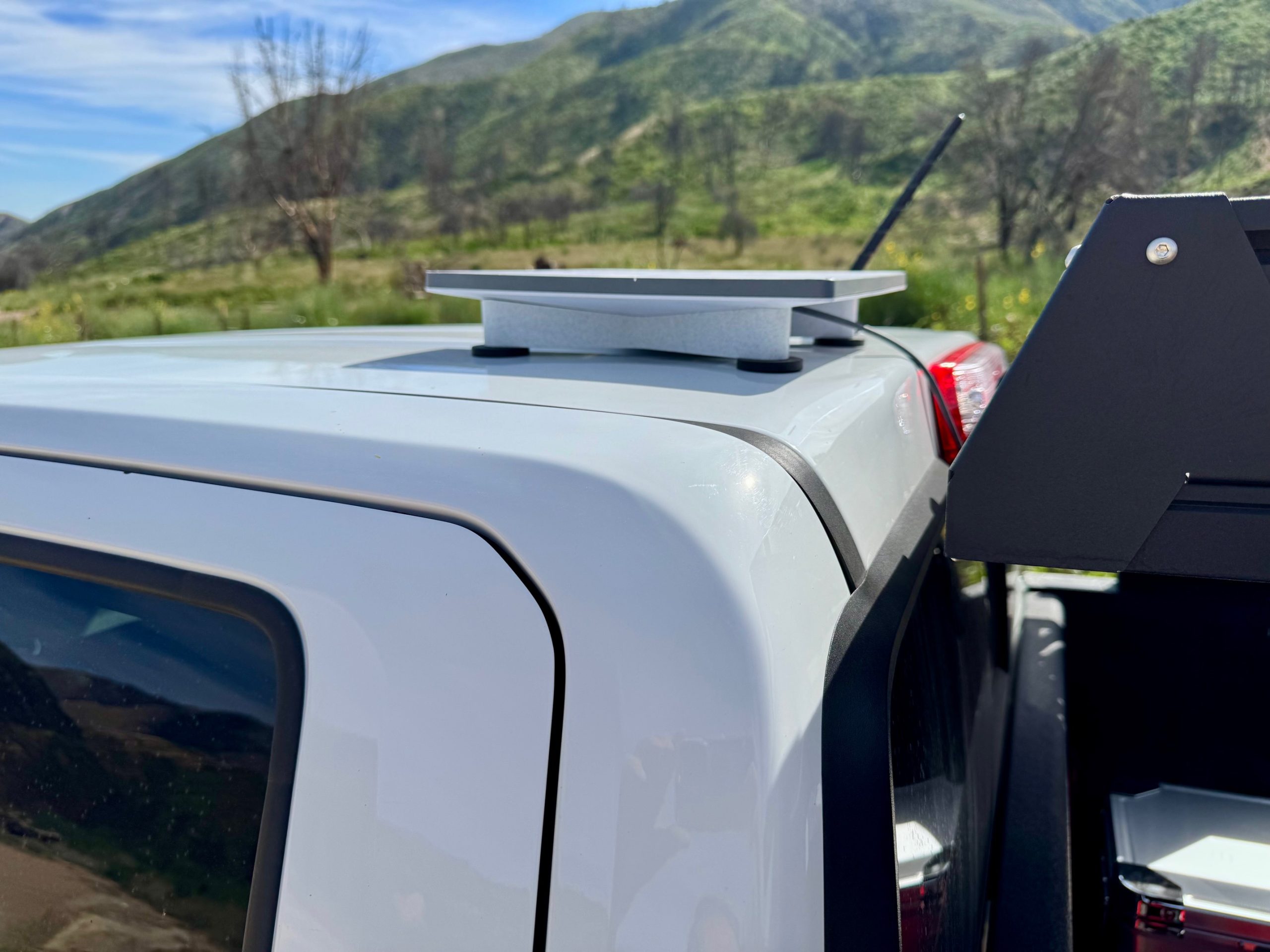
Satellite internet shows this trade-off clearly. For example, a Starlink Mini needs height and a clear view of the sky. Some overlanders drill a permanent bracket into the roof. Others, however, skip the drilling and use a removable mount instead. I run the magnetic Flat Mount from Flagpole Buddy on my Gladiator, and the reasons come straight from the questions above.
The mount uses four 2.5-inch magnets to grip a steel roof. There’s no drilling, so the roof stays untouched. Overall, installation takes about two minutes, and removal takes less. The dish only rides along when I need it, which also protects it from wind and road debris between trips. The mount costs $49.99 and carries a two-year warranty.
Flagpole Buddy also makes flush and suction versions. The flush version uses self-drilling screws, so it suits a dedicated build where the dish lives on the roof all year. The magnetic version suits most overlanders for one reason: flexibility. Tree cover, canyon walls, and rooftop gear all change where a good dish location sits. A removable mount lets you reposition in seconds. For more on staying online off-grid, read our guide to staying connected without cell service while camping.
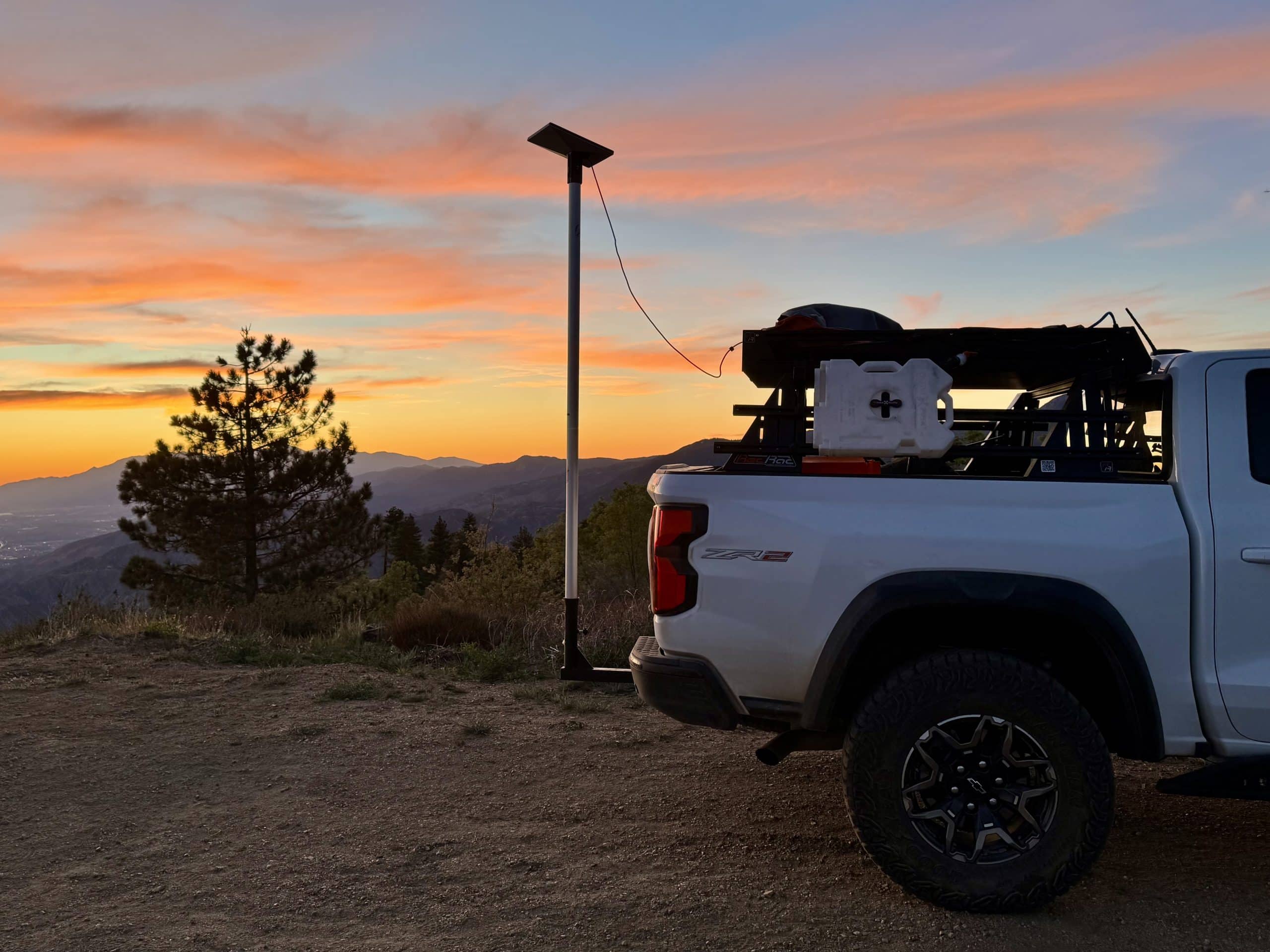
Taller sites sometimes need more height than a roof mount offers. In this case, a hitch-based pole is still a portable option. It slides into a standard 2-inch receiver, raises the dish roughly 13 feet, and comes out equally easily. Our hitch-mounted pole kit review covers how this setup performed during two months of field testing.
Remote workers have another reason to favor portable gear. A dish going up fast and coming down fast supports a flexible schedule. We cover this routine in our guide to balancing work and overlanding.
Keep Your Roof Untouched
Magnetic Starlink Mount, No Drilling
Four 2.5-inch magnets. A two-year warranty. Yours for $49.99.
A Simple Framework for Deciding

Four questions make most decisions simple. Ask them before every purchase, especially for costly gear.
- How often will I use it? Every trip points to permanent. Occasional use points to portable.
- Does it carry heavy loads or take constant vibration? Heavy-duty items usually need a fixed mount.
- Do I own the vehicle, and will I keep it? Leased or short-term rigs favor portable gear.
- Will it damage the vehicle or hurt resale value? If so, look for a removable option first.
Mixed results are common. In fact, when an item scores evenly, start with the portable version. You’ll always be able to make it permanent later, but a drilled hole is harder to undo.
Pros and Cons of Going Portable
Pros
- Installs and removes in minutes
- Protects resale value and suits leased vehicles
- Moves easily between rigs
- The magnetic Starlink mount costs $49.99 with no drilling
- Lets you adapt gear to each trip
Cons
- Needs storage space when not in use
- Takes setup time at every camp
- Might not hold heavy loads like a fixed mount
- Small parts are easier to lose
Final Verdict
The smartest rigs mix permanent and portable upgrades. Generally, heavy, daily-use gear earns a fixed spot. Everything else deserves a removable option first.
For connectivity, the portable route wins for most overlanders. Overall, a magnetic Starlink mount installs in minutes, protects your roof, and moves with you from rig to rig. The flush version still makes sense for a dedicated build, while the hitch pole suits tall, tree-covered camps.
Start with portable when you’re unsure. You’ll learn how you travel before committing to a drill bit. Then, after a season or two, bolt down only the items you never take off.
Ready to Go Portable?
Mount Starlink in Minutes With Flagpole Buddy
Backed by a two-year warranty.
Frequently Asked Questions
Is a permanent or portable upgrade better for an overlanding rig?
Neither wins in every case. Generally, permanent upgrades suit heavy, daily-use gear. Portable upgrades suit occasional gear, leased vehicles, and anything you plan to move between rigs.
Do permanent upgrades hurt resale value?
They often do when they require drilling or wiring changes. Besides, buyers might see modified body panels as a risk. However, some well-installed upgrades hold value better. Portable gear avoids the question entirely.
Does a magnetic Starlink mount hold at highway speeds?
Yes, when you install it correctly. The mount uses four 2.5-inch magnets. Still, follow the install guidance. Leave slack in the cable, face the dish forward, and stay within posted speed limits.
What roof does the magnetic mount need?
It needs a steel roof panel. Aluminum and fiberglass roofs won’t hold magnets, so those vehicles do better with the suction or flush versions.
Is a hitch-mounted Starlink pole portable?
Yes. It slides into a standard 2-inch receiver and comes out after you’re done. It raises the dish roughly 13 feet, which helps in heavy tree cover.
How do I decide what to bolt down?
First, bolt down heavy gear you use on every trip. Then keep occasional or easy-to-move gear removable. When in doubt, start portable and upgrade later.
Friendly disclaimer: Our articles may contain affiliate links that support us without costing you more, and sometimes we spice things up with sponsored content—but only for products we truly stand behind!