


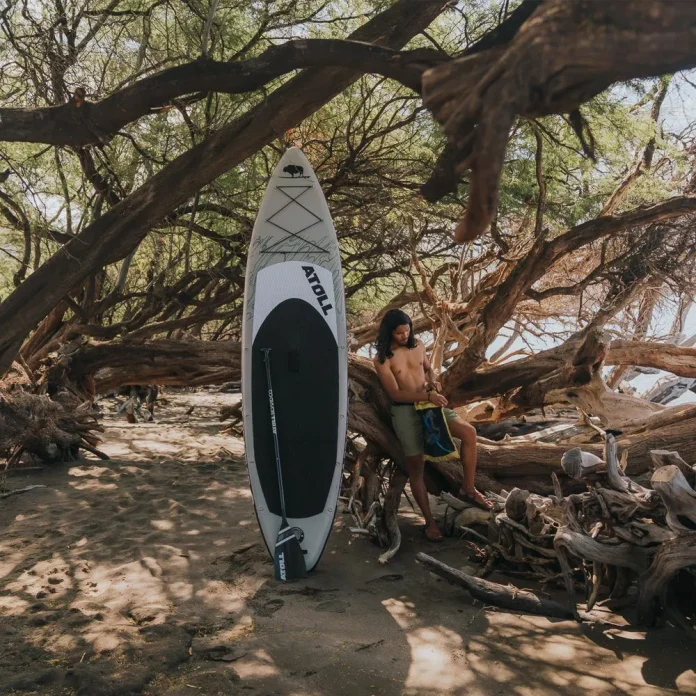

Many overland trips follow a familiar pattern. You drive hard, set camp, cook, sleep, and move on. The destinations are beautiful, but the daily rhythm often centers on the vehicle. After years on the trail, many travelers start looking for ways to make each stop feel richer and more active.
Water changes that pattern fast. A lake, slow river, or quiet reservoir near camp opens the door to movement, reflection, and simple fun. When you start overlanding with a paddle board, your campsite stops being just a place to park and becomes a launch point for daily adventure.
This camp, paddle, repeat rhythm adds structure and variety to your trips. It gives you something to do at sunrise and a way to unwind at sunset. It supports fitness, scouting, fishing, and relaxation without complicated gear. Once you build paddle time into your travel routine, it becomes one of the most rewarding parts of the journey.
Table of Contents
- Overlanding Is Evolving Beyond the Road
- Why Overlanding With a Paddle Board Fits the Mindset
- Camp Becomes Basecamp When You Bring a Board
- Morning and Evening Paddle Sessions
- Accessing Places Driving and Hiking Cannot Reach
- Gear Synergy and Overlanding With a Paddle Board
- Fitness and Mental Reset on the Trail
- Social and Family Benefits Around Camp
- Trip Planning With Water in Mind
- Common Mistakes When Overlanding With a Paddle Board
- The Camp Paddle Repeat Lifestyle
- FAQ
Overlanding Is Evolving Beyond the Road
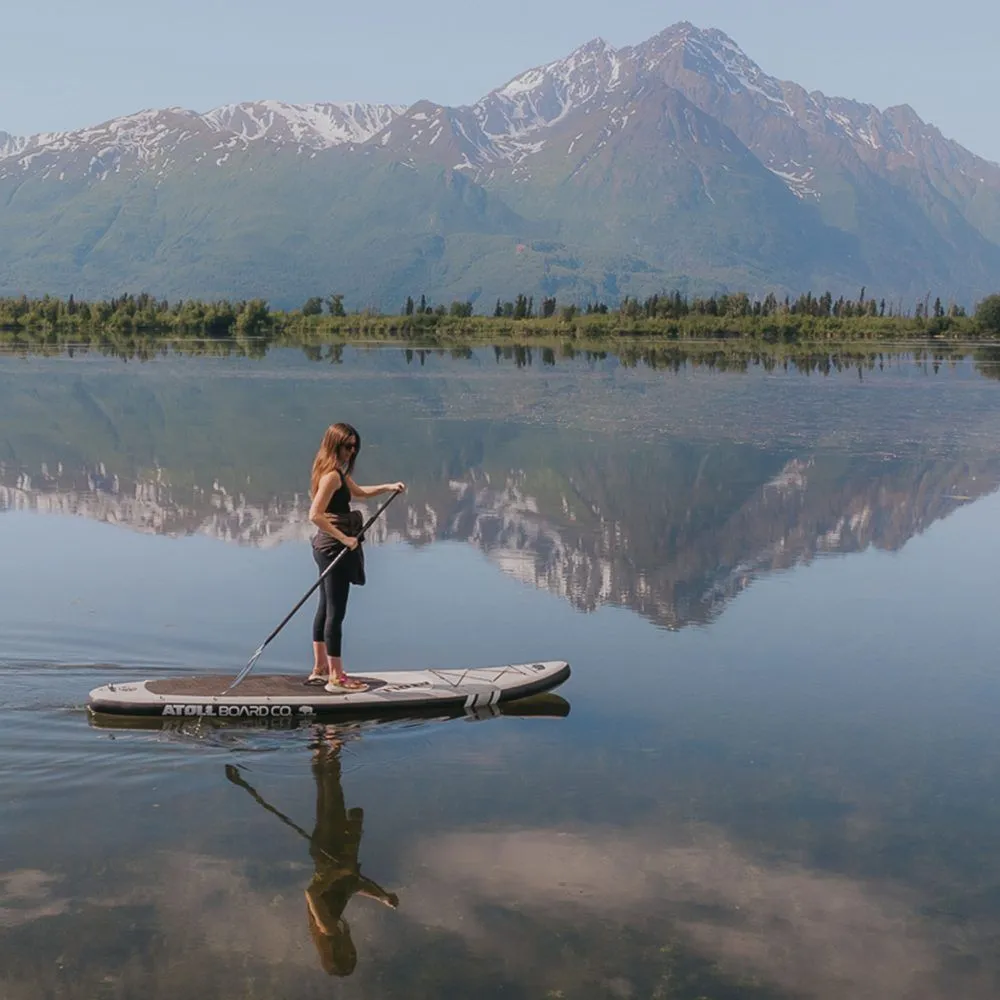
Overlanding used to focus almost entirely on vehicles, routes, and remote camps. Mileage, trail difficulty, and self-reliance drove most trip planning decisions. That approach still matters, but many travelers now want more depth at each stop.
Longer stays and slower travel have become more common. Instead of racing from waypoint to waypoint, people choose fewer destinations and spend more time in each place. Activities at camp now matter as much as the drive itself.
Water access plays a larger role in that shift. Lakes and rivers add function to a campsite, not just scenery. Overlanding with a paddle board turns those water features into usable terrain instead of background views.
This shift also spreads risk and fatigue. When every day does not revolve around technical driving, trips feel more balanced. You still enjoy the trail, but you also gain low-impact ways to move and engage with the landscape.
Why Overlanding With a Paddle Board Fits the Mindset
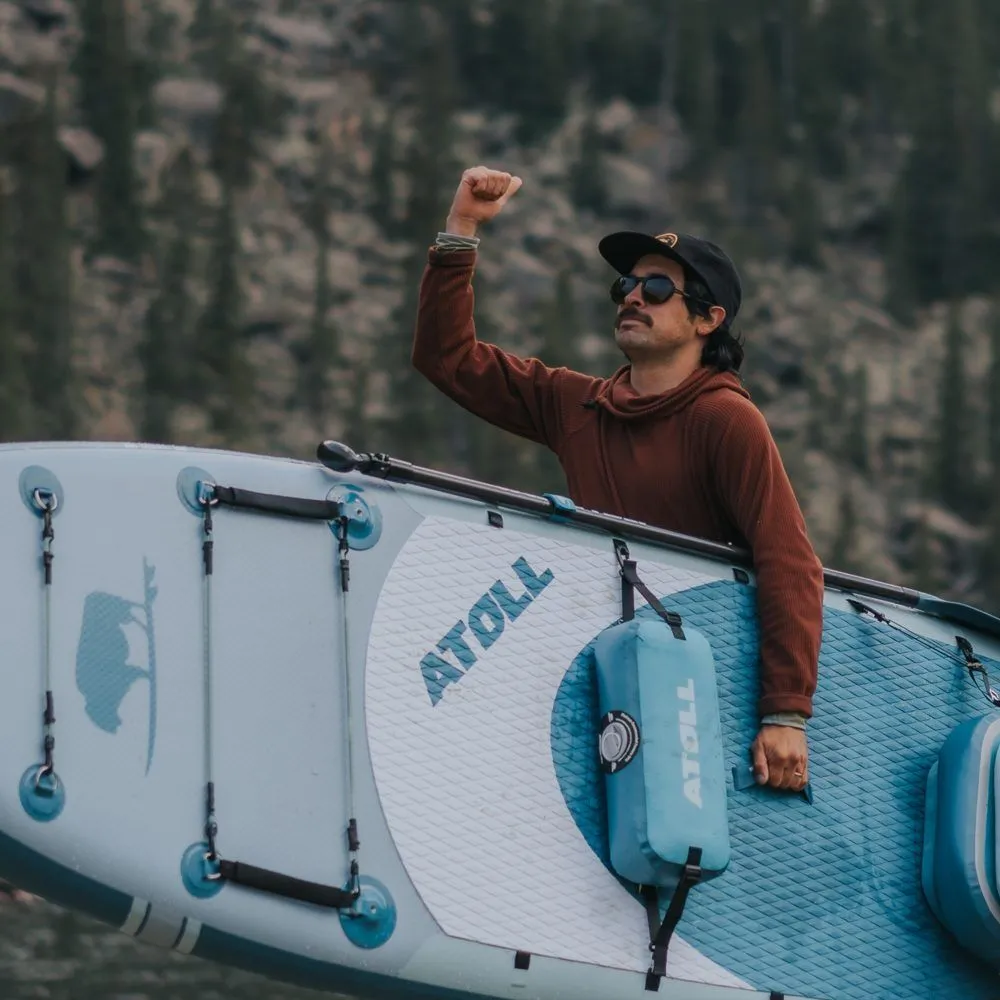
The overland mindset values independence and flexibility. Paddle boarding aligns with both. You do not need a dock, ramp, or marina to launch. A stable shoreline and safe conditions are enough.
That low infrastructure requirement matters in remote areas. You can reach water that sees little traffic and still get out and move. Overlanding with a paddle board supports spontaneous decisions instead of fixed schedules.
Inflatable boards make this even easier. They pack small, ride safely inside your vehicle, and tolerate rough roads. Quality designs such as those from Atoll Paddle Boards use military-grade PVC and reinforced seams, which helps when your launch points include rocks, sand, and uneven banks.
This kind of gear supports the same values as a good overland build. It is durable, field-ready, and simple to deploy. You spend less time managing equipment and more time using it.
Camp Becomes Basecamp When You Bring a Board
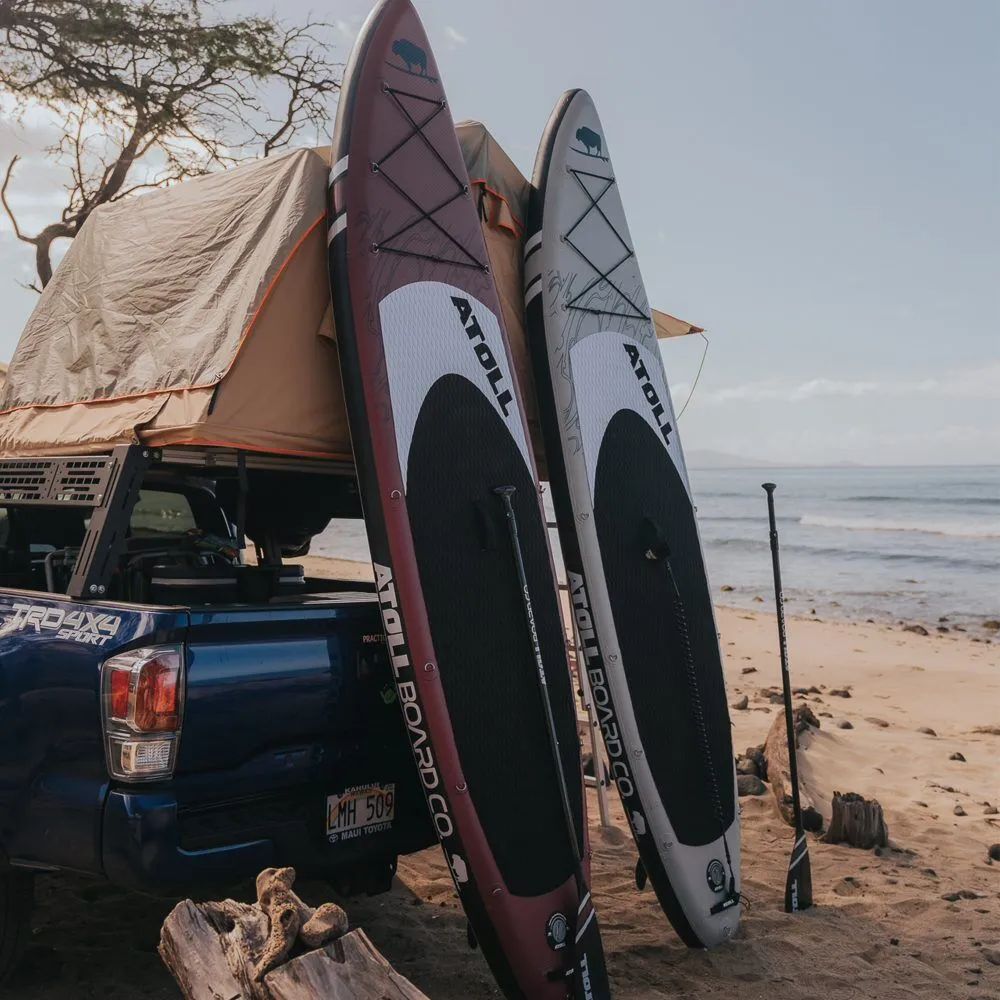
A campsite near water changes character when you carry a board. Instead of sitting in a chair after setup, you can push off and cover the shoreline in minutes. That small shift adds energy to your evenings and mornings.
I have found that camps near water hold attention longer when boards are part of the plan. What might have been a one-night stop becomes a two-night stay because there is more to do. A short paddle often reveals new angles, better swim spots, and quiet corners away from the main shore.
Overlanding with a paddle board also supports light transport tasks. You can move small dry bags, fishing gear, or a camera kit along the shoreline with little effort. Boards with higher weight capacity make this easier and more stable.
Stable, wide inflatable boards, including popular Atoll models, handle these small loads well. You feel the difference when the deck stays firm and predictable under shifting weight.
Morning and Evening Paddle Sessions
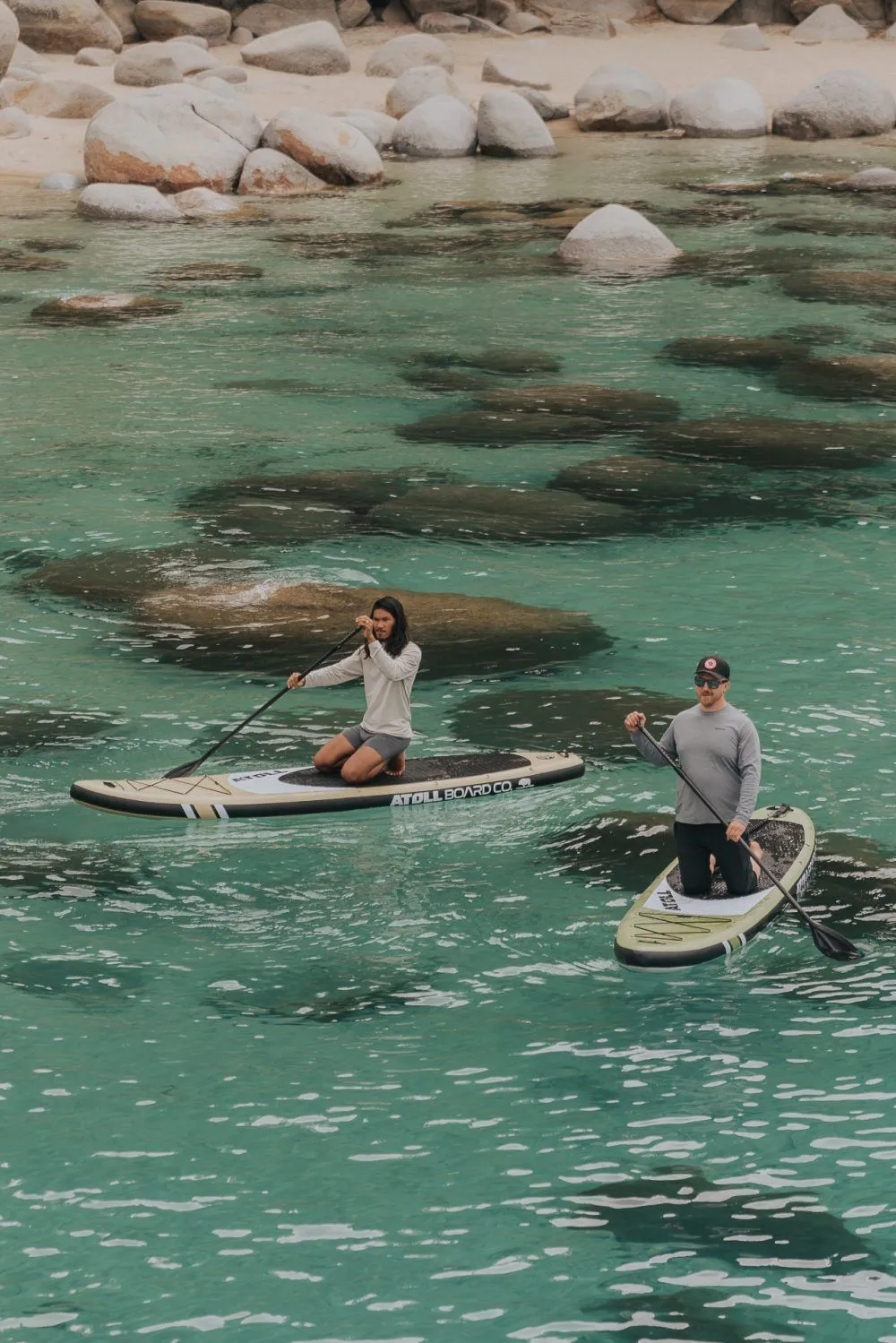
Daily paddle sessions add structure to camp life. Early mornings often bring calm water and low wind. That window creates ideal conditions for relaxed movement and quiet observation.
Wildlife activity tends to peak during these hours. Birds, fish, and shoreline animals behave differently before boat traffic and afternoon heat. A slow paddle gives you front row access without much disturbance.
Evening sessions serve a different purpose. They help you unwind after a drive day or technical trail segment. Overlanding with a paddle board turns idle hours into active recovery time.
Quick inflation and simple carry systems make this habit easier to maintain. Boards that include a dual-action pump and padded carry handle reduce the friction between the idea of paddling and actually getting on the water.
Accessing Places Driving and Hiking Cannot Reach

Terrain often blocks shoreline travel. Steep banks, brush, and private land boundaries can limit how far you move on foot. Water routes stay open where land routes fail.
A board lets you follow the edge instead of fighting through it. You can round points, cross narrow channels, and reach the opposite shore without a long detour. That access expands what a single campsite offers.
Overlanding with a paddle board also supports scouting. You can preview fishing zones, note safe swim areas, and check shoreline conditions before committing to a move.
Durability matters here. Rocky launches and shallow entries are common. Boards built with thick PVC layers and drop-stitch cores, like Atoll inflatable designs, tolerate repeated contact better than fragile constructions.
Gear Synergy and Overlanding With a Paddle Board
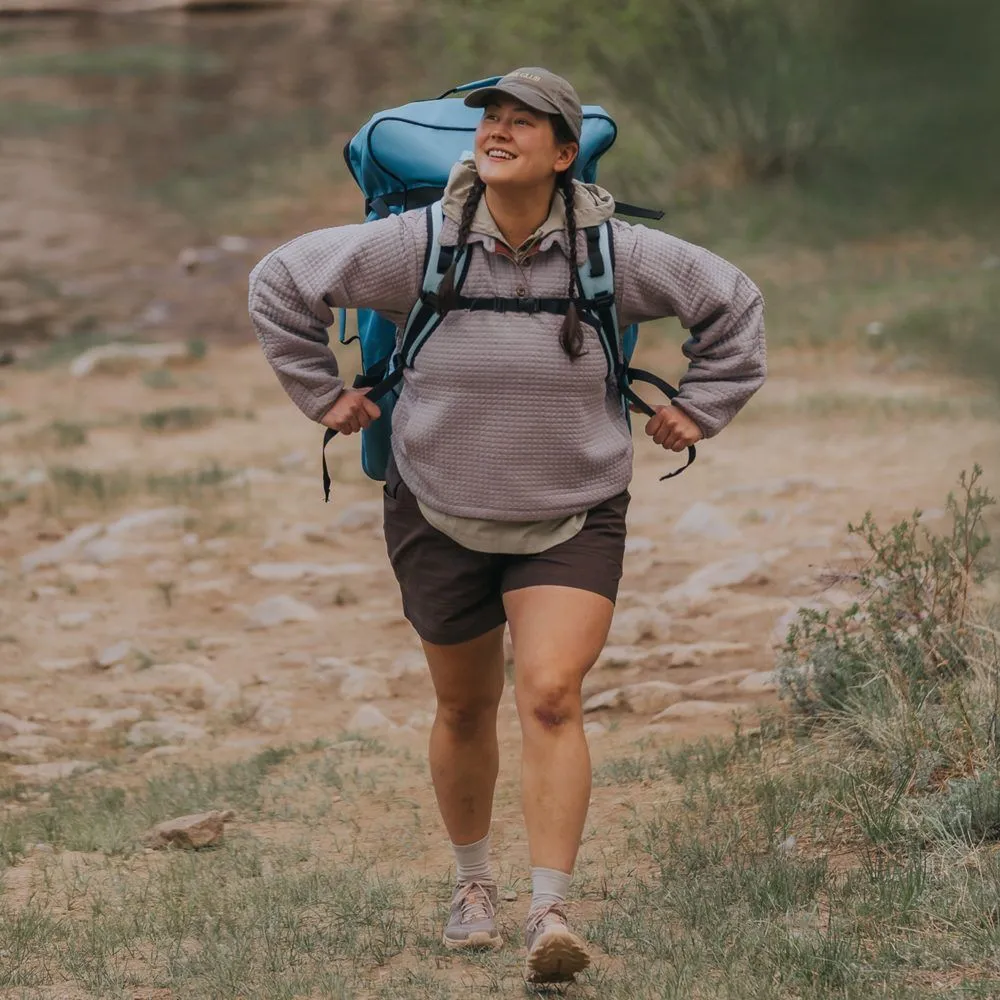
Space always runs tight in an overland vehicle. Every item must justify its footprint. Inflatable boards meet that test because they compress into travel bags and store easily.
Rigid boards create storage and mounting challenges. They add wind drag and exposure when carried outside. Inflatables ride inside, protected from the sun and debris.
Modern construction methods solve the old stiffness problem. Drop-stitch cores create a rigid platform once inflated. Fusion laminated PVC layers add puncture resistance and shape retention.
Atoll boards combine these features with high weight ratings and included accessories. Backpack carry systems, pumps, fins, and leashes come standard, which reduces extra packing decisions.
Fitness and Mental Reset on the Trail
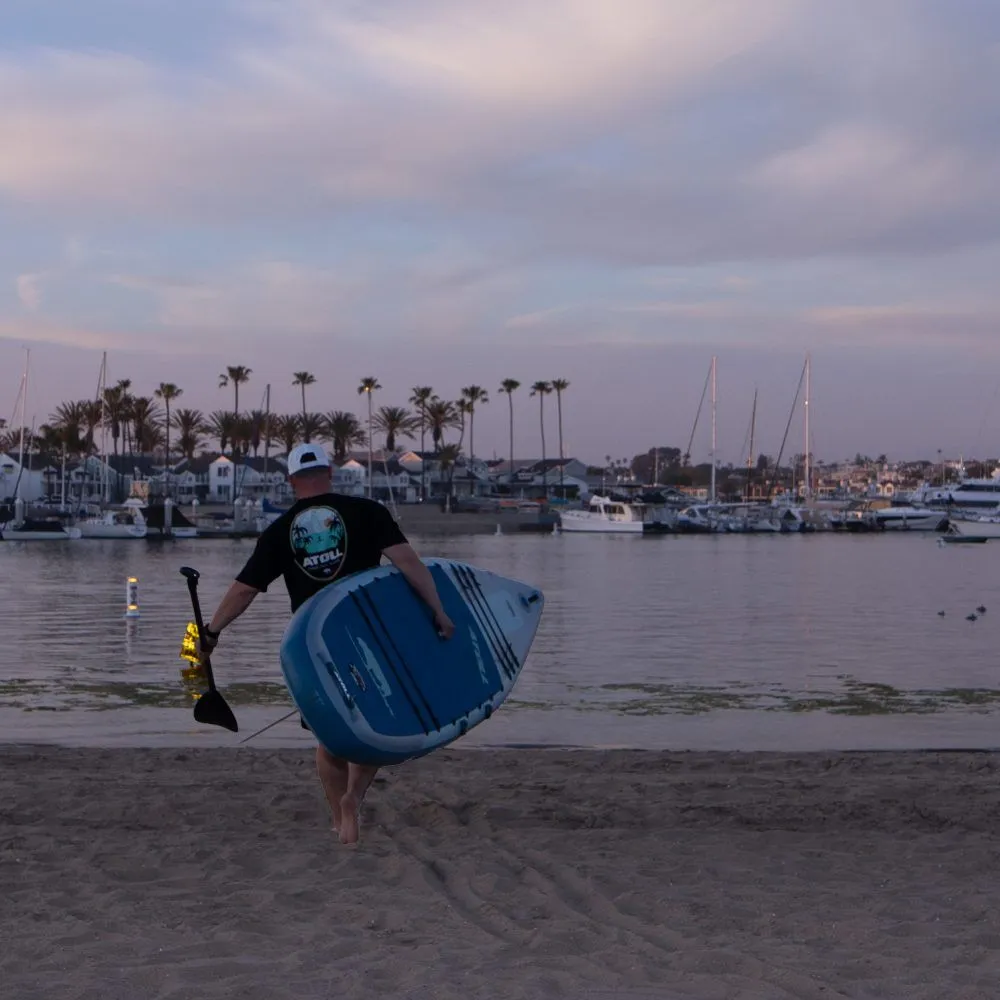
Long drive days create physical fatigue without balanced movement. Your hips tighten, and your back stiffens. Paddle sessions counter that pattern with low-impact activity.
Standing and paddling engages your core, legs, and shoulders at a moderate level. You control intensity by pace and distance. Even short sessions help restore mobility.
Mental reset matters just as much. Quiet water changes your pace of thought. I often find that route decisions and camp plans feel clearer after a relaxed paddle.
Overlanding with a paddle board builds this reset into your trip instead of leaving it to chance. The board becomes part of your recovery toolkit, not just a toy.
Social and Family Benefits Around Camp
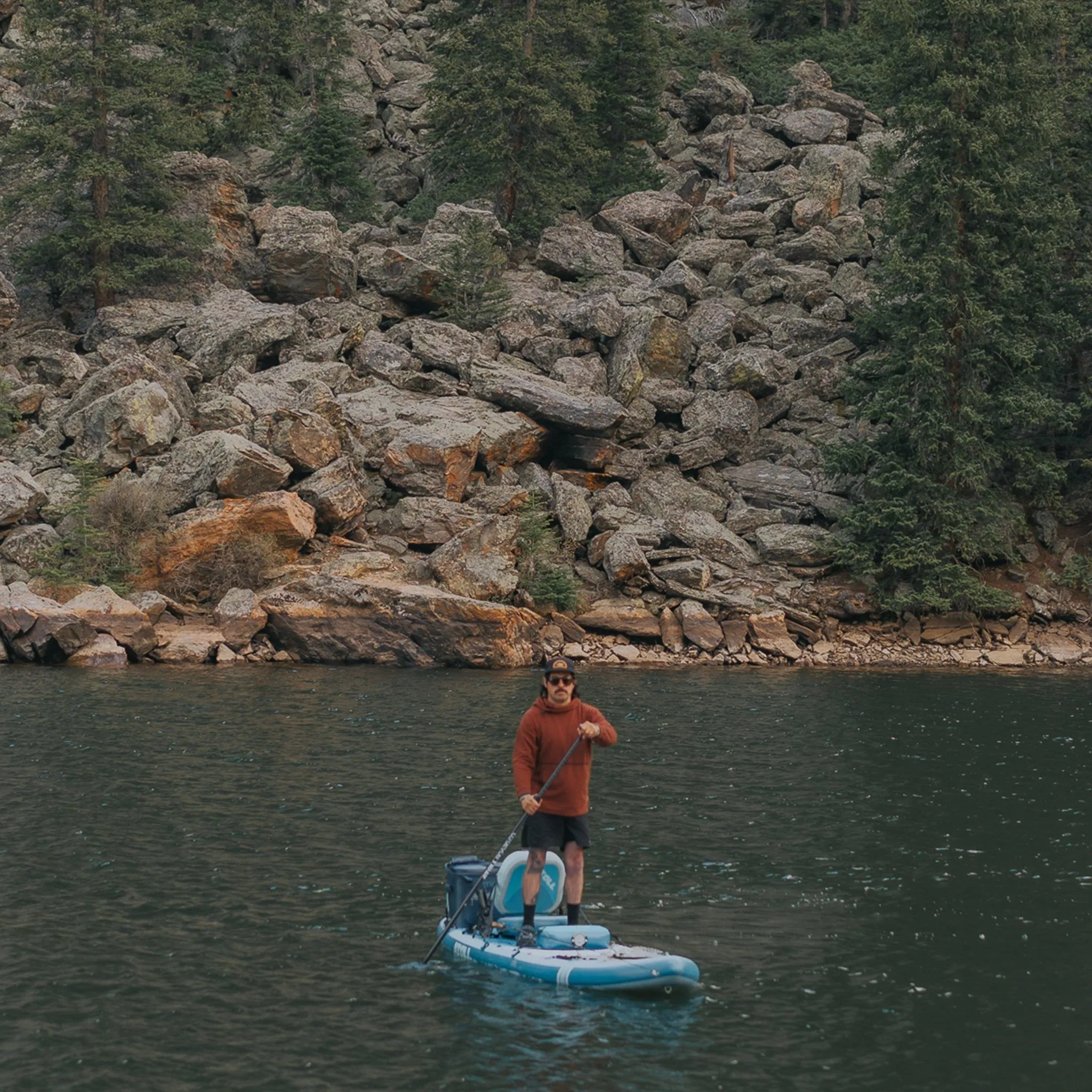
Boards invite participation. New paddlers usually gain basic balance within minutes on calm water. That fast learning curve makes group use realistic.
Families benefit from wide, stable designs. Kids can sit or kneel while an adult paddles. Dogs often adapt quickly to boards with soft traction pads.
Shared sessions create low-pressure group time. Instead of splitting up for separate activities, people rotate turns and paddle together near shore.
Overlanding with a paddle board supports this flexibility. High-capacity boards, including 11-foot Atoll models, handle mixed loads without feeling unstable.
Trip Planning With Water in Mind
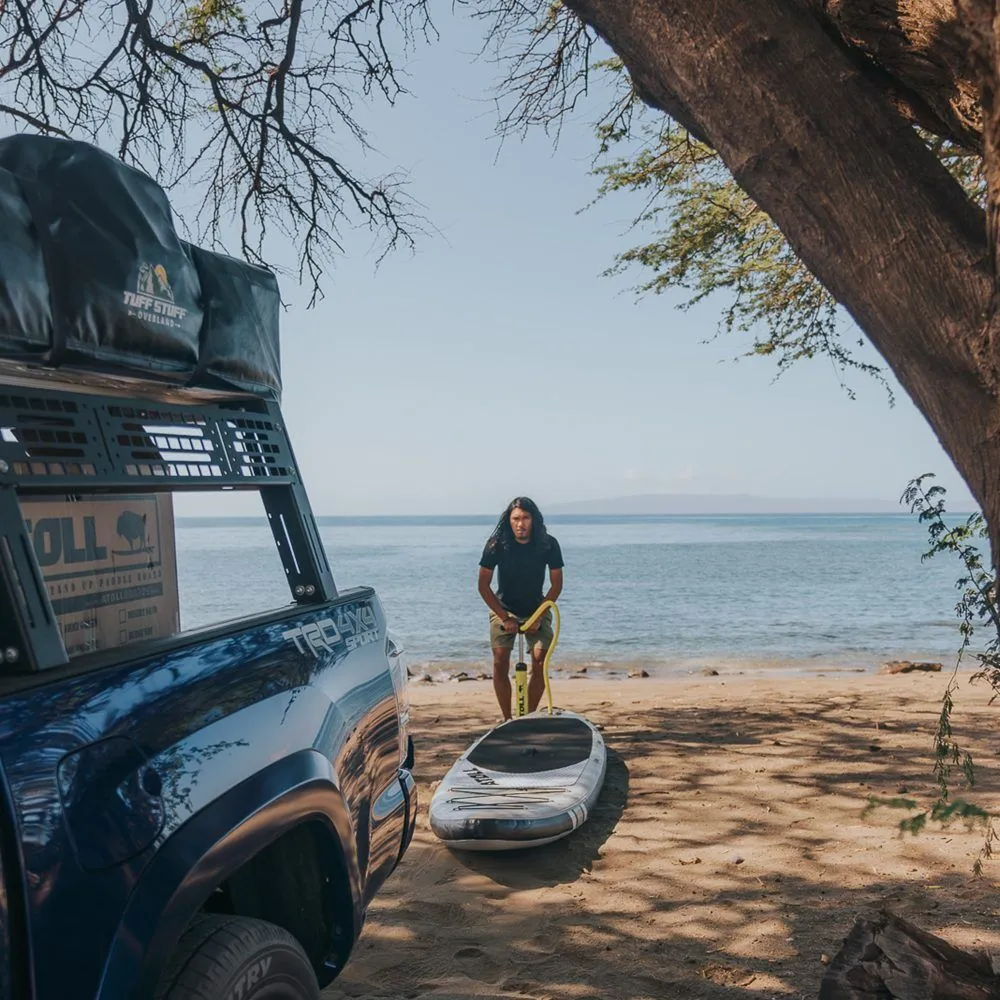
When boards become part of your routine, water access shapes your planning. You start scanning maps for lakes and slow river stretches near routes.
Satellite imagery helps confirm shoreline access and launch options. Land management sites list rules for specific waterways. A few minutes of research prevents wasted stops.
Seasonal patterns matter. Snowmelt raises flows, while late summer can lower levels. Wind exposure varies by basin shape and time of day.
Overlanding with a paddle board works best when you treat water like another trail system. You study it, respect it, and plan around it.
Common Mistakes When Overlanding With a Paddle Board
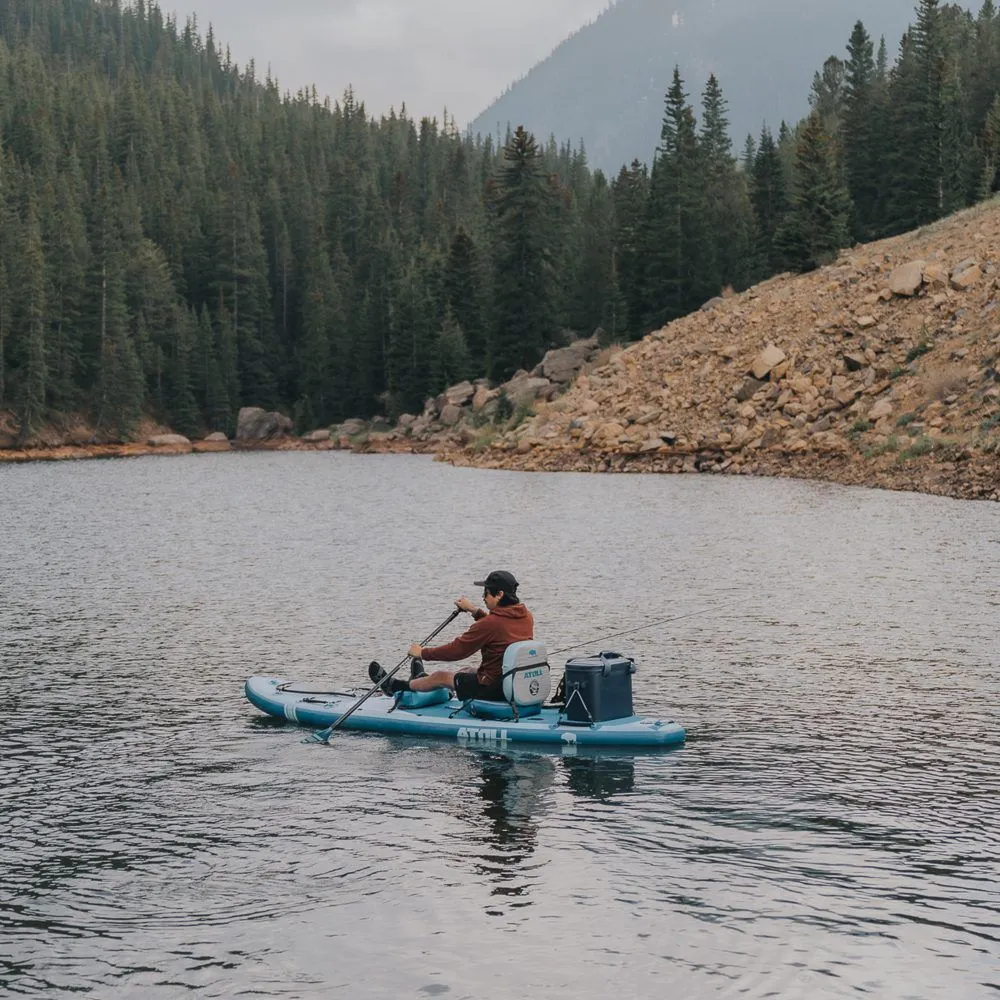
The most common mistake is choosing the wrong board type. Ultra-thin or low-capacity boards feel unstable with gear or larger paddlers. Stability should come first.
Poor storage planning causes damage. Sharp tools and loose hardware can puncture folded boards. Dedicated bags and soft barriers reduce that risk.
The weather also gets ignored too often. Wind builds quickly, and changes return effort. Always plan paddles with an easy return path.
Skipping safety gear is another error. A leash and a flotation device are simple protections. Overlanding with a paddle board still demands respect for water risk.
The Camp Paddle Repeat Lifestyle
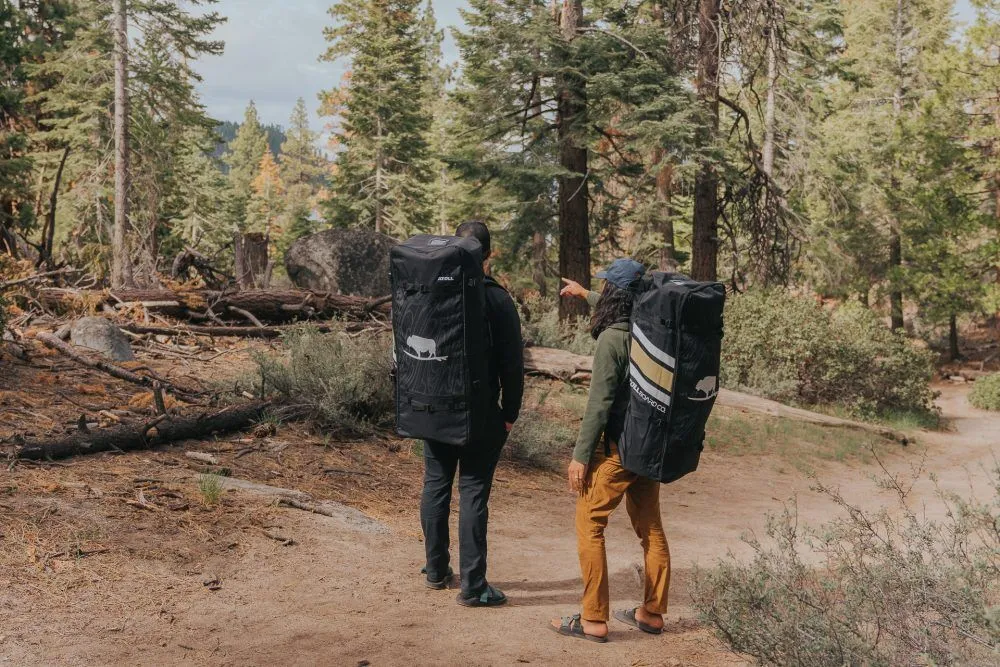
The camp, paddle, repeat cycle creates a steady and satisfying travel rhythm. You arrive, set camp, get on the water, rest, and repeat the next day.
This pattern reduces the urge to constantly move. Stops feel fuller. Experiences stack without adding miles.
Overlanding with a paddle board turns water into usable terrain and a daily routine. It blends motion and rest in a way that pure vehicle travel rarely achieves.
Once this rhythm takes hold, many travelers plan trips around it. The board earns its space because it keeps paying value day after day. This is especially true if you invest in a rock-solid paddle board like those from Atoll.
FAQ
Is overlanding with a paddle board practical for short trips?
Yes. Even overnight trips benefit. A single evening or morning paddle adds value without major time cost.
Are inflatable boards durable enough for backcountry use?
Quality inflatables with military-grade PVC and reinforced seams handle rough launches and transport well.
How much storage space does an inflatable board require?
Most pack into a backpack-sized bag that fits in a cargo area or drawer system.
Do I need special launch sites?
No. Calm shorelines with safe footing work for most inflatable boards.
What size board works best for mixed use?
Wide, all-around boards around 11 feet long offer good stability and load capacity for varied conditions.
A quick heads-up: If you snag something through our affiliate links or check out our sponsored content, we might earn a commission at no extra cost to you. But fear not, we’re all about recommending stuff we’re truly stoked about!