


Quick Facts:
- Topic: sleeping bag ratings and the ISO 23537 numbers behind them.
- Main numbers: comfort, limit, and extreme. The older EN standard added a rarely printed upper limit.
- Which to read: comfort if you sleep cold, limit if you sleep warm.
- Margin rule: pick a bag 10 to 15°F colder than your coldest expected night (REI).
- Hidden factor: the lab test uses a well-insulated pad, so a thin pad lowers your real rating.
- Label trap: two bags sold as a 20 list limits of 12°F and 18°F.
- Best for: truck, SUV, and rooftop tent campers who choose or check a bag.
8 min read
In This Guide
- Why Sleeping Bag Ratings Mislead Truck Campers
- Sleeping Bag Ratings at a Glance
- What ISO 23537 Tests
- Comfort Rating vs. Lower Limit: Which Number to Read
- How to Read Sleeping Bag Ratings on a Real Tag
- Why You Still Sleep Cold in a Rated Bag
- Picking a Number for Truck, SUV, and Rooftop Tent Nights
- Final Thoughts
- Frequently Asked Questions
Why Sleeping Bag Ratings Mislead Truck Campers
Sleeping bag ratings answer a narrow question. The number on the tag describes a heated test dummy lying still on a well-insulated pad. It does not describe you in a truck bed at 2 a.m.
Brands round the printed number, too. For example, REI says a bag named “15” might carry an ISO limit of 18°F, and no rule sets the rounding direction.
The headline number reads like a comfort promise. It is not one. This guide explains the main ISO numbers and shows how to read a real tag. It also lists the reasons you still sleep cold in a correctly rated bag.
Sleeping Bag Ratings at a Glance
The standard centers on three temperatures, and the older EN standard added a fourth. Most US tags print only one or two.
| Number | Who it describes | What it means at camp |
|---|---|---|
| Comfort | Standard woman, about 5 ft 3 in, relaxed position | She sleeps without feeling cold. Cold sleepers of any sex read this one. |
| Limit | Standard man, about 5 ft 8 in, curled up | He holds thermal balance but is not necessarily comfortable. |
| Extreme | Standard woman | A survival figure for about six hours. Shivering and cold injury are accepted. |
| Upper limit (older EN) | Standard man, hood and zips open, arms out | Where a warm sleeper starts to sweat. Rarely printed. |
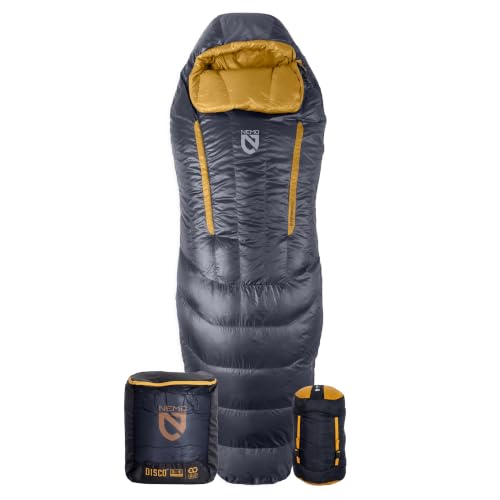
Real tags make this easier to learn. The NEMO Forte Endless Promise Men’s 20 and the NEMO Disco Men’s 15 both print ISO comfort and limit numbers on NEMO’s pages. Meanwhile, Sea to Summit lists an ISO rating for its Basecamp 15 on the maker’s page.
Bags with ISO ratings


What ISO 23537 Tests
A lab test produces these ratings. The standard replaced EN 13537 around 2016, and ISO published the current edition on March 18, 2022. REI says the two methods are almost identical, so older EN numbers still compare with newer ones.
Labs run the test on a heated manikin in a climate chamber. The manikin wears one base layer and socks, lies motionless, and rests on an insulated pad. Chamber air is nearly still, and the bag is conditioned first.
Sea to Summit says no law in North America requires a bag test before a rating claim. As a result, a brand is free to print a number without a lab. REI says most brands do use an independent lab.
Because the manikin never moves, the test never compresses insulation at the knees and hips. Hoods and draft collars get tested poorly too. Sea to Summit notes ultra-narrow mummy bags test well but possibly feel cooler outdoors. So the label is a baseline, and you still choose which figure to trust.
Comfort Rating vs. Lower Limit: Which Number to Read
Read the comfort rating if you sleep cold, whatever your sex. Go by the lower limit if you sleep warm and accept a rough night at the edge.
Brands split their labels by sex because the standard woman is the comfort model. Women’s bags usually print the comfort figure, while men’s and unisex bags print the limit figure. At the same printed number, REI says women’s bags generally weigh more. Check which figure your tag prints before you compare two bags.
Extreme is another matter. It is a survival figure for a standard woman over about six hours, with shivering and cold injury accepted. Sea to Summit does not publish it. Never plan a trip around it. The cold weather camping safety tips cover what to do when a night goes wrong.
How to Read Sleeping Bag Ratings on a Real Tag
Four real tags show where sleeping bag ratings mislead. These values come from each maker’s page, as of October 1, 2026.
- NEMO Forte Endless Promise Men’s 20: comfort 29°F, limit 18°F.
- Marmot Trestles Elite Eco 20: comfort 24°F, limit 12°F.
- REI Co-op Magma 15: comfort 21°F, limit 9°F.
- Sea to Summit Trek Down (unisex) 15°F: comfort 27°F, limit 16°F.
Notice the spread. The NEMO and Marmot bags both carry a “20” in the name, yet their limits differ by 6°F. Likewise, the Magma’s “15” sits between its two numbers. The name is marketing, and the labeled values are the data. Read the labels first, then ignore the name.
A bare number with no comfort or limit label is probably the brand’s own estimate, according to REI. For instance, Kelty’s page for the Cosmic Down 20 lists a single 20°F figure with no test labels.
Why You Still Sleep Cold in a Rated Bag
A correct rating still leaves several gaps between the lab and your truck bed. Fix these before you buy a colder bag.
Your Pad Sets the Floor
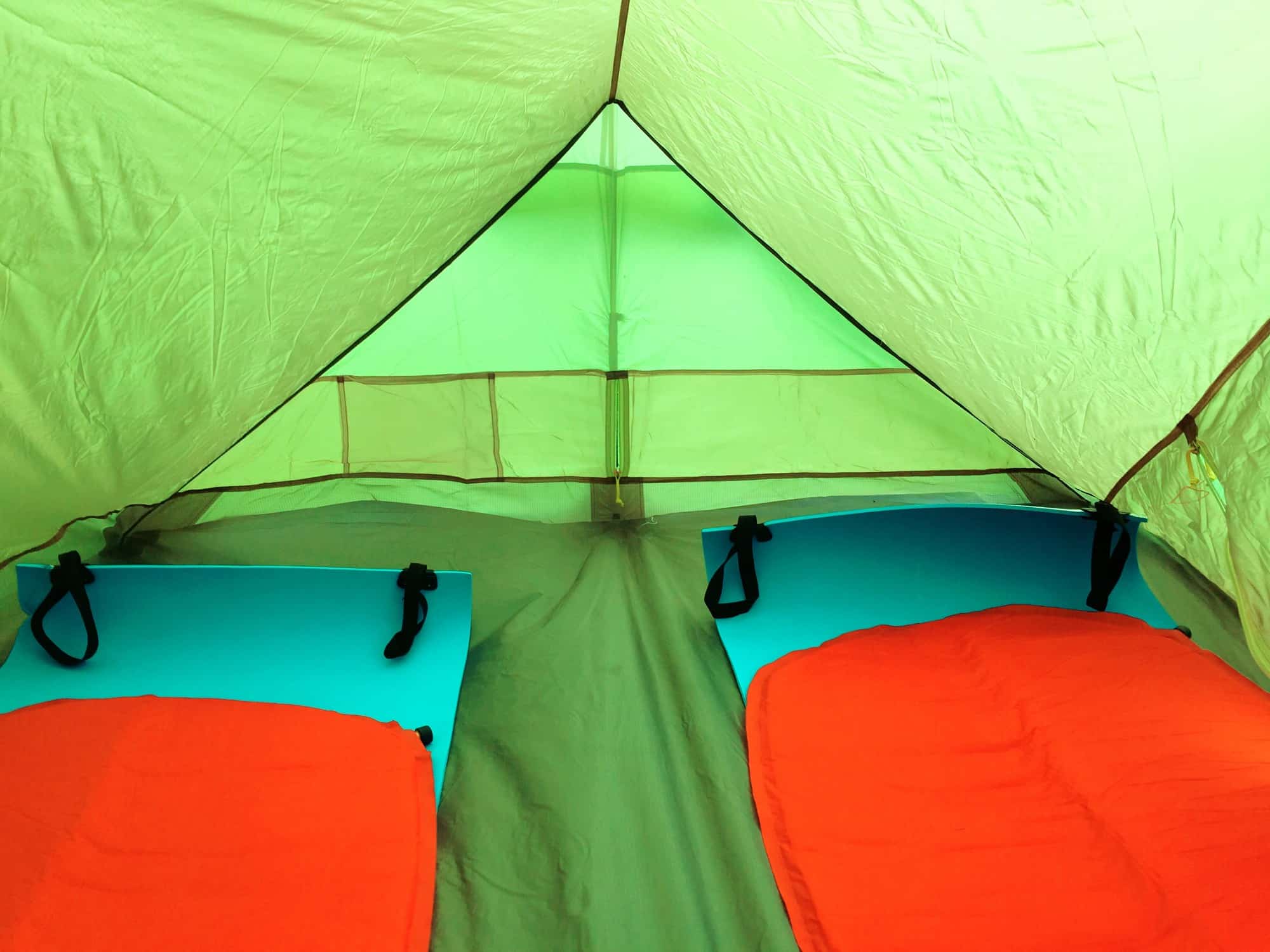
Ground drains body heat whenever it is cooler than about 98°F, so the pad under you sets how well the bag performs. REI maps pad R-value to the expected low, and the table in the next section lists each pairing.
R-values add when you stack pads, so a foam pad under an air pad raises the total. Specifically, the Sea to Summit Ether Light XT Insulated is rated R-3.2, short of REI’s R-4 band for 20°F nights. The Klymit Insulated Static V Peak lists R 4.2 (ASTM), which clears it. For more pad choices, see the how cold is too cold guide.
Moisture and Compressed Loft
Wet insulation loses warmth, and the fill type sets how much. Synthetic fill keeps insulating when wet, REI says, while down loses much of its warmth. Condensation wets tent walls, so ventilate early and keep the bag off damp fabric. A separate walkthrough explains how to reduce condensation inside your tent.
Storage affects loft. REI warns against leaving a bag tightly compressed for long periods. Store it loosely in a large mesh or cotton sack between trips.
Food, Fit, and Going to Bed Cold
The bag only holds the heat you bring. Eat a proper dinner and a calorie-dense snack before bed, since digestion makes heat. Skip alcohol, because it widens blood vessels and increases heat loss.
Warm up with light exercise before you climb in, but do not sweat. Then fill a 1-liter hard plastic bottle with hot water and keep it near your core. A sleep-only dry base layer helps more than wearing damp trail clothes.
Bag shape counts too. REI says a rectangular bag gives up the most warmth, and a cinched hood adds some back. A liner adds warmth, though the estimates vary widely. Sea to Summit estimates up to 10°F for its Reactor Extreme liner, while REI gives a wider 5 to 25°F range. Both figures are estimates, not test results.
Three fixes address the gaps above: a warmer pad, a liner, and a hot-water bottle. The Klymit Insulated Static V Peak, the Sea to Summit Reactor Extreme liner, and a Nalgene 32 oz Wide Mouth bottle each cover one job.
Fixes for a cold night


Picking a Number for Truck, SUV, and Rooftop Tent Nights
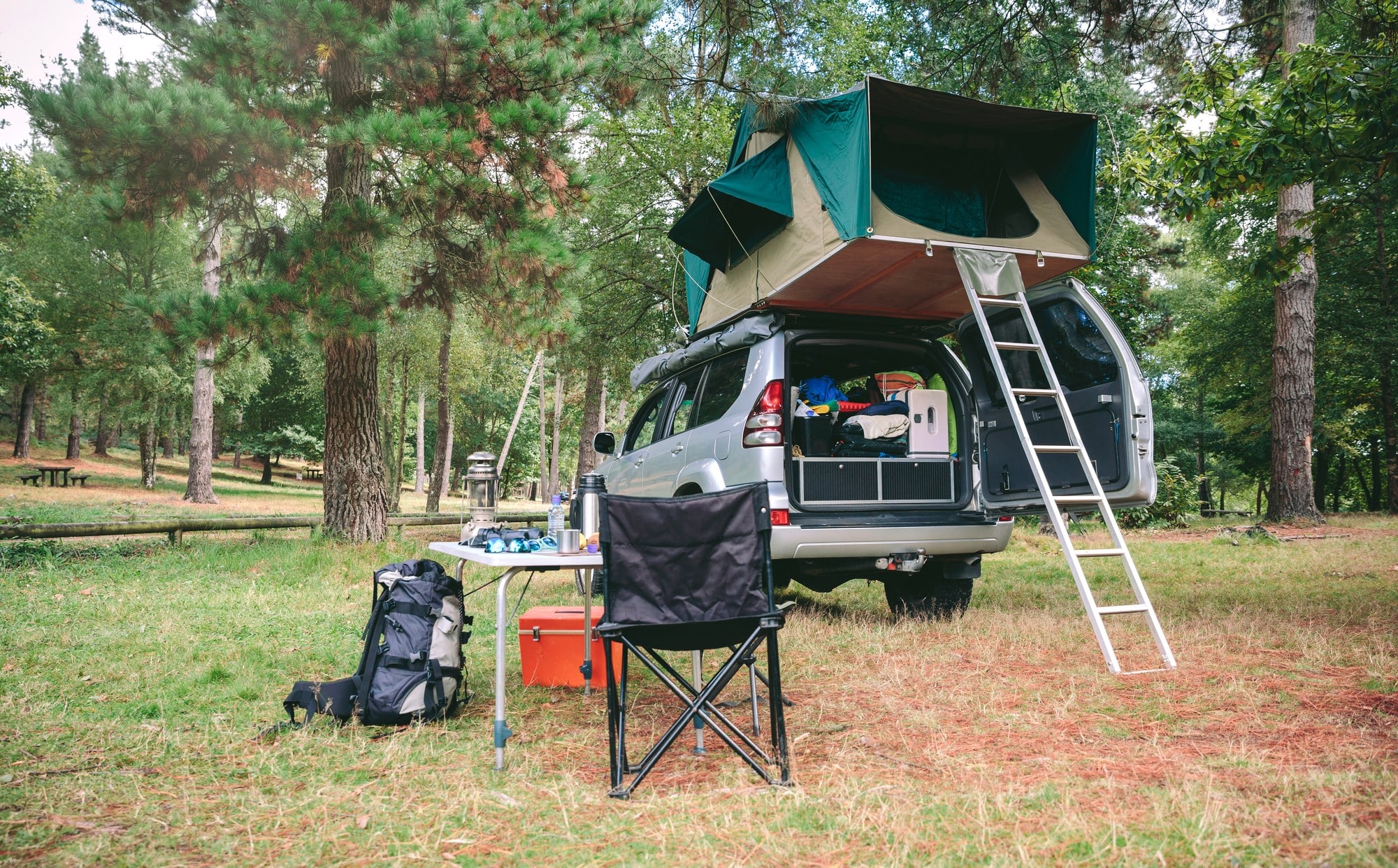
Sleeping bag ratings need a margin. Start with the coldest night you expect, then subtract 10 to 15°F for car camping, per REI. NOLS suggests a wider 10 to 20°F margin. Apply the margin to the figure you chose to read, comfort or limit. REI also pairs forecast lows with a bag rating and a pad, with smaller buffers at colder lows.
| Forecast low | Bag rating to look for | Pad R-value |
|---|---|---|
| 50°F | 30°F or lower | Under R-2 |
| 32°F | 20°F or lower | R-2 to R-3.9 |
| 20°F | 15°F or lower | R-4 to R-5.4 |
| 0°F | 0°F or lower | R-5.5 or higher |
The table runs tighter than the margin rule on the coldest nights. When the two disagree, buy the colder bag.
I have used Bereg tents for years, and I run a diesel heater overnight, so heat is part of my math. However, many truck bed, SUV, and rooftop tent nights have no heater, so the printed number matters most. Pick the bag and the pad as a pair.
Safety note: The CPSC says never to use fuel-burning portable heaters or lanterns while sleeping in tents, campers, or other vehicles. Follow the maker’s manual for a vented diesel heater, and add a carbon monoxide alarm as a backup.
For shape, fill, and zipper choices, see the sleeping bag buyer’s guide. The camping sleep system picks cover pads and quilts.
Final Thoughts
Nobody wants to lie awake at 2 a.m. wishing for dawn. Sleeping bag ratings work best as a comparison tool, not a promise. Read the comfort number if you run cold and the limit if you run warm. Then subtract 10 to 15°F from the coldest night you expect.
For me, the pad is the first thing to check, because it decides whether the bag gets to deliver its rating. A closed-cell foam pad under your pad is a cheap upgrade to try before buying a colder bag. Moisture is the second check, since a damp down bag loses much of the warmth you paid for.
Before your next trip, find the comfort and limit labels on the bag you own. If a tag shows only one number, treat it as an estimate and buy a little colder. Pack a dry base layer for sleeping and eat before bed. Then the same bag is likelier to feel warm on your next cold night.
Frequently Asked Questions
What does the comfort number on a sleeping bag mean?
It is the temperature at which a standard woman sleeps in a relaxed position without feeling cold. Cold sleepers of any sex should read it. It runs warmer than the limit figure.
Is a 20-degree sleeping bag warm enough for 30-degree nights?
Often yes for a warm sleeper on a good pad. However, a cold sleeper should check the comfort figure. It sits at 24 to 29°F on the NEMO Men’s and Marmot bags sold as a 20. At 30°F, the margin is thin.
Why do I sleep cold in a 20-degree sleeping bag?
The usual causes are a low-R pad, damp insulation, a bag stored compressed, and going to bed hungry or chilled. In addition, sleeping bag ratings assume still air and a motionless sleeper. Fix the pad and moisture first.
What does the extreme rating on a sleeping bag mean?
It is a survival figure for about six hours, not a comfort figure. Shivering and cold injury are accepted at this level. Treat it as a floor you never plan to reach.
Did the ISO standard replace EN 13537?
Yes. The ISO method replaced EN 13537 around 2016 and was revised in 2022. REI says the two are almost identical, so ratings from both eras compare.