


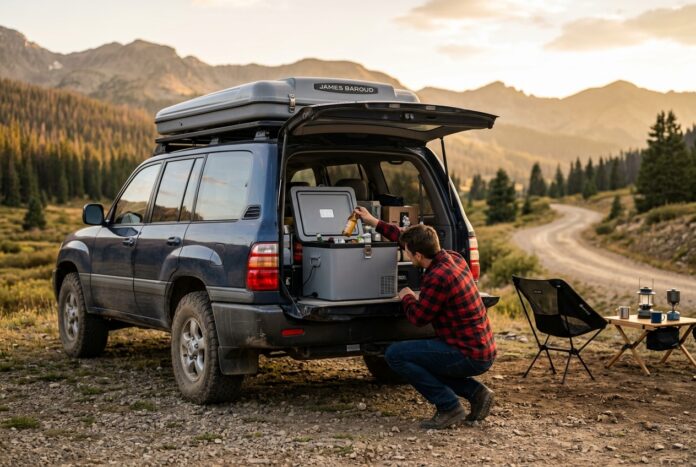

Quick Facts:
- Topic: Overland fridge size guide (40L vs 55L vs 75L)
- Best for 1 to 2 people, weekends: 40L (TRP 4×4 Mammoth, 15 lbs, $549.99)
- Best for couples, 4 to 5 day trips: 55L dual-zone
- Best for families, week-plus trips: 75L or larger dual-zone
- Main decision factors: trip length, vehicle space, power budget
- Rule of thumb: about 1 liter of fridge per person per day, then round up
- Power note: bigger boxes pull more amp-hours and need more battery
8 min read
In This Guide
- Overland Fridge Sizing: Start With the Trip, Not the Box
- 40L vs 55L vs 75L at a Glance
- The 40L Tier: Solo and Weekend Overlanders
- The 55L Tier: Couples and Long Weekends
- The 75L Tier: Families and Week-Plus Trips
- Overland Fridge Power Draw Scales With Size
- Single-Zone or Dual-Zone Overland Fridge?
- 40L vs 55L vs 75L: Which Should You Buy?
- Final Verdict
- Frequently Asked Questions
Overland Fridge Sizing: Start With the Trip, Not the Box
Choosing an overland fridge by capacity trips up more buyers than any spec on the sheet. Most shoppers fixate on liters first. Instead, start with your trip length, your crew size, and the space behind your seats. Size follows from those three answers.
Here is the working number I use after testing fridges across the ICECO lineup and others: plan for roughly 1 liter of fridge volume per person per day, then round up for drinks and ice. Solo weekenders land near 30 to 40 liters. A couple on a five-day loop sits closer to 55. Families chasing a week off-grid need 75 liters or more.
Capacity also drives weight, power draw, and footprint. A larger box stores more food, yet it pulls more amp-hours and eats more cargo room. Therefore the best 12v fridge for you is the smallest one holding your real load. Moreover, a portable car fridge removes ice runs entirely, so the value rises on any trip past two days. If you have not settled the fridge question itself, our look at a portable fridge versus a cooler covers ice cost and power before you size anything.
For a feature-by-feature breakdown beyond size, our overlanding fridge buying guide pairs well with this article. Below, each tier maps to a crew size and a trip length, so you match a number to your own setup.
40L vs 55L vs 75L at a Glance
This table sets the baseline. Use it to find your tier, then read the section beneath it for the trade-offs.
| Size class | Best for | Typical trip | Cans (12 oz) |
|---|---|---|---|
| 40L (top pick: TRP 4×4 Mammoth) | 1 to 2 people | Weekend to 3 days | About 50 to 60 |
| 55L | 2 people or small group | 4 to 5 days | About 70 to 85 |
| 75L and up | Family of 4 or more | Week-plus | About 100 or more |
Buy Direct From TRP 4×4
The 40L Mammoth Hits the Sweet Spot
At 15 pounds and $549.99, the EPP-bodied Mammoth gives most solo and couple setups the right size without a fridge slide.
The 40L Tier: Solo and Weekend Overlanders
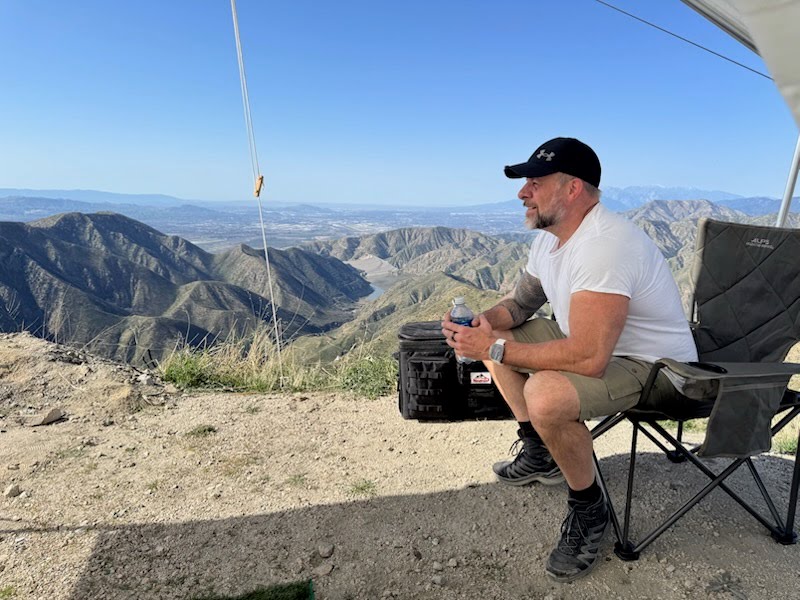
A 40L overland fridge fits the largest slice of buyers. It holds two to three days of food for one or two people, plus a row of drinks. For most weekend warriors, a 12v camping fridge in the 40L class is the size to beat.
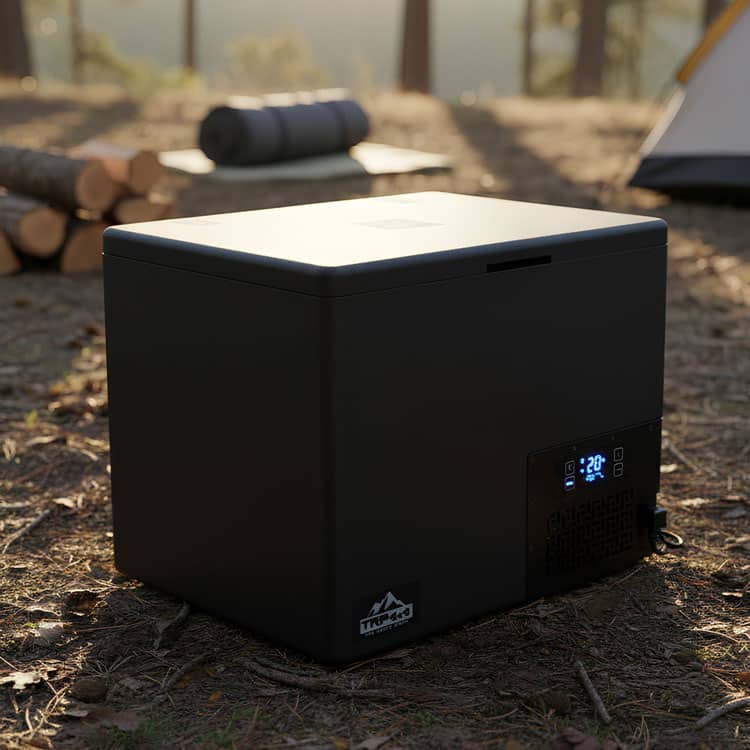
My current benchmark in this class is the TRP 4×4 Mammoth. Its body uses EPP expanded polypropylene instead of steel, so the whole unit weighs 15 pounds. After four weeks of testing, the weight difference stood out most. I lifted it one-handed into a Grand Cherokee cargo area without a slide or mounting bracket. Steel-bodied 40L boxes rarely allow it.
The Mammoth runs on 12/24V DC and 100 to 240V AC, with integrated battery protection so it will not drain your starter battery. It reaches freezer temperatures, with TRP rating it down to about -10°C (14°F), and adds ECO and MAX cooling modes plus Bluetooth control through the Mammoth app. External dimensions measure 20 inches tall, 15 wide, and about 16.7 deep, so it tucks behind a second row easily. For the full breakdown, read our full TRP 4×4 Mammoth review.
At $549.99, the Mammoth undercuts premium steel-bodied names while keeping a real compressor and app control. However, the trade-offs are honest ones. Its single-zone design holds one temperature, so you chill or freeze, not both at once. The 1-year warranty also runs shorter than some premium rivals. For a solo overlander or a couple on short trips, this tier wins on portability and price.
Save on Your 40L Setup
Skip the Slide, Keep the Cold
The Mammoth’s lightweight EPP shell removes the need for heavy slides and brackets. Bundle the M40L bag and battery pack direct.
The 55L Tier: Couples and Long Weekends
Step up to 55 liters when two people travel for four to five days, or when one person hauls drinks for a group. This mid-size tier adds roughly 15 liters over a 40L box, which translates to another day or two of fresh food before a resupply.
Many 55L units also bring a dual-zone layout, so one side chills while the other freezes. The ICECO APL55 sits in this class as a 55L dual-zone fridge with a SECOP compressor. For a hands-on look, see our ICECO APL55 review.
The trade-off shows up in cargo space and power. A 55L overland fridge takes more floor area and pulls more amp-hours than a 40L box. Plan your battery and slide around it. Still, for couples who cook real meals off-grid, this size removes the daily ice-and-shuffle routine a smaller box sometimes forces.
The 75L Tier: Families and Week-Plus Trips
Families and long-haul travelers belong in the 75L tier or larger. At this size, an overland refrigerator stores a week of meals for four. A 12v fridge freezer here also keeps dedicated freezer space for meat and ice. The ICECO VL75ProD anchors this class at roughly 79 quarts with dual-zone cooling; our ICECO VL75ProD review covers it in depth.
However, capacity at this level carries a cost. A 75L box often weighs 50 pounds or more empty, demands a dedicated slide, and draws the most power of any tier. Because of the weight and draw, this size suits built trucks, expedition trailers, and vans with the battery to match.
If your trips rarely run past a long weekend, a 75L unit wastes space and power. Buy this tier only when crew size or trip length truly fills it.
Overland Fridge Power Draw Scales With Size
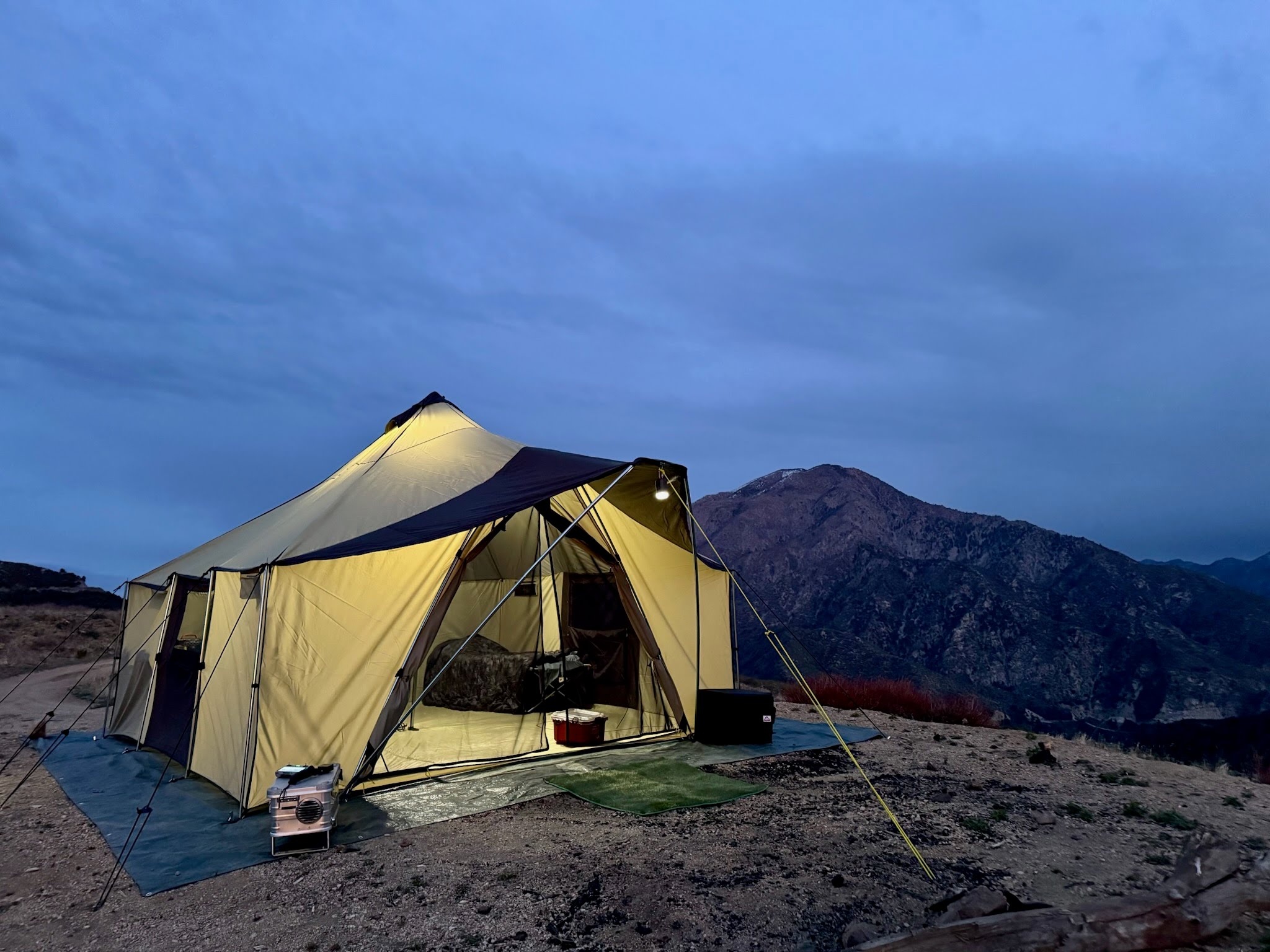
Power is the spec buyers skip until the battery dies. Capacity and power draw move together, so a larger overland fridge needs a larger electrical budget. Match the box to your battery before you buy. For example, a portable car fridge wired to your 12V system keeps cooling while you drive, since the alternator carries the load.
As a rough field guide, a 40L compressor fridge averages around 0.5 to 1 amp per hour in mild weather. A 55L unit lands higher, and a 75L dual-zone box higher still, especially in summer heat. A 100Ah lithium battery, holding close to 100 usable amp-hours, runs a 40L overland fridge for roughly two to four days before a recharge.
Two factors push draw up fast: ambient heat and your setpoint. Freezing pulls far more energy than chilling. Therefore a smaller 12v fridge freezer on chill duty often outlasts a larger one set to freeze. To plan meals around your power and storage together, our guide on how to build a complete overlanding food system ties the two sides together.
Single-Zone or Dual-Zone Overland Fridge?
Zones matter as much as liters. A single-zone overland fridge holds one temperature throughout. A dual-zone box splits into two compartments, so you chill on one side and freeze on the other.
Single-zone units run lighter, cost less, and draw less power. For solo and couple setups, one zone usually covers the job, which is why the 40L Mammoth keeps a simple single-zone design. Dual-zone shines for families wanting fresh produce and frozen meat at once, a common reason the 55L and 75L tiers favor it.
Pick dual-zone only if you will use both sides. Otherwise, a single-zone box saves money and amp-hours for the same usable space.
40L vs 55L vs 75L: Which Should You Buy?
The decision comes down to three inputs: how many people you feed, how long you stay out, and how much battery and cargo room you own. Start there, then size up only if your honest answer demands it.
For one or two people on weekends, the 40L tier wins on weight, price, and packed space. The 15-pound TRP 4×4 Mammoth shows how far a light single-zone box stretches without a slide. For couples on four to five day trips, the 55L tier adds a day of food and an optional freezer side. For families or week-plus runs, the 75L tier earns its weight and power cost.
When two tiers feel close, weigh power and footprint over raw liters. A right-sized overland refrigerator you fully power beats an oversized one starving your battery. For brand picks across every size, our roundup of the best overland fridge/freezers of 2026 pairs with this size guide.
Final Verdict
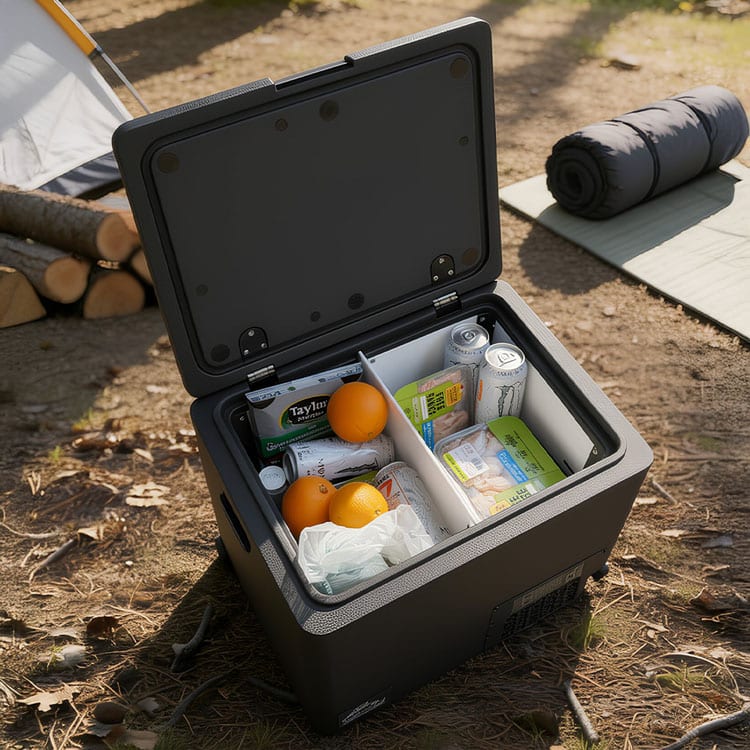
Most overlanders need less fridge than they think. For solo travelers and couples on short trips, the 40L tier delivers the best mix of weight, price, and usable space. The TRP 4×4 Mammoth leads here, since its 15-pound EPP body and $549.99 price remove the slide and the premium markup at once.
Step up only when your crew or calendar forces it. Couples cooking real meals across long weekends gain from a 55L dual-zone box like the ICECO APL55. Families off-grid for a week need the 75L tier, with the battery and slide to support it. Buy bigger and your power system pays the bill every night.
On value, the 40L class wins for the widest group of buyers. For example, the best 12v fridge for a weekend tends to be a light 40L box. You get true freezer capability, app control, and trip-length capacity without the cost and draw of a larger unit. For the smaller tier, a lightweight single-zone box covers most trips most owners take.
Size your overland fridge to your real load, not your biggest imagined one. If you sit between two tiers, the lighter, lower-draw choice serves you better across a season. For most readers here, a 40L like the Mammoth answers the question, with the ICECO APL55 as the next step up.
Ready to Buy?
Check Today’s Price on the Mammoth 40L
In stock now and backed by a 1-year warranty. Order the 40L Mammoth direct from TRP 4×4.
Frequently Asked Questions
What size overland fridge do you need for two people?
For two people on weekend trips, a 40L overland fridge covers food and drinks with room to spare. Stretch to four or five days and a 55L box adds the extra capacity. The TRP 4×4 Mammoth suits the two-person weekend case well.
How many watts does a 12V fridge use?
A 12V compressor fridge draws roughly 45 to 60 watts while the compressor runs. Because the compressor cycles on and off, daily energy use lands far lower than the peak. Larger boxes and freezer setpoints push the average up.
Will a 12V fridge run while you drive?
Yes. A 12v camping fridge runs off your vehicle’s 12V socket or a hardwired circuit while you drive, and the alternator keeps it powered. Integrated battery protection, like the Mammoth’s, stops the fridge before it drains your starter battery.
How long will a 100Ah battery run a 12V fridge?
A 100Ah lithium battery runs a 40L overland fridge for about two to four days on chill duty. Hot weather and a freezer setpoint shorten the window. Solar input or a second battery extends it for longer trips.
Is a single-zone or dual-zone fridge better?
Single-zone fits solo and couple setups, since it runs lighter, costs less, and draws less power. Dual-zone helps families needing fresh and frozen storage at once. Choose dual-zone only when you will use both compartments.