


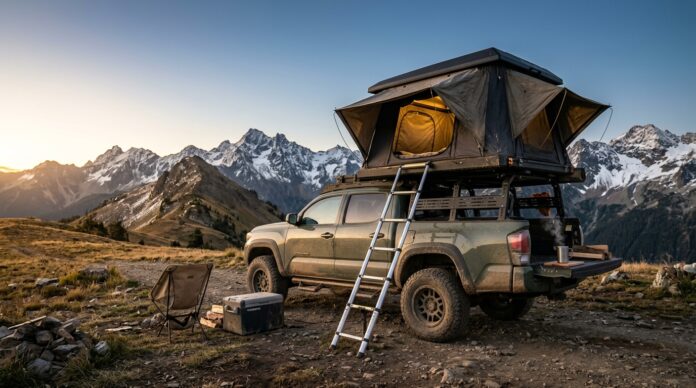

Quick Facts:
- Topic: Are rooftop tents worth it in 2026
- Soft shell price: roughly $1,000 to $2,500
- Hard shell price: roughly $1,850 to $5,100
- Full setup cost: $2,500 to $7,500 all-in
- Setup time: 45 to 90 seconds for most hard shells
- Fuel impact: about 10% to 17% at highway speed
- Best for: campers who go out 15-plus nights a year and move camp often
- Skip it if: you camp a few times a year on a tight budget
9 min read
In This Guide
- Are Rooftop Tents Worth It for the Way You Camp?
- Rooftop Tent Costs and Specs at a Glance
- Why Rooftop Tents Still Make Sense
- The Real Drawbacks Before You Buy
- Soft Shell vs Hard Shell Rooftop Tents
- Rooftop Tent vs Ground Tent: Which Is Worth It?
- The Case For and Against Rooftop Tents
- Final Verdict: Are Rooftop Tents Worth It in 2026?
- Frequently Asked Questions
For a direct head-to-head with a ground tent, our comparison guide breaks down the trade-offs across setup speed, total cost, weather performance, and four-season flexibility.
Are Rooftop Tents Worth It for the Way You Camp?
Are rooftop tents worth it in 2026? The short answer is yes, but only for the right camper. These tents now sit on Jeeps, Toyotas, and full-size trucks across the overlanding world. A few even ride on rigs never driven off pavement. No judgment here. Well, a little judgment.
Prices climbed hard over the past few years, though. Once you add the tent, rack, bedding, lighting, and camp gear, the total grows fast. Soft shell setups start around $1,000. Premium hard shells push past $5,000. So the real question stands: do these tents earn their price, or are they expensive roof jewelry?
I have camped and overlanded for the better part of two decades. Across those years I tested soft shells, hard shells, clamshells, and wedge tents in real conditions. In the field, most hard shells deploy in 45 to 90 seconds. They open blazing fast once you reach a spot. Because of this speed, you spend more time at camp and less time wrestling poles.
Rooftop Tent Costs and Specs at a Glance
Pricing drives most of the decision, so start with real 2026 numbers. The table below pulls current model prices and field data. Use it as a baseline before you shop.
| Specification | Details |
|---|---|
| Soft shell price range | About $1,000 to $2,500 (Smittybilt Gen2 around $1,500) |
| Hard shell price range | About $1,850 to $5,100 (premium James Baroud Evasion $4,095 to $4,795) |
| Full setup, all-in | $2,500 to $7,500 with rack, bedding, and lighting |
| Setup time | 45 to 90 seconds (hard shell); about 5 minutes (soft shell) |
| Highway fuel impact | Roughly 10% to 17% drop at speed |
| Weight range | About 87 lb up to 350 lb depending on model |
| Value sweet spot | 15 to 40-plus nights a year with frequent camp moves |
See Them In Person
Compare Rooftop Tents at Spirit of 1876
Spirit of 1876 carries one of the largest rooftop tent selections around. Touch the fabrics, test the mattresses, and ask the experts before you spend.
Why Rooftop Tents Still Make Sense
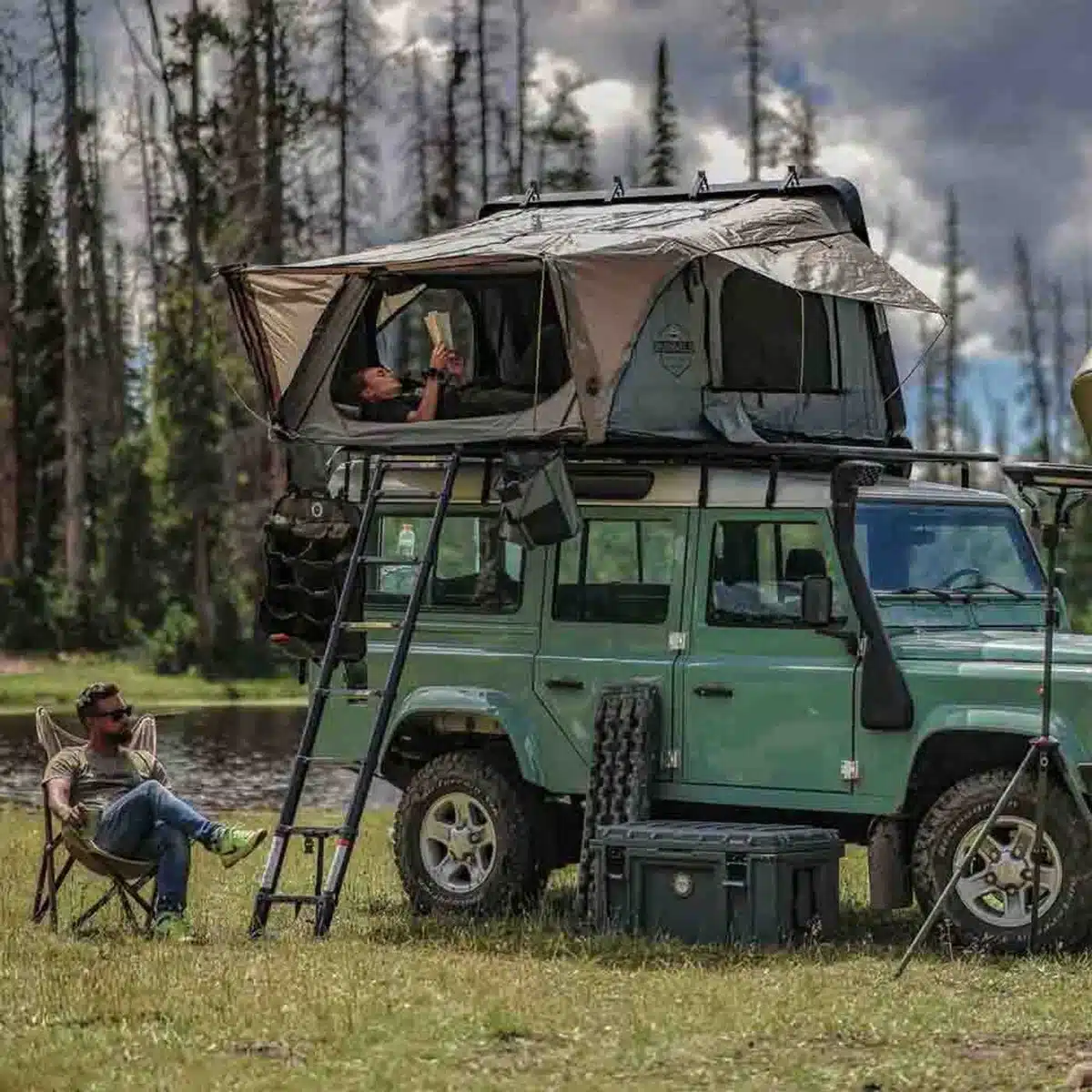
Convenience drives the whole category. Your sleep system already lives on the vehicle. Moreover, the mattress stays put, and your bedding often stays inside between trips. As a result, you skip the nightly hunt for poles, stakes, pads, and the pillow gone missing on every trip. Then you park, open the tent, and you have a place to sleep.
Speed matters most when you arrive late or watch weather roll in. Many of us have raced the sun behind a ridge. Usually the mountain wins. However, with a quick deploy, you beat the dark instead of fighting it. For weekend trips especially, the ease lowers the friction of getting out the door.
Storage is the other quiet win. Because your bed sits up top, the cabin and bed free up for a fridge, water, food, and recovery gear. In addition, an overlanding rooftop tent reaches quiet BLM spots beyond the range of trailers and big RVs. From there, you go farther, find a better view, and arrive with your bed ready. For specific models worth a look, see our roundup of the best rooftop tents available now.
Easier camping usually means more camping. This single outcome is the strongest argument for the spend. So if a tent gets you outside more often, it earns its keep.
The Real Drawbacks Before You Buy
Rooftop tents solve some problems and create others. Cost leads the list. A ground tent is almost always cheaper. Sleeping inside the rig or building a simple platform also costs less. Once you stack the tent, rack, bedding, awning, and storage, the bill climbs quickly. So look past the sticker price and price the full kit.
Height is the second issue. Most garages give you about 7 feet of clearance. Add a tall tent to a lifted truck, and your daily driver becomes an outdoor-only vehicle. Measure before you buy. Otherwise the tent forces you to park outside year-round.
Weight is the third tradeoff, and it sits high. You add mass above the roofline, which shifts the center of gravity. On technical trails, you feel it through the steering. Still, be honest about your rig. A camping build and a rock crawler are not always the same truck.
Fuel economy and wind noise round out the list. Highway mileage drops roughly 10% to 17%, and a soft shell adds some flap on the highway. None of these break the deal for everyone. Still, weigh each one before the money leaves your account.
Soft Shell vs Hard Shell Rooftop Tents
The soft shell rooftop tent usually wins on value. You get the most square footage for the least money. For a family of four, the extra room helps. The tradeoff is setup, since a soft shell takes about 5 minutes to pitch and pack. Compared with a ground tent, though, it is still quick.
By contrast, a hard shell rooftop tent sells on speed and simplicity. It opens and closes in 45 to 90 seconds, and it rides cleaner on the highway. For example, some models accept crossbars for gear up top. The downside is price and weight, because a hard shell often costs twice as much and weighs more. It also offers less floor space than a large soft shell.
To go deeper on the fork, read our guide on choosing soft shell vs hard shell. I recently sat down with Mike from Spirit of 1876 in Castle Rock, Colorado, to walk through what buyers should check first. Watch the full interview below before you spend real money.
Rooftop Tent vs Ground Tent: Which Is Worth It?
A ground tent wins on price and simplicity every time. It costs less, weighs nothing on your roof, and fits in any garage. If you camp a handful of nights a year, a good ground tent already does the job. For this camper, therefore, the upgrade rarely pays off.
Conversely, a rooftop tent wins on speed, comfort, and reach. You sleep off wet ground, deploy in about a minute, and reach spots a trailer cannot follow. Against a camper or trailer, the trade is space for access. A camper hands you room and hard walls, while a rooftop tent takes you down trails no trailer will follow. For a full side-by-side on the bigger rigs, see our rooftop tent vs truck camper comparison.
So the choice comes down to friction, not looks. A rooftop tent justifies the spend when it gets you out more often. Yet when a ground tent already works fine, the premium buys convenience you might not use.
The Case For and Against Rooftop Tents
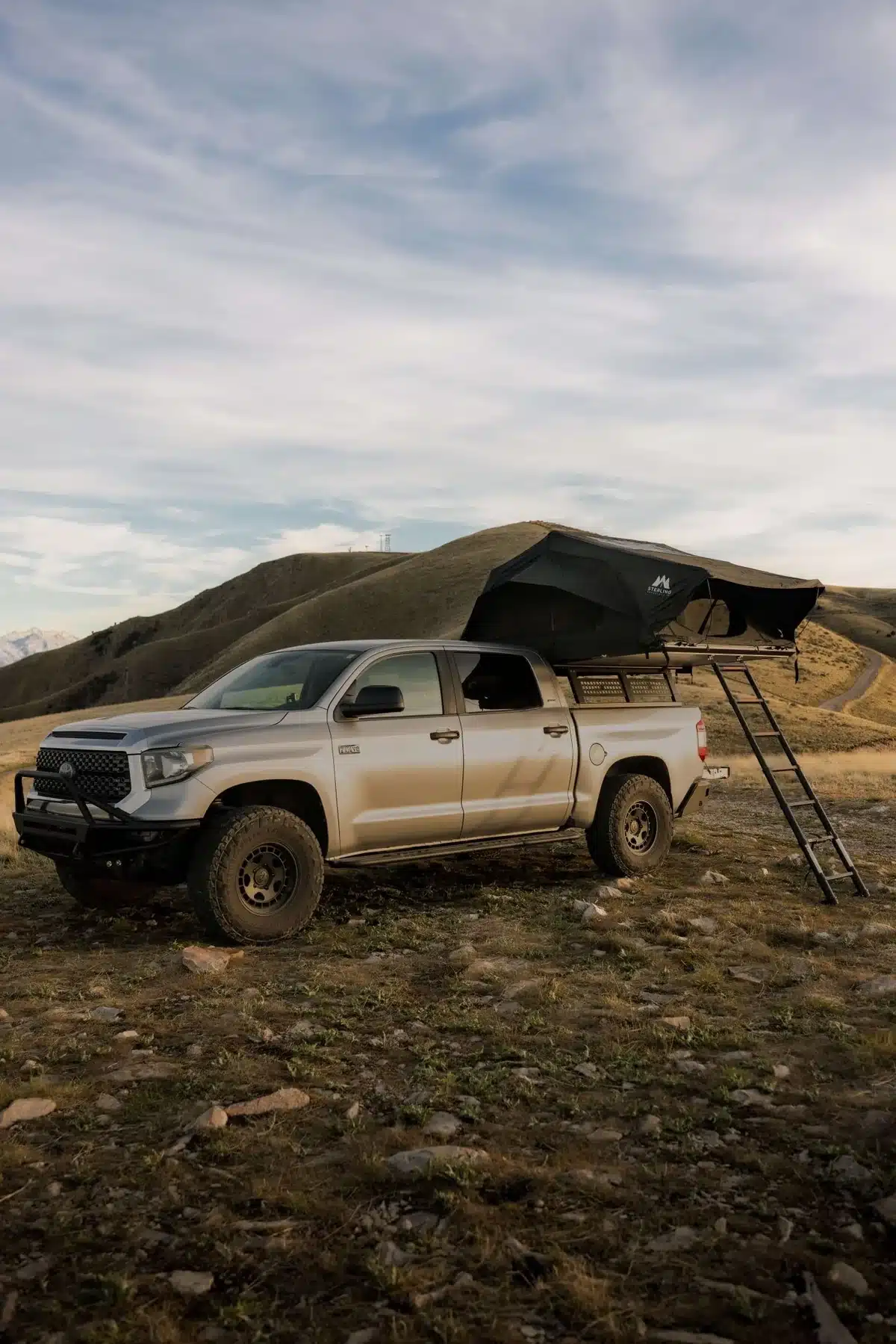
Here is the honest scorecard after years of testing. For the full weighing, read our full pros and cons breakdown.
Pros
- Setup runs 45 to 90 seconds on most hard shells, far quicker than a ground tent
- Bedding and mattress stay packed inside between trips
- Elevated sleeping keeps you off wet ground and away from critters
- Frees cabin and bed space for a fridge, water, and recovery gear
- Reaches remote spots beyond the range of trailers and RVs
- Strong resale value, with premium tents holding up well on the used market
- Four-season fabrics handle cold and heat better than thin ground tents
Cons
- Soft shells start around $1,000 and premium hard shells pass $5,000
- Added height blocks many garages, since most give about 7 feet of clearance
- Weight sits high and shifts handling on technical trails
- Highway fuel economy drops roughly 10% to 17%
- A proper roof rack often adds cost beyond the tent itself
Final Verdict: Are Rooftop Tents Worth It in 2026?
For the right camper, a rooftop tent is worth it in 2026. If you camp often, value comfort, and want faster setup, it is a strong upgrade. You get your bedding ready, your sleep system off the ground, and your camp more dialed. Frequent overlanders who move camp a lot earn the spend back in nights used.
Other people see it differently. If you rarely camp, sit on a tight budget, or face garage, weight, or rack limits, a ground tent already works fine. Honestly, there is nothing wrong with a sleep platform, a camper, or sleeping in the back of the rig. The best setup is the one you use, not the one looking best in a parking lot.
One takeaway from Mike stuck with me: do your research, and do not trust the internet. For example, two tents with identical looks online often differ in person. The hardware, the seals, the fabric, the mattress, and the customer support all matter. So whenever possible, see these tents in person, and check the details against your vehicle and your camping style.
My recommendation is simple. Buy a rooftop tent when it removes friction and gets you outside more. Skip it when a ground tent or trailer already does the job. For a smart entry point, a value soft shell like the Smittybilt Gen2 lets you test the lifestyle without the premium price.
Ready To Buy?
Find Your Rooftop Tent at Spirit of 1876
Browse soft shells, hard shells, and premium builds in one place. The team helps with fitment, racks, and price matching so you buy once.
Frequently Asked Questions
How much does a rooftop tent cost in 2026?
Soft shell models run about $1,000 to $2,500, with the Smittybilt Gen2 around $1,500. Hard shells run about $1,850 to $5,100. A full setup with rack, bedding, and lighting commonly lands between $2,500 and $7,500.
Are hard shell or soft shell rooftop tents better?
Neither wins outright. A soft shell rooftop tent gives more space for less money, which suits families. Meanwhile, a hard shell rooftop tent opens in 45 to 90 seconds and rides cleaner on the highway, which suits speed-focused buyers.
Do rooftop tents hurt your gas mileage?
Yes, but the hit is modest. Most owners report a highway drop of roughly 10% to 17%, depending on tent height and shape. Around town, the difference is usually small. A lower-profile hard shell reduces the penalty.
How many nights a year make a rooftop tent worth it?
The value sweet spot sits around 15 to 40-plus nights a year, especially when you move camp often. Owners who use a tent fewer than 10 nights a year often regret the rooftop tent cost and would do better with a ground setup.
Can you put a rooftop tent on any car or SUV?
Most vehicles work with the right rack, but the rack matters more than the roof. Factory crossbars suit cargo boxes and bikes, not heavy tents. An overlanding rooftop tent often needs a proper aftermarket rack rated for the dynamic and static load.
How long does a rooftop tent take to set up?
A hard shell deploys in 45 to 90 seconds, and packs down in about a minute. By contrast, a soft shell takes roughly 5 minutes once you learn the routine. Both beat staking out a ground tent in wind or rain.