


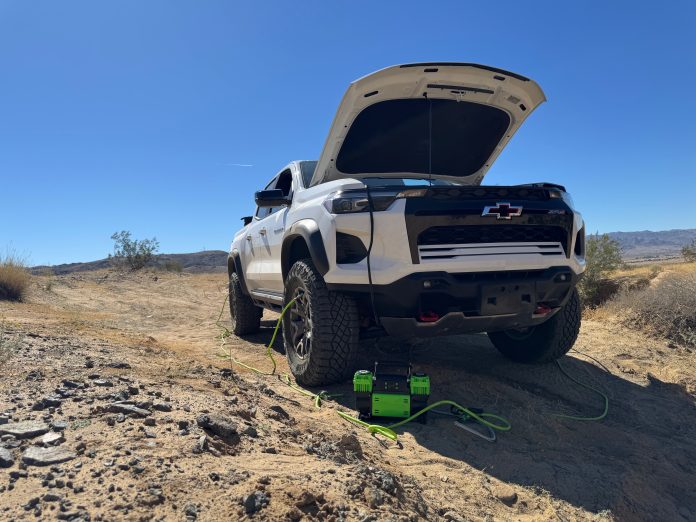

At 4WDTalk, we’ve spent years covering rock crawling vs overlanding across dozens of builds, trail guides, and gear reviews. One thing stands out consistently: these two off-road disciplines look similar from the outside but demand completely different skills, gear priorities, and vehicle setups. The question isn’t which is better. Instead, it’s about knowing which pursuit fits your goals before you spend money building toward the wrong one.
Rock crawling is technical, slow, and brutally mechanical. Specifically, it puts a vehicle through the most extreme terrain possible, typically boulders, ledges, and near-vertical climbs, at speeds measured in feet per minute rather than miles per hour.
Overlanding, by contrast, is about distance, self-sufficiency, and exploration. Overlanders cover hundreds or thousands of miles across mixed terrain, often carrying everything needed for days or weeks off the grid. Both activities share a love of dirt roads and capable trucks, but their demands on your rig and skills diverge sharply from there.
Quick Facts:
- Topic: Rock crawling vs overlanding – skills, gear, and rig differences
- Disciplines compared: Technical rock crawling, long-distance overlanding
- Key differentiator: Clearance and traction vs. range and comfort
- Shared essentials: Recovery gear, tire management, off-road basics
- Budget to start: Rock crawling from ~$5,000 in mods; overlanding from ~$2,000
- Best for beginners: Overlanding offers a lower barrier to entry
- Can one rig do both?: Yes, with trade-offs in each direction
10 min read
In This Article
Rock Crawling Skills: What You Need to Develop

Rock crawling rewards patience and precision above all else. Successful crawlers read terrain before committing to a line, choosing wheel placement on boulders and ledges with deliberate focus. Speed is almost never the answer; however, momentum helps in some situations. Crawling through technical obstacles at 0.5 mph while a spotter calls your tire placement is the norm, not the exception. Consequently, new crawlers often find their mental approach matters as much as their gear list.
Core Techniques for Rock Crawling
Rock crawling skills center on throttle control, line selection, and recovery. Feathering the throttle to maintain traction without spinning tires is a learned skill. Equally important is understanding how your vehicle’s suspension articulates, because knowing when a tire is about to lift means knowing when to stop and reposition. Spotters play a major role in organized crawling events; therefore, learning to communicate with a spotter is itself a skill worth developing before you tackle serious terrain.
Recovery is non-negotiable in rock crawling. Getting stuck isn’t a failure; instead, it’s a regular part of the activity. You’ll use a Hi-Lift jack differently here than in any other off-road context, often as a winch anchor or a vehicle-lifting tool to reposition a tire on a rock ledge. Learning how to use a Hi-Lift jack effectively is a foundational rock crawling gear skill. Also, winch operation, anchor selection, and snatch block rigging round out the core recovery toolkit.
Overlanding Skills: The Off-Road Basics You Need

Overlanding demands a different kind of competence. Rather than mastering extreme terrain, overlanders focus on sustained self-sufficiency across long distances and mixed conditions. You need solid map and navigation skills, both digital and paper backup. Specifically, GPS failure in a remote area is a real scenario. Trip planning also means understanding fuel range, water needs, food storage, and basic mechanical troubleshooting for problems far from a shop. For any off-road skills beginner, these foundational competencies develop gradually through experience rather than in one steep learning curve. The overlanding vs off-roading difference is meaningful here too: general off-roading is a single-day activity, while overlanding trains you for multi-day remote self-reliance.
What Makes a Skilled Overlander
Camp skills are a genuine part of overlanding competence. Setting up a rooftop tent efficiently in bad weather, managing a camp kitchen, and keeping gear organized across a multi-day trip all require practice. Vehicle recovery matters here too, but the scenarios differ from rock crawling. Overlanders get stuck in mud, sand, and snow more often than on boulders. Specifically, knowing how to air down your tires for sand and mud crossings is one of the first practical off-road skills to develop. Communication tools, including satellite messengers and CB radios, also matter more in overlanding. Typically, you’re traveling alone or in small groups through remote areas for days at a stretch.
Tire Management for Both Disciplines
Inflate and Deflate Your Tires in Minutes
Whether you’re airing down for a boulder field or pumping back up for the highway home, MORRFlate fills all four tires simultaneously. It’s the tire management tool serious off-roaders use for both rock crawling and overlanding.
Rock Crawling vs Overlanding Gear: Side by Side

The gear lists for rock crawling and overlanding overlap at the edges but diverge sharply at the core. Both pursuits require basic recovery gear, a quality air compressor, and reliable navigation. Beyond those shared items, however, the gear priorities split in ways reflecting what each activity demands from the vehicle and the driver. Understanding the overlanding vs off-roading difference in gear requirements helps you avoid buying the wrong equipment for your build. Similarly, knowing these differences upfront saves you from rebuilding your kit from scratch after your first few trips. For any off-road skills beginner especially, the gear list is a useful guide to understanding what each discipline requires before spending money on mods.
Gear Comparison: Rock Crawling vs Overlanding
| Gear Category | Rock Crawling Priority | Overlanding Priority |
|---|---|---|
| Tires | Aggressive MT or dedicated crawler (37″+ common) | All-terrain with longevity (33″-35″ typical) |
| Air Management | Compressor + deflators (air down to 10-15 psi) | Compressor + deflators (air down to 18-22 psi for trail) |
| Recovery | Winch, Hi-Lift jack, tree savers, snatch blocks | Traction boards, kinetic rope, basic kit |
| Shelter | Minimal; day trips are common | Rooftop tent, ground tent, or truck bed setup |
| Navigation | Trail maps, often guided or with a group | GPS, satellite communicator, paper map backup |
| Water / Food | Day supply; close to the truck | Multi-day supply; water storage and filtration |
| Communication | CB radio for group coordination | Satellite messenger (Garmin inReach) plus CB or GMRS |
The most significant gear difference is shelter and sustenance. Rock crawlers rarely need multi-day camp setups because most crawling happens as day trips or weekend events at organized parks. Overlanders, by contrast, build their rigs around living out of them for days or weeks at a stretch. Consequently, camp costs often rival or exceed a dedicated crawling build when you factor in a full kit. Our complete overlanding gear checklist covers everything you need before your first multi-day trip, from sleep systems to water filtration.
What Both Disciplines Share
Air management is one area where rock crawling and overlanding converge completely. Both require airing down before trails and airing back up for the road home. The overlanding vs off-roading difference here is mostly in target pressure. Rock crawlers air down aggressively to 10 to 15 psi for maximum footprint on boulders; overlanders typically target 18 to 22 psi for dirt roads and sand. Either way, a reliable compressor and deflators are non-negotiable for both disciplines. Off-road skills beginners often underestimate how much tire pressure management affects traction before they experience it firsthand.
How the Vehicle Builds Differ Between the Two

Vehicle setup is where the split between these two disciplines becomes most visible. Rock crawling builds prioritize clearance, articulation, and mechanical grip above everything else. Overlanding builds, however, prioritize durability, range, and livability. These goals aren’t always compatible, and the compromises you make in one direction cost you performance in the other. Specifically, choosing the right gear for your build starts with knowing which direction you’re heading before you spend a dollar on parts.
What a Rock Crawling Build Looks Like
A purpose-built crawler runs aggressive tires sized 37 to 42 inches. Beyond tires, it also needs a suspension lift of 4 to 6 inches or more, lockers front and rear, heavy steel bumpers, a front and rear winch setup, and significant skid plate coverage. Mechanical lockers are preferred over air lockers for reliability on rocks. Low-range gearing, including aftermarket crawl ratios, is also common on serious builds. Daily drivability often takes a back seat. Those 42-inch swamper tires excellent on boulders Saturday eat through fuel and create handling challenges on the highway Monday morning. These are core rock crawling gear investments, not optional upgrades.
What an Overlanding Build Looks Like
Overlanding builds look different because the priorities differ. A well-built overlander typically runs 33 to 35-inch all-terrain tires and a modest 2 to 3-inch lift. Additional essentials include a roof rack or bed rack for gear storage, a dual-battery system for powering fridges and electronics, and a rooftop tent or in-bed sleeping platform. Auxiliary fuel tanks are also common for extending range on long routes. Check our guide to best overlanding gear for specific product picks across every category. Systems reliability over months and miles matters more in overlanding than maximum articulation on a single difficult obstacle.
Gear Up for Either Discipline
MORRFlate: Built for Serious Off-Roaders
Rock crawlers air down to 10 psi. Overlanders air down for every dirt road and back up for every highway stretch. MORRFlate’s simultaneous 4-tire inflation and deflation system saves 15 to 20 minutes per stop.
Can One Rig Handle Both Rock Crawling and Overlanding?

Yes, but every dual-purpose build makes compromises. The “Overlander sets up to crawl” approach is more practical than the reverse. A capable overlanding rig with 35-inch all-terrains, a 3-inch lift, lockers, and a winch handles moderate rock crawling terrain without issue. However, the limits show up on extreme technical trails, where aggressive MT tires and maximum suspension articulation start to matter. You won’t run the hardest lines at a crawling park, but you’ll handle most of what a beginner to intermediate off-roader encounters. For many drivers, the rock crawling vs overlanding question becomes a question of which direction the dual-purpose build leans.
Using a Crawler for Overlanding
The “Rock crawler pressed into overlanding service” is harder to pull off. Dedicated crawlers tend to be loud on the highway, rough to drive at speed, expensive on fuel, and stiff enough to beat passengers and cargo on long gravel roads. Some crawlers do multi-day trips, but they typically travel slower and plan routes around trail conditions rather than distance. A few builders make it work by treating fuel economy and highway comfort as acceptable losses. Most, however, choose one direction and optimize for it, then add a second rig when the hobby expands.
Pros and Cons
Rock Crawling Pros
- Intense technical challenge builds real driving skill quickly
- Organized parks and events make it easy to find community
- Day-trip format suits weekenders without extended vacation time
- Immediate feedback loop – you either make the line or you don’t
- Strong local club culture across most of the US
Rock Crawling Cons
- High modification cost – lockers, skids, and tires add $5,000 to $15,000+
- Daily driver compromises are significant with dedicated crawler tires
- Vehicle damage risk is notably higher than overlanding
- Limited terrain access outside dedicated parks in some regions
Overlanding Pros
- Lower barrier to entry – many stock or mildly modified rigs qualify
- Huge variety of terrain and destinations across North America
- Combines driving with camping, cooking, and photography
- Rig remains practical as a daily driver with most builds
- Self-sufficiency skills transfer to emergency preparedness
Overlanding Cons
- Gear costs add up fast – full camp setup runs $3,000 to $8,000+
- Requires more planning and logistics than a single-day crawl
- Weather and remote location risks require more contingency planning
- Vehicle range and fuel planning becomes critical on longer routes
Which One Is Right for You?

If you want technical challenge, immediate feedback, and the satisfaction of placing a tire perfectly on a boulder ledge, rock crawling is your discipline. It rewards drivers who like puzzles, pressure, and the mechanical satisfaction of understanding what a vehicle does at its limits. Additionally, the community around organized crawling events is tight-knit, and the skills transfer to any off-road situation you encounter. The cost of entry is real, however. Budget $5,000 to $15,000 in modifications before your rig is genuinely capable at most crawling parks, and accept the daily driver compromises because they come with the territory.
Why Overlanding Works for Most Beginners
Overlanding suits a different kind of driver. If you want to cover distance, see remote landscapes, and spend nights in places most people never reach, overlanding is the better fit. The barrier to entry is lower, the terrain variety is massive, and most capable trucks and SUVs need only modest modifications to get started. For example, a 4Runner, Tacoma, or Bronco with a 2-inch lift and 33s handles the majority of overlanding routes in North America. The trade-off is planning complexity and gear investment for camp life, not for the drive itself.
For many beginners, the right answer is to start with overlanding. Build your off-road basics, learn recovery techniques, and develop navigation and camp skills. If technical terrain starts calling louder than long-distance routes, you’ll have the foundation to start modifying toward crawling. Many serious off-roaders end up with one rig for each purpose as the hobby expands. Both pursuits are worth pursuing; however, they ask different things from you and your build. Ultimately, the rock crawling vs overlanding choice often comes down to how you want to spend a Saturday.
Ready to Hit the Trail?
Get Your Tire Management Dialed In First
Every off-roader – crawler or overlander – airs down before the trail and pumps back up for the road home. MORRFlate handles all four tires simultaneously so you spend less time at the valve stems and more time on the trail.
Frequently Asked Questions
What is the difference between rock crawling and overlanding?
Rock crawling is a technical off-road discipline focused on extreme terrain, boulders, ledges, and steep climbs, at low speed with maximum vehicle control. Overlanding is long-distance travel through remote terrain with a focus on self-sufficiency over multiple days or weeks. Rock crawling tests vehicle capability at its limits; overlanding tests planning, endurance, and camp skills across distance.
Do I need lockers for rock crawling or overlanding?
Rock crawling benefits significantly from lockers, both front and rear. Without them, a lifted tire on a boulder loses traction and stops forward progress. For overlanding, lockers are useful but rarely essential. A rear locker covers most overlanding recovery scenarios, and many overlanders run limited-slip differentials or traction control without full lockers and handle everything they encounter.
Can the same vehicle be used for rock crawling and overlanding?
Yes, with compromises in one direction or the other. An overlanding rig with lockers and a winch handles moderate crawling terrain well. A dedicated crawler adapted for overlanding works but tends to be loud, fuel-hungry, and rough at highway speed. The most practical dual-purpose builds lean toward overlanding as a base and add crawling capability selectively.
What’s better for beginners, rock crawling or overlanding?
Overlanding is generally the better starting point for an off-road skills beginner. The terrain is more forgiving, the vehicle modification requirements are lower, and the skills involved, navigation, camp management, and basic recovery, develop gradually. Rock crawling on beginner-level trails is also accessible, especially through local clubs or organized parks with guided runs. However, the modification cost to build a capable crawler is higher than the cost to get started overlanding.
What suspension setup is best for overlanding vs rock crawling?
Overlanding suspensions prioritize load-carrying capacity and long-travel comfort over rough roads. A 2 to 3-inch lift with quality shocks and added spring rate for gear weight is a common setup. Rock crawling suspensions prioritize articulation and flex, often using longer travel coilovers or long-arm kits designed for maximum tire contact on uneven terrain. The two goals create real tension, which is why dual-purpose builds always involve compromise.
Can I daily drive a rock crawler?
Technically yes, but most dedicated crawling builds make daily driving uncomfortable and inefficient. Aggressive mud-terrain tires create significant road noise and reduce fuel economy by 10 to 20%. Heavy steel bumpers and skid plates add weight, affecting handling and braking. Many crawlers run their rig on a trailer to the park rather than driving it there precisely because the highway-to-trail trade-off isn’t worth living with every day.
A quick heads-up: If you snag something through our affiliate links or check out our sponsored content, we might earn a commission at no extra cost to you. But fear not, we’re all about recommending stuff we’re truly stoked about!