


I’ve camped and overlanded most of my life, and my approach to planning has changed a lot. I started in a tent, moved up to a bumper pull trailer, and later bought a fifth wheel. I’ve tried plenty of other camp setups along the way, too. I’m not a full-timer, but I’ve spent more than my share of time on the road, so I know what a lot of camping each month looks and feels like.
Here’s what those years taught me…
Every fixed itinerary I built ended up fighting the trip. Weather shifted, a campsite felt perfect, or a road turned out better than expected. In this article, I’ll make the case for open-ended overlanding, show how to pull it off, and use the Kimbo 6 as an example of a rig suited to the style.
Quick Facts:
- Topic: Traveling without a fixed schedule or return date
- Best for: Overlanders ready to trade tight itineraries for flexibility
- Featured rig: Kimbo 6 hard-side truck camper
- Kimbo 6 dry weight: 830 lbs base, up to 1,200 lbs configured
- Kimbo 6 truck fit: 5 to 8 foot beds, midsize to full-size trucks
- Kimbo 6 price: From $27,990, with a 2-year warranty
7 min read
In This Guide
What Open-Ended Overlanding Means
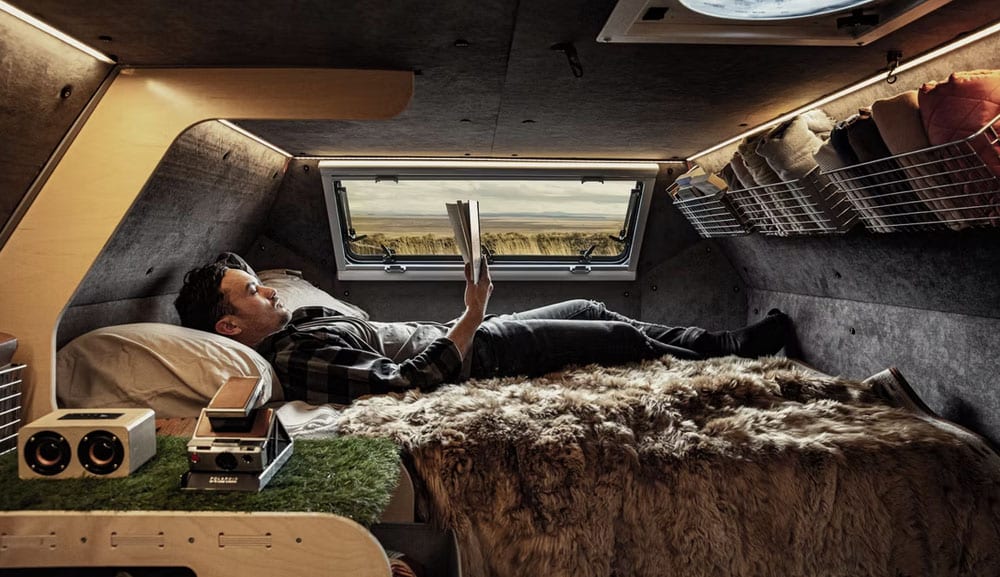
Open-ended overlanding means leaving without a fixed route, a daily mileage goal, or a return date. You pick a general direction, then let conditions guide the rest.
This approach isn’t the same as aimless wandering. Most open-ended travelers still hold a few anchors, such as a season, a region, or a rough budget. However, they skip the hour-by-hour plan.
The payoff is simple. You stop asking whether you’re on schedule and start asking whether you like where you are. This shift changes how every day feels.
Why Fixed Itineraries Fall Short
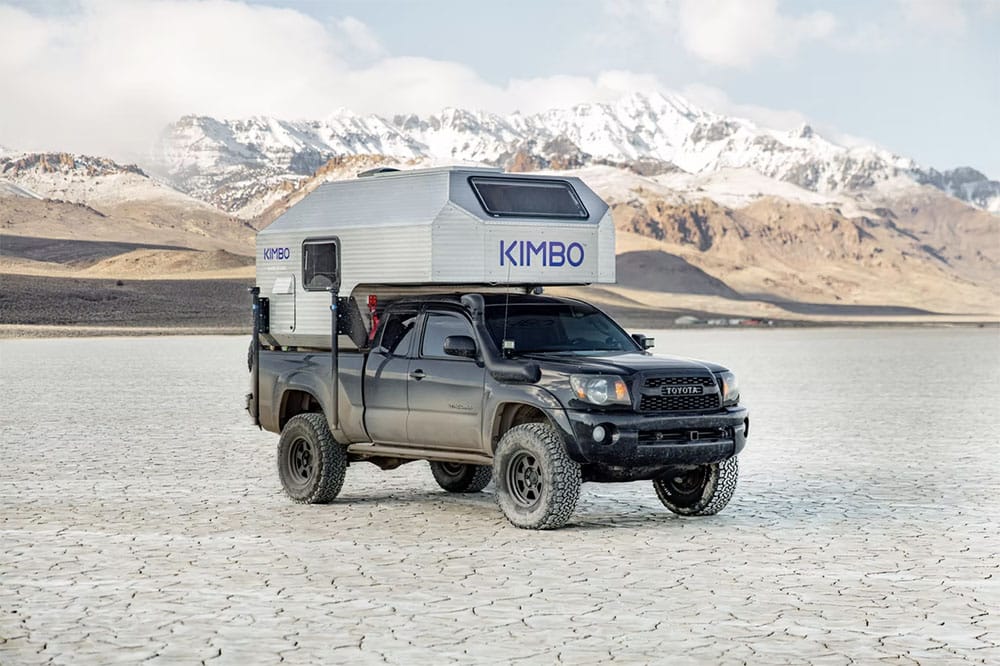
A detailed itinerary feels safe, but it creates pressure. Each reservation turns into a deadline, and each deadline pushes you to drive when you’d rather stay.
Weather makes it worse. A storm, a wildfire closure, or a washed-out road forces you to rework the whole plan. Meanwhile, travelers without a schedule choose another direction.
Fixed plans also cost you the best discoveries. The great campsites I remember were rarely on my list. A local mentioned them, or a side road looked promising. Without slack in the schedule, you drive past those chances.
This idea builds on the slower pace we covered in our piece on why more overlanders are trading fast trips for full-time life. Open-ended travel takes this pace one step further, because it removes the calendar altogether.
Built for Flexible Travel
See the Kimbo 6 Truck Camper
A lightweight hard-side camper with a kitchen, bed, and power already built in, ready whenever you are.
How to Travel Without a Schedule
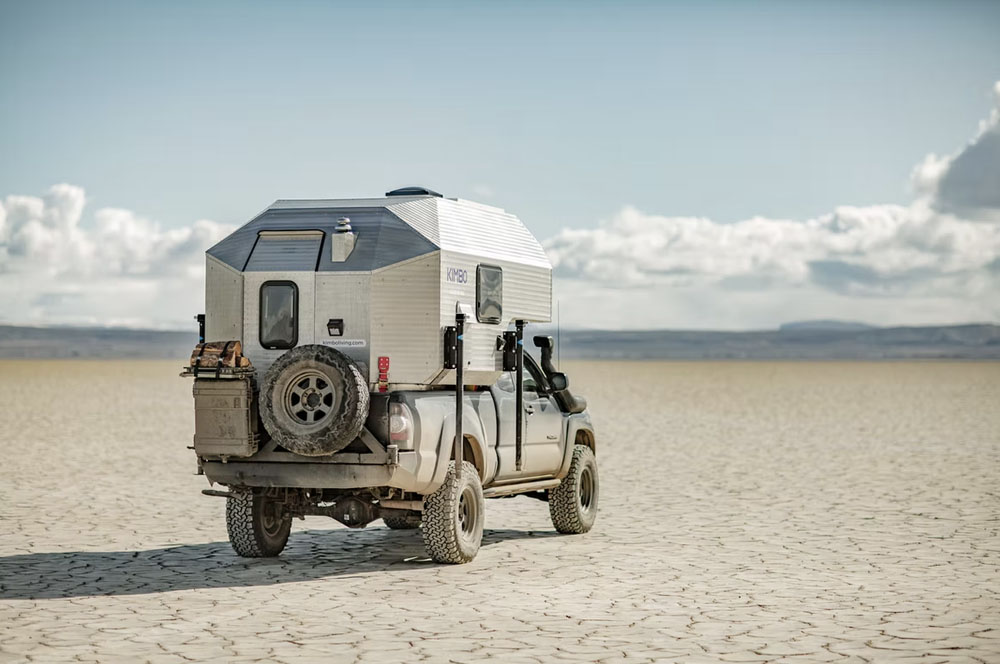
Freedom still needs a little structure. A few simple habits keep an open-ended trip comfortable and safe.
Start with a loose framework. Choose a region and a season, and then set a rough budget for fuel and food. Because the plan stays flexible, the budget does the real work of keeping you grounded.
Next, build in checkpoints instead of deadlines. For example, check your fuel, water, and food every few days. Likewise, review the forecast before each move. These small reviews replace the itinerary.
Here are a few habits worth adopting:
- Pick a direction, not a destination, when you leave each camp.
- Stay one extra night whenever a place feels right.
- Keep fuel above half a tank in remote country.
- Save a few offline maps for every region you enter.
- Tell one person your general area, even without a fixed route.
Home life also needs a plan. Mail, bills, and medications should all run on autopilot before you leave. Once those details are handled, the road stays stress free.
Making Daily Decisions Without a Plan
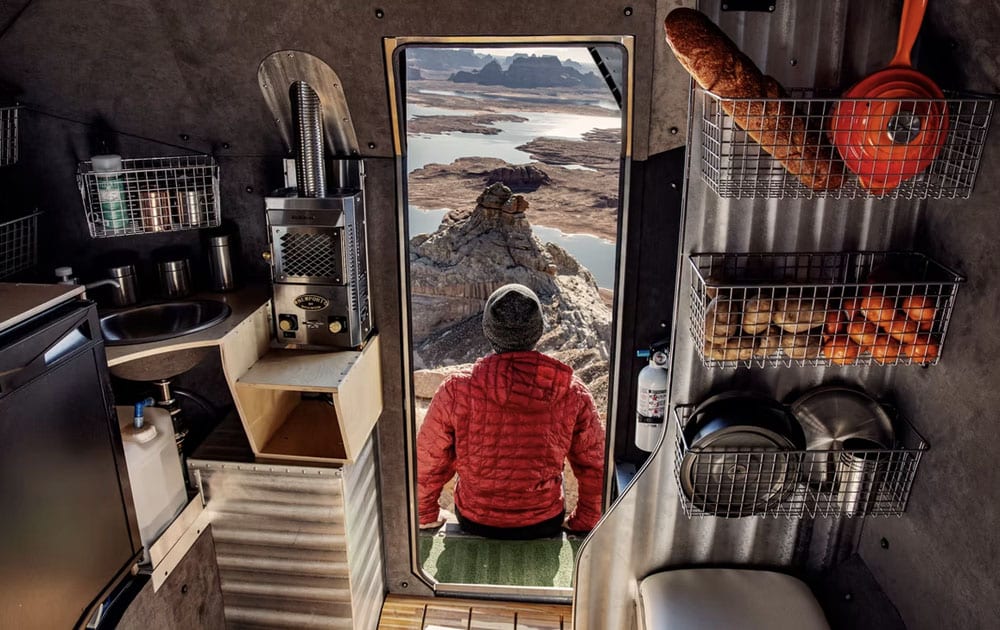
Many first-timers worry about decision fatigue. Without a schedule, every morning asks the same question: stay or go?
Experienced travelers answer it with a simple rule. If the place still feels good, they stay. If they feel restless, they move. Over time, this rule becomes automatic, and the worry fades.
Information helps too. Local ranger stations, small-town cafes, and fellow campers share more current conditions than any website. As a result, your route grows out of real conversations instead of guesses.
Longer stays also rely on solid off-grid habits. Our boondocking guide for truck campers covers power, water, and comfort, which makes a spontaneous extra week realistic.
Choosing a Rig Built for Flexibility
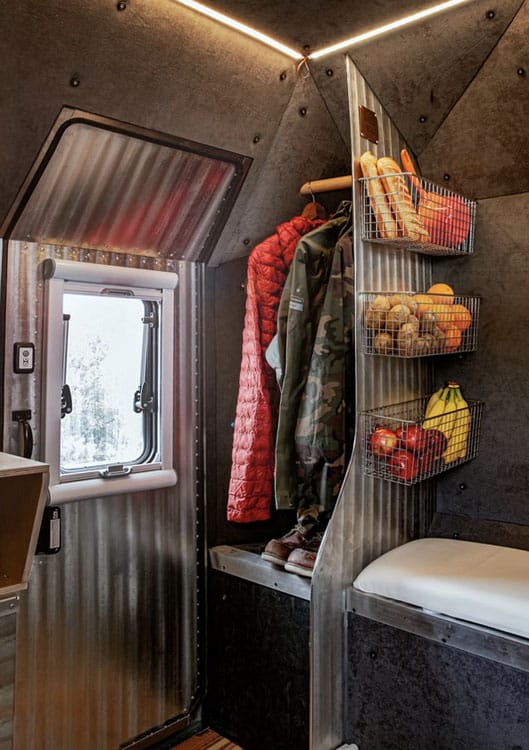
Your rig either supports open-ended travel or works against it. A few traits matter most.
First, quick setup matters. A hard-side camper like the Kimbo 6 needs no roof to raise and no canvas to latch. You park, open the door, and you’re home. Leaving costs as little, so changing your mind never feels expensive.
Second, a small footprint matters. At 830 pounds dry, the Kimbo 6 sits on midsize and full-size trucks with 5 to 8 foot beds. This size reaches narrow forest roads and tight campsites where larger rigs get stuck. Our payload guide for Kimbo truck campers explains how to match it to your truck.
Third, self-sufficiency matters. The Kimbo 6 includes 120W of solar and a 2.9-gallon fresh water tank. Add a few external jugs, and you’ll stay out a week between resupplies. In addition, R5 foam insulation and double-pane windows keep a cold morning from forcing your next move.
Simplicity supports the whole approach. Our look at minimalist living in the Kimbo 6 shows how a lean setup keeps packing, unpacking, and moving easy.
Final Verdict
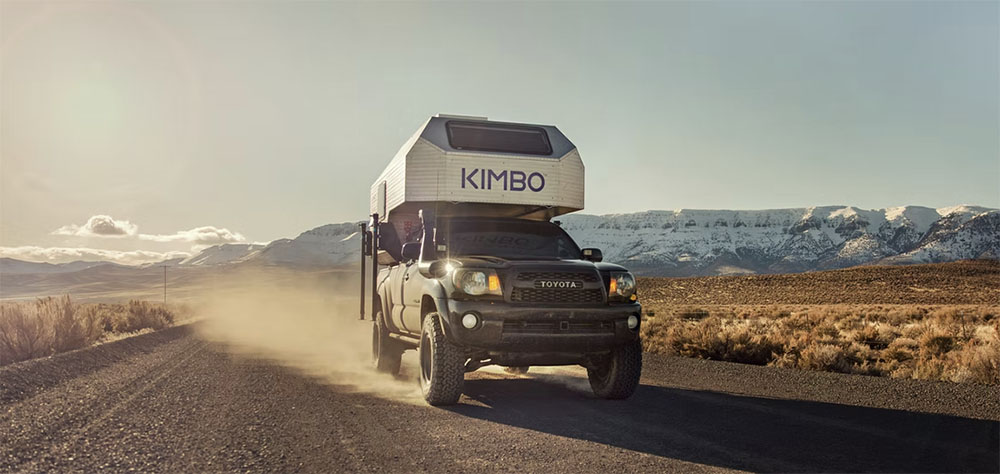
Open-ended overlanding isn’t for everyone. Some people love a plan, and work or family schedules often demand one. Still, for travelers with flexibility, dropping the itinerary brings better campsites, calmer days, and stronger memories.
The right rig makes the habit easier. A compact, simple camper like the Kimbo 6 lets you arrive fast, leave fast, and stay as long as a place deserves. It’s one option among several worth cross-shopping, but it fits this style of travel well.
If you’re curious, start small. Take a long weekend with a direction and no reservations. You’ll likely learn more about your travel style in three days than in three months of planning.
Ready to Drop the Itinerary?
Check Today’s Price on the Kimbo 6
A durable aluminum shell, a 2-year warranty, and a layout built for open-ended trips.
Frequently Asked Questions
What is open-ended overlanding?
It’s overland travel with no fixed route, daily mileage goal, or return date. You choose a general direction and adjust as conditions change.
Is traveling without a schedule safe?
Yes, with a few habits. Keep fuel topped up, carry offline maps, check the forecast often, and share your general area with someone at home.
How do you budget for a trip with no end date?
Set a weekly spending limit for fuel, food, and camping fees. Then track it loosely. A weekly number is easier to follow than a total trip cost.
Is the Kimbo 6 a good fit for open-ended travel?
Yes, as one option among several worth cross-shopping. It’s light at 830 pounds, fits midsize trucks, and needs no setup before you settle in or move on.
How long should a first open-ended trip last?
Start with a long weekend, then try a full week. Short trials show whether the style suits you before you commit to months.
Our articles might have affiliate links and the occasional sponsored content, but don’t sweat it – if you buy something, we get a little kickback at no extra cost to you, and we only hype products we truly believe in!