


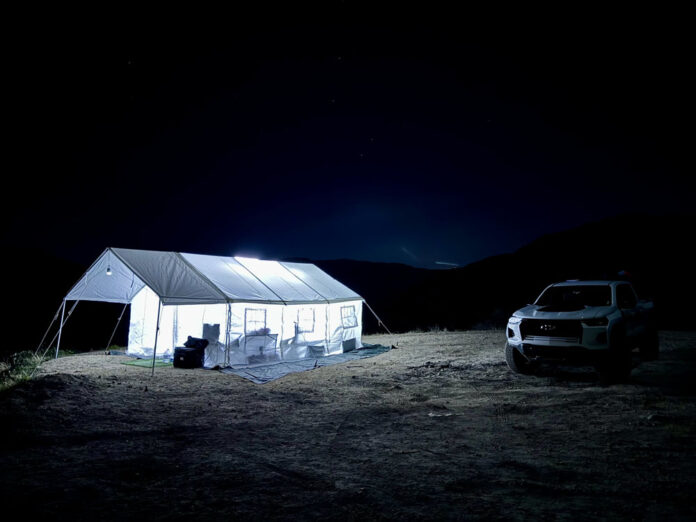

Our team at 4WDTalk has spent years testing camp gear for overland travel, and families ask us the same question often. How do you get outdoors with kids without everyone ending up cold, tired, and cranky? A family overlanding trip works best when the plan protects sleep, food, and downtime. Gear helps, but planning does most of the work.
This guide covers routes, shelter, setup, and daily comfort for camping with kids. It uses the Elk Mountain wall tent as the example shelter, because its size suits families. Our Elk Mountain wall tent review covers the tested 13×16 model in detail. Here, the focus is how to plan the whole trip.
Quick Facts:
- Topic: Planning a comfortable family overlanding trip
- Best for: Parents camping with kids who want comfort over hardship
- Core idea: Short drives, fewer moves, and a roomy shelter
- Example shelter: Elk Mountain 13×16 wall tent with awning
- Key detail: 208 square feet of floor with standing headroom
- Trade-off: More gear and a longer first setup
8 min read
In This Guide
- Why Plan a Family Overlanding Trip Around Comfort?
- Elk Mountain 13×16 Wall Tent at a Glance
- Pick a Route and Camp Your Family Will Enjoy
- Choose a Shelter for Your Family Overlanding Trip
- Setting Up Camp With Kids Around
- Plan Camp Layout for a Family Overlanding Trip
- Food, Sleep, and Weather Basics
- Packing Checklist for Family Camping Comfort
- Family Overlanding Trip: Comfort vs. Roughing It
- Final Verdict
- Frequently Asked Questions
Why Plan a Family Overlanding Trip Around Comfort?
A family overlanding trip succeeds when everyone sleeps well and eats well. Because of this, comfort keeps kids happy and parents patient. Roughing it too much, on the other hand, ends trips early.
Still, comfort does not mean bringing everything you own. Instead, it means choosing a few upgrades worth having. A roomy shelter, a good bed, and a simple meal plan do most of the work.
So, this guide starts with the plan and ends with the gear. Family camping comfort gets easier once the basics are settled.
Elk Mountain 13×16 Wall Tent at a Glance
| Feature | Detail |
|---|---|
| Fabric | 11 oz PolyShield polyester canvas |
| Floor area | 208 square feet |
| Windows | Six screened windows and two gable vents |
| Awning | Sewn in, about 5 feet deep on the 13×16 |
| Sidewalls | 5 feet, with sewn-in sod cloth |
| Stove jack | 5 inch opening on new tents |
| Frame | 1 inch steel or aluminum, sold separately |
| Floor | Sold separately |
| First setup | About 60 minutes with two people |
Buy Direct From Elk Mountain
See the Elk Mountain Wall Tent With Awning
Pick a size, add a frame, and give the family room to spread out.
Pick a Route and Camp Your Family Will Enjoy

Start with a short drive. Long driving days wear kids out fast. So, aim for two or three hours behind the wheel before you reach camp.
Next, choose a site with shade, flat ground, and space to play. Also, keep camp away from steep drops and busy roads. Check road conditions, fire rules, and stay limits before you leave.
Cell service might be missing, so download maps ahead of time. Also, tell someone your route and your return date. Then stay put for a few nights, because settling in beats moving daily with small children.
Also, build in slack for the drive. Plan a snack stop, a leg-stretch break, and a few easy games for the road. Arrive with daylight left, because setting up in the dark frustrates kids and adults alike. For this reason, many families leave home in the morning and reach camp by mid-afternoon.
Choose a Shelter for Your Family Overlanding Trip

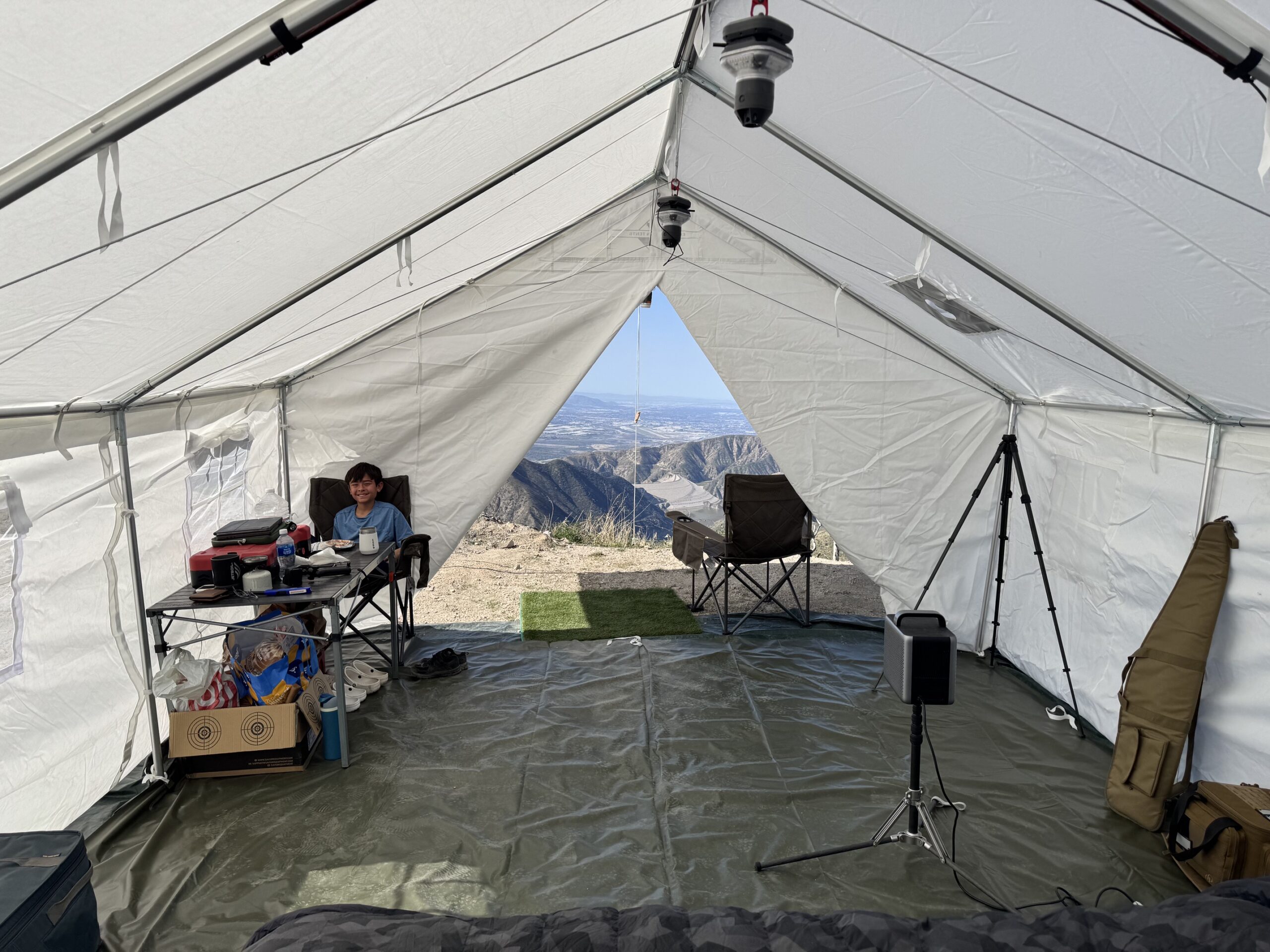
Shelter shapes the whole trip, and wall tent camping suits families well. However, a small dome tent leaves families crowded and tired. A wall tent gives everyone room to stand, dress, and store gear.
The 13×16 Elk Mountain model offers 208 square feet of floor and standing headroom. Six screened windows and two gable vents move air through the tent. The sewn-in awning adds covered space for boots, chairs, and bins.
Next, weather is where the tent earns its place. On a 42°F night with no wind, a small gas heater held the interior at 62°F during our review. Additionally, the tent suits a stove, with a 5 inch jack opening on new models.
However, there are costs. The frame and floor are sold separately, and our reviewer flagged the storage bag as undersized. Even so, our review found the awning model a good fit for camping in place three or more nights.
Setting Up Camp With Kids Around
Our reviewer needed about 60 minutes with two people on the first pitch. So, pitch the tent early in the day, before kids get hungry or tired. Our setup guide for the 13×16 walks through the frame, canvas, stakes, and awning in order.
Next, give kids small, safe jobs, such as carrying light gear or laying out sleeping pads. Meanwhile, keep them clear of stakes, poles, and tight guy lines. Bright cord on the lines helps everyone see them.
If you run a heater or stove, follow the maker’s guidance. Keep kids away from it and bring a carbon monoxide alarm. After all, safety comes before comfort here.
Plan Camp Layout for a Family Overlanding Trip

A good layout prevents many small problems. Think in zones before you unpack. Put sleeping inside the tent, cooking away from it, and play where adults see it.
First, keep the kitchen well clear of the tent door. Hot stoves and small kids do not mix. Place chairs and a table under the awning, so the family has shade and a dry spot during rain.
Next, set aside a play area in plain view. Mark its edges with chairs or bright cord. Keep it away from the vehicle, the fire, and any slope.
Also, plan for water and bathroom needs early. Set up a water station with a jug and a hand-washing spot. Pick a bathroom spot downwind and away from water, and bring a trowel or a portable toilet kit.
Finally, keep a simple bedtime routine. Dim lights, quiet play, and the same blankets help kids settle. Familiar habits turn a new place into a safe one.
Ready for the Family Trip?
Give Your Crew Room to Spread Out
Choose the awning model for trips of three nights or more.
Food, Sleep, and Weather Basics
First, keep meals simple. Prep food at home, then cook one hot meal a day at camp. Also, snacks within easy reach prevent most meltdowns.
For sleep, bring cots or thick pads and familiar blankets. In addition, add a small light so kids feel safe at night. Then a good night of sleep makes the next day much easier.
Finally, check the forecast and pack layers. Kids lose heat faster than adults expect, so bring extra socks and hats. A tent with a stove jack stretches the season, but warm-weather trips work well without one.
Packing Checklist for Family Camping Comfort

Pack by category, not by pile. This keeps the truck organized and the camp easy to run. Use clear bins with labels, so anyone in the family finds things fast.
- Shelter: tent, frame, floor, stakes, mallet, and a spare tarp
- Sleep: cots or pads, sleeping bags, pillows, and extra blankets
- Kitchen: stove, cooler, water jugs, plates, and dish soap
- Safety: first aid kit, carbon monoxide alarm, headlamps, and a fire extinguisher
- Kid comfort: hats, extra socks, rain gear, books, cards, and a favorite toy
In addition, leave room for a few small luxuries. A rug at the tent door keeps dirt out. A battery lantern gives soft light at night. Small touches like these make a camp feel like home.
Finally, pack the truck in reverse order of use. Load the tent last, so it comes out first. Put the kitchen and snacks within easy reach, because hungry kids will not wait for a full unload.
Family Overlanding Trip: Comfort vs. Roughing It
| Factor | Comfort-First Trip | Roughing It |
|---|---|---|
| Setup effort | One longer setup, then done | Quick pitch, but less space |
| Space | Room to stand, dress, and store gear | Tight quarters for the whole family |
| Sleep | Cots or pads in a roomy shelter | Ground-level sleeping in a small tent |
| Bad weather | Stay dry with space to move around | Everyone crowds together |
| Gear load | Heavier and bulkier | Lighter and compact |
| Best for | Camping with kids and longer stays | Short, light, solo-style trips |
Roughing it still has a place. For example, light setups suit short solo trips and fast overnights. However, a family trip rewards comfort, because small problems grow quickly with tired kids.
If you are still choosing a shelter, our canvas wall tent buying guide explains sizes and features. Indeed, many families mix styles, with a roomy wall tent camping setup for longer stays and a light tent for quick trips.
Final Verdict
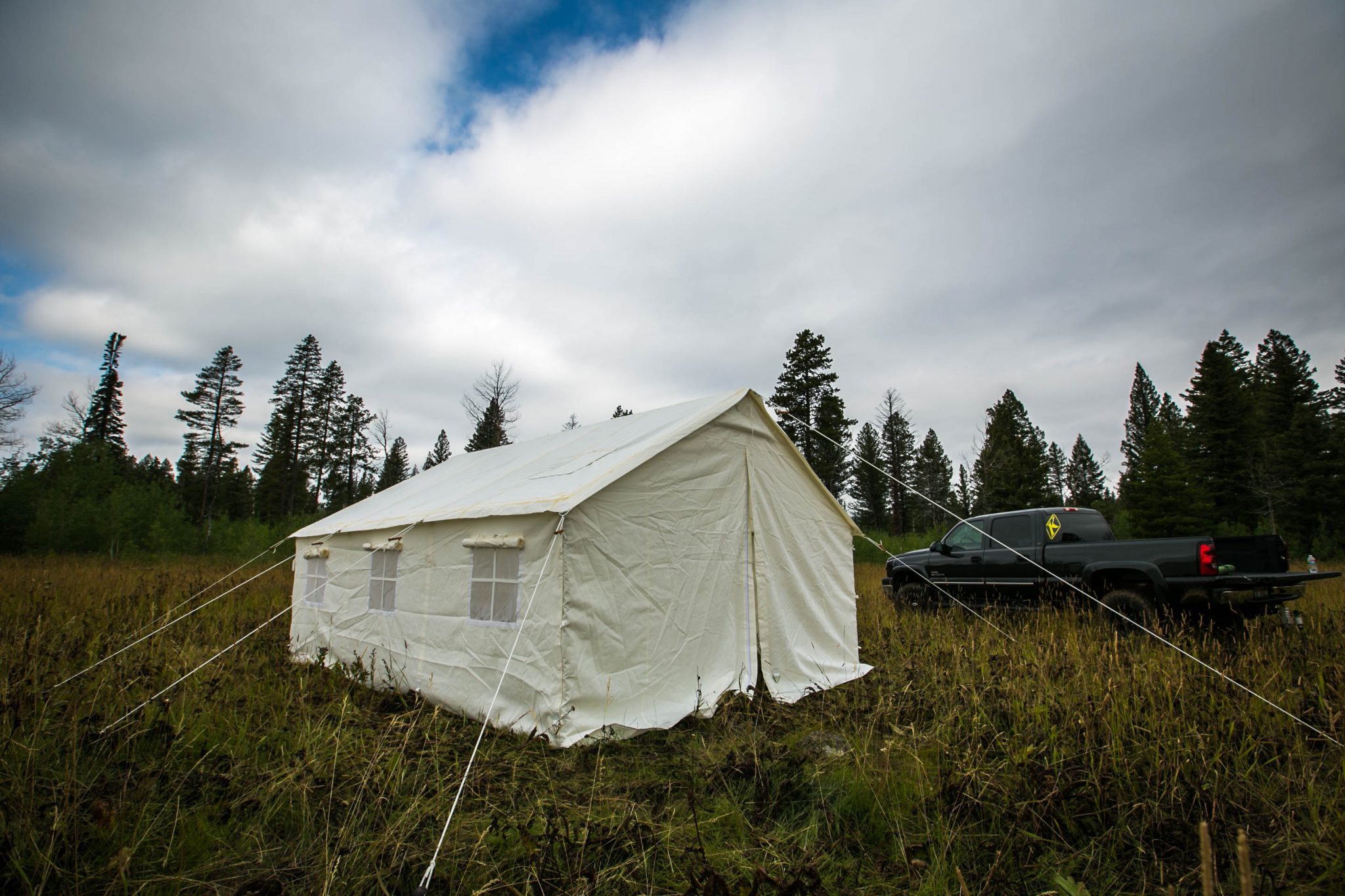
A family overlanding trip does not need hardship to be memorable. Short drives, a good site, and a roomy shelter solve most problems before they start. In short, comfort is a planning choice, not a luxury.
The trade is clear. You carry more gear and spend longer on the first setup. In return, you get space, better sleep, and calmer days for everyone.
The Elk Mountain wall tent suits this style well, especially the awning model for stays of three nights or more. Still, it asks for a frame, a floor, and a patient first pitch. Once up, it works as a real home for the family.
Before you buy anything, test the plan on a short weekend. Notice what the kids enjoy and what they miss. Then adjust the gear list, the menu, and the route for the next trip. Each outing teaches your family what comfort means for them.
If you are planning your first trip, keep it short and close to home. Then pack for comfort, take it slow, and let the kids set the pace.
Gear Up for the Next Trip
Explore the Elk Mountain Wall Tent
A roomy, stand-up shelter for family camps built to last several days.
Frequently Asked Questions
What age is good for a first family overlanding trip?
There is no fixed age. Start with a short trip close to home, and judge by how your kids handle sleeping outside and long drives.
How long should a first family overlanding trip last?
Two or three nights is a good start. It gives everyone time to settle in without a long commitment.
Is a wall tent a good choice for camping with kids?
Yes, for many families. The 13×16 offers 208 square feet and standing headroom, which makes dressing kids and storing gear easier.
Do I need a stove for family camping comfort?
Only if you camp in cold weather. A stove jack opens up shoulder-season trips, but warm-weather trips work fine without one.
What is the biggest mistake on a first family trip?
Driving too far in one day. Short drives and fewer moves keep kids rested and parents patient.
A quick heads-up: If you snag something through our affiliate links or check out our sponsored content, we might earn a commission at no extra cost to you. But fear not, we’re all about recommending stuff we’re truly stoked about!