


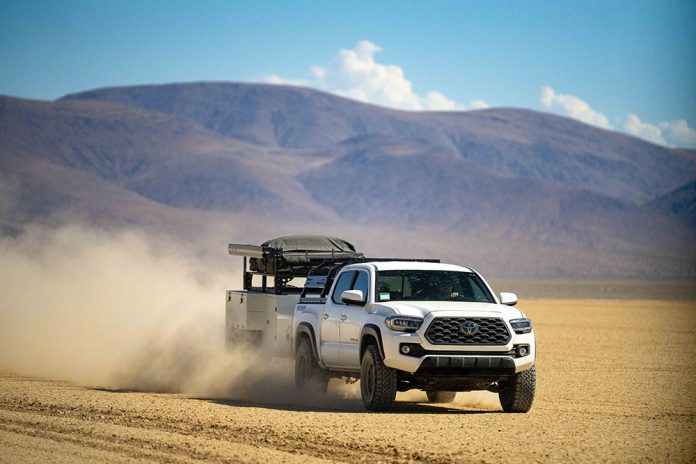

Desert overlanding is unforgiving in a way mountain or forest camping is not. After decades of running the American Southwest as the founder of 4WDTalk, I’ve watched summer trips end early for predictable reasons. Someone underestimated water, missed the shade window, or towed a trailer with sun-baked tires the night before rolling out.
In contrast, the trips people remember for the right reasons all share a pattern. Specifically, water sourcing was planned, shade was built into the day, gear was pre-heated to trust, and the trailer stayed cool enough at night to sleep in. Anything less turns a weekend into a survival exercise. However, get those variables right and desert overlanding delivers experiences no other terrain matches: silence, sky, and solitude at a scale most people never see.
I’ve toured the SNO Trailers facility, hitched their Alpine behind my own rig, and taken it through the Mojave in July. So this piece is field-tested advice, not desk theory. In it, you’ll get the water math, the timing math, the vehicle prep, and the camp-setup patterns I use every summer. The SNO Trailers Alpine serves as the concrete example throughout. Specifically, its factory-installed water, power, and shade systems solve most of the desert overlanding problem on delivery day, not after months of modding.
Quick Facts
- Trailer: SNO Trailers Alpine, purpose-built for desert overlanding and extreme heat camping
- Dry Weight: 1,500 lbs
- Dimensions: 12’2″ L x 6’3″ W x 5’9″ H
- Departure Angle: 40 degrees
- Water Capacity: Optional tank up to 30 gallons
- Shower: Joolca HOTTAP essentials kit standard
- Power: 100Ah Renogy AGM battery, solar charge controller, external solar plug
- Suspension: Fabtech fully-integrated (optional long-travel)
- Starting Price: Around $29,995
- Best for: Desert overlanders wanting water, power, and shade systems ready on delivery day
8 min read
In This Guide
- What Makes Desert Overlanding Different From Every Other Terrain
- SNO Trailers Alpine at a Glance
- Water Strategy for Desert Overlanding
- Managing Heat in Camp and On the Trail
- Timing Your Desert Overlanding Trip Around Extreme Heat
- Vehicle and Trailer Prep for the Desert
- Alpine for Desert Duty: Pros and Cons
- Final Verdict
- Frequently Asked Questions
What Makes Desert Overlanding Different From Every Other Terrain
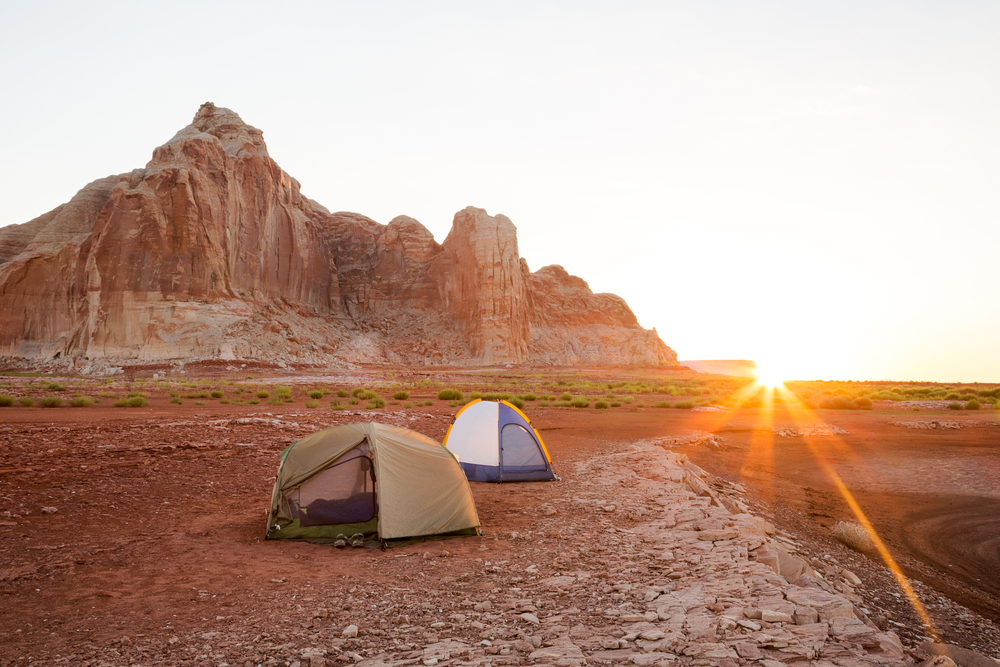
Desert overlanding punishes small mistakes at a scale no other terrain matches. Specifically, ambient temperatures over 105 degrees turn a two-hour delay into a medical event, and water sources vanish for a hundred miles at a stretch. Shade is a resource, not a preference. Also, sun exposure damages plastic, tires, sealants, and battery chemistry faster than most owners expect.
The upside of desert terrain is real, though. Wide washes, graded forest service roads, and BLM dispersed zones mean you cover ground fast between camps. Night skies in places like Death Valley or the Alvord register at Bortle 1 or 2, which puts desert camping stargazing on par with any observatory. However, the buy-in for those rewards is preparation. My earlier writeup on the best overlanding routes in Southern California covers the specific desert corridors worth building trips around.
The core off-road trailer problem in hot weather overlanding breaks into four variables: water, heat, timing, and vehicle prep. Each has to be solved before you leave the driveway. In contrast, on forest or mountain trips you have room to improvise. Consequently, the trailer platform you pick either solves those variables at delivery, or leaves you sourcing bolt-on systems for years.
SNO Trailers Alpine at a Glance
| Specification | Details |
|---|---|
| Length | 12’2″ |
| Width | 6’3″ |
| Height | 5’9″ |
| Dry Weight | 1,500 lbs |
| Departure Angle | 40 degrees |
| Frame | Powder-coated steel with anti-rust base coating |
| Body | Aluminum |
| Suspension | Fabtech fully-integrated (optional long-travel) |
| Wheels & Tires | 17″ Method wheels with 275/70/R17 all-terrain tires |
| Power System | 100Ah Renogy AGM, solar charge controller, external solar plug |
| Water & Shower | Water tank up to 30 gallons, Joolca HOTTAP essentials kit |
| Starting Price | Around $29,995 |
Buy Direct From SNO Trailers
See the Alpine at SNO Trailers
Starting around $29,995, the Alpine ships factory-direct with water, power, and shade systems installed before delivery.
Water Strategy for Desert Overlanding
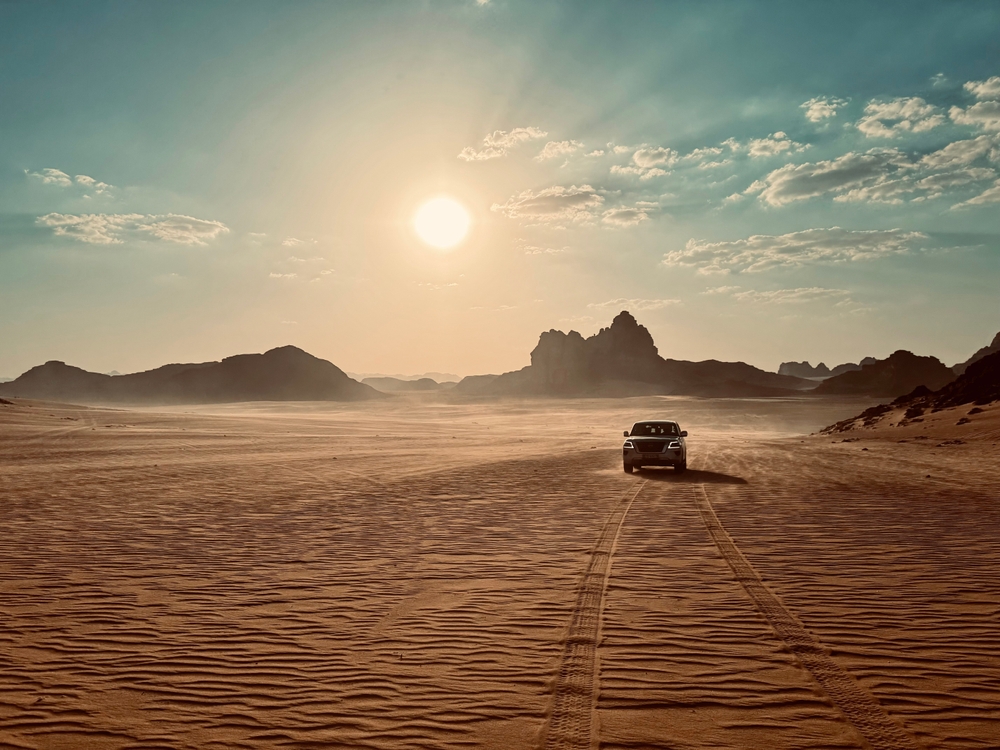
Water is the first constraint on every desert overlanding trip. The Red Cross benchmark of one gallon per person per day understates real desert needs. Specifically, in temperatures over 100 degrees, plan for two gallons per person per day for drinking alone. Also add another gallon per person per day for cooking, cleaning, and washing. So a two-person trip of four nights runs 24 gallons minimum before pets or reserve.
Storage strategy matters as much as total volume. Water inside a metal container in direct sun exceeds 130 degrees by noon. So it becomes undrinkable without cooling. In contrast, the Alpine’s built-in water tank sits in shaded understorage. Also, the optional 30-gallon capacity covers a family of four for a long weekend. Consequently, you skip the daily ice-bath ritual most rooftop-tent overlanders run for their jerry cans.
Reserve capacity is non-negotiable. Above all, keep a sealed 5-gallon emergency supply in the vehicle, separated from your primary tank, for breakdowns or navigation errors. Also, carry electrolyte tablets or powdered mixes to replace the sodium and potassium sweat pulls out. Plain water alone leads to hyponatremia on multi-day heat exposure.
For cleaning and showers, the Alpine’s Joolca HOTTAP essentials kit turns the trailer’s water tank into a hot shower using a small propane burner. Rinsing off sweat and sunscreen every evening improves sleep quality more than any sleeping-bag upgrade. My earlier piece on why the Alpine is the definition of luxury backcountry camping covers the shower and water systems in depth.
Managing Heat in Camp and On the Trail

Shade is the second constraint. In the open desert, there is none. So you either bring it, or you time your day around when the sun is off you. Both strategies work, and pros use both.
An awning off the trailer is the fastest built-in shade you own. Deploy it on the east side of the trailer at camp so you get shade through the entire afternoon. Also, position the vehicle to shade the awning’s dining area if the wind allows. In contrast, tarps and stand-alone shelters need trees or heavy stakes and often collapse in afternoon wind gusts.
Sleeping is the harder problem. Ground-tent sleepers in desert overlanding often abandon the tent after night one because it holds heat well into the small hours. A rooftop tent solves the ground-heat issue but still bakes in direct sun through the fabric. In contrast, a hard-sided trailer like the Alpine offers insulated walls and shaded storage below. Consequently, interior temperatures drop 10 to 15 degrees compared to fabric shelters.
On the trail, dashboard temperatures spike quickly. Consequently, cover the dash with a reflective sunshade every stop. Also, park facing away from the afternoon sun when scouting or lunch stops. Small habits stack up over a trip.
Timing Your Desert Overlanding Trip Around Extreme Heat
Timing is the cheapest heat-management tool. Above all, drive early. Hot weather overlanding rewards early starts. Break camp before 6 a.m., cover ground by 10, and be in camp with the awning up by 11. Between noon and 4 p.m. is nap time or a hike-into-shade window if terrain allows.
Seasonal timing shifts the entire risk profile. For instance, late spring through early fall in the low desert (Death Valley, Anza-Borrego, Mojave National Preserve) means daily highs over 100 degrees. In contrast, October through April in those same locations offers 70-degree days and cold nights. Consequently, most veterans skip low desert summer entirely. Instead, they shift to high desert like the Great Basin or Colorado Plateau. At 6,000-foot elevations, temperatures run 20 degrees cooler.
Trip length also matters more for extreme heat camping. Specifically, three-night trips are the sweet spot. Beyond three nights, food spoilage, water resupply, and heat fatigue compound. Consequently, the Alpine’s electrical system supports a 12-volt fridge run continuously for four to five days on the 100Ah battery plus solar. So a four-night ceiling emerges naturally.
Save on the Alpine
Configure Your SNO Trailers Alpine
Add long-travel Fabtech suspension, a 30-gallon water tank, dual batteries, and shower mounts before delivery.
Vehicle and Trailer Prep for the Desert

Desert overlanding stresses cooling systems, tires, and battery chemistry harder than any other terrain. So pre-trip prep matters more here than it does in the mountains or forests.
Tires come first. Specifically, run pressures 5 to 8 PSI below highway spec for washboard and sand, and inspect sidewalls for sun cracking before every trip. Also, watch for tire temperature spikes on long stretches of asphalt at high ambient temps. In contrast, the Alpine’s 275/70/R17 all-terrain tires on 17-inch Method wheels are sized for the load and terrain. Consequently, they reduce heat buildup compared to undersized OEM setups.
Cooling and electrical systems come next. Consequently, check tow vehicle coolant, transmission fluid, and battery terminals before departure. Batteries in extreme heat lose capacity fast. Specifically, a marginal starter battery becomes a dead one at 110 degrees. For the Alpine specifically, the shaded battery compartment and Renogy AGM chemistry both help. AGM handles heat better than flooded lead-acid.
Recovery gear is the last non-negotiable. Sand and washouts trap heavy trailers fast. Consequently, MAXTRAX or similar traction boards, a compressor with an ARB-style inline gauge, and a full-size shovel belong on every desert trip. For the full spec breakdown on the Alpine’s build quality supporting desert duty, see my SNO Trailers Alpine review.
Alpine for Desert Duty: Pros and Cons
Pros
- Up to 30 gallons of onboard water in shaded understorage
- Joolca HOTTAP shower turns tank water into hot rinse in minutes
- 100Ah Renogy AGM plus solar sustains a 12-volt fridge for days
- Aluminum body reflects heat better than fiberglass or dark shells
- Insulated hard-sided sleeping area runs cooler than fabric shelters
- Awning deploys off the trailer for instant camp shade
- 17″ Method wheels with sized all-terrain tires reduce heat buildup
- Fabtech suspension handles washboard and rocky wash crossings
Cons
- 6’3″ width fits most trails but rules out the tightest two-tracks
- 1,500-lb dry weight benefits from a mid-size or larger tow vehicle
- Awning shade depends on stable weather; strong desert wind still limits it
Final Verdict

For desert camping enthusiasts serious about long weekends in extreme heat, the SNO Trailers Alpine solves the core water, power, and shade problems on delivery day rather than after months of aftermarket buildout. Above all, this speed-to-ready factor matters because summer trip windows are short and the desert punishes trailers still in the “almost done” state.
Trade-offs are real, though. Buyers focused on the lightest possible tow and the tightest possible trails will find better fit with a smaller platform. However, the Alpine’s factory-installed 30-gallon water option, Joolca HOTTAP shower, and Renogy AGM battery system are hard to match on aftermarket price and time.
On value, the Alpine holds up strongly for desert duty specifically. Its roughly $29,995 starting price sits mid-tier among expedition trailers. Also, the water and power features mattering most in extreme heat come standard rather than as expensive upgrades. Consequently, extreme heat camping buyers avoid the classic mistake of underspecing water on a trailer they liked otherwise.
Overall, I recommend the SNO Trailers Alpine as an off-road trailer for buyers whose trip mix includes serious desert time. However, if your terrain runs mostly to alpine forests or short weekend runs, a lighter or simpler trailer serves better.
Ready to Buy?
Check Today’s Price on the Alpine
SNO Trailers ships factory-direct with a full warranty and configuration support before your build begins.
Frequently Asked Questions
How much water should I bring for desert overlanding?
Plan for two gallons per person per day for drinking in temperatures over 100 degrees, plus another gallon per person per day for cooking and cleaning. Also, keep a sealed 5-gallon emergency reserve in the vehicle separate from your primary tank. For a two-person, four-night trip, budget 24 gallons plus reserve.
What is the best time of year for desert overlanding?
October through April in the low desert (Death Valley, Anza-Borrego, Mojave National Preserve) offers 70-degree days and cool nights. Summer temperatures work only for high-desert trips above 5,000 feet in elevation. Specifically, most experienced desert overlanders shift to Great Basin or Colorado Plateau destinations for summer trips.
Is desert overlanding in extreme heat workable with only a tent?
Ground tents hold overnight heat well into the early hours, which ruins sleep. Rooftop tents run cooler but still bake in direct sun through the fabric. In contrast, a hard-sided trailer with insulated walls and shaded storage below drops interior temperatures 10 to 15 degrees compared to fabric shelters.
What makes the SNO Trailers Alpine good for desert overlanding?
The Alpine ships with a Joolca HOTTAP shower kit, an optional 30-gallon water tank, and a 100Ah Renogy AGM battery. Also, its aluminum body reflects heat well. Consequently, buyers avoid the aftermarket buildout most desert overlanders spend a year completing on other trailers.
How do I keep food cold on a multi-day desert trip?
A 12-volt fridge like a Dometic CFX or ARB Zero draws power from a house battery. Specifically, the Alpine’s 100Ah Renogy AGM plus solar charge controller runs a mid-size fridge continuously for four to five days without recharging from the tow vehicle. Ice-only coolers rarely last more than 48 hours in extreme heat.
What tire pressure should I use for desert overlanding?
Air down to 5 to 8 PSI below highway pressure for washboard and sand sections. Also, inspect sidewalls for sun cracking before every trip and watch for temperature spikes on long asphalt stretches at high ambient temps. Consequently, sized all-terrain tires like the 275/70/R17s standard on the Alpine reduce heat buildup compared to undersized OEM setups.
A quick heads-up: If you snag something through our affiliate links or check out our sponsored content, we might earn a commission at no extra cost to you. But fear not, we’re all about recommending stuff we’re truly stoked about!