


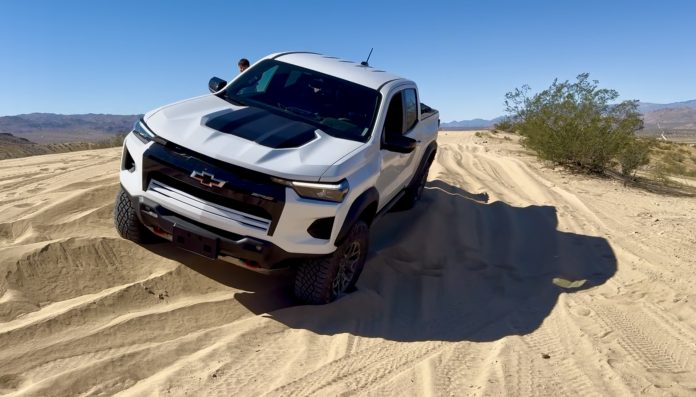

Quick Verdict: After one full year of ownership, the 2025 Chevy Colorado ZR2 has earned its reputation as one of the most capable stock off-road trucks you will find at any dealership. This Chevy Colorado ZR2 review is written from the perspective of someone who spent over $25,000 modifying a Jeep Gladiator, only to find this bone-stock Chevy handles the same trails with confidence. The Multimatic DSSV shocks alone outperform my previous ICON Stage 7 setup, and the 2.7L TurboMax engine delivers 310 hp and 430 lb-ft of torque when you need it most. Fuel economy at 13.4 mpg is the one real compromise, but the turnkey off-road capability makes the ZR2 a truck worth your attention.
Last updated: April 2026 | 12 min read
In This Review
- Why I Traded a Built Gladiator for a Stock Colorado ZR2
- Key Specs at a Glance
- Multimatic DSSV Shocks: The ZR2’s Secret Weapon
- The 2.7L TurboMax Engine: Four Cylinders, Zero Apologies
- Off-Road Performance After 12 Months
- Interior and Daily Driving
- Fuel Economy: The Honest Numbers
- Colorado ZR2 vs. the Competition
- ZR2 vs. Jeep Gladiator: The Real Comparison
- Pros and Cons
- Final Verdict
- Frequently Asked Questions
Why I Traded a Built Gladiator for a Stock Colorado ZR2
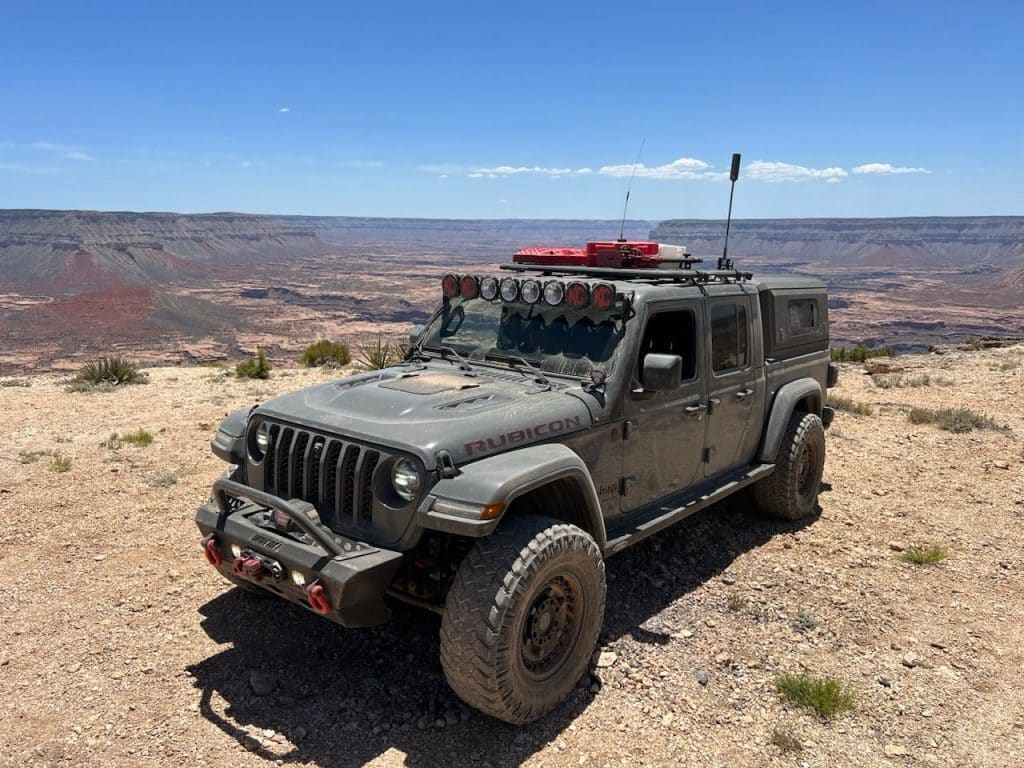
For four years, my Jeep Gladiator was my trail rig. I poured easily over $25,000 into it: a complete ICON Stage 7 adjustable suspension, a gear swap from 3.73s to 4.11s, oversized wheels and tires, a full audio system replacement, an RLD cap with Rhino spray, and a roof rack. It was a capable, purpose-built machine, and I loved every mile on it. However, I wanted to answer a simple question: how good is a factory off-road truck straight from the showroom floor? This Chevy Colorado ZR2 review documents 12 months of testing with a truck I have barely touched.
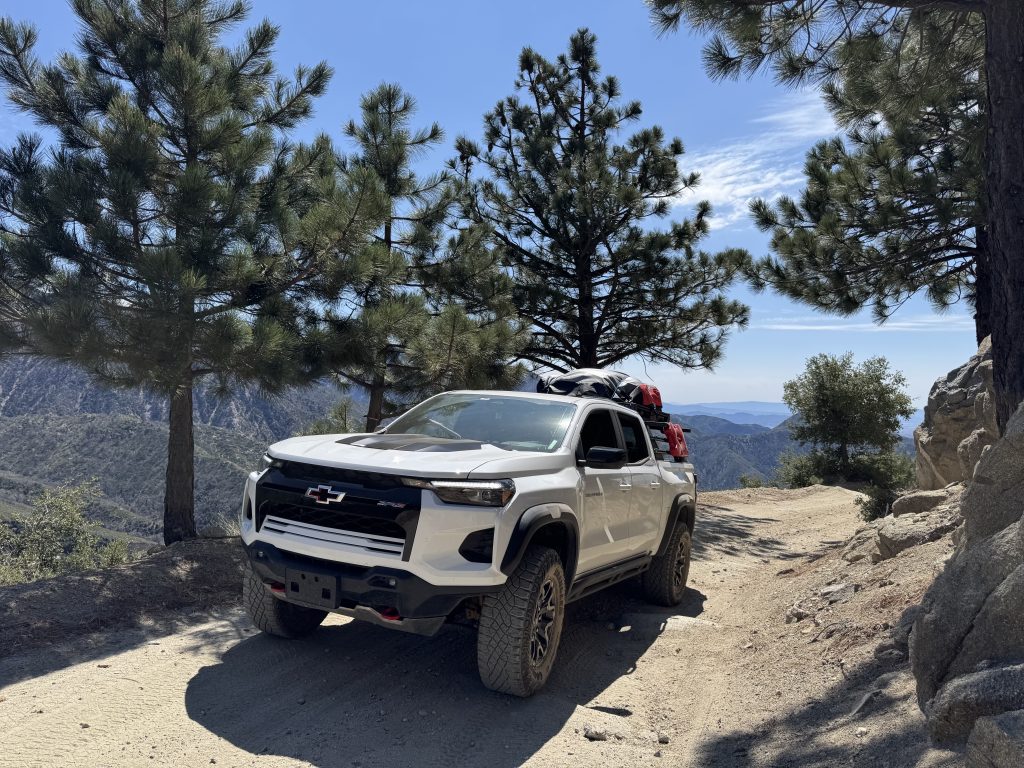
The 2025 Colorado ZR2 starts at approximately $48,995 and delivers Multimatic DSSV dampers, front and rear locking differentials, 33-inch Goodyear Wrangler Territory mud-terrain tires, 10.7 inches of ground clearance, and a 3-inch factory lift. For comparison, achieving a similar level of off-road capability on my Gladiator cost me the price of the truck plus a small used car on top. Chevy engineered the ZR2 to go trail-ready without a single aftermarket part. After a year of hard use informing this Chevy Colorado ZR2 review, I am convinced they succeeded.
The only modification on my ZR2 is a bed rack for carrying gear on overlanding trips. I have not even tinted the front windows. Every observation in this Colorado ZR2 review reflects the stock truck, tested on the same desert trails and backcountry roads I ran with my heavily modified Gladiator.
Key Specs at a Glance
| Specification | 2025 Colorado ZR2 |
|---|---|
| Engine | 2.7L TurboMax I-4 |
| Horsepower | 310 hp |
| Torque | 430 lb-ft |
| Transmission | 8-speed automatic |
| Drivetrain | 4WD with front and rear locking differentials |
| Suspension | Multimatic DSSV dampers, 3-inch factory lift |
| Ground Clearance | 10.7 inches |
| Tires | 33-inch Goodyear Wrangler Territory MT on 17-inch wheels |
| Towing Capacity | 6,000 lbs |
| 0-60 mph | 6.8 seconds |
| EPA Combined MPG | 17 mpg (estimated) |
| Infotainment | 11.3-inch touchscreen with Google built-in |
| Starting MSRP | ~$48,995 |
Multimatic DSSV Shocks: The ZR2’s Secret Weapon
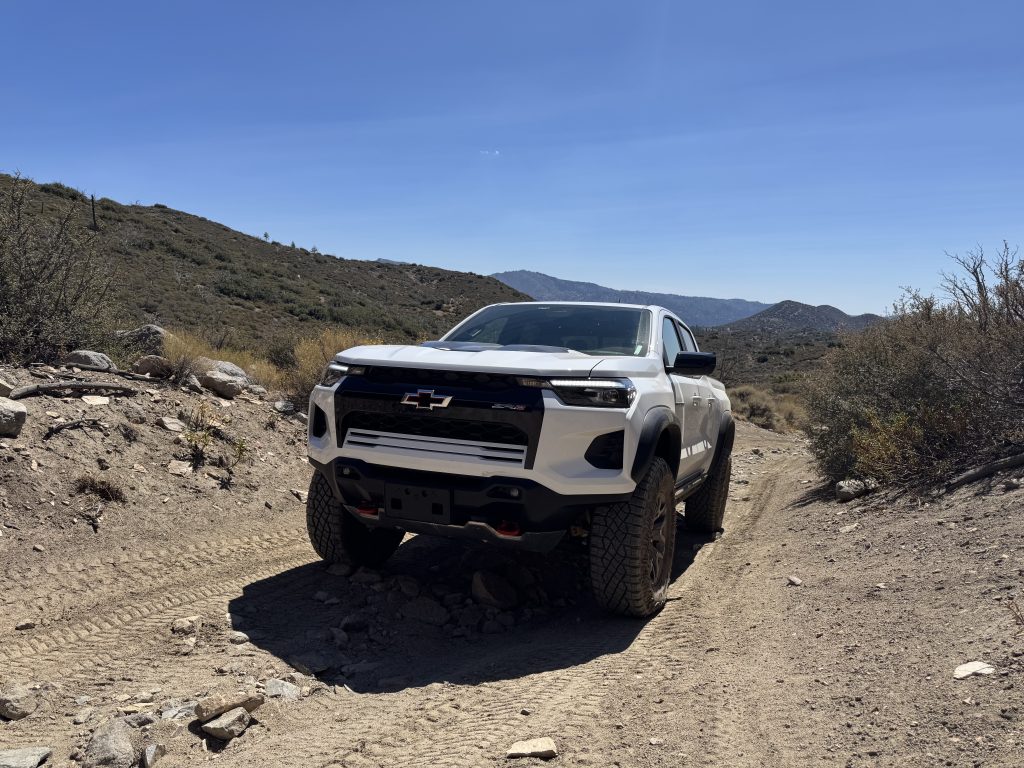
Every professional review of the Chevy ZR2 leads with the Multimatic DSSV (Dynamic Suspensions Spool Valve) dampers, and after 12 months of ownership, I understand why. These are race-derived shocks originally developed for competition vehicles. Consequently, they provide position-sensitive damping through a spool valve design instead of traditional shim stacks. Because of this design, the shock absorber provides progressive resistance as it compresses deeper into its travel.
Before the ZR2, my Gladiator ran an ICON Stage 7 adjustable shock system. I spent hours dialing in compression and rebound settings for different trail conditions. As a result, I expected the fixed-valve DSSVs to feel like a compromise. Instead, they crushed my ICON setup in every measurable way. On fast desert washes, the DSSVs soak up repeated impacts without bottoming out. During highway commutes, they smooth out expansion joints and potholes better than most sedans. I have told multiple friends the same thing: the Multimatic shocks on this stock truck outperform my $25,000 Gladiator suspension build.
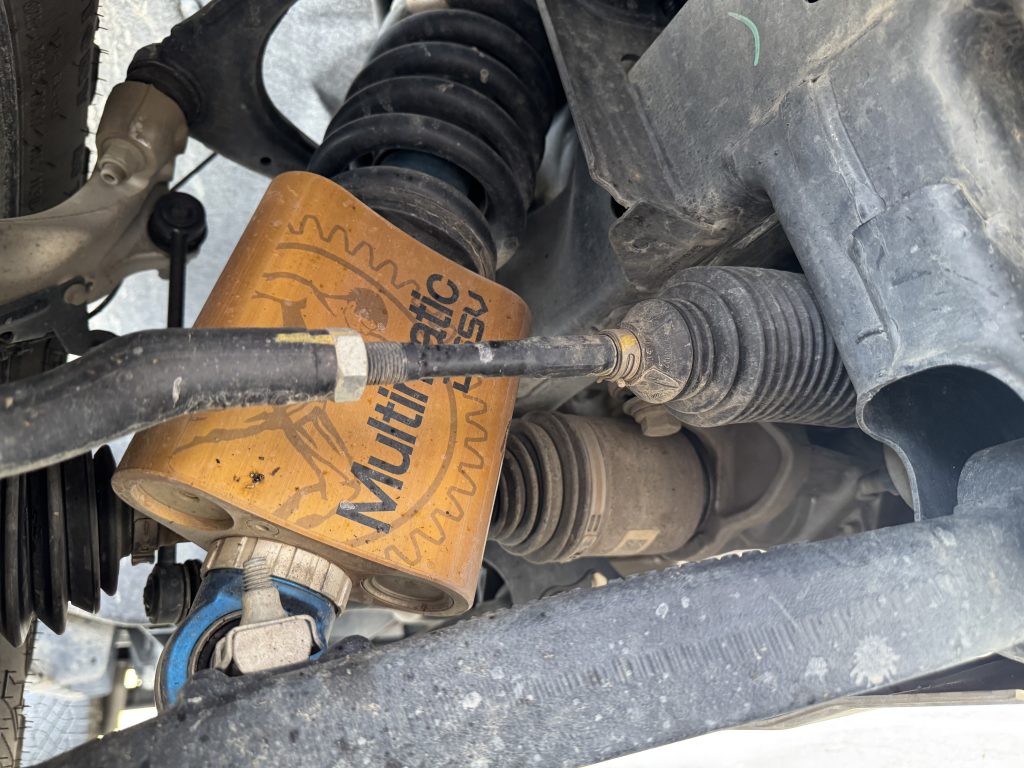
Owners across forums echo this assessment. A 5,000-mile review on ColoradoFans.com called the DSSVs “an engineering marvel,” and multiple reviewers at Edmunds, Carscoops, and Car and Driver have praised the ZR2’s suspension as best-in-class among midsize trucks. In contrast, while the Ranger Raptor and Tacoma TRD Pro both offer quality suspension setups, neither provides the same dual-purpose on-road/off-road composure the DSSVs deliver. For anyone reading this Chevy Colorado ZR2 review primarily for the suspension verdict: the shocks are worth every penny.
The 2.7L TurboMax Engine: Four Cylinders, Zero Apologies
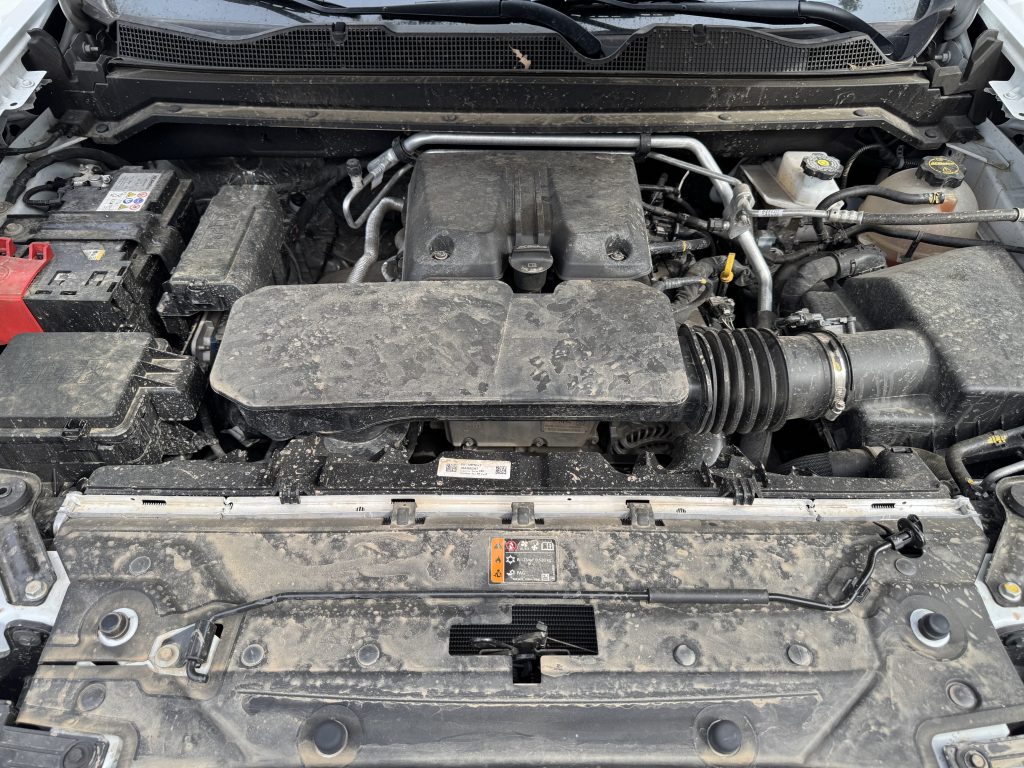
I will admit the powertrain was my biggest concern when I signed the paperwork. A turbocharged four-cylinder in a ZR2 off-road truck felt like a compromise on paper. After all, the Gladiator’s 3.6L Pentastar V6 was not a powerhouse, but at least it was a six-cylinder. Professional reviews consistently point out the TurboMax engine sounds coarse and unrefined. Although the engine note is nothing special, I stopped caring about the sound the first time the turbo spooled up under load on a steep desert grade.
The 430 lb-ft of torque arrives at 1,750 rpm, and when you push the pedal past the initial dead zone, the power delivery is immediate and sustained. My Gladiator produced 260 lb-ft from its V6. Even with the 4.11 gear swap, the ZR2’s turbocharged torque curve gives it a noticeable advantage on steep climbs and deep sand. Specifically, the power delivery between 1,750 and 4,000 rpm is where you feel the difference most. Several reviewers have noted the “coarse” engine sound as a negative, and Carscoops specifically dinged the powertrain for lacking refinement. For me, the 310 hp and 430 lb-ft output matters more than how the engine sounds at 4,000 rpm. Notably, once the turbo reaches its power band, the surge of torque is immediate and addictive.
The 8-speed automatic transmission has performed without issue over my ownership period. For instance, some 2024 model owners reported transmission shudder on forums, with fluid replacement cited as the fix. My 2025 has shown none of those symptoms. Instead, the transmission shifts smoothly during normal driving and holds gears predictably in ZR2 off-road situations.
Off-Road Performance After 12 Months
The premise behind buying this Colorado ZR2 was straightforward: take a stock, factory off-road truck onto the same trails I ran for four years in a heavily modified Gladiator and see if it keeps up. After a year of desert trails, backcountry overlanding routes, and some light rock crawling, the answer is a clear yes. This Chevy Colorado ZR2 review reflects a truck tested in real conditions, not a press fleet vehicle driven for a weekend.
First, the ZR2 comes standard with front and rear electronic locking differentials, a two-speed transfer case, and underbody skid plates protecting the engine, transfer case, and fuel tank. On high-speed desert washes, the truck feels planted and controlled, with the DSSVs absorbing consecutive hits at speed. For context, this is the ZR2’s designed environment. Chevy built this truck to eat up rough terrain at pace. As a result, it handles repeated high-speed impacts with a confidence I did not expect from a stock platform.
How It Handles Technical Terrain
Although I am not primarily a rock crawler, I have exposed the ZR2 to some moderately technical sections. The 10.7 inches of ground clearance is adequate for most trail obstacles, though the Gladiator’s approach angle of 43.6 degrees versus the ZR2’s 25.3 degrees does make a difference when the terrain gets steep. Consequently, I approach nose-down descents and steep ledges differently than I did in the Jeep.
Where the ZR2 excels is overlanding. For example, carrying a full load of camping and testing gear on the bed rack, the truck maintains composure over washboard roads and rutted forest service routes. The 6,000-pound towing capacity means I am not worried about pulling my gear trailer. For anyone whose off-road driving leans toward fast-paced trail running and backcountry exploration rather than technical boulder fields, the Chevy ZR2 delivers at a level I did not expect from a stock vehicle.
Interior and Daily Driving
The Gladiator’s interior was intentional and purposeful in a distinctly “Jeep” way. Exposed bolt heads, flat surfaces, and a design language built around function over comfort. Because of this, switching to the ZR2 was a noticeable upgrade in refinement. Notably, the perforated leather seats with heating and ventilation are comfortable on long drives. The 11.3-inch touchscreen with Google built-in runs smoothly and supports wireless Apple CarPlay.
Several reviewers at SlashGear and Carscoops complained about interior rattles and cheap-feeling switchgear. My experience, however, has been the opposite. After a year of daily driving and trail use, I have zero interior quality complaints. The cabin has held up well, with no rattles or squeaks developing over time. However, forum feedback suggests this is a hit-or-miss issue across the Colorado lineup, so your experience will vary.
Still, one common criticism I agree with: Chevy moved the headlight controls into the touchscreen, which is a frustrating design choice. Turning lights on or off outside of Auto mode requires tapping through the infotainment system. In addition, some owners report the wireless charging pad is too small for modern phones, and the door pockets are shallow. While these are minor annoyances, they do not diminish the otherwise comfortable daily driving experience, especially compared to the Gladiator’s more utilitarian cabin.
Fuel Economy: The Honest Numbers
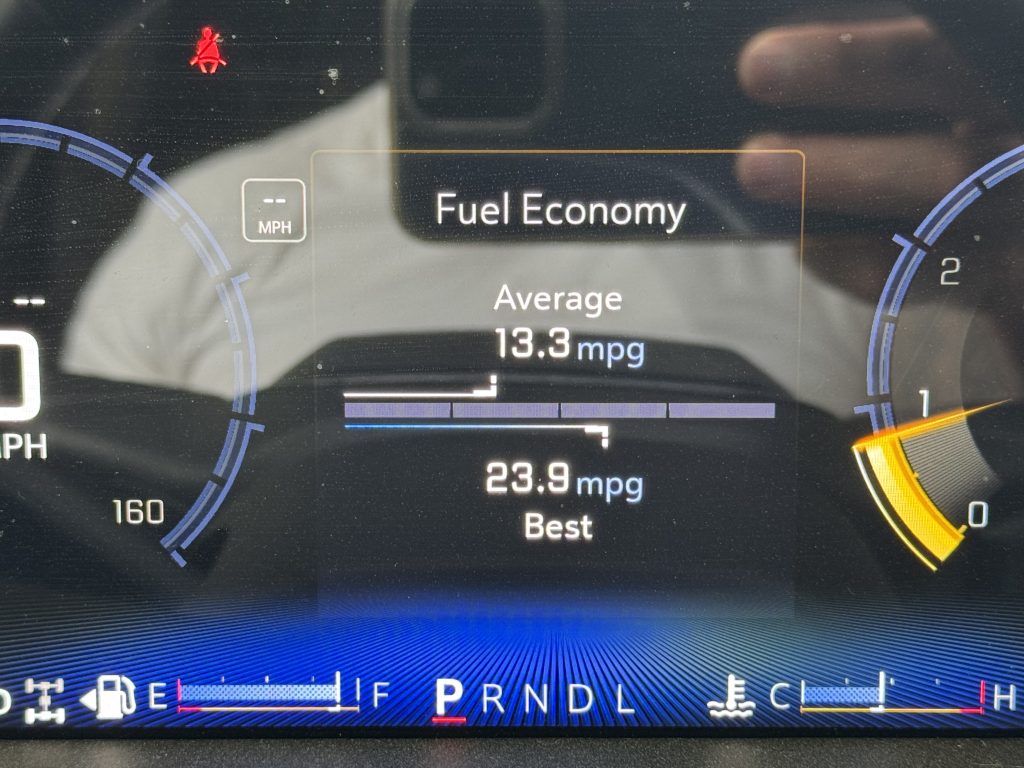
This is where the Chevy Colorado ZR2 review gets brutally honest. The EPA estimates approximately 17 mpg combined for the ZR2. After 12 months of ownership, my real-world average sits at 13.4 mpg. Before you dismiss the truck based on those numbers, consider the context behind this Chevy Colorado ZR2 review’s fuel data.
I drive aggressively. Specifically, my typical highway speed sits between 75 and 80 mph, and I frequently push the truck hard off-road. Those habits burn fuel. Consequently, when I first picked up the ZR2, I expected to see numbers closer to 20 mpg based on the EPA ratings. The 13.4 mpg average was initially disappointing. Regardless, perspective matters here. My Gladiator delivered 12 mpg in normal driving, and when towing, it dropped to 8-9 mpg. The ZR2 is a measurable improvement over what I had.
Living in California, where gas prices often run nearly double the national average, fuel economy matters more to my wallet than it might for owners in other states. A lighter foot on the pedal would undoubtedly improve these numbers. Similarly, highway speeds closer to 65 mph would bring consumption closer to the EPA rating. For comparison, a 5,000-mile review on ColoradoFans.com reported 20.9 mpg with mostly highway driving at moderate speeds. Therefore, your mileage depends entirely on your right foot. In competitive terms, the Toyota Tacoma TRD Pro averaged 16 mpg during heavy testing by Car and Driver, while the Ford Ranger Raptor and Colorado ZR2 both sat around 14 mpg under similar conditions.
Colorado ZR2 vs. the Competition
The 2025 midsize off-road truck segment is the most competitive it has been in years. Three trucks define the top tier: the Ford Ranger Raptor, the Toyota Tacoma TRD Pro, and the Chevy Colorado ZR2. Each serves a different type of buyer.
| Feature | Colorado ZR2 | Ranger Raptor | Tacoma TRD Pro |
|---|---|---|---|
| Engine | 2.7L Turbo I-4 | 3.0L Turbo V6 | 2.4L Turbo I-4 Hybrid |
| Horsepower | 310 hp | 405 hp | 326 hp |
| Torque | 430 lb-ft | 430 lb-ft | 465 lb-ft |
| Tires | 33″ MT | 33″ AT | 32″ AT |
| Lockers | Front + Rear | Front + Rear | Rear only |
| Suspension | Multimatic DSSV | Fox Live Valve | Fox Internal Bypass |
| Starting MSRP | ~$48,995 | ~$57,215 | ~$65,395 |
The Ford Ranger Raptor brings 405 hp from its twin-turbo V6 and won Car and Driver’s desert comparison test. Consequently, it is the fastest and most aggressive of the three, with the lowest starting price among the top-tier trims. The Tacoma TRD Pro adds hybrid efficiency and Toyota’s reputation for long-term reliability, but it ships with only a rear locker and the smallest tires in the group at 32 inches.
Meanwhile, the Colorado ZR2 sits in a different position entirely. The Raptor beats the ZR2 on raw desert speed. Toyota’s TRD Pro beats it on long-term fuel savings. Yet the ZR2 beats both on the metric I care about most: suspension quality and off-road hardware per dollar spent. It offers both front and rear lockers, the segment’s most sophisticated dampers, and a starting price roughly $8,000 below the Raptor and $16,000 below the TRD Pro. For anyone who wants a truck 90% trail-ready before leaving the dealer lot, the Chevy Colorado ZR2 is the strongest entry in the 2025 midsize lineup.
ZR2 vs. Jeep Gladiator: The Real Comparison
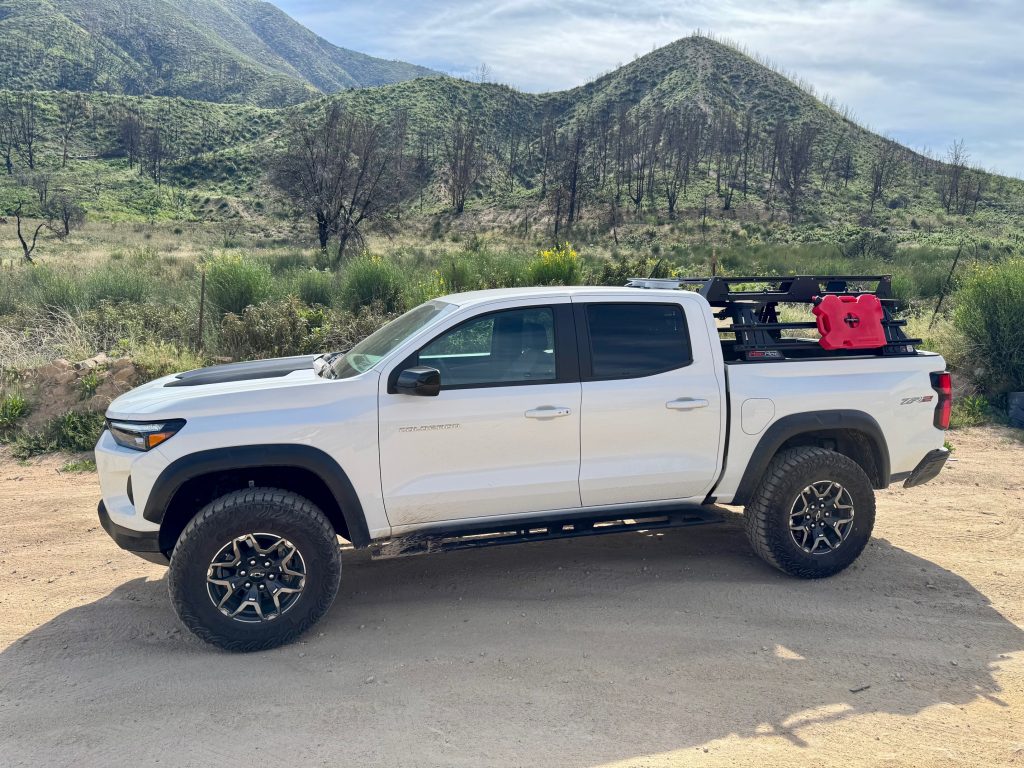
Since this review is written from the perspective of a former Gladiator owner, this section deserves extra detail. In a Gladiator vs ZR2 comparison, the two trucks are built for fundamentally different off-road philosophies. Specifically, the Gladiator’s solid front axle, disconnecting front sway bar, and 77.2:1 crawl ratio make it a rock crawling specialist. The ZR2’s independent front suspension, DSSV dampers, and wider track make it a high-speed trail runner and overlanding platform.
On technical rock sections, however, the Gladiator still holds an edge. For instance, its approach angle of 43.6 degrees versus the ZR2’s 25.3 degrees gives the Jeep a significant advantage on steep obstacles. The disconnecting sway bar allows wheel articulation the ZR2 simply does not match. Consequently, if slow-speed crawling is your primary use case, the Gladiator remains the better tool.
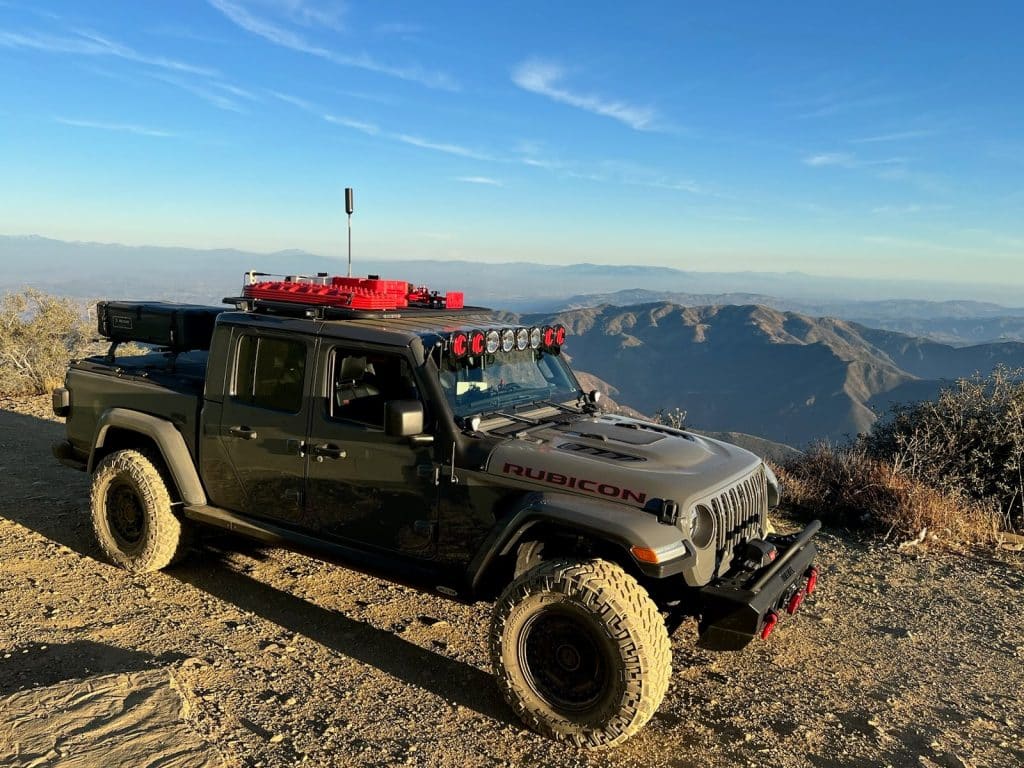
However, the ZR2’s torque advantage changes the equation on climbs and loose terrain. My Gladiator produced 260 lb-ft from its 3.6L V6. Even after the 4.11 gear swap, the ZR2’s 430 lb-ft of turbocharged torque provides a noticeable surplus of pulling power. On every desert trail and backcountry road I have driven this year, the Chevy ZR2 performed without limitation. I have not encountered a situation where the truck lacked the power or traction to complete a trail section. For this reason, the Gladiator vs ZR2 debate comes down to your specific trail style, not overall capability.
The cost comparison is where the ZR2 argument becomes overwhelming. My Gladiator required over $25,000 in modifications to reach a level of off-road confidence I felt on day one with the stock ZR2. Specifically, suspension, gears, tires, armor, audio, cap, and rack. All of it. In contrast, the ZR2 delivers 90% of the capability at a fraction of the total investment. For anyone who is not a dedicated rock crawler, the math speaks for itself.
Pros and Cons
Pros
- Multimatic DSSV shocks outperform aftermarket setups costing thousands more
- 430 lb-ft of torque from the 2.7L TurboMax provides strong trail and highway performance
- Front and rear electronic locking differentials included at the base ZR2 price
- 33-inch Goodyear MT tires and 10.7 inches of ground clearance from the factory
- Interior is modern, comfortable, and holds up well over time with heated/ventilated leather seats
- Stock off-road capability matches or exceeds heavily modified competitors at a fraction of the cost
- 11.3-inch infotainment with Google built-in and wireless Apple CarPlay works smoothly
- 6,000-pound towing capacity handles most recreational towing needs
Cons
- Real-world fuel economy of 13.4 mpg (at 75-80 mph) falls well below the 17 mpg EPA estimate
- Headlight controls buried in the touchscreen instead of a physical switch
- Approach angle of 25.3 degrees limits steep rock crawling compared to the Gladiator’s 43.6 degrees
- Engine sound is coarse and unrefined at higher RPMs
- Some owners report interior rattles (experience varies by individual truck)
- Wireless charging pad is too small for larger modern smartphones
Final Verdict
The 2025 Chevy Colorado ZR2 is built for the off-road enthusiast who wants to drive off the dealer lot and onto the trail the same day. If you spend your weekends on desert washes, fire roads, backcountry overlanding routes, or moderate trail systems, this truck delivers at a level I did not think a factory vehicle was capable of. The Multimatic DSSV shocks are the standout feature, and they alone justify the ZR2 over lesser trims.
However, this truck is not for everyone. Dedicated rock crawlers will miss the Gladiator’s solid axles, sway bar disconnect, and steep approach angles. Fuel-conscious buyers will struggle with real-world numbers well below the EPA estimate, especially at highway speeds above 70 mph. Also, if you live somewhere with California-level gas prices, budget accordingly.
At approximately $48,995, the ZR2 represents the strongest value in the midsize off-road segment. Specifically, it undercuts the Ranger Raptor by roughly $8,000 and the Tacoma TRD Pro by roughly $16,000, while matching or exceeding both trucks in core off-road hardware. Moreover, the included lockers, DSSV dampers, and 33-inch mud-terrain tires would cost thousands in aftermarket parts on a competing platform.
This was my first Chevy truck, aside from a Tahoe back in 2003. After one year of ownership forming this Chevy Colorado ZR2 review, I would buy another ZR2 without hesitation. The truck is fun to drive, surprisingly powerful when the turbo spools, comfortable on long highway stretches, and genuinely capable off-road. For anyone considering a transition from a modified rig to a turnkey solution, the 2025 Colorado ZR2 makes a compelling case for spending less and driving more.
Frequently Asked Questions
How do the Chevy Colorado ZR2 Multimatic DSSV shocks perform compared to aftermarket options?
The Multimatic DSSV dampers on the ZR2 use a spool valve design derived from motorsport applications. After 12 months of testing, these factory shocks outperformed my previous ICON Stage 7 adjustable setup on a Gladiator. They provide progressive damping across the full range of travel, delivering control at high speeds off-road and comfort during daily highway driving. Most owners and reviewers rate them as the best factory suspension in the midsize truck segment.
Is the 2025 Colorado ZR2 worth it over the Trail Boss or Z71?
Based on this Chevy Colorado ZR2 review, the ZR2 adds Multimatic DSSV shocks, front and rear locking differentials, 33-inch mud-terrain tires, a wider track, and additional underbody armor over the Trail Boss and Z71 trims. If you regularly drive off-road, the suspension and locker upgrades alone justify the price difference. For buyers who stay primarily on pavement with occasional gravel roads, the Trail Boss offers solid value at a lower price point.
What are common problems with the 2025 Chevy Colorado ZR2?
Forum reports cite interior rattles, infotainment display overheating in direct sunlight, and transmission shudder (primarily on 2024 models, resolved with fluid replacement) as the most frequent complaints. Some owners also report fuel economy below EPA estimates. My personal experience over one year has included no mechanical issues, no interior rattles, and reliable transmission performance. Build quality appears to vary between individual trucks.
How does the Colorado ZR2 compare to the Jeep Gladiator Rubicon off-road?
The Gladiator Rubicon is the stronger rock crawler thanks to its solid front axle, disconnecting sway bar, 43.6-degree approach angle, and 77.2:1 crawl ratio. The Colorado ZR2 excels at high-speed trail running and overlanding with its DSSV suspension, 430 lb-ft of torque, and composed highway ride. If your off-road driving focuses on desert trails and backcountry roads rather than technical boulder fields, the ZR2 delivers comparable capability without the aftermarket investment the Gladiator typically requires.
What kind of fuel economy does the 2025 Colorado ZR2 get in real-world driving?
The EPA estimates approximately 17 mpg combined for the ZR2. Real-world results vary significantly based on driving style. At highway speeds of 75-80 mph with aggressive driving, I average 13.4 mpg. Other owners report up to 20.9 mpg with moderate highway driving. Your fuel economy depends directly on speed and throttle input. The truck’s turbo engine responds to a heavy foot with proportionally higher fuel consumption.
Are there performance parts available for the Chevy Colorado ZR2?
Yes. The aftermarket for the third-generation Colorado ZR2 is growing. Popular upgrades include HID headlight bulbs (the factory halogen headlights are a frequent owner complaint), bed racks, supplemental skid plates, and exhaust systems. The ZR2 Bison variant offers a factory-upgraded option with AEV bumpers, 35-inch tires, and additional underbody protection. After one year, the stock ZR2 has handled everything I have thrown at it without needing performance modifications.