



Quick Facts:
- Topic: Bell tent moisture and mold control
- Fixes: Bell tent mold, mildew, and interior condensation
- Skill level: Beginner
- Time required: 30 to 90 minutes for a full cleaning
- Tools needed: Soft brush, dish soap, garden hose, dry towels
- Cost: Under $25 in supplies
- Best for: Cotton canvas bell tent owners
8 min read
In This Guide
Why Bell Tents Get Damp: The Root of Bell Tent Mold
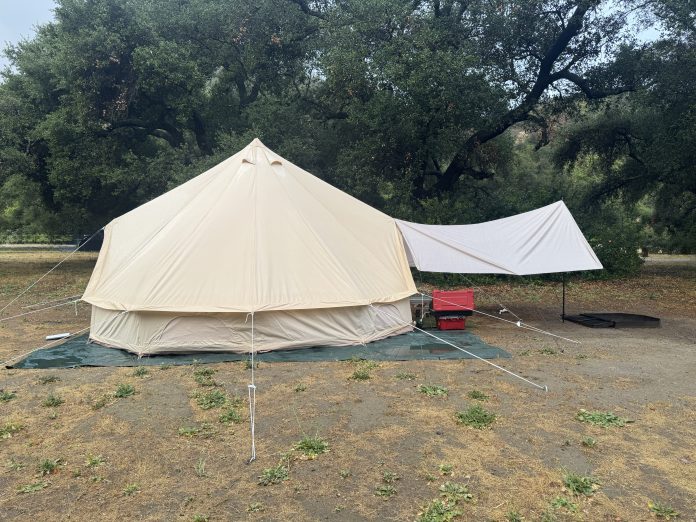
Bell tent mold starts with one overlooked habit: packing damp canvas. After six months of testing Stout canvas bell tents near Big Bear, California, I watched how fast trapped moisture turns into black spots and a musty smell. Condensation feeds the problem on cold mornings, when warm interior air meets cool canvas walls. This guide shows you how to prevent bell tent condensation first, then remove mold safely.
Cotton canvas breathes, so it manages moisture better than coated synthetics. However, breathability alone will not save a tent you seal up wet. During my three months of field testing the 5M Pro, condensation stayed manageable whenever one window or door zip remained cracked. The moment airflow stopped, droplets formed along the roof.
This matters for anyone camping in humid forests, near lakes, or through spring rain. Mold does more than stain. It also weakens cotton fibers and shortens the life of an expensive shelter. Prevention takes minutes each morning, while a neglected tent needs an hour of scrubbing and a re-waterproofing job.
Moisture Quick Reference
Before the step-by-step method, here is the short version. Keep these facts in mind every trip, especially in cold or wet conditions.
| Specification | Details |
|---|---|
| Main cause | Warm, humid air meeting cool canvas |
| Worst mistake | Storing the tent while it stays wet |
| Best prevention | Cross-ventilation plus a dry, well-drained site |
| Safe cleaners | Dish soap, warm water, soft brush, baking soda |
| Never use | Chlorine bleach, which strips waterproofing |
| Dry standard | Bone dry before the tent goes in the bag |
| Stout canvas | 10.06 oz (340 gsm) mold-treated cotton |
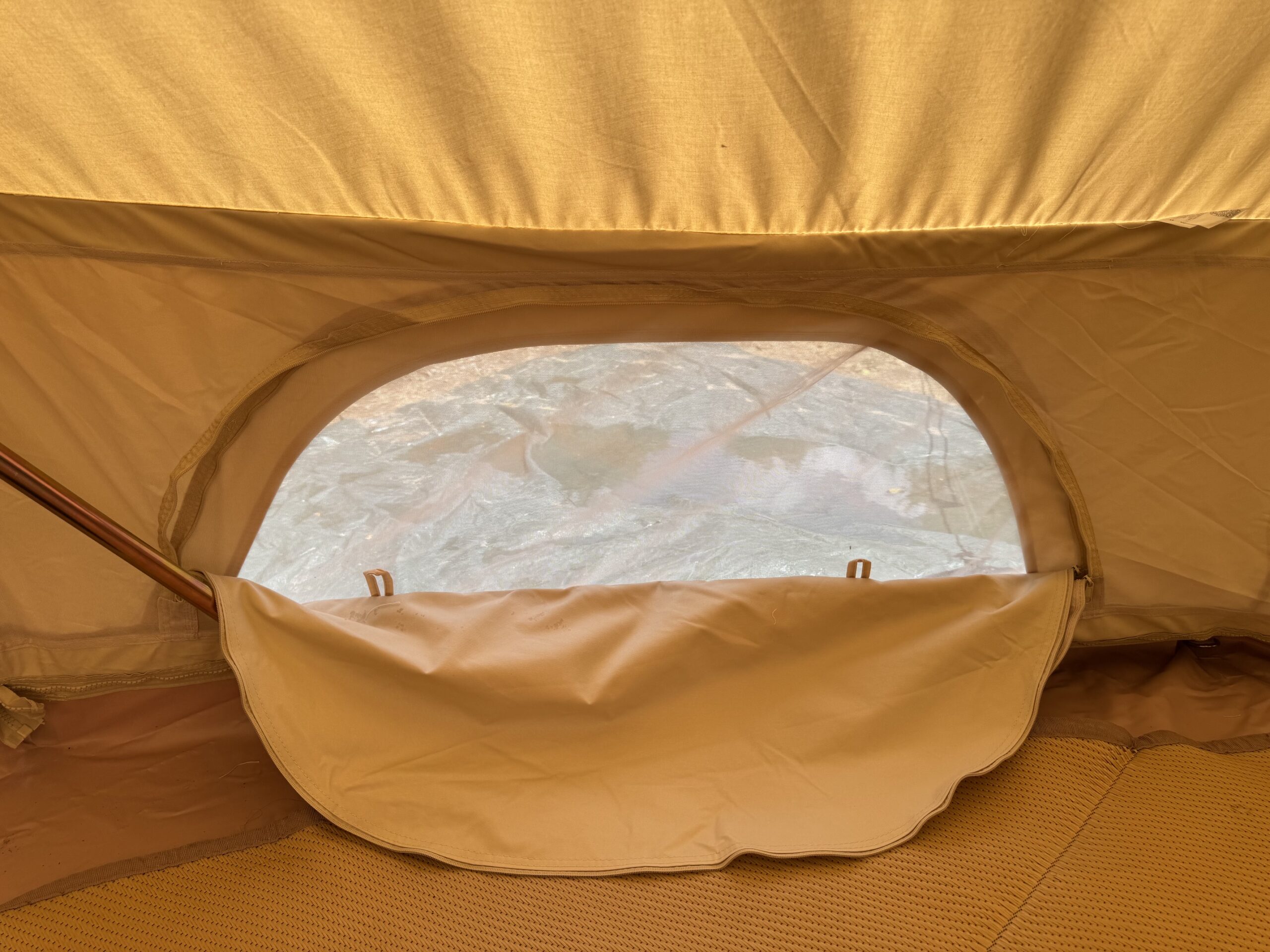
Here is a closer look at the Stout 6M bell tent I tested, including the roof vents and mesh sidewall keeping interior air moving.
Why Bell Tent Condensation Happens
Condensation forms when warm, moisture-heavy air touches a colder surface. Inside a bell tent, the cold surface is the canvas wall at dawn. Your breath, wet gear, and cooking steam all add water to the air. As the temperature drops overnight, the air releases its water onto the coldest points first.
A sealed tent traps every bit of the moisture. Because the damp air has nowhere to escape, droplets collect on the roof and pool along the base. This is the same reason a bell tent versus a canvas wall tent comparison always circles back to airflow. Both shelters need ventilation to stay dry.
Unvented heat makes it worse. A propane heater, for instance, releases water vapor as it burns, so it raises indoor humidity fast. During cold nights in the 30s, I ran a 4kW diesel heater in the 6M and held the interior near 60 degrees while keeping a vent open. Consequently, the canvas stayed dry instead of dripping.
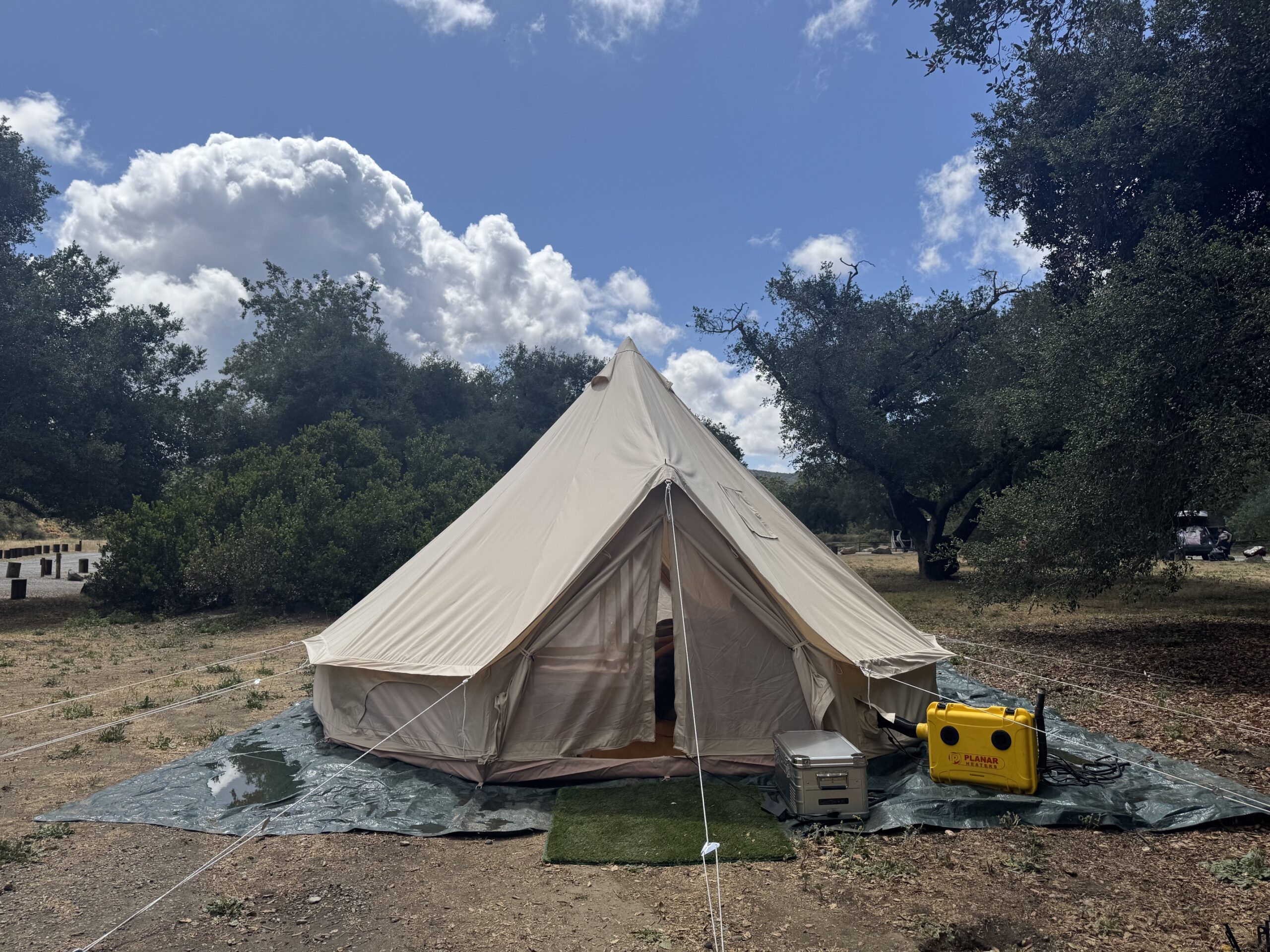
Rain soaks a tent from the outside too. While shooting my three-month review of the 5M Pro, we caught the heaviest rain I have camped in. The next morning, drying the interior mattered most, so I ran the same 4kW diesel heater for hours to pull the moisture out before packing. Because a tent stored damp grows mold within days, the drying step is non-negotiable.
Watch the Field Test
See the 5M Stout Through the Wettest Night
Watch my full three-month review of the 5M Stout bell tent, including how the canvas handled the storm and dried out the next day.
How to Prevent Condensation in a Bell Tent
Prevention beats cleaning every time. Start with the campsite, then manage airflow, and finally control your heat source. These three habits prevent condensation before it starts, and they stopped most moisture problems across my testing.
Pick a Dry, Well-Drained Site
Ground moisture rises straight into a tent. Choose loamy forest soil or gravel instead of wet grass or a low spot where water collects. Avoid pitching in a hollow, since cold, damp air settles there overnight. A sunny, breezy clearing dries the canvas each morning and cuts condensation before it builds.
Keep Air Moving
Cross-ventilation is the single most effective fix. Open windows on opposite walls so air flows through, and crack them at the top during rain to keep water out. The larger Stout 6M uses four roof vents and a 24-inch zip-away mesh sidewall for continuous airflow around the whole tent. In humid climates, add a small fan. My rule stayed simple: one zip open at all times.

Choose the Right Heat and Tent
Heat source shapes your moisture level. Across my cold-weather nights, a vented stove kept the interior dry, while unvented propane would have raised the humidity fast. If you camp cold often, a stove-jack tent moves moisture out through the flue. Breathable cotton helps too, so compare the top canvas bell tents before you buy. A treated 340 gsm shell manages the moisture a cheap coated tent traps.
How to Remove Bell Tent Mold Without Bleach
When spots appear, act before they spread. Chlorine bleach weakens cotton fibers and strips the factory waterproofing, so skip it entirely. Instead, remove mold from canvas with this gentle method on a dry, sunny day outdoors.
- Brush the dry area first. Take the tent outside, then brush loose spores off with a soft-bristle brush before adding any water.
- Mix a mild solution. Combine warm water with a few drops of dish soap for light spots. For stubborn bell tent mold, add baking soda to lift the stain.
- Scrub gently. Work the solution in with the soft brush using small circles. Avoid stiff bristles, since they fray the weave.
- Try a lemon option. For eco-minded cleaning, diluted lemon juice breaks down light mildew without harsh chemicals.
- Rinse with a hose. Keep any pressure washer under 70 psi to protect the canvas coating.
- Dry in full sun. Sunlight kills remaining spores and bleaches faint stains naturally.
For a heavy infestation, a dedicated canvas mold remover clears what soap leaves behind. After the canvas dries, reapply a cotton-safe waterproofing treatment to restore water resistance. Because cleaning opens the fabric pores, this final step keeps rain out on your next trip. Persistent canvas tent mold usually signals a storage problem, which the next section solves.
Drying and Storage: The Real Fix
Most mold traces back to one moment: packing wet. Never store a bell tent until it reaches bone dry, inside and out. A tent packed damp grows mold within days, even one treated at the factory.
Before you break camp, run a dry towel along every seam and crease to absorb hidden water. Pay attention to the peak, the door zips, and the groundsheet edges. If the morning stays cloudy, pitch the tent again at home and let it air out fully before storage. This habit protects the canvas more than any cleaner.
Stout treats its cotton against the top mold strains found across North America, verified by independent lab testing. Still, no treatment survives weeks in a damp bag. Field care does the heavy lifting, so dry your tent every single time.
Cotton Canvas vs. Synthetic: Which Fights Condensation Better?
Material choice decides how much moisture you battle. Cotton canvas breathes, so water vapor passes through the weave instead of pooling inside. Coated synthetic shells trap the vapor, which is why cheap poly tents drip more on cold mornings.
The tradeoff is weight and care. A 340 gsm cotton bell tent weighs more and needs drying discipline, while synthetic dries faster but ventilates poorly. For long stays, family camping, and cold weather, breathable canvas wins on comfort and moisture control. For ultralight backpacking, synthetic still makes sense.
My six months in Stout canvas confirmed the pattern. Even after a heavy spring rain event, the tent stayed dry inside at the seams and the stove-jack patch, because the cotton managed moisture instead of sealing it in. This result is the reason I keep recommending canvas for basecamp use.
Ready to Upgrade?
Check Today’s Price on the Stout 6M
Four roof vents, a zip-away mesh sidewall, and a built-in stove jack give you three ways to move damp air out on a cold night.
Final Verdict
Bell tent condensation and mold are preventable with a few daily habits. Ventilate with cross-flow, pick a dry site, avoid unvented propane, and never pack wet. Follow those four rules and you rarely reach for a scrub brush.
When mold does appear, treat it with soap, water, and sun rather than bleach. Harsh chemicals cost you the waterproofing you paid for. A gentle method plus re-proofing keeps the canvas strong for years.
Breathable cotton gives you the biggest head start. A treated 340 gsm shell with real venting, like the Stout Bell Tent PRO series, manages moisture in conditions where coated tents fail. For most overlanders and glampers, it is the safer long-term buy.
If you want a lighter, faster-drying shelter for solo trips, a synthetic ground tent still fits. For everyone camping cold, wet, or long, choose canvas and commit to the drying routine above.
Frequently Asked Questions
Is bell tent mold dangerous?
Mold spores irritate the lungs, eyes, and skin, and heavy exposure worsens allergies and asthma. The EPA links indoor mold to poor air quality and breathing problems. Clean spots early, and always dry your canvas before storage to keep spores from spreading.
How do you stop condensation in a bell tent overnight?
Keep at least one window or door zip cracked so humid air escapes. Open vents on opposite walls for cross-flow. Skip unvented propane heaters, since they release water vapor. A wood stove or diesel heater with a vent keeps the interior dry.
Does bleach remove mold from canvas?
Bleach lightens the stain but weakens cotton fibers and strips the waterproof treatment. Avoid it on any canvas tent. Use dish soap, warm water, and a soft brush instead, then dry the fabric in direct sun.
How do you dry a bell tent before packing?
Wipe every seam and crease with a dry towel, then let the canvas air out in sun or wind until bone dry. If you strike camp wet, pitch the tent again at home. Storing it damp is the fastest route to canvas tent mold.
Will a wood stove reduce condensation?
Yes. A wood stove dries the interior air and vents combustion moisture out through the flue. A stove-jack bell tent stays far drier than one heated with unvented propane. Always pair a stove with a carbon monoxide detector and a cracked vent.