



Quick Facts:
- Announcement date: May 16, 2026 (Starlink email notices)
- Effective for new customers: Immediately
- Effective for existing customers: On the next billing cycle on or after June 18, 2026
- Roam 100GB: $50/mo to $55/mo (data already doubled from 50GB in January 2026)
- Roam Unlimited: $165/mo to $175/mo
- Roam 300GB: $80/mo (new tier from May 14, no increase)
- Standby Mode: $5/mo to $10/mo (doubled)
- Residential plans: +$5 to +$10 across all three tiers
- Hardware: Starlink Mini still listed at $199 promotional
- Best for: Overlanders, RVers, and remote workers weighing the new Roam math
8 min read
In This Article
- Starlink Roam Price Increase Overview
- Before-and-After Pricing Across Every Plan
- Why Starlink Raised Prices
- Roam 100GB: The Math Behind the Bump
- Standby Mode and Residential Changes
- Roam 100GB vs. Roam 300GB: Which Should You Pick?
- Pros and Cons of the New Pricing
- Final Verdict After One Year on the $50 Plan
- Frequently Asked Questions
Starlink Roam Price Increase Overview: What Changed in May
The Starlink Roam price increase landed on May 16, 2026. SpaceX emailed existing customers about higher monthly fees across the Roam and Residential lineups. For overlanders, the headline number is the Roam 100GB plan moving from $50 to $55 per month, a $5 jump. Roam Unlimited climbed harder, up $10 from $165 to $175. The brand-new Roam 300GB tier, which rolled out only two days earlier on May 14, holds steady at $80.
However, the May 2026 bump is only half the story. Back in January 2026, Starlink quietly doubled the data on the old Roam 50GB plan to 100GB at no extra charge. As a result, anyone who started the year on the $50 Roam plan moved from 50GB at $50 to 100GB at $50, and now to 100GB at $55. Compared to where the plan sat a year ago, you are paying $5 more for twice the high-speed data.
For new customers, the higher pricing took effect immediately. For existing subscribers, the new rates hit billing cycles on or after June 18, 2026. Most accounts get roughly one full billing month of advance notice. The Standby Mode add-on, often used by RVers who park their rigs between trips, doubled from $5 to $10 per month. For seasonal travelers, the doubled Standby fee stings worse than the Roam bump.
Before-and-After Pricing Across Every Plan
| Plan | Old Price | New Price | Change | Notes |
|---|---|---|---|---|
| Roam 100GB | $50/mo | $55/mo | +$5 | Was Roam 50GB before the January 2026 doubling |
| Roam 300GB | $80/mo | $80/mo | No change | New tier, launched May 14, 2026 |
| Roam Unlimited | $165/mo | $175/mo | +$10 | Only Roam tier eligible for Ocean Mode |
| Standby Mode | $5/mo | $10/mo | Doubled | 500 Kbps cap, stationary use only |
| Residential 100 Mbps | $50/mo | $55/mo | +$5 | Select markets only |
| Residential 200 Mbps | $80/mo | $85/mo | +$5 | Select markets only |
| Residential MAX | $120/mo | $130/mo | +$10 | Full speed, widely available |
Pricing came from SpaceX customer emails dated May 16, 2026, cross-checked against SatelliteInternet.com and the Mobile Internet Resource Center. Roam 300GB pricing matches the SpaceX launch announcement from May 14, 2026.
Buy Direct From Amazon
Grab a Starlink Mini Before Hardware Prices Move
The Mini is the most overland-friendly Starlink dish. It pairs with every Roam tier, and hardware prices often follow plan changes.
Why Starlink Raised Prices After a Year of Discounts
The official line from SpaceX, sent in the May 16 customer email, points to network growth. “Starlink is rapidly increasing network capacity, expanding coverage, and improving reliability to deliver faster, more consistent connectivity for our customers,” the email reads. SpaceX also notes Residential pricing held flat for several years. The company frames the bump as a long-overdue catch-up rather than a yearly squeeze.
Industry context backs up part of the story. Starlink has rolled out next-generation V3 satellites, expanded Direct-to-Cell coverage with T-Mobile, and pushed into new markets at a pace few competitors match. Building, launching, and maintaining a constellation of more than 10,000 satellites is capital-heavy. Meanwhile, SpaceX is reportedly preparing one of the largest IPOs in history, so investor optics around margin matter more than they did a year ago.
However, the timing also looks opportunistic. Cellular alternatives like Verizon and T-Mobile home internet still cap out at 100 to 300 Mbps in most rural areas. No other low-earth-orbit competitor offers comparable mobility for RV and overland use. With limited substitution risk, SpaceX has pricing power and is using it. For most overlanders, Starlink remains the only realistic option for high-speed internet in remote terrain. Specifically, the company felt safe nudging the fee for exactly this reason.
Roam 100GB: The Math Behind the Bump
If you have been on the old Roam 50GB plan since 2025, the trajectory looks like this. First, Starlink doubled your data cap from 50GB to 100GB in January 2026 at no extra charge. Most subscribers spotted the upgrade only when their usage dashboard refreshed. Then, four months later, Starlink raised the same 100GB plan from $50 to $55. Net effect compared to twelve months ago: you pay $5 more for twice the high-speed data.
On a per-gigabyte basis, the math improves. The old Roam 50GB plan worked out to $1.00 per gigabyte at full use. The new Roam 100GB plan at $55 lands at $0.55 per gigabyte at full utilization, almost half the previous rate. For overlanders who routinely hit 70 to 90 GB per month, the new pricing is a clear win even with the $5 bump. Video calls, weather downloads, and the occasional streaming night now fit inside the cap with room to spare.
For light users who barely cleared 20GB on the old plan, the value math gets weaker. Paying $5 more for headroom you will never touch is still a cost increase, even if the cap doubled. Those subscribers should consider switching to Standby Mode between trips. However, the workaround now costs $10 instead of $5. Specifically, the breakeven point for the upgrade lands around 28GB of monthly use. Below 28GB, the doubled cap does not earn its keep.
Standby Mode and Residential Changes Worth Noting
Standby Mode is the change hurting seasonal users most. It launched in 2025 at $5 per month as a way to pause active service. The feature keeps the dish reachable for firmware updates and emergency connectivity at 500 Kbps. For snowbird RVers who only travel six months a year, Standby Mode kept the account warm at $30 over the off-season. At $10 per month, the off-season total jumps to $60, and outright cancellation becomes more attractive again.
On the Residential side, the changes track the Roam tiers closely. Residential 100 Mbps mirrors Roam 100GB at $50 to $55. The 200 Mbps tier goes from $80 to $85. Meanwhile, Residential MAX climbs from $120 to $130. For homeowners in rural areas with no fiber, cable, or DSL option, Residential MAX is often the only realistic broadband path. As a result, the $10 jump is essentially non-negotiable. Notably, the new Roam 10GB plan for occasional users was untouched in this round.
Roam 100GB vs. Roam 300GB: Which Should You Pick After the Bump?
Before the price increase, the choice between Roam 100GB at $50 and Roam Unlimited at $165 was lopsided for most overlanders. Few people needed unlimited data on the road, so the 100GB plan dominated. The new Roam 300GB tier at $80, launched May 14, completely reshuffles the deck. Specifically, for $25 more per month, you triple your high-speed data allotment without taking the full $175 hit of Unlimited.
For weekend warriors and occasional travelers, Roam 100GB at $55 remains the smart pick. The cap covers normal email, navigation, weather, and a few evenings of streaming without ever throttling. For full-time overlanders who work remotely, however, Roam 300GB at $80 is now the value play. The new plan absorbs heavier upload days, video conferencing schedules, and software downloads without forcing you to babysit your usage meter.
Roam Unlimited at $175 only makes sense if you genuinely live online and want Ocean Mode. The offshore option only attaches to Roam Unlimited, and it costs $2 per gigabyte beyond 12 nautical miles. For land-based travelers who occasionally exceed 300GB, the cheaper move is to combine Roam 300GB with a backup cellular plan. The cellular line then absorbs spillover at a much lower marginal cost.
Save on Your Setup
Lock In Starlink Mini Hardware on Amazon
Hardware moves on its own clock from plan pricing. The Mini still shows the recent $199 promotional price at the time of writing.
Pros and Cons of the Starlink Roam Price Increase
Pros
- Roam 100GB now delivers double the data at $0.55 per gigabyte, down from $1.00
- New Roam 300GB at $80 fills the gap between casual and full-time use
- Existing customers get advance notice and the new rate hits on the June 18, 2026 cycle
- Hardware pricing on the Starlink Mini is unchanged in this round
- Residential MAX still beats most rural broadband options on speed and latency
- Plan switches between Roam tiers remain pro-rated mid-month
Cons
- Standby Mode doubled from $5 to $10, hurting seasonal RVers most
- Roam Unlimited jumped $10, a 6.1% increase in a single month
- Residential MAX is up $120 per year for households with no alternative
- Light users on the old 50GB plan now pay more for headroom they do not need
- Pricing changes are getting more frequent, not less
Final Verdict After One Year on the $50 Plan
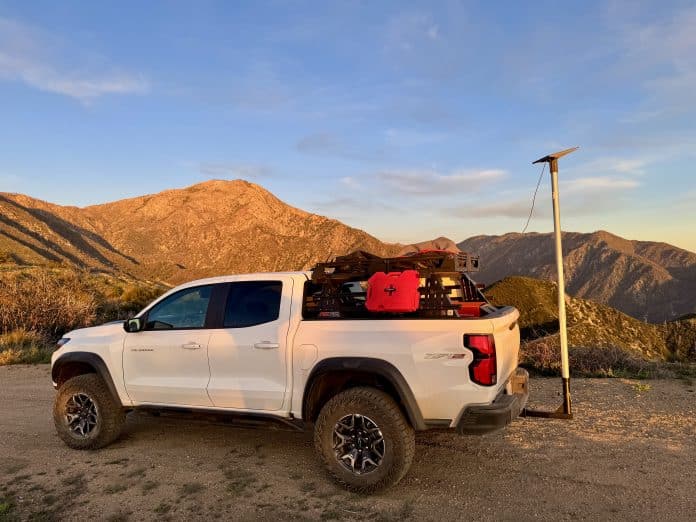
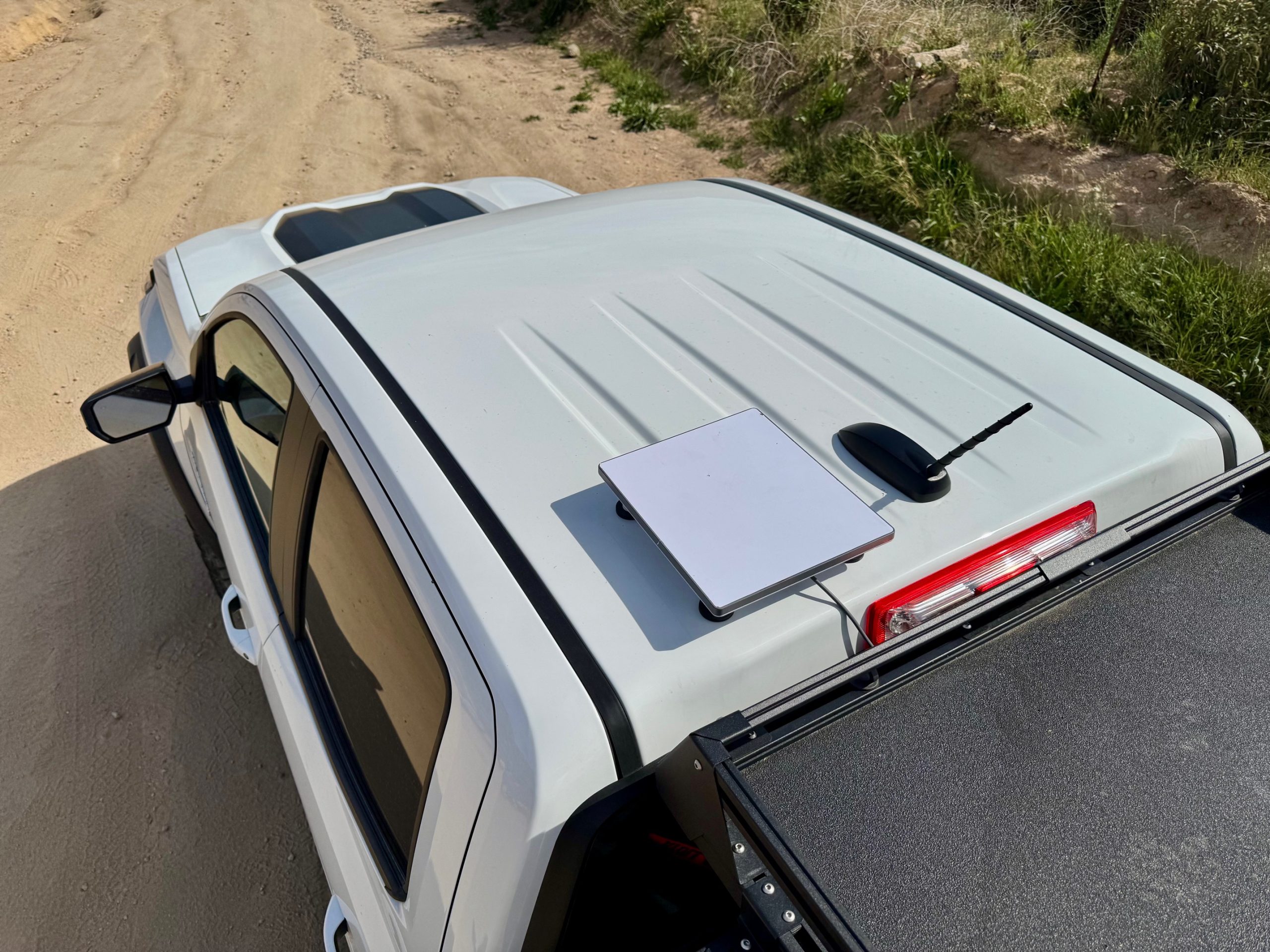
After twelve months on the $50 Roam plan paired with the Starlink Mini, my take on the price increase is mixed but mostly positive. As covered in my recent one-year Starlink Mini review, the $50 plan was already the sweet spot for camping, overlanding, and backup internet. Doubling the data to 100GB in January was a quiet gift. Adding $5 in May is a fair trade for the gift, especially since the per-gigabyte cost dropped from $1.00 to $0.55.
The trade-offs come down to who you are. Full-time digital nomads who already burned through the 50GB cap regularly will love the doubled allotment and shrug at the extra $5. Weekend warriors who used 15GB to 25GB a month are subsidizing headroom they will never touch. As a result, they should evaluate whether Standby Mode between trips still makes sense at $10 per month. Seasonal RVers get the worst end of this round because Standby doubled while their travel plans did not.
For the price-to-value question, Roam 100GB at $55 is still the best satellite internet deal anywhere in North America for overlanders. No cellular plan delivers comparable speeds in remote areas. No other LEO satellite competitor offers true in-motion use with a one-time hardware buy. Pairing the Mini with the right accessories stretches the value further by keeping the dish productive in tighter terrain.
What to Do Next
If you are weighing an upgrade, the $5 increase should not change your decision. Roam 100GB still beats every cellular alternative I tested over the past year. Roam 300GB at $80 opens up a useful middle ground for heavier users. The $175 Unlimited plan, however, now needs a real justification beyond the “in case I need it” reflex. A solid magnetic mount and a smart plan choice still beat throwing money at unused data.
Ready to Buy?
Check Today’s Price on the Starlink Mini
The Mini stays the most overland-friendly Starlink option at any plan tier. Promotional hardware pricing has stuck around recently, although it might move at any time.
Frequently Asked Questions
When does the Starlink Roam price increase take effect for existing customers?
For existing Roam customers, the new pricing applies to the first billing cycle starting on or after June 18, 2026. New customers signing up after May 16, 2026, pay the higher Starlink Roam price increase rates immediately. SpaceX sent email notices on May 16 to give existing subscribers roughly one month of advance warning before the change hit their card.
Did Starlink double the Roam 100GB data cap?
Yes. In January 2026, Starlink upgraded the old Roam 50GB plan to include 100GB of high-speed data at the same $50 per month price. Subscribers were not charged extra for the upgrade. The May 2026 increase brought the 100GB plan from $50 to $55, so over the past year customers moved from 50GB at $50 to 100GB at $55. The result is a net gain on a per-gigabyte basis.
How does the new Roam 300GB plan compare to Unlimited?
Roam 300GB launched on May 14, 2026, at $80 per month and stayed at $80 after the price increase. It triples the data of Roam 100GB for an extra $25, while Roam Unlimited costs $175 after its $10 bump. For most full-time overlanders, 300GB covers normal usage with margin to spare. Roam Unlimited only earns its keep if you genuinely exceed 300GB monthly or need Ocean Mode beyond 12 nautical miles.
What is Starlink Standby Mode and why did it double?
Standby Mode is a low-cost pause option keeping your dish connected at 500 Kbps for firmware updates, basic messaging, and easy reactivation. It launched in 2025 at $5 per month and was popular with snowbird RVers between travel seasons. SpaceX did not single out Standby in its May 2026 email; the $5 to $10 doubling fits the broader lineup-wide bump. For owners who pause service six months a year, the change adds $30 over an off-season.
Is the Starlink Mini still the best dish for overlanding after the price hike?
Yes. The Starlink Mini still uses far less power than the full-size Standard dish. It packs into a space about the size of a couple of large books and works with every Roam tier including the new 300GB plan. Starlink left Mini hardware pricing untouched in the May 2026 change, and it stayed near the $199 promotional price at the time of writing. For mobile use, it remains the clear winner.
Should I cancel my Starlink Roam plan because of the price increase?
Probably not, unless your usage rarely exceeds 10GB per month. At $55 for 100GB of high-speed data plus unlimited slower data afterward, Roam 100GB still beats every cellular alternative for remote-area performance. If your travel is seasonal, switching to Standby Mode at $10 between trips or canceling entirely and reactivating later are both cheaper than paying the full Roam rate year-round.