


Some gear gets tested gently. A calm weekend, fair weather, predictable conditions. And then there are those trips where the environment has other plans. This review comes from the latter. The first outing with this tent wasn’t a casual shakedown; it was a night of sustained wind, gusts pushing past 40 mph, falling snow, and temperatures well below freezing.
Taking a nearly 20-foot bell tent into those conditions wasn’t the original plan. Large canvas tents bring comfort and space, but they also present a lot of surface area to the wind. When that wind starts hammering tall sidewalls in the dark, confidence in your shelter matters more than square footage or features listed on a product page.
By morning, the question wasn’t whether this tent was spacious or comfortable; it was whether it could be trusted. After a full night of tightening guy lines, listening to gusts roar, and watching snow pile onto the canvas, the answer became clear. This Elk Mountain Yukon Bell Tent earned its place as a serious shelter, not just a fair-weather glamping option.
Table of Contents
Overview of the Elk Mountain Yukon Bell Tent
The Elk Mountain Yukon Bell Tent is designed as a true base camp shelter, intended for extended stays, group camping, hunting camps, and four-season use when properly equipped. It follows the traditional bell tent design, offering a circular footprint, center peak pole, and steeply sloped walls that shed wind and precipitation better than many vertical-wall shelters.
Bell tents occupy an interesting middle ground between wall tents and yurts. They offer comparable interior volume to a wall tent but require fewer poles and less setup time. Compared to a yurt, they deliver similar livability without permanent frameworks or platforms. The Yukon aims to blend that spaciousness with materials that hold up to repeated real-world use.
This review focuses on the 20-foot version, the largest in the Yukon lineup. With nearly 304 square feet of interior space, this tent is clearly meant for more than quick overnight trips. It’s a shelter built for comfort, weather resistance, and reliability when conditions turn unpleasant.
Key Specifications and Sizes
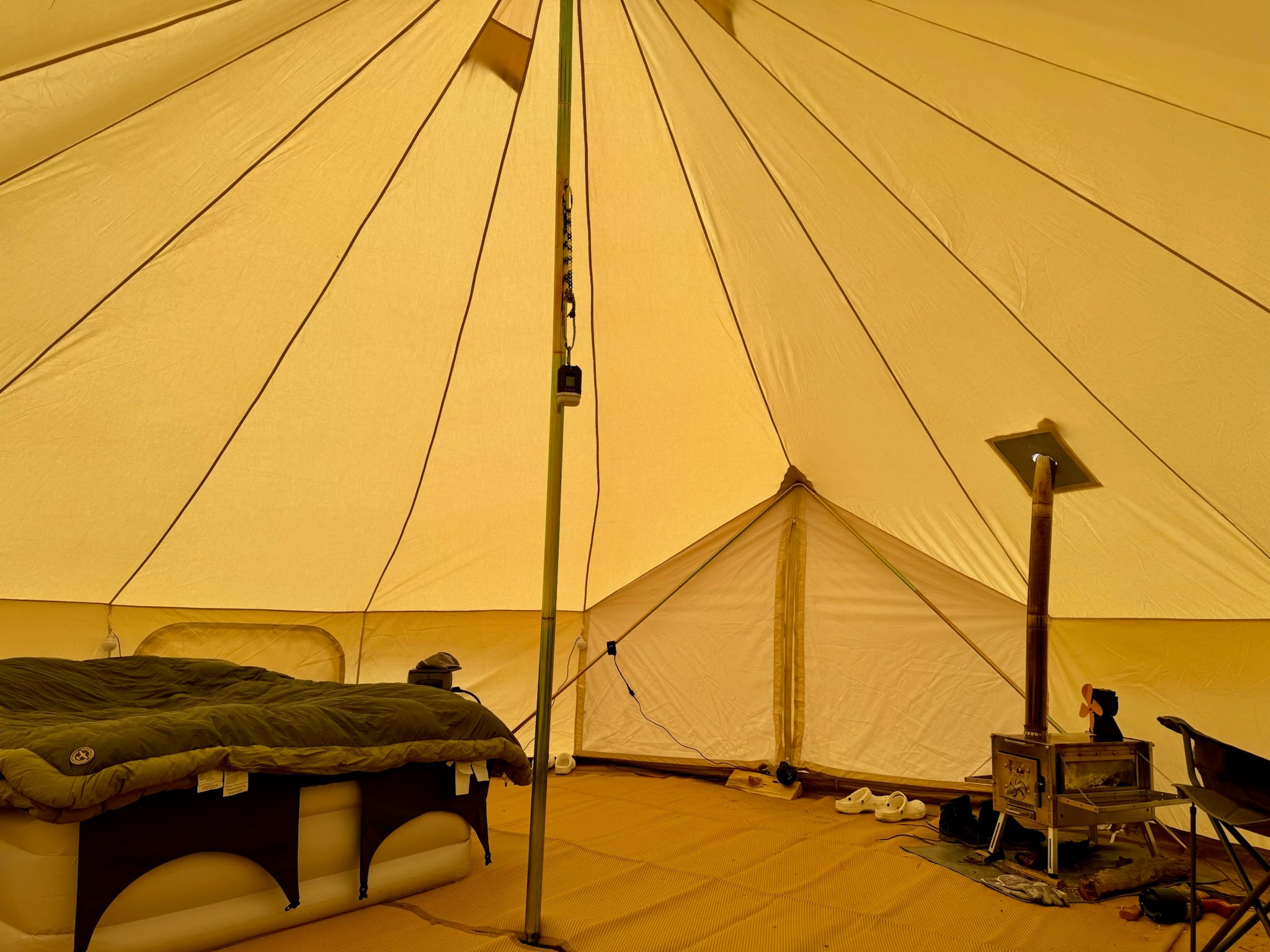
The Yukon Bell Tent is offered in 13-foot, 16-foot, and 20-foot diameters. Each size shares the same 3-foot sidewall height and five-foot door height, which creates consistent usability across the lineup. The primary differences come down to footprint, peak height, and weight.
The 20-foot model measures 19.8 feet in diameter and offers 304 square feet of floor space. Peak height reaches 11.5 feet, which provides excellent headroom and helps heat and condensation rise away from the living area. At 115 pounds, it’s not lightweight, but that weight reflects the materials and reinforcements used throughout the tent.
In practical terms, this size comfortably supports families, hunting groups, or couples who want room for cots, tables, and gear without stepping over each other. It also creates flexibility in how the space is arranged, which matters during longer stays.
Materials and Poly Shield Canvas
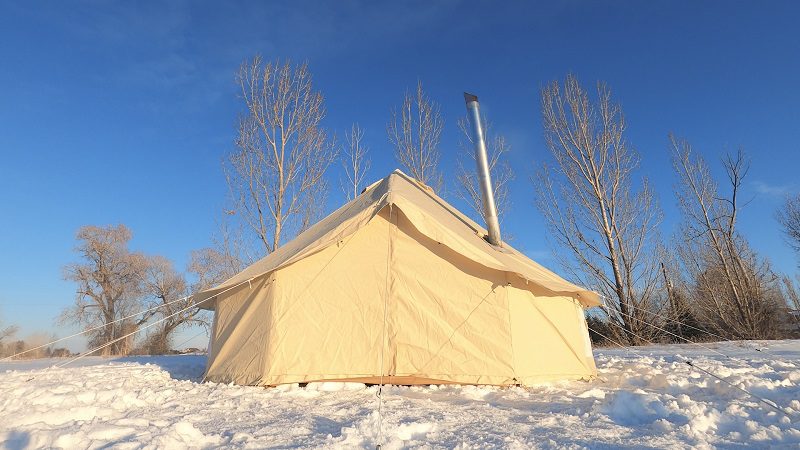
One of the defining elements of the Elk Mountain Yukon is its Poly Shield canvas. This polyester blend is engineered to address many of the shortcomings associated with traditional cotton canvas, particularly when it comes to moisture management and long-term durability.
The fabric resists mold and mildew better than cotton, does not shrink when wet, and offers higher tear strength. During the wind and snow event that formed the basis of this review, the canvas remained taut and showed no signs of stretching or stress, even as gusts pushed hard against the sidewalls.
An upgraded Poly Shield+ option is also available, with enhanced resistance to fire, mildew, and wear baked directly into the fabric during manufacturing. Rather than relying on surface coatings that degrade over time, the protection is integrated into the material itself.
Interior Space and Livability

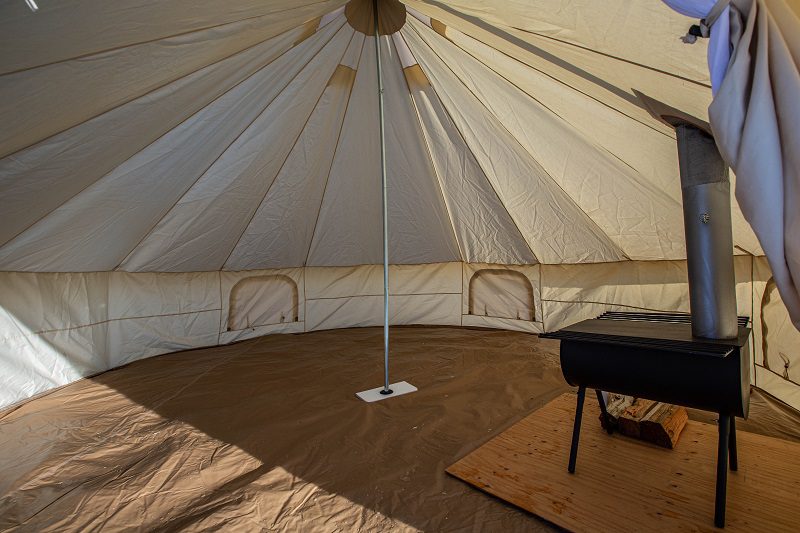
The three-foot sidewalls are one of the most noticeable differences between the Yukon and many other bell tents. That added height dramatically improves usable space around the perimeter, especially when sitting or standing near the walls.
During the overnight test, chairs, gear, and bedding could be arranged without constantly brushing canvas. That matters more than it sounds when the weather keeps you inside for extended periods. The center pole placement leaves the rest of the space open and adaptable.
For couples, the tent feels expansive. For families or groups, it feels practical rather than cramped. The height and footprint make it possible to divide the interior into functional zones instead of a single open room.
Windows, Doors, and Ventilation
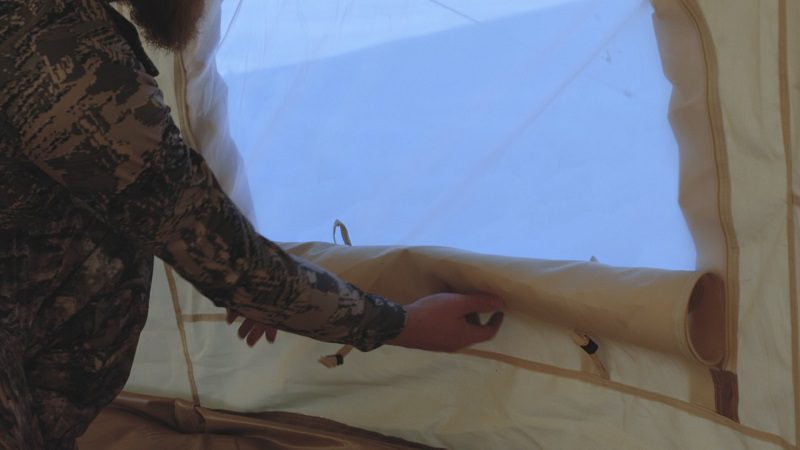
The Yukon includes four screened windows and four screened peak vents, all protected with mosquito netting. The front door features heavy-duty zippers and a wide stance, which improves access compared to narrower bell tent doors.
In cold conditions, keeping everything sealed is straightforward. In warmer weather, the combination of windows and peak vents promotes airflow that reduces condensation and keeps the interior comfortable.
One personal wish is the option for clear plastic window panels for winter use. Being able to see outside without dumping heat would be a welcome addition, though it’s not something commonly offered in this category.
Groundsheet and Floor Design
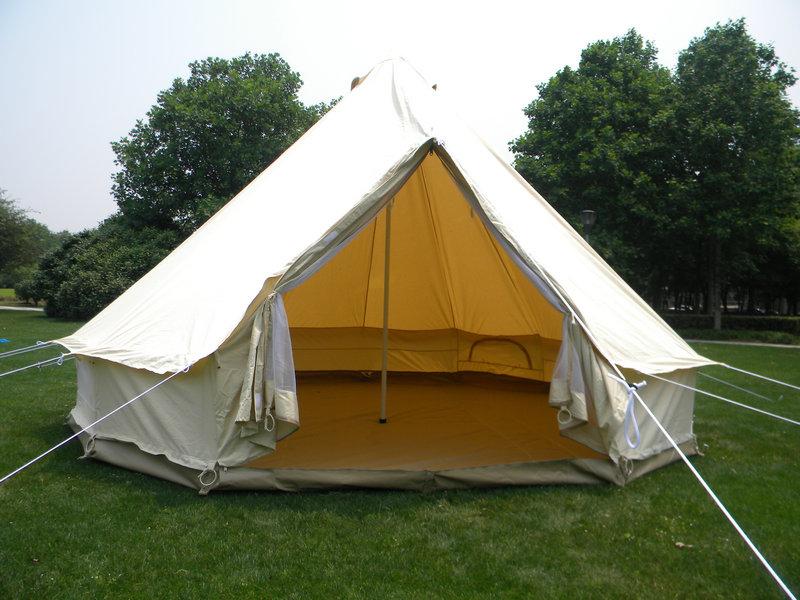
The zip-in PVC groundsheet weighs 540g and curves up the walls by roughly 3.5 inches. This bathtub-style design does an excellent job of keeping water out, even when the ground beneath is saturated or muddy.
During setup in wet, snowy conditions, having a removable floor proved invaluable. The tent itself stayed clean while packing up, and the floor can be removed entirely for drying or storage.
Using a ground tarp underneath the tent is still recommended. Not only does it protect the floor, but it also makes setup and breakdown significantly cleaner.
Frame and Structural Design
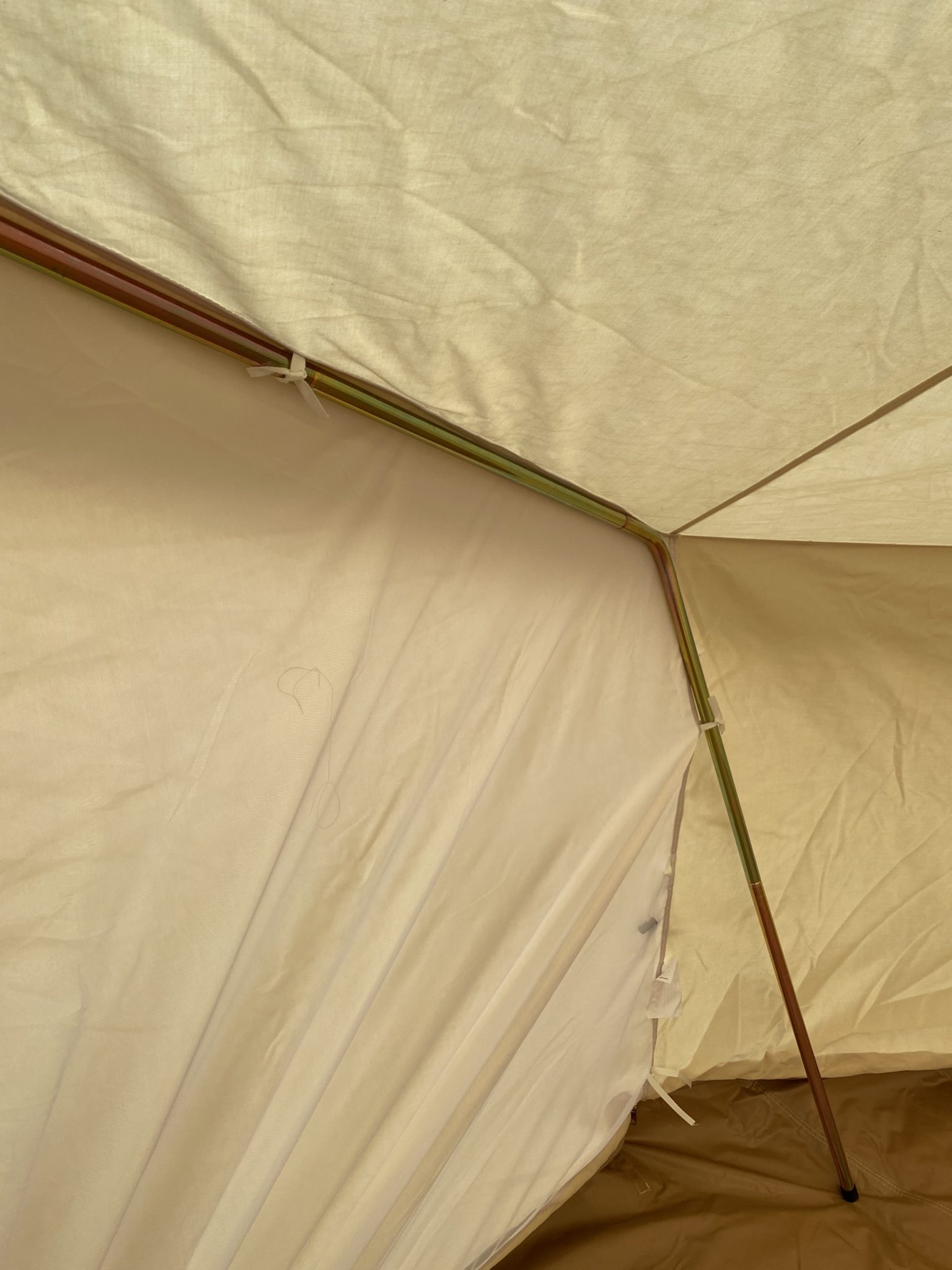
The center peak pole is galvanized steel and breaks into multiple sections for transport. Rubber gaskets at the top and bottom protect both the canvas and the floor from abrasion.
The A-frame door poles are held in place by gravity and the rope system, rather than floor pockets. Proper setup angle matters here, and once dialed in, the structure feels stable and predictable.
In the 20-foot model, some flex in the center pole can occur under load. For extended snow conditions, reinforcing with a thicker pole or rigid pipe is a common and reasonable upgrade.
Wind and Snow Performance in Real Conditions
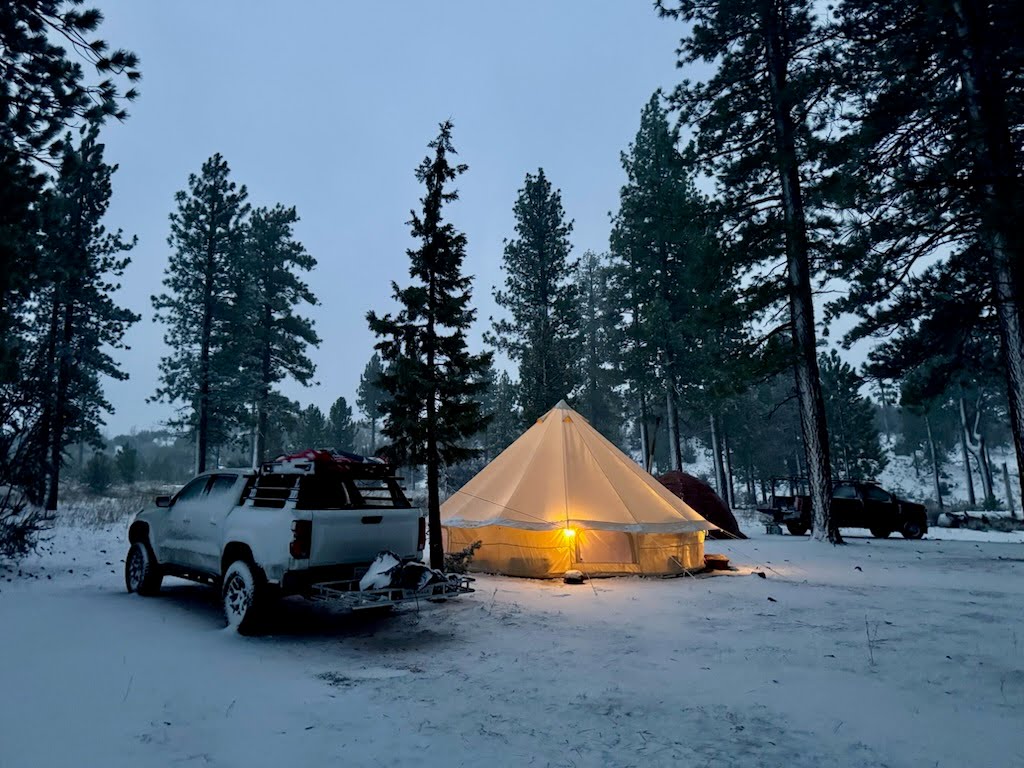
This is where the Elk Mountain Yukon earned its reputation. Gusts exceeding 40 mph pushed hard against the tall sidewalls throughout the night. Snow accumulation added weight and stress to the canvas.
Despite that, the tent held its shape. The sloped roof deflected much of the wind, while reinforced seams and guy-out points distributed the remaining force. After tightening lines overnight, the structure remained secure.
Large tents are rarely forgiving in high wind. The fact that this one shrugged it off speaks volumes about its design and construction.
Guy Lines, Stakes, and Anchoring
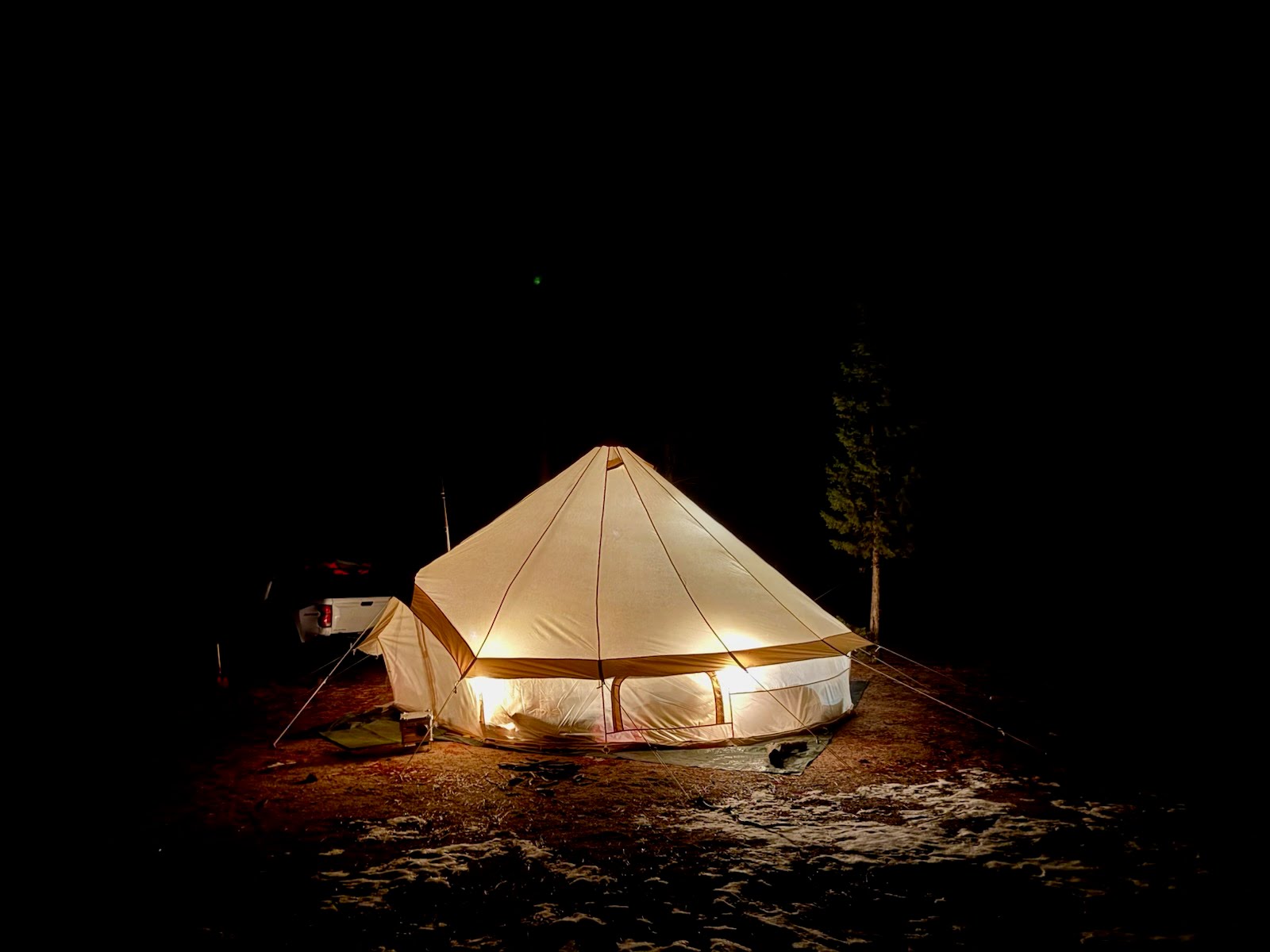
The Yukon includes multiple guy lines positioned at reinforced seam points around the tent. In high wind, having this many anchor options makes a real difference.
The included stakes are substantial, with larger versions used for guy lines and shorter ones for the perimeter. In rocky or frozen ground, upgrading stakes is still wise, but the factory hardware performed well.
Reinforcing guy lines higher using trees or vehicles further improved stability, especially against crosswinds hitting the sidewalls. If you’re expecting gnarly winds, attaching guy lines to additional features is a definite recommendation.
Craftsmanship and Reinforcements
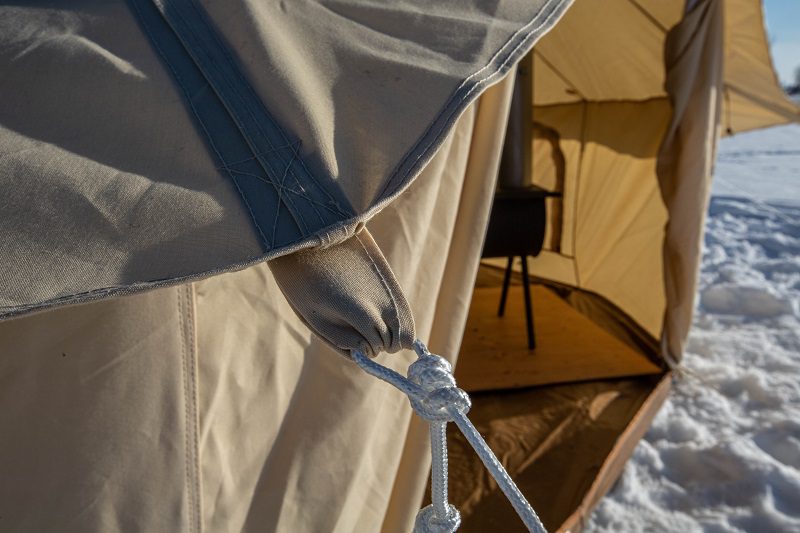
Stitching quality stood out immediately. Seams are clean, reinforced, and consistent throughout the tent, including stress points around doors and vents.
The reinforced cone at the peak is particularly important. It absorbs strain from wind and snow loads, protecting the rest of the structure from deformation. Small details, like interior hanging loops at seam points, add functionality without compromising strength, too.
Setup, Breakdown, and Transport
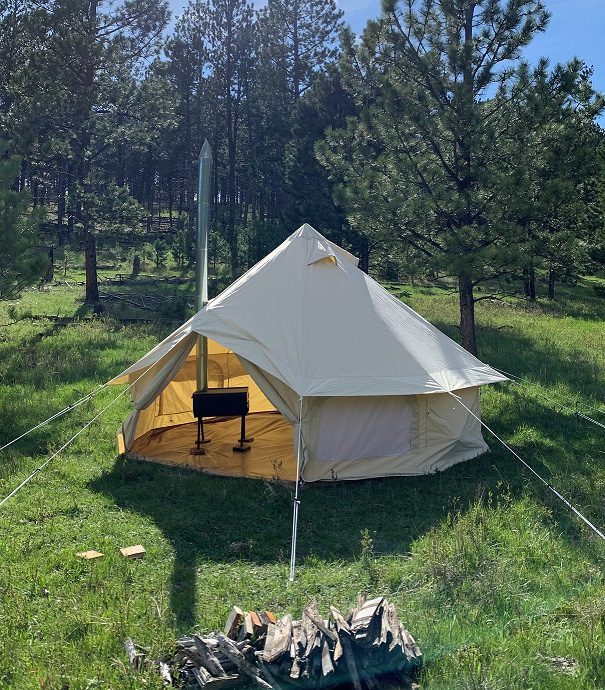
Any tent in the 20-foot class is going to demand a bit of respect during setup, and the Elk Mountain Yukon is no exception. That said, the overall process is far more approachable than many people expect when they first see the packed size or weight. The design follows a traditional bell tent layout, which means fewer structural components and a logical order of operations.
In calm conditions, two people can comfortably pitch the tent without rushing. One person can handle it solo, but wind adds complexity quickly, especially with tall sidewalls catching gusts during the early stages of setup. Laying out the footprint cleanly, staking the perimeter first, and keeping the canvas weighted until the center pole goes up makes a noticeable difference in control.
Once the center pole is in place and the door frame is set, the tent starts to take shape quickly. From there, tensioning the guy lines becomes the most important step. During the high-wind test, dialing in those lines properly was the difference between a tent that simply stands and one that feels locked into the landscape. The multiple guy-out points give you flexibility to adapt to terrain, trees, or vehicle placement when conditions demand extra reinforcement.
Breakdown is where experience really pays off. Taking the time to knock snow or moisture off the canvas before dropping the structure helps prevent excess water from being trapped during packing. The zip-in floor can be removed first, which keeps mud and debris out of the main canvas, which is a major advantage when packing up in wet or snowy environments.
Transporting the Elk Mountain Yukon is realistic for vehicle-based camping but clearly not intended for minimalist travel. At 115 pounds for the 20-foot model, this is a tent you plan around, not toss in as an afterthought. The included storage bag is well-sized, allowing the canvas and poles to be packed without excessive wrestling or forced folding, which helps preserve the fabric over time.
In real-world use, the tent fits best in trucks, SUVs, or trailers where weight and volume aren’t limiting factors. For overlanders, hunters, and basecamp-style campers, the size-to-comfort tradeoff makes sense. You’re not hauling this tent far from the vehicle, but once it’s set, it delivers the kind of shelter that makes staying put during bad weather not just tolerable, but genuinely comfortable.
Pros, Cons, and Wish List
Durability, wind resistance, and interior space are the biggest strengths of the Elk Mountain Yukon. The tall sidewalls and reinforced construction clearly separate it from lighter-duty bell tents.
On the downside, built-in utility pass-throughs for power or climate equipment would improve versatility. Clear window options would also enhance winter usability.
None of these issues detract from the core performance, though. However, they represent opportunities for refinement.
Final Verdict
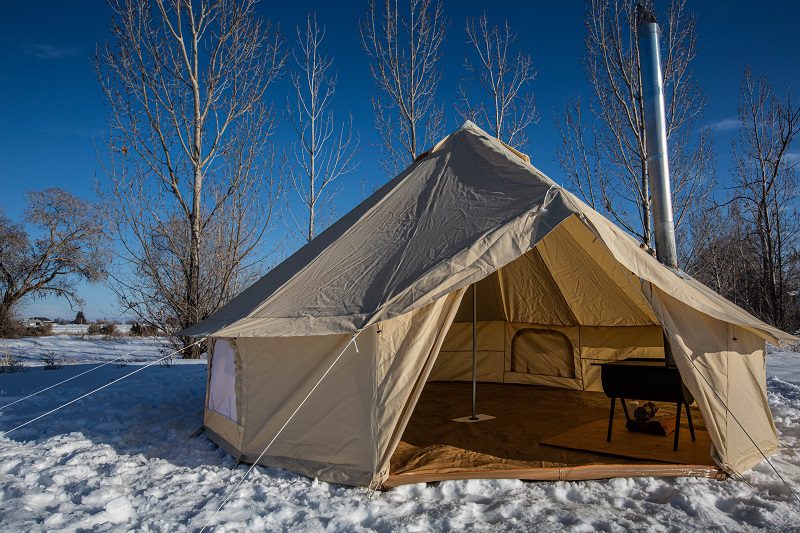
There’s a meaningful difference between a tent that looks good on paper and one that earns your trust when conditions turn hostile. After spending a night inside this shelter with sustained high winds, heavy gusts, falling snow, and freezing temperatures, the Elk Mountain Yukon proved it belongs firmly in the latter category.
Large bell tents are often criticized for acting like sails in strong wind, and under normal circumstances that concern is valid. What stood out here was how well the Elk Mountain Yukon managed that vulnerability through smart design choices like steep roof angles, reinforced seams, substantial guy-out points, and a peak structure that absorbed stress rather than transferring it. Even when the wind was relentless, the tent never felt like it was on the verge of failure.
Beyond durability, livability plays a major role in long-term satisfaction, and this is where the Yukon really justifies its footprint. The three-foot sidewalls, generous peak height, and massive floor space create an interior that remains usable even when weather forces you inside. Whether configured for a family camp, a hunting basecamp, or a cold-weather retreat, the space feels intentional rather than excessive.
It’s also worth acknowledging what this tent is not. The Elk Mountain Yukon is not a lightweight shelter, and it’s not designed for quick overnight stops or frequent relocation. It rewards thoughtful setup, solid anchoring, and a willingness to plan around its size. In return, it offers stability, comfort, and a sense of security that smaller tents simply can’t match.
For campers, overlanders, and hunters who value reliability over minimalism—and who understand that weather doesn’t always cooperate—the Elk Mountain Yukon delivers where it matters most. When conditions deteriorate and leaving camp isn’t an option, this is the kind of shelter that lets you sleep through the night instead of wondering what the next gust might bring.
FAQ
Is the Elk Mountain Yukon suitable for winter camping?
Yes, with proper anchoring and snow management. It handles wind and cold well, though it is not designed for heavy, unattended snow loads.
How many people can the 20-foot Yukon Bell Tent sleep?
Depending on layout, it can comfortably sleep six to eight people, or fewer with cots and gear for extended stays.
Does the tent come with a floor?
Yes, it includes a zip-in PVC groundsheet that creates a waterproof bathtub floor.
How does the Elk Mountain Yukon compare to cotton canvas tents?
The Poly Shield fabric resists moisture, mold, and shrinking better than cotton while offering similar durability.
Friendly disclaimer: Our articles may contain affiliate links that support us without costing you more, and sometimes we spice things up with sponsored content—but only for products we truly stand behind!