


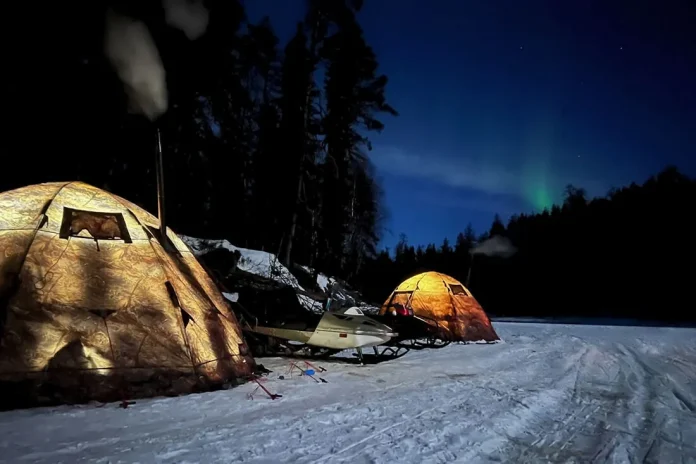

For many people, the first frost signals the end of camping season. But for those who love the crisp air, silent mornings, and snow-dusted landscapes, winter is when the real adventure begins. A cold weather tent isn’t just another piece of gear; it’s the key to staying safe, warm, and comfortable when the temperature drops. Whether you’re setting up camp in the mountains or exploring frozen backcountry, the right tent can make or break your experience.
Not all tents are built to handle freezing conditions. Regular three-season tents might be fine for spring or fall, but snow, wind, and below-freezing temperatures expose their weaknesses quickly. A true cold weather tent is purpose-built to withstand heavy snow loads, biting winds, and temperature extremes without folding under pressure. It’s about more than comfort—it’s about security in the harshest environments.
Over the last five years, I’ve spent countless nights testing winter tents in real conditions—from snow piling up in Big Bear to high winds in the backcountry. In that time, I’ve learned exactly which features make a cold weather tent worth its weight in gold. Let’s break down what matters most so you can choose a tent that’ll have your back when winter really shows up.
Table of Contents
What to Look for in a Cold Weather Tent: Structure and Materials
When the wind picks up and snow starts piling on your tent, structure and materials become your first line of defense. A cold weather tent isn’t just about keeping the breeze out—it’s designed to stand firm when Mother Nature puts it to the test. Unlike three-season tents, which often rely on lightweight fiberglass poles and thin fabric, a proper winter-ready shelter uses steel or aircraft-grade aluminum for its frame. These materials can handle the weight of snow and won’t snap in freezing conditions.
Equally important is the fabric itself. Heavy-duty canvas and thick Oxford-style materials trap warmth more effectively than thin nylon. These fabrics shed snow, block biting winds, and maintain structure even when wet. Reinforced stitching, waterproof coatings, and sealed seams can mean the difference between waking up warm and dry—or finding a layer of ice inside your tent come morning.
One example that’s served me well over the years is the Bereg lineup. Tents like the Bereg UP-5 and UP-7 use B95T1 aluminum alloy poles combined with Oxford 300D fabric. This kind of build translates into a tent that stands its ground when others crumple. When snow collects on the roof or gusts reach 50 mph, a cold weather tent with a strong structure keeps you protected and warm.
At the end of the day, structure and materials are what give you peace of mind when the weather turns rough. This is the foundation of a truly dependable cold weather tent.
Insulation and Ventilation
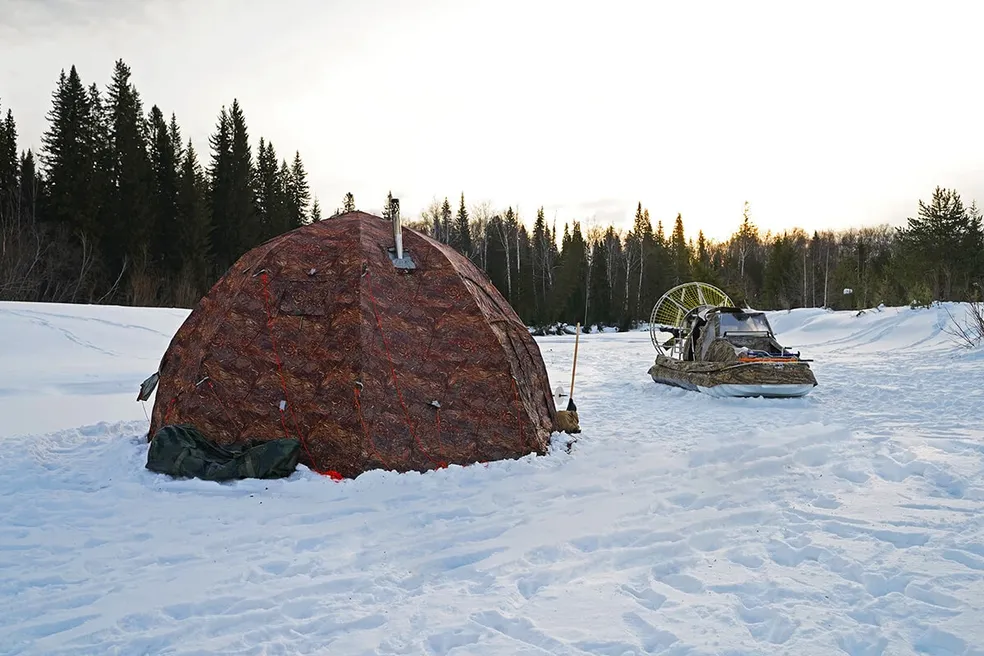
A tent in winter isn’t just a shelter—it’s your personal microclimate. When the temperature drops, insulation is what helps hold onto the heat your body or your heater produces. One of the most effective ways to achieve that is through double-wall construction. The gap between the inner and outer layers acts like a buffer, slowing down heat loss and helping maintain a warmer interior. On nights when temperatures fall into the teens or below, this difference can be dramatic.
But insulation alone isn’t the whole story. Ventilation plays a critical role too. Warm air inside and cold air outside naturally lead to condensation, and without adjustable vents, that moisture can accumulate quickly. A well-designed cold weather tent allows you to fine-tune airflow so you stay warm without waking up to dripping ceilings and damp sleeping bags.
Some tents, like the Bereg Hexagon, are engineered to distribute warmth more evenly. Their structure helps air circulate, reducing cold spots and keeping interior temperatures significantly higher than outside. In my experience, I’ve seen inside temps stay 15 to 20 degrees warmer than the freezing air beyond the tent walls.
Getting the balance right between insulation and ventilation is crucial. Too much of one without the other leads to either freezing air or soaked gear. A tent that manages both well ensures your nights are comfortable, dry, and safe.
Heating Safely and Effectively
Staying warm through the night is often the biggest challenge of winter camping. A good cold weather tent works hand in hand with your heating system, whether it’s a wood stove, diesel heater, or another heat source. I’ve spent many nights with a wood stove crackling inside my tent. It gives off steady warmth, dries out damp clothing, and creates a cozy atmosphere that’s hard to beat. But not all tents are designed for this kind of setup.
Look for models with heat-resistant chimney ports and fire-resistant fabric in key areas. In my Bereg tents, for example, the chimney port features a stainless-steel ring that keeps the hot stove pipe from ever touching the fabric. This kind of detail makes a big difference in both safety and longevity.
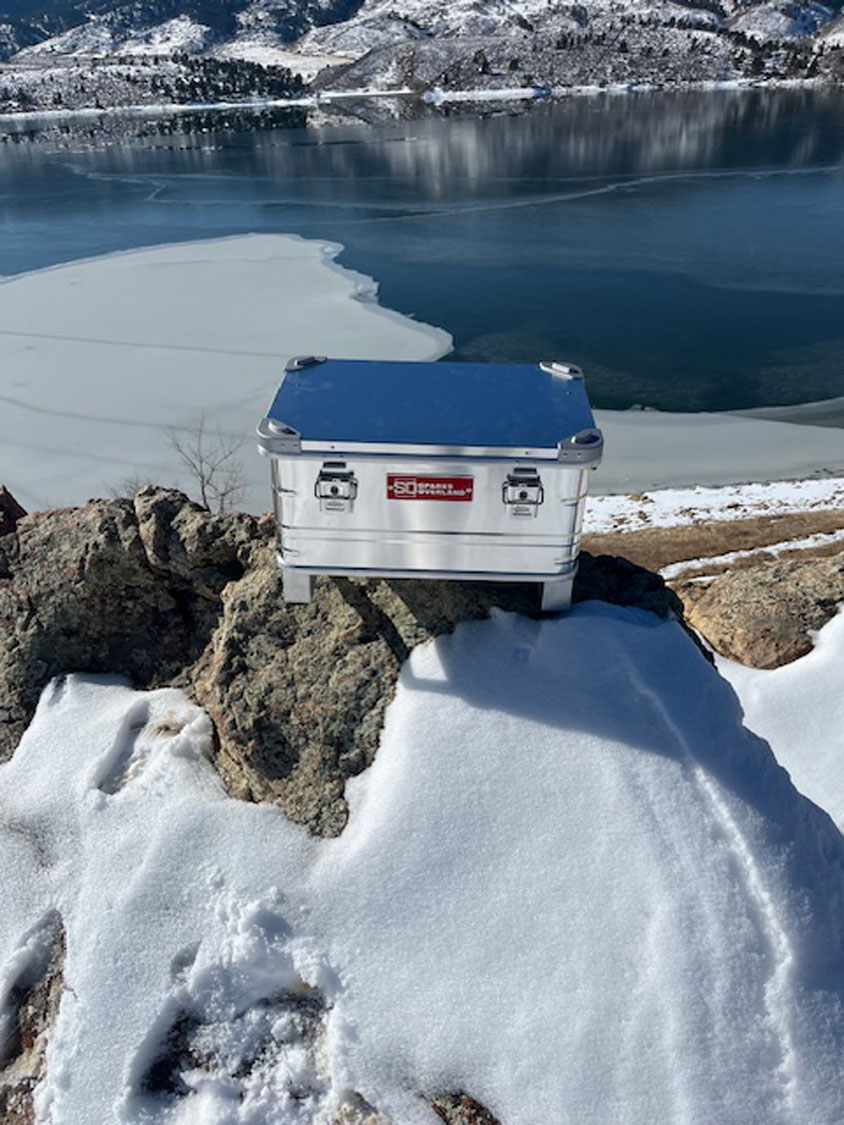
For overnight warmth, I rely on a diesel heater. Mine is a 4KW unit from Sparks Overland, and it pushes out 14,000 BTUs of heat—plenty for maintaining a steady temperature all night without needing to stoke a fire every few hours. Proper exhaust routing and ventilation are non-negotiable when using any heater. You need fresh air coming in and exhaust going out safely.
The key is combining the right tent with the right heating solution. A well-insulated, properly vented cold weather tent paired with a safe, efficient heater can turn a frigid night into a surprisingly comfortable one.
Space and Livability in a Cold Weather Tent

Winter camping often means more gear, bulkier clothing, and longer stretches inside your tent. Space matters. A cold weather tent should be roomy enough for sleeping comfortably while leaving space for a stove, extra gear, and maybe a friend or two. But more space isn’t always better. If a tent is too large, it can become inefficient to heat, which is a real problem in sub-freezing temperatures.
I’ve found that choosing the right size for your needs makes a world of difference. The Bereg UP-5 is ideal for solo trips or two people with gear, while the UP-7 gives extra room for group camping without feeling like you’re trying to heat a barn. Smart layouts help you keep gear organized and maximize living space without losing thermal efficiency.
Another factor is the height of the tent. Being able to stand up or move around comfortably is a huge plus, especially when you’re layering up for the cold. A good cold weather tent balances usable space with the ability to retain heat efficiently.
Winter camping doesn’t have to feel cramped or chaotic. With the right design, your tent can feel more like a warm, functional basecamp than a survival shelter.
Key Features to Prioritize

Choosing a cold weather tent can feel overwhelming at first, but once you know what really matters, it becomes much clearer. Start with the frame. Strong steel or aluminum poles offer the durability and stability you need in rough weather. This isn’t the place to compromise on materials.
Next, pay attention to the fabric. Heavy-duty canvas or Oxford-style materials provide insulation, wind resistance, and the ability to shed snow. Look for sealed seams, reinforced corners, and waterproof coatings that keep you dry when the weather turns wet.
Insulation and ventilation should go hand in hand. A double-wall design with adjustable vents helps you maintain warmth without letting condensation get out of control. This combination keeps the interior warm and dry all night long.
Finally, consider heating options and layout. A tent that’s designed to safely accommodate a wood stove or diesel heater is far more versatile in deep winter. And a smart interior layout ensures you have space for gear and movement without sacrificing heat retention. A cold weather tent that checks all these boxes will keep you comfortable even when conditions outside are at their worst.
Enjoy Winter Camping

Winter camping isn’t about enduring the cold—it’s about embracing it with the right gear. A good cold weather tent transforms a potentially brutal night into an enjoyable, even cozy, experience. Over the years, I’ve tested many tents in sub-zero temperatures, and the difference between a solid build and a budget tent shows up fast when the snow starts falling.
Focus on structure, materials, insulation, ventilation, heating, and space. These core elements work together to create a reliable shelter that you can trust when conditions get tough. Whether you’re setting up camp for a weekend or a weeklong trip, choosing a tent built for winter pays off in both comfort and safety.
If you’re heading into the cold, take the time to find the right cold weather tent for your needs. When the wind is howling and snow piles up around you, that choice can make all the difference.
FAQ
What makes a tent a cold weather tent?
A cold weather tent is built with stronger poles, heavier fabric, better insulation, and enhanced ventilation. It’s designed to handle snow loads, wind, and freezing temperatures without failing.
Can you use a regular tent in winter?
Technically, yes, but it’s not ideal. Regular three-season tents don’t handle snow or high winds well. A proper cold weather tent provides better protection and warmth in freezing conditions.
How do I heat a cold weather tent safely?
Use a wood stove with a heat-resistant chimney port or a properly vented diesel heater. Always ensure proper ventilation and exhaust routing to prevent dangerous buildup of gases.
Do cold weather tents need to be insulated?
Yes. Insulation helps trap heat inside, making it easier to stay warm. Double-wall construction is one of the most effective ways to add insulation while managing condensation.
What size tent is best for winter camping?
Choose a tent that gives you enough room for sleeping and gear without making it too hard to heat. A more compact space is easier to keep warm in sub-freezing temperatures.
Our articles might have affiliate links and the occasional sponsored content, but don’t sweat it – if you buy something, we get a little kickback at no extra cost to you, and we only hype products we truly believe in!