



Table of Contents
- The Foundation: Materials and Build Quality
- Thermal Management: The Real Lifespan Indicator
- Optics and Beam Control: More Than Just Lumens
- Electronics and Driver Quality
- Waterproofing, Sealing, and Environmental Resistance
- Mounting Hardware and Vibration Resistance
- Dimming, Control, and User Experience
- Consistency, Testing, and Quality Control
- What Premium Should Mean: A Clear Standard
- FAQ
The Foundation: Materials and Build Quality
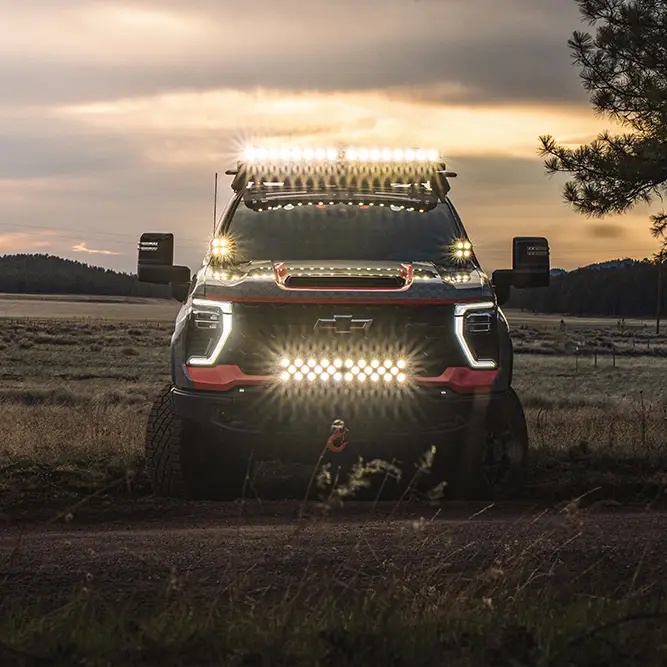
A true premium light bar starts with the foundation: the housing. Many cheap lights rely on cast or thin stamped aluminum that looks fine on day one, but quickly reveals its weaknesses. Cast housings often have internal voids or weak points that crack when exposed to vibration. Thin housings flex under heat, which can break seals and allow moisture inside. This is why so many bargain lights fog up or suffer corrosion within a season.
Boss Lighting sets a different benchmark by using CNC-machined 6061 aluminum housings. Machining produces a tighter, stronger structure with precise tolerances, and using 6061 aluminum ensures both strength and thermal stability. That stability matters more than most people realize. A premium light bar must remain rigid so that LEDs, optics, and seals stay in place through washboard roads, high-speed runs, and repeated heating and cooling cycles.
I’ve seen plenty of lights degrade faster than expected due to low-quality housings. Mounts loosen, internal components shift, and moisture eventually finds its way inside. With a premium light bar built on a solid machined foundation, those problems don’t materialize. That level of structural integrity is one reason Boss Lighting earns its reputation among serious off-roaders.
Thermal Management: The Real Lifespan Indicator

LEDs don’t typically fail due to age; they fail due to heat. Many companies rely on basic passive fins and oversized claims about lumen output, ignoring the real engineering required to keep temperatures under control. As LEDs heat up, they dim, change color, and degrade much faster. This is why some lights look bright in the garage but noticeably weaker after thirty minutes on the trail.
A premium light bar must prioritize thermal management as much as raw output. Boss Lighting uses a patented flow-through cooling system designed to circulate air across internal heat sinks. This active airflow approach keeps temperatures stable and ensures consistent output across long drives or stationary use. It may not be as flashy as lumen numbers, but it is one of the most critical features that separates a premium light bar from an average one.
From real-world use, the difference is dramatic. When a light bar maintains output without dimming over time, obstacles remain clear, shadows stay crisp, and visibility remains predictable. That reliability is a key reason many off-roaders upgrade to a premium product after struggling with inconsistent performance from cheaper alternatives.
Optics and Beam Control: More Than Just Lumens

A common misconception is that more lumens always mean better performance. In reality, poorly engineered optics scatter light, create hotspots, and reduce depth perception. A bright but uncontrolled beam can actually make trails harder to read, especially at higher speeds. That’s why a true premium light bar focuses on beam quality, not just brightness.
Boss Lighting invests heavily in optical engineering. Instead of off-the-shelf reflectors and lenses, they design beam patterns that balance distance, side illumination, and foreground fill. This results in smoother transitions and better usable light. A premium light bar should help your eyes identify obstacles early, not overwhelm them with glare.
There’s a noticeable difference when driving with well-engineered optics. Rocks, ruts, and dips appear clearly rather than blending into a wash of white. You can maintain speed with confidence instead of slowing down due to uncertainty. Optics are one area where the term “premium” becomes obvious in real use rather than advertising.
Electronics and Driver Quality
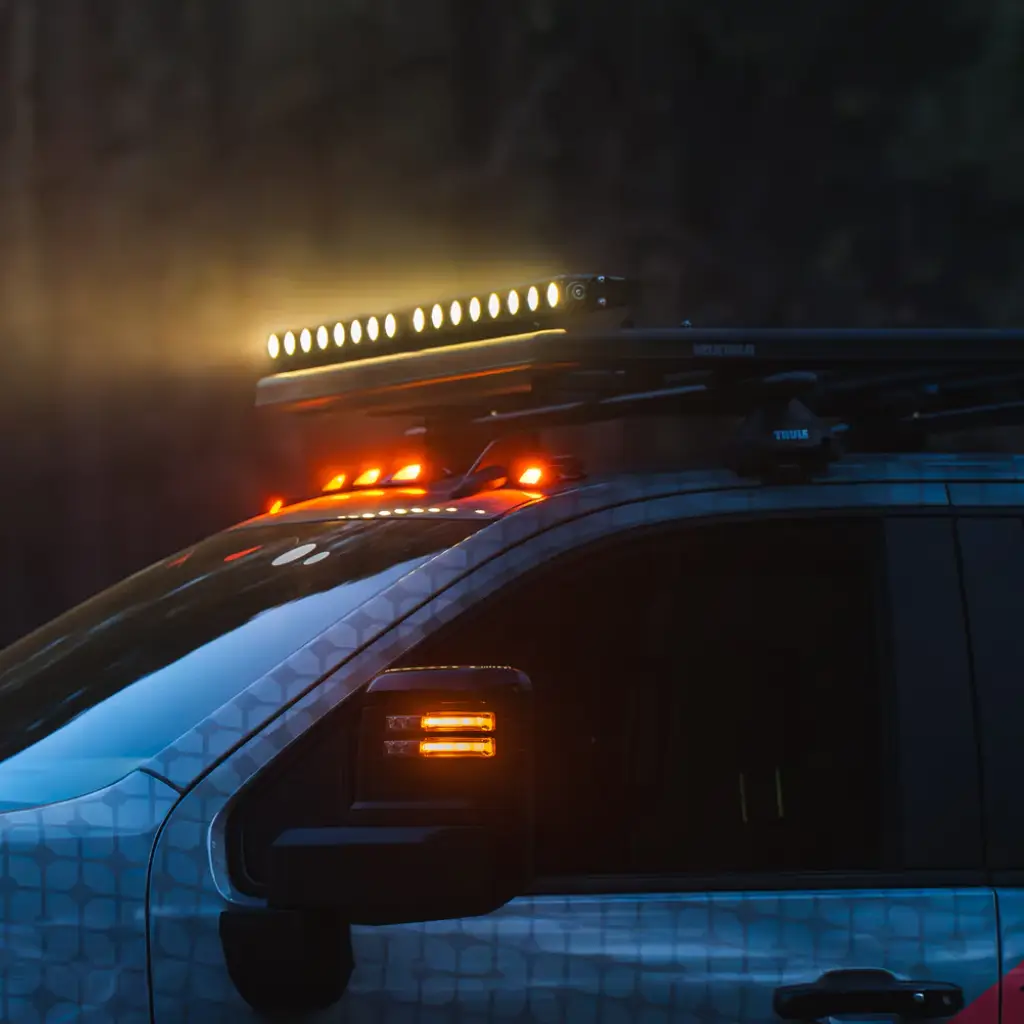
Inside every LED light bar is a driver system that regulates voltage and stabilizes output. In cheaper bars, these components are often the first point of failure. Basic drivers struggle with heat, voltage spikes, and vibration. This leads to flickering, partial outages, or full failure. For users who travel remote or rugged environments, that’s more than an inconvenience—it’s a safety issue.
A premium light bar requires high-grade drivers, clean circuit design, and components that can handle poor electrical conditions. Boss Lighting builds its electronics to last under real-world stress, using durable drivers, protected circuits, and sealed connectors. This ensures consistent light output, even when power delivery isn’t perfect.
This level of engineering is often invisible to the buyer until something goes wrong. When lights flicker or die on a dark trail, the difference between value and premium becomes immediately clear. Investing in stable electronics is part of what makes Boss Lighting’s products trusted by those who rely on them for long-term use.
Waterproofing, Sealing, and Environmental Resistance

Many companies advertise IP ratings, but these don’t always reflect real-world performance. Off-road environments introduce unique stresses: pressure washing, temperature swings, mud, dust, and repeated impacts. If a seal is even slightly misaligned or if housing tolerances are loose, moisture will find its way in over time.
A premium light bar uses precision machining, advanced gasket materials, and adhesives and sealants designed for long-term environmental exposure. Boss Lighting takes sealing seriously by integrating precision-cut gaskets and tightly fitted components into every design. The result is a bar built to remain dry and clear inside, even after years of punishment.
Anyone who has owned cheap lights knows the fogging that appears inside the lens is not cosmetic. Moisture corrodes electronics and reduces performance. With premium sealing, those problems never develop, which is part of the value that Boss Lighting offers.
Mounting Hardware and Vibration Resistance
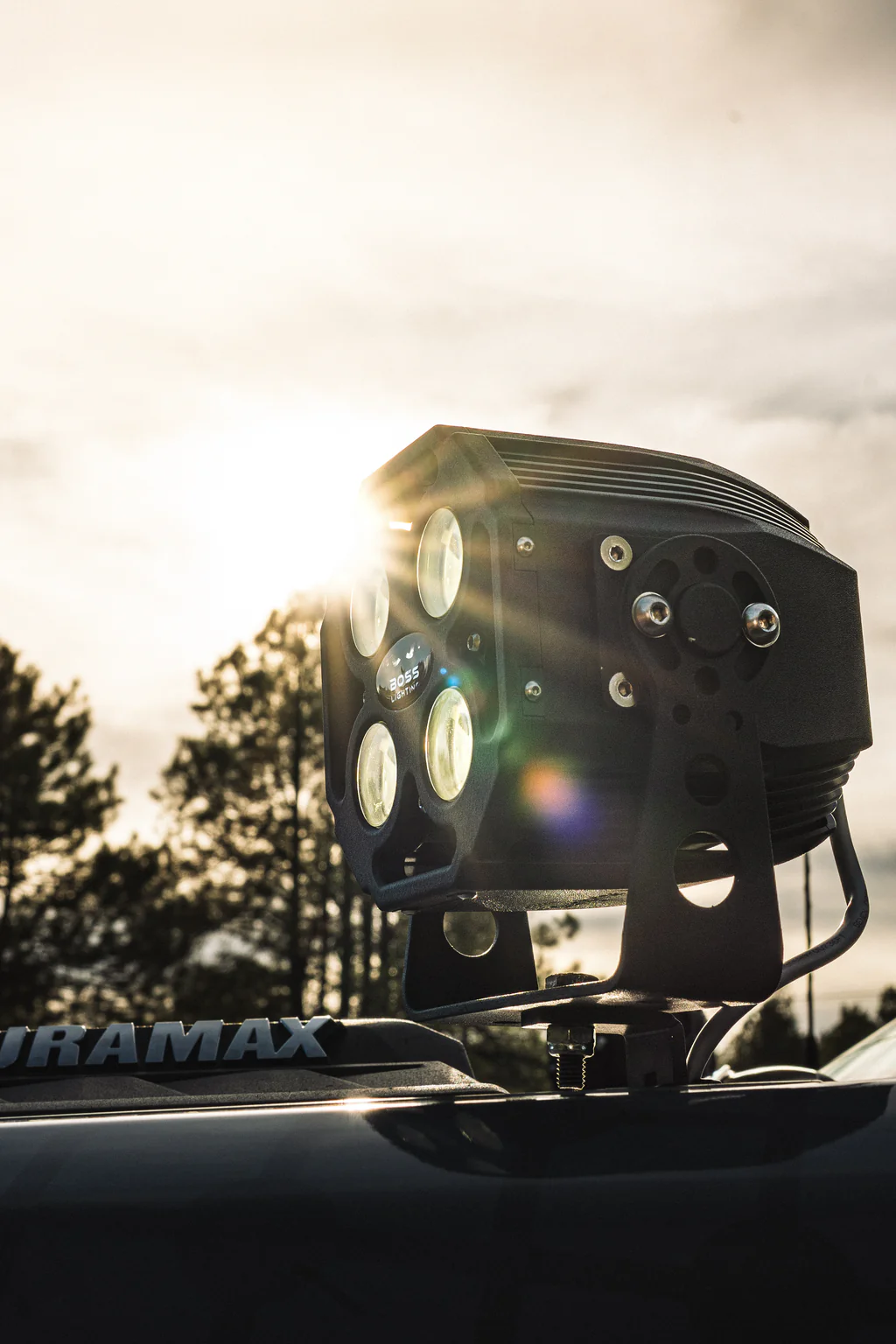
Even the strongest light bar can fail if its mounts are weak. Many budget bars use thin brackets or soft hardware that vibrates loose over time. High-speed washboard roads are unforgiving, and vibration can cause housings to flex or bolts to shear. A premium light bar must be supported by equally premium mounting hardware.
Boss Lighting uses rugged brackets, robust hardware, and carefully engineered mounting points that maintain alignment even under constant abuse. When mounts hold steady, beams stay consistent, seals stay intact, and housings don’t suffer premature stress.
Real-world experience shows that cheap mounts often lead to lights bouncing or shifting at night, hurting visibility and damaging components. Premium hardware eliminates those issues and gives drivers confidence that everything will remain in place, regardless of terrain.
Dimming, Control, and User Experience

A premium light bar should deliver more than on/off functionality. Full-range dimming allows drivers to match light output to terrain, speed, and preference. This is extremely useful when transitioning from open desert to wooded trails, or when pulling into camp without blasting everyone with full brightness.
Boss Lighting integrates smooth, full-range dimming into its light bars, giving users precise control. Instead of relying on external modules or aftermarket solutions, the dimming system is built directly into the product. This level of thoughtfulness reflects what a premium light bar should offer: performance matched with ease of use.
In my own off-road trips, dimming has been one of the most useful features. Whether navigating tight switchbacks or setting up camp late at night, being able to adjust brightness on the fly makes lighting far more practical and enjoyable.
Consistency, Testing, and Quality Control

One of the biggest differences between mass-produced lights and a premium light bar is consistency. Cheaper lights often suffer from batch variability: different brightness levels, mismatched colors, or inconsistent water resistance. This happens when products are built with loose tolerances and rushed assembly.
Boss Lighting maintains tight U.S.-based quality control with extensive testing that includes thermal cycling, optical verification, and environmental stress tests. Each unit is treated as a precision component rather than a disposable accessory. That level of consistency ensures that every light bar performs as expected.
Quality control is often invisible to the end user but determines how long a product lasts. A premium light bar is defined by this reliability, and Boss Lighting’s attention to detail is a major reason it’s used as the benchmark in many off-road communities.
What Premium Should Mean: A Clear Standard

When you break down what separates a premium light bar from everything else, it becomes clear that the label shouldn’t be applied lightly. Materials must be strong, optics precise, electronics reliable, and cooling engineered with purpose. Sealing, mounting, and user controls must support long-term performance, not just initial brightness.
Boss Lighting checks every one of these boxes with U.S.-built construction, patented cooling, engineered optics, high-quality electronics, and rugged mounting solutions. It earns its position as a benchmark not because of flashy marketing, but because the real-world engineering behind each product delivers consistent results on the trail.
When you invest in a premium light bar, you’re buying peace of mind, performance, and durability. Boss Lighting shows what that should look like—and why quality always wins in the long run.
FAQ
What separates a premium light bar from cheaper options?
A premium light bar uses stronger materials, engineered optics, quality electronics, and advanced cooling systems. These elements deliver better performance and far longer lifespan than bargain options.
Why is heat management so important for LED lights?
LEDs degrade quickly when overheated. Proper cooling keeps output stable and extends the life of the entire system, which is why thermal performance is a key feature of premium products.
How long should a premium light bar last?
A true premium light bar should last many years with consistent performance. With proper construction and cooling, these lights remain reliable even after heavy off-road use.
Do premium light bars require special installation?
Most premium light bars mount and wire like typical models, but their higher-quality hardware and connectors often make installation easier and more secure.
Are U.S.-made light bars better?
U.S.-made light bars often have tighter quality control and more reliable components. Companies like Boss Lighting invest heavily in engineering and manufacturing, which contributes to improved durability and performance.
Friendly disclaimer: Our articles may contain affiliate links that support us without costing you more, and sometimes we spice things up with sponsored content—but only for products we truly stand behind!