


A quality tent is one of the highest-leverage investments in any camping kit. Buy the right one, maintain it properly, and it repays you with a decade or more of reliable shelter. Neglect it, and even a premium shelter degrades within a few seasons. Seams fail, waterproofing oxidizes, zippers seize, and Oxford fabric develops the kind of slow weep that soaks a sleeping bag by 3 a.m. without ever looking like a leak. Tent maintenance and care is not complicated, but it requires consistency. The three minutes you spend drying a tent before packing it extend its life more than any reproofing treatment you apply two years later.
I’ve been running tents hard over two decades, through wet Sierra snowstorms, wind-scoured plateaus, and high-desert monsoon rain that arrives sideways. In that time I’ve watched expensive shelters fail from neglect and seen well-maintained mid-grade tents outlast their owners’ expectations by years.
The PF Bereg UP-7 I’ve been putting through its paces is a serious piece of kit: Oxford 300 outer fly, Oxford 210 inner, aviation-grade B95T1 aluminum frame, and sealed seams throughout. A shelter built to that standard deserves maintenance practices built to match. This guide covers what those practices look like across the full lifecycle of a tent.
Quick Facts:
- Topic: Tent maintenance and care to extend tent lifespan
- Skill level: Beginner to intermediate
- Time required: 10-30 min per trip for routine care; 1-2 hrs annually for deep maintenance
- Key tasks: Drying before storage, seam sealing, waterproofing refresh, zipper lubrication, pole inspection
- Featured tent: PF Bereg UP-7 ($2,200), double-wall Oxford dome with sealed seams, 10mm B95T1 frame, 10-year warranty
- Best for: Overlanders, hunters, and four-season campers protecting a significant gear investment
- Primary mistake: Storing a tent damp, the single fastest way to destroy Oxford fabric and seam tape
10 min read
In This Guide
- Why Tent Maintenance Pays Off Over Time
- Drying and Storage: The Foundation of Tent Longevity
- How to Clean a Tent Without Damaging the Fabric
- Waterproofing Refresh: When and How to Reproof
- Seam Sealing and Tape Maintenance
- Pole and Zipper Care
- Stove Jack and Heat-Zone Maintenance
- End-of-Season Inspection Checklist
- PF Bereg UP-7: What Makes It Easier to Maintain
- Final Verdict
- Frequently Asked Questions
Why Tent Maintenance and Care Pays Off Over Time

Tent maintenance and care extends shelter life in ways no single repair or upgrade replaces. The materials that determine a tent’s performance, Oxford fabric, PU waterproofing coatings, seam tape, and aluminum alloy poles, all degrade on predictable timelines, and those timelines accelerate or slow based on how you treat the tent between trips.
Oxford fabric, used in both layers of the PF Bereg UP-7 (Oxford 300 on the outer fly, Oxford 210 on the inner), is a durable woven material with a polyurethane waterproofing impregnation applied during manufacturing. The PU coating is what keeps rain from penetrating; it is not the weave itself. Over time, UV exposure, abrasion, dirt, and improper storage all degrade the PU layer, reducing its hydrostatic resistance from the original rating down toward zero. The UP-7’s outer fly carries a PU 4000 rating, which is exceptional, but without periodic maintenance, it will drop toward functional uselessness within five to seven seasons of regular use.
Aluminum poles face a different degradation pattern. The B95T1 aviation-grade alloy used in the UP-7 frame resists corrosion and cold-induced brittleness better than standard aluminum, but the pole joints, ferrules, and shock cords need regular attention. A corroded ferrule prevents smooth breakdown, and a worn shock cord leaves loose sections rattling inside the pole sleeve, eventually causing stress fractures at the collar points. Small interventions early prevent large failures later. For a closer look at how the UP-7 performs in the field across weather conditions, our UP-7 weather performance review covers the real-world picture.
Drying and Storage: The Foundation of Tent Longevity
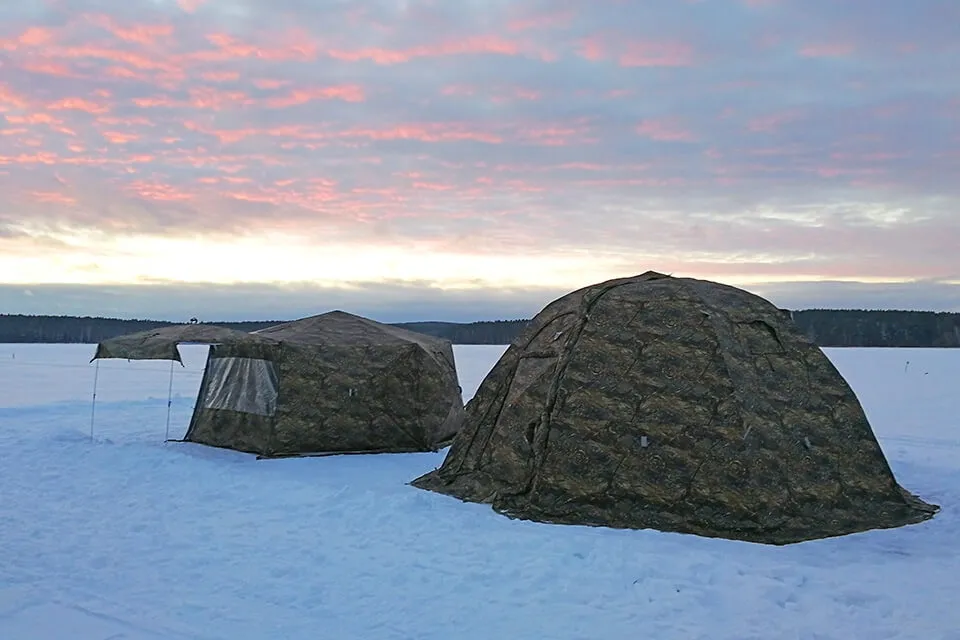
No maintenance practice has a higher return than drying your tent completely before storage. Moisture trapped inside a packed tent creates the ideal environment for mildew, which breaks down Oxford weave fibers and degrades PU coatings from the inside. A tent stored damp for two weeks develops odor and surface mildew; stored damp for a season, it develops structural degradation at the seams and coating delamination on the fly.
After every trip, pitch the tent in a shaded area or set up the fly over a line and let both layers dry fully before packing. Direct sun works faster but introduces UV exposure that degrades the PU coating, shade drying is the better default. For overlanders and hunters returning from multi-day trips in wet conditions, pitching the tent in the garage or backyard the morning after returning is a habit worth building. On my Gladiator, I keep a short length of paracord in the bed bag specifically for draping the UP-7’s inner fly over the roof rack to dry at a trailhead before the drive home if conditions allow.
Long-Term Storage
For long-term storage between seasons, store the tent loosely rather than compressed in its stuff sack. Compression holds moisture in the fabric and creates permanent crease points in the Oxford weave that become stress concentrators. A mesh bag, a large cotton pillowcase, or a ventilated gear bin all work better than the original stuff sack for off-season storage. Store in a cool, dry location out of direct light. The UP-7’s inner fly detaches from the frame with fabric Velcro fasteners, which makes separating and storing the two layers independently straightforward.
Buy Direct From PF Bereg
PF Bereg UP-7: Built to Last With Proper Care
Double-wall Oxford construction, sealed seams, a removable inner fly for independent drying, and a 10-year frame warranty. Six-person four-season capacity at $2,200.
How to Clean a Tent Without Damaging the Fabric

Dirt, tree sap, sunscreen, insect repellent, and cooking residue all degrade Oxford fabric and PU coatings if left in place. Regular cleaning removes these before they cause lasting damage, and the process is simple as long as you avoid two things: machine washing and detergent with optical brighteners.
Field Cleaning After Each Trip
Brush off loose dirt and debris with a soft brush before packing. For the outer fly, wipe down surface grime with a damp sponge or cloth, no soap needed for light cleaning. Pay attention to the base perimeter and the protective skirt, which collect the most soil contact during use. On the UP-7, the skirt with its stake loops sits in direct ground contact, so it needs the most attention after trips in muddy or sandy terrain. After trips in the Wyoming high desert, I regularly find a fine grit embedded in the skirt fabric that a soft brush and rinse removes before it works into the weave.
Deep Cleaning Once or Twice Per Season
For a full clean, fill a large tub or use a clean bathtub with cold or lukewarm water. Add a tent-specific cleaner (Nikwax Tech Wash or equivalent) and hand-wash both fly layers separately, working the fabric gently rather than scrubbing. Rinse thoroughly until no soap residue remains, then hang to dry in shade. Never use hot water, standard laundry detergent, fabric softener, or a washing machine with an agitator. All of these damage the PU coating. A front-loading washing machine on a delicate cycle with cold water and a tent-specific cleaner is acceptable for the inner fly, but hand washing is safer and preferred for the outer fly given the PU 4000 impregnation on the UP-7.
Waterproofing Refresh: When and How to Reproof Your Tent
The waterproofing on tent fabric doesn’t fail all at once. It degrades gradually, and the first sign is usually a darkening or “wetting out” of the fabric surface in rain, instead of water beading and running off, the fabric absorbs moisture and the tent takes on weight. This is not the same as leaking, but it’s the precursor to it. At this point, a DWR (Durable Water Repellency) refresh restores the bead-off performance before actual penetration begins.
For Oxford fabric with a PU coating like the UP-7’s outer fly, use a spray-on DWR product after cleaning. Nikwax Tent and Gear SolarProof and Grangers Performance Repel both work well on PU-coated Oxford. Apply to a clean, damp fly, work it evenly across the surface including seams and the stove jack area, then heat-activate by airing in sunlight or using a low-heat setting on a hair dryer. Heat-activating the DWR bonds the polymer to the fabric surface and significantly extends its effective life versus leaving it to air-dry at ambient temperature.
For context, the UP-7’s PU 4000 outer fly rating means the coating starts at a high baseline, higher than most camping tents on the market. In practice, this means the time between DWR refreshes is longer with the UP-7 than with a tent that ships with a PU 1500 or 2000 coating. Campers using the tent two to four times per year in moderate to heavy rain should plan on a waterproofing refresh every two to three seasons rather than annually. Overlanders running the tent in sustained rain or snow more frequently benefit from annual checks. Our full UP-7 four-season review covers how the waterproofing holds up across real conditions including multi-day rain.
Seam Sealing and Tape Maintenance

Seams are the most common leak point in any tent. On a well-manufactured shelter, seams are sealed at the factory with a waterproof tape applied over the stitching. PF Bereg seals the seams on both fly layers of the UP-7 with specialized tape, this is one of the details that separates it from lower-cost shelters where seam sealing is incomplete or absent on the inner fly. Over time, seam tape adhesive weakens, particularly on seams exposed to repeated flexing, UV, and freeze-thaw cycling.
Inspect all seams at the start of each season by running a damp finger along them and looking for areas where the tape has lifted, bubbled, or pulled away. Also check inside the tent after a heavy rain for any dark wet spots along the seam lines. Lifted tape is easy to reattach with a seam sealer product (McNett Seam Grip or equivalent) before it becomes a full separation. Apply the sealer to the underside of the lifted edge, press firmly, and allow 8 to 12 hours to cure before exposing the tent to rain.
On the UP-7, the seam layout follows the panel structure of the dome, with seams running along the curved sections of both the outer Oxford 300 fly and the inner Oxford 210 fly. The stove jack seam deserves particular attention since it experiences heat cycling every time a stove is used. Check the tape and sealing around the stove jack collar annually regardless of whether it shows visible lifting, the heat-resist fabric at the jack transitions to standard Oxford at the perimeter, and this transition point is where separation is most likely to begin. Our UP-7 buyer’s guide covers who gets the most from this shelter’s construction and why the seam sealing matters in real-world use.
Pole and Zipper Care

The UP-7’s umbrella-style hub-and-spoke frame uses 10mm B95T1 aluminum rods secured to a central hub. Unlike traditional sectioned poles with ferrule connections, the UP-7 frame opens and closes as a unit, which reduces the number of wear points compared to a pole-sleeve system. That said, the leg hinge points, the hub mechanism, and the rod tip sockets at the base all benefit from regular inspection and occasional lubrication.
Frame Inspection and Lubrication
After each season, inspect each leg rod for stress cracks, particularly at the hinge points near the hub and at the base tip sockets where the legs anchor. Hold each rod along its length and flex it gently, a crack produces a dull sound rather than a clean flex. Wipe rod surfaces with a dry cloth to remove grit, then apply a thin layer of silicone lubricant to the hinge and hub connection points. Avoid petroleum-based lubricants, which degrade rubber components and attract dirt. The hub mechanism on PF Bereg frames uses a locking system that benefits from annual silicone treatment to keep the locking action smooth through cold-weather deployments. PF Bereg’s 10-year frame warranty covers manufacturing defects in the B95T1 rods, but physical damage from improper storage or use is excluded.
Zipper Maintenance
The UP-7 features two full entrances with both mosquito net zippers and fabric outer zippers, plus interior pockets and the removable floor. Zippers fail in two ways: corrosion of the teeth and stiffening of the slider. Both are preventable. After each trip, brush dirt from zipper teeth with a soft toothbrush and apply a zipper lubricant (Gear Aid Zipper Lubricant or a paraffin wax bar) along the full length of each zipper. Run the slider back and forth several times to work the lubricant in. Before extended storage, leave zippers slightly open rather than fully closed, this prevents the slider from cold-welding to the tape in storage. In Wyoming winters, where the Gladiator’s bed sees below-zero temperatures in the gear bin, this detail has saved me from seized tent zippers more than once at first light on a cold morning.
Stove Jack and Heat-Zone Maintenance
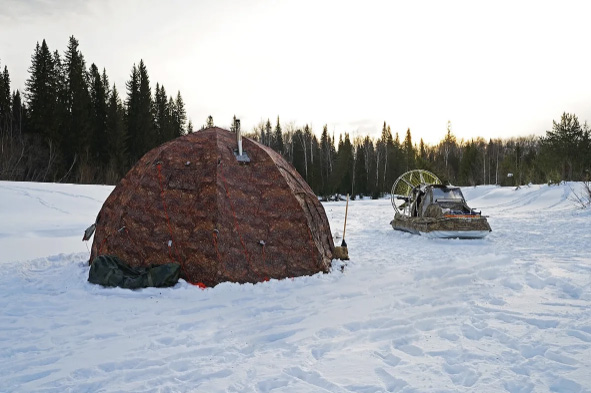
The stove jack is one of the most performance-critical features of a four-season tent and also one of the most neglected maintenance areas. The UP-7’s stove jack uses heat-resistant fabric rated to withstand high temperatures, with a pocket for the metal pipe insert that allows diameter selection based on your stove. Specifically, the pipe insert, the heat-resistant fabric collar, and the surrounding Oxford fly all need separate maintenance attention.
After each stove use, inspect the metal pipe insert for carbon buildup and wipe it clean before storage. Carbon residue on the insert traps moisture and accelerates oxidation. Inspect the heat-resistant collar for any discoloration, brittleness, or cracking, particularly at the base where it transitions to standard Oxford fabric. Apply a high-temperature silicone sealant to any micro-cracks in the collar before they propagate. Tent pole care at the hub connection points follows the same logic: small interventions prevent large failures. The UP-7 also includes a removable heat-resistant wall inside the tent where the stove sits, protecting the inner fly from radiant heat, inspect this panel for warping or delamination after each multi-day stove use and replace it before damage affects the inner fly behind it.
Clean the Exterior of the Stove Pipe, Too
For overlanders and hunters who run a stove hard across multi-night camps, cleaning the stove pipe exterior before threading it through the jack on each setup is also worthwhile. Soot and creosote on the pipe exterior contact the jack fabric with each use, and accumulated deposits accelerate degradation of the heat-resistant material faster than the heat itself. A quick wipe with a dry cloth at camp adds under a minute to setup and extends the jack fabric’s service life meaningfully. Our UP-7 time-saver review covers the full setup and breakdown workflow in detail, including the stove jack process.
Invest in a Tent Built to Last
PF Bereg UP-7: The Largest UP-Series Four-Season Tent
Oxford 300 outer fly with PU 4000 waterproofing, sealed seams on both layers, 10mm B95T1 frame with a 10-year warranty, and a stove jack rated for long-burning stoves. Fits 5-7 campers with gear and a stove.
End-of-Season Inspection Checklist
A structured end-of-season inspection catches problems while they’re still minor repairs rather than season-opening failures. Run through this list after the final trip of each year before storing for the off-season.
| Component | What to Check | Action if Issue Found |
|---|---|---|
| Outer fly | Water beading on fabric surface; no wetting out | Apply DWR treatment after cleaning |
| Seam tape (all seams) | No lifted edges, bubbling, or separation | Reattach with seam sealer; allow 8-12 hrs to cure |
| Stove jack collar | No cracking, brittleness, or discoloration at transition zone | High-temperature silicone sealant on micro-cracks |
| Frame rods | No stress cracks at hinge points or tip sockets | Contact PF Bereg warranty; replacement rods available |
| Hub mechanism | Smooth lock and release; no grinding or sticking | Apply silicone lubricant; inspect locking teeth |
| Zippers (all) | Smooth slider movement; no corroded teeth | Clean, lubricate; replace slider if movement is rough |
| Velcro fasteners | No debris embedded in hook side; full grip on loop side | Remove debris with stiff brush; replace if grip is lost |
| Protective skirt | No tears or stake loop failures | Repair with tenacious tape or seam grip |
| Inner fly floor | Zipper intact; no worn spots at high-traffic areas | Repair worn spots with patch tape before they become holes |
| Guy line reflectors and pockets | Tie-down pockets intact; reflective elements visible | Replace reflective cord if faded; check pocket seam attachment |
PF Bereg UP-7: What Makes It Easier to Maintain
Maintenance Advantages
- Inner fly attaches with fabric Velcro fasteners, allowing it to be fully removed for independent drying and cleaning without dismantling the frame
- Factory-sealed seams on both Oxford fly layers reduce the frequency of manual resealing compared to tents with partial or single-layer seam tape
- PU 4000 outer fly rating sets a high baseline, meaning longer intervals between DWR refresh treatments versus lower-rated alternatives
- Hub-and-spoke umbrella frame has fewer wear points than sectioned pole systems, no ferrule corrosion, no shock cord stretch between sections
- Removable zippered floor isolates the base from ground moisture independently, protecting the inner fly from the wettest contact point
- 10-year frame warranty from PF Bereg covers manufacturing defects in the B95T1 rods through a decade of use
- Protective skirt with stake loops sits as a separate base layer, keeping ground contact off the main Oxford fly fabric
Maintenance Considerations
- At approximately 70+ lbs for the full UP-7 setup, fully drying the assembled tent at home requires a large outdoor space or a garage with overhead clearance
- The stove jack heat-resistant collar requires annual inspection and is the component most likely to need early replacement in shelters used heavily with a wood stove
- Sourcing replacement parts (pipe insert, Velcro fasteners, specific zipper sliders) requires contacting PF Bereg directly rather than finding components at a local retailer
- The large Oxford surface area of the outer fly means a full DWR treatment uses more product than a two-person backpacking tent; budget for a full spray bottle per treatment
- $2,200 price point means the maintenance investment in time and products is well justified, but it also raises the stakes of catching problems early before they become costly failures
Final Verdict

Tent maintenance and care is the most underrated element of long-term camping gear ownership. Campers who get ten years from a quality shelter are not the ones who bought the most expensive tent, they’re the ones who dried it every time, cleaned it before storing it, and caught seam and zipper issues before they became structural failures. Twenty to thirty minutes of post-trip care, compounded over a decade, produces a shelter performing like it did on the first trip.
PF Bereg’s UP-7 design makes this easier than most tents at its size. A removable inner fly means both layers dry independently without full disassembly. Factory-sealed seams on both fly layers reduce the manual sealing work compared to tents where only the outer fly is taped. The hub-and-spoke frame eliminates the shock cord and ferrule maintenance that sectioned pole systems require. At $2,200, the UP-7 is a significant investment, but its construction reflects exactly the kind of material quality that rewards proper care with exceptional longevity. For overlanders, hunters, and group campers who use a shelter this size regularly, the maintenance practices in this guide extend that return on investment across a decade or more of field use.
Ready to Buy?
Check Today’s Price on the PF Bereg UP-7
Order direct from PF Bereg with a 10-year frame warranty. The UP-7 is the largest UP-series tent, fitting 5-7 campers with a stove, beds, and gear for four-season use.
Frequently Asked Questions
How does tent maintenance and care affect waterproofing performance?
For a tent with a high-baseline PU coating like the UP-7’s PU 4000 outer fly, a DWR refresh every two to three seasons is appropriate for campers using the shelter two to four times per year in moderate rain. Overlanders and hunters who use the tent in sustained rain or snow more than six times per year should inspect the fabric’s bead-off performance annually and reproof as needed. The test is simple: spray a little water on the fly. If it beads and rolls off, the DWR is still working. If the fabric darkens and absorbs the water, it’s time to reproof.
What is the best way to store a tent long-term?
Dry completely before storage, then store loosely rather than compressed in the stuff sack. Compression creates permanent crease stress points in Oxford fabric and holds residual moisture. A mesh bag, a large cotton pillowcase, or a ventilated gear bin in a cool, dry, dark location is ideal. For the UP-7 specifically, storing the inner and outer fly separately takes advantage of the removable inner fly design and allows better airflow through both layers during storage.
Can I machine wash my tent?
The inner fly of the UP-7 goes into a front-loading machine on a delicate cold cycle with a tent-specific cleaner like Nikwax Tech Wash. Oxford 300 outer fly fabric with its PU 4000 coating is better hand-washed in a clean tub with cold water and tent-specific cleaner. Never use a top-loading agitator machine, hot water, standard laundry detergent, or fabric softener, all of these degrade the PU waterproofing coating and break down seam tape adhesive.
How do I know if my tent seams need resealing?
Inspect seams at the start of each season by running a damp finger along the tape and looking for lifted edges, bubbling, or sections where the tape has pulled away from the fabric. Also pitch the tent in heavy rain and check inside for dark wet lines along the seam paths. Lifted tape edges are the earliest indicator and the easiest to fix, a seam sealer applied before the tape fully separates is a 15-minute job. A fully separated seam that has also allowed fabric degradation underneath is a much larger repair.
How do I lubricate tent zippers properly?
Clean the zipper teeth with a soft brush to remove dirt and grit, then apply a zipper-specific lubricant (Gear Aid Zipper Lubricant) or rub a paraffin wax candle or bar along the full length of the zipper teeth on both sides. Run the slider back and forth several times to distribute the lubricant through the tooth mesh. For cold-weather storage, leave zippers slightly open to prevent slider cold-welding against the tape. Repeat lubrication at the start of each season and after any trip in gritty or sandy conditions.
Our articles might have affiliate links and the occasional sponsored content, but don’t sweat it – if you buy something, we get a little kickback at no extra cost to you, and we only hype products we truly believe in!