


Quick Facts:
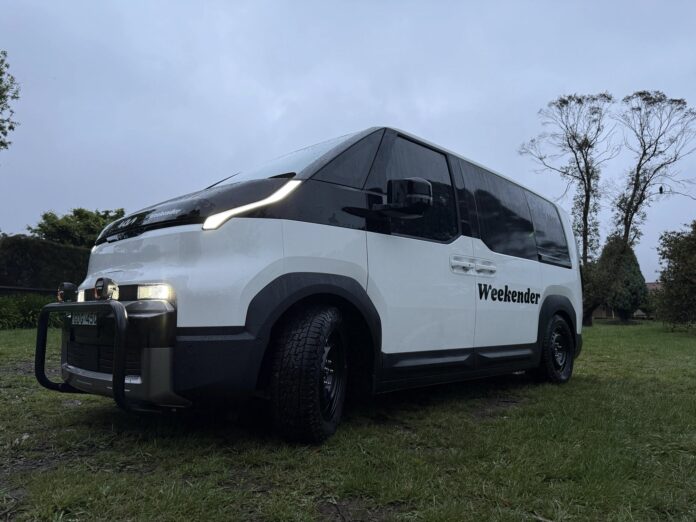
- Product: Kia PV5 Weekender, an electric camper built by KombiLife on the Kia PV5 Cargo van.
- Kitchen: Dometic dual-zone induction cooktop, powered by the 71.2-kWh van battery.
- Bed: A lounge converts to a 75 x 47 inch double bed.
- Base van range: Up to 258 miles on the WLTP test, per Kia.
- Price: AU$79,990 including GST, about $56,000, plus on-road costs.
- Status: Sold out at KombiLife in Australia.
- US outlook: No US sales announced; Kia’s US site shows only the WKNDR concept.
6 min read
In This Article
Overview
The Kia PV5 Weekender answers a plain question: how do you cook and sleep in an electric camper van without carrying gas? KombiLife, an Australian converter, fitted a Kia PV5 Cargo with a double bed, a cooktop and a drawer fridge. Then it ran everything off the van’s own battery. The camper debuted at the Canberra Caravan and Camping Show in late October, and its KombiLife listing now reads sold out.
Power comes through vehicle-to-load, shortened to V2L. The PV5 carries a 71.2-kWh battery, so the cooktop, lights and fridge run without a separate leisure battery.
You cannot buy this camper in the United States, and KombiLife lists the complete van as sold out. Still, the build shows how an electric camper van handles gas-free cooking and sleeping.
What KombiLife Built Into the Kia PV5 Weekender
KombiLife worked with Kata Camperbox on a lightweight conversion. The cabinetry weighs only 287 pounds, which protects the payload and range of the base van. Also, the driver and passenger seats swivel, so the cab turns into a lounge, and a folding table handles dinner.
| Key Fact | Details |
|---|---|
| Base van | Kia PV5 Cargo, front-wheel drive, 161 hp |
| Battery | 71.2 kWh |
| Fast charging | 10 to 80 percent in about 30 minutes on a 350-kW charger |
| Kitchen | Dometic dual-zone induction cooktop, no gas |
| Fridge | Dometic drawer fridge, about 1.1 cubic feet, 12/24V |
| Bed | 75 x 47 inch double bed from the lounge |
| Tires | Falken Wildpeak AT Trail all-terrain tires, 215/65R16 |
| Roof | None at launch; pop-top roof planned for 2027 |
| Price | AU$79,990 including GST, plus on-road costs |
| Status | Sold out, deposit taken |
Outside, the Weekender adds a nudge bar, two STEDI 4-inch driving lights and a stealth awning for shade.
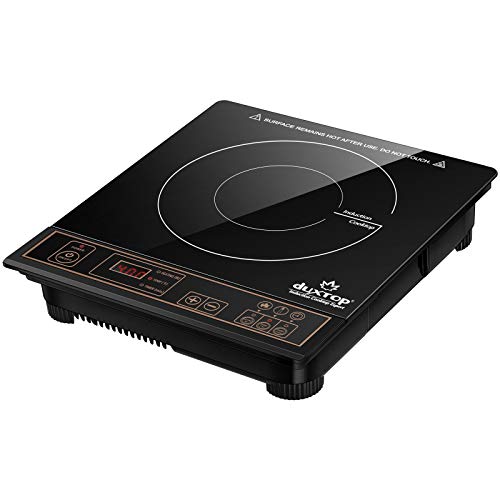
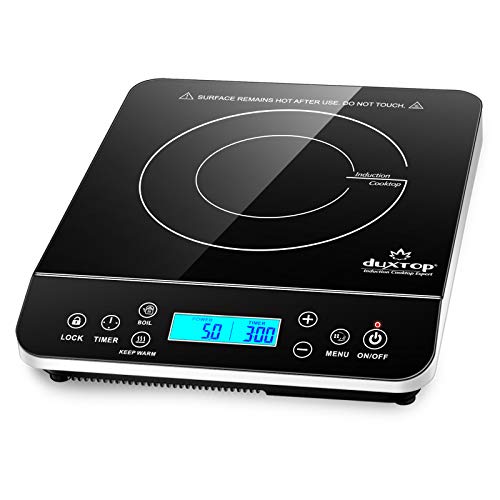
The Key Facts table above lists the Weekender’s built-in Dometic burner. These three are for your own rig or home, not the Weekender’s built-in Dometic unit. Each of the Duxtop 8100MC, Duxtop 9120MC and Duxtop 9600LS draws 1,800 watts from a standard 120-volt outlet. Specifically, pair one with a portable power station or your EV’s outlet.
Portable single burners for your own rig or home

How the Kitchen Runs on Vehicle-to-Load Power
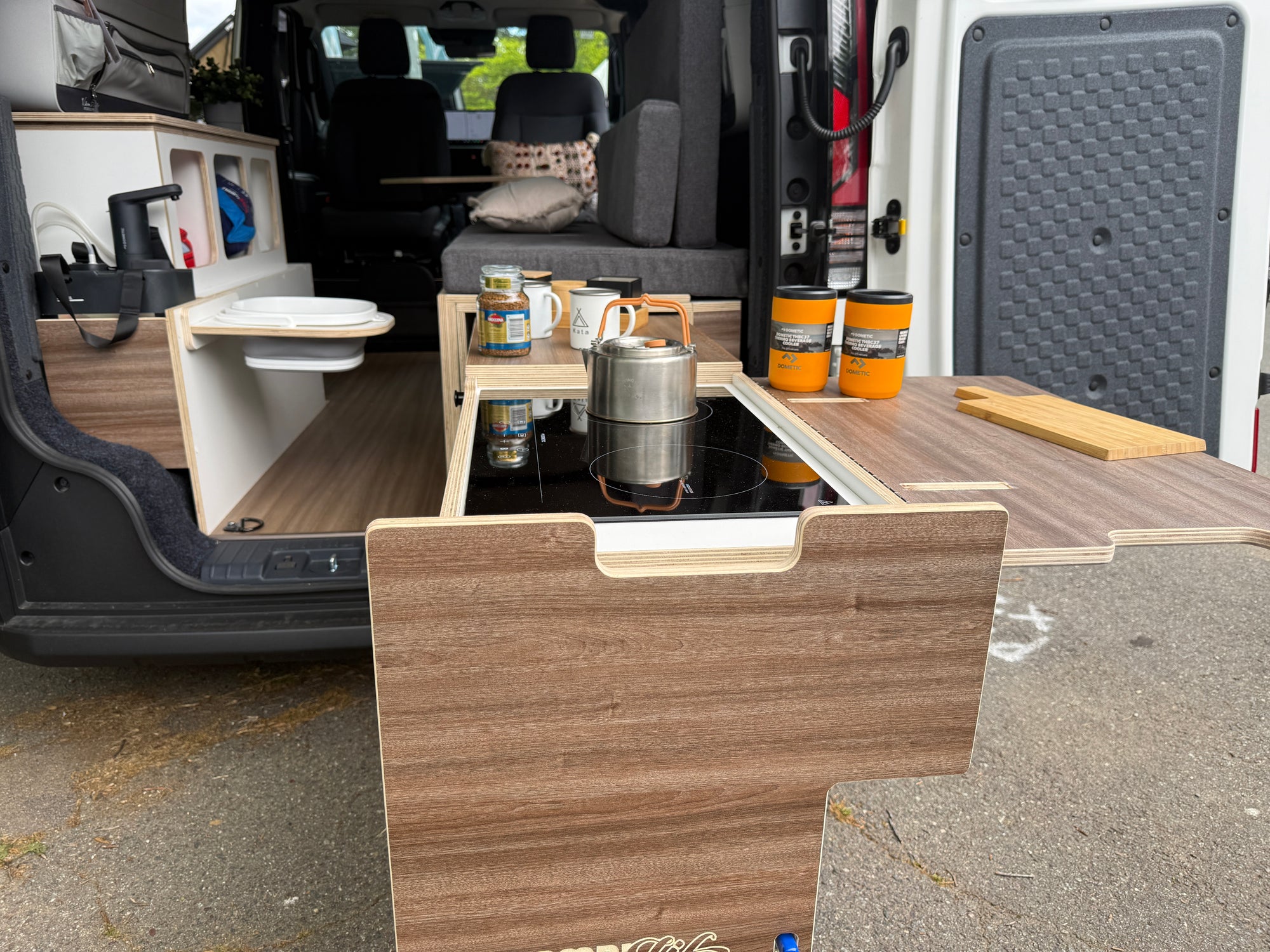
KombiLife skipped gas entirely. Instead, a slide-out unit holds a Dometic induction cooktop, which draws electricity from the PV5’s high-voltage battery. You carry no gas canisters, and the cabin stays free of combustion fumes.
Cooking happens outside, with two benchtop work areas. Also, storage bags hang on the rear barn doors.
Water comes from a rechargeable faucet and a collapsible basin. A drawer fridge of about 1.1 cubic feet is built into the cabinetry, so you reach cold drinks without leaving the cabin. Vehicle-to-load power runs all of it, although KombiLife does not state how much driving range one dinner uses.
Sleeping, Storage and the Missing Roof
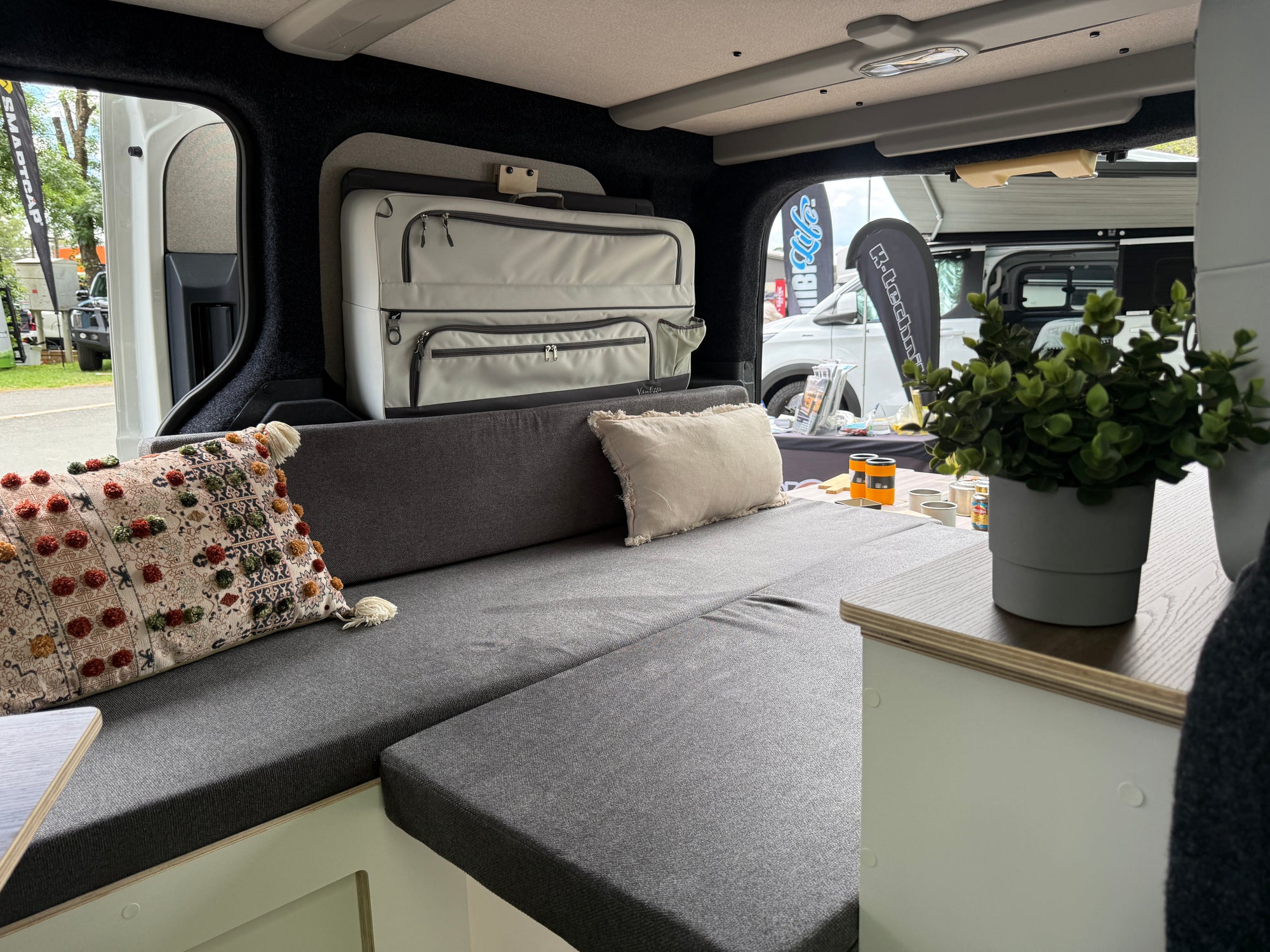
The lounge along one side converts into a double bed measuring 75 x 47 inches. Opposite it, a storage cabinet holds gear. A clear passage through the middle also fits a bike.
Overnight, Utility Mode lets you run the heating or air conditioning without powering up the rest of the van. KombiLife says overhead lighting also works at all times. Because the van’s own climate control runs on the battery, you need no gas heater.
The biggest compromise is headroom. Because the launch version has no raised roof, you cannot stand upright inside. KombiLife plans an optional pop-top roof for 2027 with a second bed measuring 76 x 44 inches. As a result, sleeping capacity rises to four.
How Far the Kia PV5 Weekender Goes Off-Road
KombiLife toughens the van with Falken Wildpeak all-terrain tires in 215/65R16, a model-specific nudge bar and the two STEDI lights. However, the PV5 keeps its front-wheel-drive electric powertrain, so the Weekender stays a camper first.
For 4wd readers, set modest expectations. Think graded dirt roads to a trailhead or a camp spot, not rock crawling. Since the van drives its front wheels only, traction and ground clearance decide where you stop. KombiLife does not publish a ground clearance figure. However, Kia Australia lists 5.6 inches for the stock PV5 Cargo.
Price, Sellout and What the Listing Shows
KombiLife lists the Weekender at AU$79,990 including GST, plus on-road costs. In US dollars, the price is about $56,000. A higher original price of AU$84,990 also appears on the page.
The listing reads sold out with a deposit taken. It also shows 2,764 miles on the odometer, so the unit on offer already has real miles on it. KombiLife also sells the Weekender fit-out as a bundle for a PV5 Cargo you own. It lists at AU$12,599, about $8,800, before installation.
What This Means for You
If you live in the US, this camper is out of reach for now. KombiLife sells it in Australia, and Kia’s own US site shows the PV5 only as the WKNDR concept van from the 2024 SEMA Showcase. In August, Expedition Portal reported Kia had confirmed a Canadian launch but had not announced US sales.
Other PV5 campers show what conversions cost. Electrek reports the Vantrack LightCamp, built on the PV5 Passenger, sells for 65,000 euros, about 25,000 euros above the base van. In contrast, the VanLab camping kit was advertised at around $2,000.
If you want electric camping in the US today, start with the best EV camping trailers or the Wingman X electric truck camper, which opens US preorders. For the bigger picture, read whether EVs are ready for overlanding.
One habit carries over to any EV you consider. Specifically, check the rated watts on the cooktop, then compare them with the EV’s rated V2L output. Induction burners draw heavy power, so the EV’s output must cover the burner. Fathom’s bidirectional power story covers the home side of the same battery idea.
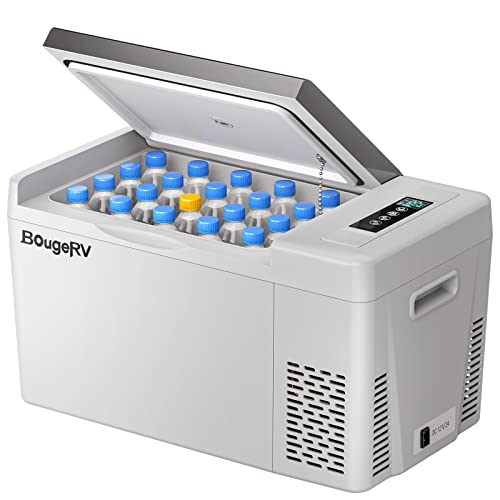
The Weekender’s drawer fridge is built into its cabinetry, so these picks are for your own truck or SUV. Each of the BougeRV CRPRO 30QT, EUHOMY 32QT and BougeRV 23 Quart runs from a 12-volt vehicle socket. Because a compressor cycles on and off, it draws far less power than a burner.
12V portable fridges for your own truck or SUV



Final Thoughts
The Kia PV5 Weekender is a thoughtful little camper, and it suits weekend campers who want quiet mornings and a gas-free kitchen. The appeal is easy to see. You park at a camp spot, slide out the cooktop and make dinner with no canister and no fumes. At night the lounge turns into a bed. One battery runs the drive, the cooktop and the fridge.
The trade-offs are plain. You cannot stand up inside until the 2027 roof arrives, the front wheels alone get power, and the one complete van KombiLife listed is gone. If you want to tow, haul heavy gear or crawl a trail, look at a truck or SUV instead.
The Weekender keeps its electric camper van kit light, with only 287 pounds of cabinetry. Watch whether Kia brings the PV5 to the US, and read our look at the future of electric overlanding while you wait.
FAQ
Is the Kia PV5 Weekender sold in the United States?
No. KombiLife sells it in Australia, and the listing shows sold out. Kia’s US site shows the PV5 only as the WKNDR concept, and Expedition Portal reported no announced US sales.
How much does the Kia PV5 Weekender cost?
KombiLife lists AU$79,990 including GST plus on-road costs, about $56,000. The page shows the camper as sold out.
How does V2L cooking work in the Kia PV5 camper?
The 71.2-kWh battery feeds the Dometic induction cooktop through V2L, so you need no gas or second battery. Likewise, the battery runs the fridge and lights.
How far does a Kia PV5 camper go on a charge?
Kia claims up to 258 miles on the WLTP test for the base PV5 Cargo. Cooking and overnight climate control draw from the same battery, and KombiLife does not publish a range for the finished camper.
Does the Kia PV5 Weekender have a pop-top roof?
Not yet. The launch version has none, and KombiLife plans a pop-top roof for 2027. This roof adds a second bed and raises sleeping capacity to four.
Is the Weekender built for off-roading?
Only for light duty. It has all-terrain tires and a nudge bar, but the van is front-wheel drive. Plan on graded roads, not technical trails.