


Two overlanders share the same rig. One drops camp at a lake, hikes and fishes for four days, then drives home. The other packs up every morning and covers 60 miles between camps. After decades of overlanding and camping, I’ve watched both styles produce great trips. However, they demand entirely different trailers. Base camping rewards comfort, water capacity, and organized systems. Point-to-point overlanding rewards low weight, quick setup, and trail flexibility. Buyers who skip the overland trailer fit question end up with a rig failing them in the exact spot they wanted it for.
I’ve toured the SNO Trailers facility and hitched their Alpine and Recon behind my Gladiator. This overlanding trailer comparison delivers field-tested advice, not marketing copy. In it, you’ll learn what separates base camping from point-to-point overlanding. Also, you’ll see why the Alpine fits base camping and why the Recon fits point-to-point trips. These two SNO Trailers Alpine and Recon builds serve as concrete examples of opposite ends of the trailer-style spectrum.
Quick Facts
- Base camping pick: SNO Trailers Alpine for extended stays
- Point-to-point pick: SNO Trailers Recon for daily moves
- Alpine dry weight: 1,500 lbs
- Recon dry weight: 900 lbs
- Alpine starting price: Around $29,995
- Recon starting price: Around $14,000
- Best for base camping: Trips of 4+ nights at one location
- Best for point-to-point: Multi-camp routes with light setup
7 min read
In This Guide
- What Base Camping and Point-to-Point Overlanding Mean
- SNO Trailers Alpine vs Recon Side-by-Side
- Why Base Camping Rewards a Full-Featured Trailer
- Why Point-to-Point Overlanding Rewards a Light Trailer
- Mixed Trip Styles and How to Choose
- Tow Vehicle, Terrain, and Trip-Length Fit
- Pros and Cons
- Final Verdict
- Frequently Asked Questions
What Base Camping and Point-to-Point Overlanding Mean
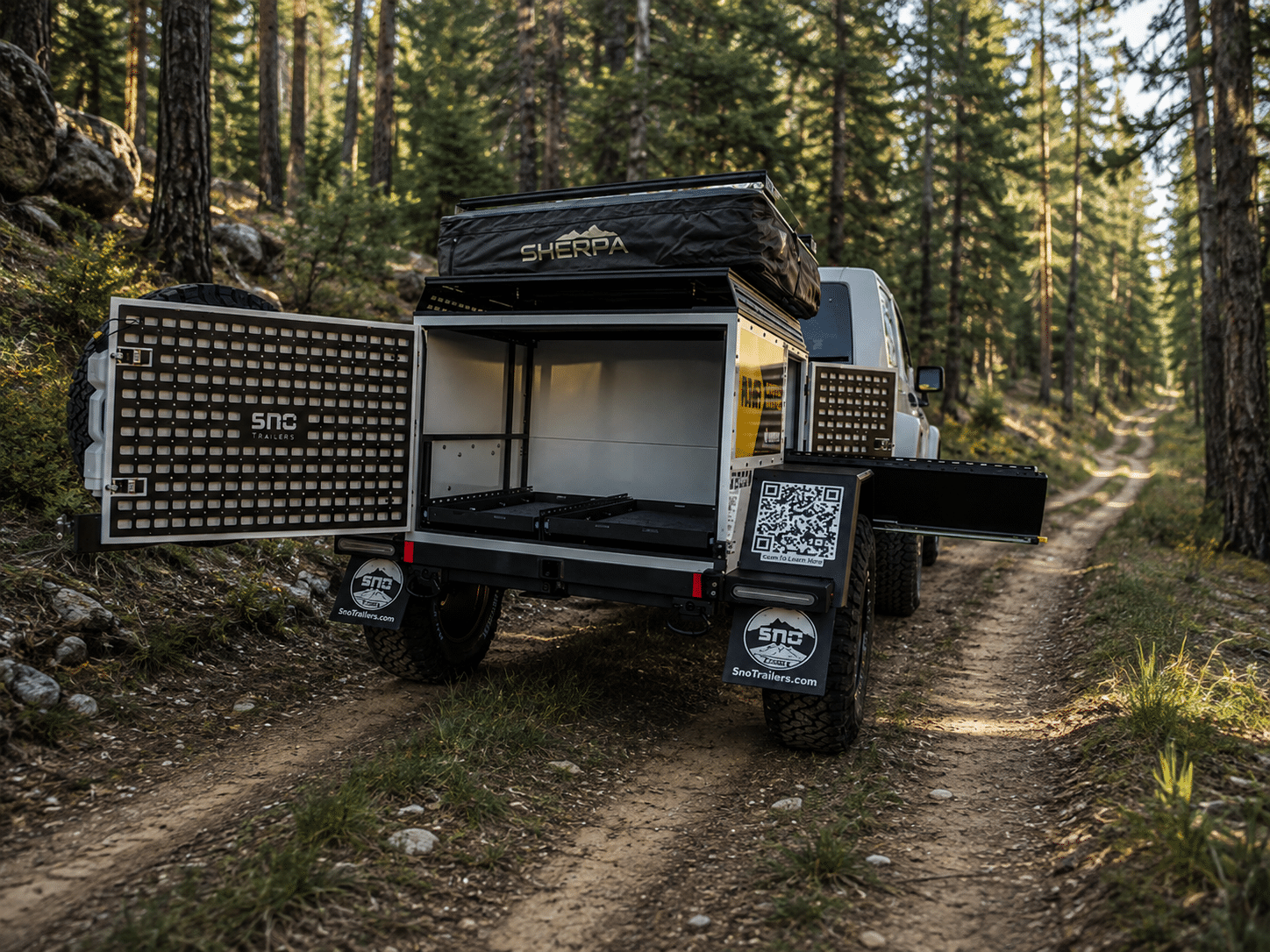
Base camping means picking one location and staying multiple nights. Specifically, you set up camp once. Then you spend days hiking, fishing, biking, climbing, or exploring from base. The trailer becomes a stationary home. Consequently, comfort and capacity matter more than setup speed.
Point-to-point overlanding means moving camp regularly. Specifically, you cover ground between camps every day or two. Also, the goal is often a route across a region rather than a single destination. So the trailer needs quick setup, quick teardown, and low weight for daily hitching.
Overlanding trailer requirements diverge sharply. For example, base camping rewards a 30-gallon water tank because refill runs are rare. In contrast, point-to-point rewards a smaller tank because refills happen often. Also, base campers value heavy shade and comfort gear. Point-to-point overlanders value fast-deploy tarps and awnings.
SNO Trailers Alpine vs Recon Side-by-Side
| Specification | Alpine | Recon |
|---|---|---|
| Dry Weight | 1,500 lbs | 900 lbs |
| Length | 12’2″ | 9’6″ |
| Width | 6’3″ | 4’10” |
| Suspension | Fabtech fully-integrated | Timbren 3500 lb HD axle-less |
| Water Capacity | Up to 30 gallons | Modular jerry cans |
| Kitchen | Integrated zone | Modular add-on |
| Power | 100Ah Renogy AGM + solar | Modular battery kit |
| Starting Price | Around $29,995 | Around $14,000 |
Buy Direct From SNO Trailers
See the Alpine and Recon at SNO Trailers
Both trailers ship factory-direct with configurations for base camping or point-to-point overlanding.
Why Base Camping Rewards a Full-Featured Trailer

Base camping magnifies the value of onboard systems. Specifically, you set up water, power, and kitchen once. Then those systems serve you for four to seven days. Consequently, the setup time cost gets amortized across many meals and hot showers.
Water capacity matters most for base camping. The Alpine’s optional 30-gallon tank supports a party of four for four to five nights. In contrast, jerry cans on a lighter trailer would demand a mid-week resupply run. So base campers gain trip length from a large integrated tank.
Kitchen and shower systems earn their weight during a base camp too. Cooking two hot meals a day for four nights adds up to eight full meal preps. Also, nightly showers become routine rather than a chore. For a deeper look at how the Alpine’s onboard systems support extended stays, see my earlier piece on why the Alpine is the definition of luxury backcountry camping.
Storage layout matters differently for base camping. Zone-based storage supports repeat access to daily gear over many days. In contrast, a single cavernous bay would demand a full unload on day one. My earlier full Alpine review covers the zone breakdown in detail.
Why Point-to-Point Overlanding Rewards a Light Trailer
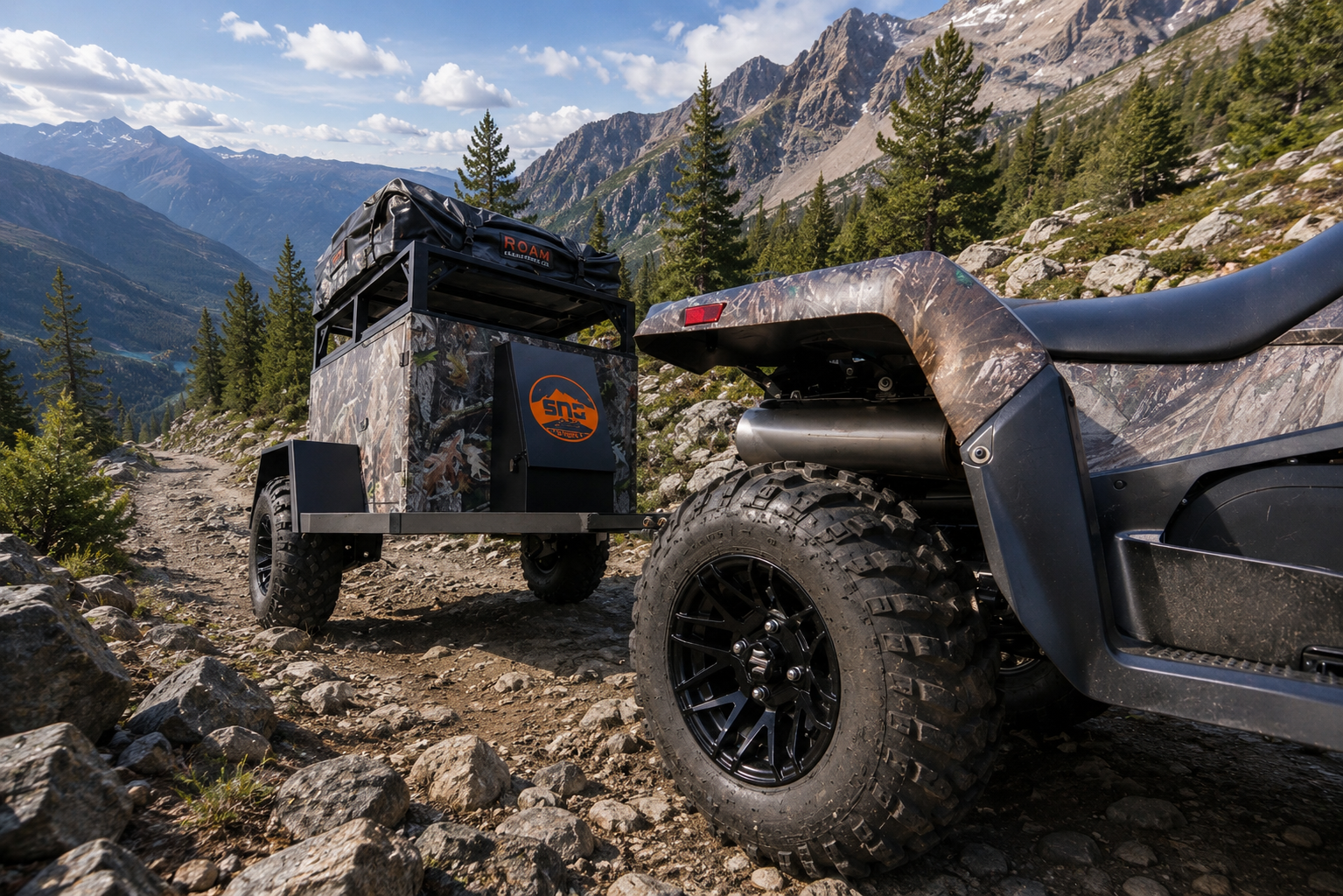
Point-to-point overlanding punishes weight and complexity. Specifically, every extra pound multiplies across daily hitching, towing, and unhitching. Also, every extra system adds setup and teardown time. So the ideal point-to-point trailer runs light and simple.
The Recon’s 900-pound dry weight and 4’10” width fit this style. Consequently, tow vehicles handle it easily. Also, the trailer clears narrow trails between camps. The modular build sheet means buyers skip built-in systems they cannot service in 20 minutes at camp.
Setup times drive point-to-point trip quality. A rooftop tent on a light trailer deploys in 60 seconds. Then a modular Jetboil and folding table complete camp in another five minutes. In contrast, a full-featured trailer with plumbed water and integrated kitchen takes 20 to 30 minutes to set up. Teardown takes the same. Over a seven-day multi-camp trip, the difference is hours of driving time lost or gained.
Trail access matters for point-to-point trips too. Buyers moving through routes often want to reach unusual campsites off narrow spurs. The Recon’s compact size opens those spots. For a look at how the Recon supports trip lengths from weekends to multi-week expeditions, see why the Recon is perfect for weekend warriors and long expeditions.
Mixed Trip Styles and How to Choose

Most overlanders run a mix of both styles across a year. Specifically, a summer might include one week-long base camp trip plus four weekend point-to-point outings. So the “right” trailer depends on the trip mix, not on any one perfect trip.
Ask which style you run more often before shopping any overland trailer. If base camps of four nights or longer represent 60% or more of your trips, pick the full-featured platform. In contrast, if point-to-point weekends dominate the calendar, pick the light modular platform. Buyers running a 50/50 split should lean toward the style representing more nights outside per year.
Compromise builds rarely satisfy either style well. Specifically, a mid-weight trailer with partial built-in systems adds cost and complexity for base camping. Also, it adds weight for point-to-point. In contrast, picking a purpose-built platform matching your dominant style delivers better trips overall.
Save on Your Trailer
Configure Your SNO Trailer
Compare the Alpine and Recon builds, add factory upgrades, and match the trailer to your trip style.
Tow Vehicle, Terrain, and Trip-Length Fit
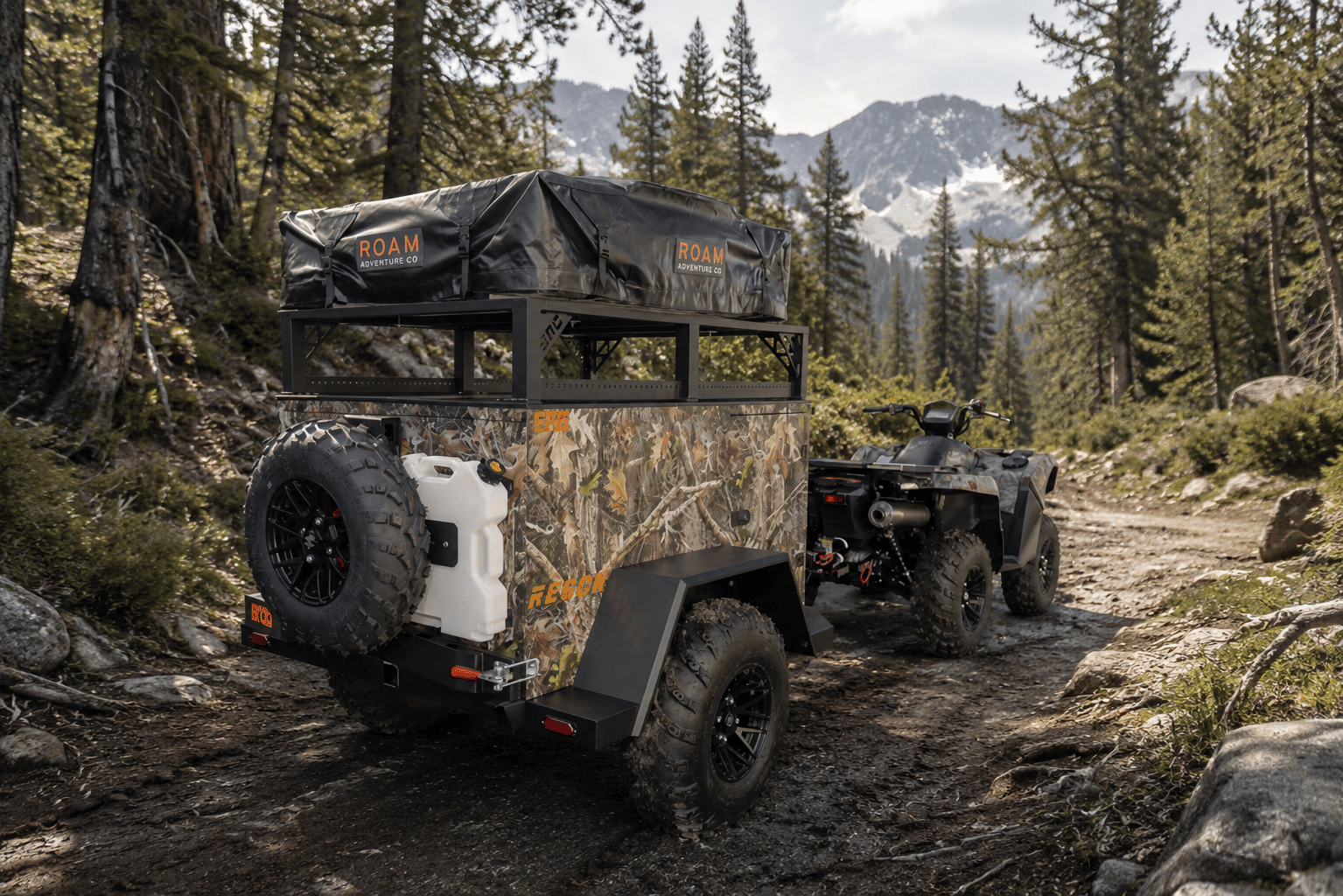
Tow vehicle constraints matter differently for each style. Specifically, base camping demands the tow vehicle only twice per trip: in and out. So a heavier trailer with more onboard systems is workable. In contrast, point-to-point demands daily towing. Consequently, a lighter trailer preserves fuel economy and reduces drivetrain wear.
Terrain shifts the picture too. Base camping often uses one improved forest service road or dispersed site. However, point-to-point trips move through mixed terrain including tight two-tracks. So width and departure angle matter more for point-to-point trips.
Trip length interacts with style as well. Long base camps of a week or more benefit from full water and power systems. In contrast, long point-to-point trips demand resupply-friendly modular systems buyers refill in any small town. Consequently, the same trip length recommends different trailers depending on style.
Pros and Cons
Pros
- Alpine’s 30-gallon water tank supports four-night base camps without refills
- Alpine’s integrated kitchen zone saves time on repeat meal prep
- Alpine’s Joolca HOTTAP shower makes nightly cleaning routine
- Recon’s 900-lb weight simplifies daily point-to-point hitching
- Recon’s 4’10” width opens narrow trails between camps
- Recon’s modular build keeps setup and teardown under 15 minutes
- Both trailers use Method wheels and all-terrain tires matching tow vehicles
- Purpose-built trailers avoid the compromise-build trap
Cons
- Alpine adds daily hitching effort on point-to-point trips
- Alpine’s 6’3″ width rules out the tightest two-tracks
- Recon lacks the built-in comfort systems base campers value
- Recon demands buyers source rooftop tent, kitchen, and water containers
- Mixed trip styles force a compromise between the two platforms
Final Verdict

For overlanders running base camps of four nights or longer, the SNO Trailers Alpine full-featured camping trailer delivers the comfort, water, and kitchen systems making extended stays worthwhile. Above all, its built-in systems repay their setup time many times over. Consequently, base campers skip the ritual of hauling water jugs, setting up modular kitchens, and rigging shade for every meal.
For overlanders running point-to-point trips through routes and multi-camp itineraries, the Recon delivers the light, fast setup those trips need. Also, its narrow width opens trails the Alpine cannot follow. In contrast, buyers running the Alpine on daily-move trips give up hours of driving time to setup and teardown.
Buyers running mixed trip styles should pick the platform matching their dominant style. Specifically, if base camp nights exceed point-to-point nights per year, pick the Alpine. If not, pick the Recon. The compromise middle rarely serves either style well.
Overall, I recommend the SNO Trailers Alpine for base camping and the Recon for point-to-point overlanding. Either camping trailer fits when matched correctly. However, buyers should audit their actual trip calendar rather than aspirational plans. The wrong choice sits in the driveway. A right-fit trailer logs nights outside every month.
Ready to Buy?
Check Today’s Prices at SNO Trailers
SNO Trailers ships factory-direct with a full warranty and configuration support before your build begins.
Frequently Asked Questions
What is base camping in overlanding?
Base camping means setting up camp at one location and staying multiple nights. Specifically, you spend days hiking, fishing, or exploring from a stationary trailer. Consequently, comfort and onboard systems matter more than setup speed. Trips of four nights or longer typically qualify.
What is point-to-point overlanding?
Point-to-point overlanding means moving camp regularly along a route. Specifically, you cover ground between camps every day or two. The goal is often the route itself rather than a destination. Consequently, quick setup and teardown matter more than onboard comfort.
Will one trailer work for both styles?
Yes, but compromises are real. Specifically, a full-featured trailer like the Alpine works for point-to-point trips but adds daily setup time. In contrast, a modular trailer like the Recon works for base camps but requires more effort for extended stays. Purpose-built platforms serve their dominant style better.
Which SNO Trailer is better for base camping?
The Alpine. Specifically, its optional 30-gallon water tank, integrated kitchen zone, Joolca HOTTAP shower, and 100Ah Renogy AGM battery all support extended stays. Consequently, base campers gain trip length and comfort from the Alpine’s onboard systems.
Which SNO Trailer is better for point-to-point overlanding?
The Recon. Specifically, its 900-pound dry weight, 4’10” width, and modular build sheet support quick daily hitching, tight-trail access, and fast camp setup. Consequently, point-to-point overlanders gain drive time and trail flexibility from the Recon’s simpler platform.
How do I decide between the two styles?
Audit your actual trip calendar. Specifically, count nights outside per year in each style. Then pick the platform matching the style representing more nights. In contrast, aspirational trip planning often leads to trailer purchases failing to fit real-world use.
Our articles might have affiliate links and the occasional sponsored content, but don’t sweat it – if you buy something, we get a little kickback at no extra cost to you, and we only hype products we truly believe in!