


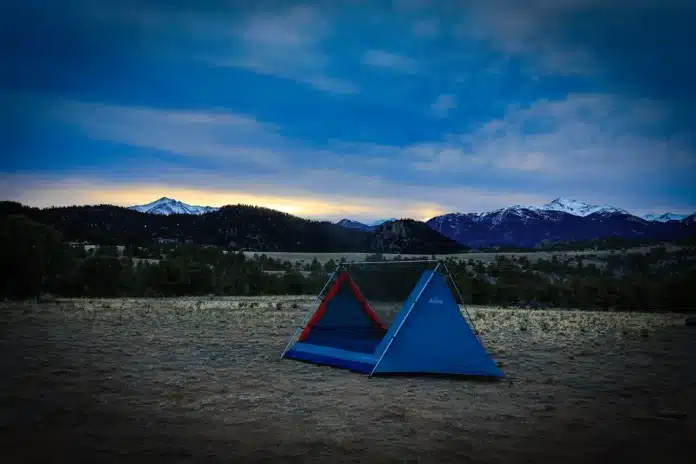

Tent condensation is physics, not a gear defect, and it explains why you wake up with damp walls and a clammy sleeping bag. After 30-plus years of camping and 15-plus of overlanding across the U.S., I treat moisture control as part of every camp setup. Your site, your vents, and your habits decide how wet the morning feels. Therefore, this guide explains the cause first and then ranks the fixes by payoff.
The science and figures come from published guidance by gear makers and outdoor publishers, including NEMO Equipment, Roofnest, and Section Hiker. I name the source beside each number. Sources disagree on how much water a sleeper exhales, so I show the range instead of one figure.
Quick Facts:
- Topic: Tent condensation causes and fixes
- Cause: Warm, humid air meeting fabric below the dew point
- Moisture per sleeper: About 200 mL to 1 liter per night, depending on the source
- Worst conditions: Cold, still, humid, clear nights
- Fastest fix: Open the vents and keep wet gear in the vestibule
- Skill level: Beginner
- Best for: Car campers, overlanders, and stargazers
8 min read
In This Guide
What You’ll Need
Tools
- Phone weather app showing humidity and dew point
- Microfiber towel for wiping walls
- Guy lines for every anchor point
Materials
- Dry bag or stuff sack for wet clothing
- Footprint sized slightly smaller than the tent floor
- Carbon monoxide alarm if you ever use a heater
Tent Condensation at a Glance
| Specification | Details |
|---|---|
| Root cause | Humid air meeting a surface below the dew point |
| Main moisture source | Breathing, plus wet gear and cooking |
| Breath moisture per sleeper | About 200 mL (Roofnest) to 1 to 2 pints (NEMO) per night |
| Worst conditions | Cold, still, humid, clear nights |
| Where it shows up | Inside the rainfly and upper walls |
| Fastest fix | Open vents, tension the fly, move wet gear outside |
Built for Open Skies
Vent Wide, Close Fast
Sky View tents pair open stargazing mesh with a rainfly you close from inside your sleeping bag.
What Causes Tent Condensation: Breath, Cold Fabric, and the Dew Point
Condensation needs three things: moisture, warm air, and a cold surface. According to NEMO Equipment, cold air holds less moisture than warm air. The temperature where vapor turns to liquid is the dew point. When warm, humid air touches fabric below the dew point, droplets form.
You supply most of the moisture. NEMO lists breath at one to two pints per night. Roofnest estimates about 200 milliliters per sleeper over eight hours. Although the estimates differ, every source agrees the water has to go somewhere.
Weather adds more. Rain on the outside cools the fabric, which speeds condensation, according to Odu Magazine. NEMO also notes high altitude raises condensation. Meanwhile, a cold night with no wind leaves nothing to carry the humid air out, per Outback Jacks.
Clear skies matter too. Exposed fabric loses heat to the open sky and cools quickly. Therefore, a cloudless night at an open site is prime time for condensation. Stargazers camp in exactly those conditions, as the dark sky campsite guide explains.
Tent Condensation or a Leak? How to Tell the Difference
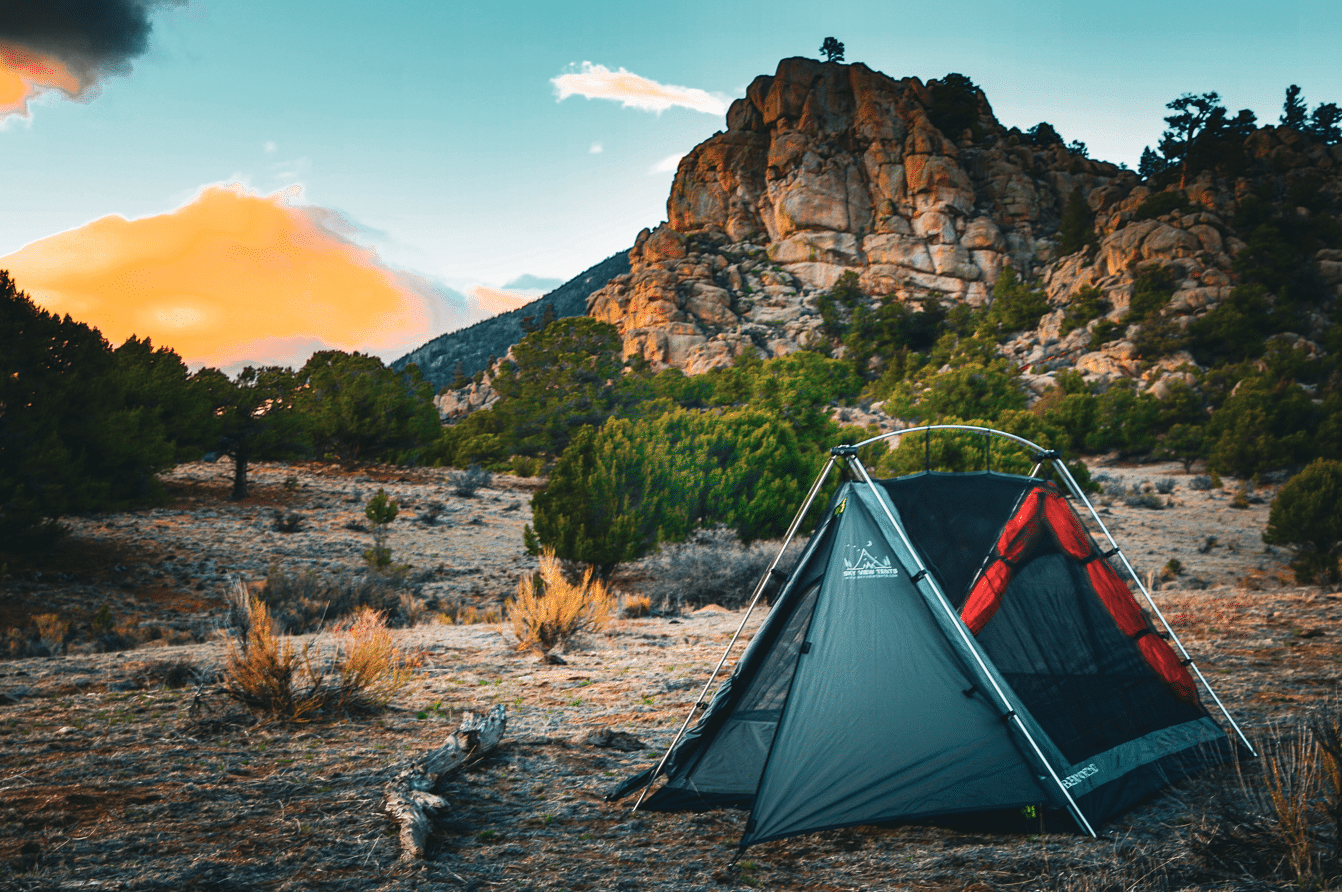
Condensation and leaks look alike at dawn, but they leave different clues. Condensation shows up on the inside of the fly and walls. It spreads across the ceiling, appears on dry nights, and leaves the outside of the fabric dry.
A leak is local. Water drips from a seam, a pole sleeve, or a floor corner, usually during rain. Specifically, check whether the wet spot sits under a seam and whether the outside is wet there too.
Run one simple test. After a dry, clear night, wipe a wet patch with a cloth. If the patch returns across a wide area, you’re dealing with condensation. A wet tent on a rainless night almost always means vapor, not a hole.
Real leaks do happen, however. One verified buyer review on Sky View’s XL page describes a minor leak during four days of thunderstorms. The buyer fixed it with an adjustment after emailing the company.
Nine Ways to Reduce Tent Condensation
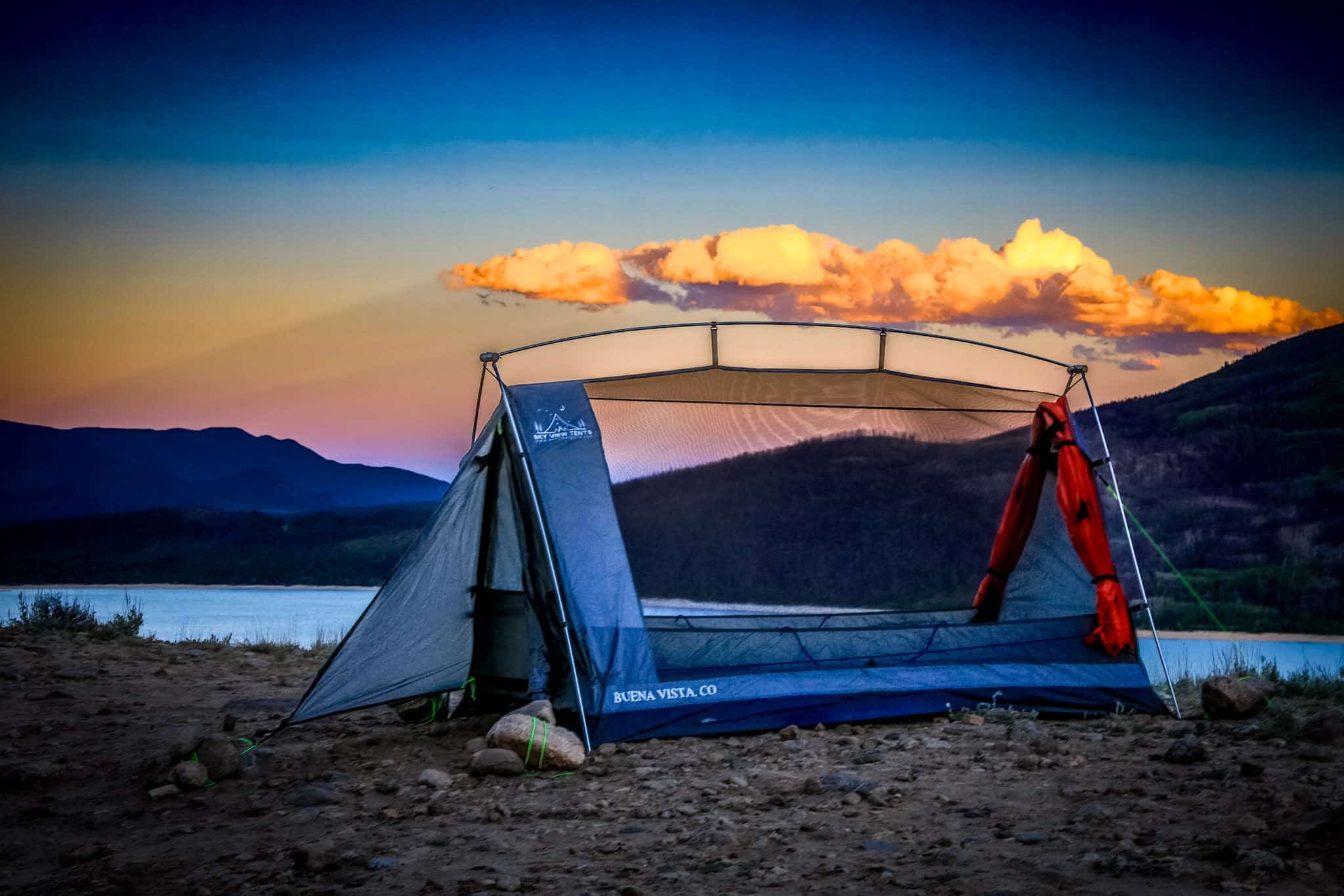
Condensation is normal in every tent, according to Section Hiker, whatever the fabric or wall design. You’re reducing it, not eliminating it. These nine fixes run from biggest payoff to smallest.
Choose a Site to Limit Tent Condensation
First, skip low spots. Cold air pools in hollows at night, which cools your fly, so Section Hiker advises against pitching on the lowest ground. Second, avoid wet meadows and shorelines, since they add humidity to the air around your tent.
Third, face the door into the breeze. Moving air carries humid air out, while a sheltered, windless pocket traps it. Light tree cover slows heat loss to the sky, although stargazers often trade it away on purpose. On freezing nights, read how cold is too cold to camp before you commit to an exposed ridge.
Open Every Vent to Cut Tent Condensation
Fourth, open every vent you have. Good tent ventilation moves humid air out before it reaches the dew point on the ceiling. Prop the rainfly vents, and leave a door panel or mesh window uncovered whenever the weather allows. Cross-flow works best, so open one vent low and one high on opposite sides.
Fifth, tension the fly so it never touches the inner wall. Where the two layers touch, cold fabric transfers wetness inward. Stake out every guy line, then pull the fly taut. Sixth, crack the vestibule door even in light rain. Drier outside air still replaces humid air, and tent ventilation matters most when the air is still.
Keep Moisture Out of the Sleeping Space
Seventh, store wet boots, packs, and jackets in the vestibule. Snowys, an outdoor retailer, notes wet clothing adds to the vapor on your tent walls. The sleeping bag ratings guide also explains comfort and limit numbers, which helps on cold nights.
Safety note: Never cook or run a fuel-burning heater inside a closed tent. Carbon monoxide builds up fast in small spaces and has no smell. Use only heaters rated for tent use, and keep a battery carbon monoxide alarm inside.
Eighth, cook outside. Boiling water adds a large amount of vapor to a small space, and it also adds a carbon monoxide risk. Cook under a tarp or in your vehicle’s lee instead.
Ninth, wipe the walls at dawn with a microfiber towel, then open the tent to the morning sun and breeze. Never pack a wet tent without airing it, because trapped moisture grows mildew. If you must pack it damp, spread it out at home the same day.
Ready for Open Sky?
Pick Your Sky View Tent
Choose the XL for truck camps, or the Duo and Solo for lighter trips.
Tent Condensation in Stargazing Tents: Sky View vs. Standard Tents
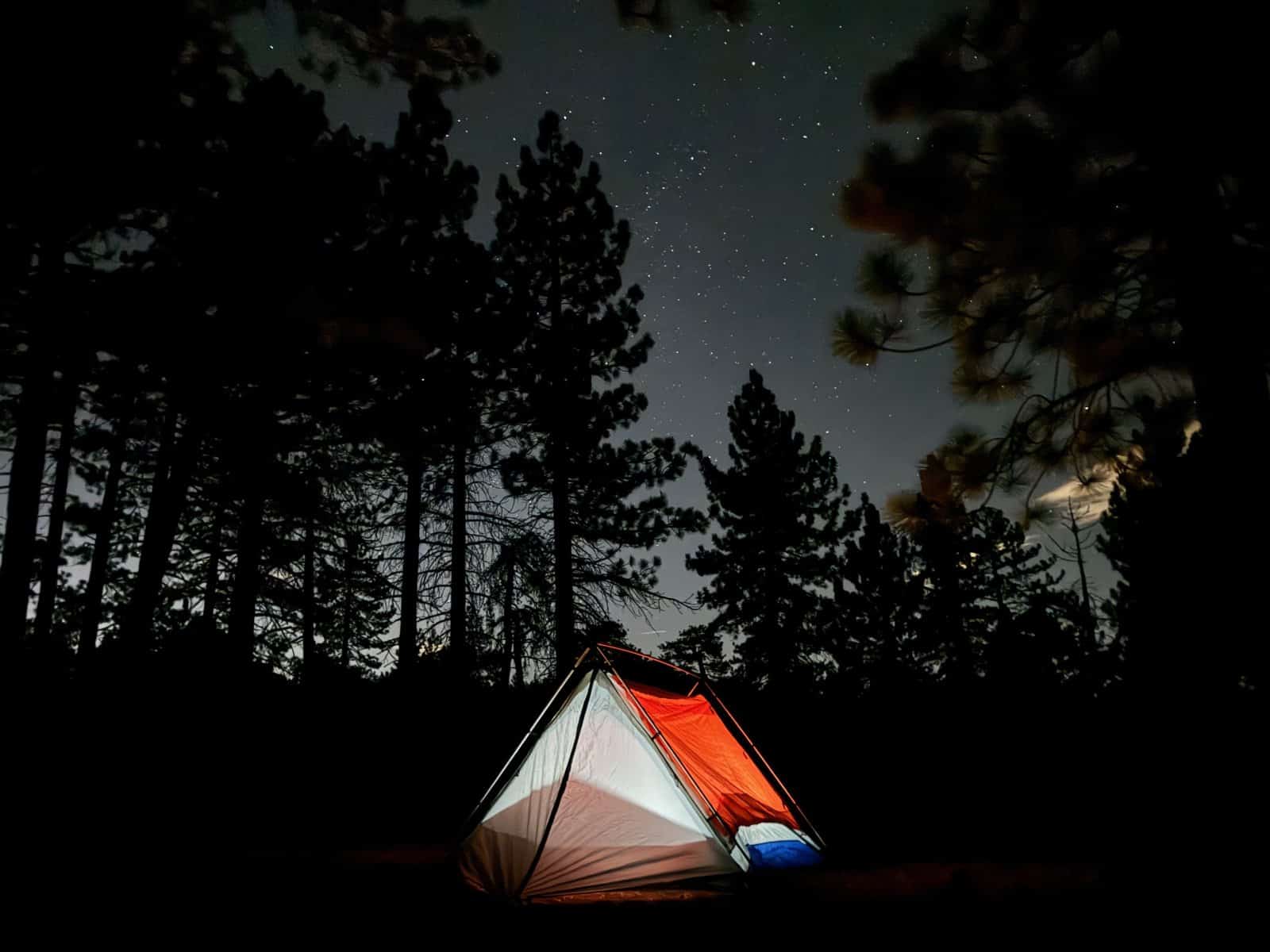
Mesh-heavy tents breathe better than solid-walled tents. Sky View Tents, based in Buena Vista, Colorado, builds around 18×18 stargazing mesh, per the company. Open mesh gives you tent ventilation without opening a single zipper. This is physics, not a company claim.
The trade-off arrives when you close the internal rainfly. The company says it closes from inside the tent in seconds, without leaving your sleeping bag. Once it’s closed, airflow drops, so the same rules return: vent, tension, and keep wet gear out. Condensation tends to form inside any closed fly, so expect some.
The 4WDTalk review of the Sky View XL Gen 2 found setup quick and the interior roomy. It also says wind and rain performance needs longer testing. Therefore, treat claims about wet-weather comfort, including condensation behavior, as unproven until more nights are logged.
The XL costs $499 and weighs 14.1 lbs. Per the company, it adds dual vestibules, which give wet gear a place outside the sleeping space, plus four internal storage pockets. At $399, the Duo weighs 5.6 lbs. Priced at $299, the Solo weighs 3.8 lbs. Each includes a footprint and free shipping.
Pros
- Open 18×18 mesh moves humid air out, per the company
- Internal rainfly lets you choose open or closed overnight
- XL dual vestibules hold wet gear outside the sleeping space
- XL has four internal storage pockets
- Duo weighs 5.6 lbs and Solo weighs 3.8 lbs
- Footprint and free shipping included
Cons
- A closed fly cuts airflow, so condensation returns
- Mesh walls hold less warmth on freezing nights
- XL weighs 14.1 lbs, too heavy for backpacking
- 6-month warranty is short for a $299 to $499 tent
- 4WDTalk’s review says wet-weather performance needs longer testing
- Review counts are small: 17 for the XL, 10 for the Duo, 1 for the Solo
Final Verdict

Tent condensation is manageable, and three habits deliver most of the benefit: pick a higher, breezier site, open every vent, and keep wet gear out of the sleeping space. Everything else trims the rest. Expect some moisture on cold, clear nights no matter which tent you own.
Sky View tents suit campers who want open air and a quick weather seal. The mesh helps you vent, and the internal rainfly gives you a choice. However, the closed fly cuts airflow, the warranty runs six months, and wet-weather results need more testing. Campers who want a four-season shelter should read the ground tent buying guide first.
Priced at $299 to $499 with a footprint and free shipping, the line costs more than a basic dome tent. The extra cost pays off if you sleep under open sky often. In contrast, occasional campers save money with a standard tent and good habits.
Start with the site and the vents, then judge the tent. Choose the XL for a truck camp or the Duo or Solo for lighter trips. A double-wall tent with big vents and a taut fly remains a solid alternative, especially for rainy trips where you keep the fly closed. Dry out any wet tent at home the same day.
Your Next Clear Night
Wake Up Drier Under the Stars
Every Sky View tent includes a footprint, free shipping, and a one-year Dyrt PRO camping app subscription.
FAQ
Why Is My Tent Wet Inside in the Morning?
Your breath and body add moisture overnight, and it condenses on fabric colder than the dew point. Cold, still, clear nights make it worse. Opening vents and keeping wet gear outside reduces the effect.
Does Tent Condensation Mean My Tent Is Leaking?
Usually not. Condensation spreads across the inside of the fly on dry nights, while leaks drip from seams or corners during rain. Wipe a patch dry and see whether it returns across a wide area.
How Much Tent Condensation Is Normal?
Some is normal in every tent, according to Section Hiker. Sources estimate roughly 200 milliliters to one liter of moisture per sleeper each night. Expect more with extra people, wet gear, or cold, still air.
Does a Mesh Tent Get Less Condensation?
Mesh helps because it lets humid air escape. However, closing a rainfly over the mesh cuts airflow and raises the odds of drops on the fly. Vent the closed fly whenever the weather allows.
Should I Open Vents in the Rain to Reduce Tent Condensation?
Yes, when the design allows it. Rainfly vents and a cracked vestibule door move humid air out while staying dry. Close any opening where rain blows in, and tension the fly so it never touches the inner wall.
Friendly disclaimer: Our articles may contain affiliate links that support us without costing you more, and sometimes we spice things up with sponsored content—but only for products we truly stand behind!