


Quick Facts:
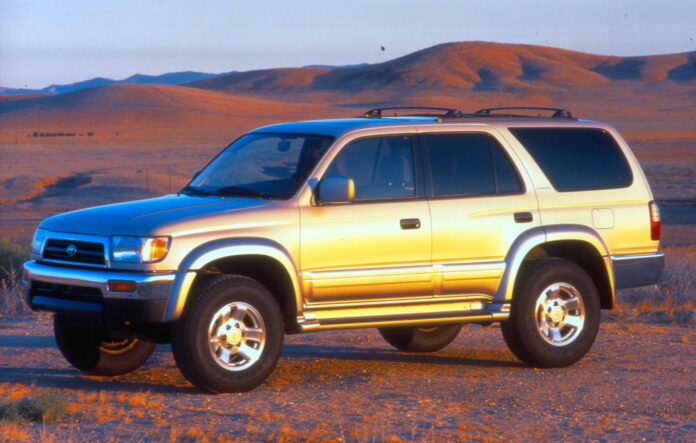
- Topic: Buying a used 3rd gen 4Runner, the 1996 to 2002 Toyota 4Runner known as the N180.
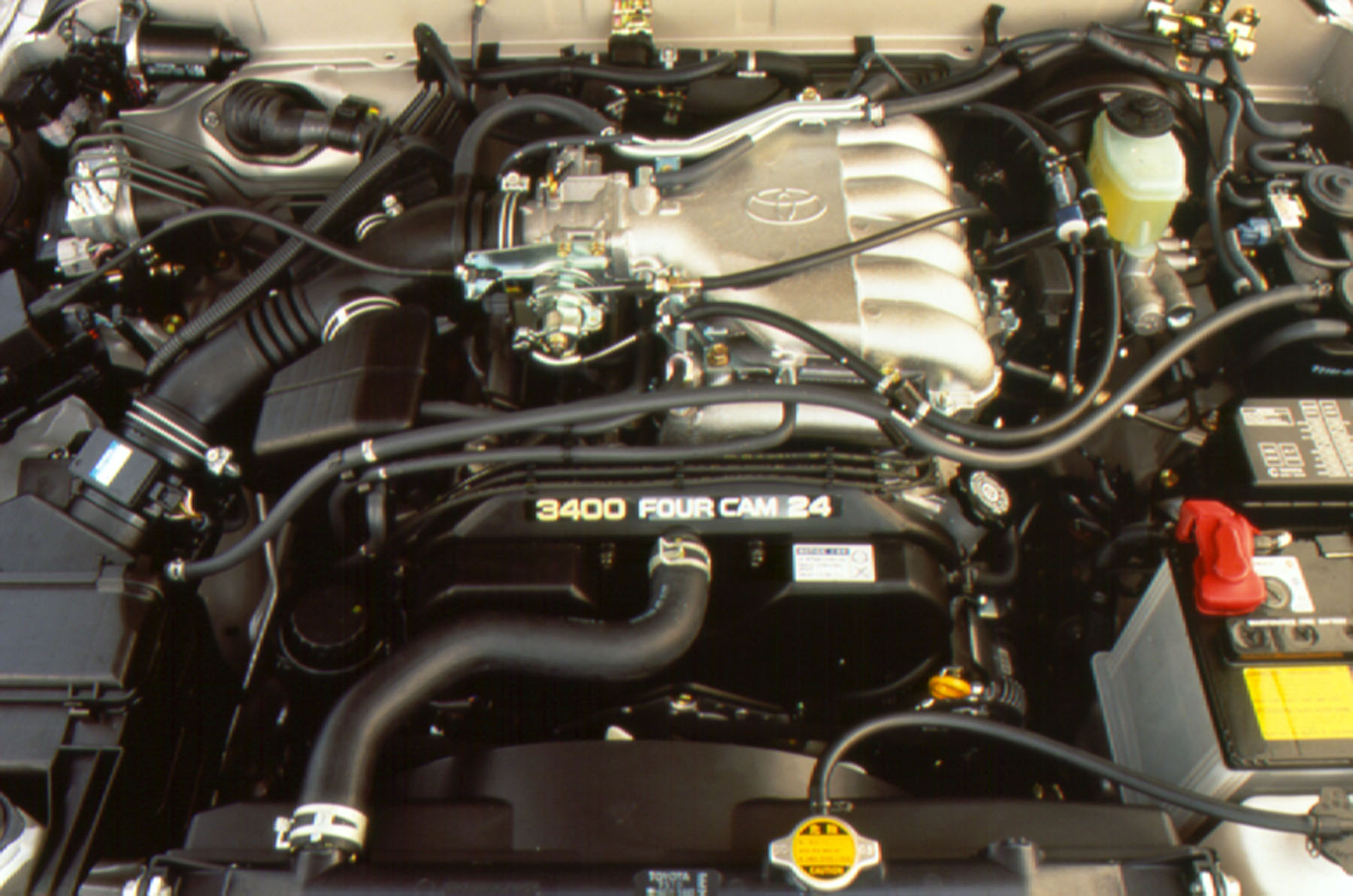
- Engines: 2.7L four-cylinder with 150 hp (owners say it ended around 2000), or 3.4L V6 with 183 hp.
- Biggest risk: 4Runner frame rust and rear axle rust, especially on trucks from salted-road states.
- Service item to prove: A dated receipt for the 4Runner timing belt and water pump on V6 trucks.
- Recall check: Run the VIN at nhtsa.gov/recalls before you pay.
- Price picture: Sold trucks since 2025 ranged from $4,900 for a 214,600-mile truck to $38,250 for a 41,000-mile truck.
9 min read
In This Guide
- Overview.
- Key Specs at a Glance.
- Where a 3rd Gen 4Runner Rusts.
- Which Year and Engine to Buy.
- Known Failures and Recalls.
- How to Inspect a Used 4Runner Before You Pay.
- What a Fair Price Looks Like in 2026.
- After You Buy: The First-Month Budget.
- 3rd Gen 4Runner vs. the 4th Gen.
- Pros and Cons of a 3rd Gen 4Runner.
- Final Thoughts.
- FAQ.
Overview
A clean 3rd gen 4Runner is a simple, repairable 4×4 which rewards careful buyers. However, a rotted one costs far more than its price tag suggests, because frame rust ruins the truck. This 4Runner buyers guide shows you where to look, what the common failures cost, and what recent sales say about a fair price.
Toyota built this generation, called the N180, for the 1996 through 2002 model years, with a facelift in 1999. Prices have climbed with interest in older Toyotas. Bring a Trailer sold a 123,000-mile 2001 SR5 4WD for $8,100 in April 2025 and a 128,000-mile 2001 SR5 Sport 4WD for $20,000 on Oct. 16, 2026. Even now the spread is wide, as Bring a Trailer sold a 94,000-mile 2001 Limited for $23,500 on Oct. 21, 2026, while a 289,000-mile 2002 SR5 brought $7,300 on Sept. 30.
For me, the standout is how many owners report 300,000 miles or more when someone kept up the timing belt and fluids. Rust, however, is the problem no service record fixes. Our used 4WD buyer’s guide covers the general steps, and this page adds the 4Runner details.
Key Specs at a Glance
These figures come from Toyota’s 2002 brochure, Edmunds, Kelley Blue Book, Wikipedia and Toyota’s support page. Owner guides cover the transmissions. Earlier years differ slightly, so confirm details on the exact truck.
| Specification | Details |
|---|---|
| Model years | 1996 to 2002, facelift for 1999 |
| 2.7L four-cylinder | 150 hp, 177 lb-ft, timing chain |
| 3.4L V6 | 183 hp, 217 lb-ft, timing belt |
| Transmissions | 4-speed automatic; 5-speed manual on base and SR5 in some years |
| Trims | Base, SR5, Limited |
| Towing (2002 V6) | 5,000 lb |
| Ground clearance (2002) | 9.8 to 11.0 in |
| EPA (2001 V6 automatic) | 15 mpg city, 18 mpg highway |
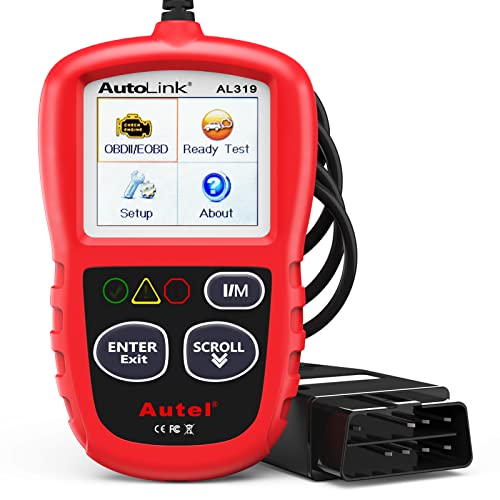
Specs only tell part of the story, because most deal-breakers hide underneath the truck. A flashlight, an OBD-II code reader and an inspection mirror earn a place in your bag.
Inspection tools for a used 4Runner



Optional life Telescoping LED Lighted Flexible Inspection Mirror 36…
Where a 3rd Gen 4Runner Rusts
Rust is the first check, because it decides whether the rest of the inspection matters. Owner guides on 4runners.com and toyota-4runner.org name the same trouble spots, and trucks from salted-road states show the worst damage.
Start at the back of the frame and work forward. Check these areas in order:
- Rear lower control arm mounts on the frame, which owners name as the most common spot.
- Around the hitch and along the rear axle housing.
- Rocker panels and the pinch welds under the doors.
- Wheel arches at the back, plus the bumpers and the hatch latch.
- Rear window rails, where owners report corrosion.
Tap the frame with a light hammer every few inches. A solid ring means good metal. New holes, flaking layers or a dull thud mean you walk away. Fresh black paint or thick undercoating over bumpy metal is another warning, since sellers sometimes hide damage.
Do not count on a factory fix. Toyota’s frame replacement campaigns covered Tacoma, Tundra and Sequoia trucks, and owner threads report the 3rd gen 4Runner was not included, though no Toyota document confirms this. Therefore, plan to pay for any 4Runner frame rust repair yourself. The frame is the whole structure on a body-on-frame truck, so its condition sets the truck’s value.
My advice is to pay extra for the cleanest frame you find, because rust repair rarely stays cheap.
Which 3rd Gen 4Runner Year and Engine to Buy
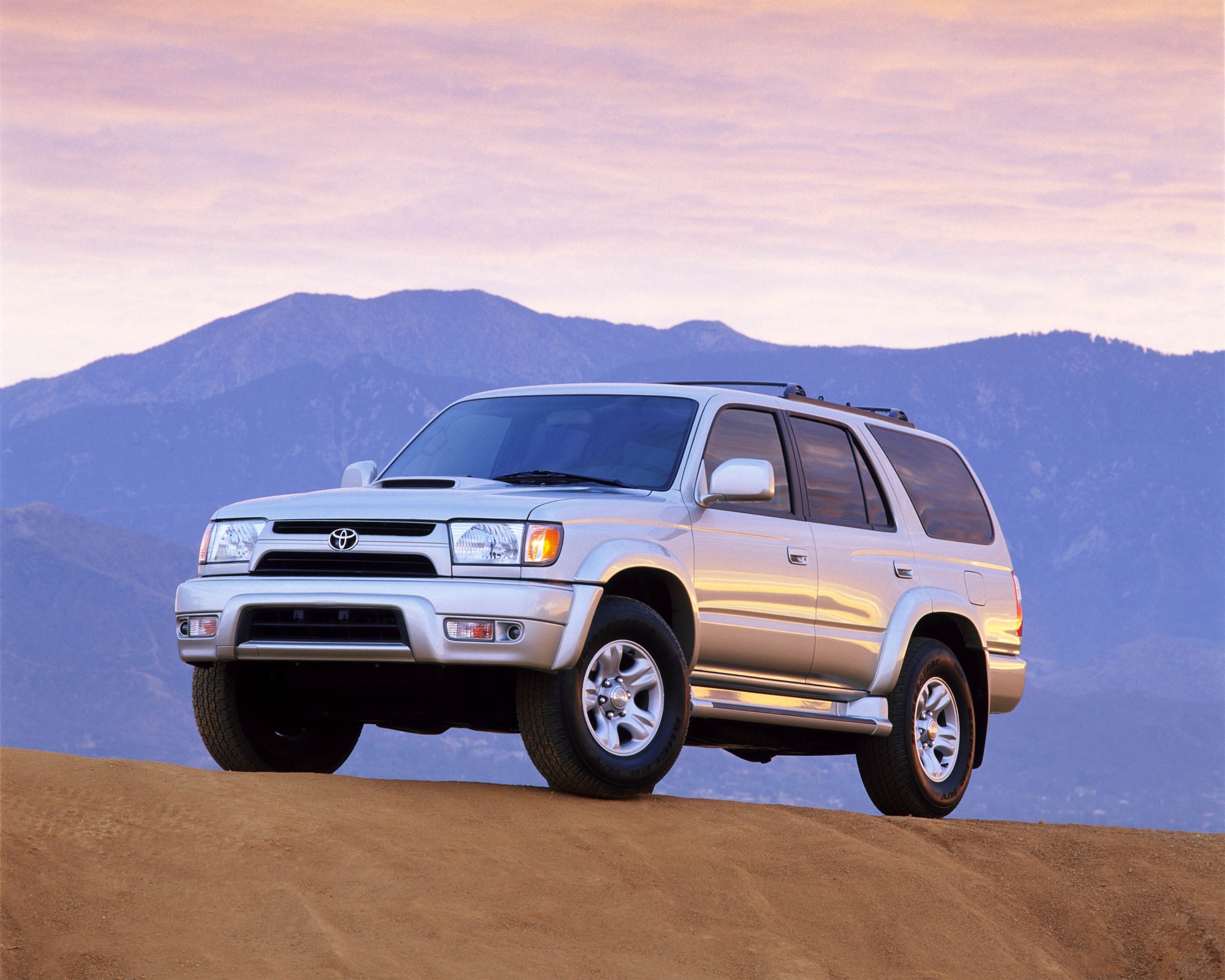
Owners split the generation into three groups, and each has its own strengths:
- 1996 to 1998: the original look, with a rear locker option. NHTSA also lists a rear suspension recall for these years.
- 1999 to 2000: the facelift added a new bumper, headlights and dash. Limited trucks gained Multi-Mode 4WD with a lockable center differential, and the rear locker stayed optional through 2000.
- 2001 to 2002: Multi-Mode 4WD came on every 4WD truck, and traction control replaced the rear locker option.
The 2.7L four-cylinder has a timing chain, so it needs no belt. However, owners call it slow, and they describe the V6 as only moderately quicker. Most buyers want the 3.4L V6 for its power, although it brings the belt service. Owners say the 5-speed manual and the four-cylinder ended around the 2000 model year, so verify the transmission on the exact truck. My advice on a $5,000 to $15,000 budget is a V6 with proven belt service and a clean frame, even in a lesser trim.
Known Failures and Recalls
Age drives most problems on these trucks. Ask for records on each item below, and price in any gap you find.
| Item | What to check | What owners report |
|---|---|---|
| V6 timing belt and water pump | Dated receipt or under-hood sticker. | Interval near 90,000 miles; owner quotes run from about $800 to over $1,000. |
| Radiator transmission cooler | Pink or milky coolant or fluid. | Rare but costly; owners call it the strawberry milkshake failure. |
| Head gasket, 3.4L V6 | Milky oil, coolant loss, overheating history. | Owners treat it as a major repair, so get a written quote. |
| 4Runner lower ball joint | Play at the wheel and clunks at full lock. | Owner guide suggests replacement near 150,000 miles. |
| Rear axle seals | Grease on the back of the rear wheels. | Common weeping at high mileage. |
Owners disagree on how often head gaskets fail. Some call it a known high-mileage problem on the 5VZ-FE, while others say the generation avoids the worst of it. Therefore, ask about overheating history, and check the oil and coolant for a milky look.
The strawberry milkshake failure matters most on automatics. Because the radiator holds the transmission cooler, a leak mixes coolant with transmission fluid. Owners suggest replacing the radiator around eight years of age, or adding an external cooler. Ask when it was replaced, and pass on any truck showing pink coolant.
Be careful with lifted trucks, since a lift speeds wear on front-end parts. Inspect the ball joints and steering closely before you trust one.
Check Recalls by VIN
Not every truck was recalled, because the campaigns covered specific years. NHTSA campaign 05V225 addressed the 4Runner lower ball joint on 2001 and 2002 trucks in listed VIN ranges. Toyota offered free dealer replacement starting in July 2005. Campaign 02V021 covered rear suspension parts on 1996 to 1998 trucks. Enter the VIN at NHTSA’s recall lookup to see what is open on the truck in front of you.
How to Inspect a Used 4Runner Before You Pay
Follow this order on every truck. Each step builds on the one before it:
- Check the title and the VIN, learn where the truck lived, and ask for service records.
- Inspect the frame, axle and hitch with a flashlight before anything mechanical.
- Ask for a dated receipt or sticker for the V6 timing belt and water pump.
- Start the engine cold, then check the oil and coolant for a milky look.
- Check the automatic transmission fluid, and look at the coolant reservoir for pink fluid.
- Look for grease on the back of the rear wheels, a sign of leaking axle seals.
- Raise the front end on jack stands. Wiggle each wheel at nine and three o’clock, then at twelve and six, to find ball joint and bearing play.
- Shift into 4Hi and 4Lo, test the center differential lock if equipped, and drive at least 20 minutes including a highway run.
Finally, pay a Toyota-savvy shop for a pre-purchase inspection. No 4Runner buyers guide replaces a professional looking under the truck. Our list of questions to ask a seller also helps you screen trucks before you visit.
What a Fair Price Looks Like in 2026
Sold, asking and book prices disagree widely, so each row below names its source. We last checked these figures on Nov. 1, 2026.
| Price range | Truck | Source |
|---|---|---|
| $4,900 to $9,000 | 2001 trucks above 200,000 miles | Cars & Bids sold results, 2024 to 2026 |
| $3,000 to $12,500 | Private sellers, mostly 180,000 to 300,000 miles | Autotrader asking prices, Nov. 1, 2026 |
| $7,300 to $9,200 | 2001 to 2002 trucks, 234,000 to 289,000 miles | Bring a Trailer sold, Sept. 30 to Oct. 4, 2026 |
| $12,000 to $23,500 | Mostly 100,000 to 135,000 miles | Bring a Trailer sold, Aug. 27 to Oct. 30, 2026 |
| $32,000 to $38,250 | 41,000 to 79,000 miles | Bring a Trailer sold, same window |
| $5,425 to $7,000 | 2001 V6, Limited to SR5 | Kelley Blue Book Fair Purchase Price |
Auction buyers pay a premium for documented, rust-free trucks, so those results show the top of the market. Specialist dealer asks run higher still, often two to three times book value. As a result, a private-sale truck with records and a clean frame usually lands between the cheapest asks and the auction highs. A $5,000 to $15,000 budget mostly buys trucks above 180,000 miles, and only the low end of the $12,000 row sits within reach.
Modified trucks carry extra risk. Lifts and big tires add wear, and the upgrades rarely return their cost at resale, as our guide on buying a modified or stock 4WD explains. Price the truck as if you will return it to stock.
Catch-Up Parts for a 3rd Gen 4Runner
Factor catch-up parts into your offer. The picks below cover the belt kit, transmission fluid and rust protection a truck without records usually needs.
Catch-up parts for a 3rd Gen 4Runner

AISIN GENUINE TKT-025 Engine Timing Belt Kit with Water Pump

Toyota 00279-000T4-0 Lexus ATF Automatic Transmission Fluid

Fluid Film 1 Gallon Can Rust Inhibitor Rust Prevention Anti Corrosi…
After You Buy: The First-Month Budget
Budget for catch-up service on any truck without records. Owner quotes put the belt and water pump alone at about $800 to over $1,000, so keep a reserve beyond the purchase price. First, replace the 4Runner timing belt and water pump together if no receipt exists, since a snapped belt strands you. Owners widely report the 5VZ-FE as a non-interference engine, so a break should not wreck it, but no Toyota document confirms this.
Next, change the coolant and transmission fluid, replace the radiator on an automatic if no record shows a recent one, and inspect the rear axle seals. Our post trail inspection checklist gives you a repeatable walk-around for the months ahead. Finally, treat the frame before winter, because fresh rust protection slows the damage on a sound truck.
3rd Gen 4Runner vs. the 4th Gen
Toyota redesigned the 4Runner for 2003 with rounder styling and a new V8 option. The 4th gen also added a full-time 4WD option on V8 trucks and, from 2004, an optional third-row seat. In addition, Toyota moved the V6 to a timing chain, which removes the belt service buyers worry about on the 3rd gen 4Runner.
By contrast, the older truck is simpler and, according to owners, has more ground clearance than later models. If you are still choosing a Toyota, our Tacoma vs 4Runner comparison helps you weigh the body styles.
Pros and Cons of a 3rd Gen 4Runner
Pros
- Owners report 300,000 miles and more with a maintained belt and fluids.
- Parts are plentiful and most jobs suit a driveway.
- Owners say 4WD with low range handles most trails without modifications.
- Owner forums document fixes for nearly every problem.
Cons
- Frame and axle rust ruins trucks from salted states.
- The V6 needs belt service, and head gaskets fail on some.
- Fuel economy is poor and the small tank limits range.
Final Thoughts
A used 3rd gen 4Runner suits buyers who want a repairable truck and will inspect each one. Its biggest strength is longevity, which is why owners keep them past 300,000 miles.
The trade-offs are real, though. Rust decides everything, and the V6 needs belt service you must prove. Anyone unwilling to climb under a truck should look elsewhere, perhaps at a newer generation with a timing chain.
Prices have risen, so hold firm on condition. Pay for the cleanest frame, demand records, and book a professional inspection.
FAQ
What is the best year for a 3rd gen 4Runner?
No single year wins on every point. The 1999 to 2000 Limited pairs Multi-Mode 4WD with a rear locker option, and owners often seek it out. However, the cleanest frame and the best records matter more than the year.
How many miles is too many for a 3rd gen 4Runner?
Owners report 300,000 miles and more, so condition and records outweigh the odometer. A high-mileage truck with proof of belt service beats a low-mile truck with rust. Still, inspect the front end and seals closely above 200,000 miles.
How much should I pay for a 3rd gen 4Runner?
Sold prices since 2025 ranged from $4,900 for a 214,600-mile truck to $38,250 for a 41,000-mile example. Match your budget to mileage and rust, using the price table above.
Where does a 4Runner rust the most?
Owners point to the rear lower control arm mounts first. Next come the rear axle housing, the rocker panels and the hatch hardware. Check the whole frame with a light hammer.
Does the 4Runner V6 have a timing belt or a chain?
Toyota’s support page lists a belt on the V6 through 2002 and a chain on the four-cylinder. Therefore, ask for a dated belt receipt on every V6 truck.