


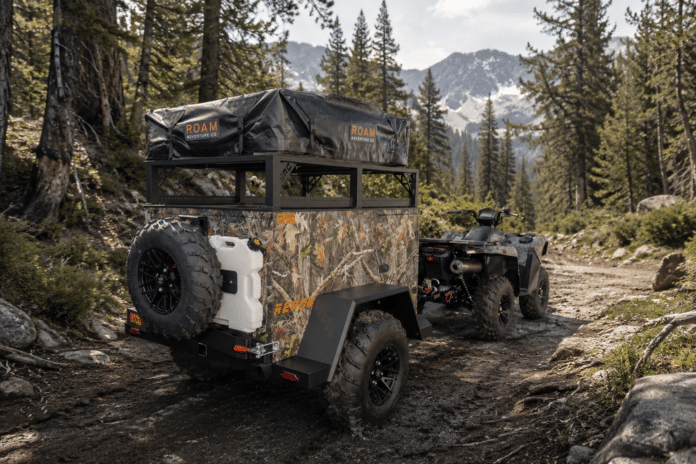

After decades of overlanding across the American West, I’ve watched hundreds of buyers make the same mistakes. Specifically, they buy the wrong size trailer for match the terrain they run, they overspend on onboard systems they seldom use, or they underestimate what their tow vehicle handles. Buying an overland trailer without regret, or any overlanding trailer at all, comes down to matching four things: terrain, tow vehicle, onboard systems, and total cost of ownership. Get any one of those wrong and the trailer sits in the driveway more than it sits in the backcountry.
I’ve toured the SNO Trailers facility, hitched their Recon behind my Gladiator, and taken it into real terrain. So this piece delivers field-tested advice, not marketing copy. In it, you’ll get a buyer’s framework I use with friends every time someone asks which trailer to purchase. The SNO Trailers Recon serves as the concrete example because it hits the terrain, tow vehicle, and total-cost tests for the widest range of overlanders. Along the way, you’ll learn how to apply the same framework to any trailer on the market.
Quick Facts
- Product: SNO Trailers Recon overland trailer
- Dry Weight: 900 lbs
- Dimensions: 9’6″ L x 4’10” W x 4’11” H
- Departure Angle: 40 degrees
- Suspension: Timbren 3500 lb HD axle-less
- Frame & Body: Powder-coated steel frame with aluminum body
- Wheels: Method wheels with 275 all-terrain tires
- Starting Price: Around $14,000
- Best for: Buyers wanting a proven overland trailer without long-term regret
8 min read
In This Guide
- The Real Cost of Buying an Overland Trailer Without a Framework
- SNO Trailers Recon at a Glance
- Match the Trailer to the Terrain You Truly Run
- Match the Trailer to Your Tow Vehicle
- Weigh Onboard Systems Against What You Truly Use
- Budget, Depreciation, and Total Cost of Ownership
- Pros and Cons
- Final Verdict
- Frequently Asked Questions
The Real Cost of Buying an Overland Trailer Without a Framework
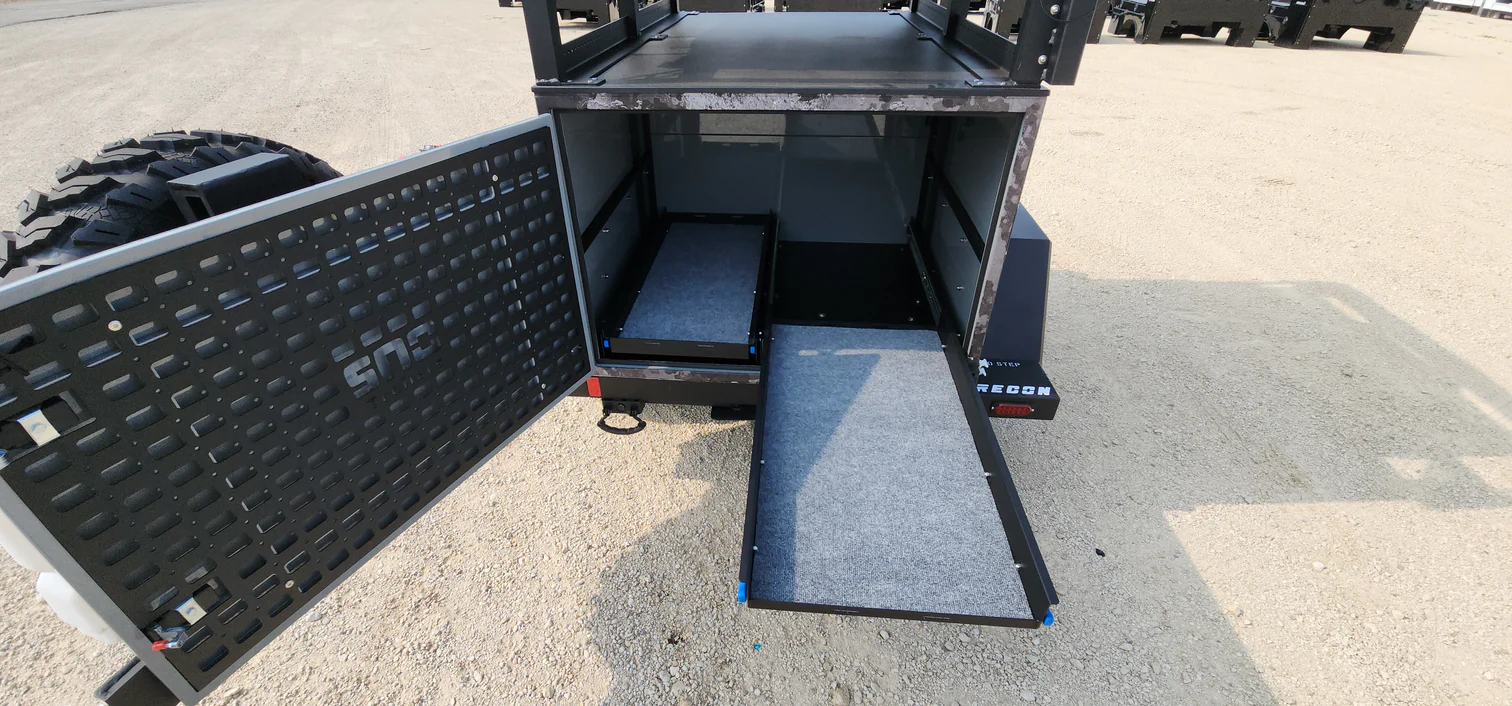
Regret in overland trailer purchases traces back to one of two mistakes. First, buyers overspend on features they rarely use. Second, they underspec the build quality where it matters most. Buying an overland trailer without a decision framework leads to trailers sitting in driveways because they are too heavy for the tow vehicle, too wide for the trails, or too complex for the trip style.
The framework itself is simple. Specifically, four questions cover most decisions. What terrain do you truly run, not what terrain do you dream about? Which tow vehicle sits in your driveway today? How many onboard systems do you use on 80% of your trips? And what is the total cost including maintenance, depreciation, and add-ons? Answer each question honestly and the field of viable trailers narrows fast.
The Recon exemplifies why the framework matters. Its 900-pound dry weight, 4’10” width, and modular build sheet make it viable for buyers running mid-size SUVs, weekend trips, and simple gear setups. In contrast, a 3,500-pound expedition trailer with a built-in galley and indoor sleeping serves buyers with different answers to the same four questions. Neither trailer is objectively better. Fit is what matters.
SNO Trailers Recon at a Glance
| Specification | Details |
|---|---|
| Length | 9’6″ |
| Width | 4’10” |
| Height | 4’11” |
| Dry Weight | 900 lbs |
| Departure Angle | 40 degrees |
| Frame | Powder-coated steel with anti-rust base coating |
| Body | Aluminum |
| Suspension | Timbren 3500 lb HD axle-less |
| Wheels & Tires | 2 Method wheels with 275 all-terrain tires |
| Storage | Large rear compartment, 2 side doors, front utility box |
| Starting Price | Around $14,000 |
Buy Direct From SNO Trailers
See the Recon at SNO Trailers
Starting around $14,000, the Recon ships factory-direct with a build sheet fitting the widest range of overlanders.
Match the Trailer to the Terrain You Truly Run
Terrain is the first filter, and honest self-assessment is the hardest part. Specifically, most buyers describe the terrain they want to run rather than the terrain they run. So the trailer arrives, and the tightest trails on the wish list stay uncrossed because the trailer is too wide or too heavy.
Width matters most on forest service roads and two-tracks. Specifically, trailers over 6 feet wide scrape trees on tight sections, and trailers over 7 feet wide rule out many public land access roads entirely. In contrast, the Recon at 4’10” wide fits down almost any road the tow vehicle handles. Consequently, buyers who run narrow terrain trade width for the trail access they want.
Ground clearance and departure angle come next. Buyers running rocky routes or steep breakovers need a trailer matching the tow vehicle’s geometry. The Recon’s 40-degree departure angle clears most breakovers a stock tow vehicle would attempt. For a look at how the Recon handles trip lengths from weekend outings to multi-week expeditions, my earlier piece on why the Recon is perfect for weekend warriors and long expeditions breaks down the terrain-to-trip-length fit.
Match the Trailer to Your Tow Vehicle

Tow vehicle constraints eliminate more trailers from consideration than any other factor. Specifically, mid-size SUVs and CUVs like the Toyota 4Runner, Jeep Wrangler, Ford Bronco, and Subaru Outback typically carry factory tow ratings between 3,500 and 5,000 pounds. Once you subtract passengers, gear, and safety margin, viable trailer weight drops to 2,500 to 3,500 pounds loaded.
Payload matters as much as tow rating. Specifically, tongue weight applies directly to the tow vehicle’s rear axle payload. A 400-pound tongue weight from a heavy trailer consumes almost half the payload of a mid-size SUV. In contrast, a 90-pound tongue weight from a lightweight overland trailer like the Recon barely registers. Consequently, buyers preserve payload capacity for passengers, gear, and rooftop tents.
Fuel economy and drivetrain wear round out the tow-vehicle picture. Heavy trailers cook brakes on descents, strain transmissions on grades, and hurt fuel economy across every mile. In contrast, a small overland trailer preserves your tow vehicle’s service intervals and resale value. Consequently, the total-cost calculation should include tow vehicle wear as well as trailer purchase price.
Weigh Onboard Systems Against What You Truly Use
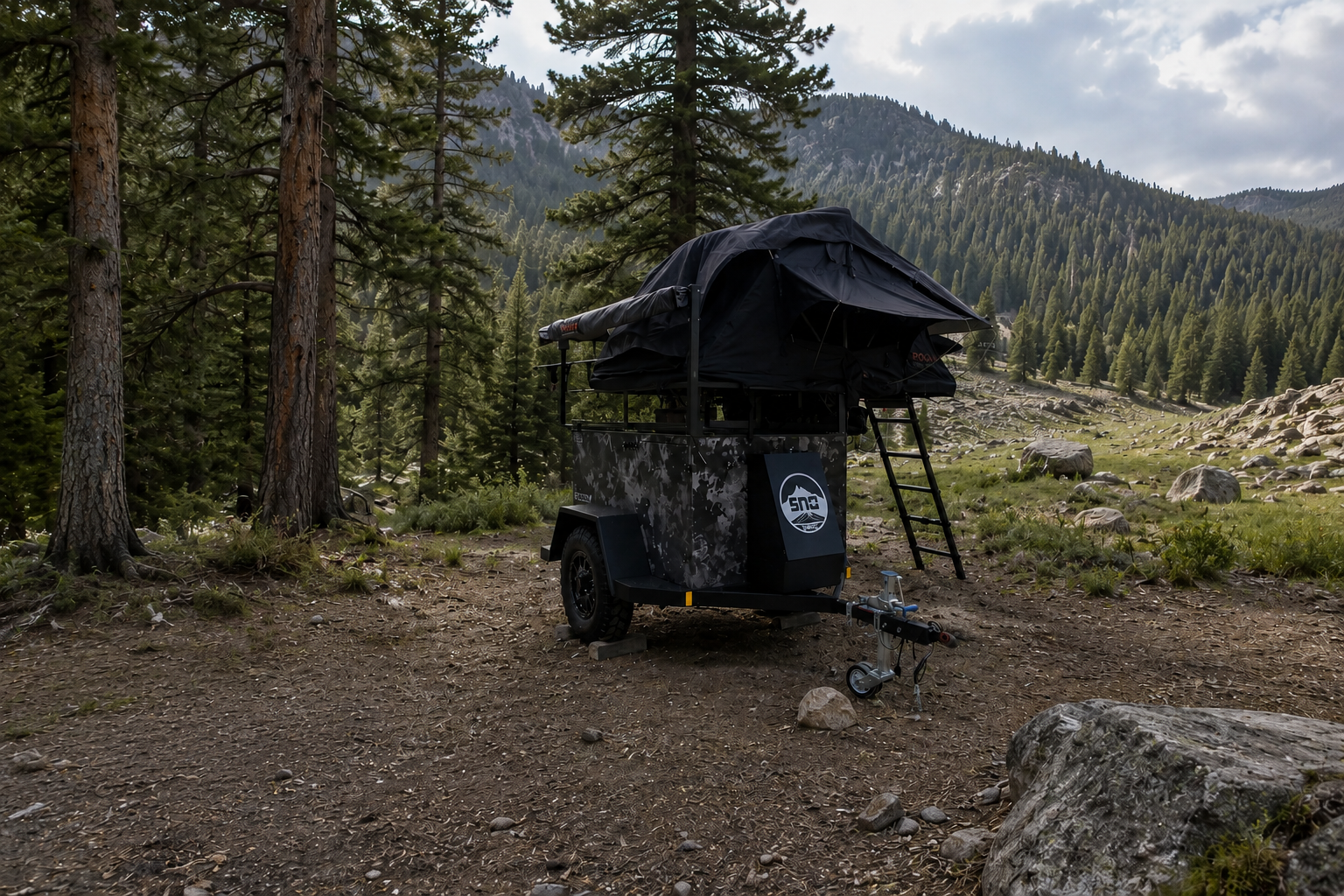
Overspending on onboard systems is the most common regret in overland trailer purchases. Specifically, buyers add a diesel heater they use twice a year, a plumbed water heater they rinse with once a season, and an inverter they run only when their laptop dies. Consequently, they pay for a service intervals list they resent every spring.
Ask the honest question. Which systems did you use daily on your last ten trips? For most overlanding trailer owners on weekend and short-expedition trips, the daily systems are shelter, sleep, cook, refrigeration, and lighting. Everything else runs occasionally or gets replaced by a portable alternative for a fraction of the built-in cost.
The Recon takes the modular approach, shipping without built-in systems so buyers add exactly what they use. In contrast, expedition-tier trailers ship with everything installed at the factory. Neither approach is wrong. However, buyers who honestly answer the “what do I use daily” question often save $10,000 or more by picking a modular platform. For a look at the off-grid modular systems the Recon supports, my piece on how the Recon supports remote camping covers the practical setup in depth.
Save on the Recon
Configure Your SNO Trailers Recon
Add only the modular upgrades you use. Awnings, solar, water, and rooftop tent mounts install at the factory.
Budget, Depreciation, and Total Cost of Ownership
Purchase price is only the first line item. Specifically, total cost of ownership includes maintenance, depreciation, storage, insurance, and add-on accessories over the trailer’s expected life. Buyers focused only on sticker price often pay more over ten years than buyers picking a slightly more expensive trailer with better build quality.
Maintenance costs scale with system count. Each onboard subsystem needs eventual service. Water heaters need descaling. Inverters lose battery capacity. Propane furnaces need burner cleaning. In contrast, a modular platform like the Recon has almost nothing to service beyond wheel bearings, lights, and running gear. Consequently, ownership costs stay predictable.
Depreciation matters more than most buyers realize. Trailers with fewer subsystems age more slowly because fewer components go obsolete. Also, resale demand for simple, well-built trailers stays strong because the buyer pool is wider. In contrast, complex trailers with dated appliances lose value fast when new tech arrives. For a closer look at build quality supporting long-term ownership, my earlier closer look at the Recon’s exterior design and durability walks through the frame and finish details.
Add-on costs deserve their own line. Rooftop tents run $1,500 to $4,000. Portable fridges run $700 to $1,500. Solar setups run $500 to $2,000. Consequently, budget the accessory stack alongside the trailer, and pick a platform leaving room in the total for the accessories on your real list.
Pros and Cons
Pros
- 900-pound dry weight fits mid-size SUVs and CUVs
- 4’10” width opens narrow trails larger trailers cannot access
- 40-degree departure angle clears difficult breakovers
- Timbren HD axle-less suspension proven on overlanding builds
- Powder-coated steel frame with anti-rust base coating
- Modular build sheet keeps buyers from overspending on unused systems
- $14,000 starting price leaves budget for rooftop tent and accessories
- Simple platform supports strong resale value
Cons
- No built-in kitchen, sleeping, water, or power at base configuration
- Requires buyers to source their own rooftop tent or ground tent
- Onboard water and fridge capacity limited by cargo space
- Less appealing for buyers wanting comfort baked in at delivery
- Modular approach requires research and gear selection effort
Final Verdict
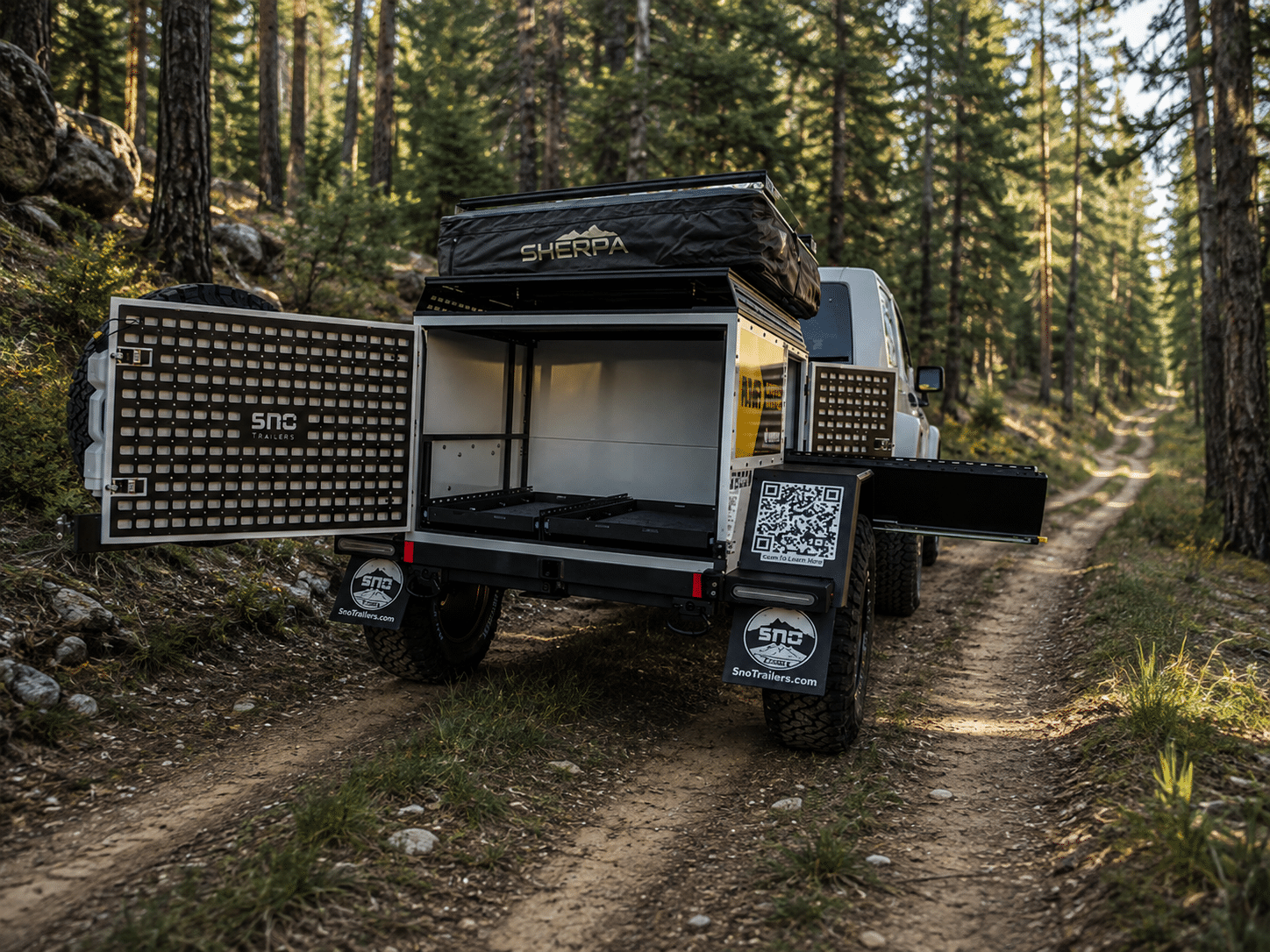
For buyers going through the framework honestly, the SNO Trailers Recon hits terrain, tow vehicle, systems, and total cost tests for the widest range of overlanders. Above all, its biggest strength is fit. The 900-pound dry weight, 4’10” width, 40-degree departure angle, and modular build sheet work for mid-size tow vehicles, narrow terrain, weekend trips, and simple gear setups.
Trade-offs are real, though. Buyers wanting a built-in kitchen, indoor sleeping quarters, or plumbed water systems should shop the SNO Trailers Alpine or a comparable expedition-tier trailer. The Recon assumes you bring your own rooftop tent and cook system. For anyone unwilling to source those pieces themselves, a heavier trailer with everything installed serves better.
On value, the Recon holds up strongly. Its $14,000 starting price sits below most competing off-road trailers with comparable running gear. Off-road trailer resale demand for the Recon platform also stays strong. The modular add-on list means you pay for exactly the features you need. Compared to expedition trailers priced at $30,000 and up, the Recon leaves enough savings for a full rooftop tent setup, upgraded recovery gear, and a season of gas.
Overall, I recommend the SNO Trailers Recon as a low-regret overland trailer purchase for buyers running mid-size rigs on real backcountry terrain. However, if your priority is fully-loaded RV comfort with slide-outs and a full bathroom, a travel trailer serves better.
Ready to Buy?
Check Today’s Price on the Recon
SNO Trailers ships factory-direct with a full warranty and configuration support before your build begins.
Frequently Asked Questions
What is the biggest mistake in buying an overland trailer?
Overspending on onboard systems the buyer rarely uses. Specifically, buyers pay for built-in kitchens, water heaters, and inverters they use a handful of times a year. Consequently, they resent the maintenance and depreciation. A modular platform like the SNO Trailers Recon avoids this by shipping without built-in systems.
How much should I budget for an overland trailer?
Simple, purpose-built overland trailers start around $14,000. Fully-loaded expedition trailers with built-in kitchens and power start between $25,000 and $50,000. Also, budget $3,000 to $7,000 for accessories including a rooftop tent, portable fridge, and recovery gear. Total ownership cost includes maintenance and depreciation over ten years.
What overland trailer weight works with a mid-size SUV?
Mid-size SUVs and CUVs typically carry factory tow ratings between 3,500 and 5,000 pounds. Once you subtract passengers, gear, and safety margin, viable trailer weight drops to 2,500 to 3,500 pounds loaded. A lightweight overland trailer like the 900-pound Recon leaves substantial headroom for water, food, and recovery gear.
How do I avoid regret when buying an overland trailer?
Answer four questions honestly. What terrain do you truly run? Which tow vehicle sits in your driveway? How many onboard systems do you use on 80% of trips? And what is the total cost including maintenance and depreciation? Buyers who answer each honestly narrow the field of viable trailers fast.
Is a modular overland trailer better than a fully-loaded one?
Neither is objectively better. Modular platforms like the SNO Trailers Recon fit buyers who want to add only the systems they use, and save on purchase price and maintenance. Fully-loaded expedition trailers fit buyers who want comfort features installed at delivery. Fit depends on how you camp in practice.
How long should a well-built overland trailer last?
A purpose-built off-road trailer with a steel frame, quality suspension, and rust protection lasts 15 to 20 years with routine maintenance. Specifically, wheel bearings, lights, and running gear need service every one to two years. In contrast, trailers with dated appliances and residential-grade components typically age out in seven to ten years.
Our articles might have affiliate links and the occasional sponsored content, but don’t sweat it – if you buy something, we get a little kickback at no extra cost to you, and we only hype products we truly believe in!