


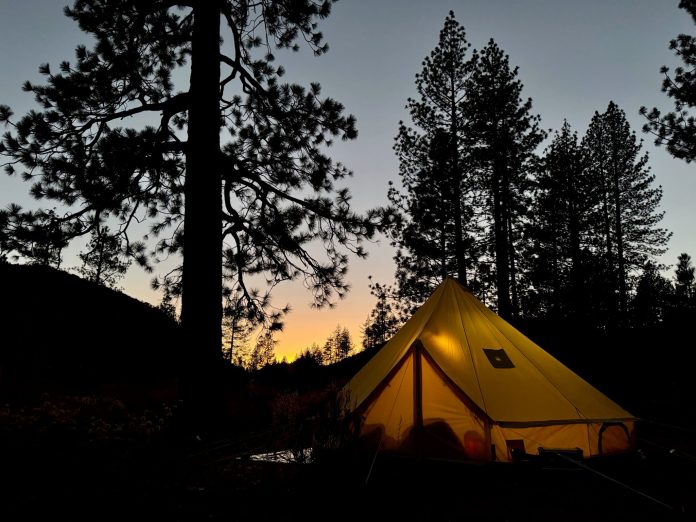

Quick Verdict: A hot tent is a canvas shelter built around a stove jack, a heat-proof port for running a wood stove safely inside. Because the fabric tolerates heat and the stove pushes interior temperatures well above freezing, hot tent camping turns winter into a comfortable season instead of a survival exercise. The trade-off is weight and setup time, since a canvas tent runs 40 to 80 pounds versus 5 to 8 pounds for a backpacking shelter. For most overlanders and car campers, the comfort is worth the bulk.
Last updated: June 2026 | 9 min read
In This Guide
- Why I Talk About Hot Tents So Often
- What Is a Hot Tent? The Short Answer
- Key Features at a Glance
- What Makes a Tent a Hot Tent
- Hot Tent Camping in the Field
- Staying Safe With a Wood Stove Inside
- Beyond the Stove: Winter-Ready Tent Features
- Hot Tent vs Regular Tent
- Pros and Cons of Hot Tent Camping
- Final Verdict
- Frequently Asked Questions
Once you understand what a hot tent is, the next question is which one to buy. Our roundup of the best hot tents for 2026 compares eight four-season picks across dome, canvas bell, canvas wall, and inflatable form factors.
Why I Talk About Hot Tents So Often
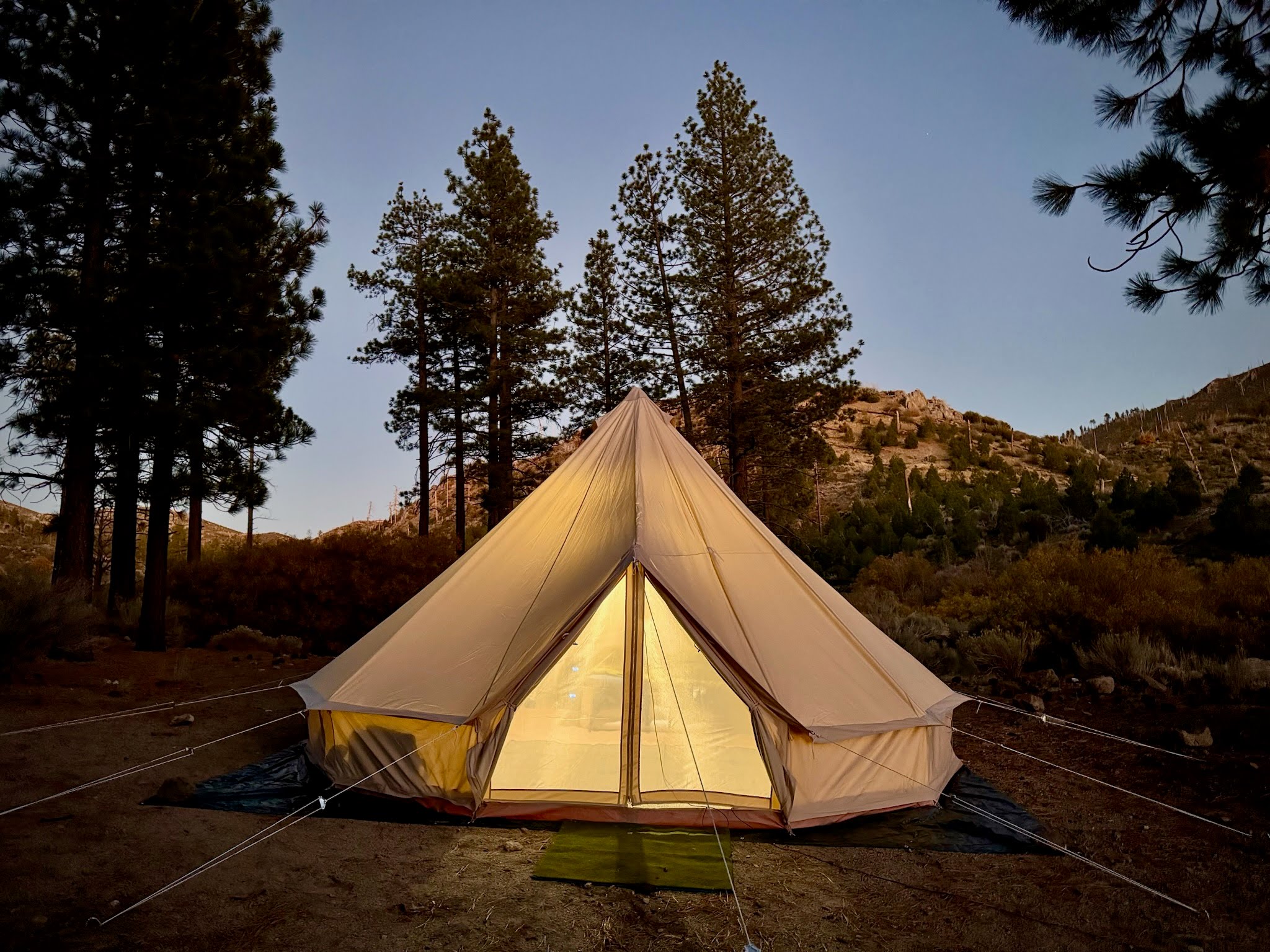
On our YouTube channel I review a lot of tents, and one phrase comes up in nearly every cold-weather video: hot tent. I use it so often in winter clips, and a steady stream of viewers asks the same fair question. What turns an ordinary tent into a hot tent? So in this guide I am going to answer it as clearly as possible, with no jargon and no fluff.
I also do a lot of winter camping, so this topic is not a side interest for me. It is how I stay outside once the temperature drops. As a point of reference throughout, I lean on a maker whose tents I have reviewed many times: Stout Tent. Because they build extremely durable bell tents and canvas wall tents, and because both designs are true hot tents, they give us a concrete example to point at instead of a vague description.
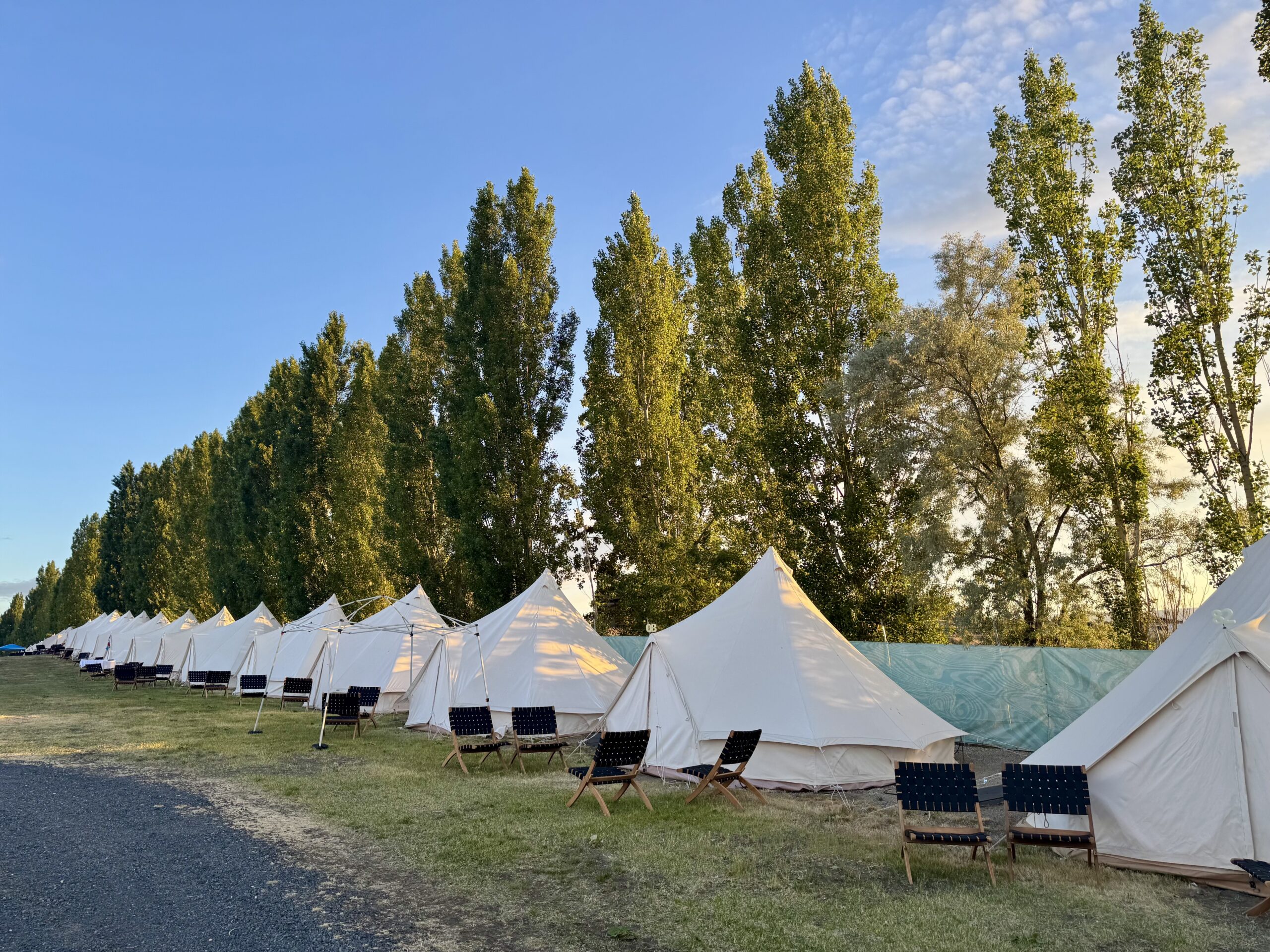
I recently got back from Washington, where I saw the other side of Stout’s business, and it is a big reason I keep pointing to them. Beyond selling tents to campers like you, Stout runs a large rental operation with thousands of their own wall tents and pole tents pitched across the United States for concerts, music festivals, and overnight glamping guests. Those shelters stay standing for six to seven months at a stretch, season after season. A tent has to be brutally durable to survive months of weather and constant use, so watching it firsthand told me more about their canvas than any spec sheet would.
So here is what you will walk away with. By the end, you will know exactly what separates a stove-ready shelter from an ordinary tent, how the wood stove and stove jack work together, and whether hot tent camping fits the way you get outdoors. First, the plain definition.
What Is a Hot Tent? The Short Answer
A hot tent is a tent designed to be heated from the inside with a wood-burning stove. Its defining feature is a stove jack, which is a fire-resistant port in the roof or wall where the stove’s chimney pipe exits. Because the chimney vents smoke outside while the firebox radiates heat inside, you stay warm even when the air outdoors sits below freezing.
Most of these shelters use cotton canvas or a poly-cotton blend rather than thin nylon. Canvas matters for two reasons. First, it tolerates the heat near a stove without melting, which a synthetic fly would never survive. Second, it breathes, so moisture from your breath and the fire passes through the weave instead of dripping back on you as condensation.
So when someone asks what a hot tent is, the simplest answer is this: it is a breathable canvas tent engineered to hold a stove safely. Everything else, from the bell shape to the wall-tent ridgeline, is a variation on one idea.
Key Features at a Glance
| Feature | What It Does |
|---|---|
| Stove jack | Heat-proof port for the chimney pipe; the one feature every model shares |
| Canvas fabric | Cotton or poly-cotton, which resists heat and breathes to cut condensation |
| Wood stove | The heat source; raises interior temperatures well above the outside air |
| Ventilation | Low intake and high outlet vents feed the fire and clear moisture |
| Typical shape | Bell tent, wall tent, or tipi, each with headroom for a stove |
| Weight range | Roughly 40 to 80 pounds for canvas models, depending on size |
| Best season | Fall through early spring, though canvas stays cooler in summer too |
Tents I Have Tested
See a Real Hot Tent Up Close
Stout builds the durable canvas bell tents and wall tents I reference throughout this guide, each with a factory stove jack ready for winter.
What Makes a Tent a Hot Tent
Four ingredients turn an ordinary shelter into a hot tent. Miss any one of them and you have a regular tent with a fire hazard inside. Below, I break down each piece and why it matters.
A Stove Jack
The stove jack is the non-negotiable part. It is usually a panel of silicone-coated fiberglass cloth rated for high heat, set into the roof or upper wall. Through this port runs the stove pipe, so the jack seals around hot metal without scorching or letting rain in. Without a stove jack, there is no safe way to vent a chimney, and the shelter stays a cold tent.
Heat-Tolerant Canvas
Canvas comes next. Cotton and poly-cotton blends handle the radiant heat near a stove and shrug off a stray spark far better than nylon. Canvas also breathes, which keeps the inside drier through a long winter night. A nylon shelter in the same scenario would trap moisture and sag with condensation by morning.
Real Ventilation
A wood stove needs air to burn cleanly, and you need airflow to stay safe. So every well-built model includes low intake vents near the floor and a high outlet vent up top. This loop feeds oxygen to the fire while carrying away moisture and combustion gases. Skimp on ventilation and the stove smokes, the canvas dampens, and the risk climbs.
Enough Headroom and Footprint
Finally, the shape has to give the stove room to work. Bell tents use a tall center pole, while wall tents use a ridge, and both create standing height plus a safe clearance zone around the firebox. A low backpacking dome offers neither, which is one more reason this category leans on canvas bell and wall designs like the Stout models I have reviewed.
Hot Tent Camping in the Field
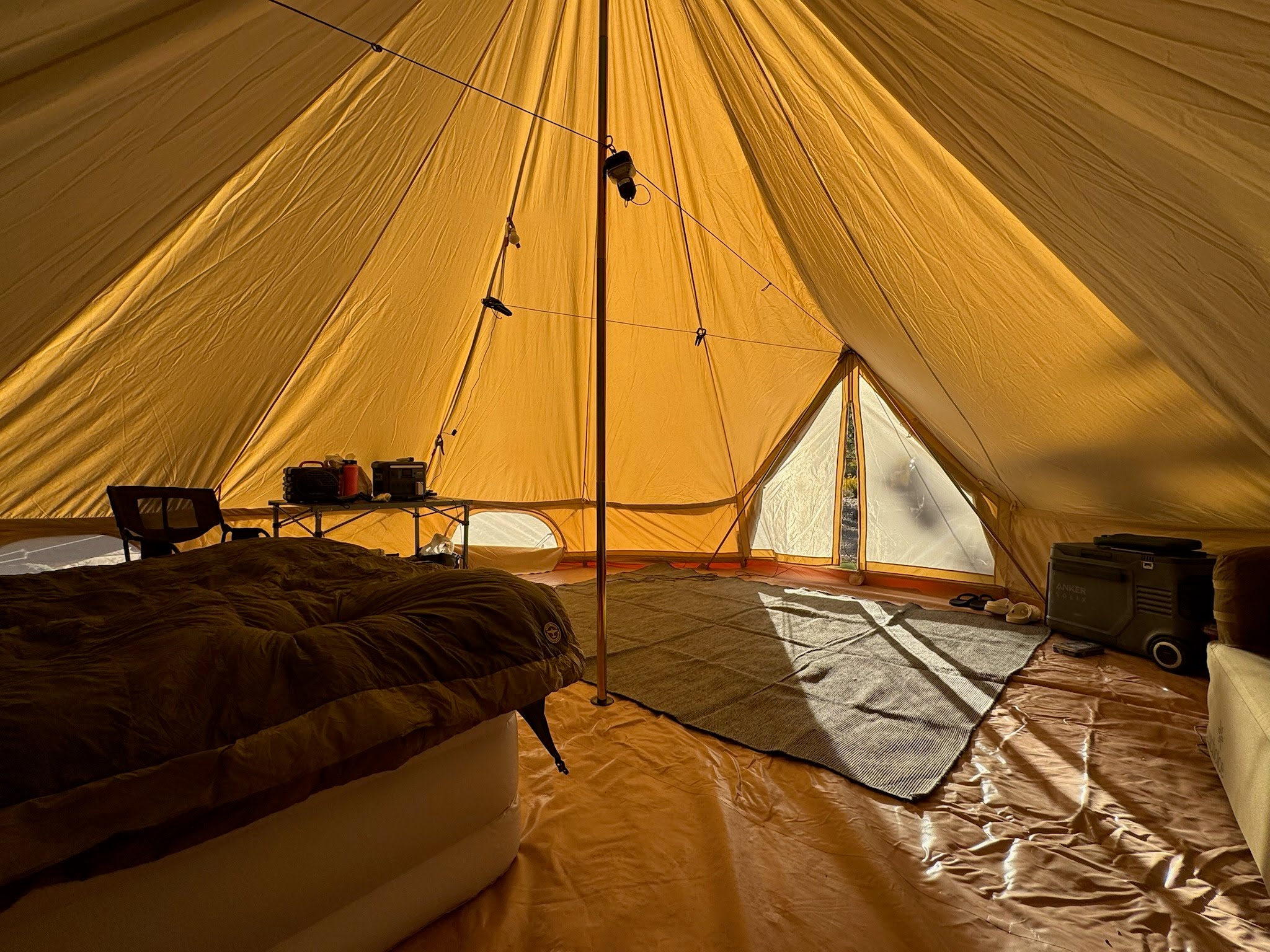
Hot tent camping is the practice of pitching one of these shelters, lighting the stove, and using the warmth to push your season into the cold months. People do it for winter overlanding, backcountry hunting, ice fishing base camps, and family trips where nobody wants to shiver. A winter hot tent setup changes the whole tone of a frozen weekend.
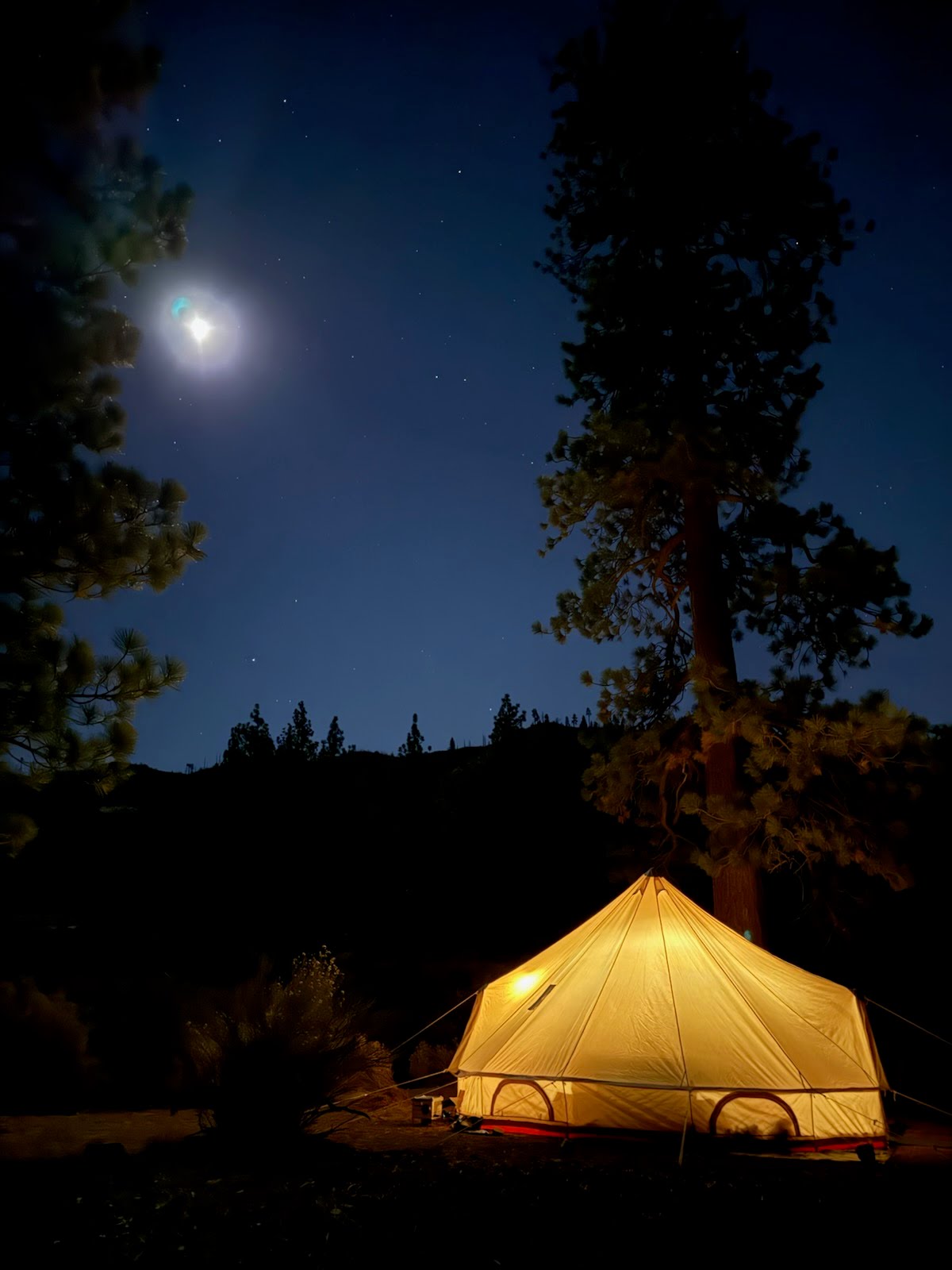
I have run this routine on plenty of cold nights, and it is hard to describe until you have done it. You step in from sub-freezing air, feed the stove a few splits of wood, and within minutes you are peeling off layers in a glowing canvas room. Meanwhile you dry wet boots and gloves on a line near the pipe, simmer a kettle on the stove top, and sleep without a mummy bag cinched to your nose.
There is honest work involved, though. You gather and split wood, you tend the fire, and the stove burns down overnight unless someone wakes to reload it. Still, for anyone who has endured a frozen night in a regular tent, the routine feels like a fair trade for genuine warmth.
Staying Safe With a Wood Stove Inside
This shelter is safe when you respect the fire, so a few habits matter more than any spec sheet. Above all, manage carbon monoxide. Wood stoves produce it, and a sealed shelter traps it, which is why ventilation and a battery carbon monoxide alarm belong on every packing list. Set the alarm at sleeping height and test it before the trip.
Spacing comes next. Keep the stove clear of fabric walls, use the included legs or a heat shield under the firebox, and run a spark arrestor on the chimney. Because cotton canvas resists sparks better than nylon but is not immune to them, the arrestor protects the roof around your stove jack. Store fuel and anything flammable away from the firebox.
Pitch placement helps too. Face the door away from prevailing wind, stake the shelter tight so it does not flex into the stove, and clear snow or duff from the floor under the firebox. Follow these steps and the shelter rewards you with one of the safest, coziest cold-weather setups in camping.
Beyond the Stove: Winter-Ready Tent Features
A stove jack and breathable canvas are the headline features, but a serious winter setup leans on a handful of supporting details that separate a comfortable cold-weather camp from a miserable one. Once you have used a hot tent for a few seasons, these are the touches you start looking for in every model.
Insulated, Multi-Layer Floors
A warm tent is only half the equation if you sleep on frozen ground. The best winter hot tents include a multi-layer insulated floor that adds a moisture barrier between you and the cold earth, so your sleeping pad does less work and your bag rates a few degrees warmer than the spec sheet promises. Removable floors are even better, because you can pull the floor when you want to use the tent as a mess hall, a gear-drying room, or an open base camp around the stove.
Double-Wall Construction for Condensation Control
Canvas breathes its way out of most condensation problems, but synthetic four-season tents reach the same outcome through a different route: dual-layer construction. An inner wall plus an outer fly creates an air gap that pulls moisture away from the sleeping space, and a water-repellent coating on the inner layer keeps drips off your gear. If you prefer a lighter, faster-pitching shelter than canvas, look for this dual-wall design with stove-compatible materials rather than a single-skin synthetic that will sweat through the night.
Wing-Style Doors and Frozen-Zipper Insurance
Zippers freeze. It is one of the small miseries of winter camping that nobody warns you about until you are wrestling a stuck slider at 5 a.m. Wing-style doors, which fold open along a hinge instead of relying solely on a long zipper run, sidestep the problem entirely. They also extend zipper life on the seasons when freezing is not an issue, because you are not yanking on a cold, gritted track every time you step outside.
Snow-Load Frame Design
The frame matters as much as the fabric when the weather turns. Umbrella-style aviation alloy poles and reinforced ridge structures hold their shape under heavy snow, so you stay inside by the stove instead of getting up every two hours to brush the roof. A well-engineered frame also pitches faster, which is worth a lot when your fingers are numb and you want a fire going within minutes of rolling into camp.
Insulated Windows and Ventilation Doors
Multi-layer windows trap heat the same way double-glazing does in a house, while still giving you ventilation options when the stove is running hot. Combined with low intake vents near the floor and a high outlet near the roof, these openings let you fine-tune airflow without dumping all your warmth at once. The goal is a steady loop of fresh air for the fire and an exit path for moisture, all without turning the interior back into a refrigerator.
Related Reading
Hot Tent vs Regular Tent: Which Should You Pick?
The split comes down to three differences: heat, weight, and effort. A stove-heated tent gives you a warm, dry interior even when outside temperatures hold well below freezing, while a regular nylon tent relies entirely on your sleeping bag and body heat. For winter, the canvas option wins on comfort by a wide margin.
Weight and packed size flip the result, however. A canvas tent runs 40 to 80 pounds and fills a large duffel, whereas a three-season backpacking tent packs to 5 to 8 pounds and rides in a daypack. So if you carry your shelter for miles on your back, the lighter option is the practical pick. If your tent travels in a truck bed, trailer, or roof basket, the canvas weight stops mattering.
Effort is the last factor. A stove setup asks you to manage firewood and tend a fire, while a regular tent asks nothing beyond zipping the door. For overlanders and car campers chasing winter comfort, the workload is welcome. But for ultralight backpackers counting ounces, it becomes a dealbreaker. Match the tool to how you travel.
Pros and Cons of Hot Tent Camping
Pros
- Real interior heat keeps you warm well below freezing, so winter trips stay comfortable
- Breathable canvas cuts the condensation soaking nylon tents overnight
- A stove dries wet gear and lets you cook or boil water inside
- Standing headroom in bell and wall designs makes long stays livable
- Extends your camping season from roughly three months to year-round
- Durable cotton canvas often lasts a decade or more with basic care
Cons
- Heavy at 40 to 80 pounds, so backpacking is off the table
- Higher upfront cost once you add the tent, stove, and pipe
- Setup takes longer than a pop-up dome, often 15 to 30 minutes
- Requires firewood plus active fire tending through the night
- Carbon monoxide demands a working alarm and constant ventilation
Final Verdict
A hot tent is the answer for anyone who refuses to give up camping when the temperature drops. The combination of breathable canvas, a stove jack, and a wood stove delivers a warm, dry shelter no three-season tent comes close to matching in winter. For overlanders, hunters, and family car campers, the warmth changes cold trips from something to endure into something to look forward to.
The trade-offs are real and worth weighing. You accept 40 to 80 pounds of canvas, a higher price once the stove is included, and the steady chore of feeding a fire. If you backpack long miles or only camp in summer, a lighter regular tent serves you better and costs less.
On value, a quality canvas tent earns its keep over years of use because the fabric holds up season after season. Buy once from a maker with a proper stove jack and tight seams, and you avoid replacing a cheaper shelter every few winters.
My recommendation is simple. If your shelter travels by vehicle and you want winter comfort, choose this setup, and start with a proven canvas bell or wall design such as the Stout models I keep coming back to on the channel. When you need to carry your camp on your back, stay with a lightweight three-season tent and save the stove for a future base camp.
Ready for Winter
Start With a Stove-Ready Canvas Tent
Stout’s bell tents and wall tents ship with a factory stove jack and heavy canvas, the same build quality I have leaned on across multiple reviews and saw holding up at their rental sites.
Frequently Asked Questions
What makes a tent a hot tent?
A tent earns the label when it has a stove jack, a heat-proof port for a wood stove chimney, paired with canvas fabric strong enough to tolerate the heat. Together those features let you run a stove inside safely. A nylon tent without a stove jack does not qualify.
Is hot tent camping safe?
Hot tent camping is safe when you ventilate properly, run a battery carbon monoxide alarm, and keep the stove clear of the canvas. The two real risks are carbon monoxide and stray sparks, and both are managed with airflow, a spark arrestor, and sensible spacing. Plenty of winter campers do it every season.
Will any tent work as a hot tent?
No. Standard nylon tents are not built for stove heat, since the fabric melts and offers no safe place for a chimney. To run a stove you need a purpose-built canvas tent with a stove jack, or a manufacturer-approved stove jack kit installed in a compatible canvas shelter.
What is the best fabric for a hot tent?
Cotton canvas and poly-cotton blends are the standard because they resist heat, shrug off most sparks, and breathe to reduce condensation. Poly-cotton trims a little weight and dries faster, while pure cotton tends to feel the most weather-tight. Both outperform nylon for stove use.
Do you need a stove jack for hot tent camping?
Yes, the stove jack is the part you must not skip. It is the sealed, fire-resistant port the chimney passes through, which keeps the hot pipe off the fabric and stops rain from leaking in. No stove jack means no safe way to vent a wood stove.
What temperatures does a winter hot tent handle?
A winter hot tent with a running stove keeps you comfortable far below freezing, often into the single digits Fahrenheit and lower with enough wood. The limit is your fuel supply and how often you reload the stove overnight rather than the shelter itself. Many hunters and overlanders camp this way through the deepest part of the season.