


LED light bars are everywhere in the off-road world. Scroll any build page or walk any trailhead parking lot, and you’ll see them mounted to bumpers, racks, and roofs. On the surface, they look similar and promise the same thing: massive output and night-turning visibility. Because of that, many buyers assume choosing one is simple. Compare lumens, compare price, and bolt it on.
That shortcut approach often leads to disappointment. After enough rough miles, weather exposure, and long night runs, the differences between LED light bars become obvious. Some fade under heat. Some flicker with vibration. Some fill with moisture. Others keep delivering clean, controlled light year after year. The separating line is not marketing. It is engineering.
This guide breaks down what most people get wrong about LED light bars and explains what actually matters for performance and longevity. To keep things grounded, we’ll use Boss Lighting as a real-world benchmark, since their designs directly address many of the common failure points found in lesser lights.
Table of Contents
Judging LED Light Bars by Lumens Alone
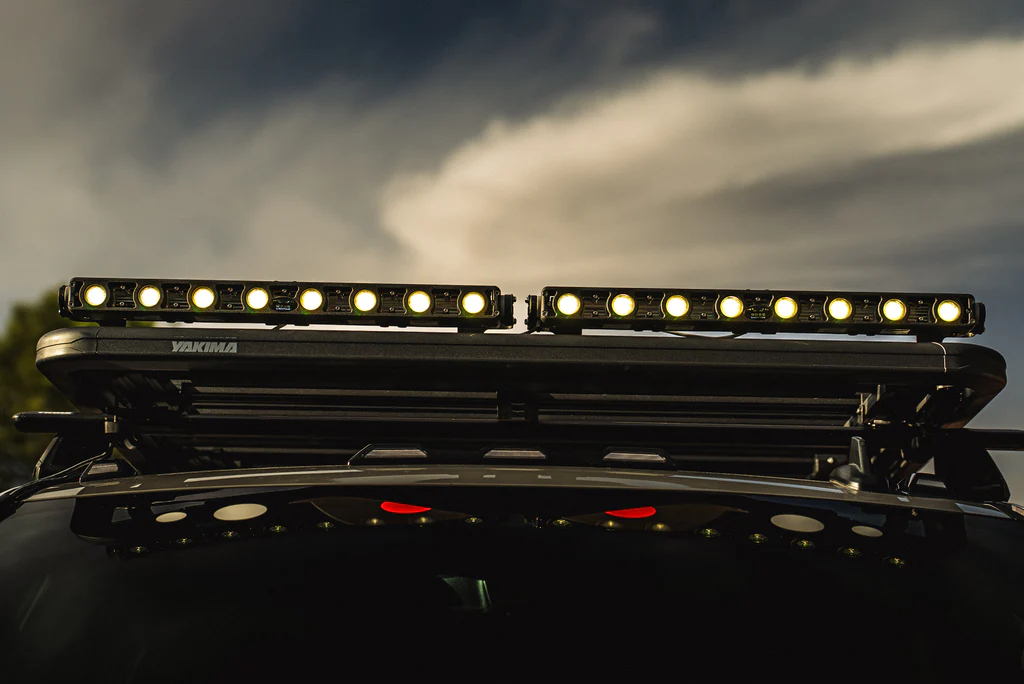
The most common buying mistake with LED light bars is chasing the biggest lumen number on the page. It feels logical. More lumens should mean more visibility. The problem is that lumen figures vary by test method and often reflect theoretical peak output, not sustained real-world performance.
Lumens also say nothing about beam control. A bar can push huge output, but waste much of it in the wrong places. Too much foreground intensity and not enough mid-range coverage creates glare close to the vehicle and darkness farther out. Your eyes adapt to the bright zone and lose sensitivity to distant terrain.
Boss Lighting approaches output differently. Their LED light bars pair high lumen output with precision optics and full dimming control. Instead of forcing maximum intensity at all times, they focus on usable light distribution. That produces better trail readability and less eye strain.
In actual night driving, usable beam shape beats inflated lumen claims every time. Numbers look good in listings. Beam quality wins on the trail!
Assuming Brighter LED Light Bars Are Always Safer
Another common belief is that the brightest LED light bars are automatically the safest choice. In practice, uncontrolled brightness can reduce safety. Excessive glare washes out texture and depth, which makes rocks, holes, and ledges harder to judge.
This shows up often with low-cost bars that drive emitters at full intensity with basic optics. The result is a harsh wall of light that looks impressive in photos but feels uncomfortable and flat in motion.
For example, Boss Lighting LED light bars include integrated dimming and controlled beam patterns so drivers can tune output to conditions. Dust, fog, and snow all reflect light differently. Adjustable intensity helps maintain contrast instead of overwhelming your vision.
Good lighting supports your eyes. It doesn’t fight them. That difference becomes clear within minutes of real night driving.
Ignoring Thermal Design in LED Light Bars

Heat is one of the main reasons LED light bars lose performance over time. LEDs are efficient, but high-output systems still generate serious thermal load. Without strong heat management, output drops and component life shortens.
Many bars rely only on external cooling fins. Fins help, but they depend heavily on airflow. Slow technical driving and hot ambient temperatures reduce their effectiveness.
Boss Lighting uses patented flow-through cooling in its LED light bars. Instead of just radiating heat off the back, their housings move air through the structure to evacuate heat more efficiently. That keeps internal temperatures more stable during long runs.
Thermal stability protects brightness, color consistency, and driver electronics. A light that controls heat well keeps performing instead of slowly fading.
Treating All LED Light Bar Housings as Equal
At a glance, most LED light bars look similar from the outside. The difference shows up in how the housing is made. Manufacturing method and material quality determine how well a bar resists vibration and impact.
Cheap cast housings save money but often flex more under stress. Constant off-road vibration transfers that movement into circuit boards and solder joints. Over time, small flex becomes internal damage.
Boss Lighting builds LED light bars with CNC-machined 6061 aluminum housings and corrosion-resistant finishes. Machined housings maintain tighter tolerances and greater rigidity. That rigidity protects seals, optics, and electronics at the same time.
The housing is not just a shell. It is a structural platform that supports every other reliability feature in the light.
Overlooking Internal Electronics Quality

Inside every LED light bar is a driver that regulates current and protects the emitters. Driver quality directly affects stability and lifespan, yet many buyers never consider it.
Lower-grade drivers use cheaper components and minimal protection circuits. They function at first but struggle with voltage swings and heat. Early warning signs include flicker and random shutdown.
Boss Lighting LED light bars use multi-volt protected drivers designed for 12–24V systems with reverse polarity and short-circuit protection. That wider tolerance keeps output stable across different vehicles and electrical setups.
When internal electronics are built well, you never think about them. When they are not, you chase problems that seem mysterious but are built into the bar.
Forgetting About Wiring and Switch Gear
Wiring kits bundled with LED light bars are often built to hit a price point. Thin wire, unsealed switches, and basic relays become weak links in otherwise decent systems.
Voltage drop across undersized wiring reduces output and increases driver stress. Water intrusion into switches and connectors causes intermittent faults that are hard to trace.
Boss Lighting includes waterproof cables, sealed connectors, and illuminated waterproof push-button dimmer switches with their systems. These components are designed for harsh environments, not just garage installs.
In real use, small electrical parts fail more often than emitters. Quality harness components protect the entire lighting system.
Believing IP Ratings Tell the Whole Story
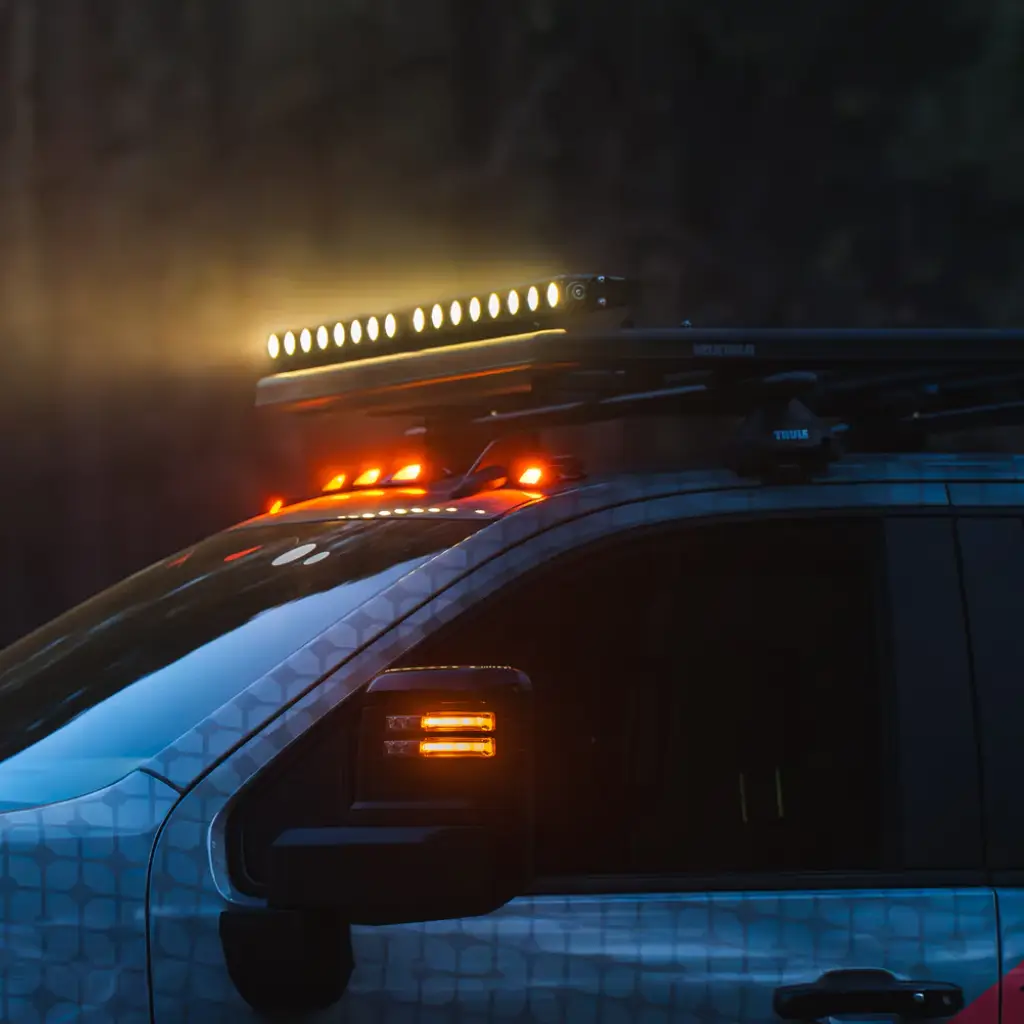
IP ratings measure dust and water resistance under lab conditions. They are helpful, but they are not the full picture for LED light bars used off-road.
Real conditions include pressure washing, repeated thermal expansion, and nonstop vibration. Seals compress and age. Cable entries flex. Connectors loosen.
Boss Lighting treats sealing as a full design system, combining tight machining tolerances, quality gaskets, and sealed cable assemblies. That layered approach holds up better over time than rating alone.
A printed rating is a snapshot. Long-term sealing performance is what matters on the trail.
Thinking Installation Doesn’t Affect LED Light Bars
Installation choices strongly affect how LED light bars perform. Mounting location influences airflow, vibration exposure, and beam usefulness.
A bar mounted behind a solid fairing traps heat. A bar mounted on a thin tab vibrates more. Poor grounding introduces electrical instability.
Boss Lighting designs its LED light bars with robust mounting options and straightforward wiring, but proper placement still matters. Solid brackets, clean grounds, and sensible routing support the built-in engineering.
A good light installed poorly will behave like a poor light. Installation completes the system.
Buying LED Light Bars by Price Alone

Price is easy to compare, so it often drives the decision. Two LED light bars look alike, and one costs much less. The cheaper option wins.
The hidden factor is lifecycle cost. Lower-priced bars often trade away housing strength, cooling efficiency, and driver quality. Replacement comes sooner than expected.
Boss Lighting positions their LED light bars as long-term equipment, not disposable accessories. Strong materials, patented cooling, and protected electronics extend service life. Buying once and using for years usually costs less than replacing twice (or more!).
What Boss Lighting Gets Right with LED Light Bars
Boss Lighting LED light bars show what happens when design focuses on durability and control instead of just peak numbers. CNC-machined aluminum housings provide structural strength. Patented flow-through cooling manages heat under load. Protected multi-volt drivers stabilize output.
Fully dimmable control gives drivers flexibility across changing terrain and weather. Waterproof switches and cables remove common failure points found in many kits.
American manufacturing and tighter quality control add consistency from unit to unit. That consistency builds trust over time. When optics, cooling, electronics, and structure are engineered together, LED light bars become dependable tools instead of temporary upgrades.
FAQ

Are higher lumen LED light bars always better?
No. Beam control and sustained output matter more than peak lumen claims.
Why do some LED light bars get dimmer over time?
Heat buildup and weak drivers often cause gradual output loss.
Does housing construction really matter?
Yes. Stronger housings resist vibration and protect internal components.
Is dimming useful on off-road light bars?
Yes. Adjustable output improves visibility in dust, fog, and reflective terrain.
Do premium wiring components make a difference?
Yes. Sealed switches and proper gauge wire improve reliability and maintain full output.
Our articles might have affiliate links and the occasional sponsored content, but don’t sweat it – if you buy something, we get a little kickback at no extra cost to you, and we only hype products we truly believe in!