


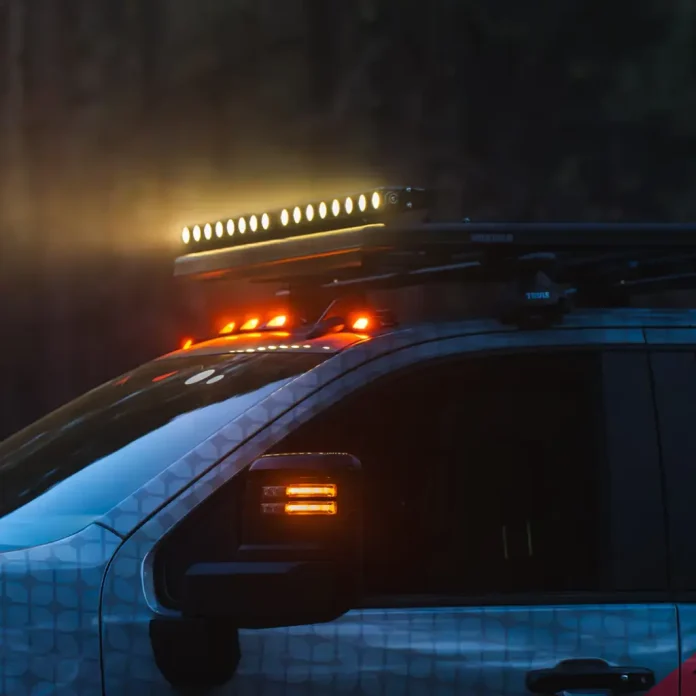

It’s easy to get caught up in lumen numbers when shopping for off-road lighting. Bigger numbers promise more power, more reach, and better performance—or at least that’s the idea. But once you’ve spent time driving at night on real trails, you quickly realize that brightness alone doesn’t guarantee visibility. In many cases, more light actually makes things worse.
The real difference between confidence and hesitation after dark comes down to beam quality. How light is shaped, distributed, and controlled determines whether you can read terrain accurately or feel like you’re driving into a white wall. This is where many lights fall short, especially those built with generic optics and minimal engineering behind them.
Boss Lighting approaches illumination differently. Instead of chasing inflated specs, the company focuses on how light performs in the real world. By engineering optics, cooling, and control systems as a complete package, Boss Lighting delivers beam quality that improves clarity, reduces fatigue, and keeps drivers comfortable over long nights on the trail.
Table of Contents
- Understanding Beam Quality: What It Really Means
- The Problem With Poor Beam Patterns
- Optics Engineering: The Heart of Good Lighting
- Beam Shape and Terrain Reading
- Color Temperature and Visual Comfort
- Heat, Stability, and Beam Consistency
- Dimming and Beam Control in Real-World Use
- Real-World Scenarios Where Beam Quality Makes the Difference
- Setting the Standard: How Boss Lighting Gets Beam Quality Right
- FAQ
Understanding Beam Quality: What It Really Means
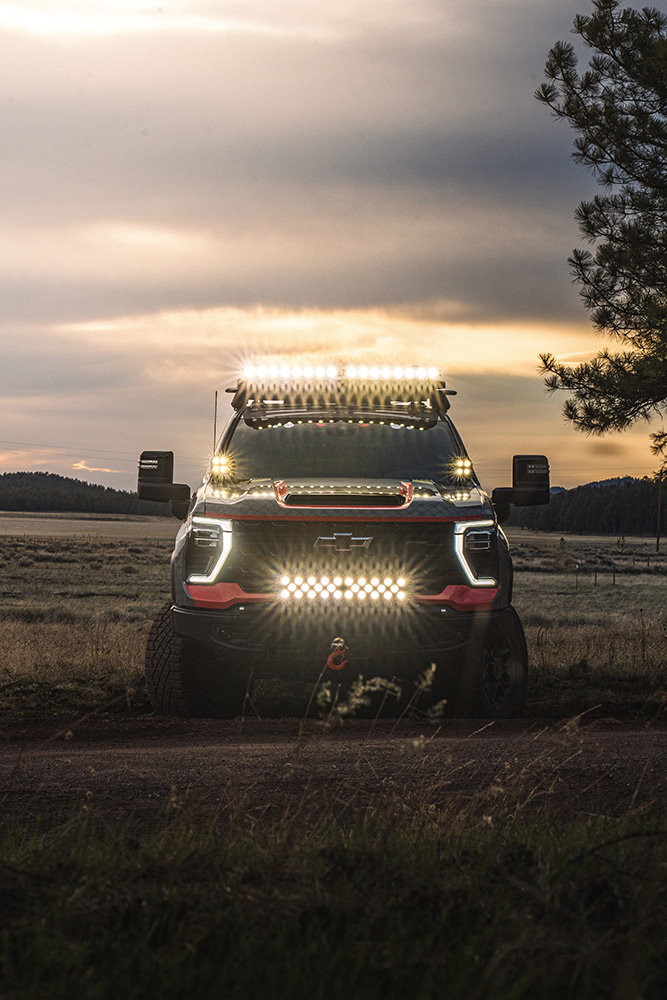
Beam quality is not a single measurement. It’s a combination of beam shape, light distribution, edge control, and how smoothly illumination transitions from foreground to distance. High beam quality allows your eyes to interpret terrain naturally instead of forcing you to guess what you’re seeing.
Many lights flood everything with raw brightness but fail to guide the eye. Uneven distribution creates harsh hotspots surrounded by dark zones, which destroys depth perception. True beam quality balances intensity so that obstacles appear defined without overwhelming contrast.
After years of night driving, it becomes obvious that beam quality directly affects confidence. When light behaves predictably, you spend less mental energy processing shadows and glare. Boss Lighting builds around that principle, prioritizing usable light over exaggerated numbers.
The Problem With Poor Beam Patterns
Poor beam patterns are one of the most common complaints with budget off-road lights. Hotspots can blind the driver while leaving peripheral hazards in shadow. Excessive scatter reflects off dust, fog, or snow, reducing visibility when conditions are already challenging.
Another issue is abrupt falloff. When light suddenly drops from bright to dark, the eyes struggle to adapt. This makes it harder to judge distance and speed, especially on uneven terrain. Beam quality should create smooth transitions that help the brain interpret depth.
I’ve driven trails where bad beam quality forced me to slow to a crawl, not because the trail was difficult, but because the lighting made it hard to read what was ahead. That’s a frustrating experience that highlights why beam quality matters far more than raw output.
Optics Engineering: The Heart of Good Lighting

Optics are where beam quality is created or destroyed. Reflectors, lenses, and LED placement determine how light exits the housing. Many manufacturers rely on off-the-shelf optics that are cheap and easy to source, but those components rarely work well together.
Boss Lighting engineers its optics as part of the entire system. LED placement is carefully aligned with reflectors and lenses designed to control spread, limit glare, and maintain even coverage. This attention to detail is one reason Boss Lighting beams feel controlled rather than chaotic.
Well-designed optics also ensure consistency across the beam. Instead of random bright patches, the light feels smooth and predictable. That consistency is a key marker of high beam quality and one of the first things drivers notice when upgrading to better lighting.
Beam Shape and Terrain Reading

Different terrains demand different beam shapes. Open desert requires long-range visibility, while wooded trails and rock crawling benefit from balanced foreground and side illumination. Beam quality means shaping light to support how you drive, not forcing one pattern to do everything.
Boss Lighting designs beam patterns that maintain usable foreground light without overpowering distance illumination. This balance helps preserve texture and contrast in the terrain, making rocks, ruts, and dips easier to identify.
From personal experience, good beam quality improves decision-making. When you can clearly see terrain features ahead of time, line choice becomes more deliberate and less reactive. That’s a major advantage during technical night driving.
Color Temperature and Visual Comfort
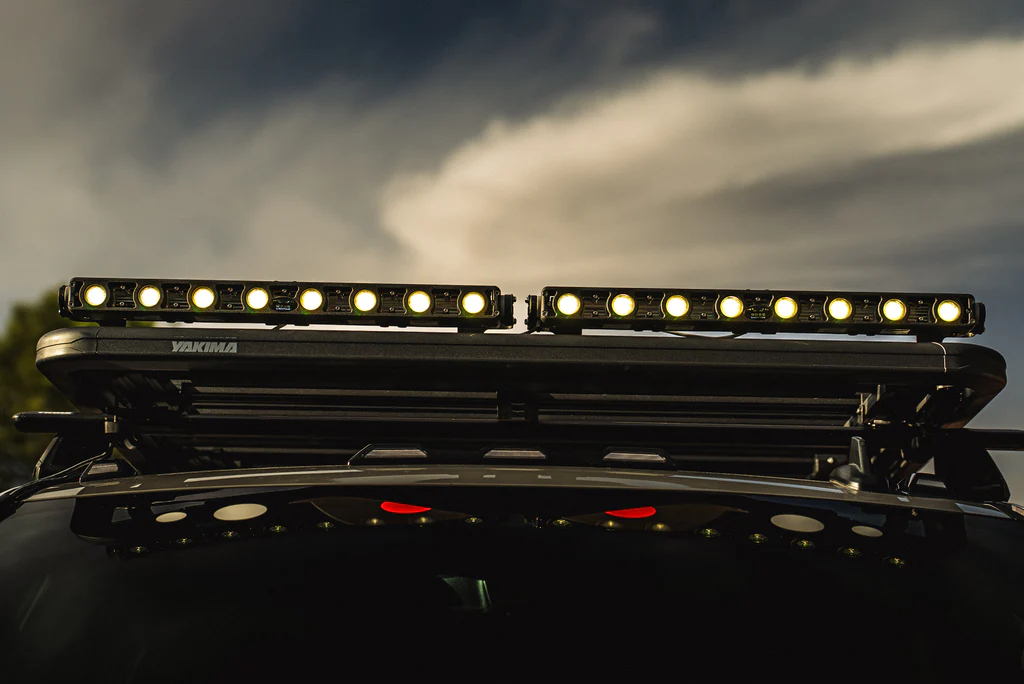
Color temperature plays a subtle but important role in beam quality. Lights that are too blue may appear bright but cause eye strain and wash out detail. Inconsistent color output across the beam can also make terrain harder to interpret.
Boss Lighting focuses on usable color temperatures that balance clarity with comfort. Consistent color across the beam reduces fatigue during long drives and makes shadows easier to read. This contributes directly to better beam quality over extended use.
After hours behind the wheel at night, small details matter. Comfortable light reduces strain and keeps your focus sharp. That’s another area where thoughtful engineering pays off.
Heat, Stability, and Beam Consistency
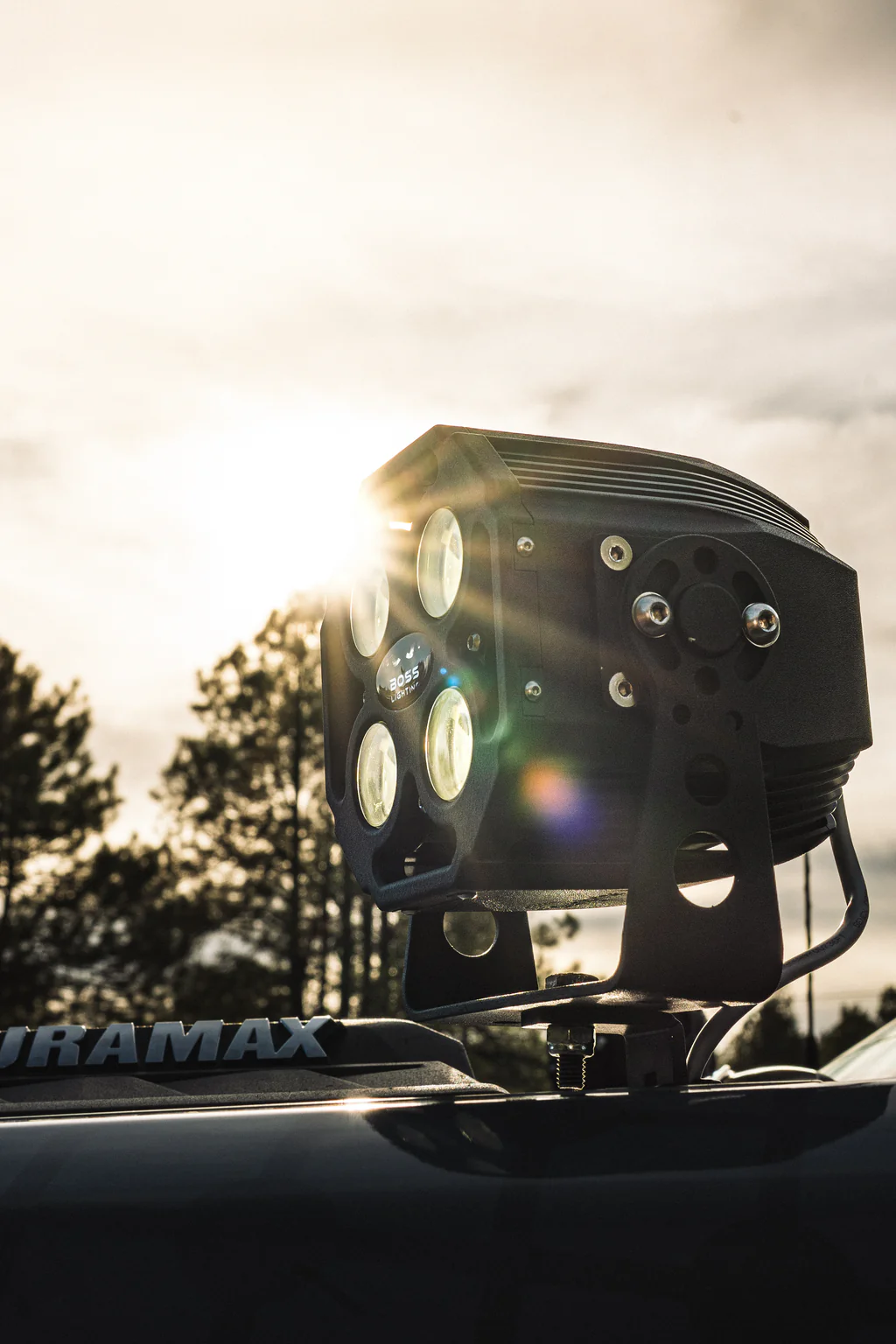
Heat doesn’t just affect brightness—it affects beam quality. As LEDs overheat, output drops and color can shift. This leads to inconsistent illumination, especially during long runs when stability matters most.
Boss Lighting addresses this with patented flow-through cooling that actively manages heat. By maintaining stable operating temperatures, the lights preserve consistent beam quality instead of fading or changing character over time.
I’ve watched lesser lights lose their crisp edges as they warmed up. Boss Lighting’s ability to hold beam shape and intensity reinforces why thermal management is inseparable from beam quality.
Dimming and Beam Control in Real-World Use

Beam quality isn’t static—it should adapt to conditions. Full power isn’t always ideal, especially in dust, snow, or tight trails. Adjustable output allows drivers to tune light levels for clarity rather than brute force.
Boss Lighting integrates full-range dimming into its systems, giving users precise control. Lowering output can reduce glare and improve beam quality in challenging environments, while higher output is available when conditions allow.
Having dimming built into the system changes how you use your lights. Instead of flipping between on and off, you manage beam quality dynamically, which makes nighttime driving more comfortable and effective.
Real-World Scenarios Where Beam Quality Makes the Difference

High-speed desert driving demands smooth transitions and long-range clarity. Poor beam quality creates tunnel vision, while well-shaped beams extend confidence at speed.
In technical crawling, controlled foreground light prevents harsh shadows that hide obstacles. Beam quality helps spot tire placement and trail features without overwhelming the scene.
During overlanding and camp setup, lower-output, evenly distributed light reduces eye strain and preserves night vision. In every scenario, beam quality determines whether lighting helps or hinders the experience.
Setting the Standard: How Boss Lighting Gets Beam Quality Right
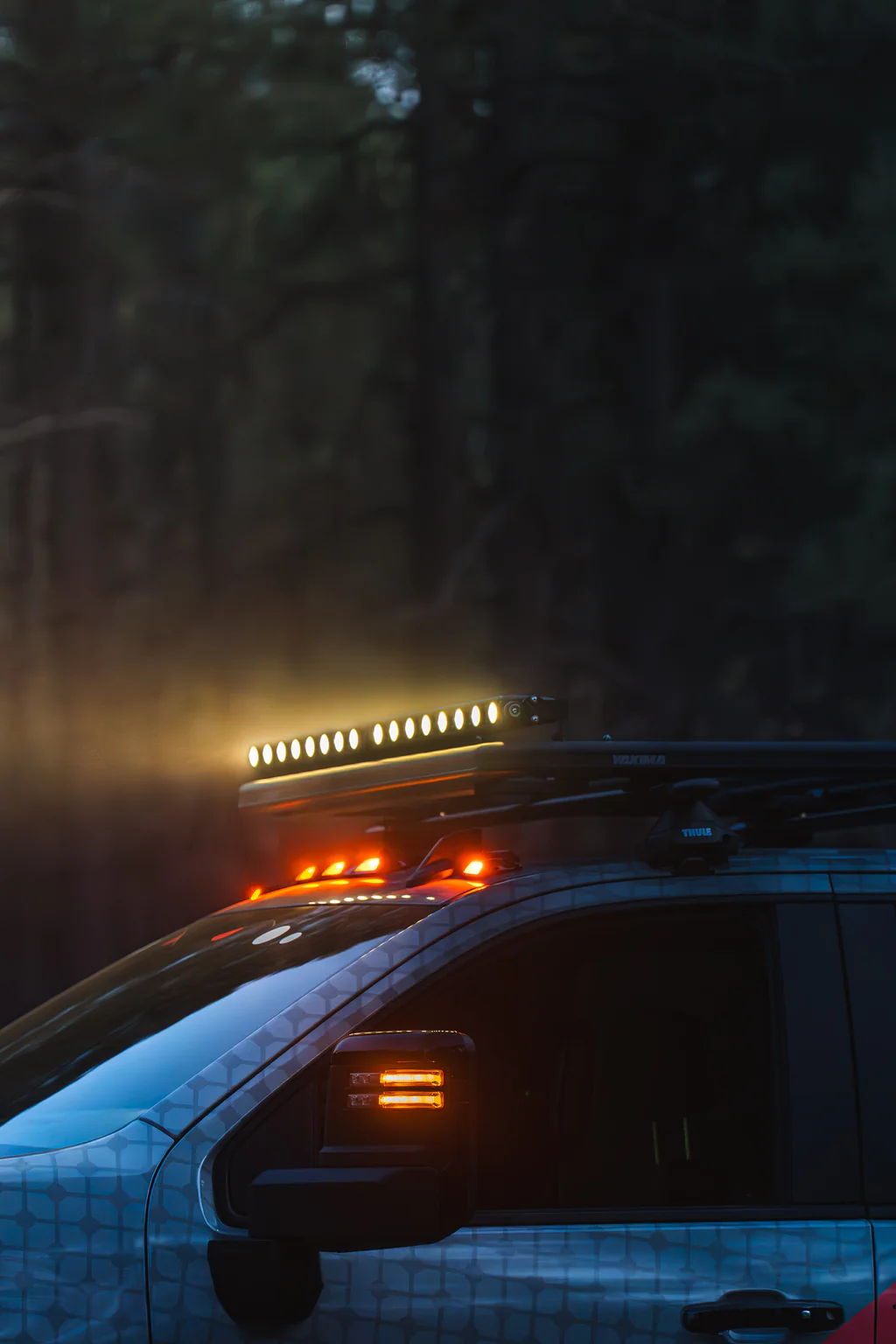
Beam quality is the result of deliberate engineering, not marketing. Boss Lighting approaches illumination as a system, combining optics, cooling, electronics, and control into a cohesive design.
By focusing on usable light, consistent output, and driver comfort, Boss Lighting sets a benchmark that many others fail to meet. Their products demonstrate that beam quality is something you feel on the trail, not just read on a spec sheet.
When lighting improves clarity instead of overwhelming your senses, it becomes a tool rather than a distraction. That’s the difference Boss Lighting delivers.
FAQ
What is beam quality in off-road lighting?
Beam quality refers to how light is shaped, distributed, and controlled. It affects clarity, depth perception, and comfort more than raw brightness.
Why do some lights look bright but perform poorly?
Lights with poor optics scatter light unevenly, creating glare and dark zones. This reduces usable visibility despite high lumen output.
How does beam quality affect safety?
Good beam quality improves terrain reading and reaction time, reducing the risk of mistakes or obstacles going unnoticed.
Is higher lumen output always better?
No. Without proper optics and control, higher lumens can worsen visibility by increasing glare and reducing contrast.
Why does beam consistency matter during long night runs?
Consistent beam quality prevents fatigue and maintains predictable visibility, especially when driving for extended periods.
A quick heads-up: If you snag something through our affiliate links or check out our sponsored content, we might earn a commission at no extra cost to you. But fear not, we’re all about recommending stuff we’re truly stoked about!