



Quick Facts:
- Topic: Identifying poison ivy, poison oak, and poison sumac on the trail
- Golden rule: “Leaves of three, let it be” (poison ivy and poison oak)
- Sumac tell: 7 to 13 smooth leaflets, reddish stems, wet ground only
- Where they grow: Lower 48 states; ivy nearly everywhere, oak on the Pacific Coast and Southeast, sumac in eastern wetlands
- The toxin: Urushiol oil, active in living and dead plants year-round
- Reaction rate: 80 to 90 percent of adults react (CDC)
- After contact: Wash within minutes with soap, water, or a poison-plant wash
- Best for: Campers, hikers, overlanders, and off-roaders
8 min read
In This Guide
- How to Identify Poison Ivy, Oak, and Sumac on the Trail
- Poison Ivy, Oak, and Sumac at a Glance
- How to Identify Poison Ivy by Leaf and Vine
- How to Identify Poison Oak
- How to Identify Poison Sumac
- Harmless Look-Alikes and How to Tell Them Apart
- How These Plants Change Through the Seasons
- Urushiol: How the Oil Spreads to Skin, Gear, and Pets
- Poison Ivy vs. Poison Oak vs. Poison Sumac
- What to Do After Contact at Camp
- Final Word Before You Hit the Trail
- Frequently Asked Questions
How to Identify Poison Ivy, Oak, and Sumac on the Trail
Knowing how to identify poison ivy, poison oak, and poison sumac protects every trip into the backcountry. With summer camping season in full swing, the stakes climb. You push past trailside brush, gather firewood, or run a winch line through scrub, and a few minutes of contact with one oily plant turns into two weeks of blistering rash. This guide hands you the field tells for all three plants, the harmless look-alikes you will pass safely, and the exact steps to take the moment your skin touches one.
I grew up in upstate New York, where poison ivy covered the yard edges, the stone walls, and the tree lines. Mowing the lawn or running a weed-eater along the fence, I caught it nearly twice a month every summer. My skin reacts hard and fast, so a brush against a single leaf raises a rash within a day. Years of itching, however, taught me to spot these plants from across a clearing, and this guide passes those hard-won tells to you.
These three plants grow across nearly every state in the lower 48, so the skill matters whether you camp in a Georgia swamp or air down on a California ridge. Poison ivy alone appears in every state except Alaska and Hawaii, according to the CDC. Strong poison ivy identification keeps you off the wrong end of a rash and out of an urgent-care waiting room.
Picture a dispersed campsite at the edge of an old logging road. Vines climb the trees, shrubs crowd the fire ring, and your dog runs straight through all of it. Reading the plants around camp is a core part of basic camping safety for beginners. Get it right, and you relax. Miss it, and everyone in the group pays for days.
Poison Ivy, Oak, and Sumac at a Glance

Before the deep dive, here is the side-by-side view. Three checks separate these plants from each other and from harmless brush: leaf count, leaf shape, and habitat.
| Feature | Poison Ivy | Poison Oak | Poison Sumac |
|---|---|---|---|
| Leaflets | 3 per leaf | 3 per leaf | 7 to 13 per leaf |
| Leaf shape | Pointed, variable edges | Rounded, oak-like lobes | Smooth oval, no teeth |
| Growth | Hairy vine or low shrub | Shrub or climbing vine | Shrub or small tree |
| Berries | Whitish, waxy | Yellow-white | Ivory-white, drooping |
| Habitat | Almost everywhere | Pacific Coast, Southeast | Wet ground only |
Pack It Before You Go
Zanfel Poison Ivy Wash
A scrub-on wash made to strip urushiol off skin after contact. Stash one in your first aid kit so a brush with the wrong plant never spreads.
How to Identify Poison Ivy by Leaf and Vine
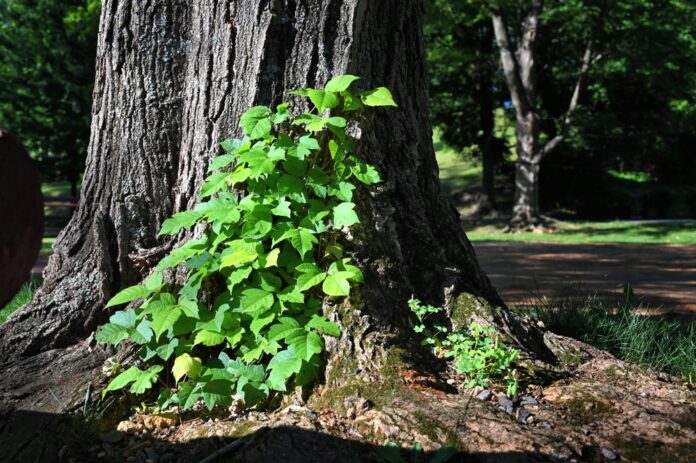
Most hikers first ask what does poison ivy look like, and the answer starts with the leaves. Each poison ivy leaf holds three leaflets, the root of the old rhyme, “Leaves of three, let it be.” The middle leaflet sits on a longer stem than the two side leaflets, a tell you will use again and again. Leaflets run 2 to 6 inches long, with edges ranging from smooth to wavy to toothed. New leaves emerge shiny and often reddish, then settle into a dull green.
Growth habit splits by region. Eastern poison ivy climbs as a hairy, ropelike vine, with fuzzy aerial roots gripping the bark. Western poison ivy stays low as a shrub and skips the climbing vine entirely. Those hairy vines hold urushiol year-round, so even a bare winter vine raises a rash. In late summer, clusters of whitish, waxy berries hang from the stems.
For quick poison ivy identification, count the leaflets first, then check the vine for hair. Because the leaf edges vary so much, the three-leaflet pattern and the longer center stem matter more than any single leaf outline. Notice also how leaves alternate along the stem rather than sitting in matched pairs.
How to Identify Poison Oak
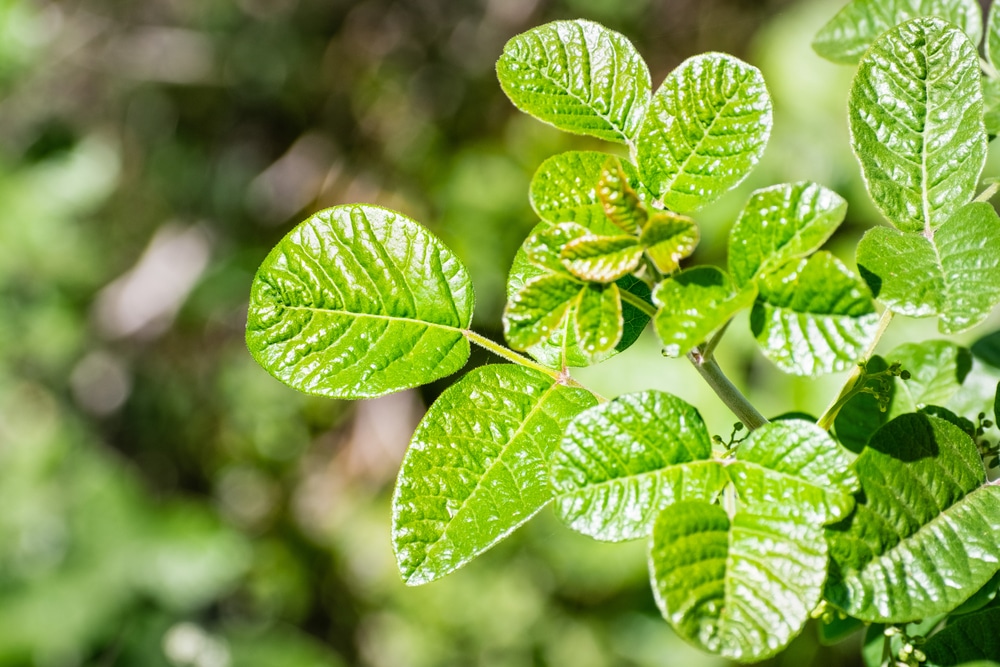
If you travel west, you will want to know what does poison oak look like, since it rules the Pacific Coast. The fastest way to identify poison oak is the leaf shape: three leaflets with rounded, lobed edges, each one mimicking a small oak leaf. Pacific poison oak covers California, western Oregon, and Washington, while Atlantic poison oak grows across the Southeast.
Both species keep the three-leaflet pattern of poison ivy, so leaf count alone will not separate them. Look instead at shape and surface. Poison oak leaflets carry rounded lobes, and Atlantic poison oak often wears a coat of fine hair on the leaves. Knowing how to identify poison oak comes down to pairing the oak-leaf outline with the cluster of three.
Growth form shifts with the species. Atlantic poison oak stays an upright shrub near 3 feet tall in dry, sunny ground. Pacific poison oak ranges wider, from a low shrub to a woody vine climbing more than 100 feet up a trunk. By late season, the berries turn a dull yellow-white, smaller and paler than the red fruit on harmless shrubs.
How to Identify Poison Sumac
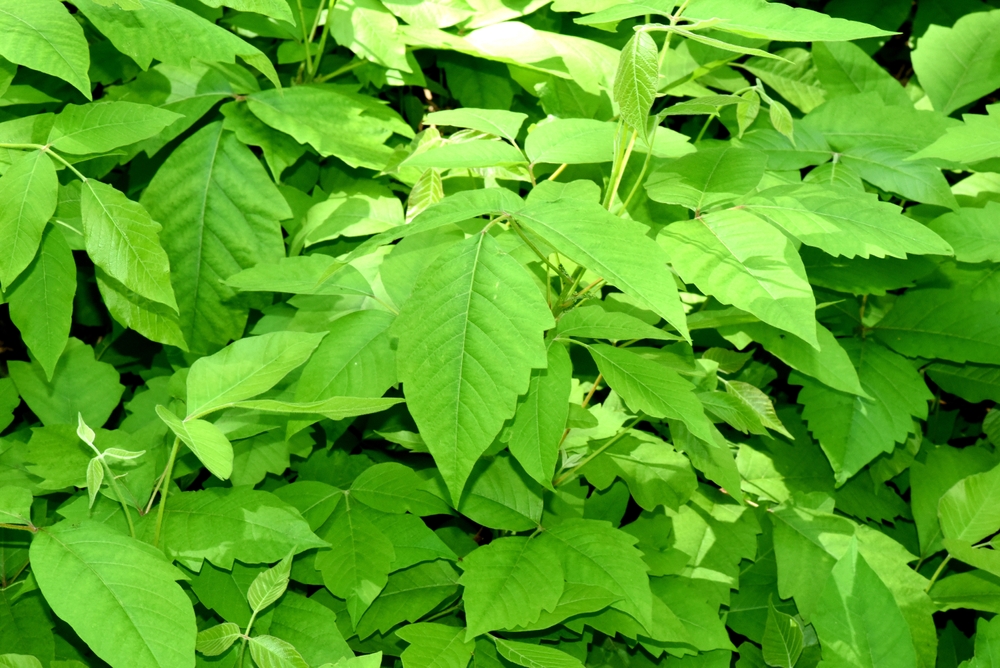
Poison sumac breaks the leaves-of-three rule entirely. Each stem carries 7 to 13 smooth-edged leaflets arranged in pairs, with one leaflet at the tip. Reddish stems connect the leaflets, the single best field tell. The leaflets stay smooth and oval, 2 to 4 inches long, with no teeth and no hair.
Habitat narrows your search fast. Poison sumac grows only in wet ground: swamps, bogs, and flooded woods across the Northeast, Midwest, and Southeast. If the soil under the plant is dry, the shrub in front of you is not poison sumac. So knowing how to identify poison sumac comes down to two things together, wet feet and pale berries.
The berries seal the call. Poison sumac drops loose, drooping clusters of ivory-white fruit, hanging between the leaves and the branch. Harmless sumacs, by contrast, hold upright clusters of fuzzy red berries at the branch tips and grow on dry uplands. Where the berries droop and turn pale in a wetland, give the plant a wide berth.
Harmless Look-Alikes and How to Tell Them Apart
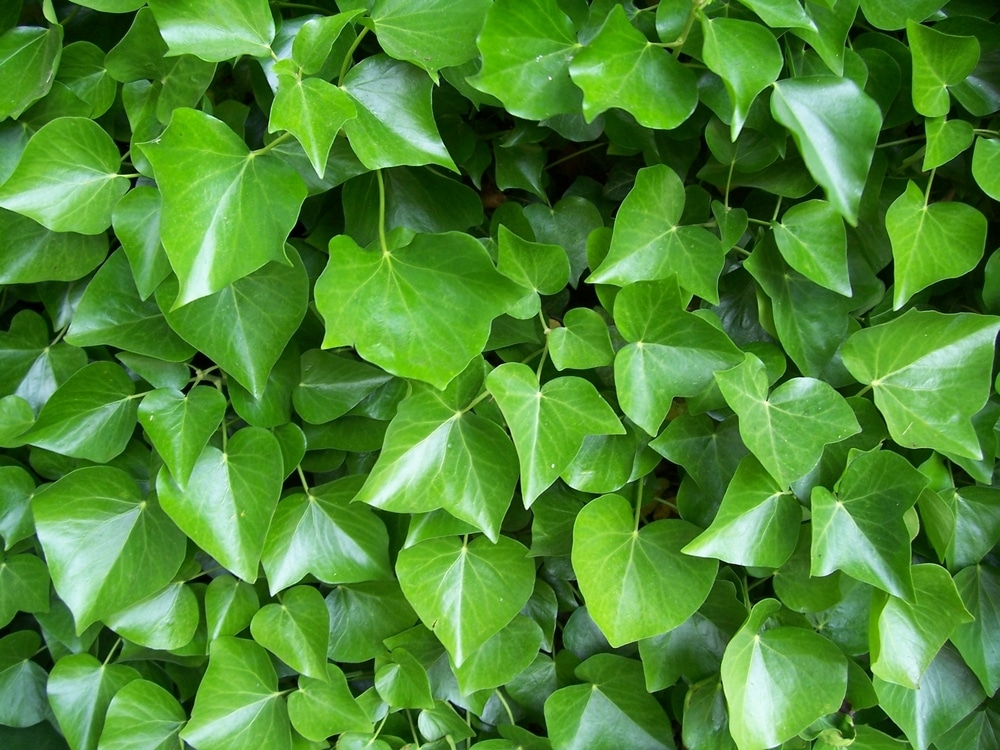
Several harmless plants share a poison-plant look, and learning them saves needless worry. Virginia creeper spreads five leaflets like an open hand, not three, and ripens dark blue-black berries instead of pale ones. Because the five-leaflet count is so clear, this vine is one of the easiest to clear from suspicion.
Boxelder seedlings throw people off too. Young boxelder carries three to five toothed leaflets, yet its leaves sit opposite each other on the stem, while poison ivy leaves alternate. Fragrant sumac and skunkbush sumac both grow three-leaflet leaves, though their red berries separate them from poison oak’s pale fruit. Trailheads like these Arizona day hikes put you beside all of these plants, so a few seconds of leaf-counting pays off.
Be Ready at Camp
Wash the Oil Off Fast
Zanfel lifts and rinses urushiol off skin after contact at camp. One tube lives in the kit and saves the whole trip.
How These Plants Change Through the Seasons
These plants shift color and form through the year, so a summer-only eye leaves gaps in spring and winter. New poison ivy and poison oak leaves emerge reddish and shiny in spring, deepen to green through summer, then flare yellow, orange, and red in fall. Because the fall color draws the eye, autumn hikers often reach toward the brightest leaves and regret it.
Winter hides the easy clues but not the danger. Bare vines still carry urushiol in their hairy roots, so a leafless rope clinging to a tree trunk still earns respect. Berries linger into late season on all three plants, and poison sumac’s pale clusters often hold through winter, which helps when the leaves drop. Therefore the rule holds year-round: when unsure, keep your hands and gear off it.
Urushiol: How the Oil Spreads to Skin, Gear, and Pets
Every part of poison ivy, oak, and sumac holds urushiol, the oily resin behind the rash. The oil sits in leaves, stems, roots, and berries, active in living and dead plants alike. An amount smaller than a grain of salt triggers a rash in 80 to 90 percent of adults, according to the CDC. Most people feel nothing on first contact, then grow more sensitive with each later exposure.
Urushiol spreads by touch, and not only direct touch. The oil clings to recovery straps, gloves, boots, tent poles, and dog fur, then transfers to your skin hours later. It survives on gear for up to five years, per the CDC, so an unwashed jacket reinfects you a season later. Pets rarely react themselves, yet their coats ferry the oil straight to your hands.
One rule outranks all the others: never burn these plants. Fire lofts urushiol into the smoke, and breathing it inflames the lungs and airway, a true medical emergency. Skip dead vines as fire-starter for the same reason. A well-stocked rig and a clear plan, the kind covered in our dispersed camping guide, keep poison plants out of the fire ring.
Poison Ivy vs. Poison Oak vs. Poison Sumac
Telling the three apart comes down to three quick checks: leaf count, leaf shape, and habitat. Poison ivy and poison oak both show three leaflets, while poison sumac shows 7 to 13. Between ivy and oak, shape decides it, since pointed or variable leaflets mean ivy and rounded oak-like lobes mean oak. Habitat settles sumac instantly, because only poison sumac grows in standing water and wet bog soil.
In addition, region narrows it further. Expect poison ivy almost anywhere in the lower 48, poison oak on the Pacific Coast and across the Southeast, and poison sumac in eastern wetlands. Learning how to identify poison oak and poison ivy together covers most of the country, while sumac matters most for anyone camping near swamps and bogs.
What to Do After Contact at Camp
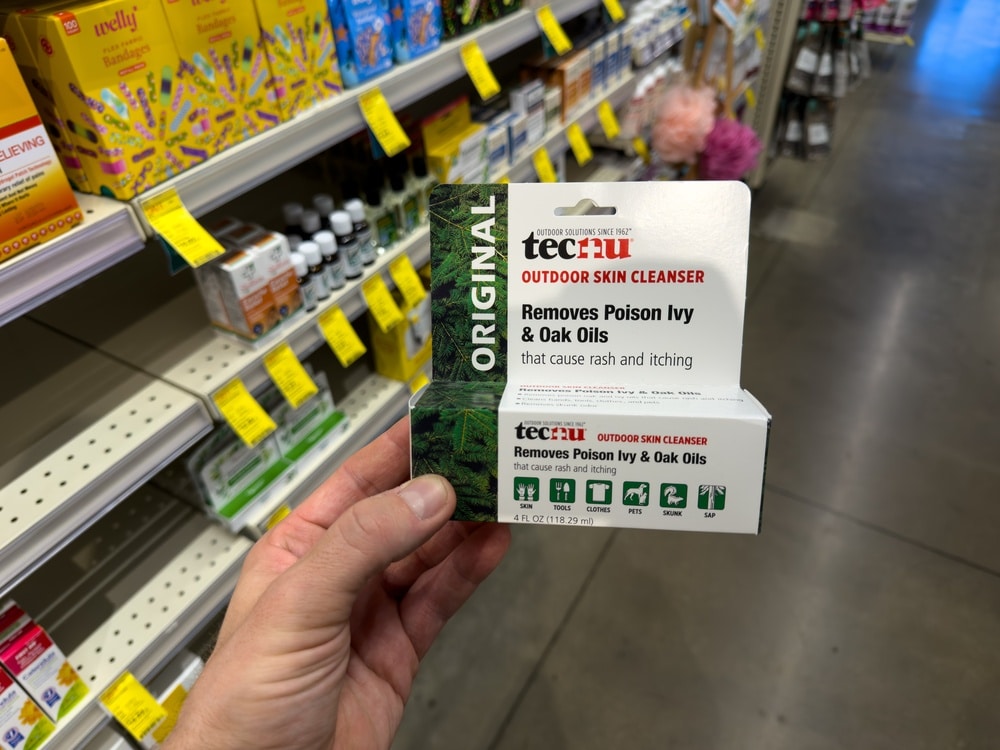
Speed decides how bad the rash gets. The U.S. Forest Service field guidance says clean the skin within about 10 minutes, using rubbing alcohol followed by lots of cool water. Broader advice from the FDA and Poison Control says wash with soap and water as soon as possible, because sooner removes more oil before it binds to skin. Either way, scrub under your nails and rinse often so the oil does not resettle.
Specialized poison-plant washes pull urushiol off more aggressively than a quick rinse. Zanfel is one popular option: you work it into wet skin, then rinse the loosened oil away. Pack it where you stash your first aid supplies, alongside the items in our essential camping gear checklist.
Next, after the skin, handle everything the oil touched. Wash exposed clothing separately in hot water, and wipe down tools, boots, and straps with rubbing alcohol. For a rash already underway, cool compresses, colloidal oatmeal baths, calamine lotion, and 1 percent hydrocortisone ease the itch. See a doctor for a rash on the face or eyes, coverage over a quarter of the body, or any trouble breathing.
Final Word Before You Hit the Trail
Reading these three plants ranks among the core trail skills, on par with airing down or rigging a recovery. Poison ivy and poison oak both follow the leaves-of-three rule, poison sumac runs 7 to 13 leaflets in wet ground, and urushiol from any of them clings to gear for years. Master the leaf count, the leaf shape, and the habitat, and you will handle nearly every encounter without a second thought.
Identification is never foolproof. Hybrids, odd leaf forms, and bare winter vines fool even seasoned campers, so when a plant stumps you, treat it as toxic and keep your distance. A wrong guess costs you two weeks; a cautious skip costs you nothing.
The cheapest insurance is preparation. Long sleeves, gloves for handling firewood, and a urushiol wash in the kit cost little against the misery of a spreading rash. Spend the few dollars and the few seconds, and the trail stays fun.
If you remember one thing, remember the rhyme and the wash. Spot the leaves, keep your skin covered, and carry a poison-plant wash like Zanfel or Tecnu so a slip on the trail never turns into a ruined week home.
Ready to Buy?
Check Today’s Price on Zanfel
Toss one tube in the first aid kit before your next trip. It scrubs urushiol off skin after contact, which makes it cheap insurance against a wrecked week.
Frequently Asked Questions
What does poison ivy look like up close?
Look for three leaflets on each leaf, with the middle leaflet on a longer stem than the two beside it. The leaflets run 2 to 6 inches long with smooth, wavy, or toothed edges, and new growth looks shiny. On vines, watch for the fuzzy, ropelike aerial roots gripping the bark.
Do dogs get poison ivy?
Dogs rarely react to urushiol themselves, yet the oil clings to their fur and transfers to your hands when you pet them. After a hike through brush, rinse your dog with soap and water while wearing gloves. Doing so removes the oil before it reaches your skin or the inside of your rig.
Is poison oak contagious?
No. The rash itself does not spread from person to person, and the fluid inside the blisters holds no urushiol, according to the CDC and the American Academy of Dermatology. Apparent spreading comes from leftover oil on skin, nails, clothing, or gear. Once you wash the oil off every surface, no new rash appears.
What does poison oak look like in different regions?
Pacific poison oak across California, Oregon, and Washington grows rounded, lobed leaflets in threes on a shrub or climbing vine. Atlantic poison oak in the Southeast looks similar but stays a low shrub, often with fine hair on the leaves. Both keep the three-leaflet pattern and pale berries.
How many leaflets does poison oak have?
Poison oak leaves almost always hold three leaflets, the same count as poison ivy. Some forms show more, yet three is the reliable number to expect in the field. Pair the three-leaflet cluster with the rounded, oak-like lobes for a confident call.
What is the difference between poison sumac and harmless sumac?
Poison sumac grows only in wet ground and drops loose, drooping clusters of ivory-white berries between its leaves. Harmless sumacs grow on dry uplands and hold upright clusters of fuzzy red berries at the branch tips. Habitat plus berry color tells them apart every time.