


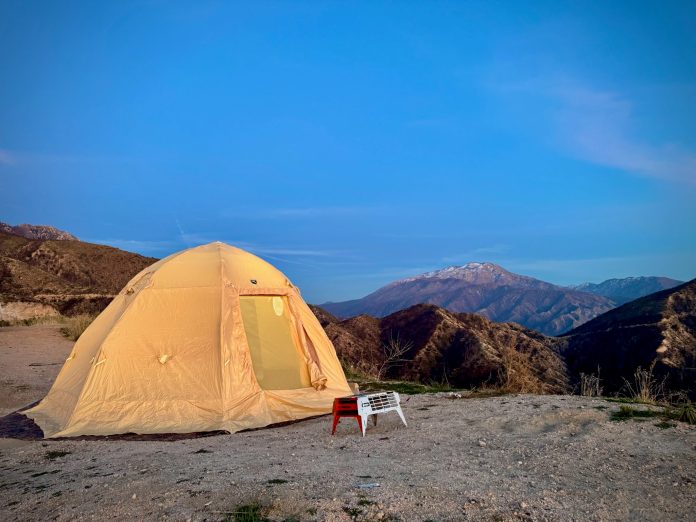

Condensation is one of those camping problems that sneaks up on you. The forecast looks clear, the tent goes up without a hitch, and everything feels dialed in until you wake up to damp walls, a wet sleeping bag, and gear that feels clammy no matter how well it was packed. Tent condensation does not just affect comfort. Over time, it can impact sleep quality, gear performance, and even safety in colder conditions.
What makes tent condensation especially frustrating is that it can happen in almost any season. Cold winter nights, cool spring mornings, humid summer evenings, and rainy fall weekends all create conditions where moisture builds up inside a tent. Managing tent condensation is not about avoiding certain trips. It is about understanding airflow, temperature, and tent design so moisture never gains the upper hand.
Tents designed for all-season use, like the PF Bereg UP-5, show how thoughtful engineering can dramatically reduce condensation without relying on constant vent adjustments or compromised weather protection. By combining smart ventilation, durable materials, and usable interior volume, these tents make all-season comfort far more achievable.
Table of Contents
- Why Tent Condensation Happens
- Ventilation as the Foundation for Reducing Tent Condensation
- How Interior Space Affects Tent Condensation
- Fabric and Construction Choices That Limit Moisture
- Managing Tent Condensation in All Seasons
- Real-World Condensation Management with the PF Bereg UP-5
- Staying Dry and Comfortable Night After Night
Why Tent Condensation Happens

Tent condensation forms when warm, moist air meets a cooler surface and releases water droplets. Inside a tent, that moisture usually comes from breathing, damp clothing, cooking, or even wet ground beneath the floor. When outside temperatures drop, the tent walls cool faster than the air inside, creating the perfect environment for condensation.
This process happens regardless of how dry the weather feels. Even in cold conditions, exhaled breath carries moisture that builds up overnight. In warmer seasons, humidity amplifies the problem, making tent condensation almost unavoidable without proper airflow.
Understanding this process helps explain why simply buying a thicker or more weatherproof tent does not solve the issue. In fact, tightly sealed tents without adequate ventilation often trap moisture inside. Tents like the PF Bereg UP-5 address this balance by allowing moisture to escape while still maintaining protection from wind, rain, and snow.
Ventilation as the Foundation for Reducing Tent Condensation

Ventilation is the single most important factor in controlling tent condensation. Proper airflow allows warm, moist air to exit the tent before it can settle on interior surfaces. Without it, even the best materials struggle to stay dry.
The PF Bereg UP-5 uses multiple ventilation points positioned to promote consistent airflow without creating uncomfortable drafts. This design allows moisture to rise and escape naturally, which is especially effective during cold-weather camping when opening doors or windows is not practical.
Good ventilation also reduces reliance on constant adjustments. Instead of waking up to manage vents throughout the night, campers can trust the tent’s design to handle moisture passively. This makes a noticeable difference during long trips or when camping in unpredictable weather.
Another benefit of well-designed ventilation is improved air quality. Reduced tent condensation often means fresher air, fewer odors, and a more pleasant sleeping environment overall.
How Interior Space Affects Tent Condensation
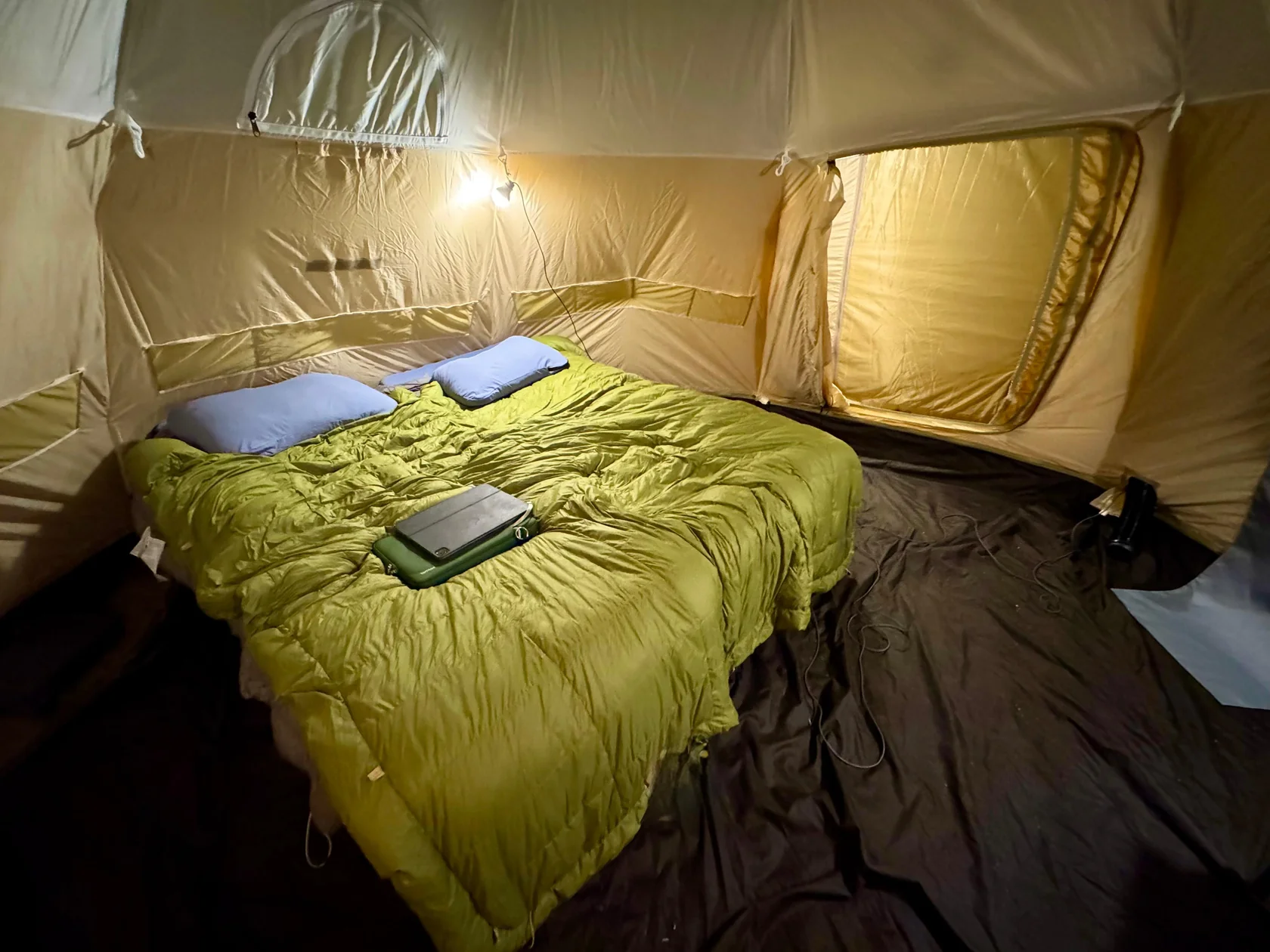
Interior volume plays a bigger role in tent condensation than many campers realize. Smaller tents concentrate moisture quickly, especially when occupied by multiple people. The less air space available, the faster humidity levels rise.
The PF Bereg UP-5 offers generous interior space, which helps disperse moisture rather than allowing it to accumulate on the walls. This extra volume creates a buffer between sleepers and tent fabric, reducing contact with condensation even when moisture does form.
Higher ceilings also allow warm air to rise naturally, carrying moisture upward toward ventilation points. In low-profile tents, that same moisture settles directly on sidewalls and ceilings, increasing the likelihood of dripping or damp gear.
From personal experience, having room to move, change clothes, and store gear away from tent walls significantly reduces how disruptive tent condensation feels, even on damp nights.
Fabric and Construction Choices That Limit Moisture

Tent materials influence how condensation behaves once it forms. Breathable fabrics allow moisture vapor to escape more easily, while overly rigid or impermeable materials trap it inside.
The PF Bereg UP-5 uses materials selected to balance durability and breathability. While built for harsh weather, the tent avoids the plastic-like feel that often worsens tent condensation in fully sealed designs.
Construction details matter just as much as fabric choice. Reinforced seams, properly placed vents, and consistent tension across the tent body prevent sagging, which can cause condensation to pool and drip.
Over time, these design elements reduce the wear caused by repeated moisture exposure, helping the tent maintain performance across multiple seasons.
Managing Tent Condensation in All Seasons

Tent condensation behaves differently depending on the season. In winter, the contrast between warm interior air and freezing exterior temperatures accelerates moisture buildup. In summer, humidity and stagnant air create a different challenge.
All-season tents like the PF Bereg UP-5 adapt well across these conditions. Adjustable ventilation allows campers to fine-tune airflow without sacrificing warmth or weather protection, which is critical when camping year-round.
In colder months, controlled ventilation prevents frost buildup inside the tent. In warmer weather, increased airflow reduces that heavy, damp feeling that often accompanies humid nights.
This flexibility is what makes managing tent condensation realistic rather than a constant compromise between comfort and protection.
Real-World Condensation Management with the PF Bereg UP-5
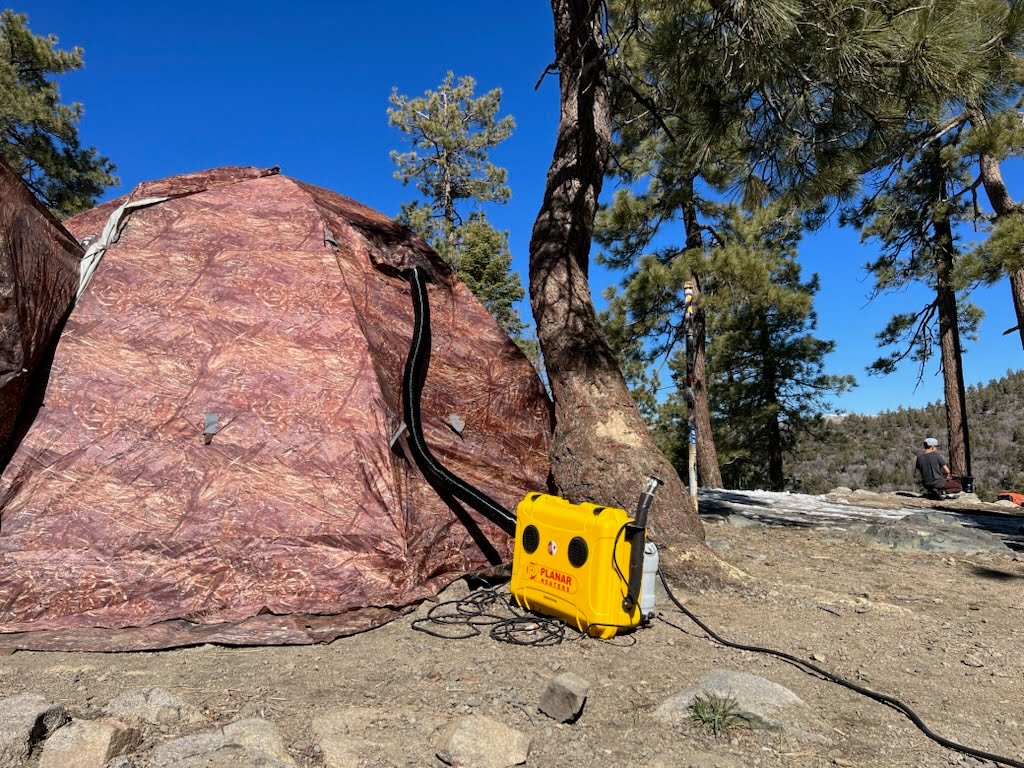
In real-world use, the PF Bereg UP-5 demonstrates how design translates into comfort. During multi-day trips, consistent airflow prevents moisture from accumulating night after night, which is a common issue with less ventilated tents.
Cooking inside or near the tent, drying damp clothing, and housing multiple occupants all increase humidity. The UP-5’s ventilation system handles these scenarios better than most, keeping tent condensation manageable even during extended stays.
The ability to stand inside the tent also helps with moisture control. Changing clothes without brushing against walls reduces the transfer of moisture to sleeping gear and fabric surfaces.
These details add up, especially for campers who prioritize comfort alongside durability.
Staying Dry and Comfortable Night After Night
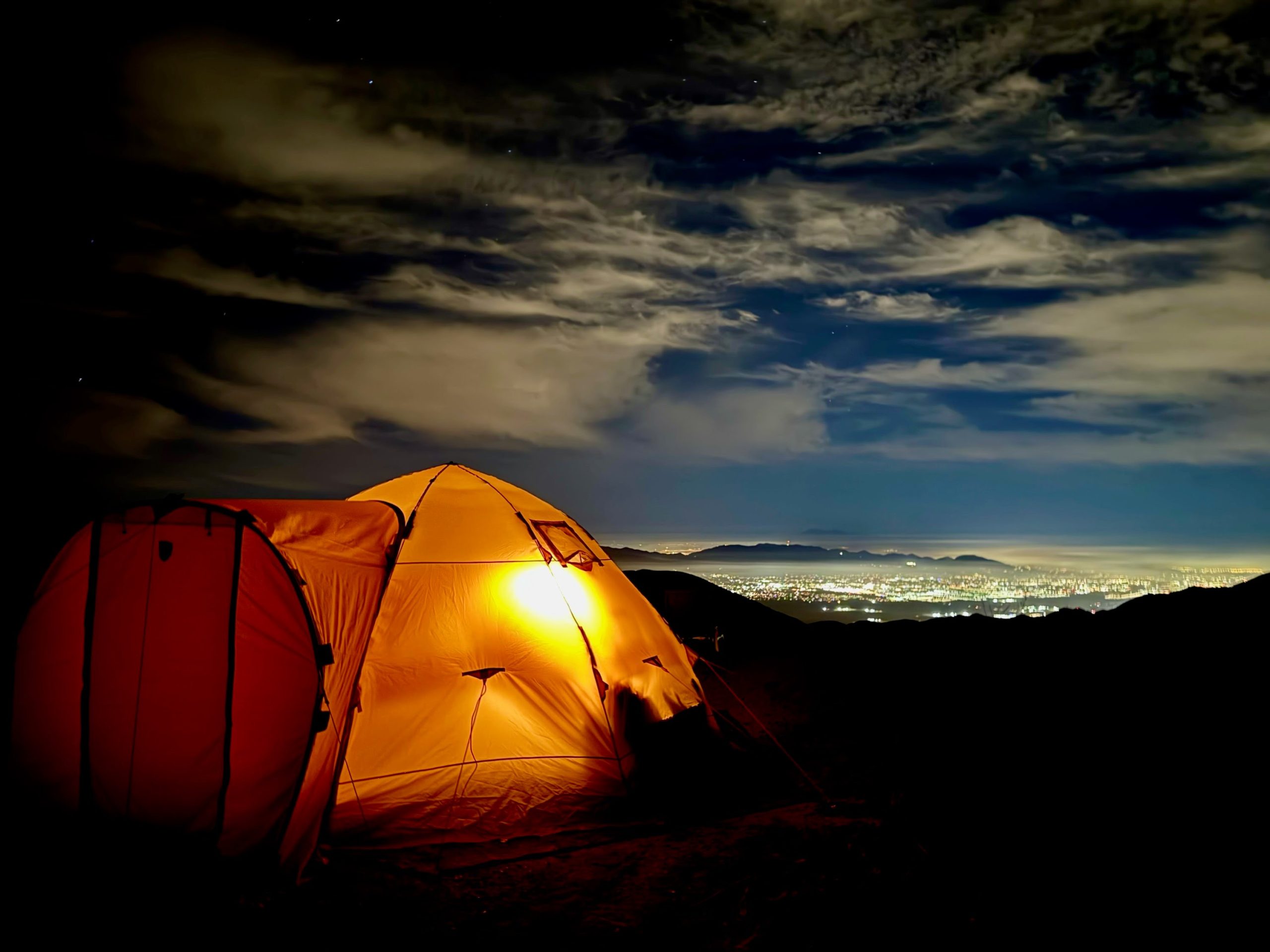
Reducing tent condensation is not about eliminating moisture entirely. It is about controlling it well enough that it does not affect sleep, gear, or morale. The right tent makes this process easier rather than something you constantly have to manage.
The PF Bereg UP-5 shows how ventilation, interior volume, and thoughtful construction work together to support all-season comfort. Instead of fighting condensation, campers can focus on rest and recovery.
When nights stay dry and gear remains usable, trips feel longer in the best possible way. Comfort becomes consistent, even when conditions change.
That reliability is what transforms tent condensation from a persistent problem into a manageable part of camping life.
Frequently Asked Questions
What causes tent condensation most often?
Tent condensation is usually caused by moisture from breathing, damp gear, or cooking coming into contact with cooler tent surfaces.
Can a four-season tent still have condensation?
Yes, but well-designed four-season tents manage airflow better, making tent condensation easier to control.
Does ventilation really help in cold weather?
Proper ventilation is essential in cold weather because it allows moisture to escape without significantly lowering interior temperature.
How does the PF Bereg UP-5 reduce tent condensation?
It uses multiple ventilation points, generous interior volume, and breathable materials to promote airflow and reduce moisture buildup.
Is condensation dangerous?
In cold conditions, excessive condensation can lead to damp insulation and increased risk of hypothermia if not managed properly.
Friendly disclaimer: Our articles may contain affiliate links that support us without costing you more, and sometimes we spice things up with sponsored content—but only for products we truly stand behind!