


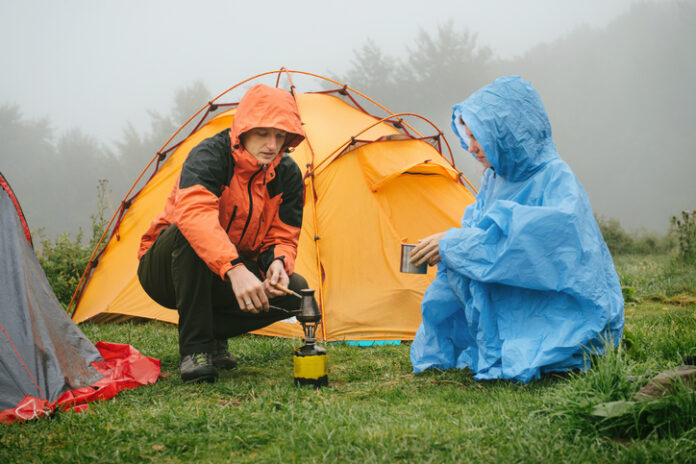

I’ve camped and overlanded most of my life, and I’ve been rained on in every rig I’ve owned. I started in a tent, moved up to a bumper pull trailer, and later bought a fifth wheel. I’ve tried plenty of other camp setups along the way, too. I’m not a full-timer, but I’ve spent more than my share of time on the road, so I know what a lot of camping each month looks and feels like.
Over those years, I’ve learned the best trips rarely follow the plan. Storms close roads, drives run long, and campsites turn out worse than the photos. In this article, I’ll explain how to approach overlanding in bad weather with the right mindset and setup, and I’ll use the Kimbo 6 as an example of a compact rig built for rough days.
Quick Facts:
- Topic: Overlanding in bad weather and accepting imperfect trips
- Best for: Overlanders planning longer trips in unpredictable seasons
- Featured rig: Kimbo 6 hard-side camper
- Kimbo 6 dry weight: 830 lbs base, up to 1,200 lbs configured
- Kimbo 6 truck fit: 5 to 8 foot beds, midsize to full-size trucks
- Kimbo 6 price: From $27,990, with a 2-year warranty
8 min read
In This Guide
- Overlanding in Bad Weather Starts With Expectations
- Why Imperfect Trips Make the Best Stories
- Kimbo 6 Key Specs
- Handling Rain, Wind, and Cold on the Road
- Getting Through Long Travel Days
- How a Compact Camper Helps in Bad Weather
- Mindset Habits for Overlanding in Bad Weather
- A Simple Plan for Bad-Weather Days
- Final Verdict
- Frequently Asked Questions
Overlanding in Bad Weather Starts With Expectations

Overlanding in bad weather isn’t a failure of planning. It’s a normal part of travel. Anyone who spends weeks outdoors will meet rain, wind, cold snaps, and long gray afternoons.
Most frustration comes from the gap between the trip you imagined and the trip you got. Social media shows golden sunsets and empty roads. Real travel includes wet boots, muddy floors, and a campsite you picked at dusk.
Experienced overlanders close this gap early. They expect some bad days, and they plan for them in advance, from gear choices to daily mileage. As a result, a storm becomes an event to manage, not a ruined vacation.
This approach has two parts. The first is practical, covering gear, layout, and routines. The second is mental, covering how you react when plans fall apart. Both matter, and each supports the other.
Why Imperfect Trips Make the Best Stories

Ask any veteran traveler about a favorite trip, and the story rarely involves perfect weather. It usually involves a flat tire, a flooded road, or a night spent waiting out a storm.
Also, imperfect trips stick in memory because they test you. For example, you solve problems, meet helpful strangers, and learn how your gear performs. Smooth trips blur together, but hard ones stay vivid for years.
Difficulty also builds confidence. Once you’ve handled one storm well, the next one feels smaller. Eventually, you stop fearing bad weather and start planning around it.
This view matches the slower, more flexible style we’ve covered before. Travelers who drop rigid schedules cope with delays better, since nothing forces them to push through a storm. Our guide to setting up a truck camper for multi-week trips shows how to build this flexibility into your routine.
Kimbo 6 Key Specs
| Spec | Kimbo 6 |
|---|---|
| Starting price | From $27,990 |
| Dry weight | 830 lbs (about 1,200 lbs configured) |
| Truck fit | 5 to 8 foot beds, midsize to full-size trucks |
| Insulation | R5 |
| Solar | 120W |
| Fresh water tank | 2.9 gallons |
| Interior height | 75 inches |
| Optional upgrades | Dickinson heater, Dometic 44L fridge, lithium battery (2,074Wh) |
| Warranty | 2 years |
A Dry Place When Weather Turns
See the Kimbo 6 Truck Camper
A lightweight hard-side shell with R5 insulation, a kitchen, and a bed ready the moment you park.
Handling Rain, Wind, and Cold on the Road

Rain is the most common problem, and mud follows it. First, set up an entry routine before the first storm. Leave wet boots and jackets in one spot, and keep a towel by the door. As a result, moisture stays out of your sleeping space.
Wind needs a different response. Instead, park with your camper’s nose or tail facing the gusts, and avoid sites under dead branches. If a storm builds overnight, move to a more sheltered spot before dark, since night moves are harder and riskier.
Cold calls for planning more than gear. For instance, dress in layers, eat hot meals, and keep a thermos ready for the morning. A warm start changes your outlook on a gray day. In addition, a small heater makes the camper a refuge instead of a cooler.
Also, check the forecast every evening and again before you leave camp. Mountain weather shifts fast, and a clear morning sometimes turns dangerous by afternoon. When conditions look bad, wait a day. No route is worth a risky drive.
Getting Through Long Travel Days
Long days wear people down faster than storms do. Hours behind the wheel, a late arrival, and a hard camp setup stack up quickly, so small problems grow. Frustration then spills into every decision.
First, set a realistic daily limit. Many travelers find six hours of driving is plenty, while longer days cost them the next morning. Build in breaks every two hours, and eat before you feel hungry.
Arrival matters too. Therefore, aim to reach camp with daylight to spare, because setting up in the dark raises stress. Choose a backup site before you leave, so a full campground doesn’t force a late scramble.
Your rig also shapes how long days feel. A camper needing ten minutes of setup turns a late arrival into a minor event. In contrast, a rig needing an hour of leveling and hookups turns the same arrival into a chore.
How a Compact Camper Helps in Bad Weather
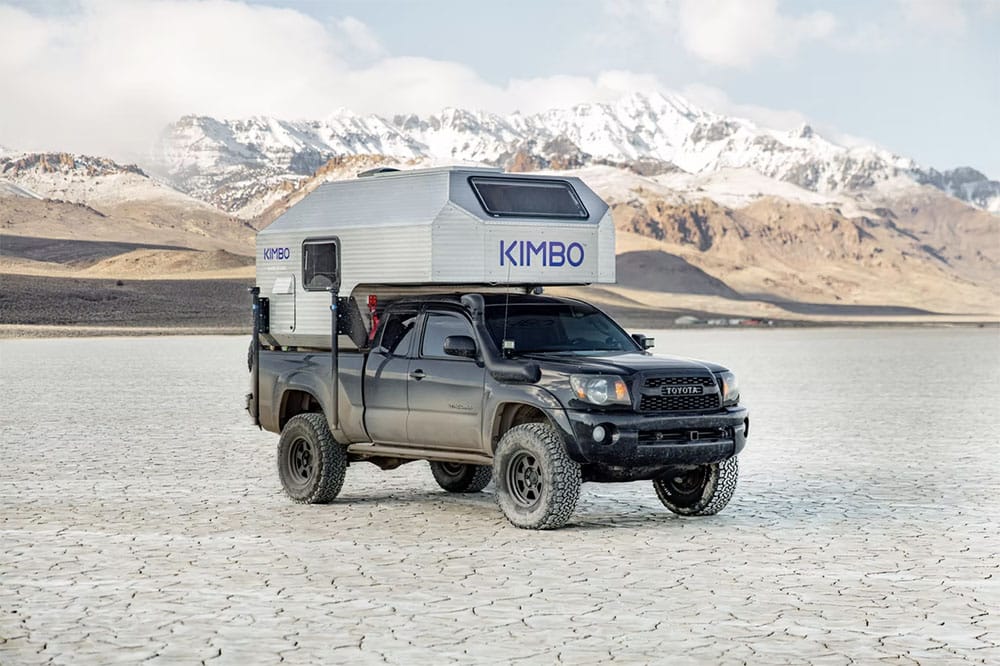
A compact hard-side camper gives you a dry, quick shelter, and the Kimbo 6 truck camper is a clear example. The Kimbo 6 is a hand-riveted aluminum shell weighing 830 pounds dry. Because there’s no roof to raise and no canvas to latch, you park, step inside, and the storm is outside.
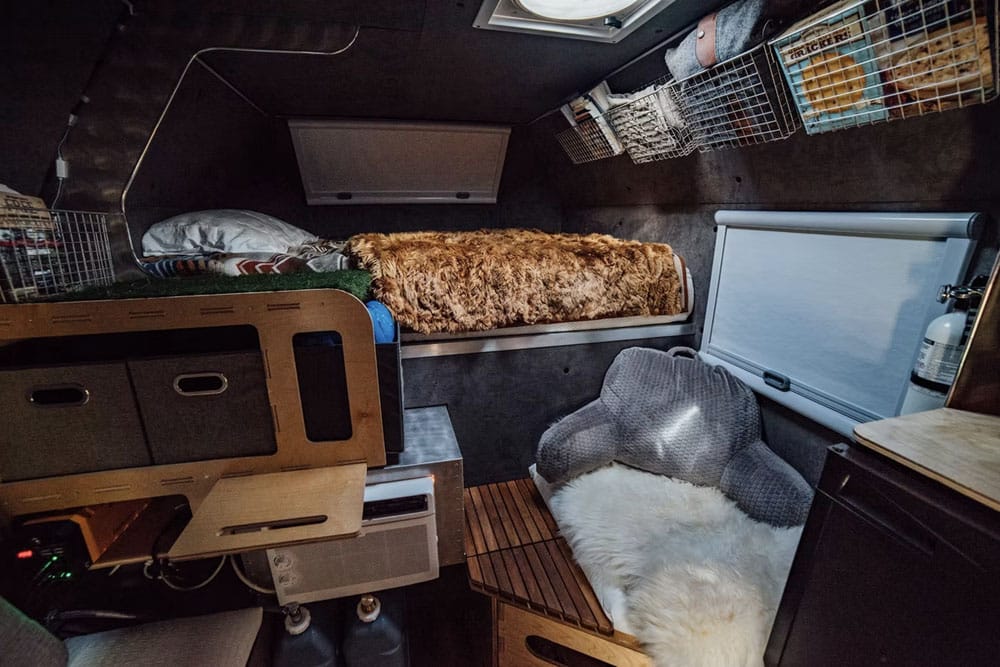
Specifically, R5 insulation and double-pane windows keep the interior steadier in cold or heat. The 75 inch interior height lets you stand up, change wet clothes, and cook without crouching. Those details matter most when rain keeps you inside for a full afternoon.
Power helps as well. A 120W solar setup keeps lights and devices running, while the optional lithium upgrade offers 2,074Wh for longer storms. Meanwhile, owners planning winter travel often add the optional Dickinson heater. For a deeper look at the layout, see our inside look at the Kimbo 6.
It’s one option among several worth cross-shopping. However, its light weight and quick setup suit travelers who expect rough days and want a calm place to wait them out.
Built for Rough Days
Check Kimbo 6 Pricing
A frameless aluminum shell, R5 insulation, and a simple interior, starting at $27,990.
Mindset Habits for Overlanding in Bad Weather
Gear only goes so far, since your attitude decides whether a storm feels like a threat or an adventure.
First, name the problem without drama. “It’s raining, and we’re staying put” is a plan. Complaining adds nothing. Next, shrink your goals. On a bad day, a good meal, a dry bed, and a short walk count as wins.
Third, keep small comforts on hand. For example, a deck of cards, a good book, and a favorite snack turn forced downtime into rest. Many overlanders save a special meal for storm days, which gives the weather a silver lining.
Finally, share the load. If you travel with a partner, agree on a signal for when either of you needs a break. Short, honest check-ins prevent small irritations from becoming arguments. Also, split chores during storms, so one person cooks while the other handles the camper. Shared tasks make bad weather feel like teamwork.
A Simple Plan for Bad-Weather Days
Having a routine removes guesswork when conditions turn. Use this short checklist as a starting point:
- Check the forecast each evening and again before leaving camp.
- Choose a backup campsite before each long drive.
- Keep fuel above half a tank and water topped up.
- Store a hot meal option you can cook in ten minutes.
- Keep one dry layer packed and ready at all times.
- Decide in advance when you’ll wait out a storm instead of driving.
Print the list or save it on your phone. Review it at the start of every trip. After a few outings, it becomes second nature. You’ll also learn which items matter most for your own style of travel.
Final Verdict
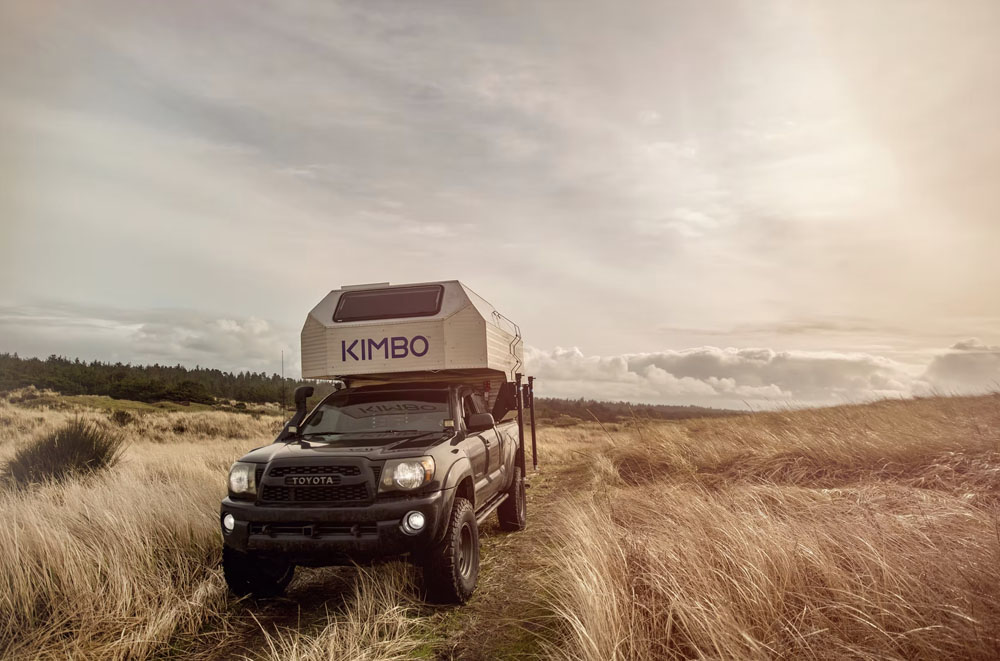
Bad weather and rough days are part of overlanding, and accepting them makes travel more enjoyable. Travelers who plan for storms, set realistic days, and keep a flexible mindset return with better stories and fewer regrets.
The right rig helps, but it isn’t everything. A compact camper like the Kimbo 6 gives you quick shelter, steady insulation, and a simple layout. However, it won’t replace good judgment, and it offers less space than a large trailer when a storm lasts several days.
On value, the Kimbo 6 truck camper starts at $27,990 and weighs only 830 pounds dry. As a result, it fits for many midsize and full-size trucks. Compare it with other compact hard-side campers, and check your truck’s payload before you buy.
If you take one idea from this article, make it this. Expect a few bad days, plan for them, and treat them as part of the trip. This mindset turns hard weather into a story worth telling.
Ready for Whatever the Road Brings?
Check Today’s Price on the Kimbo 6
A durable aluminum shell, a 2-year warranty, and a layout built for rough days.
Frequently Asked Questions
How do you stay comfortable when overlanding in bad weather?
Set up an entry routine for wet gear, dress in layers, and keep hot food ready. A compact shelter with good insulation also helps you rest and recover.
How many hours should you drive on a long travel day?
Many travelers keep drives near six hours. Take a break every two hours, and arrive with daylight to spare so setup stays calm.
Should you drive through a storm or wait it out?
Wait whenever conditions look unsafe. Flooded roads, high winds, and low visibility carry real risk, and one extra day costs far less than an accident.
Is the Kimbo 6 a good fit for bad-weather travel?
It suits many travelers, as one option among several worth cross-shopping. It offers R5 insulation, quick setup, and a standing interior at 75 inches.
How do you stay positive when a trip goes wrong?
Shrink your goals for the day, keep small comforts on hand, and check in with your travel partner. A good meal and a dry bed turn a bad day around.
A quick heads-up: If you snag something through our affiliate links or check out our sponsored content, we might earn a commission at no extra cost to you. But fear not, we’re all about recommending stuff we’re truly stoked about!