


Quick Facts:
- Topic: A National Park Service proposal on off-road vehicle use in Gates of the Arctic National Park and Preserve in Alaska.
- Who qualifies: Local rural residents of Anaktuvuk Pass, a village of 395 people in 2024.
- Recreational use: Not authorized under the proposal.
- Federal Register: Document 2026-21300, published October 19, 2026.
- Identifier: RIN 1024-AF12.
- Comments due: 11:59 p.m. Eastern on December 18, 2026.
6 min read
In This Article
Overview: The Gates of the Arctic ORV Proposal
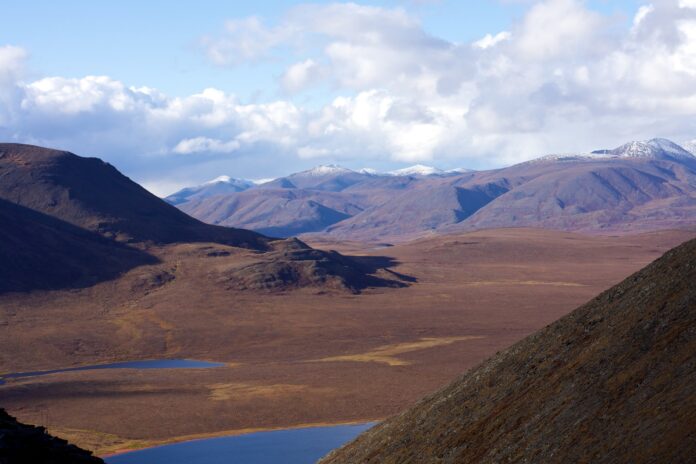
A National Park Service (NPS) proposal for Gates of the Arctic National Park and Preserve targets local subsistence travel, not recreation. It would let qualifying Anaktuvuk Pass residents drive off-road vehicles in the park for lawful subsistence activities. Interior and NPS announced the plan on October 16, 2026, and the Federal Register notice followed on October 19.
The text states plainly: nothing in the new section authorizes recreational off-road vehicle use. If you drive a truck or SUV for fun, your access to the park does not change.
So why does it matter to you? First, the public comment period runs until December 18, 2026, and NPS invites input from residents and the public. Second, the proposal arrived one day after NPS announced the final Denali Park Road vehicle cap, another vehicle rule for an Alaska park. Finally, the ORV subsistence rule would set out a closure process worth reading if you ride public land.
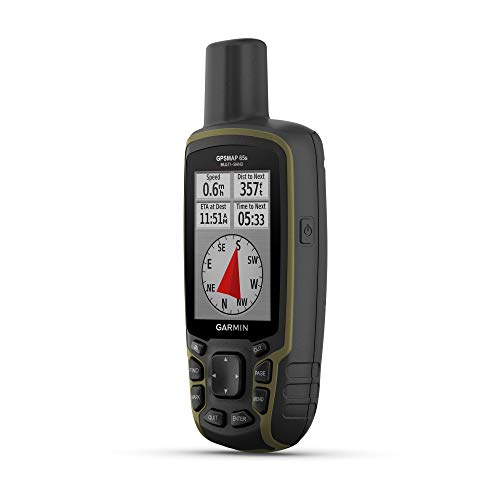
No road reaches Anaktuvuk Pass, which makes the village a reminder of how remote some of this country is. If your own trips head where no road leads out, a handheld navigator such as the Garmin GPSMAP 65s keeps you on course, while the Garmin inReach Mini 2 and Garmin inReach Messenger send satellite messages when you have no signal. Read when you need a satellite messenger to choose between them.
Gear for remote travel


Key Facts at a Glance
The table below lists the filing details, the people covered and the comment deadline.
| Detail | What the proposal says |
|---|---|
| Federal Register | Document 2026-21300, 91 FR 66034, October 19, 2026 |
| Interior memo reversing the 1986 reading | May 16, 2026 |
| Who qualifies | Local rural residents of Anaktuvuk Pass |
| Comment deadline | 11:59 p.m. Eastern, December 18, 2026 |
What the Gates of the Arctic Rule Would Do
A new section, 36 CFR 13.1005, would join the special regulations for the park. Paragraph (a) bars operating a motor vehicle off road in the park, except for authorized residents on subsistence activities. The rule defines authorized residents as local rural residents of Anaktuvuk Pass, so the exception covers one village.
Paragraph (b) then declares off-road vehicles a means of surface transportation traditionally employed for subsistence by those residents. This wording follows section 811(b) of the Alaska National Interest Lands Conservation Act, known as ANILCA. The notice says the rule does not create a new access right. Instead, it sets a framework for a right ANILCA already recognizes.
The operating standard is firm. Residents must prevent waste and unnecessary damage to park resources. They must also avoid herding, harassing, hazing or driving wildlife. In addition, the use must relate reasonably to lawful subsistence activities.
Why Anaktuvuk Pass Residents Want ORV Access in Gates of the Arctic
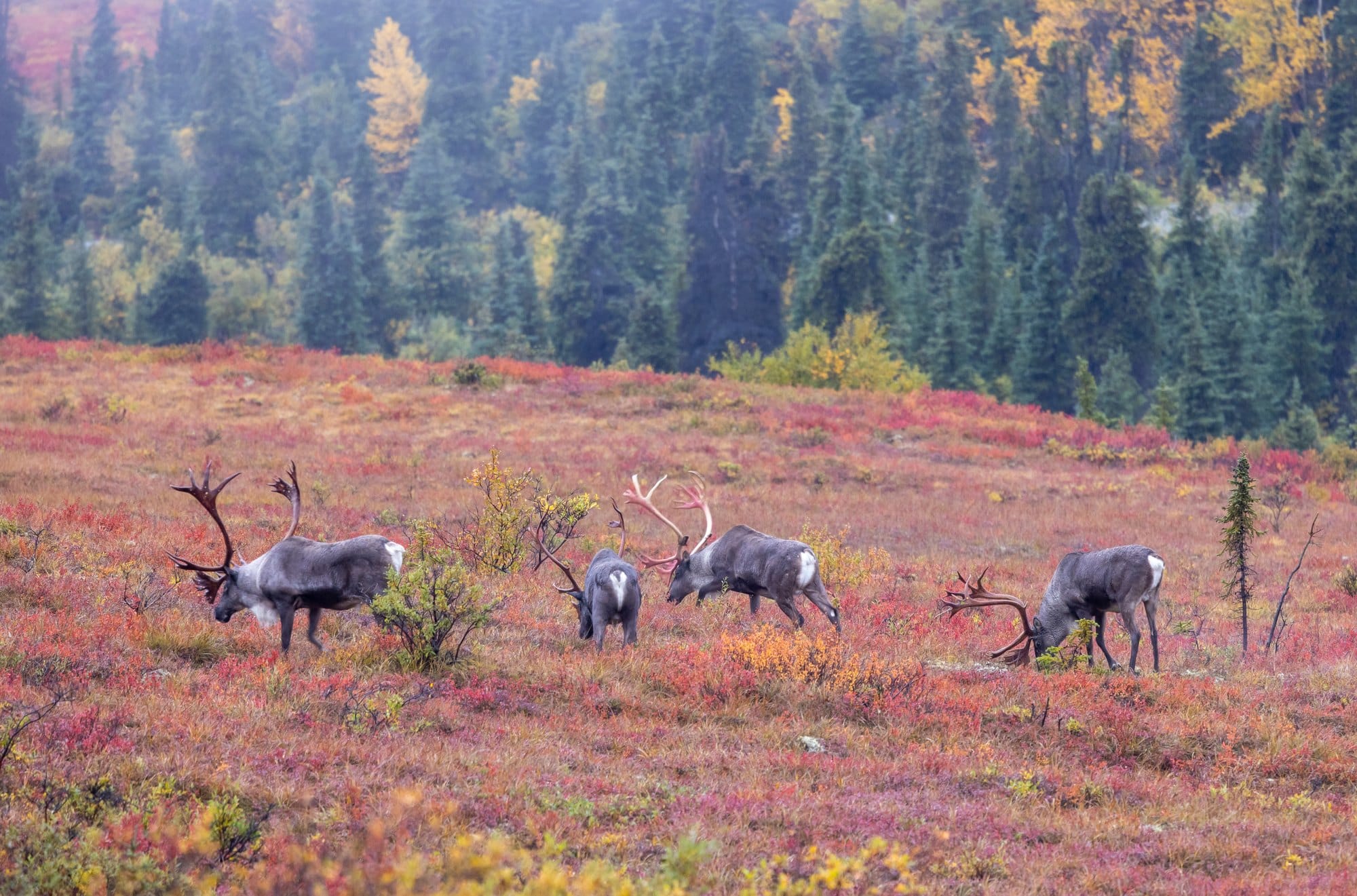
Anaktuvuk Pass sits inside the park with no road access. Its 2024 population was 395 residents, more than 84% of them Iñupiat. Since no road reaches the village, residents have long relied on snowmachines in winter and off-road vehicles in summer. They use both to reach caribou and other subsistence resources. The Alaska National Interest Lands Conservation Act also directs Interior to ensure rural residents reasonable access to subsistence resources.
Access rules have shifted over time. First, a 1986 NPS memo concluded all-terrain vehicles were not traditionally employed for subsistence in the park. As a result, NPS prohibited them. Then a 1992 land exchange agreement, ratified by Congress in 1996, opened some non-wilderness areas to dispersed ATV use. However, the dispute continued.
Residents say the 1992 access falls short because caribou herds now migrate farther west and south of the village. In a spring 2026 memo, Interior Secretary Doug Burgum reversed the 1986 reading. He concluded the term “traditionally employed” covers transportation in use when the park was created. Therefore, the proposal would write this conclusion into NPS regulations.
How the Superintendent Would Limit Use
Subsistence ORV use would carry a presumption in its favor. Only when use is causing or likely to cause an adverse impact would the superintendent step in. The rule lists five areas of concern. They are public health and safety, resources, historic or scientific values, subsistence uses, and endangered or threatened species.
Limits face a high bar. First, the superintendent must write a determination backed by specific facts. It must also explain why the measures are the least restrictive option. Next, NPS must give residents at least 30 days of notice, published in the Federal Register. Then the superintendent must consult residents and hold at least one public hearing before acting.
In contrast, emergencies follow a faster track. With the Regional Director’s concurrence, the superintendent has authority to impose a measure immediately. The measure expires after 45 days, and residents receive notice as soon as practicable.
What This Means for You
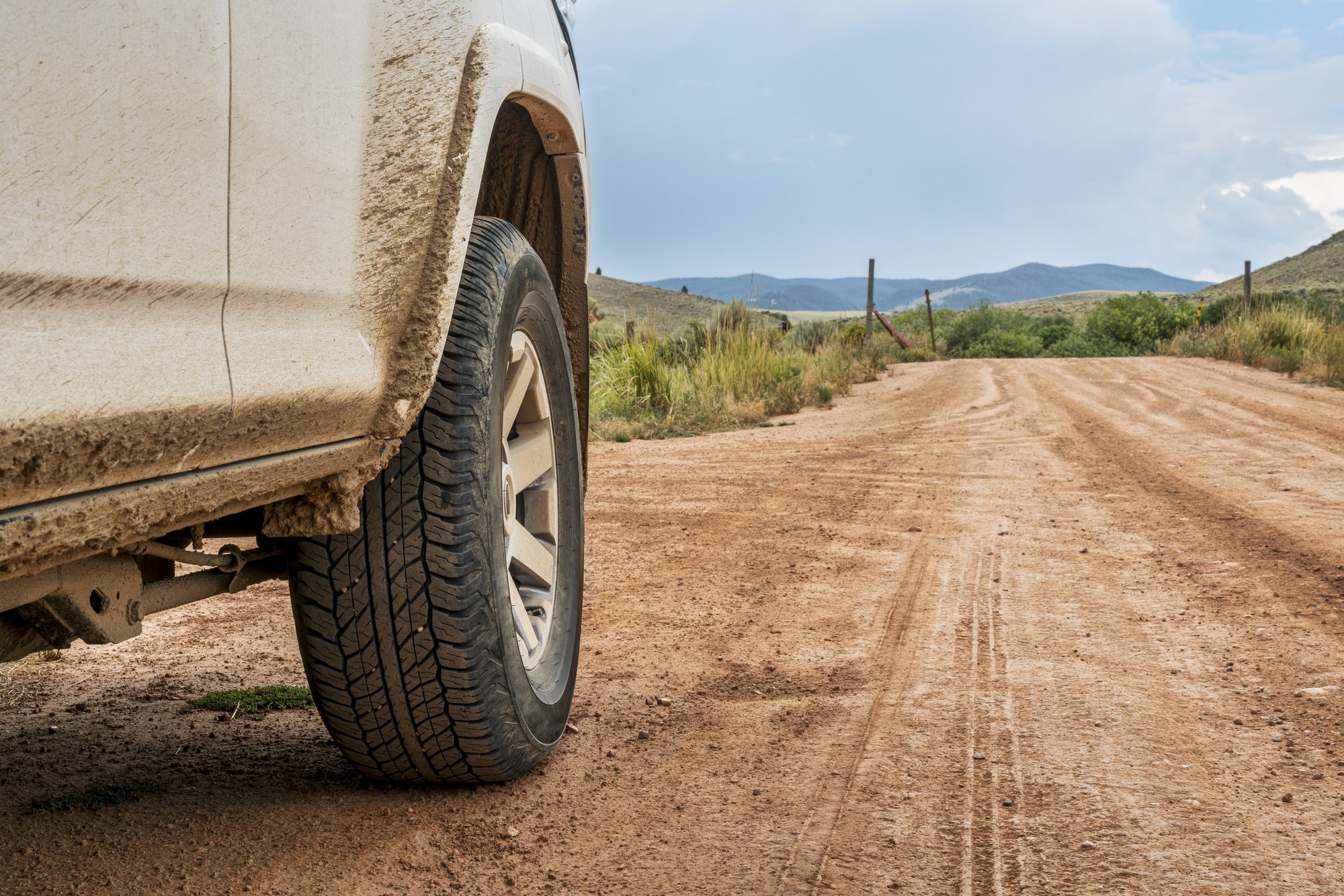
For recreational drivers, nothing changes in Gates of the Arctic. Because the rule applies only to qualifying subsistence use, recreational use stays unauthorized. You will not find a new route, permit or open area in this proposal.
The text still gives you a reading guide for any proposed vehicle rule. Look first at who is covered, next at what stays barred, and last at how a closure happens. In addition, our report on the federal off-road vehicle policy shift covers a related push on national forests, and the same three questions apply there.
I read the closure process as the most useful part of the text. Outside emergencies, it sets safeguards including a written determination, specific facts, notice and a hearing. If you ride public land, I would want the same standard attached to every route closure.
The rule’s operating standard asks residents to avoid unnecessary damage to park resources, and the same idea suits any driver on public land. Stay on established routes, and recover with traction boards such as the X-BULL Recovery Traction Tracks instead of spinning new ruts. Pair them with the TABOR TOOLS J35A Folding Shovel for digging out, while the ALL-TOP Air Compressor Kit airs your tires back up after you air down for traction.
Gear for trail care

X-BULL New Recovery Traction Tracks Sand Mud Snow Track Tire Ladder…


How to Comment on the Gates of the Arctic Proposal
The public comment period closes at 11:59 p.m. Eastern on December 18, 2026. You have two online options. First, go to federalregister.gov, search RIN 1024-AF12 (the rule’s Regulation Identifier Number), and click the green Submit a Public Comment button. Next, try regulations.gov: search the same RIN, open the Dockets tab, click the rule title, and select Comment.
You also have a mail option. Send your letter to the park superintendent at 101 Dunkel St., Suite 110, Fairbanks, AK 99701. NPS accepts no fax or email comments. Every submission must include the words “National Park Service” or “NPS,” plus the RIN. Because NPS might post comments without change, leave out private details.
Interior asks for the number of off-road vehicles in use each year for subsistence. It also asks for the expected change from the rule, plus its costs and benefits. Stick to the rule text and those topics, especially if you have local knowledge. Our Travel Management Rule comments story shows how large a federal motorized access docket grows.
Final Thoughts
People will read the Gates of the Arctic proposal in different ways. Some will see overdue recognition of a long-standing way to feed families in a village with no road. However, others will focus on tundra damage.
I like what the text puts on paper. It limits use to one community, excludes recreation in plain words and ties nonemergency closures to written facts. Whatever your view of the ORV subsistence rule, the process deserves a careful read.
Check the rules on the public land you use, and watch for comment windows near you. Short, specific comments also take little time, and the window gives you a formal voice. Thanks for reading, and stay safe out there.
Frequently Asked Questions
Does the rule open Gates of the Arctic to recreational off-road vehicles?
No. The proposal says nothing in the new section authorizes recreational off-road vehicle use. Instead, it applies only to qualifying subsistence use by local rural residents of Anaktuvuk Pass.
When does the public comment period end?
Comments must arrive by 11:59 p.m. Eastern on December 18, 2026. Online submissions go through federalregister.gov or regulations.gov. NPS also accepts mailed letters but no fax or email comments.
How do I file a comment under RIN 1024-AF12?
Search 1024-AF12 on federalregister.gov or regulations.gov and follow the comment button. Alternatively, mail a letter to the park superintendent in Fairbanks. Include the words NPS and the RIN with every submission.
Why did NPS bar ORV use for subsistence in Gates of the Arctic?
A January 28, 1986, NPS memo concluded all-terrain vehicles were not traditionally employed for subsistence there. The park’s management plan then adopted the same view. Interior reversed it in a spring 2026 memo.