


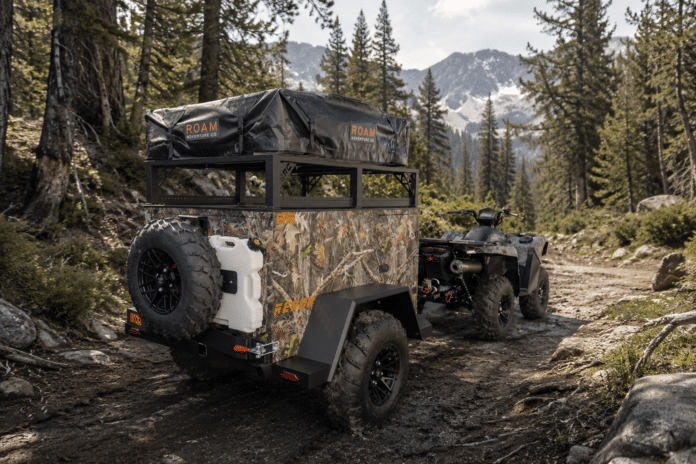

Some of my best nights outside happened with nobody else around, and a few of my most humbling ones did too. I’ve written about outdoor safety for years, but nothing teaches it like a flat tire at dusk with no cell signal. Solo overlanding rewards good habits and punishes shortcuts, so preparation matters more than any piece of gear.
At the same time, I’ve spent years working with SNO Trailers and getting a good, hard look at their products. If I’m going on a solo overlanding adventure, it’s hard to think of a better trailer than the Recon to get the job done. This guide pairs my field notes with the Recon’s actual features, which show how a light, simple trailer supports safer travel.
Quick Facts:
- Top safety step: Share your itinerary and a firm return time
- Must-carry communication: Satellite messenger and offline maps
- Supply rule: One extra day of food and water
- Recon dry weight: 900 lbs
- Recon starting price: Around $14,000
- Recon recovery mounts: MAXTRAX and RotopaX
- Best for solo travelers: Light, simple setups with few failure points
7 min read
In This Guide
- Solo Overlanding at a Glance
- SNO Trailers Recon at a Glance
- Plan Your Route and Share Your Itinerary
- Solo Overlanding Communication: Stay Reachable
- Prepare Your Vehicle and Trailer
- Carry Recovery Gear You Use Alone
- Pack Water, Food, and First Aid for One
- Choose Camp Spots and Stay Secure
- Manage Fatigue, Weather, and Mindset
- Common Solo Overlanding Mistakes to Avoid
- Pros and Cons
- Final Verdict
- Frequently Asked Questions
Solo Overlanding at a Glance
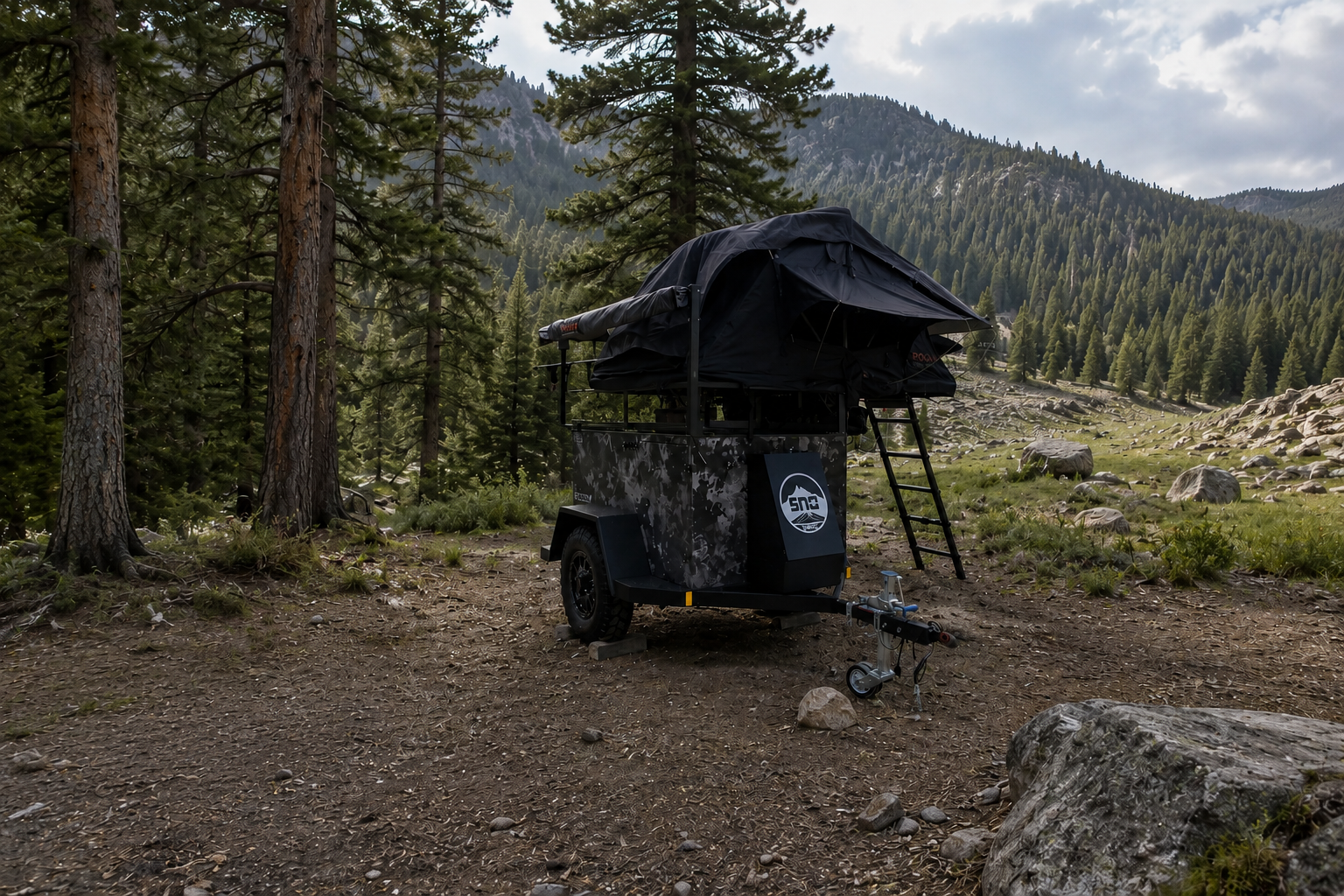
Solo overlanding means more freedom and more responsibility. Nobody else spots a hazard, hands you a tool, or drives for help. So your margin for error shrinks. The answer isn’t fear. It’s preparation, communication, and conservative choices.
This guide covers each layer in order. First comes route planning and communication. Then vehicle readiness, recovery, camp security, and mindset follow. If you want a rig which keeps things simple, my take on weekend warriors and long expeditions alike shows why light setups suit solo travel.
SNO Trailers Recon at a Glance
I use the Recon as my example because light, simple gear suits one traveler. Fewer parts mean fewer failures far from help. My SNO Trailers Recon review covers the full build.
| Specification | Details |
|---|---|
| Length | 9’6″ |
| Width | 4’10” |
| Height | 4’11” |
| Dry Weight | 900 lbs |
| Suspension | Timbren 3500 lb HD axle-less |
| Frame | Powder-coated steel with anti-rust base coating |
| Body | Aluminum |
| Wheels | Method wheels with 275 A/T tires |
| Departure Angle | 40 degrees |
| Storage | Front utility box and large rear compartment |
| Water | Optional tank up to 10 gallons |
| Starting Price | Around $14,000 |
Buy Direct From SNO Trailers
See the Recon at SNO Trailers
Starting around $14,000, the Recon ships factory-direct with a rugged frame, smart storage, and room to grow.
Plan Your Route and Share Your Itinerary
Your itinerary is your safety net. Before every trip, send a trusted contact your route, your camp spots, and a firm return time. Also, set a check-in rule. For example, if you miss your call by four hours, they contact the county sheriff or the land agency. Then stick to the plan, because a changed route defeats the whole system.
Choose well-traveled roads on early solo trips. More traffic means help arrives sooner. In addition, download offline maps and check forecasts with the National Weather Service. Set a turnaround time too. When the clock hits it, head back, even if the next ridge looks tempting. Finally, tell your contact where you’ll park at each trailhead, since search teams start there.
Solo Overlanding Communication: Stay Reachable

Cell service fails in the places overlanders love. So carry a satellite messenger, which sends texts and SOS alerts from anywhere with sky view. Keep it charged and clipped to your body, not stored in the vehicle. If you roll or lose the truck, the device stays with you.
Radios help too. A handheld unit reaches nearby travelers, though GMRS radios require an FCC license. Meanwhile, send a short check-in each evening. Even a quick message gives your contacts a last-known location. For more on remote setups, see how the off-grid ready Recon supports remote camping.
Also, practice using every device at home. A messenger you’ve never tested is only a hope, not a plan. Therefore, send a test message before each trip, and confirm your contact receives it.
Prepare Your Vehicle and Trailer
Solo travel punishes deferred maintenance. Inspect tires, fluids, belts, brakes, and lights before every trip. Carry a full-size spare, a plug kit, a compressor, and a basic tool set. Also, learn to use each item before you need it.
The Recon’s Timbren 3500 lb HD axle-less suspension removes leaf springs from your repair list. Its 7-pin wiring junction box keeps trailer wiring in one place. Before departure, walk around the rig and check the coupler, safety chains, tire pressure, and lights. The Recon also offers a Max Coupler hitch option, built for rougher ground.
In addition, carry spare fuses, hose clamps, zip ties, and duct tape. These small items fix many trail problems, and they weigh almost nothing. Likewise, check your fuel range against the route, because remote stations close or run dry.
Carry Recovery Gear You Use Alone

Recovery changes when nobody helps. A buddy’s winch is not an option, so your gear must work for one person. Carry traction boards, a shovel, a tire deflator, and a sturdy strap. Add a winch with a tree-saver strap if your vehicle supports one.
The Recon has mounts for MAXTRAX boards and RotopaX packs, so recovery gear rides outside the cargo area and stays ready. Practice solo recoveries in a safe spot at home. For example, dig out a tire in sand or mud and time yourself. Skill gained in the driveway saves hours on a real trail.
Moreover, learn to read terrain before you commit. Walk any doubtful obstacle on foot, since a two-minute look beats a two-hour recovery. When in doubt, choose another line or skip it.
Pack Water, Food, and First Aid for One
Pack one extra day of food and water. If a breakdown strands you, this buffer buys time and calm. The Recon offers an optional water tank up to 10 gallons, plus two 5-lb propane holders for cooking fuel. Together they cover a long weekend with room to spare.
First aid deserves real attention. Carry a quality kit, and take a wilderness first aid course if you travel often. Also, store a headlamp, a whistle, and a space blanket where you reach them quickly. Meanwhile, keep personal medications in a waterproof bag.
Likewise, plan simple, calorie-dense meals. When you’re tired, an easy hot dinner keeps morale high and decisions sharp.
Choose Camp Spots and Stay Secure
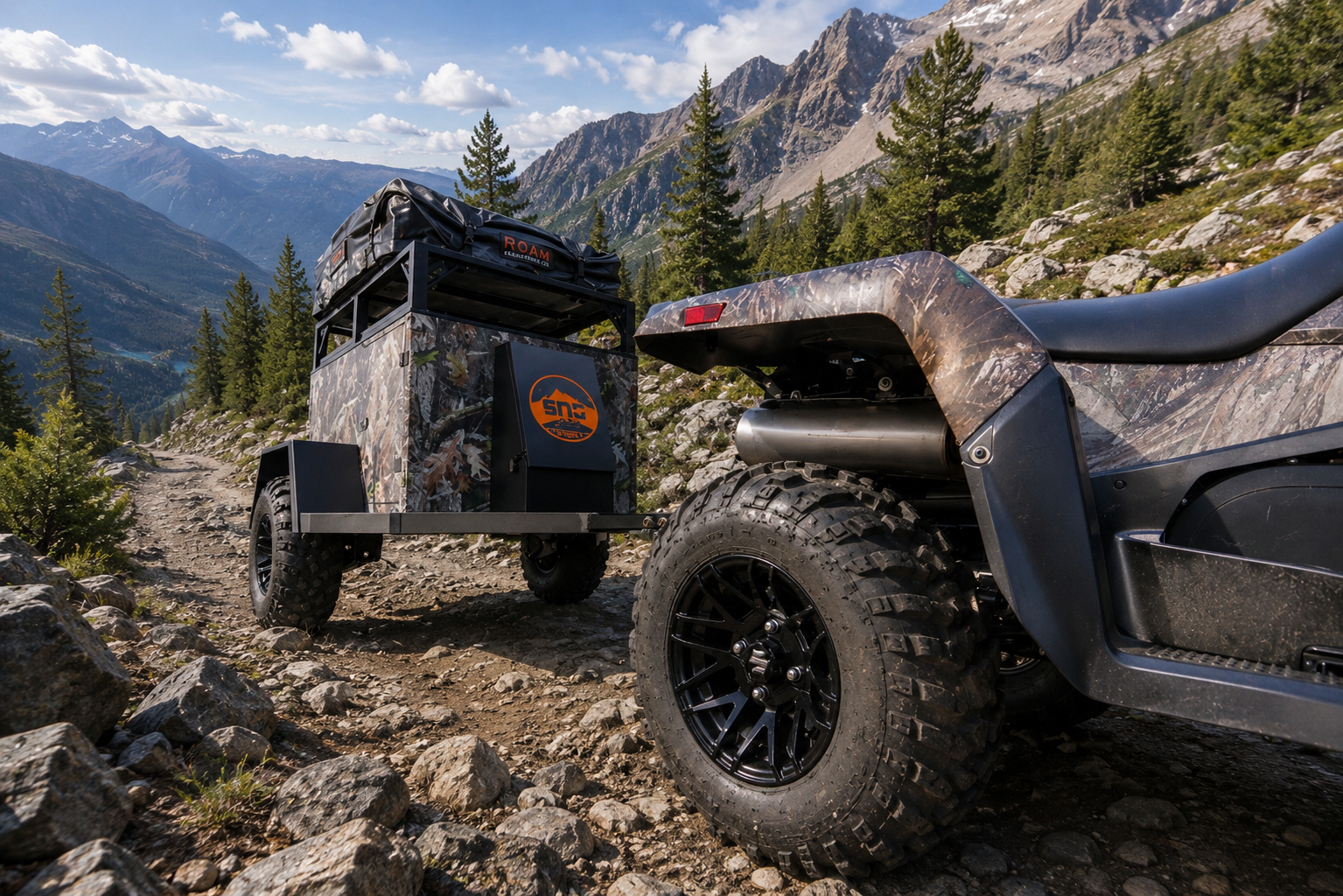
Arrive early, since daylight solves most problems. Pick an established site with a flat pad, an exit route, and good drainage. Park facing out, so you leave fast if conditions change. In addition, keep keys in one consistent place every night.
Don’t advertise being alone. Keep valuables out of sight in the Recon’s front utility box or rear compartment, and trust your instincts about any site. If a spot feels wrong, move on. Also, store food securely to avoid wildlife visits, and keep your camp tidy. Cook and clean up early, then settle in before dark. Meanwhile, keep your phone, headlamp, and keys within reach of your bed.
Ready for Your First Trip?
Explore the Recon Build
See configuration options and current pricing straight from the factory.
Manage Fatigue, Weather, and Mindset
Fatigue causes more mistakes than terrain does. Stop driving before you feel tired, and eat regularly. Also, build rest days into longer trips. A calm, rested driver spots hazards sooner.
Weather changes the risk quickly. Check forecasts each morning, and avoid washes and exposed ridges during storms. Finally, set clear rules for yourself. For example, never attempt a hard obstacle after 4 p.m., and never push on when you’re unsure. Good solo travelers turn around early and often.
Solitude also affects your mood. Some travelers love the quiet, while others feel uneasy after a few days. Therefore, start with short trips and extend them as comfort grows. Moreover, bring a book, a journal, or music to enjoy the evenings.
Common Solo Overlanding Mistakes to Avoid
Most solo mistakes repeat. First, travelers skip the itinerary because the trip feels short. Second, they trust cell service. Third, they carry gear they haven’t practiced with. Finally, they push for one more mile after dark.
Each mistake has a simple fix. For example, always share your plan, and test every recovery tool in advance. Also, set a hard stop time each day. A boring, safe trip beats a dramatic story every time. Also, never skip sleep to reach a campsite, and never ignore a bad feeling about a route.
Pros and Cons
Recon Pros for Solo Travel
- 900-lb dry weight keeps towing simple for one person
- Timbren axle-less suspension removes leaf springs
- Front utility box and rear compartment organize gear
- Mounts for MAXTRAX and RotopaX keep recovery gear ready
- Optional water tank up to 10 gallons
- Max Coupler hitch option for rough ground
Recon Cons for Solo Travel
- Cargo-focused design needs a separate sleeping setup
- No onboard communication gear, so you add your own
Final Verdict
Safe solo overlanding comes down to habits. Share your itinerary, carry a satellite messenger, and keep your vehicle in top shape. Then pack recovery gear you practice with, and set firm turnaround rules. Each habit lowers risk, and together they make solo travel rewarding.
For gear, the Recon suits solo travelers because it stays light, simple, and organized. Consequently, I recommend it for people who want fewer failure points far from help. Whatever you tow, prepare first and travel conservatively.
Ready to Buy?
Check Today’s Price on the Recon
SNO Trailers ships factory-direct with configuration support before your build begins.
Frequently Asked Questions
Is solo overlanding safe?
It’s safe with preparation. Share your itinerary, carry a satellite messenger, and travel conservatively on well-used roads.
What communication gear do solo overlanders need?
Carry a satellite messenger and a charged phone with offline maps. Add a handheld radio, and remember GMRS radios require an FCC license.
What recovery gear should I carry alone?
Bring traction boards, a shovel, a tire deflator, a strap, and a compressor. A winch with a tree-saver strap adds more options.
How much water should a solo overlander carry?
Plan about a gallon per day for drinking and cooking, plus one extra day as a buffer. The Recon offers an optional water tank up to 10 gallons.
Is a trailer a good choice for solo travel?
Yes, when it stays light and simple. At 900 pounds dry, the SNO Trailers Recon tows easily and keeps gear organized.
How do I handle emergencies while traveling solo?
Stay calm, use your satellite messenger for help, and stay with your vehicle when possible. Your itinerary tells contacts where to look.
Heads up: Clicking on our affiliate links and exploring our sponsored content helps us at no extra cost to you, and we only recommend gear we’re absolutely crazy about!