



Last updated: February 2026 | 9 min read
Budget LED lighting might save you some money upfront, but longevity is often a problem. Poor optics, thermal failure, and early burnout cost thousands over time. When buying off-road lighting, it’s important to understand lumens, beam patterns, and thermal design prior to making your purchase. Quality lights like Boss Lighting’s CNC-machined premium line ($975-$2,499) deliver decades of reliable performance in extreme conditions.
Table of Contents:
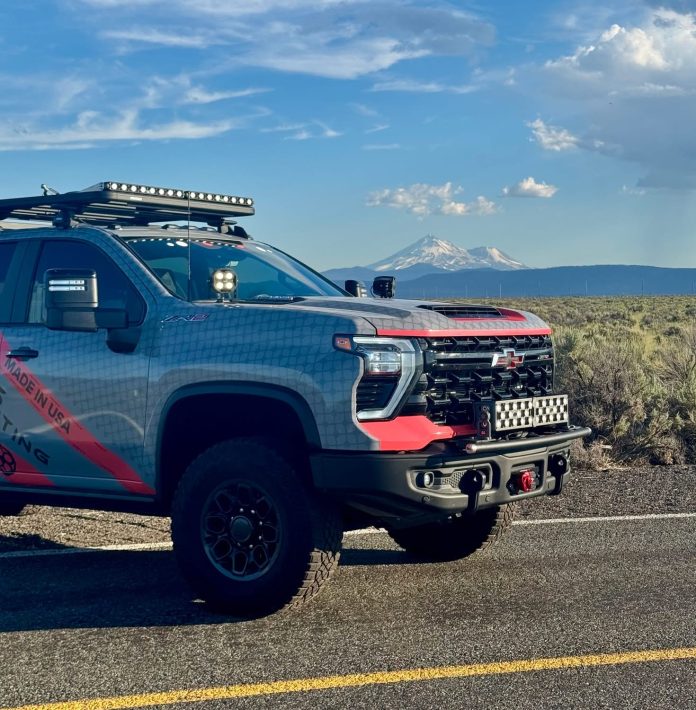
Boss Lighting delivers CNC-machined, thermally engineered LED solutions for overlanding, marine, mining, and tactical use.
Understanding Lumens and Why They Matter
Lumens matter most. A lumen measures the total amount of visible light produced by a source, and it tells you how much light reaches the ground.
But not all lights claiming the same wattage produce the same lumens. A quality LED driver converts electrical power into light efficiently. Budget LEDs waste significant power as heat instead of converting it to usable light. A $300 light bar might claim 5,000 lumens but deliver only 3,500. But a $1,500 bar typically delivers the advertised 8,000 lumens because the internal electronics and optics are engineered properly.
For off-road use, these lumen targets match your driving style:
- Basic trail navigation: 2,000-3,500 lumens
- Moderate off-road (rocky terrain, creek crossings): 4,000-6,000 lumens
- Aggressive off-roading (rocks, obstacles at speed): 8,000-12,000 lumens
- Multi-light setup (combined output): 15,000+ lumens
Here’s the catch: lumens alone don’t tell the whole story. A light bar producing 8,000 unfocused lumens spreads light everywhere and nowhere. A properly engineered beam pattern delivering 6,000 focused lumens will outperform it on the trail.
Beam Patterns Explained
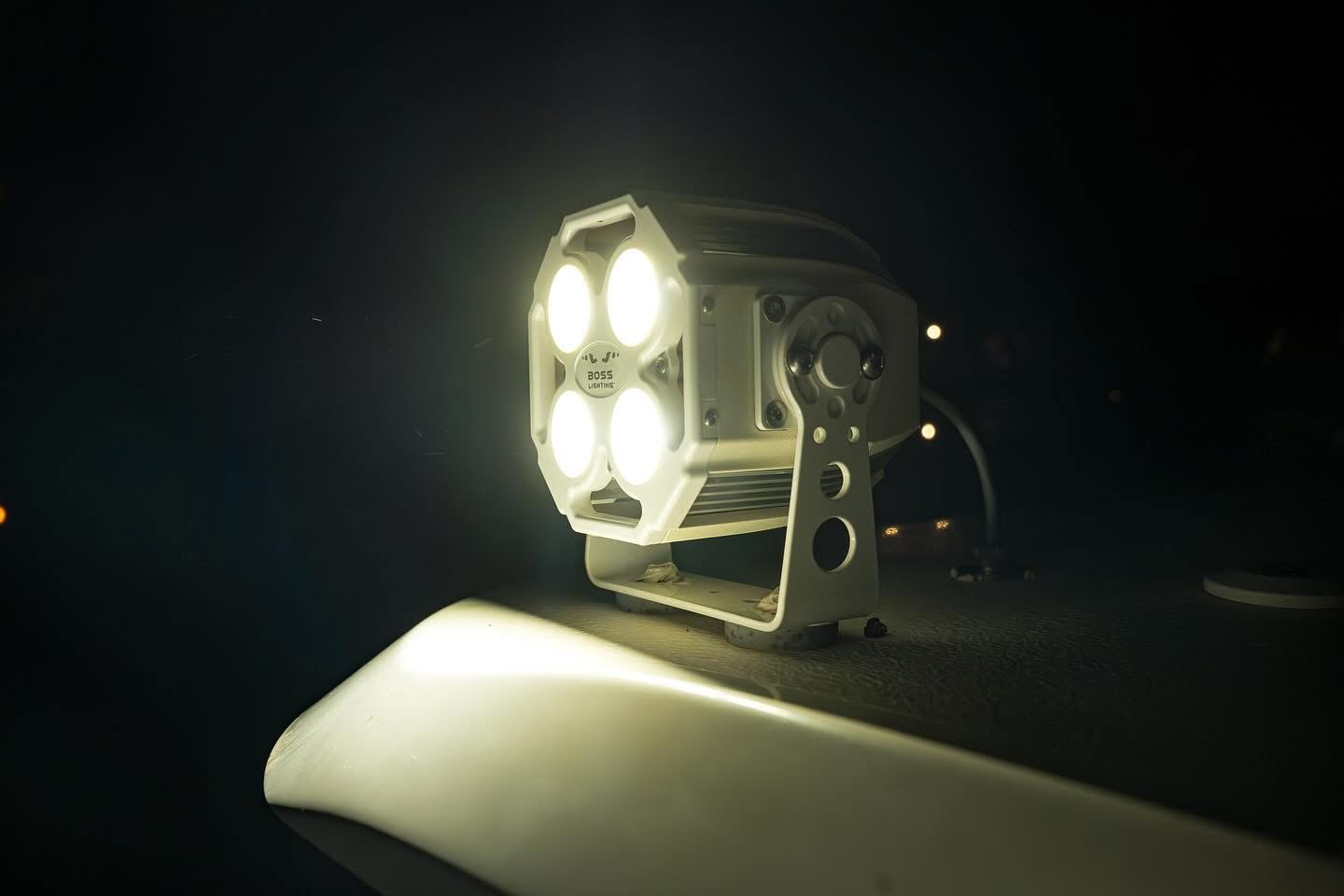
Beam pattern is where engineering separates good lights from bad ones. The pattern determines how usable your light is.
Flood beams spread light wide and close, excellent for illuminating terrain right in front of you and your immediate surroundings. Use flood beams for slow, technical driving where you need to see rocks, ruts, and obstacles within 20-30 feet.
Spot beams throw light far and narrow, projecting a concentrated beam 100+ feet down the trail. Spot beams work on high-speed runs where you need to see hazards in the distance and plan your line well ahead.
Combo beams blend both. The center produces a tight spot while the outer ring floods the sides. Most serious off-roaders use combo patterns because they handle variable terrain and speeds.
Optics quality determines beam consistency. A cheap light uses basic aluminum reflectors scattering light unevenly. Premium lights, though, use precision-machined reflectors or high-quality lenses shaping light into predictable, efficient patterns. The difference in visibility is dramatic when you drive at night.
When comparing lights, ask for beam pattern specifications. Real manufacturers publish this data. If they won’t provide it, the beam pattern is probably poor.
Color Temperature for Off-Road
Color temperature is measured in Kelvin (K) and affects how well you see detail and how your eyes respond. Here’s a quick breakdown of how color temperature varies your driving experience:
Warm white (3,000K) is yellow-ish light, easier on the eyes during long drives and better in fog and dust because warm light scatters less. Cool white at the same lumens appears brighter, but warm white performs better in real conditions.
Neutral white (4,000-5,000K) is true white light with balanced visibility and eye comfort. It works well in most conditions. For general off-roading, this is my preference.
Cool white (6,000K+) is blue-ish light with highest perceived brightness and sharp detail. But here’s the problem: it’s harder on the eyes during extended use and performs poorly in fog, dust, and rain because shorter wavelengths scatter more.
For overlanding and serious off-road work, I run neutral to warm white. Eye comfort matters during 12-hour days in the backcountry. Better visibility in dust and weather is practical. Cool white looks impressive in parking lots but it fatigues you on the trail.
Thermal Management: The Silent Killer of Budget LEDs
This is the biggest problem with cheap LED lights. LEDs don’t generate heat the way old halogen bulbs do. Instead, they produce a small amount of heat at the semiconductor junction.
Without proper thermal management, heat builds up internally and degrades the LED lifespan exponentially. A budget light bar uses thin aluminum housing and minimal thermal design. After 30 minutes of use, the internal temperature climbs to 100-120 degrees Celsius. The LED dims, the driver fails, and the light stops working.
Premium lights invest in thermal engineering. Boss Lighting uses patented cooling technology with optimized heat sinks, thermal pathways, and materials selected for maximum heat dissipation. As a result, their lights run cooler, brighter, and longer.
To check thermal design, examine these points:
- Weight: Better lights weigh more because they use aluminum, copper, and quality components. Lightweight usually means poor thermal management.
- Housing material: Aluminum conducts heat. Plastic doesn’t. Lightweight and hollow housings won’t handle heat.
- Cooling fins or vents: Look for visible heat sink design. Good lights show engineering from the outside.
- Temperature ratings: Reputable makers publish operating temperature ranges. If they don’t mention it, ask.
Run your hand over the light after 20 minutes of use. Quality lights should be warm but cool enough to touch. Budget lights get too hot to grip.
Cheap vs Premium LEDs: Long-Term Cost Analysis
The math is clear…
A budget light bar that costs $300 and fails after 18 months of occasional use isn’t a great investment. It’s even worse when you have to buy another for $300. At that point, you’ve spent $600 in two years.
Mid-range light bar that costs $600 and works for 4-5 years with care is a better experience, for sure. But with occasional bulb replacement or driver swaps, it runs $120-150 per year.
Premium light bars like those from Boss Lighting costs $975-$2,499 for a quality setup and lasts 10+ years even with hard use. Thermal management, precision optics, and quality components survive what budget lights fail against. The annual cost works out to $100-250 per year. When you factor in reliability on remote trails where failure means danger, the premium option is cheaper in the long-run.
This is where premium light bars earn their keep. Budget lights fail in predictable ways:
- LED driver circuits melt from thermal stress
- Solder joints fail on the circuit board
- Reflectors warp from heat
- Potting compound cracks, allowing moisture inside
- Lens adhesive fails, clouding optics
Premium lights address each failure point through engineering and materials. You’re paying for engineering lasting years, not months.
Mounting and Wiring Done Right
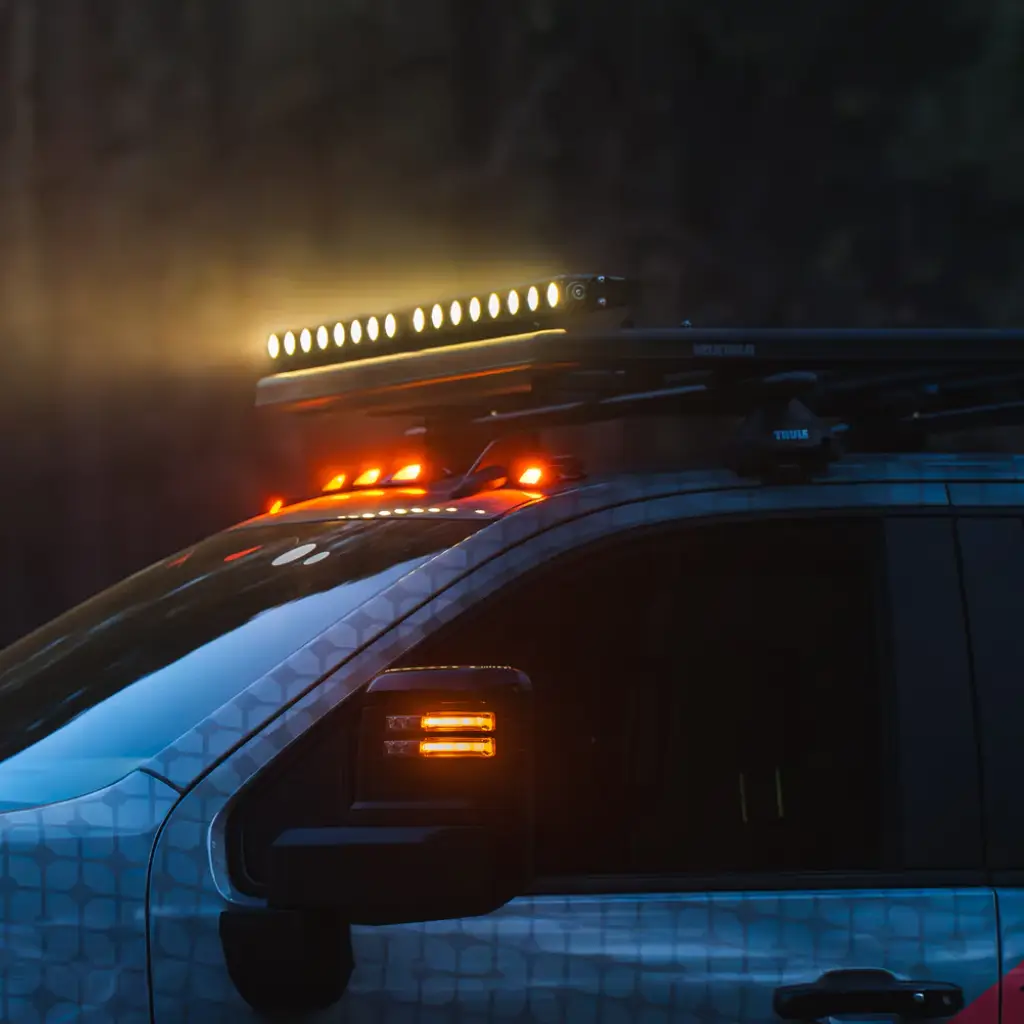
Your light bar is only as good as its mounting and electrical setup. Both deserve proper attention.
Mounting: Lights must be secure and vibration-isolated. Cheap mounts flex and vibrate, loosening fasteners and stressing the light housing. Use quality brackets designed for your vehicle. Stainless steel hardware resists corrosion. Rubber isolators reduce vibration transmission to the light.
Electrical: Run dedicated circuits with proper gauge wire and fusing. A light pulling 40 amps needs 8-10 gauge wire and a 50-amp relay. Single incorrect connection points cause voltage drop and dimming. This also creates heat and fire risk. Use weatherproof connectors, not cheap crimp terminals exposed to the elements.
Grounding: Poor grounding causes half the electrical failures in vehicles. Run a dedicated ground from your light bar to the battery negative terminal, not to the frame. This gives a clean return path and prevents ground loop issues.
Waterproofing: Seal all connectors and terminals with dielectric grease. Check fasteners after heavy water crossings. Corrosion starts fast in wet environments.
Quality off-road lighting companies include proper installation guides and support. Budget manufacturers provide vague wiring diagrams leading to problems. Another reason premium lights are worth it: engineering support if you need it.
Boss Lighting: American-Made Excellence

I’ve spent years in the off-road community, running equipment across the backcountry in SoCal, Big Bear, Joshua Tree, and beyond. I’ve seen what works and what fails when it matters most.
Boss Lighting is the tip of the sword when it comes to lights. I’ve met the people behind this company at expos multiple times. What they have brought to market is nothing short of extraordinary.
CNC-machined components: Every reflector, housing, and bracket is precision-machined in America. No injection molding with tolerances plus-or-minus a millimeter. No guessing whether your light bar will hold together on a rough trail.
Patented cooling technology: Their thermal design keeps LEDs running cool and bright over thousands of hours. The engineering is visible in how these lights perform in extreme conditions.
Premium optics: Boss Lighting lights deliver consistent, focused beam patterns. High-quality reflectors and lenses shape light exactly where you need it. No wasted lumens scattering into the sky.
Modular design: Their lights are upgradeable and repairable. You’re not replacing the entire bar if one component fails. This design philosophy reflects confidence in the product and respect for the customer’s wallet.
American manufacturing: Made in the USA. Quality control, supply chain reliability, and design responsiveness improve when manufacturing is domestic.
Market versatility: Boss Lighting serves overlanding, marine, mining, and tactical markets. The engineering working on a rock crawler works under a boat or in a mine shaft. The range speaks to robust design.
Their premier line ranges from $975 to $2,499 depending on configuration. It’s an investment paying for itself through reliability and performance year after year.
CNC-machined precision, patented thermal engineering, and American-made reliability. Boss Lighting delivers light you trust in extreme conditions.
FAQ

How many lumens do I need for off-road driving? It depends on your terrain and speed. Technical, slow driving needs 3,000-5,000 lumens with good beam focus. High-speed runs on open terrain need 8,000+ lumens to light up the distance. Most overlanders run 6,000-10,000 combined lumens from multiple light sources for flexibility.
Do I need spot and flood beams? Combo beams handle most situations. If you’re serious about off-roading, adding a separate spot light for distance vision is worthwhile. Most setups use a main light bar with combo optics and auxiliary lights for specialized needs.
Should I use cheap lights as backup lighting? No. Cheap lights fail fast, and backup lighting failing when you need it is dangerous. If it’s worth carrying, it’s worth doing right. Use quality lights for secondary roles.
How do I know if a light is waterproof? Look for IP67 or IP68 ratings. IP67 means submersion up to 1 meter for 30 minutes. IP68 is deeper and longer. Also inspect the design: sealed connectors, no visible seams where water intrudes, and quality potting compound around electronics.
What’s the difference between warm, neutral, and cool white? Warm white (3,000K) is yellow-ish and easier on eyes. Neutral white (4,000-5,000K) is balanced. Cool white (6,000K+) is blue-ish with high perceived brightness. For extended off-road driving, neutral to warm white is better for eye comfort and visibility in dust and fog.
Why do budget lights fail so quickly? Poor thermal management, low-quality components, and inadequate potting compound all shorten lifespan. Thermal stress is the main culprit. Heat damages LEDs and circuit boards exponentially. Budget lights run hot and fail fast.
Is American-made lighting worth the extra cost? Yes. American manufacturing allows quality control, design responsiveness, and support offshore production doesn’t match. For critical equipment like lighting in remote areas, the reliability premium is worth it.
Are these lights upgradeable later? Quality manufacturers like Boss Lighting design lights with upgradeability in mind. Budget lights are disposable. If you’re planning long-term, choose lights built to last and improve rather than lights meant to be replaced.
Off-road lighting isn’t about brightness alone. Reliability, beam quality, thermal stability, and long-term value matter more. Budget LEDs save money upfront and cost thousands over time through repeated failures and poor performance.
Understand lumens and beam patterns before buying. Check thermal design. Look at materials and construction quality. Ask questions. Real manufacturers answer them.
Boss Lighting represents what premium off-road lighting should be: American-made, thermally engineered, precision-machined, and built to work in conditions where failure isn’t an option. Good lighting makes you safer, faster, and more confident in the backcountry. It’s worth doing right!
Our articles might have affiliate links and the occasional sponsored content, but don’t sweat it – if you buy something, we get a little kickback at no extra cost to you, and we only hype products we truly believe in!