


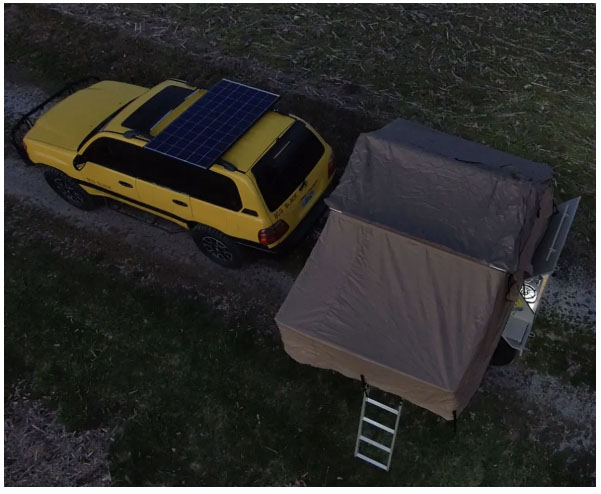

Choosing between steel vs aluminum overland trailers shapes every trip you take into the backcountry. For years I have overlanded out of California, and the frame under my gear has always mattered more to me than the badge on the tailgate. Similarly, both metals build capable rigs. However, they behave differently once the trail turns rough, the miles pile up, and something finally breaks far from a paved road.
I’ve spent time with the Big Slack Off Road team and walked around their Slacklander trailer up close. First, I checked out its 6-inch channel steel frame, then looked hard at the welds, the seams, and the storage. As a result, seeing a steel build in person reframed how I weigh durability against field repairs. Therefore, this guide blends what I learned with decades of trail experience. Finally, by the end you will know which frame material fits your rig, your budget, and the country you explore.
Quick Facts:
- Topic: Steel vs aluminum overland trailers
- Materials compared: Steel frame and body vs aluminum frame and body
- Weight: Aluminum runs roughly 15% to 40% lighter
- Durability: Steel resists impact and abrasion better
- Repairability: Steel welds almost anywhere; aluminum needs a specialist
- Corrosion: Aluminum resists rust; steel needs a protective coating
- Cost: Steel costs less upfront; aluminum holds resale value
- Best for: Overlanders weighing trail toughness against tow weight
8 min read
In This Guide
Steel vs Aluminum Overland Trailers: What Matters Most

When people debate steel vs aluminum overland trailers, the conversation usually starts with weight and stops there. In reality, the frame material touches five things you feel on every trip: durability, weight, field repairs, corrosion, and long-term cost. Because each metal wins some rounds and loses others, the smart move is matching the material to how and where you travel.
Steel earns its reputation through brute toughness. Specifically, it shrugs off rock strikes, anchors heavy modifications, and welds back together with gear found in almost any small town. An aluminum off-road trailer, in contrast, trades some of its ruggedness for weight savings and rust resistance. For someone towing behind a Tacoma or 4Runner with a modest tow rating, those saved pounds carry real value.
The country you explore should drive the decision. For instance, if your trips end at established campgrounds an hour off the highway, aluminum’s lighter pull and low upkeep feel great. Meanwhile, if you chase remote two-track where a busted frame strands you for days, steel’s repairability becomes priceless.
Steel vs Aluminum at a Glance
Before we break down each category, here is how the two materials stack up across the metrics overlanders care about most. First, use this as a quick reference. Then read the sections below for the field context behind each line.
| Specification | Steel | Aluminum |
|---|---|---|
| Relative weight | Heavier baseline | 15% to 40% lighter |
| Impact resistance | Excellent | Dents more readily |
| Field repair | Weld almost anywhere | Needs a specialist |
| Rust resistance | Needs coating | Naturally resistant |
| Modifications | Easy to weld on | More limited |
| Upfront cost | Lower | Higher |
| Resale value | Solid | Often higher |
Buy Direct From Big Slack Off Road
See the Steel-Framed Slacklander Trailer
A 6-inch channel steel frame, a braked 2,200 lb Timbren axle, and a 1,000 lb payload at 1,500 lb empty. Built to take a beating and easy to fix in the field.
Durability: Which Frame Survives the Trail

True durability comes down to how each metal reacts to impact, abrasion, and the steady pounding of washboard roads. Steel takes a hit and shrugs. For example, drag the frame across a granite ledge or catch a rock with a fender, and steel typically shows a scratch instead of a crack. Because overlanders bash through rough country, this toughness margin matters.
Aluminum behaves differently under stress. Since it sits softer than steel, aluminum dents more readily from a sharp blow. In addition, constant vibration over rough terrain sometimes works aluminum toward stress cracks, especially around welds and mounting points. Quality alloys and smart engineering reduce the risk, yet the underlying tendency remains.
Standing next to the Slacklander, the steel build read as overbuilt in the best way. Notably, its 6-inch channel frame looked ready to drag over obstacles without flinching. For pure survivability on hard trails, steel still sets the bar.
Weight and Towing: The Aluminum Advantage
Here is where aluminum earns its following. An aluminum trailer often weighs roughly 15% to 40% less than a comparable steel build, since aluminum sits at about one-third the density of steel while delivering strong strength per pound. As a result, fewer pounds on the hitch mean an easier tow, better fuel economy, and less strain on your drivetrain.
This weight gap reshapes what your vehicle handles comfortably. For instance, a lighter trailer lets a mid-size truck or SUV tow within its rating without sweating every grade. In addition, every pound saved in the frame becomes a pound you redirect toward water, fuel, recovery gear, or a rooftop tent.
Steel does not automatically mean a heavy, hard-to-tow trailer, though. A compact steel trailer sized right stays manageable, which the Slacklander proves at 1,500 pounds empty. Because its box measures a tidy 6 by 4 by 3 feet, the steel frame never balloons into dead weight. Still, gram for gram, aluminum wins the towing-weight round.
Repairability: Why Steel Wins Far From Home

This category decides more overland trips than people expect. When a frame cracks or a mount tears loose a hundred miles from pavement, the question becomes simple: how fast do you get rolling again? Specifically, trailer repairs hinge on the frame metal. For remote travel, steel answers best, and the reason comes down to welding.
Weld Steel Almost Anywhere
Steel trailer repairs lean on common tools and widespread skill. For example, a basic stick or MIG welder handles steel, and nearly every ranch town, farm shop, and trailside fabricator owns one. Moreover, many overlanders carry a portable welder and patch their own steel frame at camp. Because the skill is so common, finding help rarely stalls a trip for long.
Aluminum Demands a Specialist
Welding aluminum tells a harder story. Specifically, doing it well requires AC TIG equipment, clean preparation, shielding gas, and a practiced hand. As a result, rural shops rarely stock the gear, so a serious aluminum crack might mean a long tow to a city specialist and a bigger bill. For trips deep into remote country, this gap turns repairability into a genuine safety factor, not a footnote.
Built To Be Fixed Anywhere
A Steel Frame You Weld On the Trail
The Slacklander pairs a rugged steel chassis with four tie-down and recovery points, so backcountry repairs and recoveries stay simple.
Rust and Corrosion: The Long Game

Corrosion is the round aluminum wins cleanly. For instance, aluminum forms a thin oxide layer the moment air touches it, and the layer reseals itself when scratched. As a result, an aluminum rig resists rust for years with little fuss, which appeals to anyone storing a build through wet winters or near salty coastal air.
Steel needs help to fight rust. Specifically, manufacturers protect a steel trailer frame with galvanizing, powder coating, or quality paint, and the barrier holds up well when maintained. Once a chip exposes bare steel, though, rust starts working, so owners should touch up nicks before they spread. With basic care, however, a coated steel frame lasts decades.
One trap deserves a warning. Mixed builds bolting aluminum panels to a steel frame invite galvanic corrosion, where the two dissimilar metals react and eat at each other. However, good builders isolate the metals with barriers, yet a sloppy mixed build corrodes faster than either material alone.
Cost, Resale, and Real Ownership Math
Upfront, steel usually costs less. Because raw steel is cheaper than aluminum, and the welding labor behind a steel trailer runs lower too, steel builds tend to start at friendlier prices. Moreover, for buyers stretching a budget toward a capable rig, this gap frees up cash for gear and upgrades.
Aluminum flips the math over time. Although it costs more at purchase, an aluminum trailer skips rust maintenance and tends to hold resale value better, especially with recreational buyers. Consequently, the long-run cost narrows, and frequent travelers sometimes recover the premium when they sell.
Real ownership math depends on your timeline. For example, if you keep a trailer for fifteen years and wrench on it yourself, steel’s low entry price and cheap repairs win. However, if you upgrade every few seasons and store the rig in harsh conditions, aluminum’s resale and low upkeep tighten the spread.
Steel vs Aluminum Overland Trailers: Which Should You Choose?

The honest answer ties back to where and how you travel. Specifically, steel rewards overlanders who push deep into remote, rocky country and value a frame they repair anywhere. Aluminum, in contrast, rewards travelers who prize a light tow, low maintenance, and easy storage near salt or moisture. Since each suits a different style of adventure, neither choice is wrong.
For the hard-use crowd, steel carries three decisive edges: impact toughness, weld-anywhere repairs, and a lower entry price. To illustrate, the steel-framed Slacklander from Big Slack Off Road shows how a compact steel build keeps weight reasonable while staying field-serviceable. At 1,500 pounds empty with a 1,000 pound payload, it balances toughness against tow weight.
For the lightweight crowd, aluminum makes a strong case. For instance, if your tow vehicle runs a modest rating, or you log highway miles between trailheads, the saved pounds and rust resistance pay off daily. Therefore, weigh your real trips honestly, then pick the material your adventures truly demand.
Steel Frame Pros
- Shrugs off rock strikes and abrasion better than aluminum
- Welds almost anywhere with common stick or MIG gear
- Anchors heavy modifications, racks, and brackets easily
- Lower upfront cost than a comparable aluminum build
- Holds up for decades with basic coating maintenance
- Compact steel builds like the Slacklander stay near 1,500 lb empty
Steel Frame Cons
- Heavier baseline than aluminum, often by 15% to 40%
- Rusts once a coating chips and bare metal sees moisture
- Needs periodic touch-ups to protect the finish
- Lower resale appeal than aluminum with some buyers
Final Verdict

For overlanders who chase remote trails and want a frame they fix far from home, steel remains my pick. Specifically, its impact toughness and weld-anywhere repairability turn a potential trip-ender into a quick patch job. Moreover, seeing the Slacklander up close only reinforced how reassuring a stout steel build feels when the pavement disappears behind you.
Aluminum still deserves serious consideration, and I would not steer everyone toward steel. For example, travelers towing with a light-rated vehicle, logging long highway stretches, or storing a rig in salty air gain real daily benefits from aluminum’s lighter pull and rust resistance. Indeed, those advantages are genuine, not marketing fluff.
Value comes down to your timeline and your terrain. On one hand, steel delivers a lower entry price and cheap repairs for the long-haul owner. On the other hand, aluminum trims weight and upkeep for the frequent traveler. Either way, both materials build trailers worth owning.
My recommendation: match the metal to your trips, not to a forum argument. For hard, remote overlanding on a sensible budget, start with a proven steel build like the Slacklander. Meanwhile, for light and frequent towing near moisture, price out a quality aluminum rig and compare the long-run numbers.
Ready To Buy?
Check Today’s Price on the Slacklander
Configure your steel overland trailer direct with Big Slack Off Road. Lead time runs 8 to 10 weeks depending on options, so plan ahead for next season.
Frequently Asked Questions
Are steel or aluminum trailers better for off-road?
Both work well off-road, yet they favor different priorities. Specifically, steel wins on impact toughness and field repairs, which suits remote, rocky travel. Aluminum, in contrast, wins on weight and rust resistance, which suits lighter tow vehicles and frequent highway miles.
Do aluminum overland trailers rust?
No, aluminum does not rust the way steel does. Instead, it forms a self-healing oxide layer to resist corrosion. Watch mixed builds, though, since aluminum panels bolted to a steel frame still risk galvanic corrosion without proper isolation.
How do you weld an overland trailer frame in the field?
A steel trailer frame welds readily with a portable stick or MIG setup, so many overlanders handle trail repairs themselves. Aluminum, however, needs AC TIG gear and clean prep, which makes field welding far harder and usually a job for a specialist shop.
How much lighter is an aluminum trailer than steel?
An aluminum off-road trailer typically runs about 15% to 40% lighter than a comparable steel build. Because aluminum sits near one-third the density of steel, the frame sheds meaningful pounds while keeping solid strength per pound.
Does galvanic corrosion affect mixed steel and aluminum builds?
Yes, dissimilar metals react when they touch, which speeds corrosion at the contact points. Therefore, reputable builders isolate steel and aluminum with barriers or coatings. A poorly built mixed trailer corrodes faster than either material on its own.
Is a steel overland trailer worth the extra weight?
For remote, hard-use overlanding, many travelers say yes. Notably, the trade buys impact toughness and weld-anywhere repairs. A compact steel build like the Slacklander also keeps weight near 1,500 pounds empty, which softens the penalty.
Heads up: Clicking on our affiliate links and exploring our sponsored content helps us at no extra cost to you, and we only recommend gear we’re absolutely crazy about!