


Teardrop trailers continue to reshape how people approach backcountry travel. They provide real comfort and protection while remaining small, lightweight, and easy to tow into remote camps. As more travelers move toward self-sufficient travel, modern teardrops now include stronger suspension, smarter power systems, and better all-season capability.
This guide highlights the most capable and thoughtfully designed teardrops for overlanding in 2025. Each trailer was selected for its balance of durability, off-grid readiness, towing practicality, and everyday livability. The goal is simple. Help you identify trailers that support real-world adventure rather than campground-only travel.
If you want a trailer that can follow your vehicle deep into dispersed camps while still giving you a comfortable place to rest and reset, this list will help you narrow your options and compare the best choices available this year.
Table of Contents
- Vistabule
- Escapod TOPO2 Voyager
- Vistabule DayTripper
- Roadrunner Teardrops 459 Expedition Delux
- Timberleaf Trailers “The Classic”
- Rovikk Ranger
- Bean Trailers Mean Bean
- Sunnyside Offroad Boony Stomper
Best Teardrops for Overlanding of 2025: Vistabule
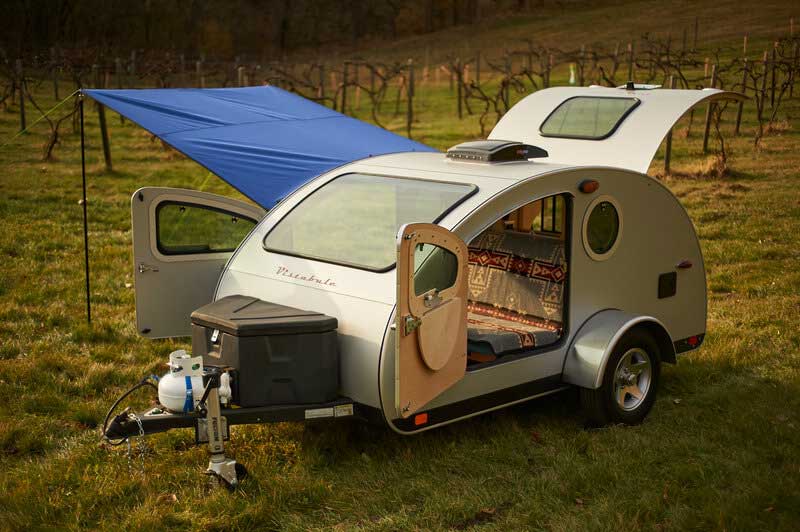
Vistabule sits in a unique place in the teardrop market. Many trailers focus on ruggedness alone or luxury alone. This trailer blends smart design, low weight, and real comfort in a way that fits modern overlanding travel. When you evaluate towing, livability, off-grid capability, and build quality together, it becomes clear why this trailer remains a strong choice for 2025 adventures.
Every Vistabule starts as an artisan-built trailer designed around how people actually camp. The base package already includes features many trailers treat as upgrades. Large front and rear windows, operable porthole windows with screens, USB-equipped reading lights, and a MaxxFan ventilation system create a cabin that feels functional from day one.
Customization is a major strength as well. You can tailor colors, climate control, power systems, and storage solutions. This flexibility matters for overlanders because trips vary widely. A summer desert trip has different needs than a late-season mountain camp. Vistabule allows you to build for your climate and travel style instead of forcing a one-size setup.
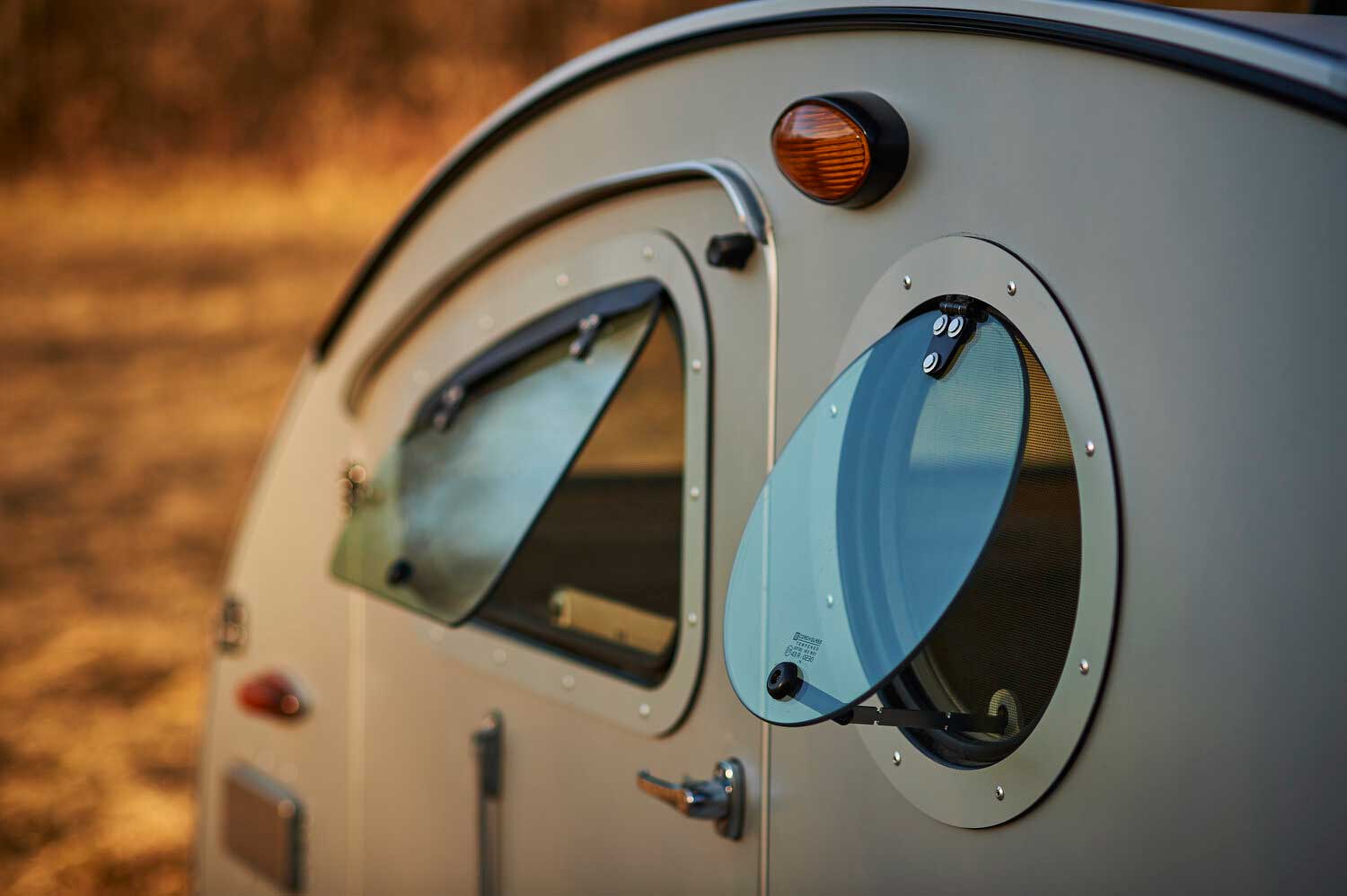
From there, options like solar panels, lithium battery upgrades, propane heat, and air conditioning allow the trailer to grow with your ambitions.
Traditional teardrops often focus inward. Vistabule flips that idea by orienting occupants toward a massive front window. This design creates a camping experience that feels open rather than confined.
The sleeping and living area matches the footprint of a queen bed. That size allows real relaxation after long driving days. The convertible sofa bed, headboard storage cabinets, and collapsible table turn the cabin into a flexible lounge space during bad weather.
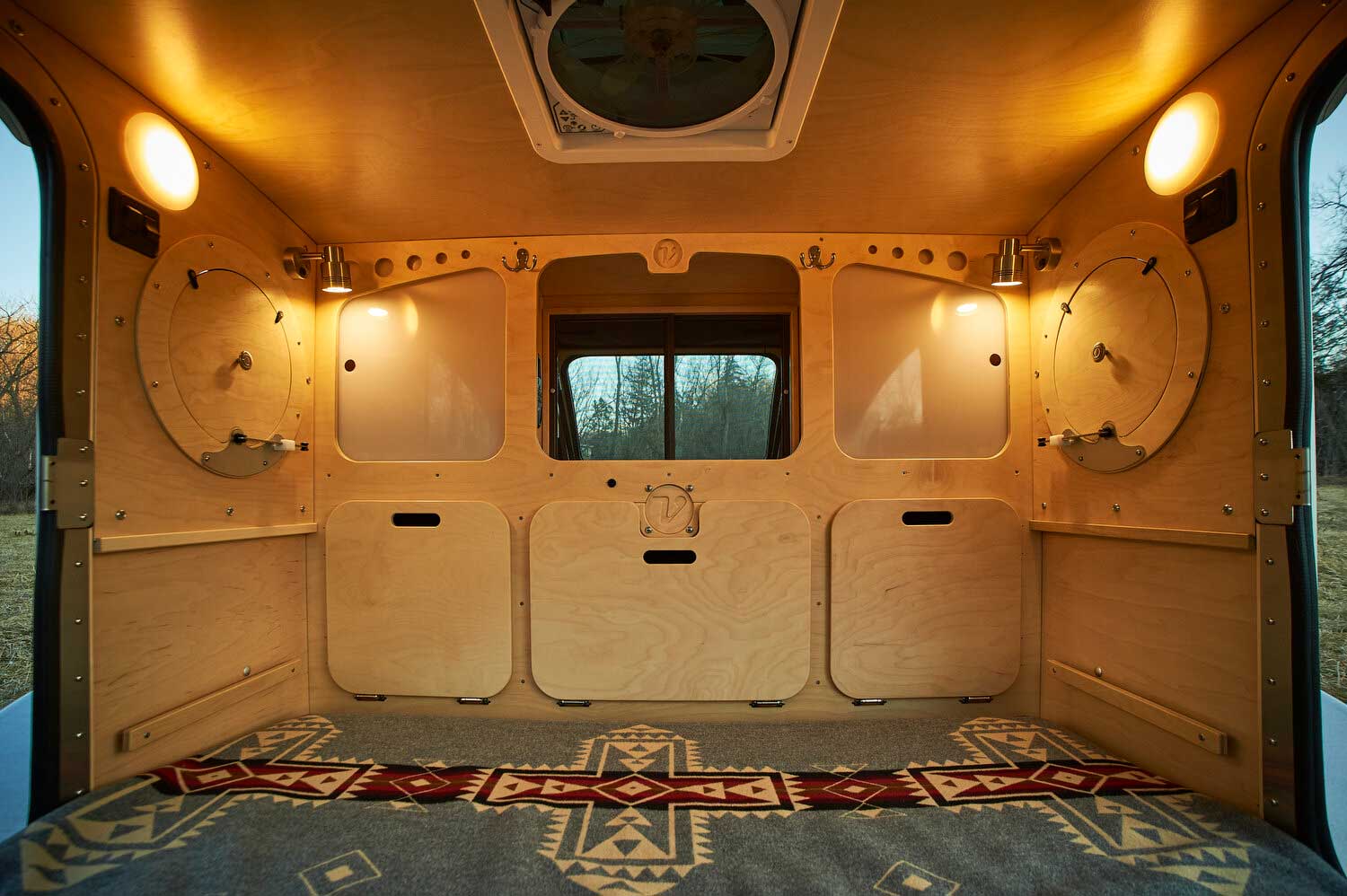
Ventilation and lighting receive equal attention. Dual dome lights, reading lights with USB outlets, and a 10-speed MaxxFan help maintain comfort across seasons. Combined with an insulation rating of R 7.5, the cabin supports three-season travel with ease and can stretch into colder weather when paired with the optional furnace.
For overlanders who spend days moving through scenic landscapes, the large viewing window becomes a defining feature. It changes the experience from simply sleeping in a trailer to living inside the environment.
The rear galley plays a major role in day-to-day usability, too. The hatch provides shelter during cooking and cleaning, which matters in rain or intense sun. Upper cabinets hold spices, utensils, and mugs in dedicated storage. Lower compartments support multiple configurations for drawers, coolers, or powered refrigeration.
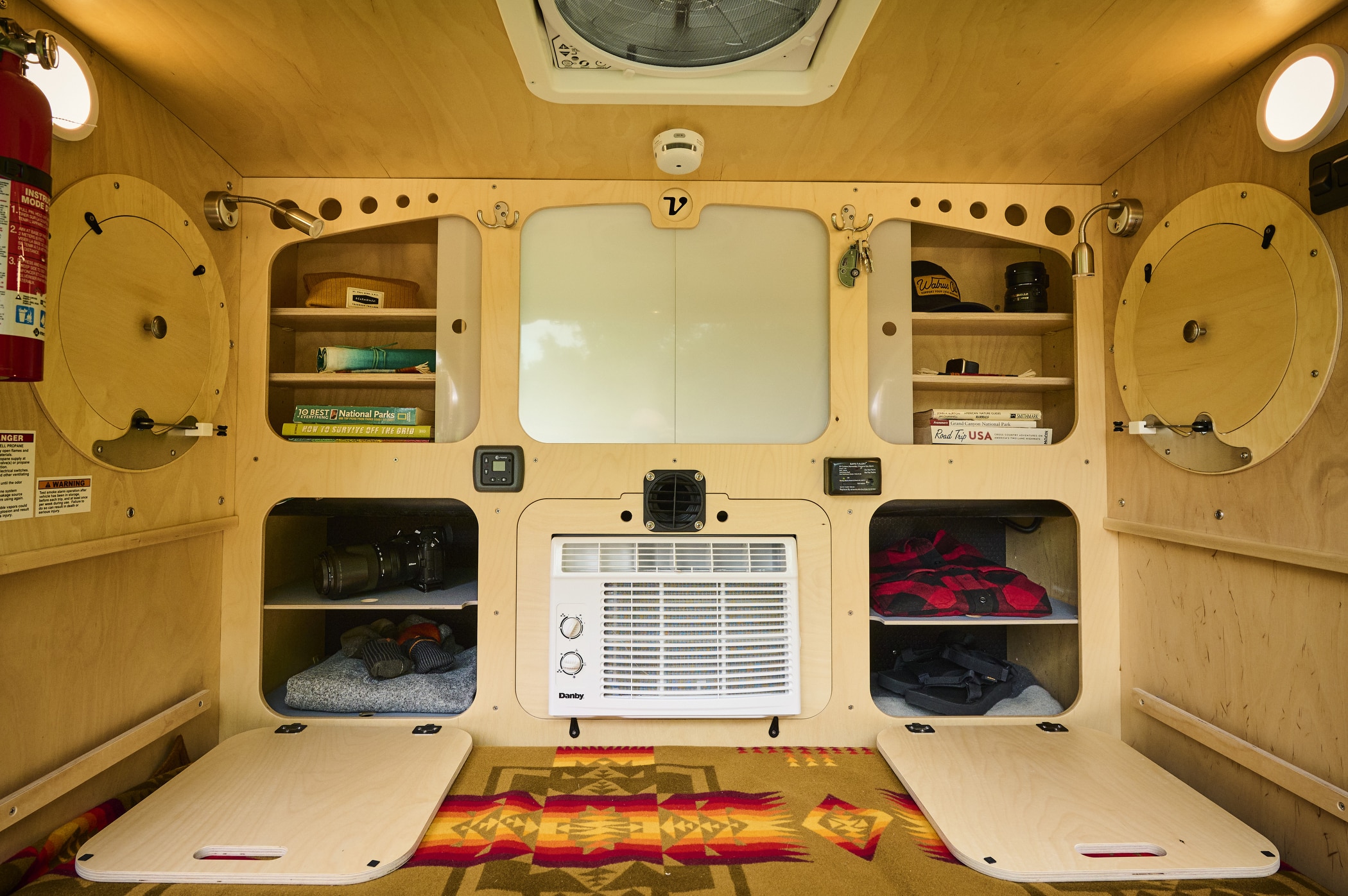
A nice feature is the pass-through window connecting the galley and cabin. This simple design detail improves social interaction and workflow. One person can cook while another relaxes inside. Food and drinks move easily between spaces without stepping outside in poor weather.
Optional upgrades like a two-burner cooktop, a Dometic powered cooler, and a full water system transform the galley into a complete camp kitchen. Fresh and gray water tanks each hold nine gallons, which supports extended off-grid stays without immediate resupply.
Weight and towing behavior matter heavily for overlanding travel. The Vistabule weighs roughly 1440 pounds empty and about 1696 pounds when fully equipped. That low weight expands the list of compatible tow vehicles. Many small SUVs and crossovers can handle it comfortably.

The aerodynamic shape reduces drag, which improves fuel efficiency on long drives. A torsion axle and balanced design help minimize sway and fishtailing. Fourteen-inch wheels and a 10-inch ground clearance provide enough capability for dirt roads and dispersed campsites.
Tongue weight sits around 170 pounds, or 190 pounds with a propane tank. These numbers fall within the safe towing range of many daily-driver vehicles. That accessibility opens overlanding to travelers who do not want to upgrade to a full-size truck.
Modern overlanding often centers on independence from hookups. Vistabule supports this goal through modular power and energy options. A 115 amp-hour AGM battery comes standard, paired with a Victron onboard charger that includes Bluetooth monitoring.

You can upgrade to lithium power, rooftop solar panels totaling 160 watts, or portable solar solutions. A DC-DC charger allows charging from the tow vehicle while driving. These features create a layered energy system that supports lighting, refrigeration, and device charging during multi-day trips.
Climate options expand usability even further. A propane furnace supports cold-weather travel. A 5000 BTU air conditioner handles hot climates when shore power is available. This range of options allows travelers to build a trailer suited for diverse regions across North America.
Small design decisions often define long-term satisfaction. Vistabule uses a steel frame with an optional aluminum upgrade. The exterior uses painted aluminum panels with anodized window trim. Hardware like compression door latches, a torsion axle, and a Demco EZ-Latch coupler show attention to durability and usability.
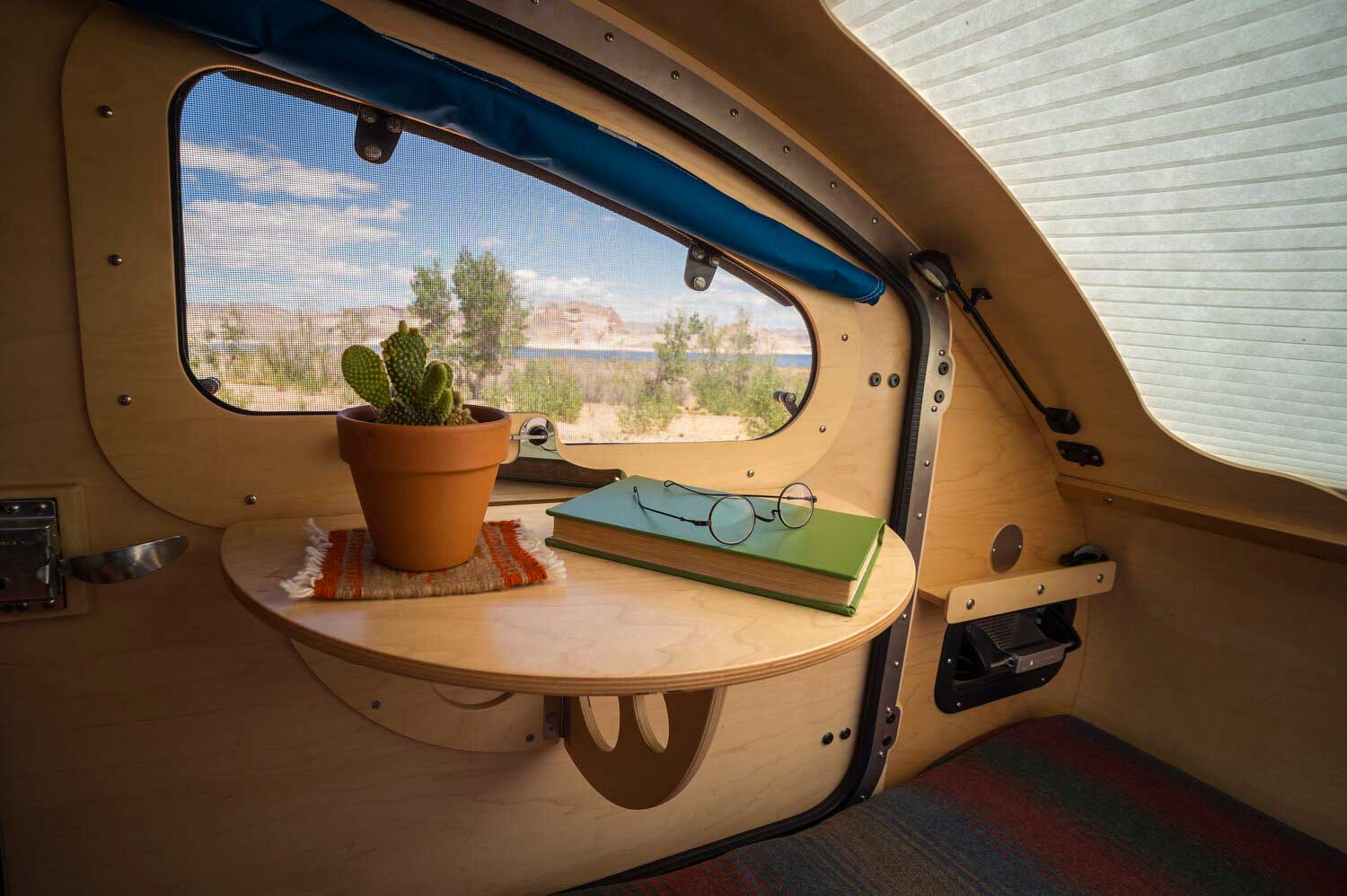
Interior storage receives equal attention. Under-bed compartments, headboard cabinets, and flip-up tables help keep gear organized. Exterior porch lights and rock light options improve nighttime usability at camp.
These details reduce daily friction during travel. Over long trips, convenience and reliability matter as much as major specifications.
Overlanding often forces a trade-off between minimalism and comfort. Vistabule manages to balance both. It remains lightweight and towable by smaller vehicles while offering real sleeping space, a capable kitchen, and scalable power systems.
For travelers who want scenic camps, long road trips, and flexible off-grid capability without stepping into large trailer territory, this teardrop continues to stand out in 2025. It delivers comfort without excess, capability without unnecessary bulk, and thoughtful design that supports real-world adventure.
Best Teardrops for Overlanding of 2025: Escapod TOPO2 Voyager
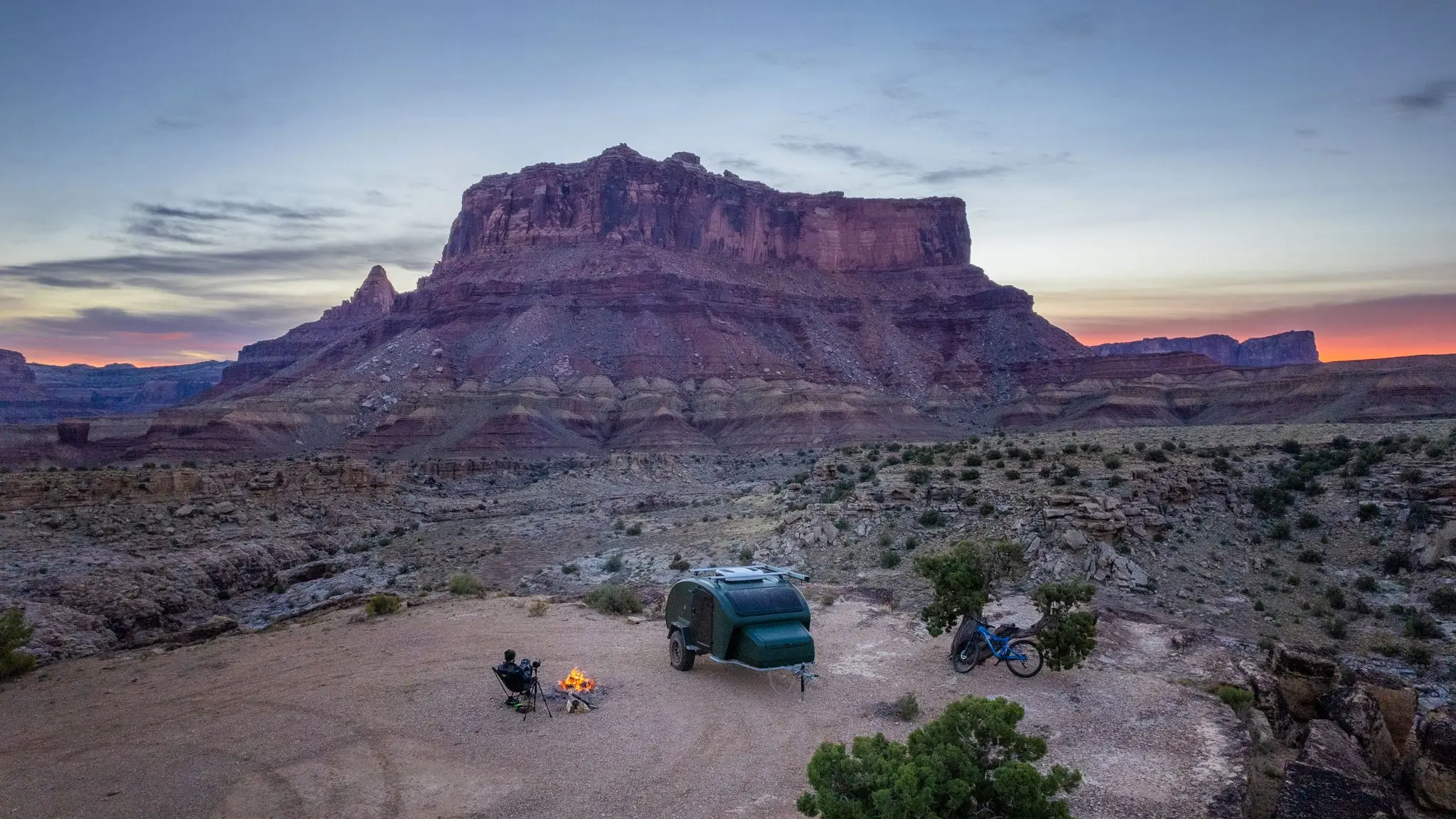
The Escapod TOPO2 Voyager targets serious off-road travel while maintaining real comfort and year-round usability. Many trailers claim four-season capability. This one backs that claim with structural engineering, off-grid utilities, and suspension designed for rough terrain. When evaluated as a complete system, it stands among the strongest overlanding teardrops available in 2025.
The foundation of the Voyager is its single-piece composite fiberglass body. Escapod builds the shell in-house and reinforces it with a recycled PET core. The structure contains no structural wood. That decision directly reduces the risk of rot, mold, and long-term water damage.
Seamless construction eliminates many common failure points found in traditional trailers. Overlanders who travel through rain, snow, and temperature swings benefit from a body designed to resist leaks. The fiberglass shell also simplifies maintenance. You spend less time managing sealants and more time traveling.
Dry weight sits at 1,920 pounds with a tongue weight of 250 pounds. Exterior length measures 13 feet 6 inches with a width of 7 feet and height of 80.5 inches. These numbers place the trailer in a sweet spot. It remains compact enough for tight trails while offering strong durability and storage capacity.
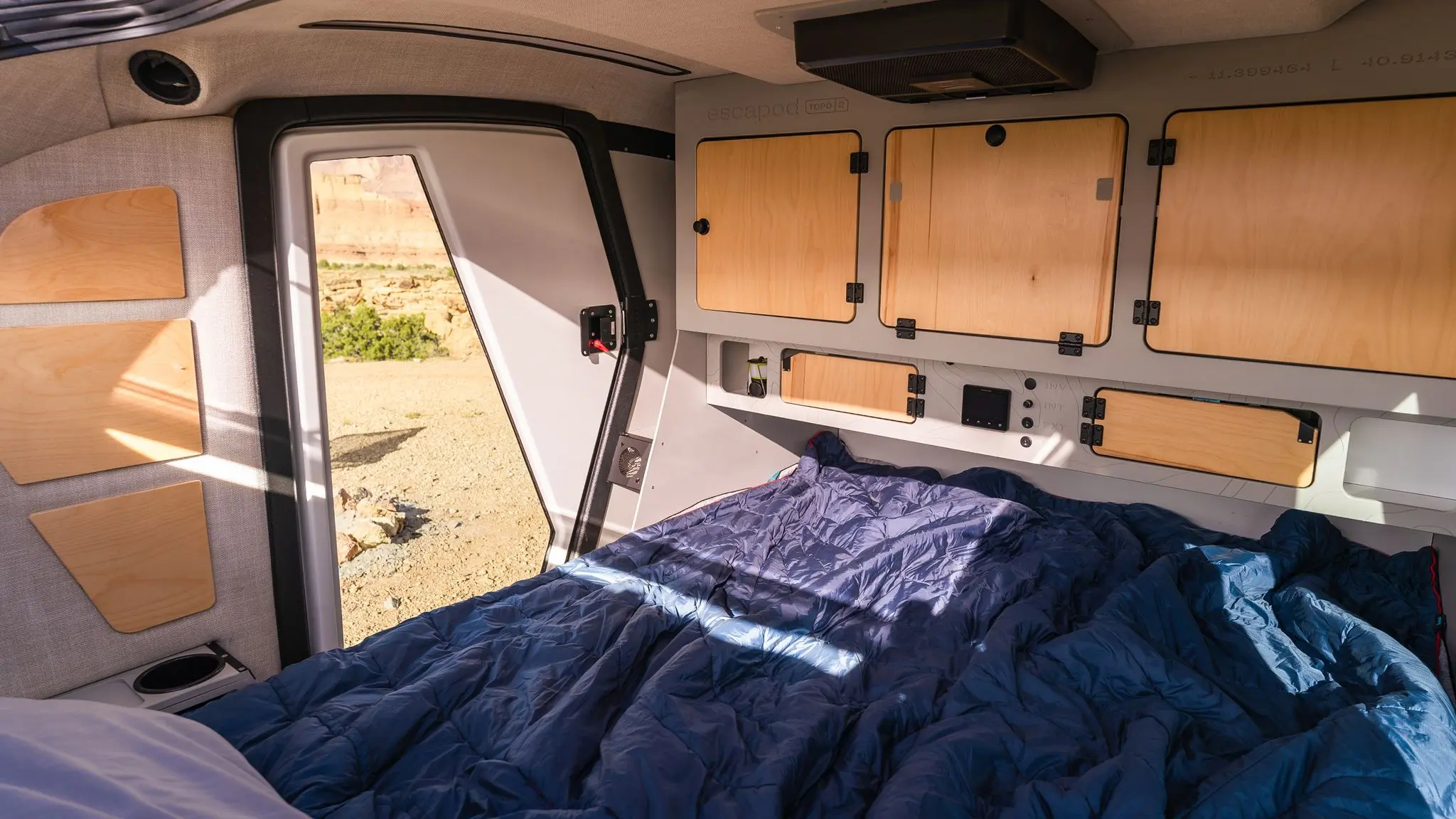
Inside the cabin, the Voyager emphasizes sleep quality and practical storage. The queen 6-inch memory foam mattress supports real recovery after long driving days. Forty-two and a half inches of headroom allow comfortable sitting and relaxing inside the trailer during poor weather.
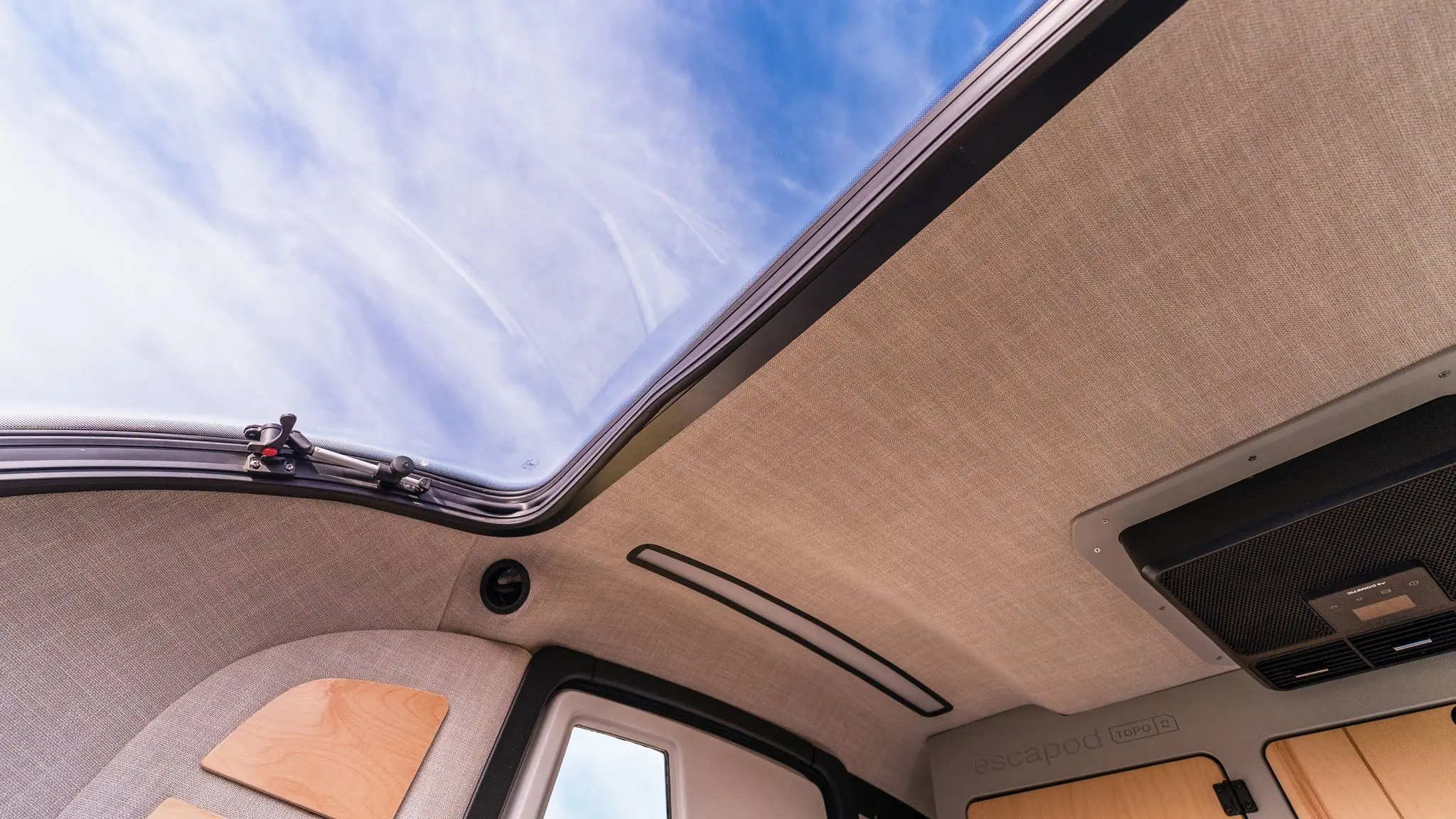
A stargazer window expands the feeling of space and supports ventilation and light. Each door includes a mudroom area with coat hooks and shoe storage. This detail becomes valuable during muddy or snowy travel when keeping the sleeping area clean matters.
Cabinet storage lines the interior, finished in Baltic birch. The warm wood finish creates a cabin feel rather than a bare utility space. A system monitor tracks power and water usage in real time, which helps manage resources during extended off-grid travel.

The rear galley focuses on true camp cooking rather than basic meal prep. A stainless steel sink and ENO two-burner stove come standard. Space exists for a YETI 75 cooler or an upgraded ARB 63 fridge and freezer. This flexibility allows owners to choose between simplicity and refrigeration capability.
Seven and a half cubic feet of cabinet storage supports organized packing. Modular shelving and a hidden knife set improve workflow while cooking. An outdoor shower adds flexibility for cleanup after dusty trail days or beach trips.
The kitchen design encourages longer stays in remote locations. It supports meal planning beyond quick one-pan dinners. For travelers who prioritize cooking outdoors, this galley becomes a major advantage.
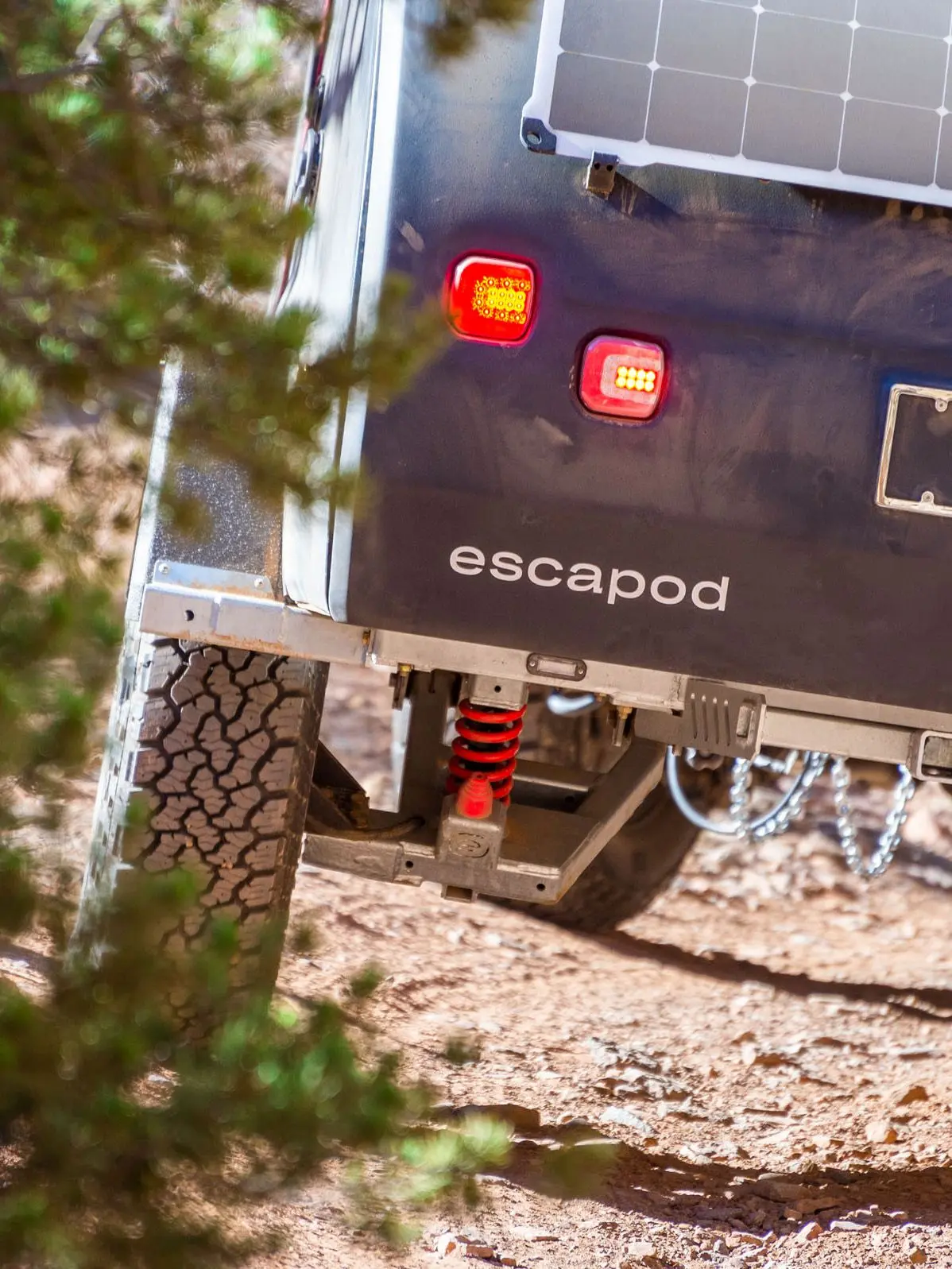
The Freeride Suspension System defines the Voyager’s off-road credibility. Each side offers 4.5 inches of independent travel. Independent suspension allows the trailer to track smoothly over uneven terrain.
This design reduces stress on the trailer and improves stability behind the tow vehicle. Rough roads, washboards, and rocky trails become more manageable. The trailer follows the vehicle rather than fighting it.
For overlanders who explore remote routes, suspension quality directly affects travel confidence. The Voyager aims to match the capability of modern off-road vehicles rather than limit route choices.
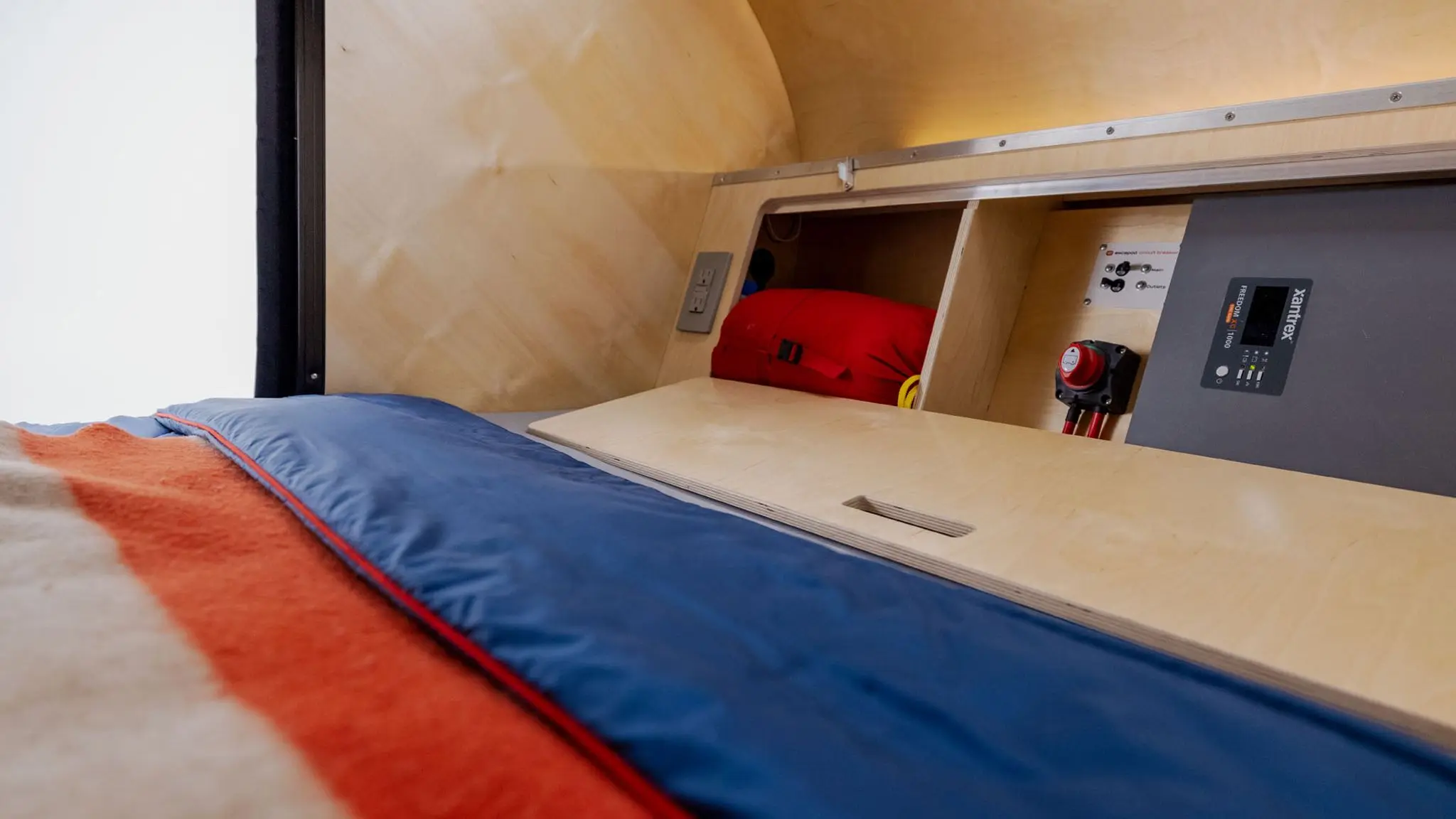
The Voyager arrives ready for remote travel. A 100 amp-hour lithium battery provides reliable power storage. A 190-watt solar panel keeps the system charged during extended trips. Dimmable LED lighting reduces power consumption while maintaining a comfortable interior.
The Aqua-Hot system provides both hot air and hot water. This feature dramatically improves cold-weather usability. Combined with a 21-gallon freeze-resistant water tank, the trailer supports winter camping conditions that many teardrops avoid.
A MaxxAir fan maintains airflow and moisture control. These systems combine to create a trailer that functions in summer heat and winter cold. For travelers who camp year-round, this capability sets the Voyager apart.
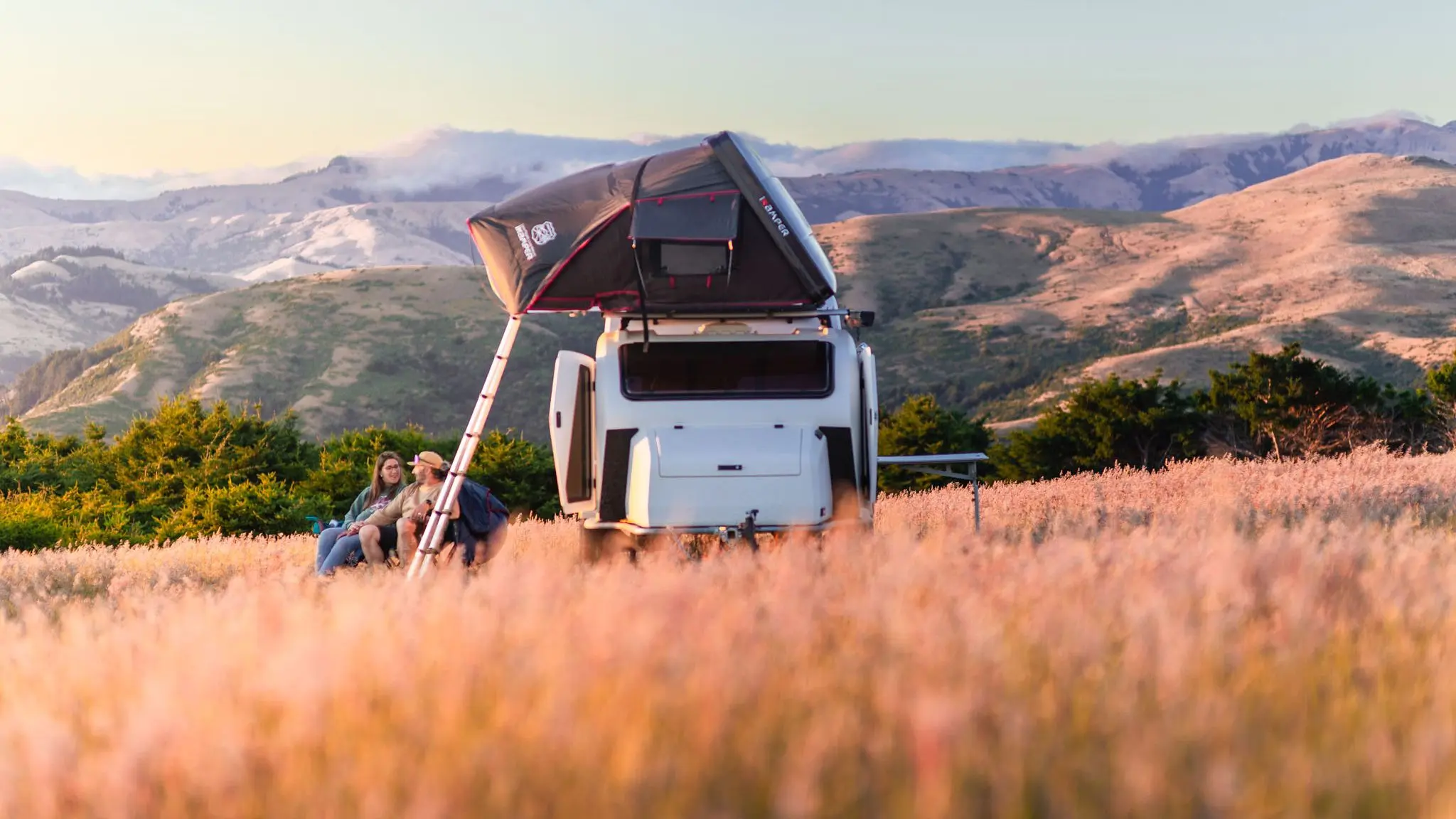
Escapod offers add-ons that extend the trailer’s versatility. Rooftop tent compatibility supports family travel. Optional air conditioning adds hot-climate comfort. Additional awnings expand shaded living space at camp.
Blackout door screens increase privacy and temperature control. An articulating hitch improves performance on uneven trails. These options allow owners to tailor the trailer to their travel style and destination goals.
The TOPO2 Voyager succeeds because it integrates durability, comfort, and off-grid capability into a cohesive package. Its fiberglass shell reduces long-term maintenance. Its suspension supports rugged travel. Its utilities allow extended remote camping across seasons.
For overlanders seeking a trailer that can follow demanding routes while providing real comfort at camp, the Voyager stands out in 2025. It balances trail capability with thoughtful livability, creating a platform ready for long-distance adventure.
Learn more about the Escapod TOPO2 Voyager
Best Teardrops for Overlanding of 2025: Vistabule DayTripper

The Vistabule DayTripper takes a different path from most modern teardrops. Many trailers continue adding systems, appliances, and complexity. The DayTripper intentionally removes them. The result is a lightweight, simple sleeping trailer built for campers who want comfort without extra systems to manage. This focused design makes it one of the most appealing minimalist overlanding trailers for 2025.
The DayTripper starts with a clear goal. It provides a comfortable place to sleep and relax while keeping the camping experience centered on the outdoors. With a total length of 12 feet and a base weight of about 1,000 pounds, it remains easy to tow with a wide range of vehicles. Many compact SUVs and crossovers can handle it comfortably, which lowers the barrier to entry for travelers who want a trailer without upgrading their tow vehicle.
This light weight also improves everyday usability. Hitching, parking, and maneuvering feel less intimidating for new trailer owners. Overlanders who prefer quick weekend trips or spontaneous travel benefit from a trailer that feels easy to bring along.

The most significant design change appears at the rear of the trailer. Traditional teardrops rely on a hatch galley. The DayTripper replaces that space with a full tailgate entry. This change reshapes how the interior works and dramatically increases usable cabin space.
The cabin measures 92 inches long, which adds 14 inches of extra floor space compared to the classic Vistabule. That difference becomes noticeable the moment you step inside. Tall campers gain room to stretch out, and pet owners gain space for dogs to sleep comfortably. Headroom increases to 44 inches, which makes sitting and relaxing inside feel more natural.
By removing the built-in galley, Vistabule reduces weight and complexity while increasing flexibility. Campers can cook outside using portable gear or a full camp kitchen setup that fits their style.

Large windows remain a defining feature. The oversized skylight continues the signature Vistabule design, bringing in natural light and wide sky views. Combined with large front and rear windows and operable side windows with screens, the cabin offers near 360-degree visibility.
This window layout changes how the space feels. Even though the trailer remains compact, the interior rarely feels confined. Morning light, fresh air, and outside views become part of the sleeping experience.
The base package includes a four-inch mattress, a remote-controlled two-way MaxxFan, ventilation ports, headboard storage cabinets, and ceiling and hatch lighting with USB charging. These features support comfort while keeping the design intentionally simple.

One of the most forward-thinking decisions is the absence of a built-in power system. Many campers now rely on portable power stations and solar generators. The DayTripper supports this trend with city power and portable solar plug-in connections.
This approach gives owners full control over their electrical setup. They can choose a small portable battery for weekend trips or a larger solar generator for extended travel. The trailer adapts to the owner instead of forcing a fixed system.

Despite its simplicity, the DayTripper remains built for travel. The trailer rides on a torsion axle rated for 2,200 pounds and uses a painted aluminum exterior over a sturdy aluminum chassis. Ground clearance measures 11 inches, which helps on rough roads and dispersed campsites.
The Demco EZ-Latch coupler simplifies hitching, and the spare tire mounts under the A-frame to save space. These details improve daily usability without adding unnecessary complexity.
Optional upgrades expand capability when needed as well. Buyers can add 14-inch wheels, a rock guard, exterior storage boxes, and a bike rack. These options allow owners to tailor the trailer to their travel style while keeping the base trailer simple.
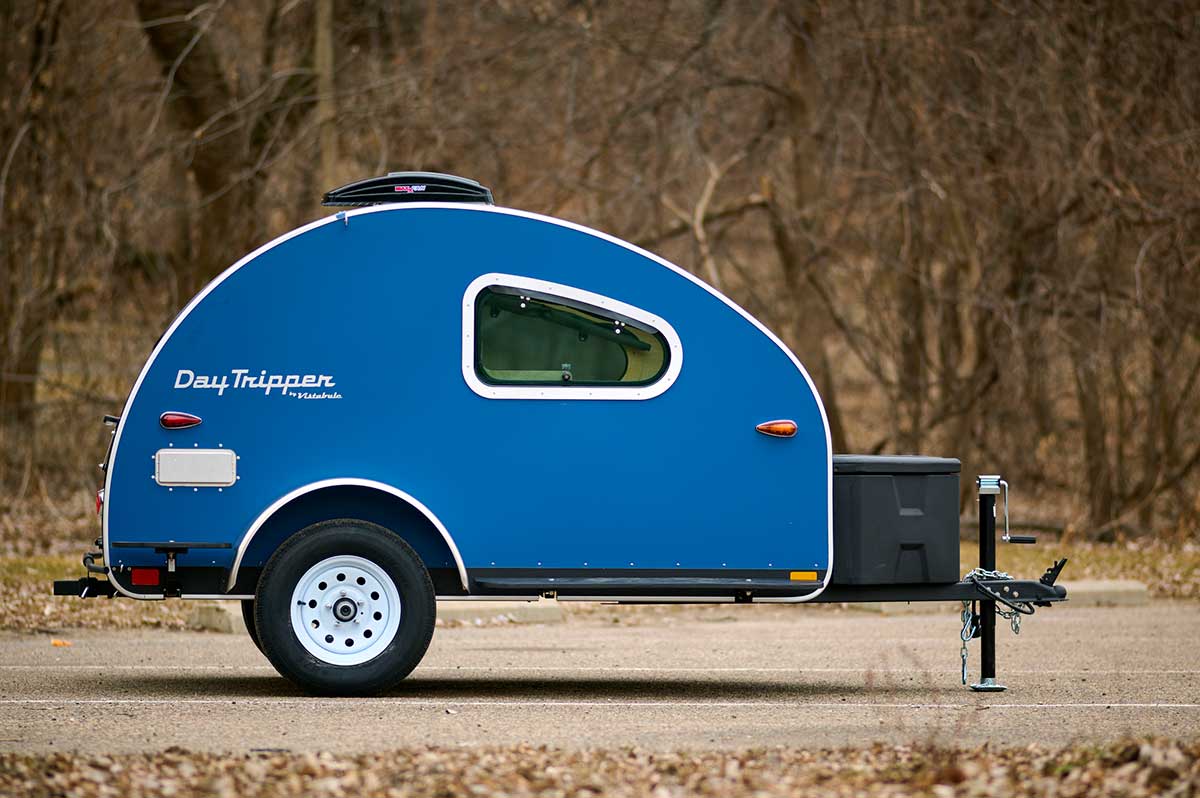
The DayTripper succeeds because it focuses on the essentials. It provides a bright sleeping cabin, generous interior space, and an easy towing experience. At the same time, it avoids the weight and maintenance of built-in kitchens and complex electrical systems.
For overlanders who prefer portable gear, flexible camp kitchens, and simple travel setups, this trailer fits perfectly. It encourages campers to spend more time outside while still offering a comfortable and protected place to sleep.
In 2025, the DayTripper stands out as a smart choice for travelers who value simplicity, light weight, and flexibility without giving up comfort.
Learn more about the Vistabule DayTripper
Best Teardrops for Overlanding of 2025: Roadrunner Teardrops 459 Expedition Delux
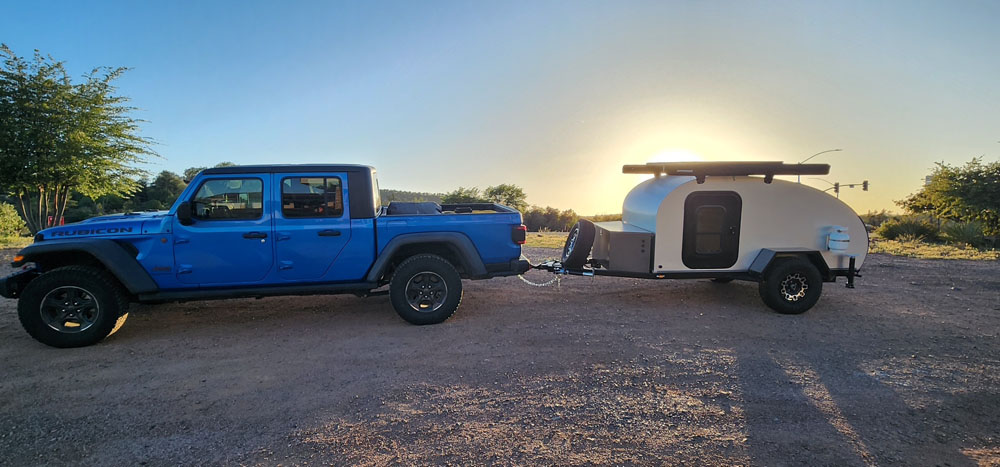
The Roadrunner Teardrops 459 Expedition Deluxe targets travelers who want a fully equipped trailer ready for extended trips. Many teardrops require major upgrades after purchase. This model arrives with power, refrigeration, shelter, and cooking systems already integrated. That approach makes it a strong option for overlanders who want to start traveling immediately.
Power and energy sit at the center of this trailer’s design. The 459 Expedition Deluxe includes 200 watts of solar power using both a permanently mounted panel and a portable panel. This dual-panel setup improves flexibility when camping in mixed sun and shade conditions. You can park in the shade while still positioning the portable panel in direct sunlight.

A 40-amp charge controller manages incoming solar power efficiently. The 1000-watt inverter expands usability by allowing common household devices to run from battery power. USB outlets in both the cabin and galley make it easy to keep phones, cameras, and GPS units charged during long trips.
The Renogy One Core system brings everything together with Bluetooth monitoring. Owners can track power usage and system status directly from a phone. This visibility helps manage energy during extended off-grid travel and reduces guesswork at camp.

Food storage often defines how long you can stay off-grid. The 50-quart Explorer Bear fridge removes the need for ice and traditional coolers. Its upgraded LG compressor maintains consistent cooling performance in hot and cold environments.
Reliable refrigeration allows travelers to bring fresh ingredients and plan multi-day meals. It also reduces supply runs, which supports longer stays in remote areas. For many overlanders, this upgrade alone transforms the camping experience.
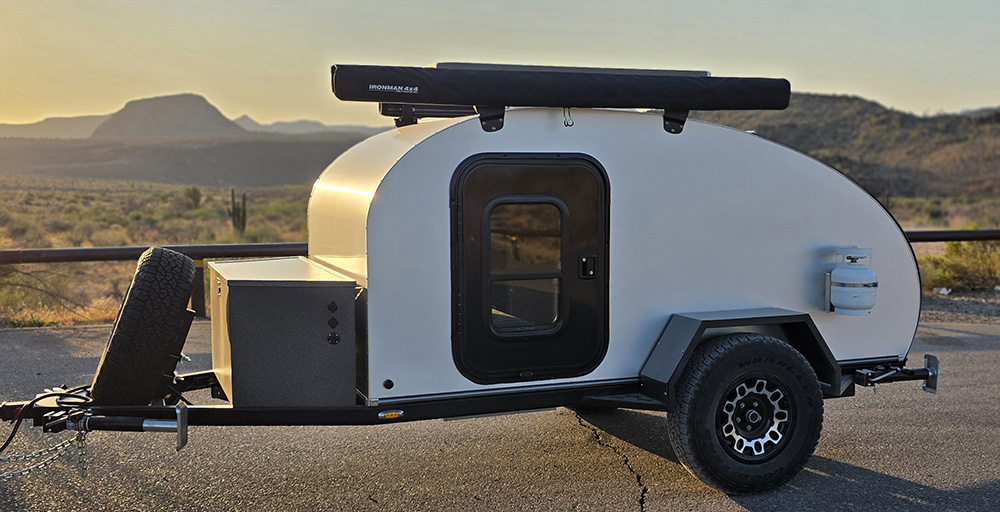
Dual straight awnings expand the living space dramatically once you arrive at camp. The included awning room creates a protected area for relaxing, cooking, or storing gear. This covered space becomes especially valuable during rain, wind, or intense sun.
An instant water heater adds another layer of comfort. Hot water improves dishwashing, cleaning, and personal hygiene during extended travel. These features shift the trailer from basic shelter to a complete camp system.
Cooking receives equal attention. The Cook Partner dual-burner stove provides a reliable outdoor cooking platform. Combined with the galley layout and power system, it supports real meal preparation rather than simple reheating.
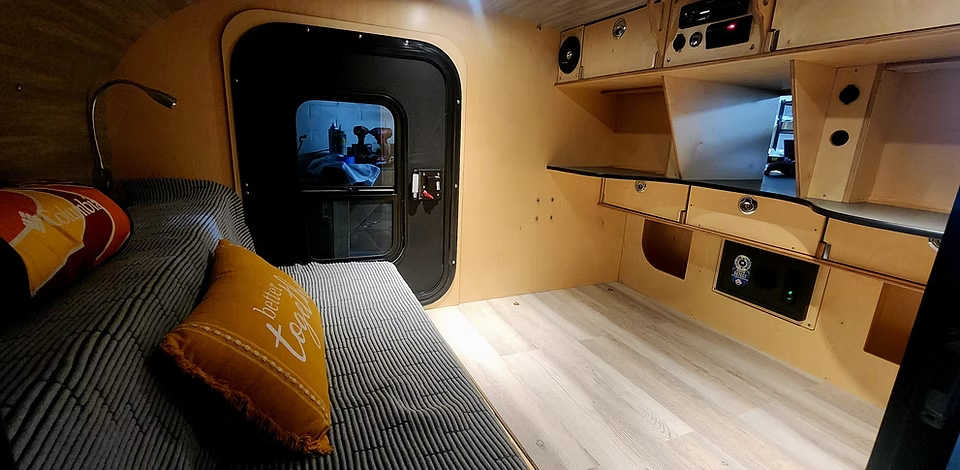
Inside the cabin, the 4.5-inch foam trifold sofa mattress provides a comfortable sleeping surface while maintaining flexibility during the day. The design allows the interior to function as both a lounge and a sleeping space.
A large under-bed storage box keeps gear organized and out of the way. Storage efficiency matters during long trips when every inch counts. Keeping gear protected and accessible improves daily workflow at camp.
The 459 Expedition Deluxe blends traditional camping features with modern technology. Solar power, inverter capability, refrigeration, and app-based monitoring work together to support extended off-grid travel.
This integrated approach reduces the need for aftermarket upgrades and simplifies trip preparation. Owners can focus on planning routes and destinations instead of building systems.

The Roadrunner Teardrops 459 Expedition Deluxe succeeds by delivering a complete camping package from the start. Solar power, refrigeration, cooking equipment, shelter, and monitoring technology combine into a cohesive travel platform.
For overlanders who want a trailer ready for multi-day or multi-week adventures without major modifications, this model offers a strong balance of comfort, capability, and convenience.
Learn more about the Roadrunner Teardrops 459 Expedition Delux
Best Teardrops for Overlanding of 2025: Timberleaf Trailers “The Classic”

The Timberleaf Classic blends traditional teardrop styling with modern off-road capability and high-end craftsmanship. Many trailers focus on rugged performance or vintage style. This trailer combines both in a way that appeals to travelers who value durability, comfort, and timeless design. For 2025 overlanding travel, it stands out as a refined yet capable option.
Timberleaf builds each Classic with a strong focus on craftsmanship. The trailer uses enamel-baked aluminum siding paired with a clear anodized aluminum roof. This combination protects the trailer from the weather while maintaining a clean, classic appearance over time.

The cabin uses fully insulated walls with one-inch foam sealed between layers of hand-finished birch plywood. This construction improves temperature control in both hot and cold conditions. It also creates a warm interior environment that feels more like a cabin than a utility trailer.
The Classic weighs about 1,500 pounds dry with a tongue weight near 150 pounds. That light weight allows towing with many SUVs and small trucks. Overlanders gain flexibility without sacrificing durability.

One of the most appealing aspects of the Classic is its three suspension packages. Buyers can match the trailer to their travel style rather than adapting their trips to the trailer.
The Standard package focuses on paved travel and light dirt roads. It uses a torsion axle and classic trailer tires for highway comfort. This setup works well for long road trips and campground travel.
The All-Road package bridges the gap between pavement and dirt. It adds rugged aluminum wheels, larger tires, diamond plate fenders, and a Timbren axle-less suspension with electric brakes. This configuration suits travelers who split time between highways and forest service roads.
The Off-Road package targets remote travel. A four-inch lift, 33-inch all-terrain tires, rock armor, electric brakes, and an articulating Max Coupler hitch allow the trailer to follow a capable tow vehicle into more demanding terrain. This range of options makes the Classic adaptable to many types of overlanding.
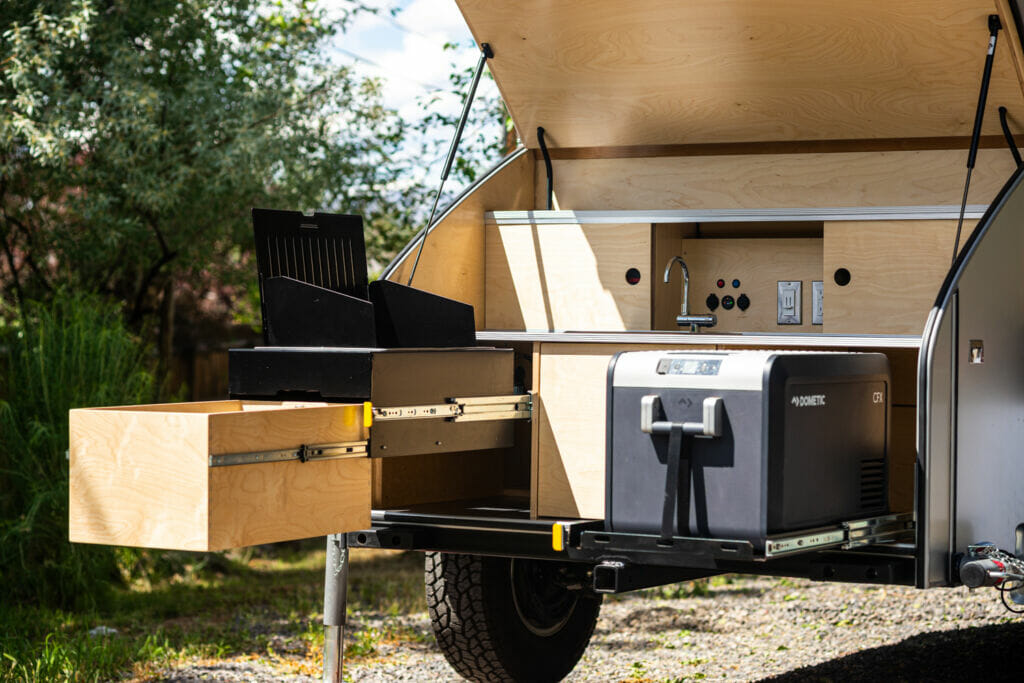
The rear galley plays a major role in the Classic’s usability. Sliding bypass doors protect storage while keeping items easy to access. A dedicated stove slide, under-sink cabinet, and lower storage drawer create a functional cooking workspace.
A stainless steel sink with a folding faucet comes standard. Buyers can choose between 11-gallon and 17.5-gallon onboard water systems. This flexibility supports both short trips and extended travel.
Optional upgrades include a Partner Steel two-burner cookstove and multiple cold storage options. Campers can choose traditional coolers or 12-volt fridge setups. This flexibility allows the kitchen to grow with the owner’s travel style.

Inside, the Classic emphasizes sleep quality and storage. A large skylight brings natural light during the day and sky views at night. This feature transforms the cabin into a relaxing retreat after long travel days.
Storage solutions include cubbies behind the headboard, an overhead shelf, folding wood shelves, and additional cabinetry at the foot of the bed. These features keep gear organized while maintaining an open feel.
The custom Colorado Queen mattress matches the length of a standard queen bed while fitting the trailer’s footprint. A six-inch foam mattress comes standard, with an optional eight-inch upgrade available. This focus on sleep comfort supports recovery during long trips.

The Timberleaf Classic succeeds because it blends heritage styling with modern engineering. Lightweight construction, multiple suspension packages, and a well-designed galley support real travel needs. At the same time, handcrafted woodwork and thoughtful details create a warm and inviting interior.
For overlanders who want a trailer that balances craftsmanship, comfort, and capability, the Classic remains a strong choice for 2025 adventures.
Learn more about the Timberleaf Trailers “The Classic”
Best Teardrops for Overlanding of 2025: Rovikk Ranger
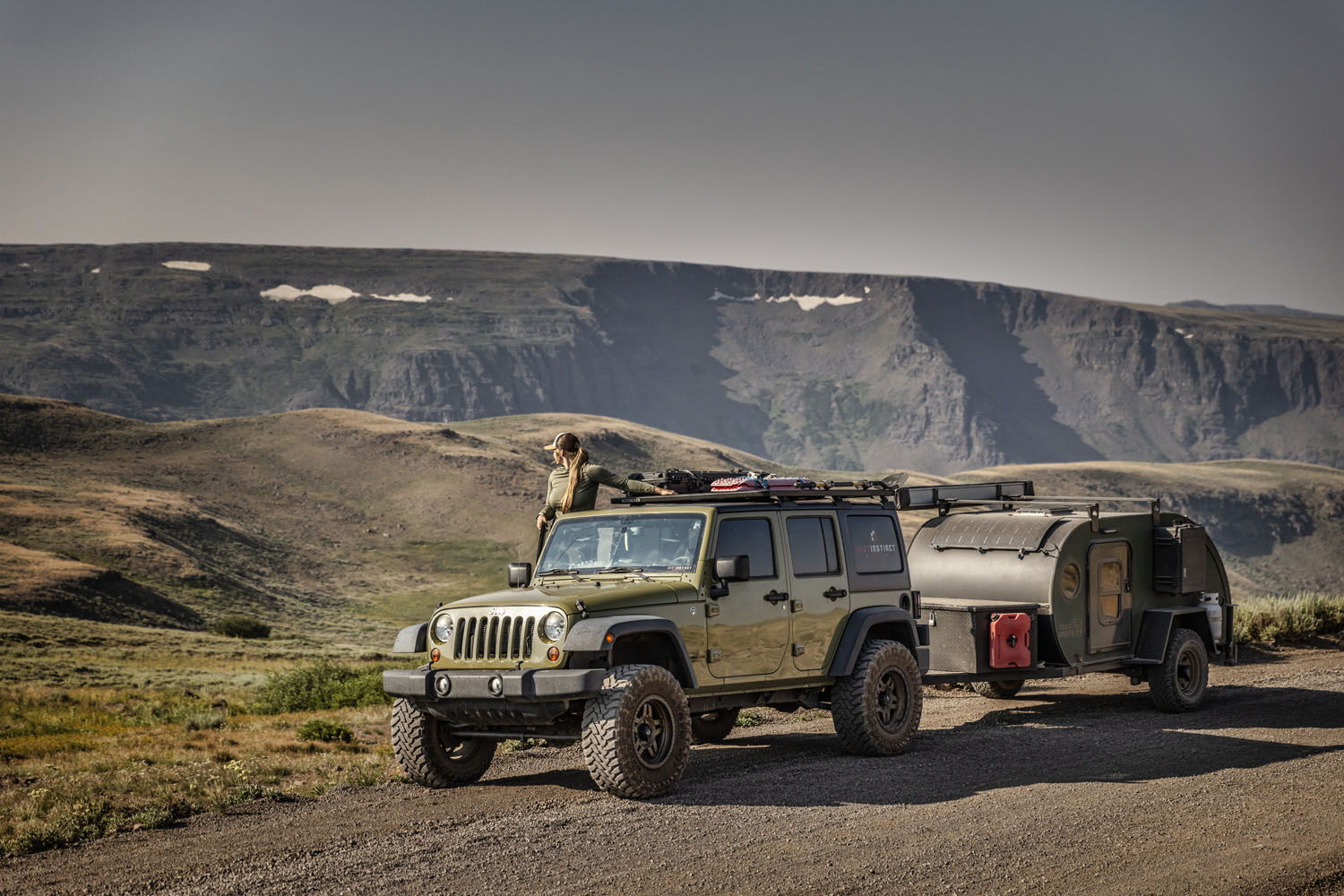
Photo by Morgan Gregory
The Rovikk Ranger targets overlanders who want a rugged trailer that still feels comfortable for extended travel. It sits in a practical middle ground. The trailer offers real interior space, strong off-road hardware, and a flexible layout without becoming overly large or difficult to tow. For 2025 and beyond, it fits the needs of travelers who regularly leave pavement behind.
The Ranger begins with a heavy-duty steel frame. The black powder-coated 2 x 3-inch chassis provides a rigid base designed to handle vibration and uneven terrain. Wall support tabs add additional structural strength, which improves long-term durability on washboard roads and rocky trails.
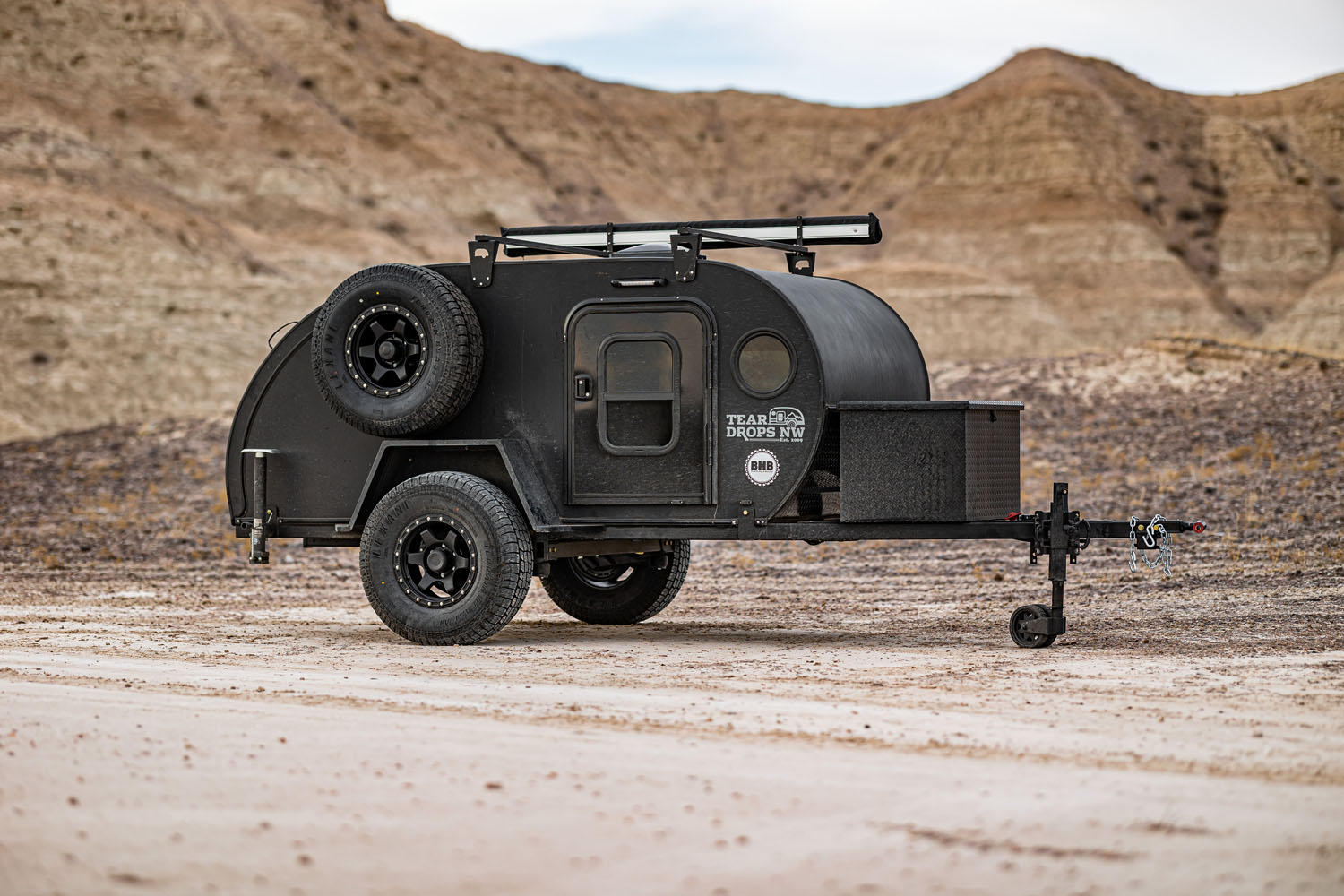
Photo by Black Hills Builds
Suspension plays a major role in the trailer’s off-road capability. A 3,500-pound Timbren axle-less suspension system provides strong articulation and improved ground clearance. Twelve-inch electric trailer brakes offer confident stopping power on steep descents and loose surfaces.
A Max Coupler articulating hitch allows the trailer to move independently from the tow vehicle over uneven terrain. Combined with black steel 15-inch wheels and a full-size spare, the Ranger clearly targets remote travel rather than campground use.
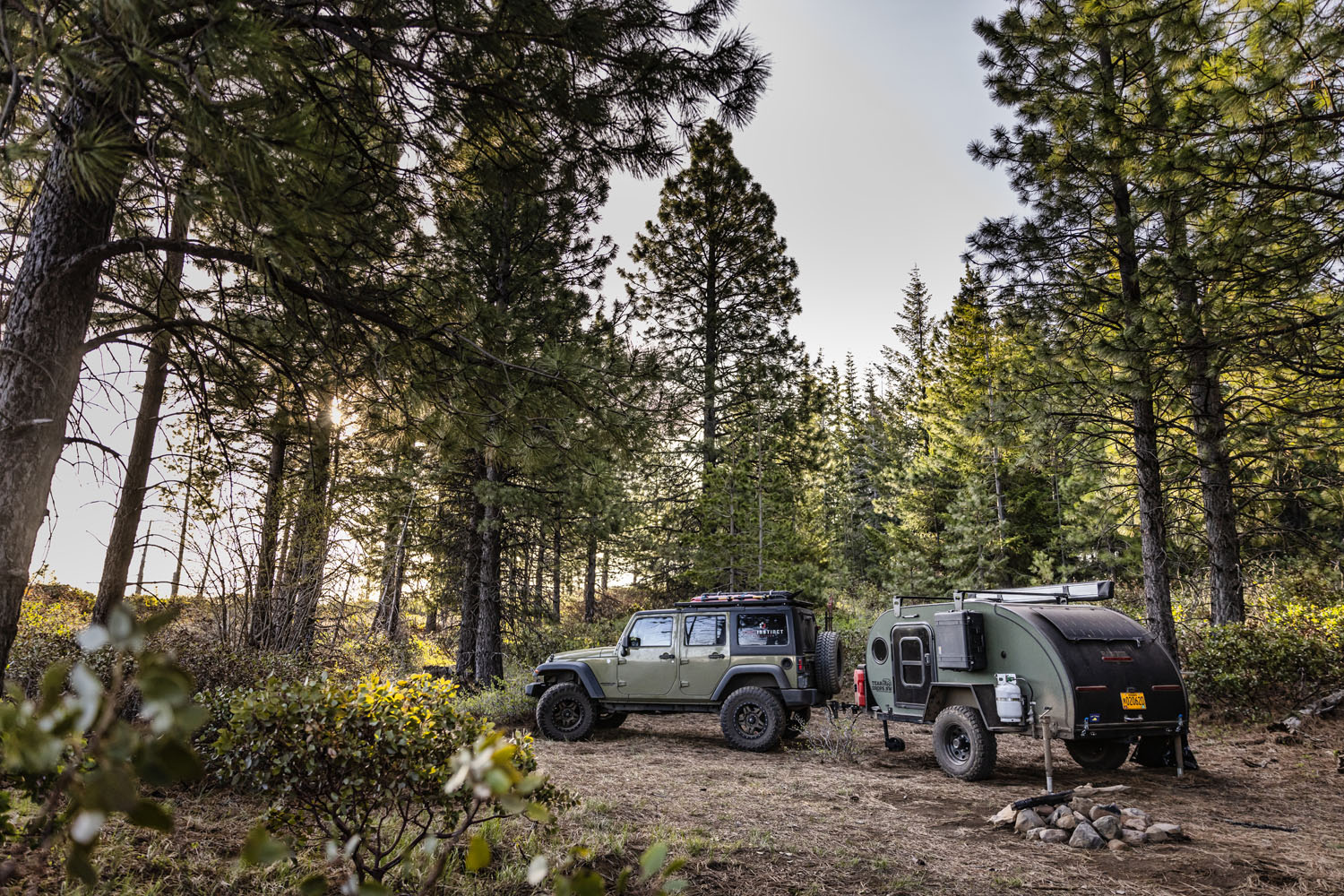
Photo by Morgan Gregory
At roughly 1,850 pounds, the Ranger remains manageable for many midsize trucks and SUVs. The 5 x 9 foot footprint provides a meaningful increase in living space compared to smaller teardrops without pushing the trailer into oversized territory.
This balance matters during long trips. The trailer feels roomy at camp yet remains easy to maneuver on narrow forest roads and tight trailheads. For many overlanders, this size hits a practical sweet spot.
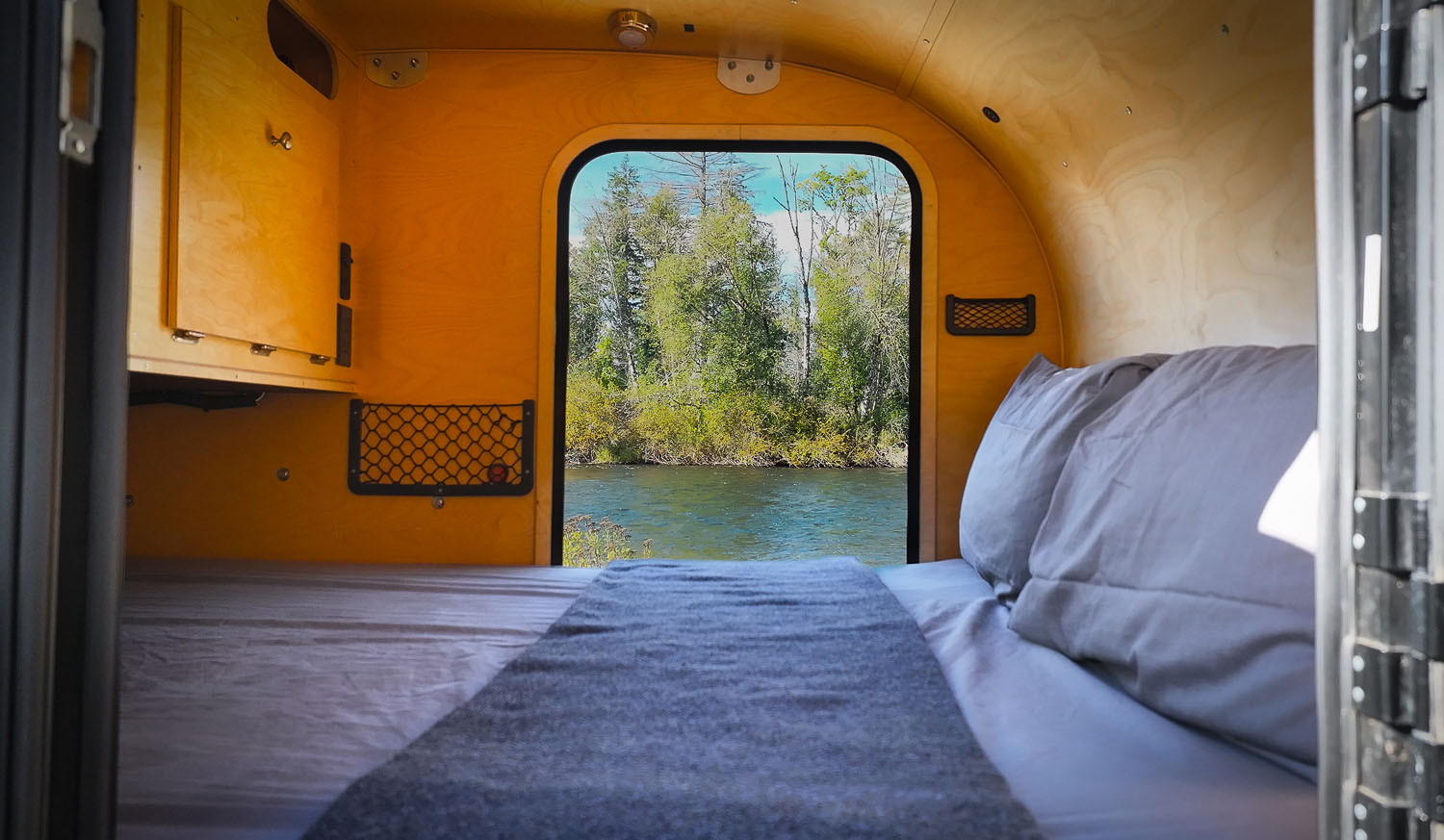 Photo by Michael Bolin
The cabin includes space for a true queen-size sleeping area with an 80-inch mattress option. Taller campers benefit immediately from the extra length. A six-inch tri-fold mattress provides support while allowing access to storage below.
Insulation and exterior materials support multi-season travel. Anodized aluminum sides pair with a powder-coated roof and hatch to resist weather exposure. A MaxxAir fan with temperature control and rain sensor maintains airflow in changing conditions.
These features create a cabin that feels comfortable after long driving days and varied weather conditions.
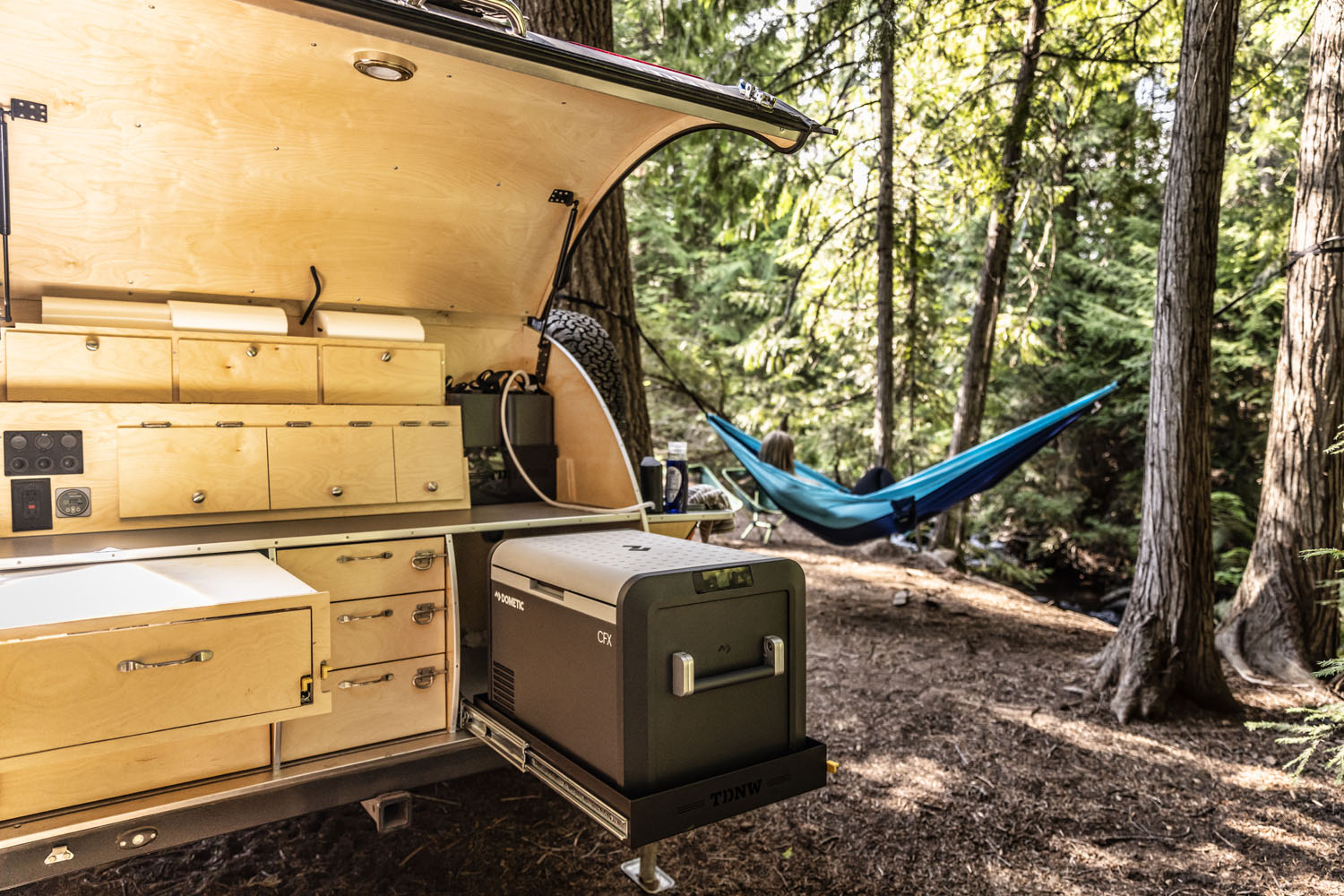
Photo by Morgan Gregory
Rovikk designed the Ranger with gear-heavy travel in mind. Buyers can choose from multiple interior cabinet layouts, including Cadence, Cheslow, and Quadra. This flexibility allows owners to match storage to their travel style.
The galley continues that customization. Aztec cabinetry defines the upper galley, and the lower area includes drawer stacks and a Camp Chef Everest two-burner stove. Buyers can configure refrigeration using a cooler, fridge, or slide system. The right side of the galley remains customizable to avoid a fixed layout.
A pass-through option between the galley and cabin adds convenience and improves workflow during meal preparation.
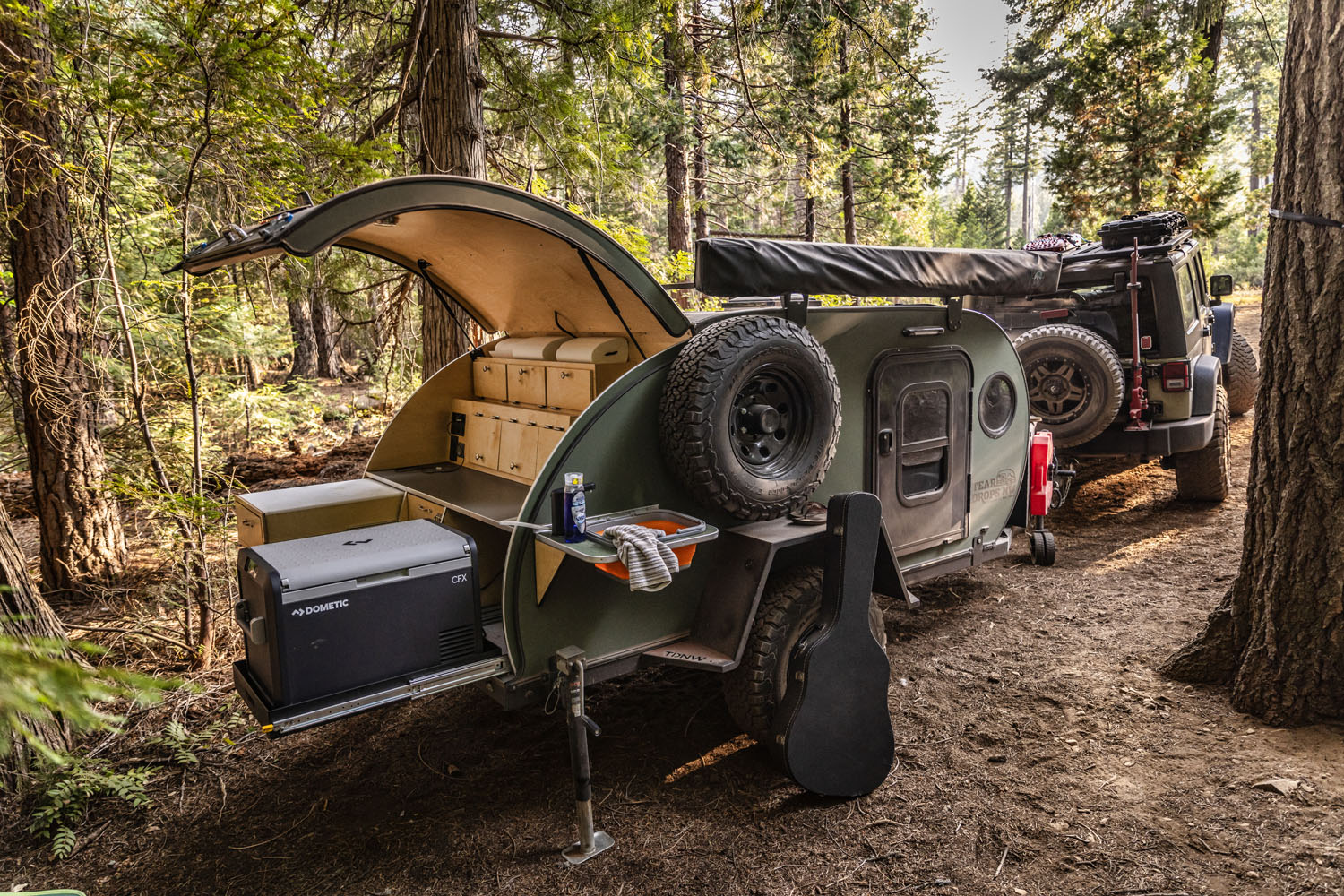
Photo by Morgan Gregory
A deep-cycle battery and charger come standard, supported by a WFCO power system. The trailer includes 110 volt, 12 volt, and USB outlets in both the cabin and galley. LED lighting provides efficient illumination while minimizing power consumption.
A Zamp solar-ready connection simplifies future solar upgrades. This setup allows owners to start with a simple power system and expand later as the trip length increases.
Black side-entry doors on both sides improve accessibility. Jeep-style steel fenders with integrated side steps add durability and convenience. Roof rack brackets and crossbars support recovery boards, rooftop gear, and other travel equipment.
A black polyethylene tongue box provides protected front storage, while stabilizer brackets and adjustable jack stands improve campsite setup.
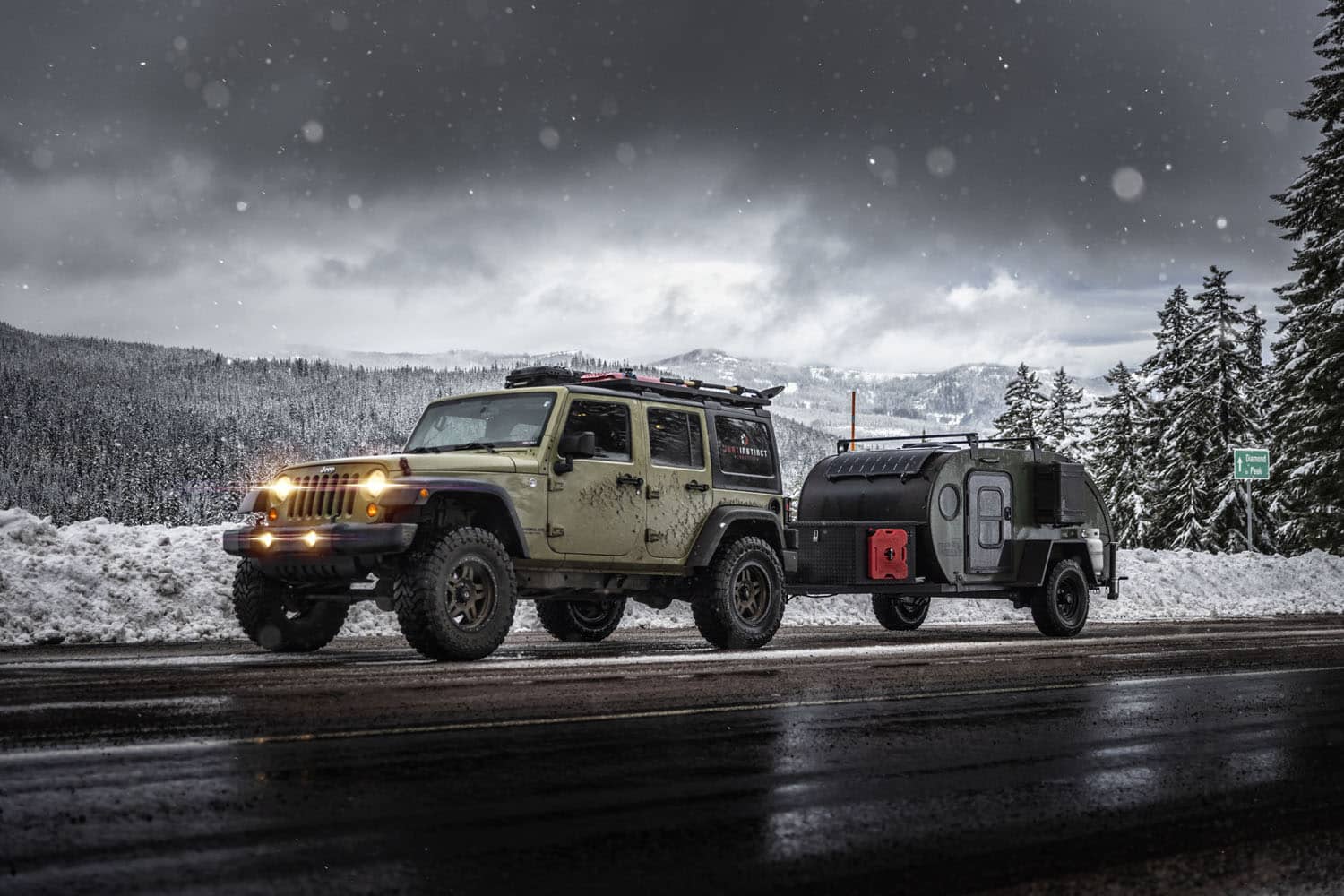
Photo by Morgan Gregory
The Rovikk Ranger succeeds because it blends durability, space, and flexibility into a cohesive trailer. It handles rough terrain confidently, provides real sleeping comfort, and supports extended off-grid travel.
For overlanders seeking a trailer that balances capability with everyday usability, the Ranger remains a strong choice for long-distance adventure.
Learn more about the Rovikk Ranger
Best Teardrops for Overlanding of 2025: Bean Trailers Mean Bean
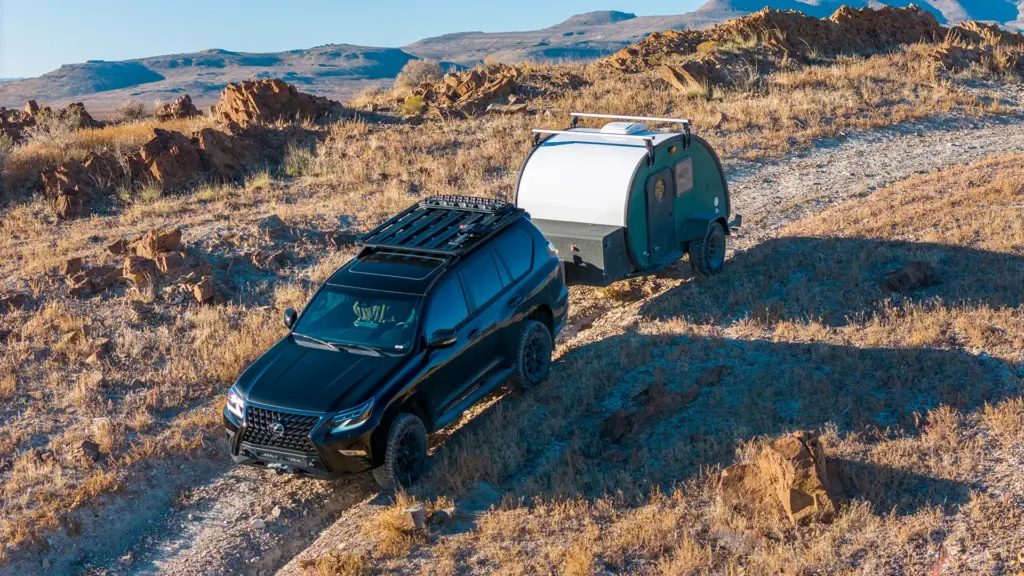
The Bean Trailers Mean Bean targets overlanders who want real off-road durability without giving up comfort or design quality. Many trailers claim rugged capability but still require careful handling on rough terrain. The Mean Bean encourages owners to travel harder and farther while maintaining the refined interior experience that defines the Bean lineup.
The Mean Bean starts with Bean Trailer’s seamless fiberglass shell. This construction eliminates many seams and joints that often become maintenance points over time. Fewer seams reduce the risk of leaks and simplify long-term care.
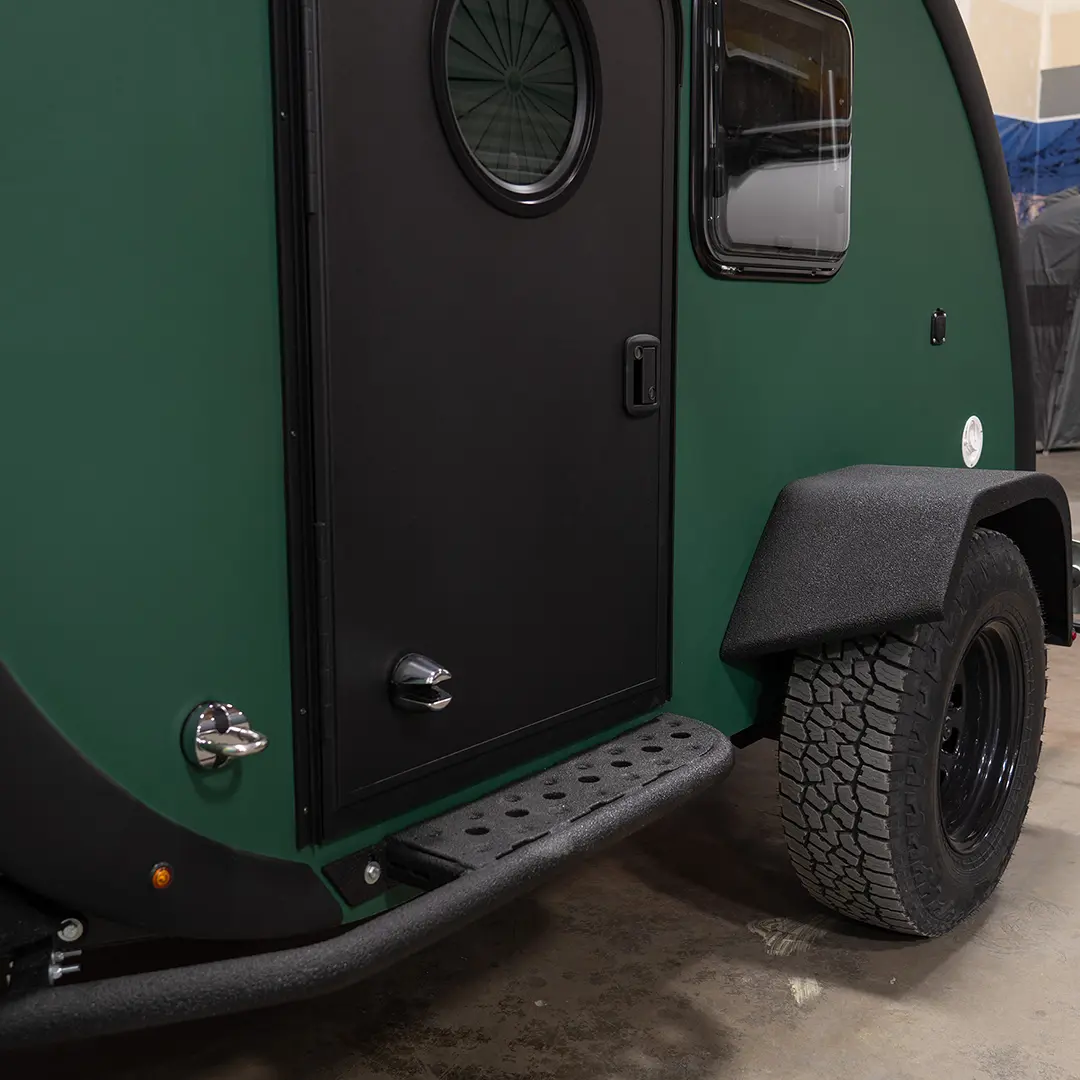
Durability extends beyond the body. Armadillo-coated fenders add a protective layer designed to handle trail abuse and repeated use as access steps for roof racks and gear. This detail reflects the trailer’s off-road purpose. Owners can climb, load, and move gear without worrying about damaging exterior panels.
With a dry weight around 1,850 pounds, the trailer remains towable by many midsize trucks and SUVs. At the same time, the reinforced design and 15.5 inches of ground clearance allow travel well beyond paved roads.

The Mean Bean measures just over 14 feet long and 7 feet 4 inches wide. This size provides interior space without pushing the trailer into oversized territory. A tire size of 235/75R15 improves ground clearance and trail stability while maintaining strong road manners.
These dimensions create a trailer that feels stable on highways and capable on rough roads. Overlanders benefit from a platform that supports both long road trips and remote destinations.
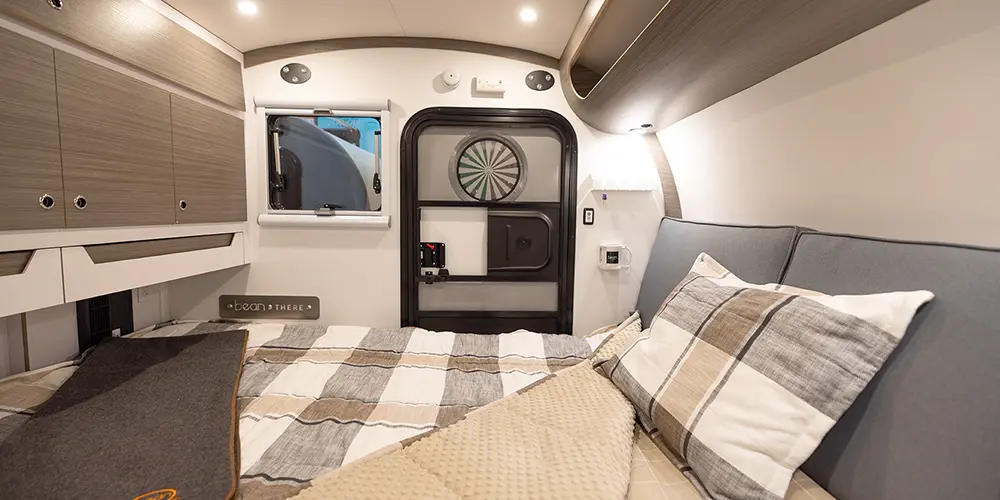
Inside, the Mean Bean focuses heavily on livability. The cabin offers 54.5 inches of interior height and space for a queen-size mattress measuring roughly 60 by 80 inches. After long travel days, a full sleeping surface makes a major difference in recovery and comfort.
Insulation uses a three-quarter-inch composite material designed to resist bugs and water while providing thermal protection. This material helps maintain a comfortable interior environment across changing weather conditions.
A soft-touch headliner and dimmable recessed lighting create a calm interior atmosphere. These details transform the trailer from a simple shelter into a relaxing retreat at the end of the day.
Fifteen and a half inches of ground clearance positions the Mean Bean firmly in the off-road category. This height helps the trailer navigate ruts, rocks, and uneven terrain without frequent contact underneath the chassis.
The rugged stance pairs with the fiberglass shell and reinforced fenders to create a trailer that can handle demanding routes. Overlanders who regularly explore remote trails gain confidence from a trailer designed to keep up with capable tow vehicles.
The Mean Bean succeeds because it blends rugged construction with interior comfort. It invites harder travel while still delivering a refined sleeping space and modern lighting. The trailer feels tough outside and welcoming inside.
For overlanders seeking a teardrop that encourages off-road exploration without sacrificing comfort or design quality, the Mean Bean stands out as a strong option for extended adventure travel.
Learn more about the Bean Trailers Mean Bean
Best Teardrops for Overlanding: Sunnyside Offroad Boony Stomper

The Sunnyside Offroad Boony Stomper takes a minimalist approach to overlanding. Many trailers aim to include as many features as possible. This trailer focuses on the essentials and removes everything that adds weight or complexity. The result is an ultra-light off-road trailer designed to go almost anywhere a tow vehicle can reach.
The Boony Stomper weighs about 720 pounds, depending on options. That number places it among the lightest off-road teardrops available. With a tongue weight near 100 pounds, it becomes accessible to a wide range of tow vehicles, including smaller SUVs and even UTVs.
This light weight transforms the towing experience. Acceleration, braking, and fuel economy remain close to normal vehicle performance. Narrow trails and tight backcountry roads feel less intimidating when towing a trailer this small and light.

The trailer measures 119 inches from tongue to bumper and 74 inches wide at the fenders. The small footprint improves maneuverability on narrow forest roads and technical trails. For overlanders who regularly explore tight routes, this size offers a major advantage.
Despite the compact exterior, the interior still includes space for a full-size bed. This balance between size and comfort makes the trailer practical for multi-day trips without unnecessary bulk.

The suspension defines the Boony Stomper’s off-road identity. Sunnyside Offroad designed a custom long-travel independent trailing arm suspension with load-adjusting shocks. This system was engineered and tested at high speeds on rough terrain.
Independent suspension allows each wheel to react to terrain individually. This reduces bounce and improves stability on washboard roads and rocky tracks. The result is a smoother ride for both the trailer and the tow vehicle.
A strong steel foundation supports this suspension system. The trailer uses a 2 x 2 steel tube frame paired with internal wiring protected inside the frame. This design improves durability and protects critical systems from trail damage.

Inside the cabin, the Boony Stomper keeps things practical and comfortable. Carpeted walls and a carpeted headboard create a warm sleeping space. Linoleum flooring adds durability and easy cleanup after dusty trips.
Storage cabinets with self-latching doors keep gear secure during travel. The interior length measures 6 feet 4 inches with a width of 46 inches, providing a functional sleeping area for two campers.
Optional upgrades allow owners to tailor the trailer to their needs. A six-inch memory foam mattress upgrade improves sleep quality. A MaxxAir fan upgrade improves airflow and comfort in warmer climates.

Sunnyside Offroad offers a wide range of add-ons that expand the trailer’s capability. Roof racks with integrated lights, awnings, external power ports, and water purification systems allow owners to build a setup that fits their travel style.
A Jackery portable power station option reflects the growing trend toward portable power systems. This approach gives owners flexibility to choose power solutions that match trip length and electrical needs.
The Boony Stomper succeeds because it focuses on mobility and simplicity. Its light weight, compact size, and advanced suspension make it easy to tow deep into remote areas. At the same time, it provides a comfortable sleeping space and enough storage for essential gear.
For overlanders who prioritize mobility, flexibility, and simplicity, this trailer offers a capable and affordable platform for backcountry travel.
Learn more about the Sunnyside Offroad Boony Stomper
Friendly disclaimer: Our articles may contain affiliate links that support us without costing you more, and sometimes we spice things up with sponsored content—but only for products we truly stand behind!