


Sleeping without a rainfly gives you the best view in camping. However, it also risks a soaked sleeping bag. The difference is five checks you make before dark: rain odds, wind, humidity, cloud cover, and a fallback plan. I wrote this guide as a go-or-no-go checklist you run at camp. Specifically, it shows when leaving the fly off is safe and when it isn’t.
I’ve spent plenty of nights learning these rules the hard way, waking up with a damp bag on a night the forecast called clear. Each check below comes with its reasoning, so you adjust it to your own terrain and gear. The goal is simple: sleep under open sky when conditions allow, and stay dry when they don’t. Along the way, you’ll also learn which signs to read at dusk, and what to stage before you zip the door.
Quick Facts:
- Topic: Sleeping without a rainfly, and when it’s safe
- Safe when: Rain odds are low, wind is light, and the air is dry
- Risk signal: Humidity near 70% with little wind
- Biggest threat: An overnight storm
- Fastest fallback: A rainfly you deploy from inside, per the company
- Best months: May to September
- Skill level: Beginner
- Best for: Stargazers and truck campers
8 min read
In This Guide
- Overview
- Sleeping Without a Rainfly at a Glance
- When Sleeping Without the Fly Is Safe: The Five-Check Test
- When Sleeping Under Open Mesh Will Soak You
- Dew, Frost, and Condensation: The Wet You Don’t See Coming
- Sleeping Without a Rainfly Safely: Your Setup and 2 A.M. Fallback
- Sky View vs. Standard Tents When the Fly Stays Off
- Final Verdict
- FAQ
What You’ll Need
Tools
- Weather app with hourly rain and wind data
- Headlamp with a red-light mode
- Stakes and guy lines for tent and fly
Materials
- Rainfly staged within reach
- Dry bag for clothing and electronics
- Footprint under the tent floor
- Insulated sleeping bag and pad
Sleeping Without a Rainfly at a Glance
| Condition | Fly Off? | Reason |
|---|---|---|
| Dry forecast, light breeze | Yes | A good forecast makes open sleeping practical |
| Any rain or storm in the forecast | No | An overnight storm is the biggest risk |
| Humid, still air near water | Risky | Dew and condensation build with little wind |
| Windy but dry | Yes, with cover | Wind keeps condensation away; cover blocks gusts |
| Building clouds in the mountains | No | Local storms miss forecasts, per one forum poster |
Built for Open Sky
Leave the Fly Off, Keep the Fallback
Sky View tents pair open stargazing mesh with a rainfly you deploy from inside your sleeping bag.
When Sleeping Without the Fly Is Safe: The Five-Check Test
Run five checks in order, because one failure means the fly goes on.
First, read the rain odds. Always bring shelter, since an overnight storm is the biggest concern. In the mountains, forecasts miss local storms. A 3% rain chance doesn’t rule out thunder in a nearby basin.
Next, check the wind. Windy nights suit cowboy camping, since wind keeps bugs and condensation away. However, a light breeze on the face bothers some sleepers. A tree, alcove, or boulder blocks wind and some rain.
Then check humidity and the dew point. Check wind, precipitation, and dew point before every trip. Expect condensation at about 70% humidity with little wind in forest camps. Treat the number as a rough guide, not a rule.
Next, read the sky and the ground. A Sierra Nevada trip report shows the cost of skipping this step. Damp ground meant rain in the past 24 hours, and the writer had left the rainfly at home.
Finally, confirm your fallback. Weather nice enough for cowboy camping also suits a tent with the rainfly off. Pitching a tent at 2 a.m. is no fun, so stage your fly within reach.
When Sleeping Under Open Mesh Will Soak You
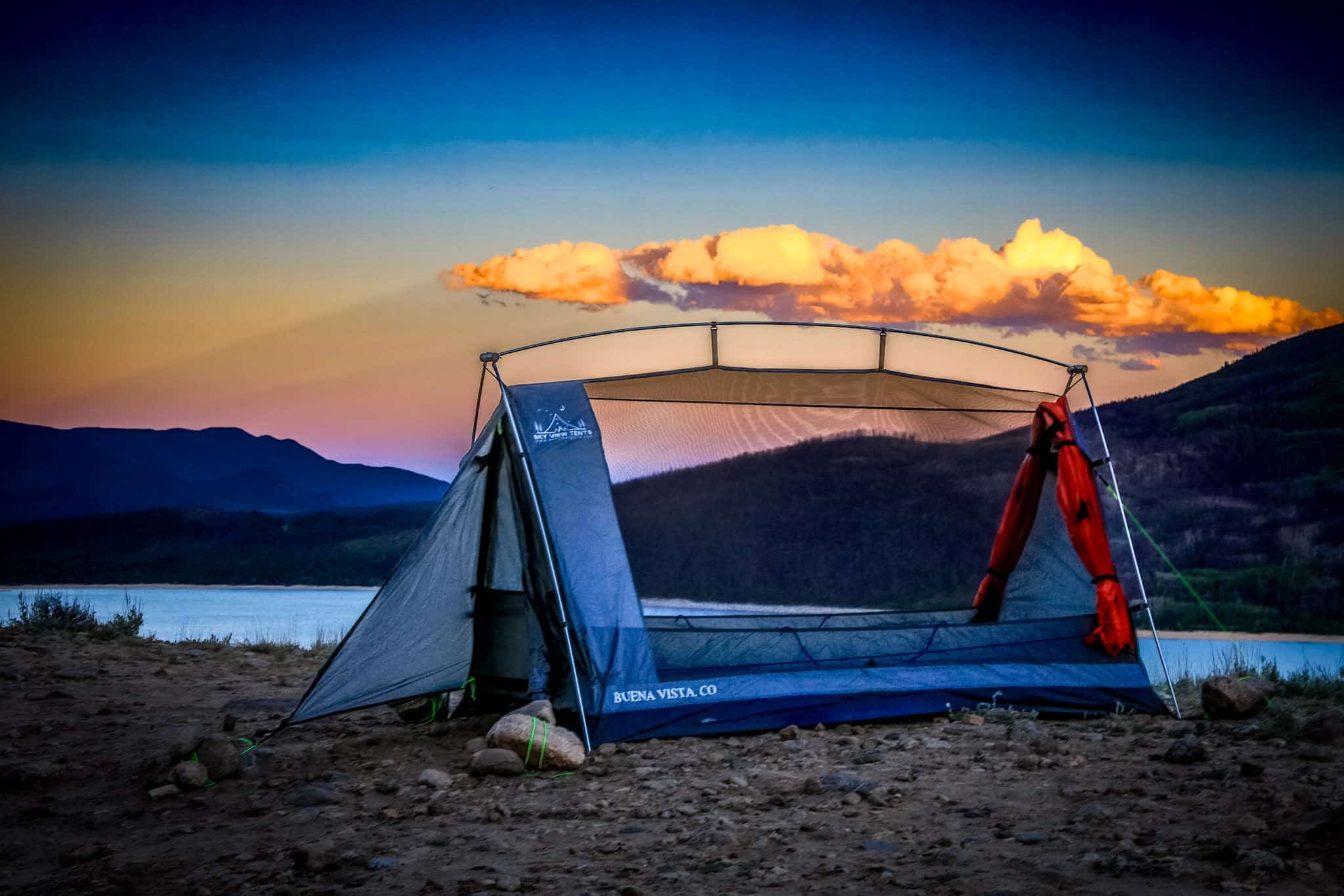
Open mesh gives you air and sky, and it also gives rain a direct path to your bag. A wet bag insulates poorly, so the problem grows after midnight when temperatures drop. The sleeping bag ratings guide explains how comfort and limit numbers differ, which matters once your insulation gets damp.
Also avoid a mesh-ceiling tent in cool, humid, hard-rain conditions, because condensation on the rainfly sprays through the mesh. Cold raises the stakes in every case. A warm night forgives mistakes, while a freezing night punishes them. Therefore, match your risk tolerance to the overnight low, and add the fly sooner when temperatures sit near freezing. A damp bag at 50 degrees is an annoyance, but a damp bag at 28 degrees is a real problem. Also remember to pack a spare base layer in a dry bag, so one soaked item doesn’t end your night.
Dew, Frost, and Condensation: The Wet You Don’t See Coming
Rain isn’t the only water. You’re likely to wake with gear damp from dew, fog, mist, or frost in the wet mid-Atlantic. No rain needs to fall. Dew forms when surfaces cool below the dew point, and an open sleeper has plenty of cold surfaces.
Open sites also cool fastest under a clear sky. Stargazing spots like those in the dark sky campsite guide are the likeliest to run damp. The tent condensation guide explains how humid air turns to droplets on cold fabric. Therefore, keep your bag off the mesh, store electronics in a dry bag, and wipe your pad at dawn.
Sleeping Without a Rainfly Safely: Your Setup and 2 A.M. Fallback
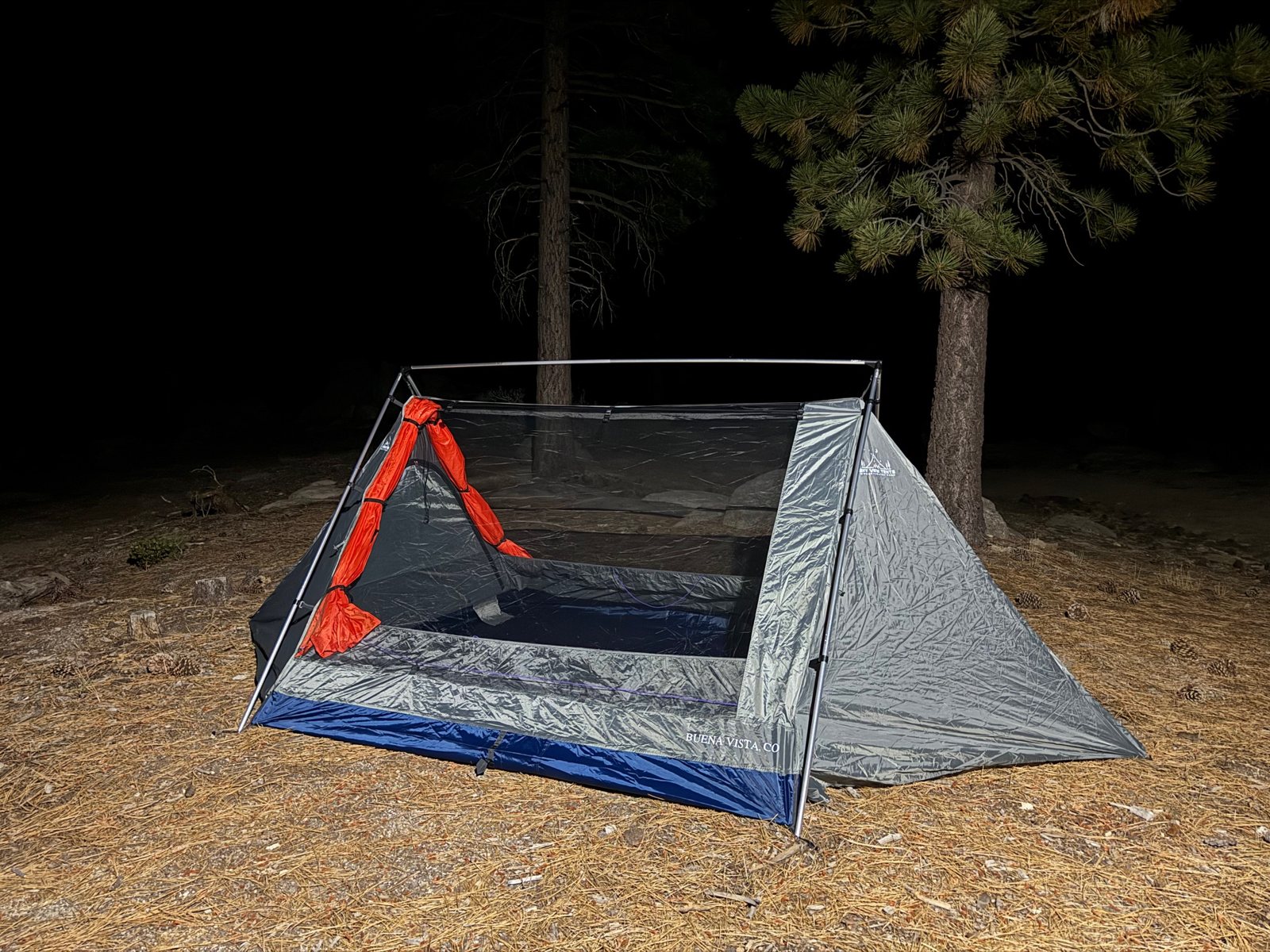
Start by choosing a spot with partial cover. A tree, an alcove, or a boulder blocks wind and some rain,. Next, stake out the tent fully and tension every guy line, because a mesh-heavy tent still needs anchors when a gust arrives.
Then stage the fly. Lay it open at the head of the tent, or, with a Sky View tent, find the rainfly connections before dark. Practice the install once in daylight, so you know where each connection sits. Finally, store boots and packs in a vestibule, and keep your headlamp at hand with the red light on.
Safety note: If thunder starts, close the fly and move away from isolated trees and exposed ridges. A tent doesn’t stop lightning, so head for a vehicle if the storm closes in.
Ready for Open Sky?
Pick Your Sky View Tent
Choose the XL for truck camps, or the Duo and Solo for lighter trips.
Sky View vs. Standard Tents When the Fly Stays Off
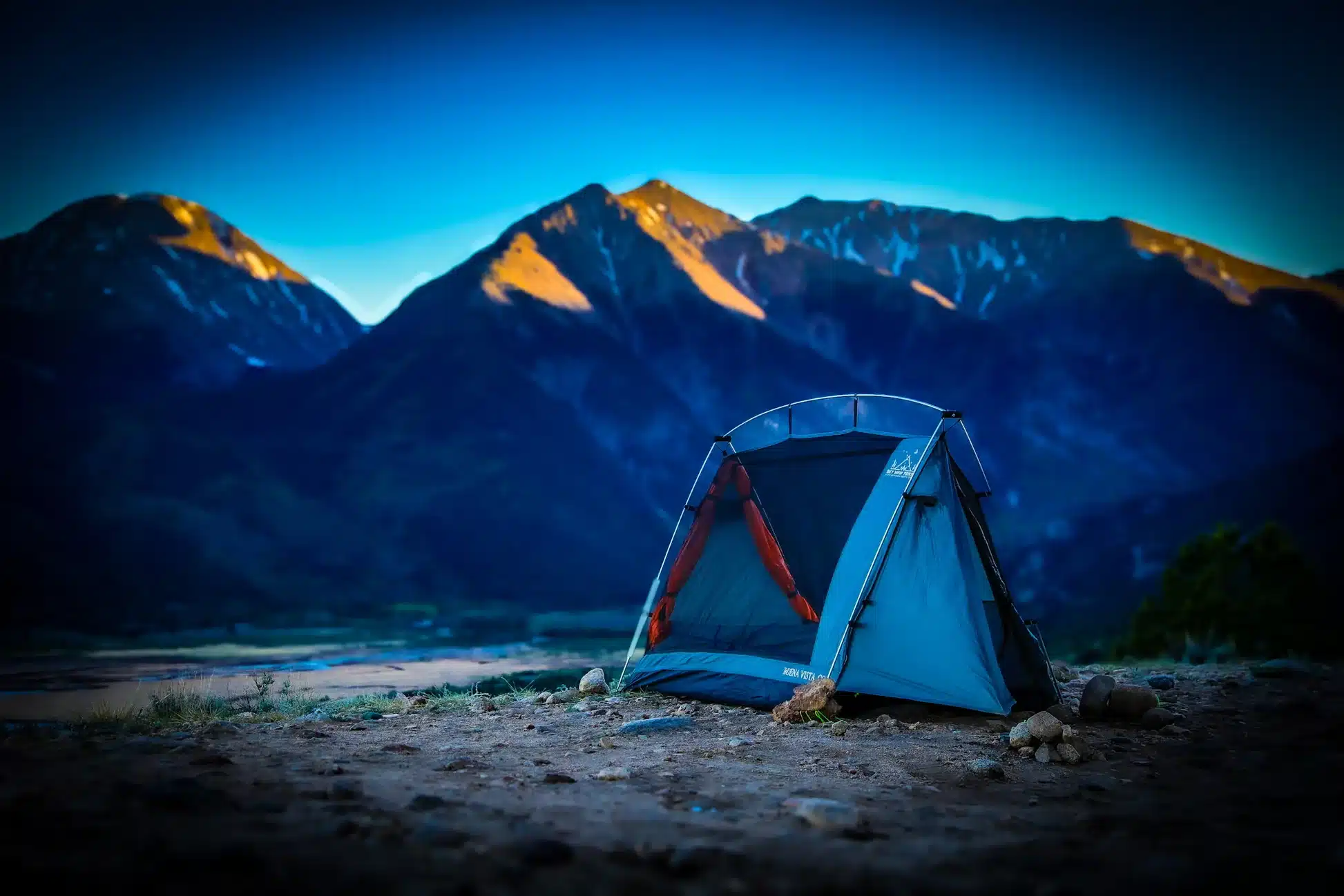
A standard tent makes you choose between sleeping under fabric and stepping outside to add the fly when rain starts. Sky View Tents, based in Buena Vista, Colorado, builds around a patent-pending internal rainfly instead. According to the company, you deploy or retract it from inside the tent without leaving your sleeping bag.
The XL costs $499 and weighs 14.1 lbs, with a 90-inch by 90-inch floor and a 55-inch peak. Its fabric is 210D ripstop polyester with a 5000mm waterproof coating, per the spec. However, the page gives no wind rating and doesn’t say how much of the mesh the fly covers.
One buyer review on the page describes four days of thunderstorms and wind gusts with one minor leak, fixed with a manufacturer-suggested adjustment. The same buyer says the fly takes seconds to deploy and about another minute to attach its connections. Those details come from one buyer, not a lab test.
Our review of the Sky View XL Gen 2 found setup quick and the interior roomy. It also says wind and rain performance needs longer testing. Therefore, treat the tent as a fair-weather shelter for now, and keep the fly ready on any night with doubt.
Pros
- Internal rainfly deploys from inside, per the company
- Ultra-clear stargazing mesh, per the company
- Dual vestibules keep boots and packs outside
- Four internal storage pockets
- 5000mm waterproof coating on 210D ripstop
- Footprint, stakes, and free shipping included
Cons
- 6-month warranty is short for a $499 tent
- Wet-weather performance needs longer testing
Final Verdict
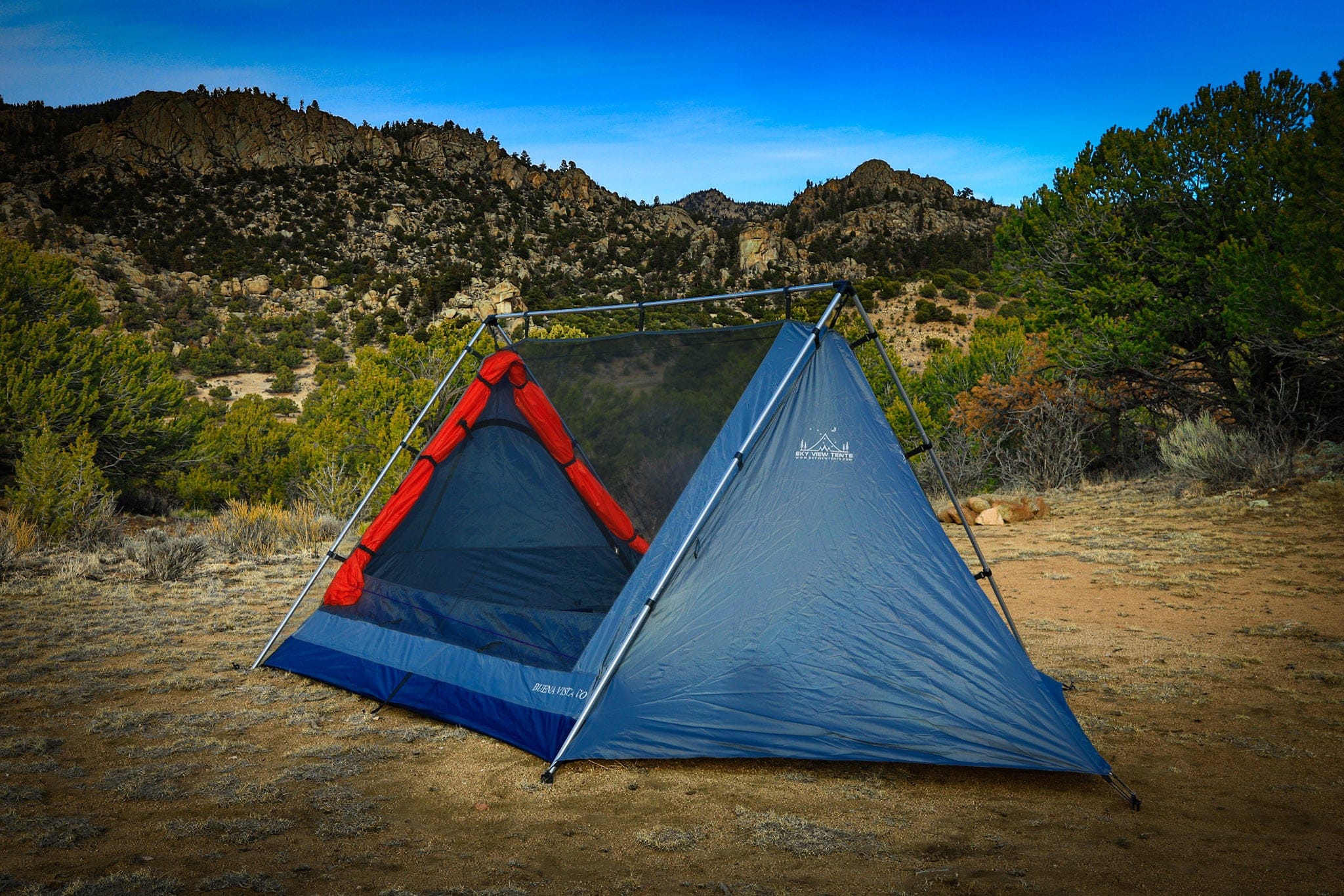
Sleeping without a rainfly is safe when the forecast is dry, the wind is light, and the air isn’t heavy with humidity. Fail any one check and the fly goes on. Therefore, treat an open-sky night as a reward for good conditions, not a default.
Sky View tents suit campers who want the sky and a fast fallback. However, the XL weighs 14.1 lbs, the warranty runs six months, and the wind and rain record is thin. Campers who want a storm-proof shelter should look at a standard double-wall tent with a full fly.
Priced at $499 with a footprint, stakes, and free shipping, the XL costs more than a basic dome tent. The open mesh and internal rainfly justify the price if you sleep under open sky often. In contrast, occasional campers save money by leaving a standard fly off on good nights.
Start with the five checks, pick a spot with partial cover, and stage the fly before dark. Choose the XL for a truck camp, or look at the Duo and Solo for lighter trips. Whatever you sleep in, keep a fly within reach.
Your Next Clear Night
Sleep Under the Stars, Stay Ready
Every Sky View tent includes a footprint, free shipping, and a one-year Dyrt PRO camping app subscription.
FAQ
Is sleeping without a rainfly safe in good weather?
Yes, when rain odds are low, wind is light, and the air is dry. Still bring shelter, since an overnight storm is the biggest risk. Keep the fly within reach and check the forecast before bed.
Will I get wet from dew if I skip the fly?
Possibly. Gear in humid regions often turns damp from dew, fog, mist, or frost, even without rain. Pick a spot with partial cover, and keep your bag away from the mesh. Wipe the pad and bag cover at dawn, before the sun warms everything up.
How fast can you add a rainfly in the rain?
With the Sky View XL, the company says you deploy it from inside in seconds. One buyer reports about another minute to attach its connections. A standard fly means stepping outside, so practice in daylight.
Is sleeping under mesh safe in a thunderstorm?
No. A tent doesn’t stop lightning. Close the fly, stay away from isolated trees and exposed ridges, and head for a vehicle if the storm closes in.
Does wind make sleeping without a fly easier?
Sometimes. Windy nights suit open sleeping, since wind keeps bugs and condensation away. However, a steady breeze bothers some sleepers, so pick a spot with partial cover.
Friendly disclaimer: Our articles may contain affiliate links that support us without costing you more, and sometimes we spice things up with sponsored content—but only for products we truly stand behind!