


Heading into the backcountry requires more than just a capable vehicle; it demands a thoughtful overlanding setup designed for durability, convenience, and off-road performance. Whether you’re navigating rocky passes, sandy washes, or forest trails, the right combination of rig, trailer, and gear can make the difference between a stressful outing and an unforgettable adventure.
This guide will walk you through building a trail-ready overlanding setup that is practical and resilient. We’ll highlight critical vehicle considerations, trailer selection, gear organization, off-grid systems, and trail techniques. The Big Slack Off Road Slacklander will serve as a prime example of a trailer that integrates seamlessly into a mid-size SUV or Jeep overlanding setup, offering versatility and durability for serious trail enthusiasts.
Table of Contents
- Choosing the Right Vehicle for Overlanding
- Selecting a Versatile Overland Trailer
- Optimizing Storage and Gear Organization
- Power, Water, and Off-Grid Systems
- Tires, Suspension, and Off-Road Upgrades
- Trail Driving and Safety Preparation
- Real-World Insights Using the Slacklander
- Final Thoughts on Building a Trail-Ready Overlanding Setup
- FAQ
Choosing the Right Vehicle for Overlanding

The foundation of any overlanding setup is the vehicle itself. Mid-size SUVs and Jeeps are popular choices due to their balance of off-road capability, towing capacity, and maneuverability. Selecting a vehicle that aligns with your terrain and trip requirements is essential for safety and enjoyment.
Key factors include ground clearance, engine performance, suspension robustness, and payload capacity. Vehicles like the Jeep Wrangler, Toyota 4Runner, and Ford Bronco offer reliable platforms for pairing with a trailer such as the Big Slack Off Road Slacklander, providing sufficient power and stability without excessive bulk.
From experience, choosing a capable vehicle also reduces stress on the trailer and cargo. Off-road trails can be unpredictable, and a vehicle that is underpowered or poorly suited to the terrain will compromise your overlanding setup and limit your route options.
Selecting a Versatile Overland Trailer

A trail-ready overlanding setup isn’t complete without a robust trailer. The Big Slack Off Road Slacklander exemplifies a versatile trailer for mid-size rigs. Weighing just 1,500 pounds empty with a 1,000-pound payload, it combines lightweight mobility with practical storage and off-road durability.
Features like the 6-inch channel steel frame, 2,200-pound Timbren axle, and optional Lock N Roll articulating hitch make the Slacklander capable of handling technical trails. Its 6-foot-long, 4-foot-wide main box is compact yet spacious, allowing room for a rooftop tent, kitchen setup, and other essential gear without overloading your vehicle.
When evaluating trailers for your overlanding setup, consider suspension quality, durability of materials, storage options, and compatibility with your vehicle. The Slacklander’s design ensures that all of these elements are balanced, making it an ideal example for building a trail-ready rig.
Optimizing Storage and Gear Organization
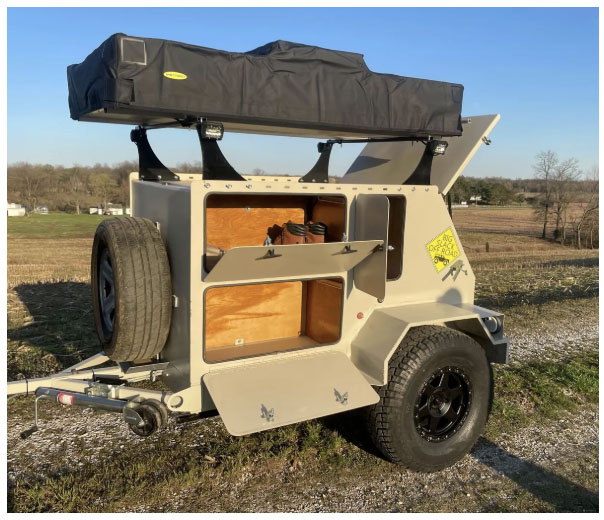
Efficient storage is vital for both accessibility and stability in your overlanding setup. Poorly distributed weight can cause handling issues and unnecessary wear on both vehicle and trailer. Prioritize keeping heavy items low and centralized to maintain balance and traction on uneven terrain.
The Slacklander offers smart storage solutions, including a large drawer system for a 12V refrigerator or coolers, a rear hatch with kitchen capabilities, and multiple tie-down points. This organization allows you to access gear quickly without unloading the entire trailer, which is especially helpful during multi-day trips or when parked on challenging terrain.
Additionally, using compartments strategically improves weight distribution, reduces sway while towing, and keeps the overlanding setup clean and functional. Personal experience shows that organized storage significantly improves both convenience and safety on the trail.
Power, Water, and Off-Grid Systems
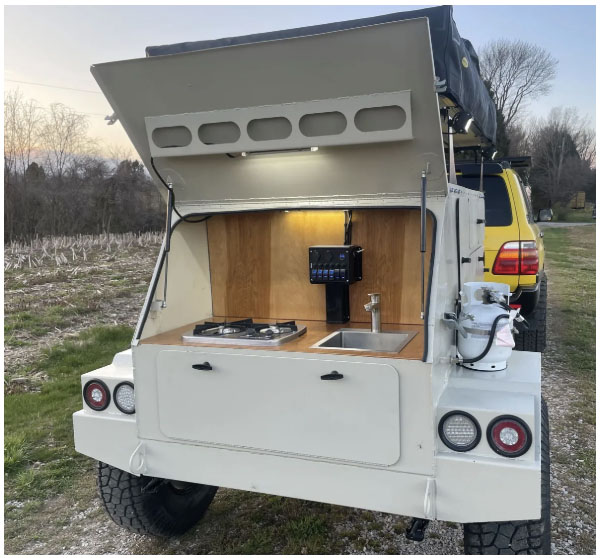
Off-grid capabilities are a key component of any trail-ready overlanding setup. Reliable power, water, and lighting systems allow you to extend your time in remote areas comfortably. The Slacklander offers several optional systems that integrate well into mid-size rigs, including a 15-gallon water tank with pump, 25A power converter, 2000W Renogy inverter, 100W solar panel, and interior light package.
Battery capacity and charging strategy are critical. A fully charged battery supports refrigeration, lighting, and other electronics, while solar panels provide a renewable source of power on longer trips. Proper planning ensures you won’t run out of essential power during extended backcountry excursions.
From personal observation, integrating off-grid systems effectively improves both convenience and safety. Being able to run a fridge, cook on a propane stove, and have adequate lighting without relying on external sources enhances the overall overlanding experience.
Tires, Suspension, and Off-Road Upgrades

Building a trail-ready overlanding setup requires more than just the basics; you need to consider tires, suspension, and other off-road upgrades. Tires with aggressive tread patterns improve traction on loose or muddy surfaces, while proper suspension enhances ride comfort and stability when towing the Slacklander.
The Slacklander’s Timbren independent suspension and optional articulating hitch reduce stress on both the trailer and the tow vehicle. Combined with vehicle upgrades such as skid plates, lift kits, or upgraded shocks, these enhancements allow the overlanding setup to tackle challenging terrain safely.
Careful selection of tires and suspension components ensures that both the vehicle and trailer respond predictably on obstacles, inclines, and uneven surfaces. Personal experience confirms that a well-prepared setup reduces the likelihood of getting stuck and increases confidence on technical trails.
Trail Driving and Safety Preparation
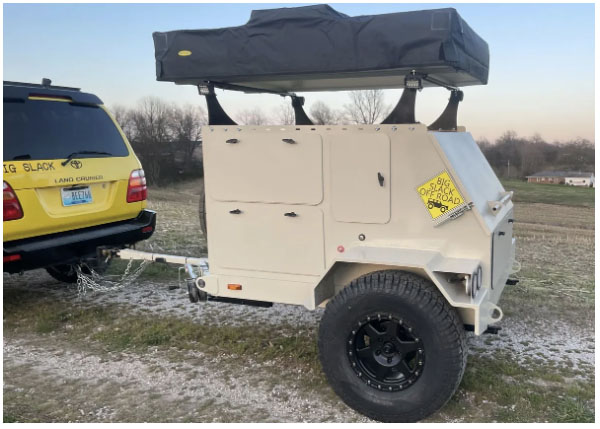
Even the best overlanding setup is only effective if you drive it safely. Pre-trip inspections, including checking fluids, tire pressure, trailer connections, and cargo security, are essential. Ensure your hitch and wiring are in good condition and that all off-grid systems are operational.
While towing the Slacklander, adjust driving style for terrain. Maintain steady momentum over sand or mud, use low speeds on rocky trails, and anticipate braking distances on downhill stretches. Awareness of trailer behavior and vehicle dynamics is critical for preventing accidents and minimizing stress on equipment.
Emergency preparation should include recovery gear, first aid, and a plan for mechanical issues. Experience shows that having the right tools and knowledge is just as important as a durable trailer or capable vehicle.
Real-World Insights Using the Slacklander
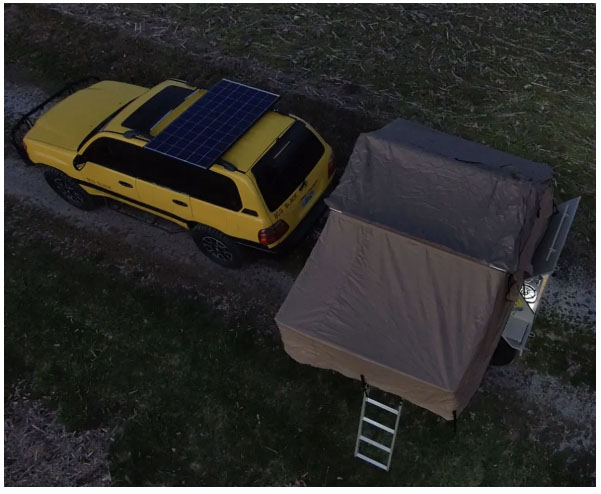
Using the Slacklander in diverse conditions highlights why it’s ideal for a trail-ready overlanding setup. Its lightweight design, optimized track width, and durable frame allow for confident maneuvering across sand dunes, rocky trails, and forest paths. The rear kitchen, tie-down points, and storage compartments enhance functionality without compromising stability.
Pairing the Slacklander with a mid-size SUV or Jeep provides a compact, versatile setup that doesn’t overwhelm the vehicle while still carrying essential gear. Real-world trips demonstrate that the combination of proper setup, organized storage, and off-road enhancements results in a reliable and enjoyable overlanding experience.
From personal experience, having a trailer like the Slacklander increases both efficiency and confidence on the trail. Its design simplifies packing, towing, and campsite setup, making it an integral part of a well-rounded overlanding setup.
Final Thoughts on Building a Trail-Ready Overlanding Setup

Creating a trail-ready overlanding setup requires careful consideration of vehicle selection, trailer capability, gear organization, off-grid systems, and safety preparation. The Slacklander provides an excellent example of how a compact, durable, and thoughtfully designed trailer can enhance any overlanding experience.
With proper preparation and attention to detail, you can build an overlanding setup that balances performance, reliability, and convenience. The Big Slack Off Road Slacklander’s design and features ensure that your rig is capable of tackling technical trails while keeping gear secure, organized, and accessible.
By focusing on synergy between vehicle and trailer, and optimizing storage, power, and safety, your trail-ready overlanding setup will be ready for any adventure, making the backcountry more accessible and enjoyable.
FAQ
What makes the Slacklander ideal for a trail-ready overlanding setup?
The Slacklander combines lightweight mobility, durable construction, and practical storage, making it easy to tow with mid-size SUVs while handling rugged terrain safely.
Can mid-size SUVs handle the Slacklander fully loaded?
Yes, most mid-size SUVs and Jeeps can tow the Slacklander safely with its 1,500-pound empty weight and 1,000-pound payload, staying within vehicle towing limits.
Which off-grid systems are most essential for overlanding?
Power systems, water storage, and lighting are critical. The Slacklander offers options like solar panels, inverters, and water tanks to keep your overlanding setup self-sufficient.
How should gear be loaded for stability and accessibility?
Keep heavy items low and centralized, use drawers and tie-down points, and place frequently used items near the rear or top for easy access without disturbing weight balance.
Do I need specialized hitches or suspension upgrades to tow the Slacklander?
While not required, an articulating hitch and suspension improvements enhance off-road performance, reduce stress on the vehicle, and improve handling on uneven terrain.
Friendly disclaimer: Our articles may contain affiliate links that support us without costing you more, and sometimes we spice things up with sponsored content—but only for products we truly stand behind!