


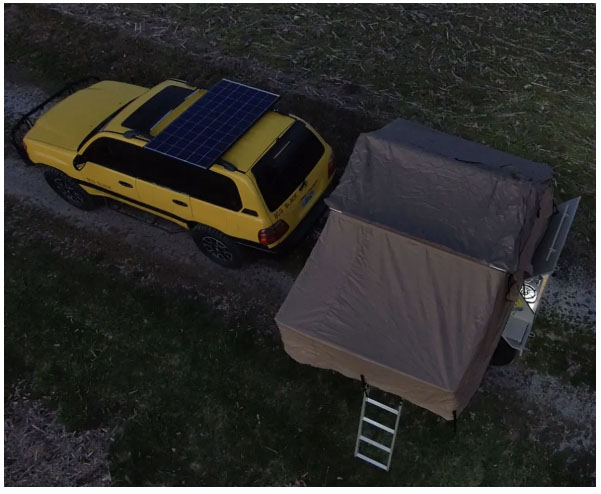

Overlanding doesn’t have to mean a full-size truck, massive lift, or a garage full of specialty gear. In fact, some of the most capable, comfortable, and versatile overland builds start with a mid-size SUV. These vehicles strike a balance that’s hard to beat: enough power and payload for adventure, manageable dimensions for tight trails, and daily-driver comfort when the trip is over.
The key is building an overland system that works with your vehicle rather than against it. That’s where smart gear choices, thoughtful packing, and the right trailer can completely change the experience. A mid-size SUV paired with a purpose-built trailer like the Big Slack Off Road Slacklander allows you to travel farther, stay out longer, and keep your vehicle nimble on the trail.
This guide walks through what it really takes to overland confidently with a mid-size SUV. From vehicle prep and weight management to camp comfort and long-term reliability, we’ll cover the decisions that matter and show how the Slacklander fits naturally into an SUV-based overland approach.
Table of Contents
- Why Mid-Size SUVs Make Great Overland Platforms
- Understanding Payload and Towing Limits
- Why a Trailer Changes the Overlanding Experience
- Why the Slacklander Pairs So Well with a Mid-Size SUV
- Building a Balanced Overland Setup
- Driving and Handling Considerations on the Trail
- Camp Life Made Easier with a Trailer
- Long-Term Travel and Reliability
- Bringing It All Together
- FAQ
Why Mid-Size SUVs Make Great Overland Platforms

A mid-size SUV offers a sweet spot for overlanding. Vehicles like the Toyota 4Runner, Jeep Grand Cherokee, Lexus GX, Ford Bronco, and similar platforms combine body-on-frame or robust unibody construction with capable drivetrains. They’re small enough to navigate narrow forest roads but substantial enough to carry gear and handle rough terrain.
Another advantage is versatility. A mid-size SUV can serve as a daily driver, family hauler, and adventure rig without compromise. You don’t need a dedicated trail-only build to enjoy extended trips, which makes overlanding more accessible and sustainable long term.
Fuel economy, maintenance costs, and overall drivability also tend to favor a mid-size SUV over larger platforms. When trips involve long highway stretches before dirt even begins, that balance becomes a real advantage rather than a trade-off.
Understanding Payload and Towing Limits

One of the biggest challenges with any mid-size SUV is payload. Roof racks, drawers, fridges, water, recovery gear, and camping equipment add up fast. It’s easy to exceed payload limits long before the vehicle feels overloaded, especially once passengers are factored in.
Towing capacity is usually more generous than payload capacity, which is where a trailer can make a meaningful difference. By transferring bulky and heavy items off the vehicle and onto a trailer, you reduce suspension strain and improve overall handling.
Understanding these limits early helps shape a smarter build. Overlanding isn’t about cramming everything into one vehicle; it’s about distributing weight in a way that keeps the rig comfortable, predictable, and safe on long trips.
Why a Trailer Changes the Overlanding Experience
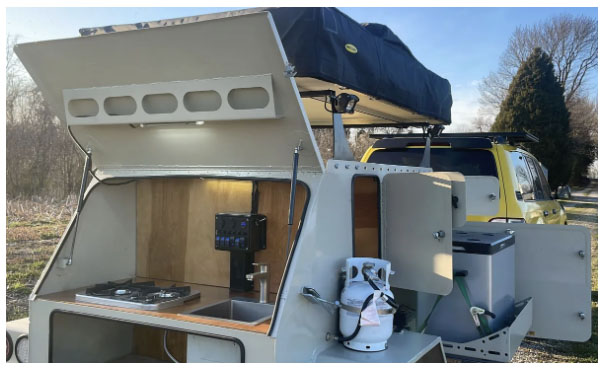
An overland trailer expands what’s possible without turning your SUV into a rolling storage unit. Instead of stacking gear high or living out of roof boxes, you gain dedicated space for camp equipment, water, food, and recovery items.
This separation between vehicle and camp also improves flexibility. Once you’re set up, you can unhitch and explore nearby trails without tearing down your entire camp. For many travelers, that alone changes how trips are planned and enjoyed.
For a mid-size SUV, a well-designed trailer complements the vehicle rather than overwhelming it. The goal is balance, not brute force, and that’s where design details really matter.
Why the Slacklander Pairs So Well with a Mid-Size SUV
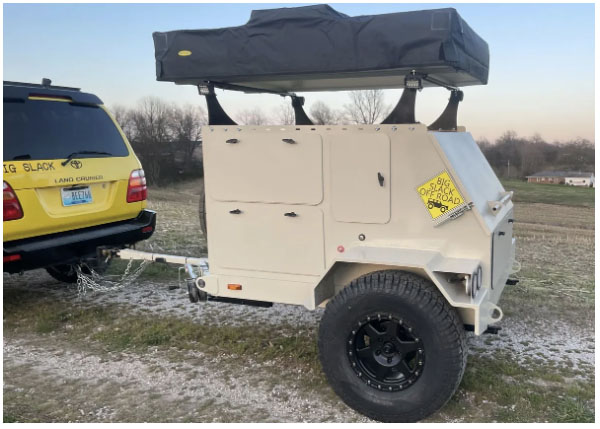
The Big Slack Off Road Slacklander was clearly designed with vehicles like a mid-size SUV in mind. Its size, weight, and layout avoid the common pitfalls of oversized trailers that feel out of place behind smaller platforms.
Ground clearance, independent suspension, and off-road geometry allow the Slacklander to follow confidently on technical terrain without dragging or pushing the tow vehicle. That predictability is especially important when towing with an SUV rather than a full-size truck.
Equally important is how the Slacklander handles storage and camp systems. By moving sleeping, kitchen, and cargo needs into the trailer, the SUV stays lighter, simpler, and more enjoyable to drive both on and off pavement.
Building a Balanced Overland Setup
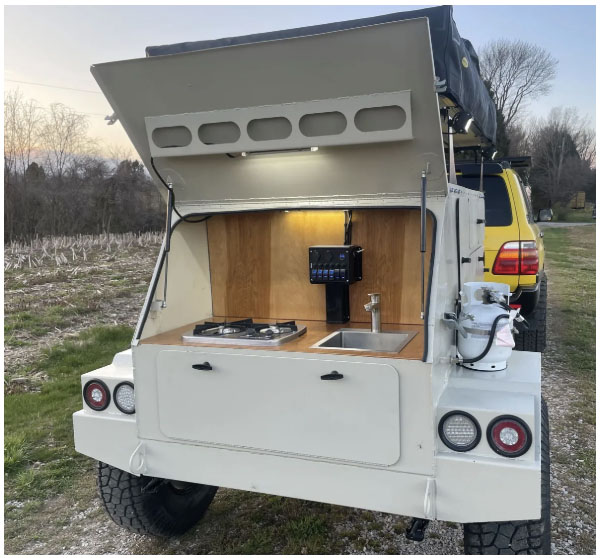
A successful overland build starts with restraint. With a mid-size SUV, every addition should earn its place. Suspension upgrades, all-terrain tires, and basic armor often provide more benefit than cosmetic accessories.
The trailer becomes the backbone of the system. Items that don’t need to live in the vehicle while driving, such as camp furniture, food bins, extra water, and sleeping gear, belong in the Slacklander. This keeps the SUV focused on driving performance rather than storage.
Over time, this approach creates a setup that feels cohesive rather than cluttered. Each component has a purpose, and nothing feels like it’s working against the rest of the system.
Driving and Handling Considerations on the Trail

Towing with a mid-size SUV requires a slightly different mindset than solo driving. Smooth inputs, controlled speeds, and careful line selection become even more important when a trailer is involved.
The Slacklander’s track width and suspension help it follow the tow vehicle naturally, reducing the “tail wagging the dog” sensation common with poorly matched trailers. This inspires confidence, especially on uneven terrain or steep descents.
On longer trips, reduced driver fatigue becomes noticeable. A balanced setup simply feels easier to manage, which adds up over days or weeks on the road.
Camp Life Made Easier with a Trailer
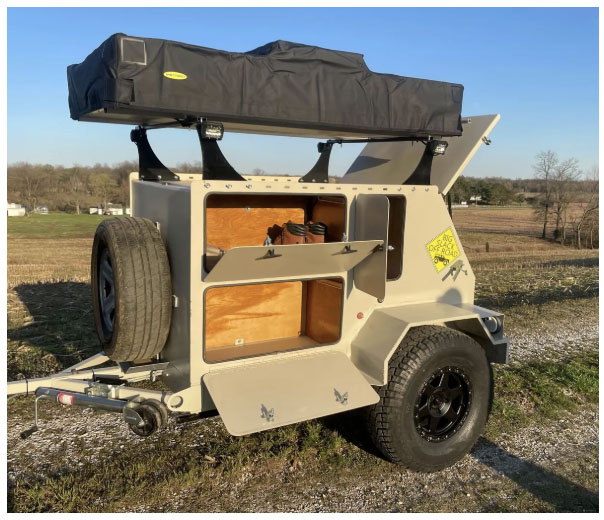
One of the biggest quality-of-life improvements when overlanding with a trailer is camp efficiency. With the Slacklander, essential systems are already organized and accessible, cutting setup and teardown time dramatically.
This matters after long travel days or in poor weather. Being able to cook, sleep, and relax without unpacking half the vehicle keeps morale high and stress low.
For families or longer trips, this level of organization transforms overlanding from a constant shuffle of gear into a comfortable, repeatable routine.
Long-Term Travel and Reliability

Overlanding isn’t just about weekend trips. Reliability becomes more important the farther you roam. Keeping heavy loads off the SUV reduces wear on suspension, brakes, and driveline components.
The Slacklander also simplifies maintenance. Gear lives in one place, systems are purpose-built, and nothing feels improvised. That consistency matters when you’re far from home.
For many mid-size SUV owners, this approach allows longer trips with fewer compromises, turning occasional adventures into a sustainable lifestyle.
Bringing It All Together

Overlanding with a mid-size SUV is about smart choices, not limitations. When paired with the right trailer, these vehicles become remarkably capable platforms for extended travel.
The Big Slack Off-Road Slacklander complements the strengths of a mid-size SUV by handling storage, camp systems, and off-road durability without overwhelming the tow vehicle. The result is a setup that feels intentional, balanced, and ready for real-world use.
With thoughtful planning and a focus on simplicity, a mid-size SUV and a well-matched trailer can take you just about anywhere you want to go.
FAQ
Is a mid-size SUV capable of serious overlanding?
Yes. With proper preparation and realistic expectations, a mid-size SUV can handle long-distance travel, remote trails, and extended trips with confidence.
Do I need a trailer to overland with an SUV?
No, but a trailer greatly improves comfort, organization, and weight management, especially for longer trips or multi-person travel.
Is the Slacklander too heavy for a mid-size SUV?
The Slacklander is designed to pair well with mid-size platforms, keeping weight and dimensions within reasonable towing limits.
How does a trailer affect trail difficulty?
Trailers require more planning and awareness, but a well-designed off-road trailer follows predictably and doesn’t drastically limit where you can go.
What’s the biggest advantage of towing a trailer while overlanding?
The ability to separate driving performance from camp comfort, allowing your vehicle to stay agile while your camp remains organized and comfortable.
Just so you know, some of the cool stuff we mention comes with affiliate links, meaning we earn a commission if you buy (no extra charge to you!). Plus, we occasionally feature sponsored content, but rest assured, we only shout out products we genuinely stand behind.