


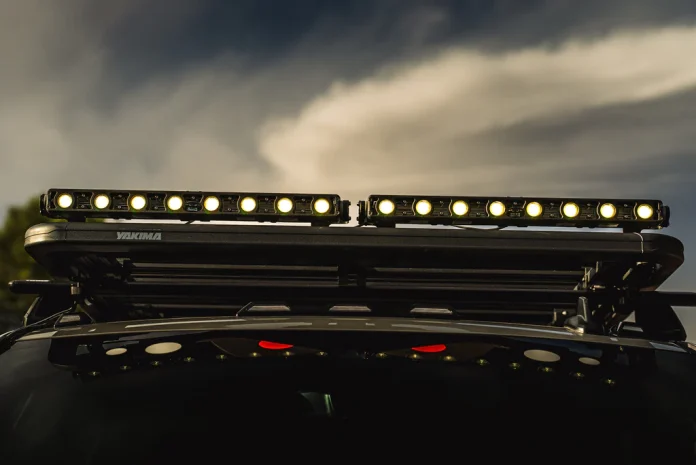

Anyone can bolt a bright light onto a vehicle. The real test begins months (or years) later, when that light has been shaken by washboard roads, soaked in rain, baked by heat, and asked to perform night after night without complaint. Longevity is not a marketing bullet point in the off-road world; it’s a survival trait.
Many drivers have learned the hard way that brightness alone doesn’t equal reliability. An off-road light that looks impressive out of the box can slowly fade, flicker, or fail altogether when exposed to real terrain. The difference between short-term performance and long-term dependability comes down to engineering decisions that most people never see.
So, what exactly is the anatomy of a long-lasting off-road light? Let’s examine the components, design philosophies, and manufacturing choices that separate durable lighting from disposable gear. Along the way, Boss Lighting serves as a practical example of how these elements work together in real-world conditions.
Table of Contents
What Long-Lasting Really Means in Off-Road Lighting

Longevity in an off-road light isn’t measured by how long it turns on; it’s measured by how consistently it performs under stress. True durability means stable output, reliable electronics, and physical integrity after years of abuse.
Many lights technically still function long after installation, but performance degrades quietly. Output drops, beam patterns distort, or internal components weaken. These gradual failures are often overlooked until visibility becomes compromised.
A long-lasting off-road light maintains both structure and performance. Boss Lighting approaches longevity as a system-level goal, ensuring that every design choice supports consistent operation rather than short-term brightness.
Housing Construction: The Foundation of a Durable Off-Road Light

The housing is the first line of defense for any off-road light. It absorbs vibration, shields internal electronics, and dissipates heat. Thin or poorly machined housings flex under stress, allowing micro-damage to build over time.
Boss Lighting uses high-strength aluminum housings with corrosion-resistant finishes designed to withstand repeated impacts and exposure. This rigidity protects internal components from fatigue caused by constant movement.
Equally important is how the housing is engineered, not just what it’s made of. Reinforced mounting points and precise machining prevent stress fractures that often lead to early failure.
In practical terms, a solid housing means the light stays sealed, aligned, and functional long after cheaper alternatives begin to loosen or crack.
Thermal Management and Heat Control

Heat is one of the most destructive forces inside an off-road light. LEDs generate significant thermal energy, and without proper dissipation, that heat shortens lifespan dramatically.
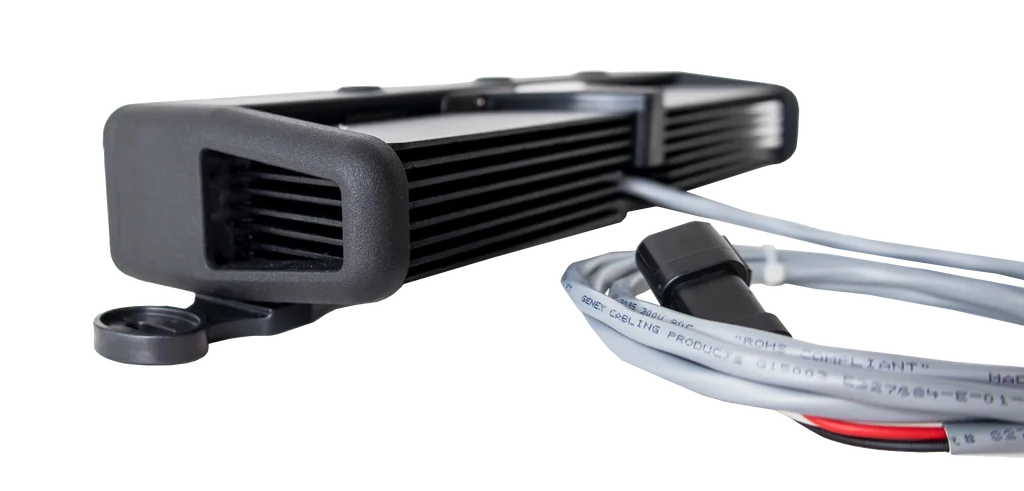
Many lights rely on passive fins that look aggressive but fail to move heat efficiently. Boss Lighting takes a more deliberate approach with patented flow-through cooling that actively pulls heat away from critical components.
This design allows the light to maintain consistent output without overheating. Over time, stable temperatures reduce LED degradation and preserve electrical integrity. Effective thermal management ensures the off-road light performs the same on year three as it did on day one.
Internal Components and Electrical Integrity

Internal construction is where many lights quietly fail. Low-grade circuit boards, weak solder points, and poor layouts struggle under vibration and temperature swings.
Boss Lighting prioritizes internal component quality, using robust circuitry designed to handle continuous operation. Attention to soldering and board placement reduces the chance of micro-cracks forming over time.
Electrical stability matters because intermittent failures often appear long before total breakdown. Flickering or inconsistent output is a sign of internal stress.
A well-built off-road light maintains solid electrical connections even after thousands of miles of rough travel.
Optics and Beam Control That Last

Optics determine how usable an off-road light truly is. Poor lens materials can cloud, yellow, or distort under UV exposure and heat.
Boss Lighting designs optics to maintain beam consistency over time, using materials that resist degradation. This ensures the light pattern remains controlled rather than scattering unpredictably. Beam control isn’t just about visibility; it reduces driver fatigue and improves reaction time. Consistency matters just as much as brightness. A long-lasting light preserves its beam quality, not just its ability to turn on.
Sealing and Environmental Protection
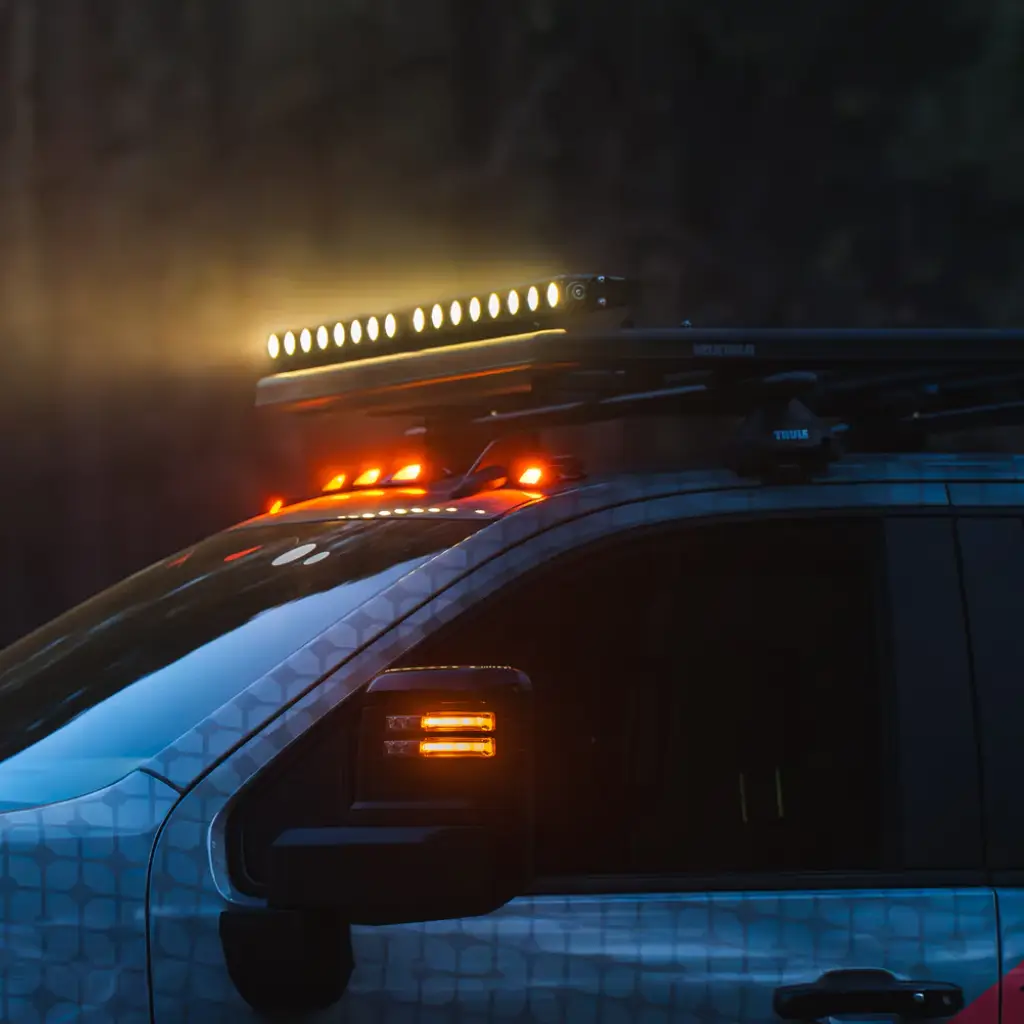
Water and dust infiltration are slow killers. Even small amounts of moisture can corrode electronics and weaken internal connections.
Boss Lighting focuses on gasket design, waterproof connectors, and tight tolerances to keep contaminants out. Sealing is treated as a critical system, not an afterthought.
Temperature swings also challenge seals. Materials must expand and contract without breaking their protective barrier. A properly sealed off-road light survives mud, snow, rain, and heat without internal compromise.
Wiring, Switches, and Power Management

Wiring is often the weakest link in lighting systems. Cheap connectors and thin cables degrade faster than the light itself.
Boss Lighting uses waterproof cabling, illuminated switches, and integrated dimmers designed for real-world use. These components reduce strain on the system.
Built-in protections like reverse polarity and short-circuit safeguards prevent damage from installation errors or electrical spikes. Reliable wiring like this ensures the off-road light functions as intended without unexpected shutdowns.
Designed for Vibration and Continuous Use
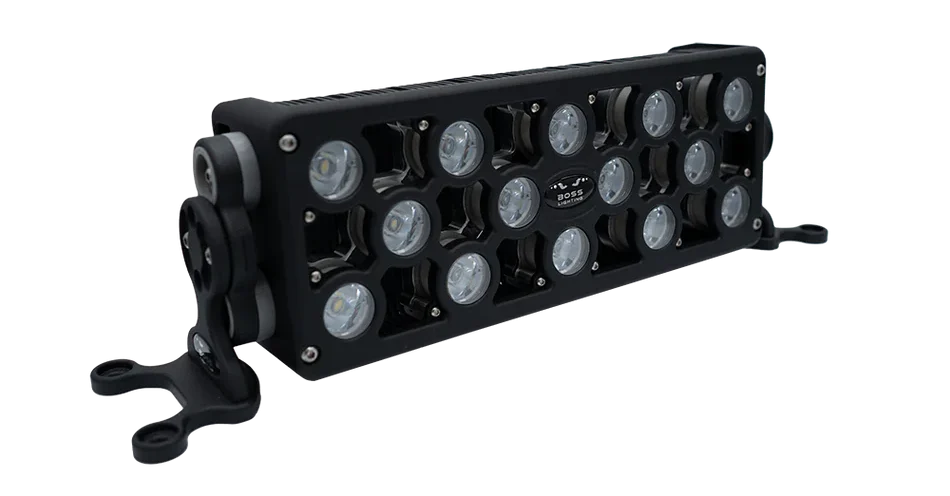
Off-road terrain subjects lighting to constant vibration. Without proper reinforcement, mounts loosen, and internal stress builds.
Boss Lighting designs mounting hardware and internal structures to handle continuous vibration without fatigue. This approach supports extended use during long night drives, work operations, or expeditions where lights run for hours.
An endurance-focused design like this keeps the off-road light stable and predictable under relentless movement. The result? Long-term durability, which is exactly what you want!
American-Made Manufacturing and Quality Control

Where a light is made influences how it’s built. Domestic manufacturing allows tighter quality control and faster feedback loops.
Boss Lighting’s American-made approach emphasizes accountability and consistency. Each unit is built with oversight rather than mass-produced anonymity. Quality control catches issues before they leave the facility, reducing failure rates in the field.
This attention to detail also directly contributes to long-term reliability and durability of these lights. The old saying, “You get what you pay for,” is certainly applicable here!
When Every Part Works Together
Longevity isn’t created by one feature. It’s the result of housing, cooling, electronics, optics, and wiring working as a unified system.
Boss Lighting designs with this holistic mindset, ensuring no component undermines another. In practice, this means fewer weak points and more predictable performance. A truly durable off-road light like this feels dependable because every element supports the whole.
Choosing a Light Built to Last

FAQ
How long should a quality off-road light last?
A well-built off-road light should deliver consistent performance for many years, even with frequent use and harsh conditions.
Why do some lights fail even if they are bright?
Brightness does not equal durability. Poor thermal management and weak internal components often cause early failure.
Does housing material really matter?
Yes. Strong housings protect internal electronics and help manage heat, both critical for longevity.
Is American-made lighting more reliable?
Yes. Domestic manufacturing often allows better quality control and accountability, which supports long-term reliability.
A quick heads-up: If you snag something through our affiliate links or check out our sponsored content, we might earn a commission at no extra cost to you. But fear not, we’re all about recommending stuff we’re truly stoked about!