


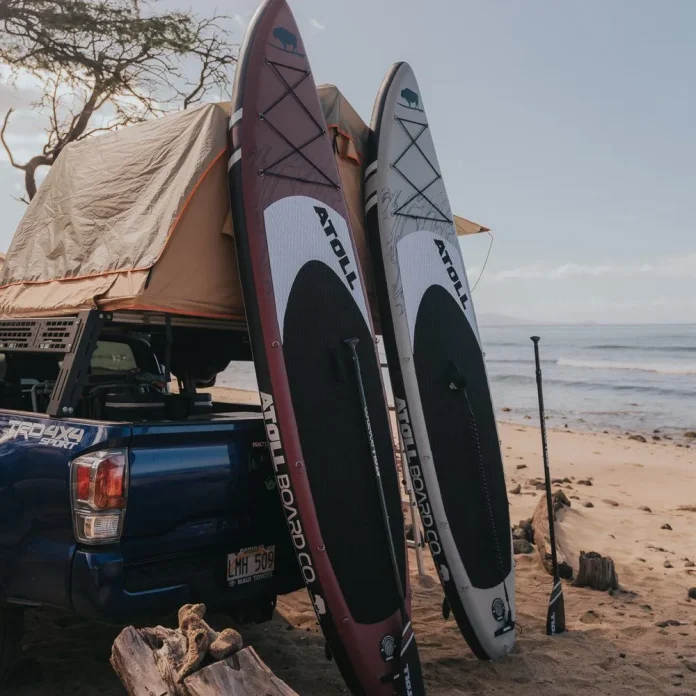

Overlanding has always been about freedom. It’s about pushing past pavement, taking the long way around, and finding places that don’t show up on postcards. But for many travelers, the journey still ends at the shoreline. Trucks stop. Trails fade. The water becomes a boundary rather than an invitation.
That mindset is changing.
More overlanders are realizing that some of the most memorable terrain isn’t driven across; it’s paddled. Lakes tucked behind forest service roads, desert reservoirs miles from the nearest marina, and slow-moving rivers hidden beyond two-track trails all offer a different kind of solitude. Bringing a paddle board along turns those quiet stretches of water into extensions of the trail.
When overlanding meets paddle boarding, exploration expands in every direction. You’re no longer limited by where your tires can go. Instead, you gain access to entire networks of hidden waterways that reward patience, planning, and a willingness to see the landscape from a new angle.
Table of Contents
- Why Paddle Boarding and Overlanding Are a Perfect Match
- Accessing Waterways You’d Never Reach Otherwise
- Choosing the Right Paddle Board for Overland Travel
- Vehicle Setup: Carrying Boards Without Killing Your Build
- Essential Gear for Paddle Boarding Off the Grid
- Campsites That Come Alive From the Water
- Environmental Responsibility on Land and Water
- Planning Your First Overland Paddle Boarding Trip
- Redefining the Boundaries of Overland Travel
- Frequently Asked Questions
Why Paddle Boarding and Overlanding Are a Perfect Match
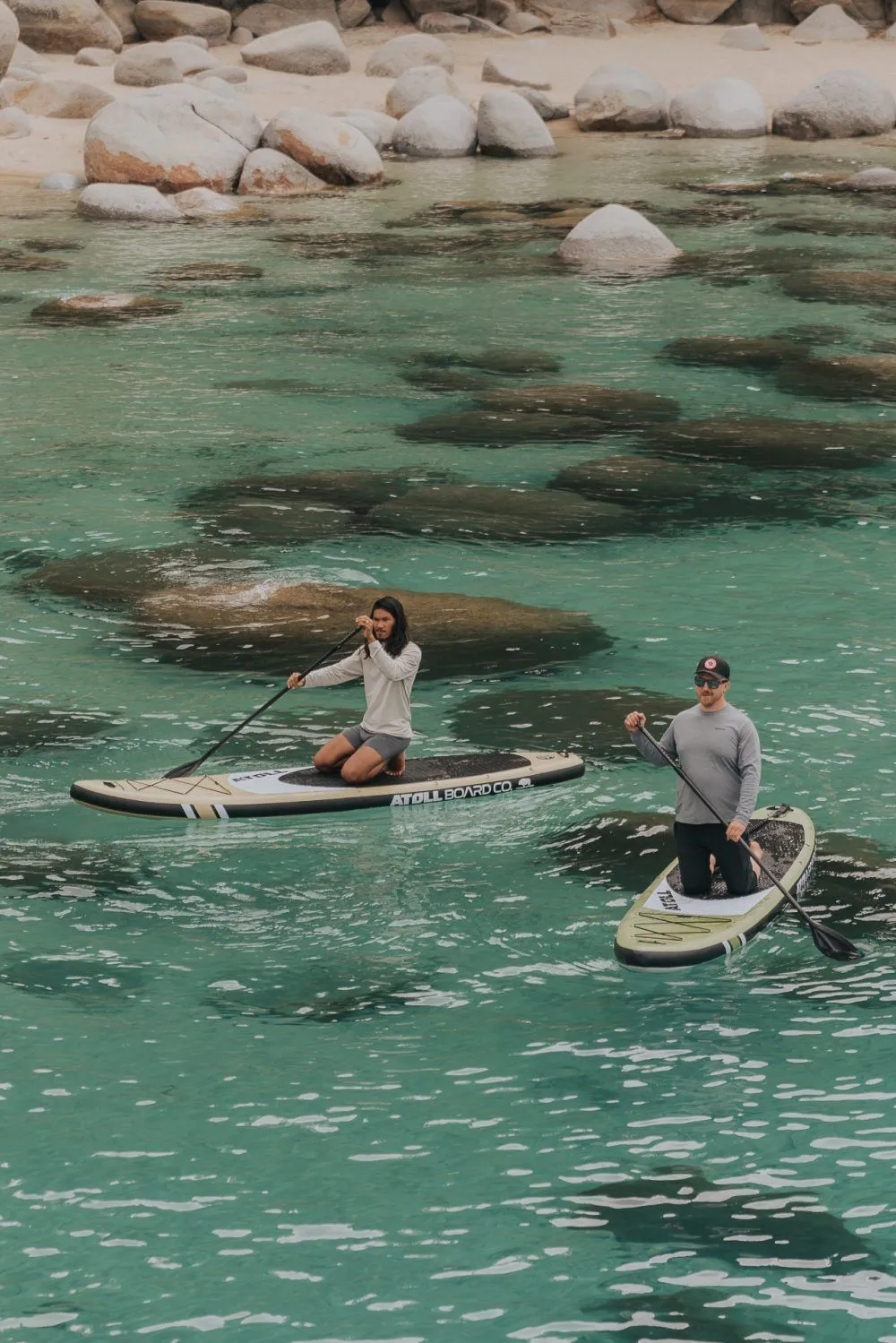
At their core, overlanding and paddle boarding share the same values. Both prioritize self-sufficiency, simplicity, and access over speed. Neither activity requires specialized infrastructure to be meaningful. You don’t need a marina, campground, or guided tour to enjoy time on the water or on the trail.
A paddle board fits naturally into the overland mindset because it expands range without adding complexity. Inflatable boards pack small, ride easily in a vehicle, and deploy quickly once camp is set. You can transition from dirt road to shoreline in minutes, turning downtime into meaningful exploration.
There’s also a rhythm to combining these two activities. Driving gets you close, paddling slows you down. That balance makes the experience richer. Instead of rushing through landscapes, you engage with them at different speeds, noticing details that would otherwise be missed.
Accessing Waterways You’d Never Reach Otherwise
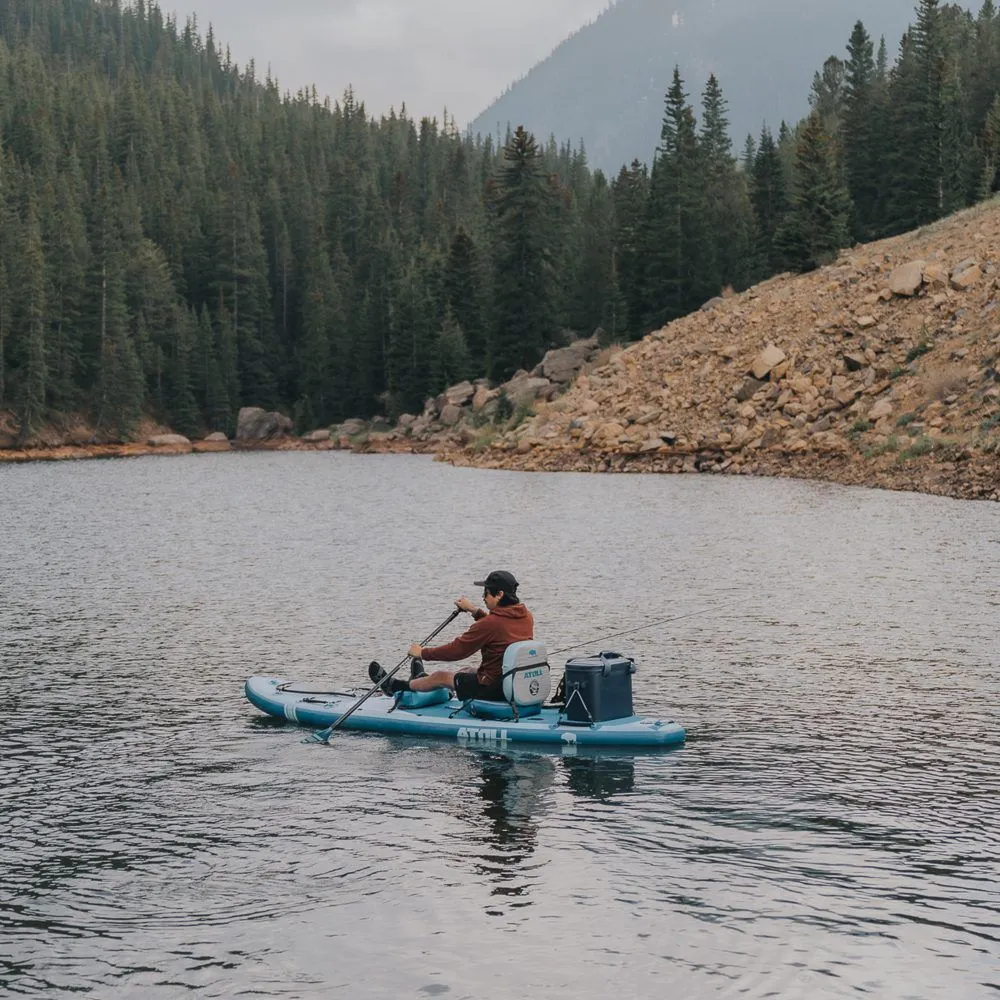
Many waterways remain quiet simply because they’re inconvenient to reach. Trailheads that end miles from paved roads naturally limit crowds, even on popular bodies of water. Overlanding vehicles excel at reaching these overlooked access points.
Once you arrive, paddle boarding opens up shoreline access that hiking alone can’t match. Narrow inlets, shallow coves, and winding river bends become accessible without disturbing the environment. You can follow the water as it moves, rather than fighting terrain along the bank.
This combination is especially effective in remote regions where land access is fragmented. Public land boundaries, rugged terrain, and private parcels often restrict foot travel, but waterways provide continuous corridors that feel untouched and immersive.
Choosing the Right Paddle Board for Overland Travel
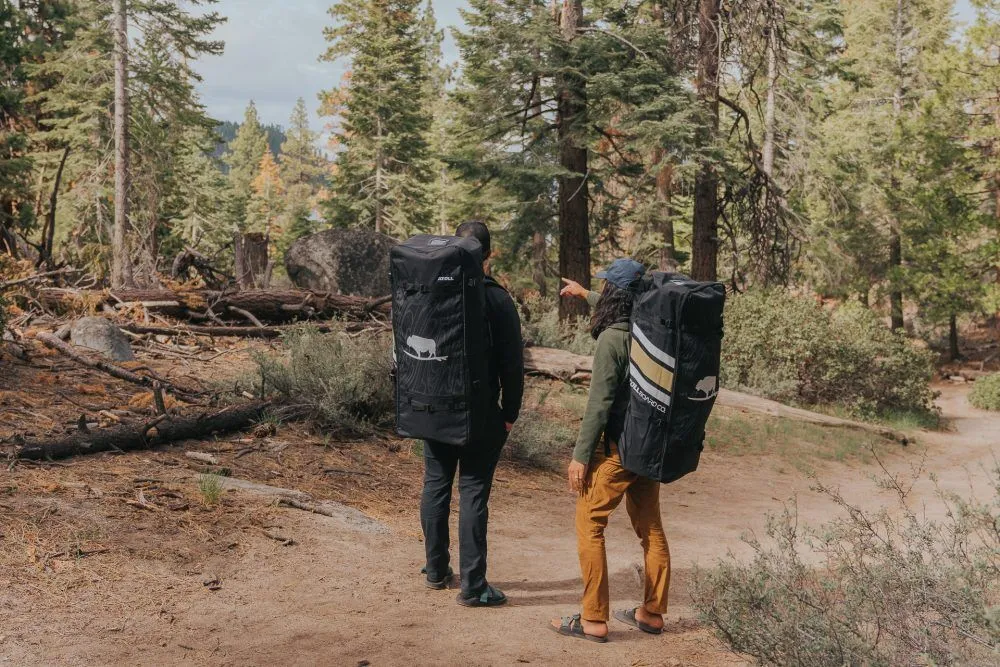
Not all boards are created with vehicle-based travel in mind. Overlanding introduces challenges that typical beach or marina paddling does not: long dirt-road approaches, limited storage space, fluctuating temperatures, and the need for gear that can handle repeated setup and breakdown. For these reasons, inflatable paddle boards are the clear choice for overland travel. They pack down small, tolerate vibration and trail dust, and can be stored safely inside a vehicle rather than exposed on a roof rack.
Atoll Paddle Boards have earned a strong reputation among travelers precisely because they address these challenges head-on. Built using military-grade PVC and fusion-laminated construction, Atoll boards are designed to withstand rugged environments without sacrificing performance on the water. Their drop-stitch inner core creates a rigid, stable platform when inflated, allowing the board to behave much like a hard board while remaining lightweight and portable.
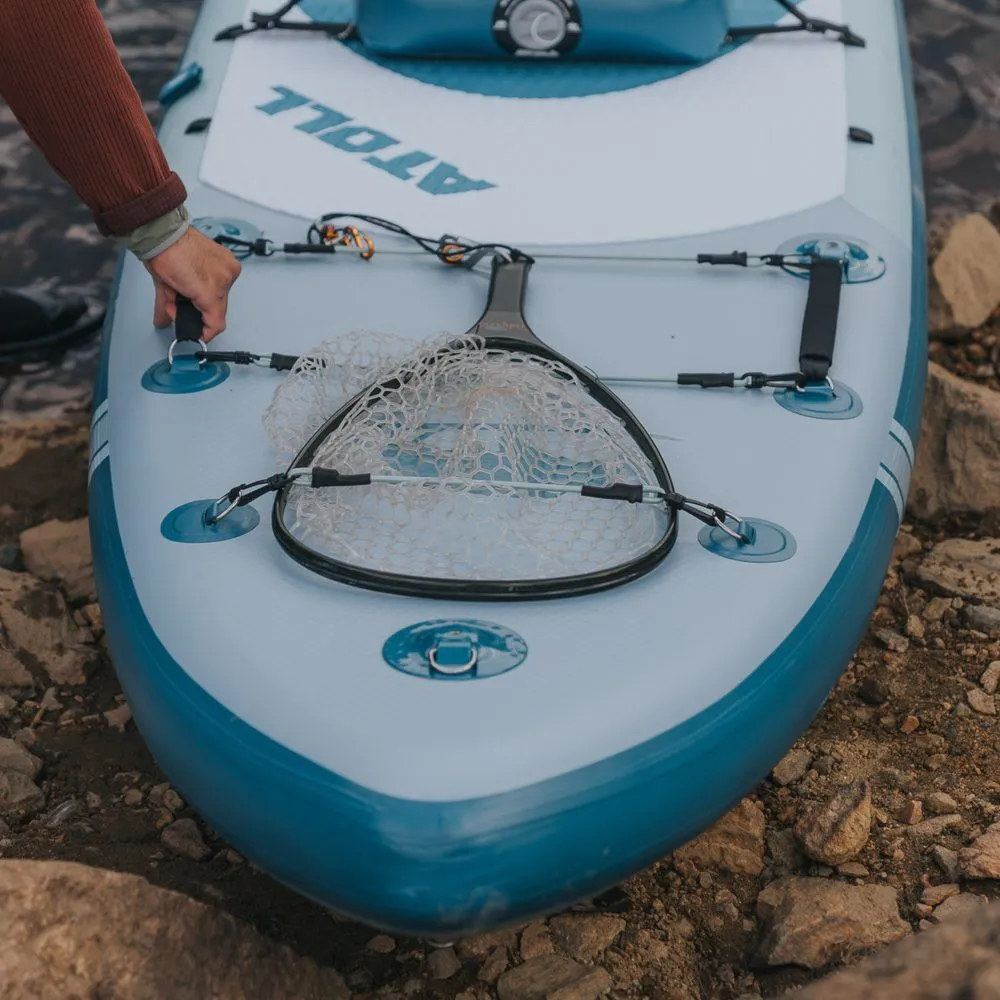
Durability is a major consideration for overlanders who may be launching from rocky shorelines, shallow rivers, or unimproved access points. Atoll boards are engineered to handle both freshwater and saltwater use, with reinforced seams, UV resistance, and hard fins that hold up to repeated travel. The six-inch thickness provides excellent flotation and stiffness, which is especially important when carrying extra gear or paddling in variable conditions.
Weight capacity is another area where Atoll boards excel. Many of their inflatable paddle boards support up to 400 pounds, making them well-suited for gear-heavy overland trips. Whether you’re carrying dry bags, fishing equipment, a cooler, or even a dog, the board remains stable and predictable. This added capacity also gives paddlers more flexibility, allowing them to adapt the board for different uses without feeling overloaded.
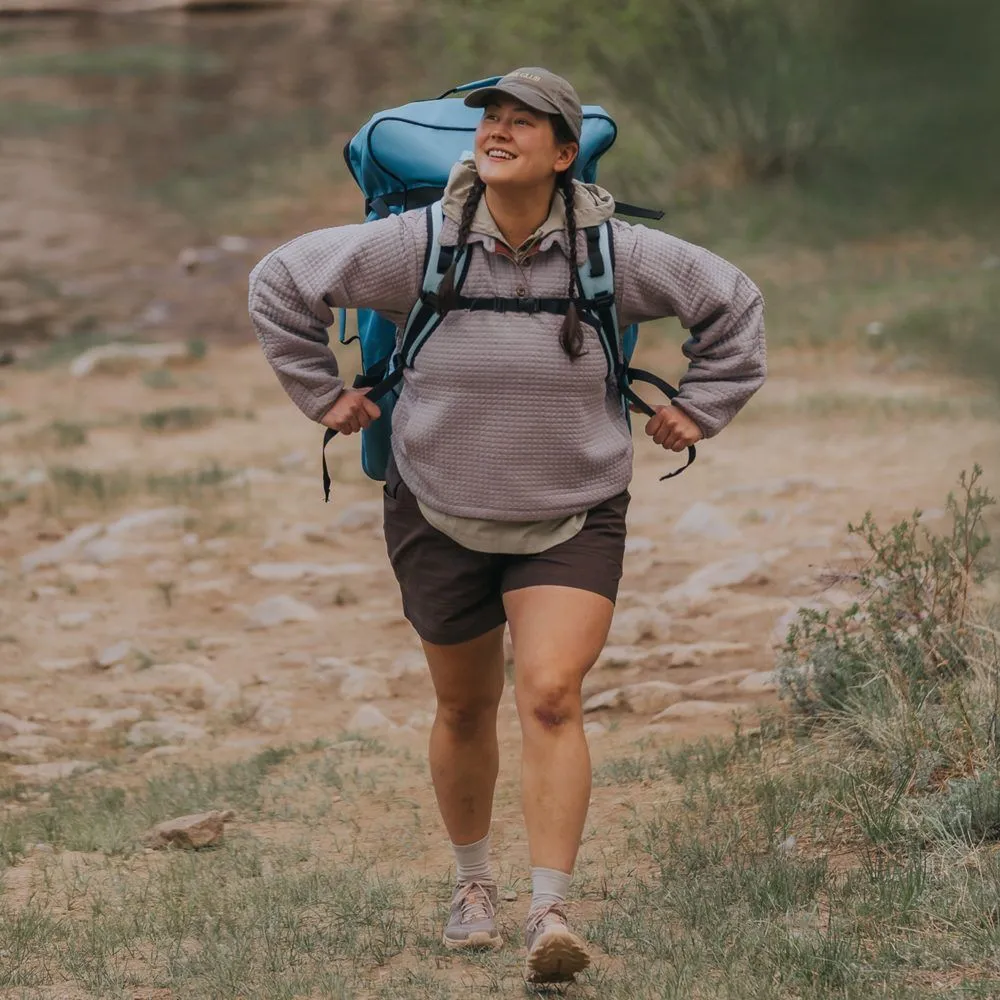
Ease of transport is where Atoll truly shines for overlanding situations. Each board packs into a durable backpack that fits easily into a vehicle’s cargo area. The included dual-action pump allows for efficient inflation at camp, while the padded center handle makes carrying the board to the water comfortable and balanced. When space is limited, having a board that can be packed, carried, and deployed quickly makes a significant difference.
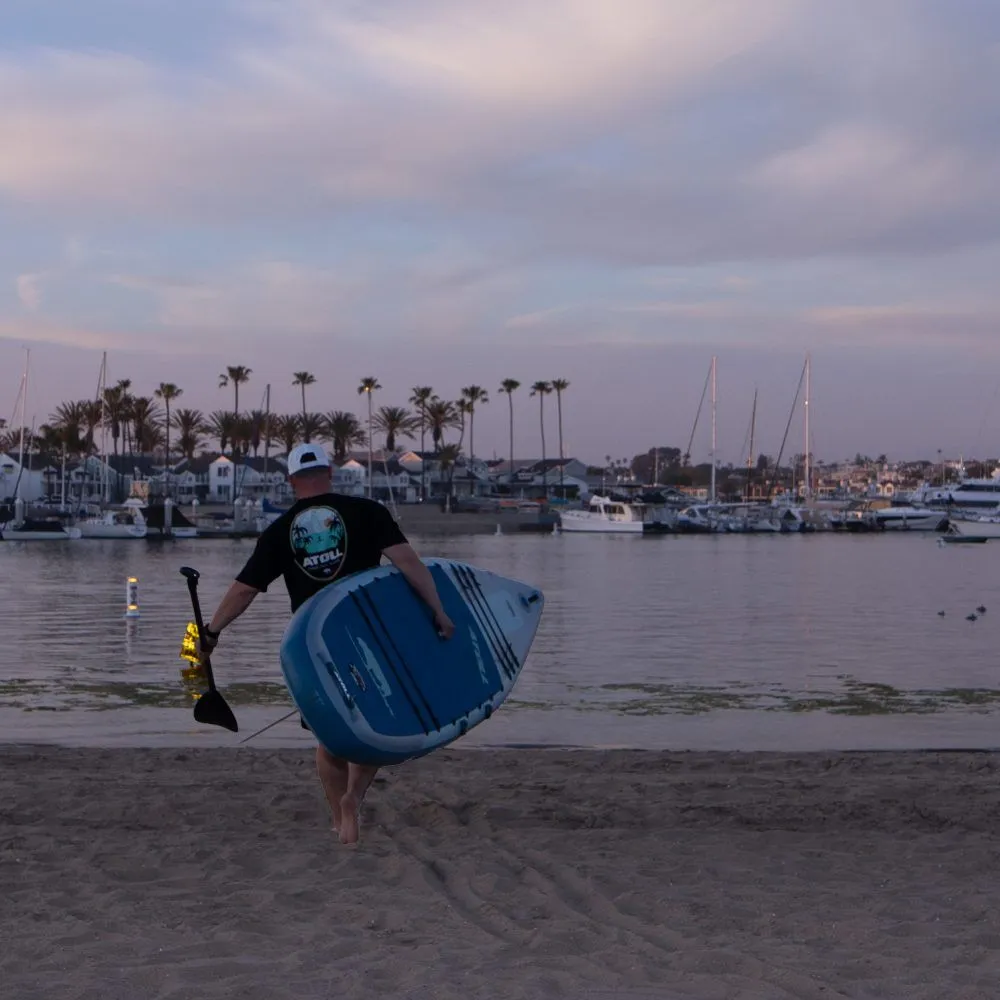
Atoll’s feature-rich packages also reduce the need for additional purchases. Many boards come ready to travel with essentials like a leash, repair kit, universal fin, and high-quality paddle. This all-in-one approach aligns perfectly with the overlanding philosophy of simplicity and preparedness.
Ultimately, choosing the right paddle board for overland travel comes down to reliability, durability, and versatility. Atoll Paddle Boards deliver on all three, making them a practical and well-rounded choice for anyone looking to extend their adventures from dirt roads to quiet water.
Vehicle Setup: Carrying Boards Without Killing Your Build
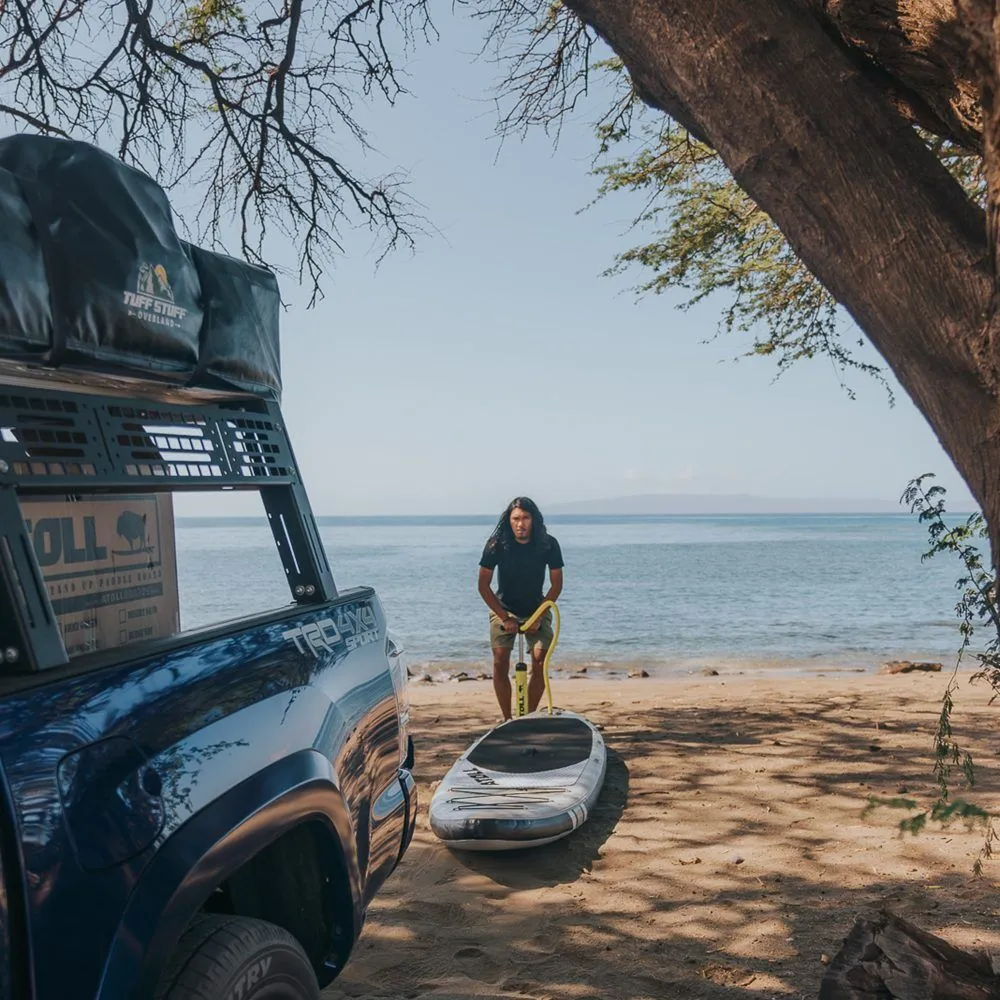
One of the advantages of inflatable boards is flexibility in storage. Most overlanders opt to keep boards inside the vehicle, protected from sun and trail debris. This also makes them easier to access when spontaneous water opportunities appear.
Roof racks can work for short distances, but long-term exposure isn’t ideal. Heat, UV light, and vibration take their toll. Keeping boards packed until needed extends their lifespan and preserves interior space planning.
Weight distribution matters as well. Boards stored low in the vehicle help maintain handling on technical trails. With thoughtful organization, paddle boarding gear integrates cleanly into even compact builds.
Essential Gear for Paddle Boarding Off the Grid
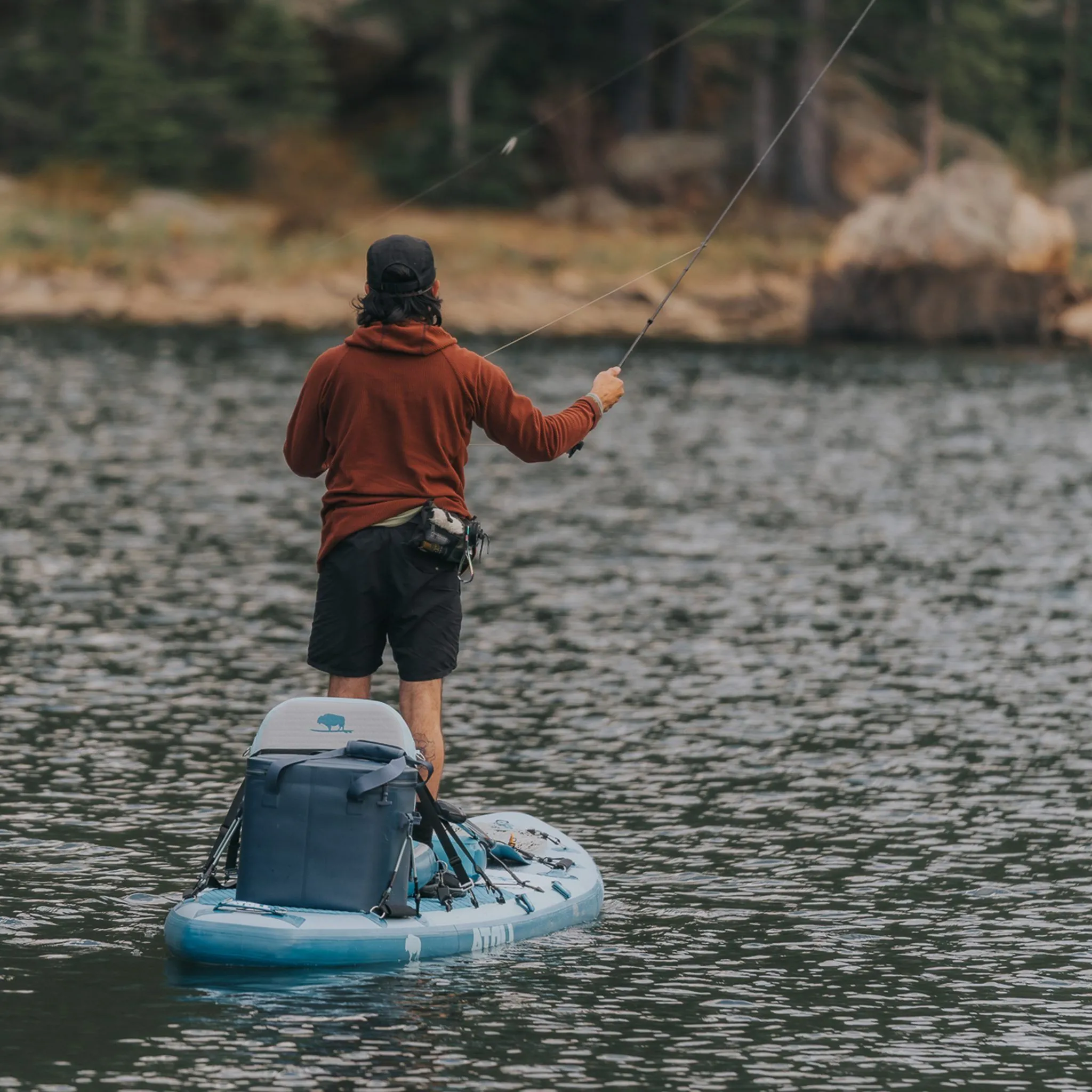
Remote water travel demands a more cautious approach than paddling near marinas. Personal flotation devices are non-negotiable, especially where help is far away. Leashes, signaling devices, and weather awareness all play a role in staying safe.
Dry storage is equally important. Food, electronics, and emergency gear should be protected against splashes and unexpected swims. Many overlanders treat their board like a floating extension of camp, carrying only what’s necessary.
Footwear and clothing choices matter, too. Cold water, wind exposure, and rapid weather shifts can turn a pleasant paddle into a stressful situation without proper preparation.
Campsites That Come Alive From the Water
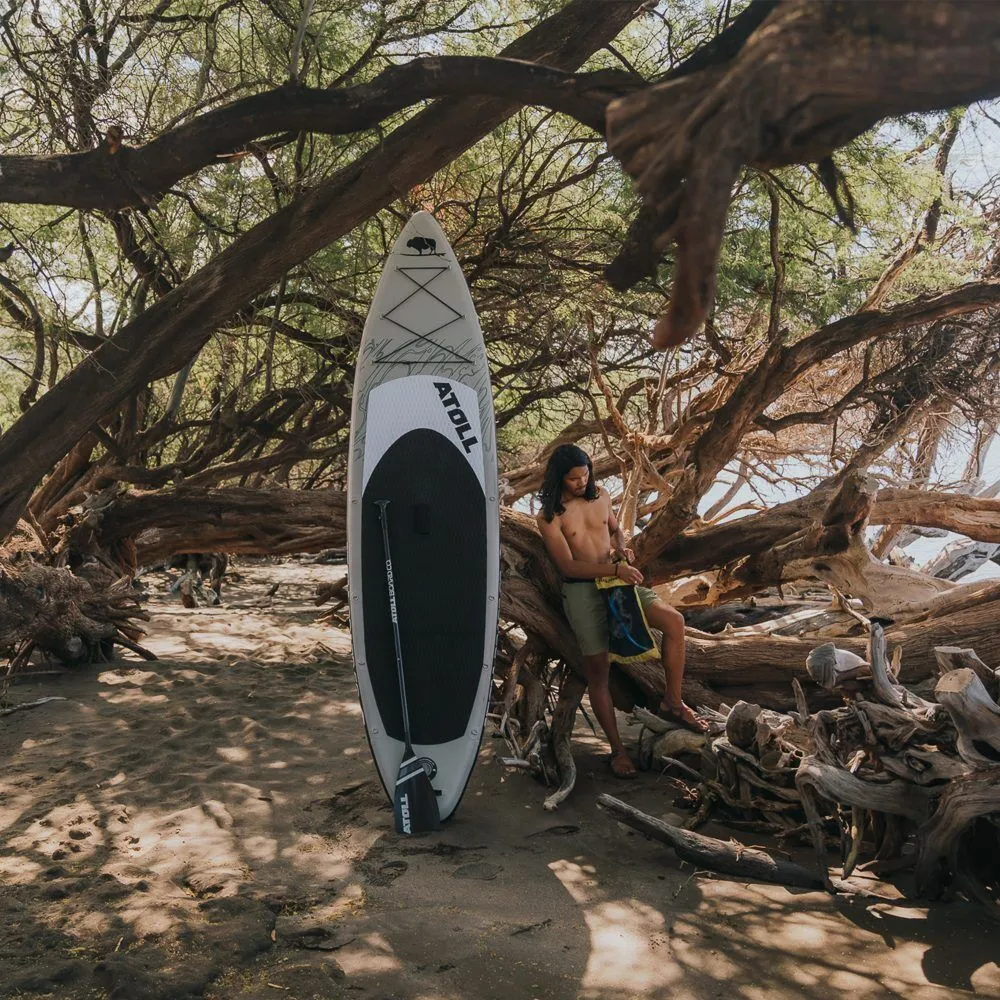
Some campsites feel ordinary until you see them from offshore. Paddle boarding allows you to experience familiar locations from new angles, revealing shoreline features that aren’t visible from land.
Morning paddles offer still water and quiet conditions, while evening sessions bring reflections and wildlife activity. The water becomes part of your daily routine rather than a backdrop.
Multi-day base camps benefit the most, though. With a board on hand, each day brings a new direction to explore without moving camp or burning fuel.
Environmental Responsibility on Land and Water
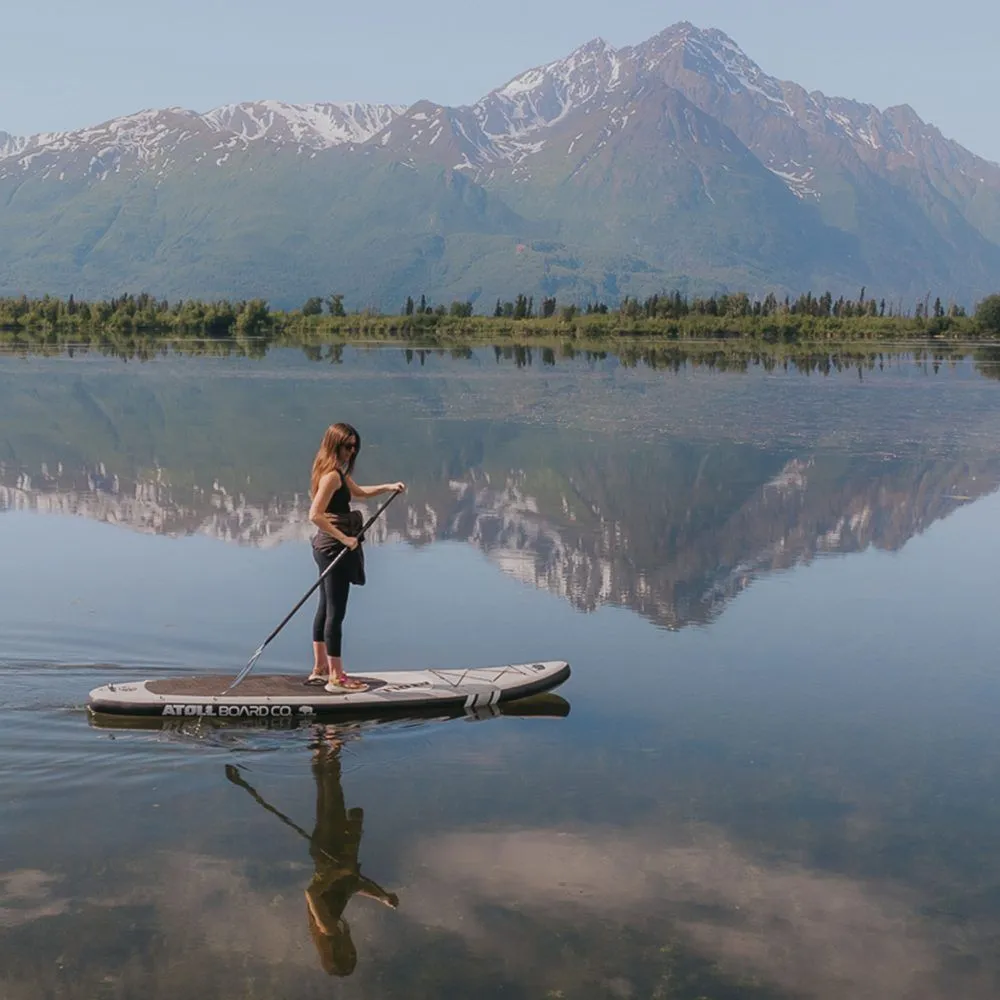
Access brings responsibility. Paddle boarding through fragile ecosystems requires awareness and restraint. Avoid shallow nesting areas, respect wildlife distance, and minimize shoreline disturbance.
Launching and landing should leave no trace. Use established access points when possible and avoid trampling vegetation. The goal is to leave waterways as quiet and intact as you found them.
Overlanders who paddle are often among the few who see these places regularly. That perspective carries an obligation to protect them.
Planning Your First Overland Paddle Boarding Trip
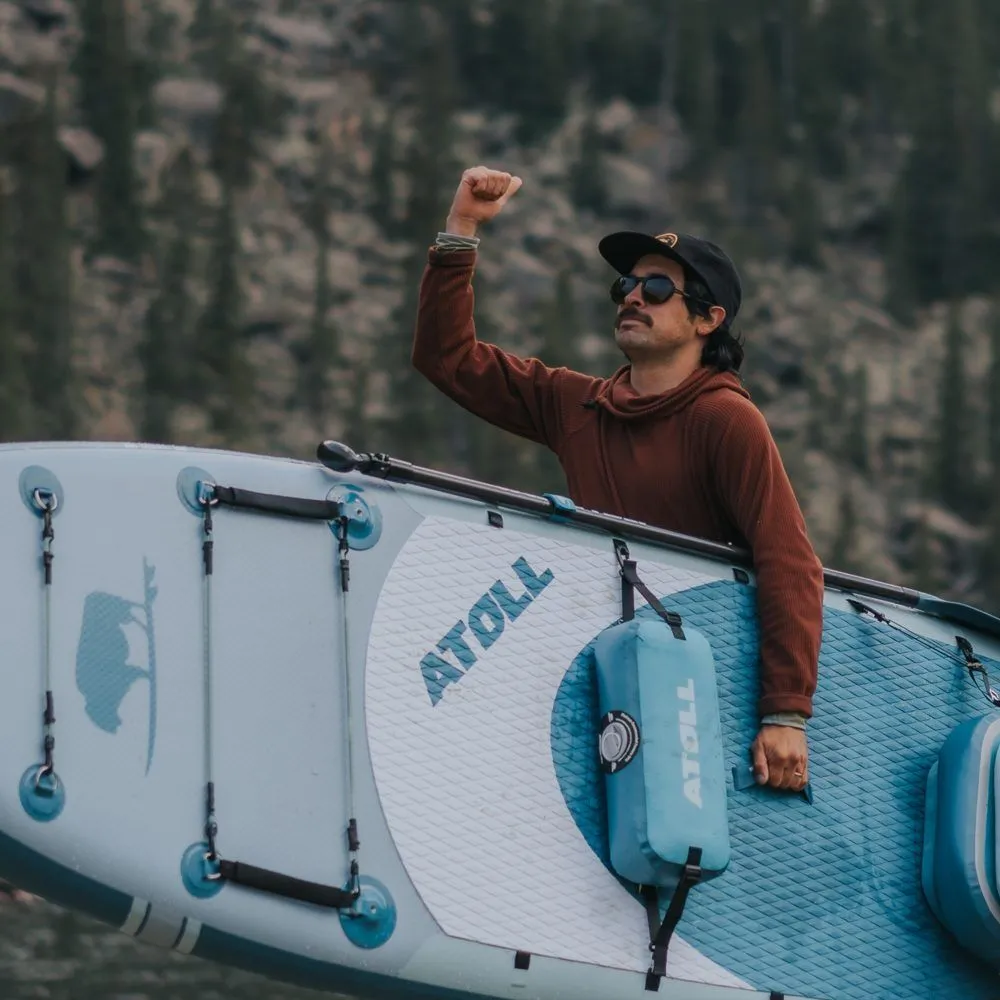
Research starts with maps and local regulations. Not all waterways allow paddle access year-round, and conditions can change quickly with weather, snowmelt, or dam releases. Satellite imagery, topographic maps, and land management resources can help you identify viable launch points and understand how water connects to surrounding terrain.
Start close to camp. Short paddles build confidence and familiarity with gear, especially when launching from unimproved shorelines. Staying within sight of camp makes it easier to test wind conditions, board stability, and load management before committing to longer distances.
Seasonal awareness is critical as well. Cold water, wind exposure, and fluctuating levels all influence safety and enjoyment. Early mornings often bring calmer conditions, while afternoon winds can turn an easy paddle into a demanding one. Planning around daily weather patterns goes a long way toward a positive experience.
It’s also important to factor in recovery and exit points. Unlike hiking trails, waterways don’t always offer obvious turnaround spots. Identify multiple landing options before launching so you’re not forced into paddling against wind or current longer than expected.
Finally, plan conservatively and build experience gradually. Paddle boarding in remote settings rewards patience and preparation more than ambition. As your comfort level grows, you’ll find that water travel becomes a seamless extension of your overland routine rather than a separate activity.
Redefining the Boundaries of Overland Travel

Overlanding doesn’t have to stop where the road ends. Paddle boarding extends the journey into spaces that feel untouched and personal, turning shorelines into gateways instead of endpoints.
By blending land and water travel, trips become more varied and rewarding. Each day offers choices rather than limitations, whether that means driving deeper into the backcountry or gliding quietly along a glassy shoreline just beyond camp.
This approach also encourages a slower, more intentional style of travel. Instead of measuring progress by miles covered, the experience becomes about immersion: reading wind patterns, following the curve of a river, or lingering in a cove simply because it feels right.
For many overlanders, paddle boarding reshapes how destinations are chosen in the first place. Camps near water gain new significance, routes are planned around access points rather than attractions, and familiar landscapes reveal layers that were previously out of reach.
For those willing to carry a board and slow down, the payoff is access to waterways most people never see, and a broader definition of what overland travel can be.
Frequently Asked Questions
Is paddle boarding suitable for beginners on overland trips?
Yes. Calm lakes and slow rivers near camp are ideal environments for beginners, especially with stable inflatable boards.
Why are inflatable boards better for overlanding?
Inflatables are easier to store, lighter to carry, and more forgiving on rough travel compared to rigid boards.
Are Atoll Paddle Boards durable enough for remote travel?
Yes. Their military-grade PVC and drop-stitch construction make them well-suited for rugged environments.
How much space does a paddle board take in a vehicle?
Most inflatable boards pack into a backpack roughly the size of a large duffel bag.
Do I need special permits to paddle remote waterways?
It depends on the location. Always check local regulations before launching.
Just so you know, some of the cool stuff we mention comes with affiliate links, meaning we earn a commission if you buy (no extra charge to you!). Plus, we occasionally feature sponsored content, but rest assured, we only shout out products we genuinely stand behind.