


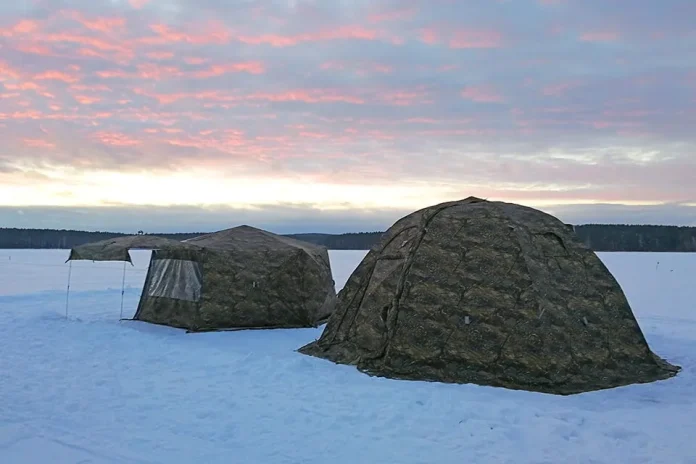

Cold-weather camping can be unforgiving. Snow, wind, and freezing temperatures challenge even experienced outdoor enthusiasts, and the right shelter makes all the difference. A reliable cold-weather camping tent is essential for safety, comfort, and enjoyment during winter trips.
Among the options available, the Bereg UP-7 is designed to handle extreme conditions while keeping you warm and dry. Its combination of insulated layers, sturdy dome-umbrella frame, and stove compatibility make it a dependable choice for hunters, anglers, and adventurers who spend extended periods outdoors in cold climates.
This article explores how the Bereg UP-7 functions as a cold-weather camping tent, highlighting its materials, frame design, insulation, ventilation, and practical features that make winter camping safer and more comfortable. By the end, you’ll have a clear understanding of why this tent excels in harsh conditions.
Table of Contents
- Materials and Insulation for a Cold-Weather Camping Tent
- Dome-Umbrella Frame: Stability and Strength
- Insulated and Removable Floors for Winter Comfort
- Arctic Cape and Optional Winter Accessories
- Stove Compatibility and Safe Heating
- Ventilation and Condensation Control
- Windows, Entrances, and Protection from the Elements
- Setup Tips for Cold-Weather Camping
- Personal Insights: Staying Warm and Organized
- Why the Bereg UP-7 Excels as a Cold-Weather Camping Tent
- FAQ
Materials and Insulation for a Cold-Weather Camping Tent

The materials used in a cold-weather camping tent determine how well it protects you from snow, rain, and freezing temperatures. The Bereg UP-7 uses a two-layer design with Oxford 300 PU 4000 for the outer awning and Oxford 210 PU 2000 for the inner awning. These fabrics are highly water-resistant, windproof, and durable, which ensures long-term performance in harsh conditions.
Seams are another critical factor. The UP-7 features thermal tape sealing that prevents moisture from penetrating stress points. This detail is vital for maintaining a dry interior, particularly during winter storms or heavy snowfall. A well-sealed tent reduces the risk of hypothermia and keeps gear protected.
The two-layer system also creates an insulating air gap. This helps retain heat inside while reducing the impact of wind and snow on the inner layer. For anyone spending extended periods in sub-zero temperatures, this layer of protection is essential for comfort and safety.
When selecting a cold-weather camping tent, pay close attention to the quality of fabrics and seam sealing. These factors often distinguish a tent that can handle extreme conditions from one that fails under stress.
Dome-Umbrella Frame: Stability and Strength

The dome-umbrella frame of the Bereg UP-7 provides both rapid setup and remarkable stability. Made from 10 mm diameter aluminum alloy B95T1, the frame is corrosion-resistant and maintains rigidity even in extremely cold temperatures. This ensures the tent can support snow accumulation without bending or collapsing.
Its eight-arc design distributes weight evenly, reducing stress on the tent fabric and improving wind resistance. Campers who have set up tents in open fields or on frozen lakes know that wind can be a serious challenge. A stable frame prevents deformation and keeps the tent secure in gusts exceeding 15 m/s.
The umbrella-style deployment allows the tent to be set up in about a minute. In cold-weather camping, speed is crucial; exposure to the elements should be minimized whenever possible. This frame design combines convenience with durability, a rare balance in tents designed for winter conditions.
The dome-umbrella structure also contributes to interior space, maximizing usable area while maintaining structural integrity. This means campers can move around comfortably and arrange gear without stressing the frame or fabric.
Insulated and Removable Floors for Winter Comfort

Floors are often overlooked in cold-weather camping tents, but they play a key role in maintaining warmth. The Bereg UP-7 includes a removable Oxford floor, and for extreme cold, an optional three-layer insulated floor can be added. This “sandwich” floor uses foil-clad isolon and fabric to create a thermal barrier between the ground and interior.
Proper flooring prevents frost from seeping in and helps retain heat generated by body warmth or a stove. Campers can choose to place the insulated floor under the tent or inside, depending on the ground conditions and personal preference. Both approaches improve comfort and reduce heat loss.
When setting up in winter, layering floors strategically ensures maximum insulation. Even a small air gap between layers can enhance thermal retention, keeping the interior warmer throughout the night. A tent without adequate flooring may feel drafty and significantly less comfortable.
High-quality floors also protect gear from moisture. Wet clothing or equipment can quickly cool the interior, negating the benefits of insulation. A well-designed floor like the UP-7’s minimizes these risks and enhances overall livability.
Arctic Cape and Optional Winter Accessories
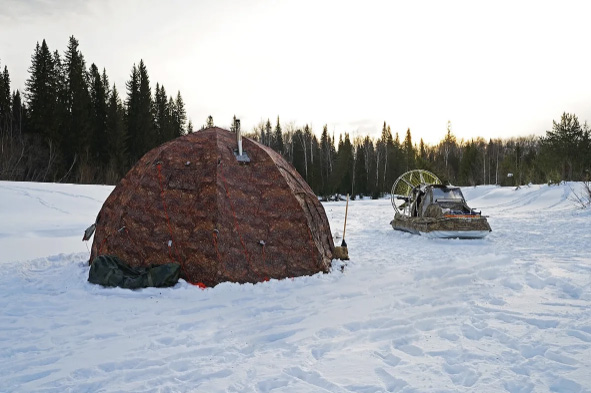
For temperatures below -25°C, the Bereg UP-7 supports the use of an arctic cape. This additional layer enhances insulation and shields the tent from wind and snow buildup. It’s particularly useful in prolonged winter camping trips where exposure to extreme cold is likely.
Vestibule connectors provide extra storage space, allowing campers to keep gear outside the main living area without exposing it to snow or moisture. Optional accessories like mesh shelves and organizers help keep small items accessible, reducing clutter and improving safety.
Accessories can transform the cold-weather camping tent into a versatile shelter, adaptable to different conditions. By planning your setup with these tools, you ensure a comfortable and efficient campsite in harsh winter environments.
Investing in compatible accessories also extends the usability of the tent across multiple seasons. While not essential for summer use, they greatly enhance winter performance and comfort.
Stove Compatibility and Safe Heating

Heating is often a necessity in cold-weather camping. The Bereg UP-7 includes a chimney cutting with heat-resistant fabric and a reinforced wall that withstands temperatures up to 1200°C. This allows for safe use of long-burning stoves inside the tent, creating a warm environment for cooking or staying comfortable during sub-zero nights.
Safety is paramount when using a stove indoors. Proper ventilation, stove placement, and adherence to manufacturer guidelines prevent fire hazards and carbon monoxide buildup. The UP-7’s design ensures the stove pipe remains clear of tent fabric while maintaining structural integrity.
Campers who frequently use stoves will find the UP-7 advantageous because it combines heat efficiency with safety. The ability to cook or heat the interior without leaving the shelter is invaluable during extended winter trips.
Even without a stove, the tent’s insulation and floor design provide significant warmth. For shorter trips or milder conditions, the stove can be optional while still maintaining a comfortable interior environment.
Ventilation and Condensation Control

Good ventilation is essential to prevent condensation buildup, which can compromise warmth and gear. The Bereg UP-7 features bottom ventilation, dual entrances, and a two-layer design to manage airflow effectively. This ensures that moisture from breathing or snow melt is vented outside.
Adjustable vents allow campers to regulate airflow without creating drafts. During heavy snowfall or wind, controlling ventilation is essential to maintain warmth while preventing ice buildup inside the tent.
The air gap between the inner and outer layers also reduces heat loss, further enhancing the tent’s performance as a cold-weather camping tent. Proper ventilation contributes to a dry and comfortable interior, even when exterior temperatures are extreme.
In my experience, consistent attention to ventilation prevents dampness and preserves both comfort and gear integrity, which is crucial during winter trips lasting several days.
Windows, Entrances, and Protection from the Elements

The Bereg UP-7 has five-layer windows with frost-resistant TPU film, mosquito nets, and zippered covers. These features provide light, visibility, and protection while minimizing heat loss. Entrances are also equipped with zippers and swing doors, ensuring secure closure against wind and snow.
Reflective loops and strategically placed guy lines stabilize the tent in high winds. Properly securing the tent prevents shifting, reduces snow accumulation on the awning, and ensures the structure remains safe and functional.
Windows and entrances also enhance the user experience by allowing selective airflow, light, and access without compromising insulation. These details collectively improve livability and safety during winter camping.
Even in severe conditions, the combination of protective windows, zippered doors, and reinforced seams ensures the tent remains a reliable shelter throughout extended cold-weather trips.
Setup Tips for Cold-Weather Camping
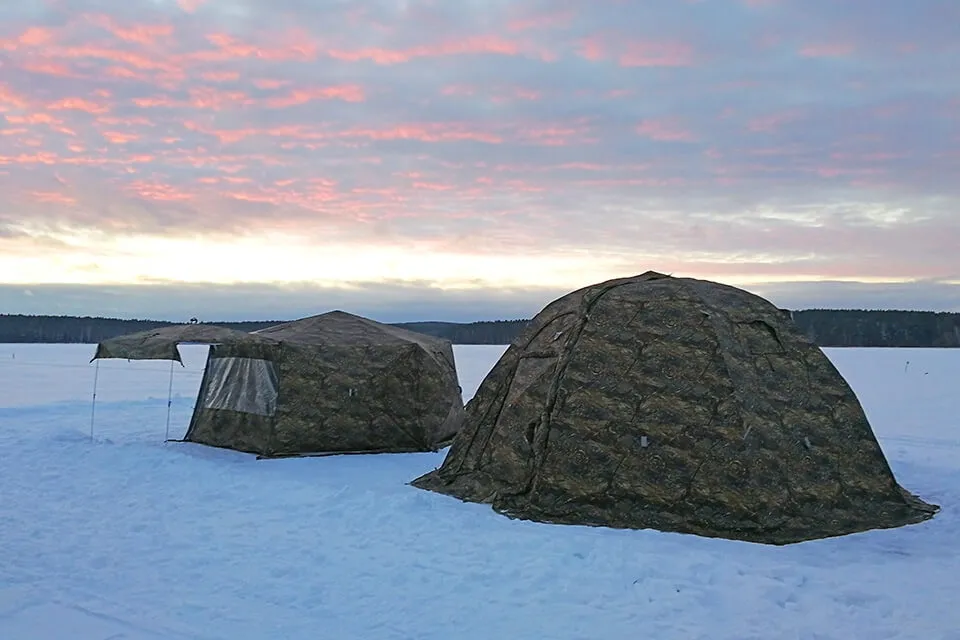
Cold-weather camping demands careful setup to ensure safety and comfort. Start by choosing a level, wind-sheltered location whenever possible. Snow can be packed to create a stable base and prevent the tent from sinking or tilting.
Deploy the dome-umbrella frame quickly to minimize exposure. Attach insulated floors and arctic capes early in the process to retain heat. Use reflective guy lines and properly stake all corners to secure the tent against wind gusts.
Practice setup at home in advance so that the process becomes second nature. Quick, confident assembly reduces stress and exposure to extreme cold.
Check for potential hazards such as overhead snow-laden branches, ice patches, or open water before pitching your tent. Safety during setup is just as critical as warmth once inside.
Personal Insights: Staying Warm and Organized

Organization inside the cold-weather camping tent directly impacts warmth and comfort. Using interior loops for hanging gear or flashlights, mesh shelves for small items, and pockets for essentials keeps the interior uncluttered and maximizes usable space.
Staying dry is another critical factor. Wet clothing or gear can quickly lower body temperature, so keeping these items separated from sleeping areas is essential. The UP-7’s organizers and vestibule connectors help manage this effectively.
For extended trips, planning your tent layout around heat sources and sleeping arrangements can improve both comfort and efficiency. Even minor adjustments, like orienting the stove for optimal heat circulation, make a noticeable difference.
Over time, experience with setup, insulation, and organization makes cold-weather camping far more enjoyable, reducing stress and energy expenditure in extreme conditions.
Why the Bereg UP-7 Excels as a Cold-Weather Camping Tent

The Bereg UP-7 combines insulation, structural stability, stove compatibility, ventilation, and practical interior features to deliver a superior cold-weather camping tent. Its materials resist moisture and cold, the dome-umbrella frame withstands snow and wind, and optional accessories allow customization for extreme conditions.
Whether for hunting, fishing, or winter exploration, the UP-7 provides a reliable base camp that balances warmth, protection, and usability. It’s a tent that adapts to a variety of cold-weather scenarios, making extended outdoor trips safer and more comfortable.
By investing in a tent like the Bereg UP-7, campers gain peace of mind, knowing that their shelter is designed to withstand the challenges of winter while keeping them warm, dry, and organized.
Frequently Asked Questions
How cold can the Bereg UP-7 handle?
With proper insulation, floors, and optional arctic cape, the UP-7 can handle temperatures below -25°C while keeping occupants warm and safe.
Can you use this tent without a stove?
Yes, the tent’s insulation and floor design provide significant warmth even without a stove. A stove is optional for extended or extreme cold trips.
How heavy is the Bereg UP-7 for winter camping?
The tent weighs 39 kg (41.5 kg in the box). While heavier than typical 3-season tents, it is designed for stability and durability in snow and wind.
What accessories are essential for extreme cold?
An arctic cape, insulated floor, and vestibule connectors are most beneficial. Additional organizers and shelves improve interior efficiency and comfort.
How can condensation be minimized in sub-zero temperatures?
Use the tent’s ventilation windows and maintain an air gap between inner and outer layers. Slightly opening vents while keeping entrances closed reduces condensation without compromising warmth.
A quick heads-up: If you snag something through our affiliate links or check out our sponsored content, we might earn a commission at no extra cost to you. But fear not, we’re all about recommending stuff we’re truly stoked about!