


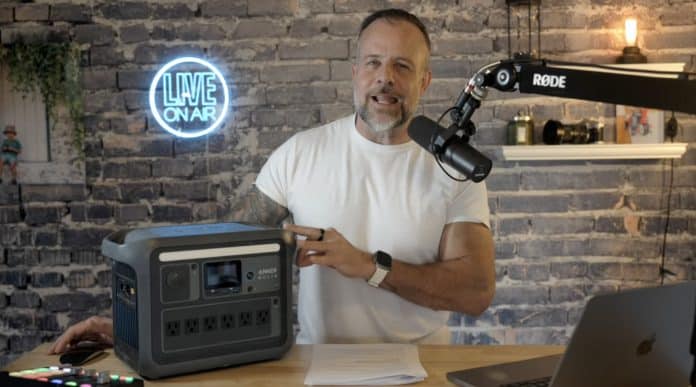

Some pieces of gear earn a permanent place in your setup, not because they look good on a spec sheet, but because they quietly prove themselves trip after trip. The Anker Solix C1000 falls squarely into that category. After six months of consistent use, it has gone from being just another power station tossed into the truck to something I instinctively reach for every time I head out.
This review isn’t based on a weekend test or a quick unboxing. It’s informed by real-world use across camping trips, paddle boarding days, cold nights with a diesel heater running, and evenings powered by a projector and Starlink connection. Over time, patterns emerge: what works well, what matters less than you think, and where a power station either earns trust or quietly loses it.
In this review, I’ll walk through how the Anker Solix C1000 performs where it actually counts: charging speed, usable power, portability, and day-to-day reliability. If you’re considering a compact but capable power station for camping, overlanding, RV use, or home backup, this long-term perspective should help you decide if it fits your needs.
Table of Contents
Anker Solix C1000 Overview and Core Specifications
At its core, the Anker Solix C1000 is a compact, solar-ready power station designed to deliver serious output without demanding excessive space. With a battery capacity of roughly 1,057 watt-hours, it sits comfortably in the sweet spot between ultra-small units and bulky, hard-to-move power stations.
Continuous output is rated at 1,800 watts, with a surge capacity up to 2,400 watts. In practical terms, that means it can handle everything from laptops and phones to more demanding gear like compressors and diesel heaters. The unit uses a LiFePO4 battery chemistry, which brings improved thermal stability and a significantly longer cycle life compared to older lithium-ion designs.
Physically, it measures about 14.8 inches wide, just over 8 inches deep, and roughly 10.5 inches tall. At around 27.5 pounds, it’s not featherweight, but it’s far from cumbersome. For a power station in this output class, the balance between capacity and size is one of its strongest traits.
Real-World Power Output and Device Compatibility
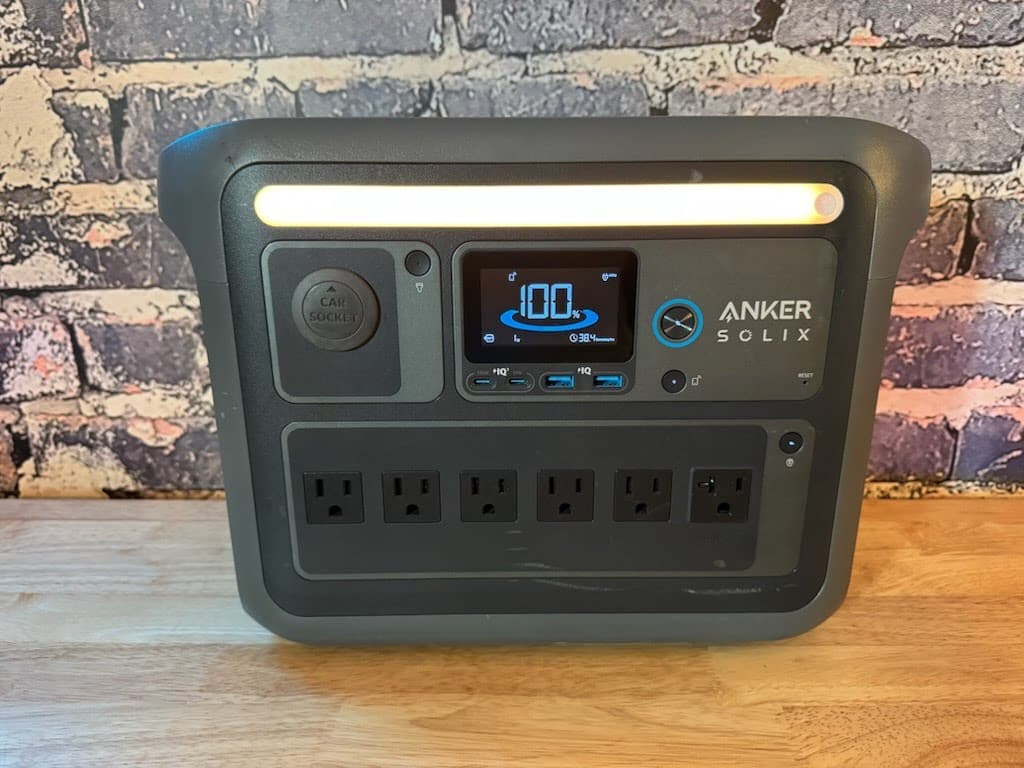
Specs are one thing, but the real test is how a power station behaves when multiple devices are plugged in and running simultaneously. Over the last six months, the Anker Solix C1000 has powered everything from a Nebula projector and camp lighting to laptops, inflators, and a diesel heater running overnight.
The 11 available output ports make it easy to spread the load without constantly unplugging and reconfiguring cables. During camping trips, it’s handled movie nights, phone charging, and lighting all at once without any signs of strain or voltage drops.
One of the more demanding setups involved running a Starlink Mini while charging other devices in the background. That kind of steady, sustained draw is where weaker power stations often struggle, but this unit maintained consistent output and predictable runtime. It’s the sort of performance that builds confidence quickly.
Charging Speed and Solar Performance

Fast charging is one of the most practical advantages of the Anker Solix C1000. Using AC input, it can reach roughly 80 percent charge in about 43 minutes and hit a full charge in under an hour. When you’re packing up camp or grabbing power before a trip, that speed is more than just convenient; it’s genuinely useful.
Solar charging support goes up to 600 watts, which allows for rapid recharging under good conditions. In ideal sunlight, a full recharge can happen in around 1.8 hours. That opens the door to extended off-grid use without needing to rely on a vehicle or campground hookups.
In practice, solar performance depends heavily on panel quality and sun angle, but having a power station that can actually take advantage of higher solar input makes a noticeable difference. It feels designed for people who actually intend to use solar rather than just having it as a marketing bullet point.
Portability, Size, and Camp-Friendly Design
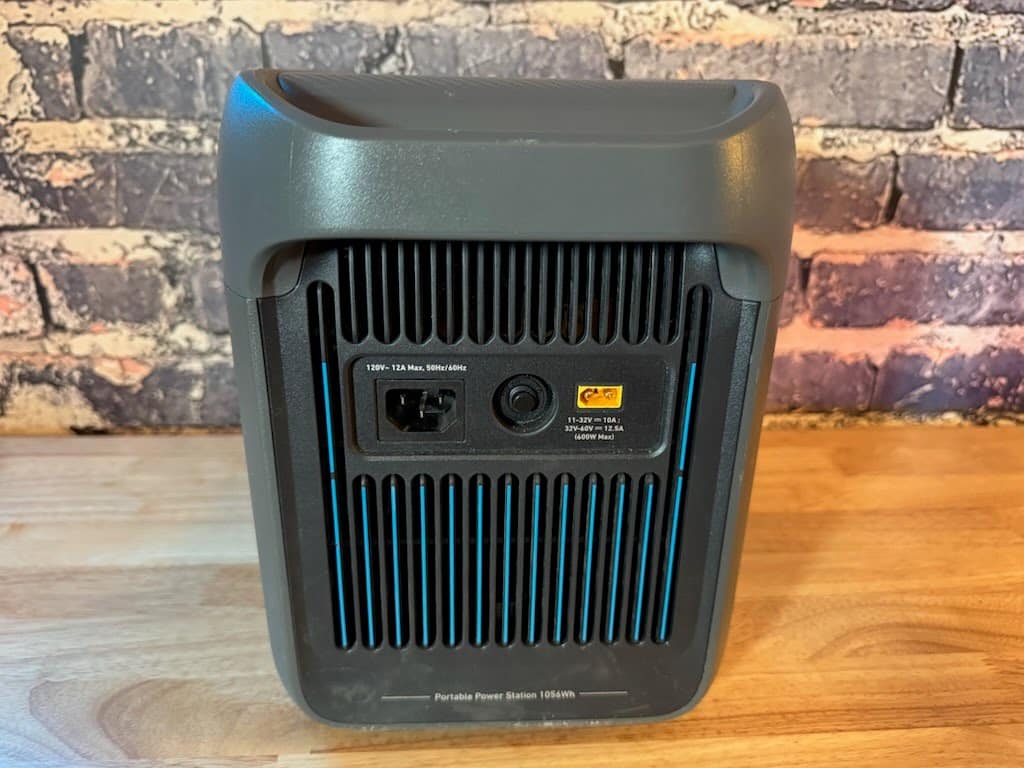
Space is always at a premium when you’re packing a vehicle for camping or overlanding, and this is where the Anker Solix C1000 quietly excels. It’s about 15 percent smaller than many comparable one-kilowatt units, which makes it easier to tuck into a trunk or gear drawer.
The integrated handle and balanced weight distribution make it manageable to move around camp. Whether it’s being repositioned for solar input or carried into a tent, it never feels awkward or unwieldy.
A built-in light on the top of the unit adds unexpected usefulness at night. It’s not a replacement for dedicated camp lighting, but it’s perfect for quick tasks or checking connections in the dark without digging for a headlamp.
Long-Term Reliability and Battery Longevity

After months of use in varying temperatures and conditions, reliability has been one of the most reassuring aspects of the Anker Solix C1000. It’s been exposed to cold nights, warm afternoons, and the general dust and movement that come with outdoor travel.
The LiFePO4 battery is rated for roughly 3,000 cycles, which translates to many years of regular use if properly maintained. That kind of longevity matters if you see a power station as a long-term investment rather than a disposable accessory.
At no point did the unit give the impression it might fail or struggle to deliver power. That consistency is what turns a piece of gear into something you trust without thinking about it.
Using the Anker App in the Field
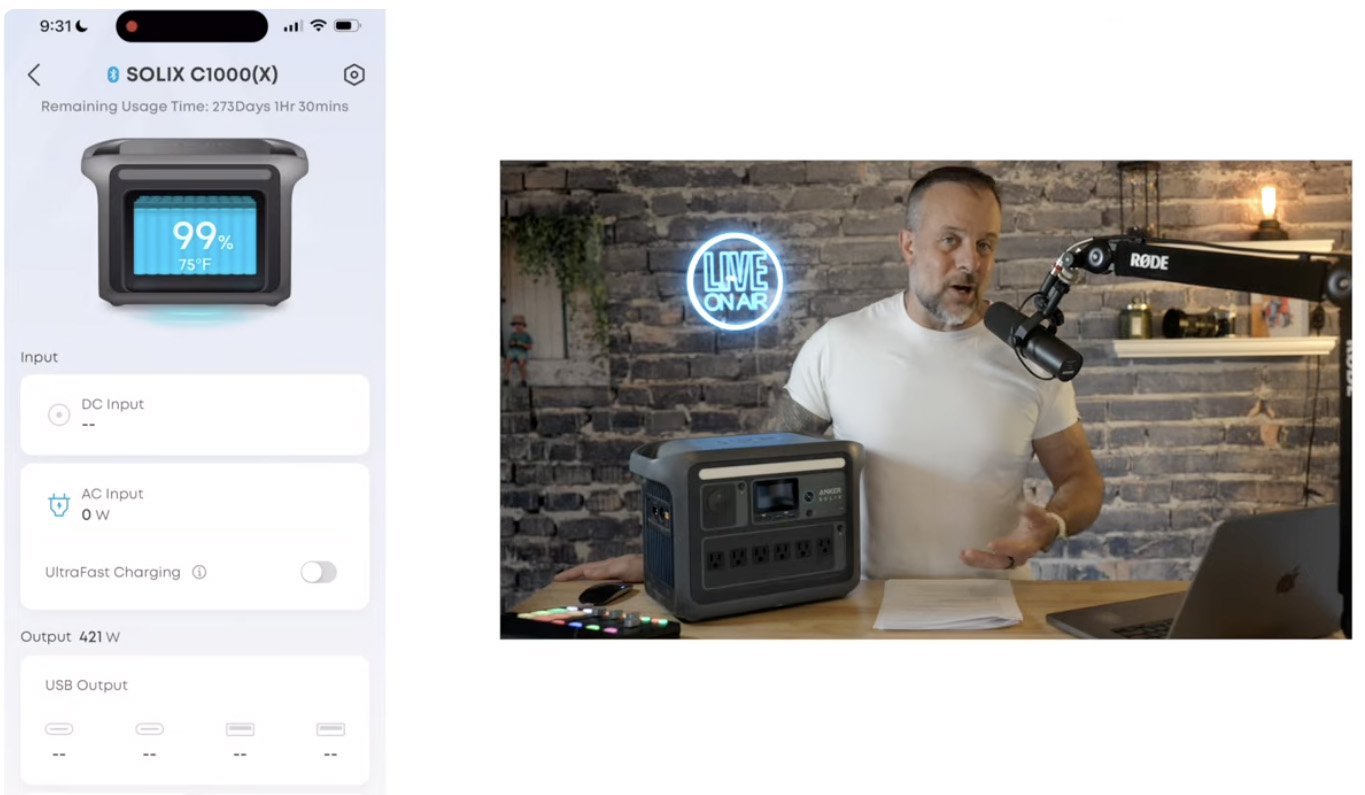
The companion app adds another layer of control that’s surprisingly helpful in real-world use. Through the app, it’s easy to monitor power draw, remaining capacity, and charging status in real time.
Being able to customize charging speeds is especially useful when you’re managing limited power sources. Slowing things down or prioritizing certain devices helps stretch available capacity over longer periods.
For planning purposes, the app makes it much easier to estimate how long you can run multiple devices at once. Instead of guessing, you can make informed decisions before the battery gets critically low.
Price, Value, and Who This Power Station Is For
Pricing can fluctuate, but at times the Anker Solix C1000 has been available at a significant discount, bringing it into a very competitive range for its feature set. When you factor in output, charging speed, and battery chemistry, the value proposition becomes clear.
This power station makes sense for campers, overlanders, RV owners, and anyone wanting a dependable home backup option that doesn’t require permanent installation. It also works well as a secondary battery for redundancy, which is how it often ends up being used on gear-heavy trips.
Rather than trying to be the biggest or most powerful option available, it focuses on being practical, fast, and reliable—and that’s exactly what many people actually need.
How It Fits Into a Real Adventure Setup
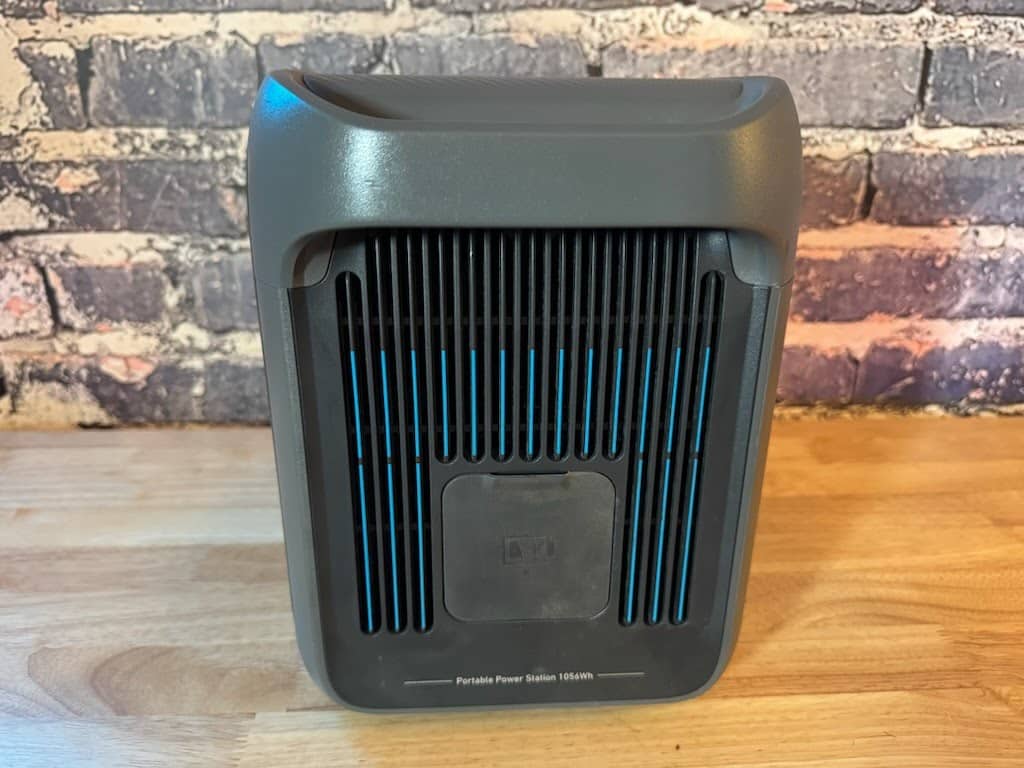
What ultimately defines the Anker Solix C1000 is how seamlessly it integrates into everyday use. It supports movie nights, keeps heaters running through cold nights, and powers communication gear without demanding attention.
Instead of living forgotten in the back of a truck, it becomes a default part of the loadout. That kind of consistency is hard to quantify, but it’s exactly what you want from a power station meant to support real adventures.
For anyone looking to simplify power management without sacrificing capability, this unit proves itself through steady, dependable performance rather than flashy claims.
Frequently Asked Questions
How long does the Anker Solix C1000 take to fully charge?
Using AC power, it can fully charge in under an hour, with about 80 percent reached in roughly 43 minutes.
Can the Anker Solix C1000 run a diesel heater overnight?
Yes, it has enough capacity and stable output to run a diesel heater through the night, depending on heater settings and overall power draw.
Is the Anker Solix C1000 suitable for solar-only camping?
With up to 600 watts of solar input, it works well for solar-based setups, especially when paired with quality panels and good sun exposure.
How heavy is the Anker Solix C1000?
It weighs about 27.5 pounds, which is manageable for most people given its output and capacity.
Does the Anker Solix C1000 work as a home backup?
Yes, it can power essential devices during outages, making it a practical short-term backup solution.
A quick heads-up: If you snag something through our affiliate links or check out our sponsored content, we might earn a commission at no extra cost to you. But fear not, we’re all about recommending stuff we’re truly stoked about!