


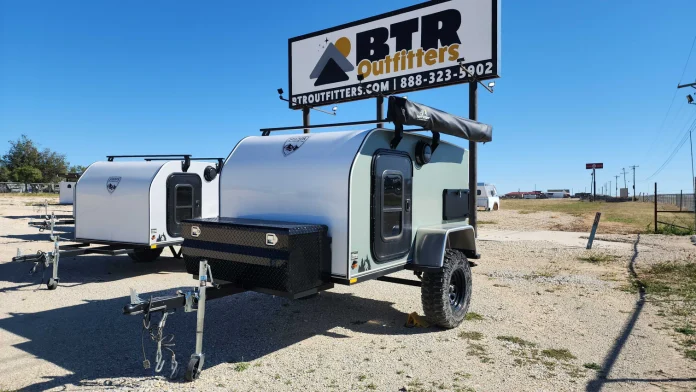

Comfort is not usually the first word that comes to mind when talking about compact, trail-ready trailers. Many people assume that if something can handle rough terrain, it must also be noisy, cramped, and bare-bones once you stop for the night. After spending time around the Sherpa Bigfoot, that assumption quickly starts to fall apart.
The Bigfoot was clearly designed by people who actually camp off the pavement. Instead of chasing flashy features or oversized systems, Sherpa focused on the details that matter after a long day on the trail: a good night’s sleep, steady airflow, insulation that works, and a layout that doesn’t fight you. The result is an off-grid camper that feels far more livable than its footprint suggests.
This article takes a closer look at why the Sherpa Bigfoot works so well as a comfortable off-grid camper. From the sleeping area to ventilation, materials, power access, and exterior living space, the Bigfoot quietly proves that comfort doesn’t have to come from size or complexity.
Table of Contents
A Sleeping Space That Actually Feels Like Home
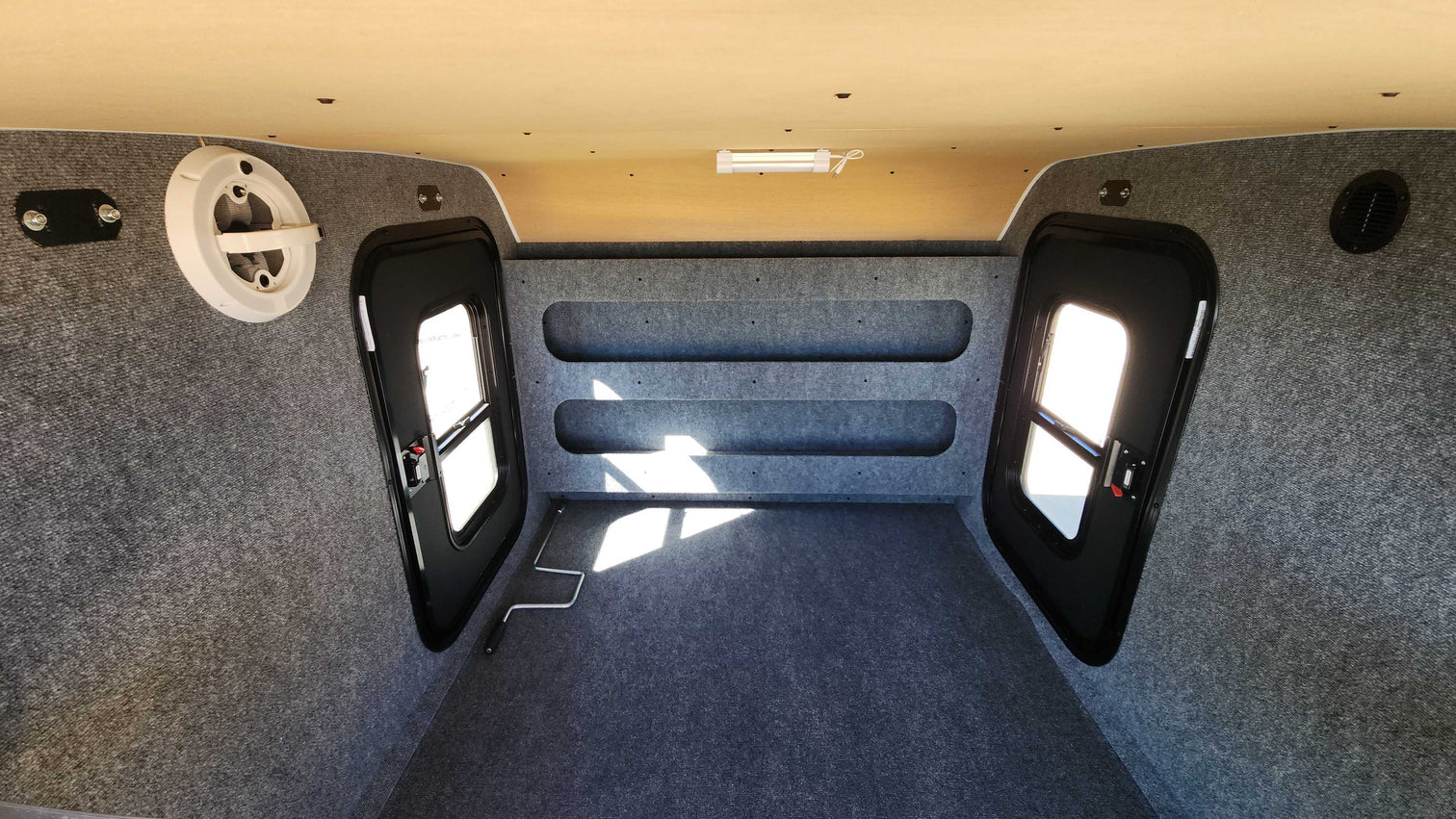
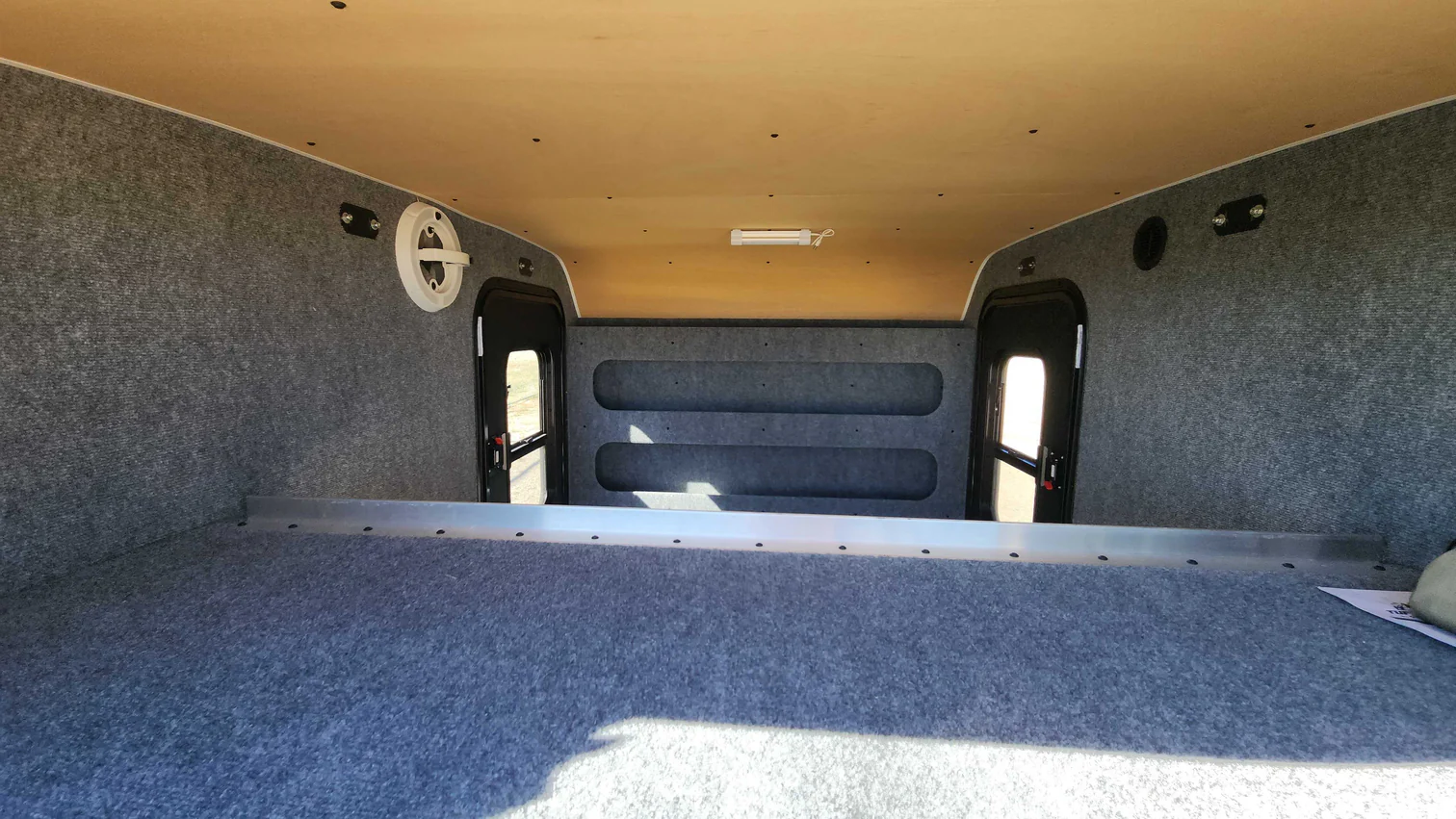
The foundation of comfort in any off-grid camper starts with sleep, and the Sherpa Bigfoot (the model shown throughout this article is currently available at BTR Outfitters) gets this right. The 5-foot by 8-foot cabin comfortably fits a queen-sized mattress, which immediately separates it from many compact trailers that force owners into narrower or shorter sleeping arrangements. Having space to stretch out makes a noticeable difference on multi-day trips.
The interior width and length create a sleeping area that feels balanced rather than squeezed. There’s room to sit up, shift positions, and move around without brushing walls constantly. For couples especially, this kind of space prevents the cabin from feeling claustrophobic once the doors are closed for the night.
The carpeted interior also contributes more than people might expect. It softens sound, adds warmth under changing temperatures, and gives the sleeping area a more finished feel. In real-world use, these small comfort touches are often what separate a tolerable night from a genuinely restful one.
Thoughtful Ventilation for All-Season Comfort in an Off-Grid Camper
Ventilation is one of the most overlooked aspects of off-grid comfort, and it’s an area where the Bigfoot quietly excels. Two doors with adjustable screened windows come standard, allowing for true cross-ventilation. On warm evenings, airflow moves naturally through the cabin instead of relying on a single vent.
The adjustable windows allow campers to fine-tune airflow based on wind direction and temperature. This matters just as much on cool nights as it does in summer, helping manage condensation and maintain fresh air inside the trailer.
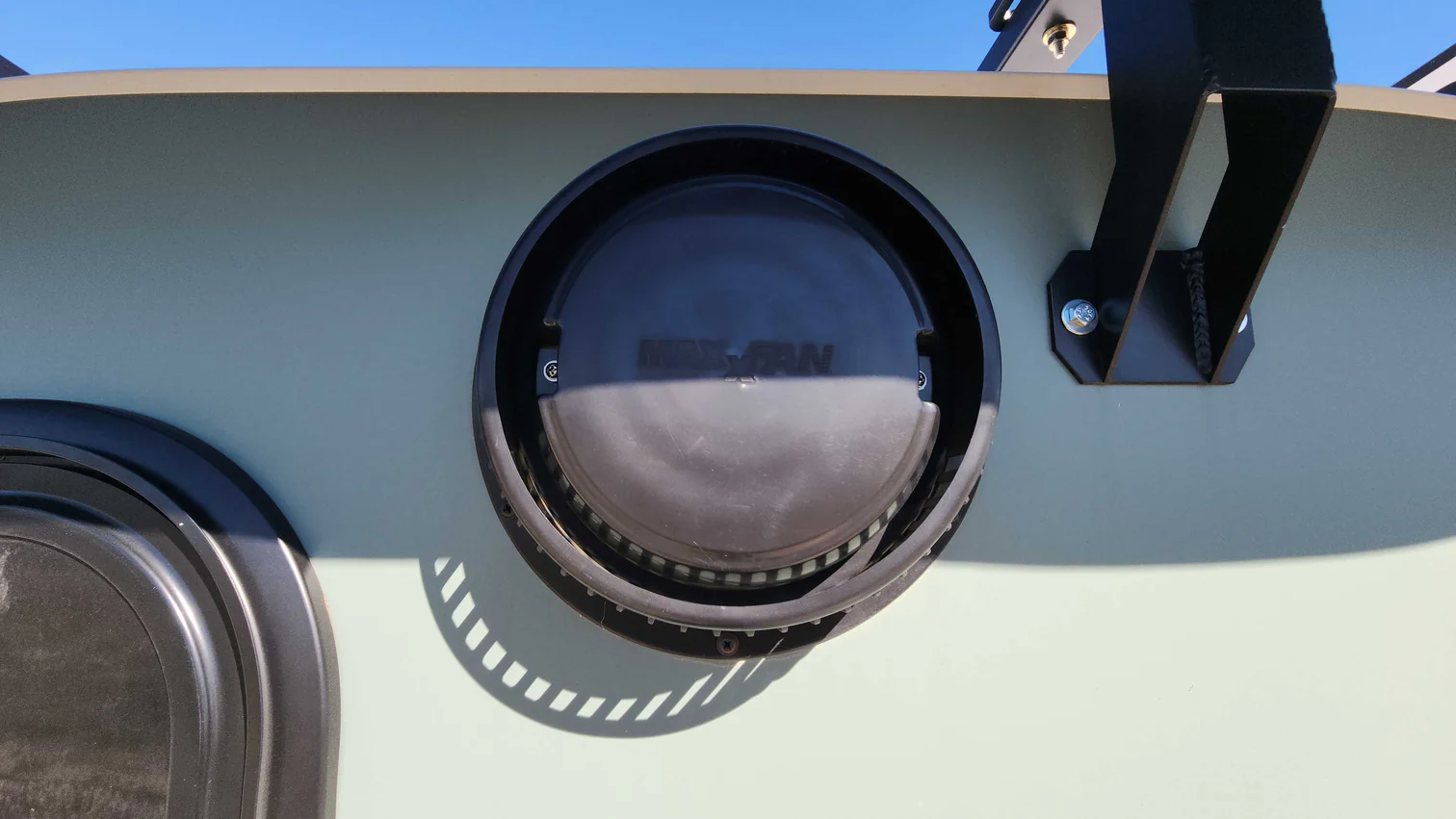
A side vent paired with a 12-volt fan on the opposite wall adds another layer of control. Whether camping in humid conditions or simply needing extra airflow after a long day, this setup helps the Bigfoot function as a comfortable off-grid camper across multiple seasons.
Insulation and Materials That Make a Difference
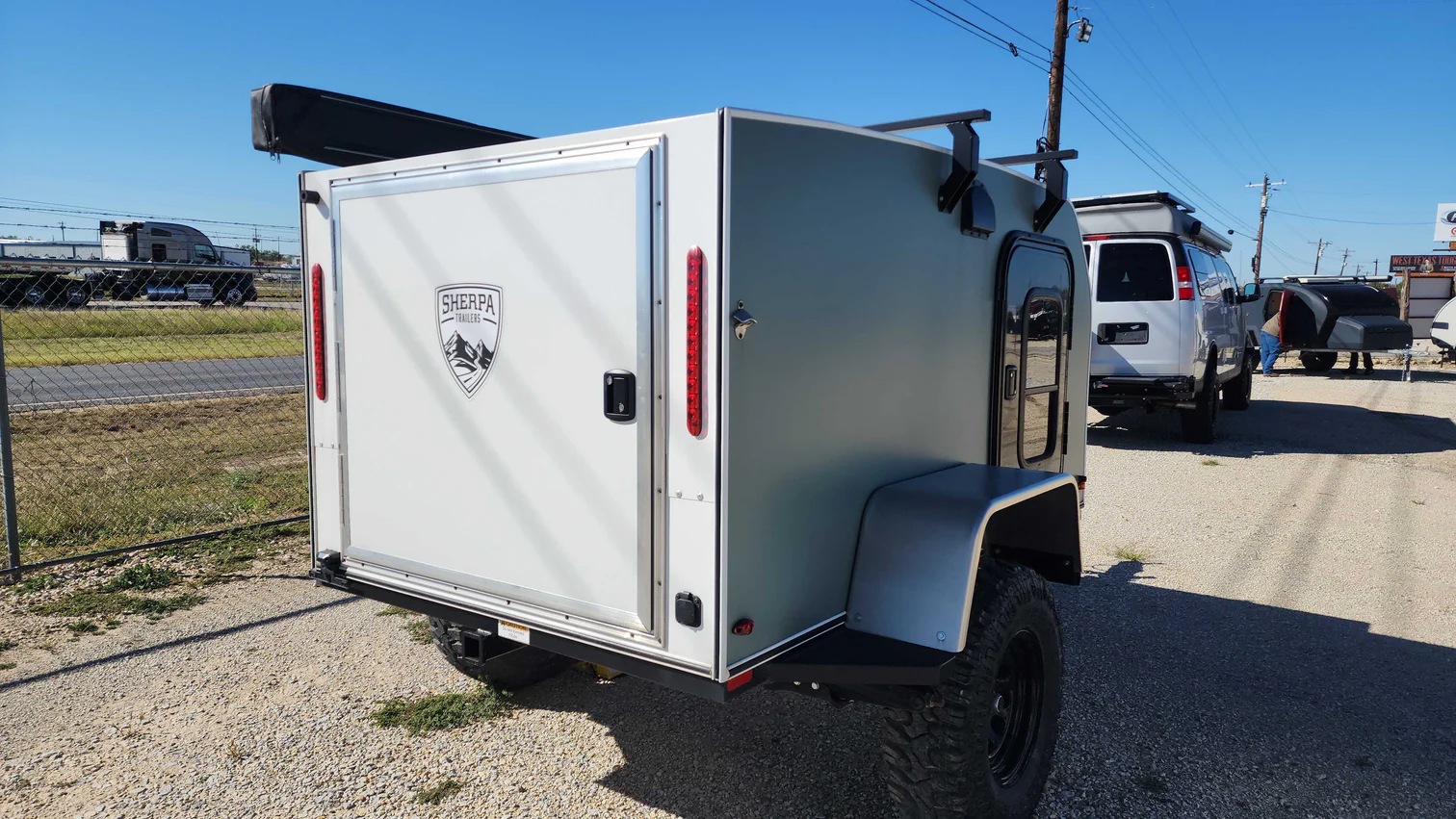
The Bigfoot’s comfort doesn’t come from soft furnishings alone. Its insulated roof uses 1.5-inch foam between ribs, helping regulate interior temperatures far better than uninsulated designs. This insulation plays a role year-round, keeping heat out during summer and retaining warmth in colder weather.
The aluminum roof skin adds durability while resisting weather exposure, an important factor when camping far from pavement. Inside, the mahogany plywood ceiling adds a subtle warmth that makes the space feel more inviting, especially in low light.
From personal experience, good insulation often goes unnoticed until you camp without it. In this off-grid camper, the insulation simply does its job, keeping interior conditions more stable and predictable regardless of what the weather is doing outside.
Interior Design That Prioritizes Real-World Use
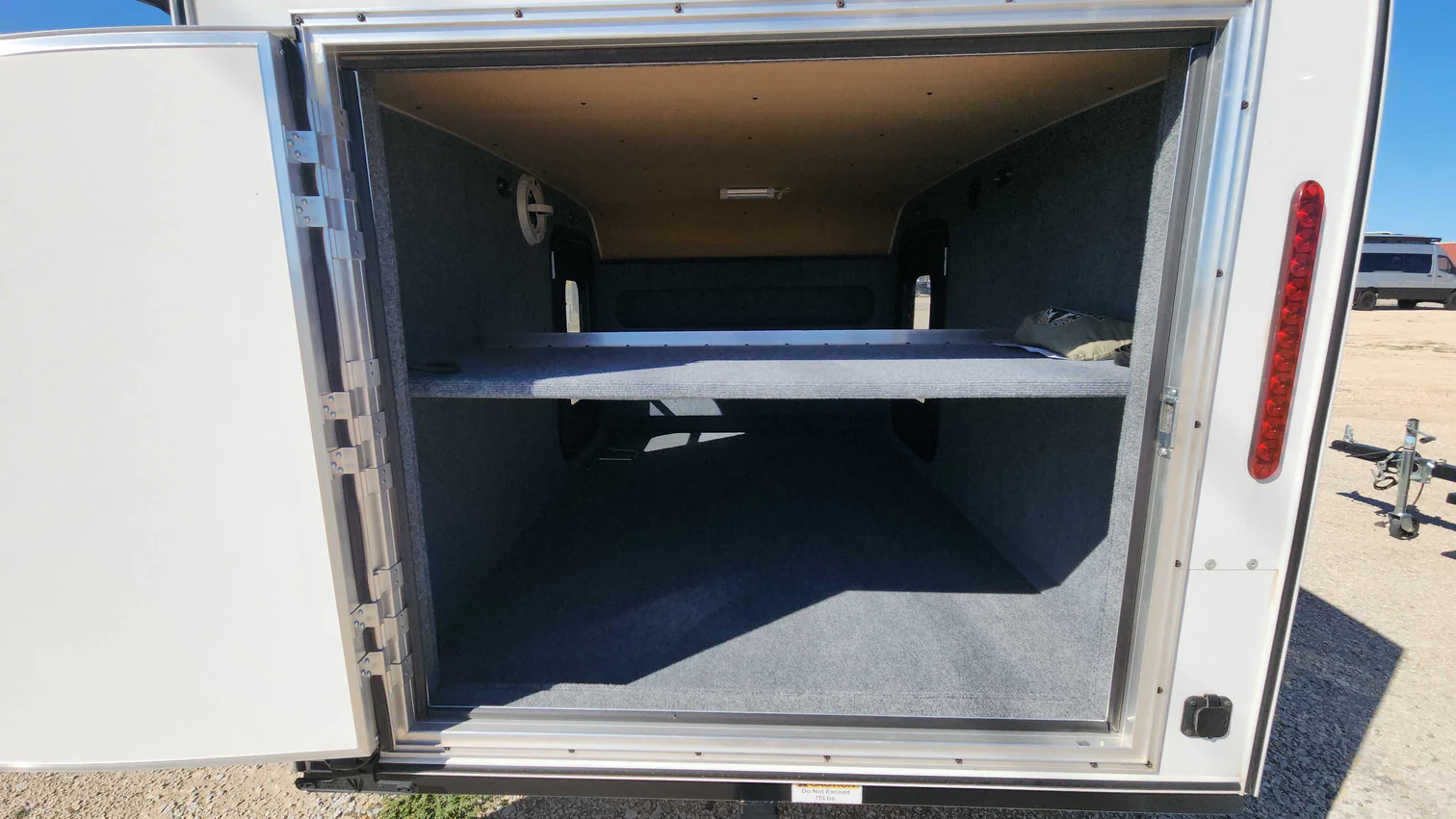
The Bigfoot’s interior avoids unnecessary complexity. The layout is clean, open, and functional, which makes daily routines easier when space is limited. There’s enough room to organize gear without constantly rearranging items just to move around.
Cubbyhole storage provides a place for essentials like headlamps, phones, or notebooks, keeping them off the sleeping surface. The carpeted bunk or shelf system adds flexibility, whether used for gear storage or additional sleeping options.
This approach reflects a clear understanding of how people actually use an off-grid camper. Instead of forcing owners to adapt to the trailer, the Bigfoot adapts to different camping styles with minimal effort.
Power Access Without Overcomplication
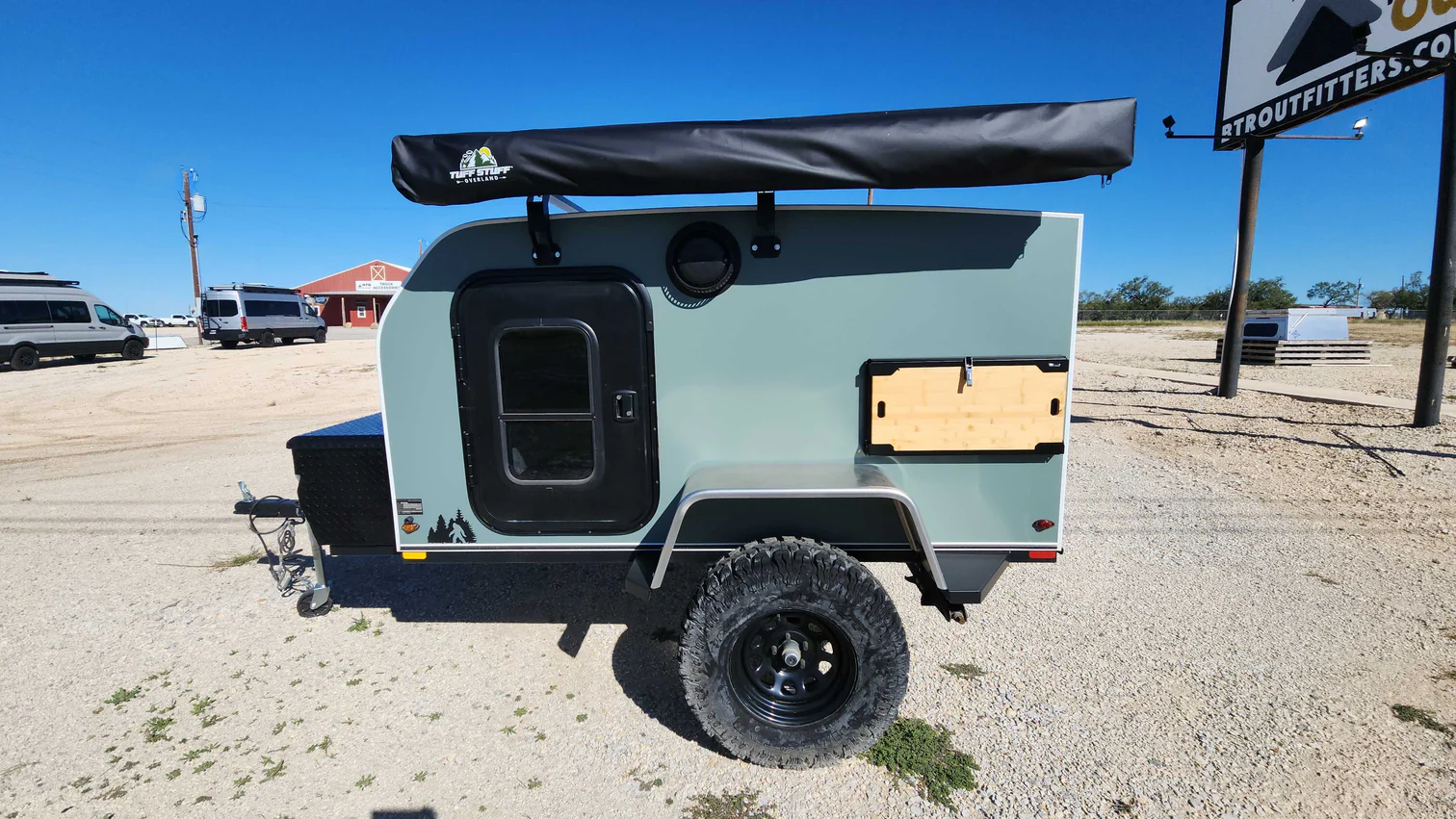
Power needs vary widely among campers, and the Bigfoot keeps things refreshingly simple. A six-outlet power strip mounted on the rear interior bulkhead provides easy access for charging devices and running small electronics.
An external inlet allows connection to shore power or a generator when available. This flexibility supports everything from camera batteries to laptops without locking owners into complex onboard electrical systems.
For many people, this balance is ideal. The Bigfoot functions as an off-grid camper that supports modern needs while avoiding systems that require constant monitoring or maintenance.
Lighting That Enhances Comfort Day and Night
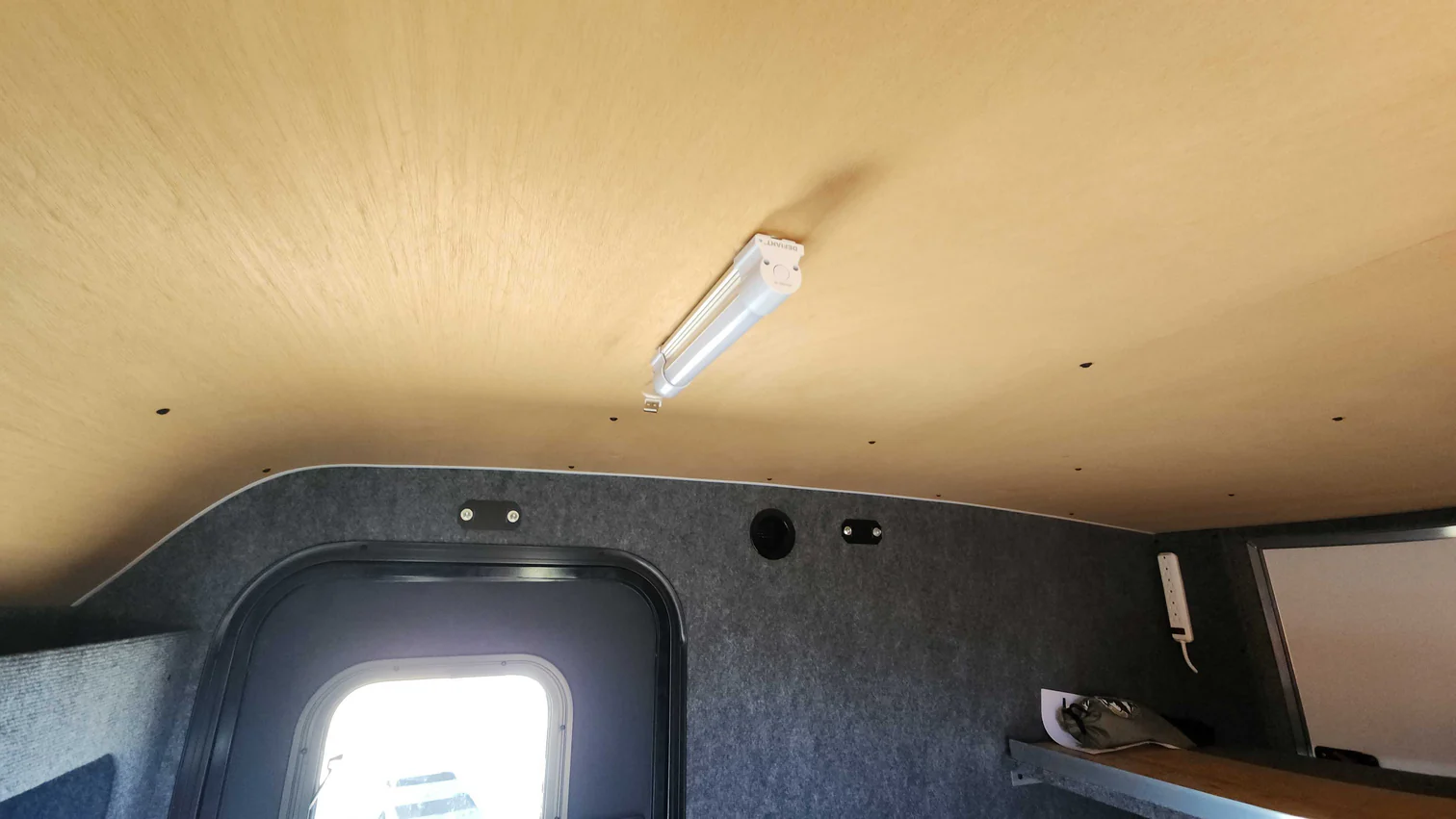
Interior LED lighting provides even, low-draw illumination that works well for reading, organizing gear, or simply winding down. The light is functional without being harsh, which matters in a small space.
Exterior LED lights extend usability beyond the cabin, making it easier to cook, organize gear, or navigate camp after dark. Good lighting contributes directly to comfort by reducing friction during evening routines.
LED lighting also aligns with off-grid priorities. Low power consumption and long lifespan mean fewer compromises when camping away from hookups.
Easy Access and Mobility Around Camp
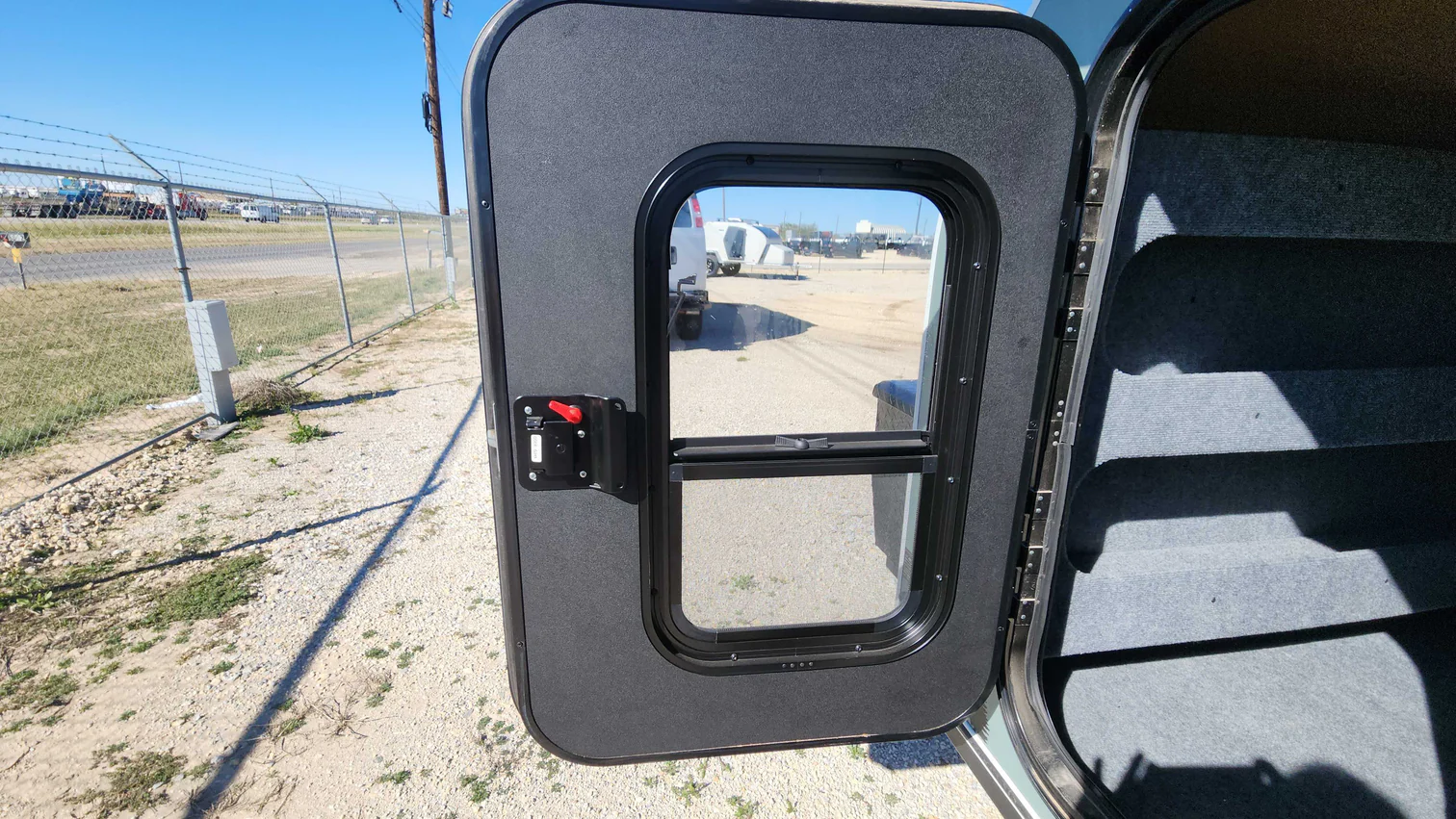
The Bigfoot’s two-door layout improves daily convenience, allowing entry and exit from either side. This becomes especially useful when camp is set up in tight or uneven spaces.
A large rear door makes loading gear straightforward, while aluminum fenders with batwing steps provide secure footing. These features reduce the small frustrations that often add up during longer trips.
The wheeled tongue jack and rear stabilizer jacks simplify setup, helping the off-grid camper feel settled and stable once parked.
Comfort Beyond the Cabin for the Off-Grid Camper
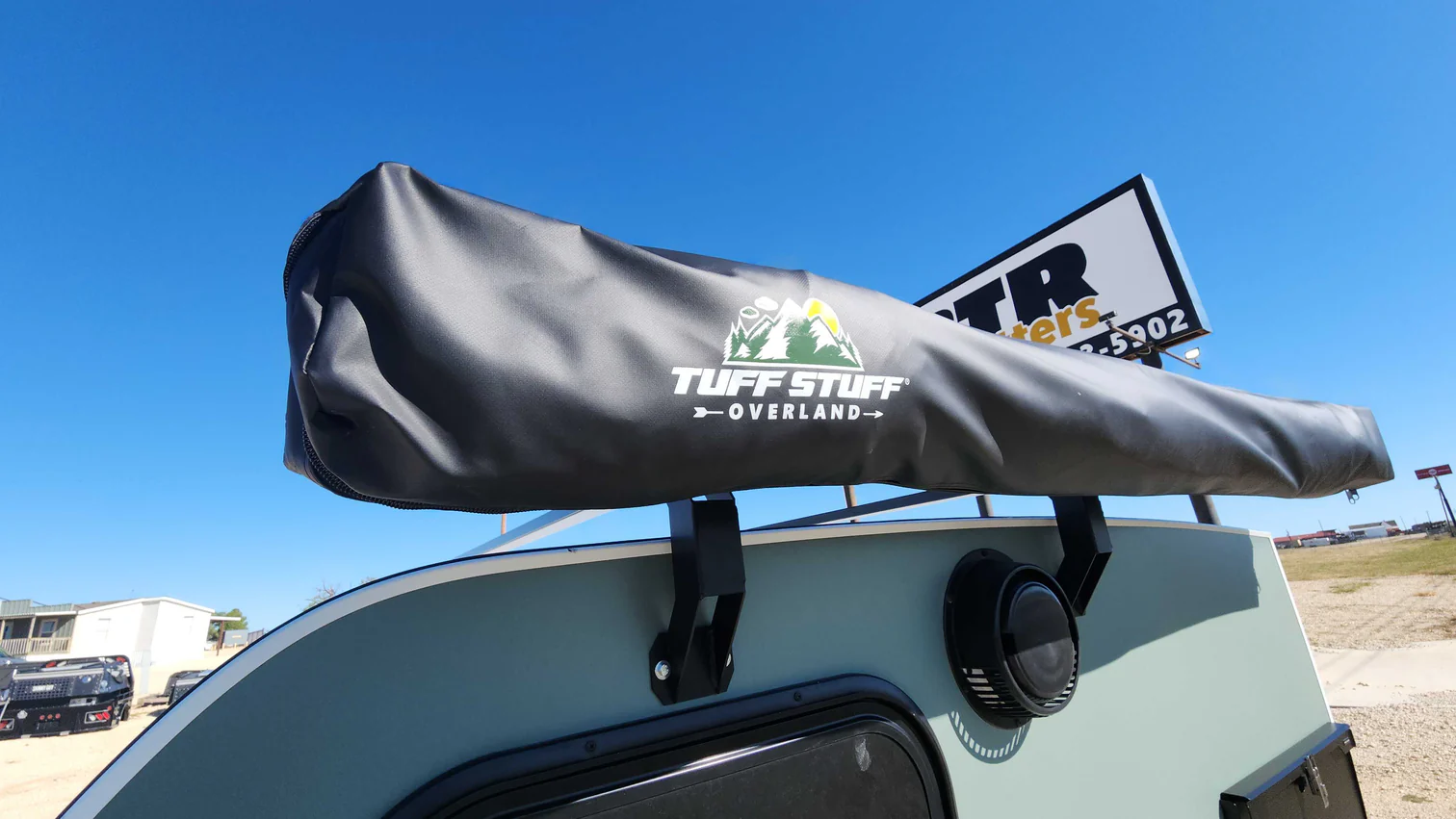
Comfort doesn’t stop at the door. The driver-side 270-degree awning creates shaded outdoor living space, which is invaluable in hot or unpredictable weather.
The Front Runner tailgate table adds a practical workspace for cooking or gear prep. These exterior additions effectively expand the usable living area without increasing the trailer’s footprint.
With roof rack support for additional gear or a rooftop tent, the Bigfoot adapts easily as camping needs evolve, reinforcing its role as a flexible off-grid camper.
Why This Off-Grid Camper Works So Well in Remote Places
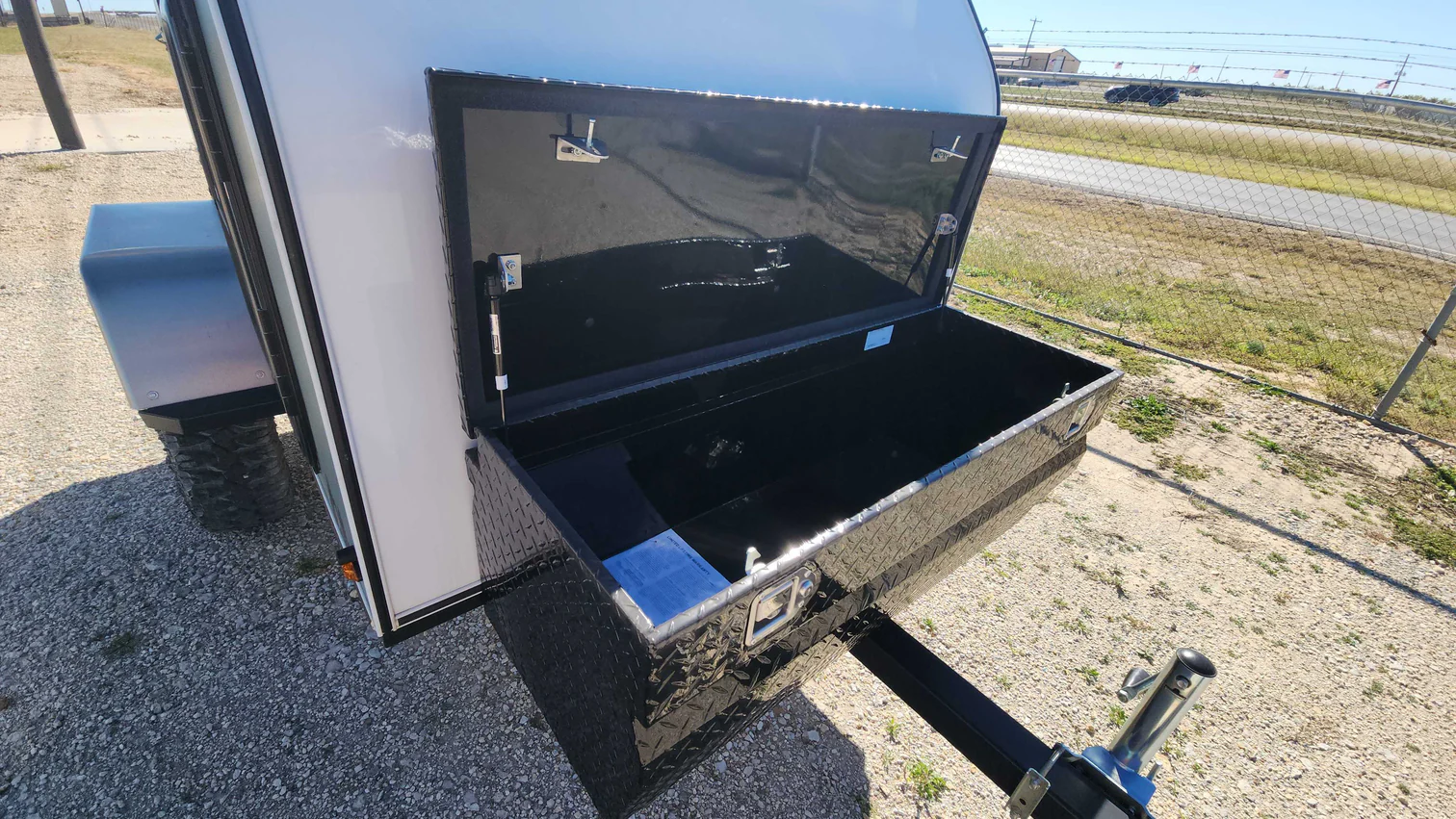
The Bigfoot’s lightweight build makes it easy to tow into remote areas without sacrificing stability. Its suspension and tire setup are designed for rough terrain while maintaining interior comfort.
This balance is what makes the trailer appealing to photographers, couples, and solo travelers who spend long days outside and want reliable comfort at night.
In practice, the Bigfoot proves that an off-grid camper can be both capable and comfortable without becoming oversized or overly complex.
Comfort That Shows Up When It Counts
The Sherpa Bigfoot doesn’t advertise itself as a luxury trailer, yet it delivers comfort where it matters most. Sleep quality, airflow, insulation, and usability all work together in a way that feels intentional rather than accidental.
After time around this off-grid camper, it’s clear that comfort isn’t about excess. It’s about smart design choices that support real camping habits.
For those who value simplicity, durability, and genuine livability, the Sherpa Bigfoot from BTR Outfitters quietly earns its reputation as a comfortable companion far from the grid. Of course, if you have questions about this trailer and its specific features and amenities, don’t hesitate to reach out to the friendly folks at BTR Outfitters to get all the details!
FAQ
Is the Sherpa Bigfoot suitable for extended off-grid trips?
Yes. Its insulation, ventilation, power access, and storage layout support multi-day travel without feeling cramped or uncomfortable.
Can the Bigfoot sleep two adults comfortably?
It can. The queen-sized sleeping area provides enough room for two adults to sleep without compromise.
Does this off-grid camper work in hot climates?
The combination of cross-ventilation, a 12-volt fan, and shaded exterior space makes it well-suited for warm environments.
Is the Bigfoot easy to tow?
With a dry weight around 1,300 pounds and balanced tongue weight, it’s manageable for many midsize tow vehicles.
Can the Bigfoot be upgraded later?
Yes. The roof rack, rear receiver, and modular interior features allow owners to adapt the trailer as needs change.
Friendly disclaimer: Our articles may contain affiliate links that support us without costing you more, and sometimes we spice things up with sponsored content—but only for products we truly stand behind!