


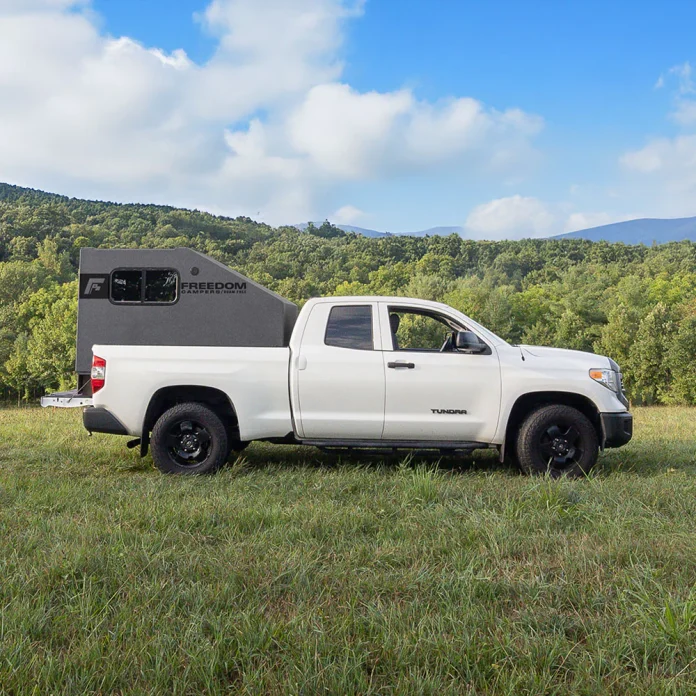

Camping in a truck bed or compact camper has its perks: mobility, simplicity, and the ability to reach remote destinations that trailers and larger RVs can’t. But with smaller spaces comes a bigger challenge: managing temperature extremes. Without proper insulation, a cozy weekend getaway can quickly turn into a night of shivering in sub-20°F weather or sweating through a 90°F afternoon. Staying comfortable year-round is a top priority for anyone serious about off-grid adventures.
The key to achieving this balance in small, lightweight campers is smart engineering. Freedom Camper insulation is designed specifically to address the temperature challenges that smaller spaces present. By focusing on weight-conscious materials and strategic placement, the Freedom Camper delivers comfort without adding excessive bulk or compromising mobility. Whether you’re hunting, fishing, overlanding, or simply seeking a weekend escape, it ensures that your camper interior stays pleasant regardless of what’s happening outside.
What’s particularly appealing about Freedom Camper insulation is how it blends performance and simplicity. You don’t need to add extra blankets, heaters, or DIY panels to make the space livable. The insulation works with the camper’s structure to retain heat in winter and minimize heat gain in summer. For weekend adventurers, hunters, or off-grid travelers, this design reduces preparation time and makes every trip feel effortless. It’s a small package with a big impact on comfort and usability.
Table of Contents
- Why Insulation Matters in Small Campers
- Freedom Camper’s Proprietary Insulation Technology
- Cold Weather Performance
- Hot Weather and Ventilation
- Energy Efficiency and Off-Grid Comfort
- Seasonal Accessories and Enhancements
- How Freedom Camper Insulation Supports the Overlanding Lifestyle
- FAQ
Why Insulation Matters in Small Campers
Small campers, like truck bed units, have limited volume, which makes them more susceptible to rapid temperature changes. In cold weather, heat escapes quickly through thin walls, roofs, and floors. In hot weather, even a short exposure to sunlight can turn a compact camper into an uncomfortable oven. Without proper insulation, your comfort and even safety can be compromised.
In addition to thermal comfort, insulation affects energy efficiency. Many lightweight campers rely on small battery systems and minimal heating or cooling devices. Poor insulation forces these systems to work harder, draining power quickly. Freedom Camper insulation reduces energy demands by maintaining interior temperatures naturally, allowing you to enjoy off-grid trips without constantly monitoring batteries or heaters. Get more details about this camper in our video above!
Insulation also impacts sleep quality and recovery during multi-day trips. A camper that retains heat in winter and prevents heat buildup in summer ensures you wake up rested and ready for adventure.
Freedom Camper’s Proprietary Insulation Technology
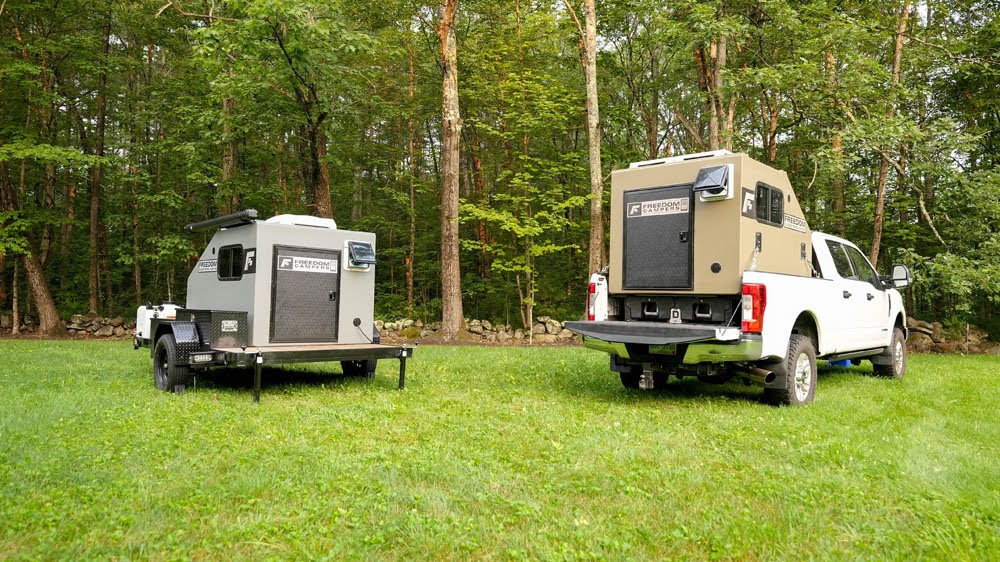
Freedom Camper insulation is engineered to maximize comfort without adding unnecessary weight. The camper uses high-quality materials for walls, roof, floor, and door panels, creating a thermal envelope that works with the camper’s structure. Unlike some lightweight campers that skimp on insulation to reduce weight, Freedom Camper achieves both lightweight design and thermal performance.
The walls are built with multiple layers that trap heat in winter and reduce heat gain in summer. Roof panels are insulated while maintaining rigidity and low weight. The floor system incorporates insulation beneath the sleeping platform, helping prevent cold seeping from the truck bed or trailer floor. Doors and windows are also designed to minimize drafts while allowing ventilation when needed.
What sets Freedom Camper insulation apart is its balance of performance and practicality. You get protection from extreme temperatures without sacrificing camper weight or mobility. This is especially useful for weekend adventurers or off-grid travelers who need to mount, remove, or store the camper without heavy lifting. It’s insulation that works in harmony with lightweight design principles.
Cold Weather Performance

Cold weather is where the Freedom Camper insulation truly shines. In temperatures as low as 20°F, the interior remains comfortable for sleeping and relaxing. Heat generated from a compact 12V heater, a sleeping bag, or body warmth is retained efficiently. The insulated panels prevent rapid heat loss, which is common in less engineered campers.
For hunting trips, winter overlanding, or any cold-weather adventure, Freedom Camper insulation reduces the need for excessive clothing or bulky blankets. The camper maintains a livable temperature even during extended exposure to low outdoor temperatures. In my experience, I was able to enjoy an overnight backcountry stay without waking up cold once, which would have been impossible in a standard truck bed camper.
The insulation also protects against drafts from windows and doors. With proper sealing, the Freedom Camper maintains a consistent interior temperature, so you can focus on your adventure rather than shivering under minimal insulation. Cold-weather campers often fail because they only focus on wall panels; Freedom Camper’s complete thermal envelope approach ensures warmth from floor to ceiling.
Hot Weather and Ventilation
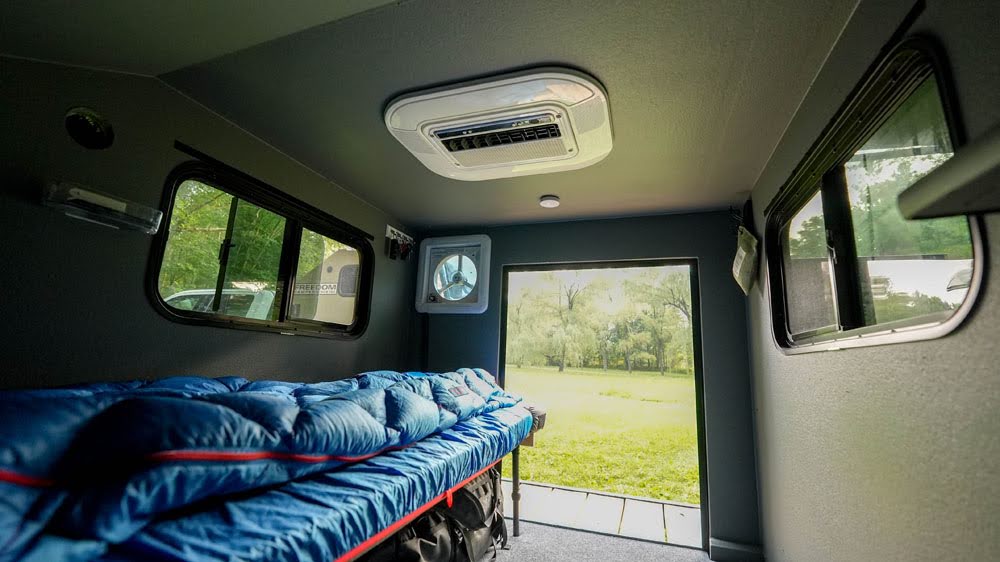
Insulation isn’t only about keeping heat in; it also helps keep the camper cool when it’s hot outside. Freedom Camper insulation minimizes heat gain during summer days, and combined with strategically placed roof vents and windows, it allows hot air to escape while maintaining airflow. This is crucial in smaller campers, where interior temperatures can rise rapidly under direct sunlight.
Even in 90°F weather, Freedom Camper insulation helps maintain a more moderate interior temperature. Paired with a fan or natural ventilation, it creates a comfortable space for resting, cooking, or relaxing during the heat of the day. This makes weekend trips in summer more enjoyable, without relying heavily on energy-intensive cooling devices.
Ventilation strategies work hand-in-hand with insulation. Roof vents allow hot air to rise and exit, while insulated panels prevent the walls and roof from absorbing too much heat. Freedom Camper’s approach to hot weather comfort demonstrates how insulation is not just a winter concern but a year-round performance feature.
Energy Efficiency and Off-Grid Comfort

Lightweight campers often rely on small power systems, and Freedom Camper insulation helps reduce energy demand. By retaining heat in winter and limiting heat gain in summer, you need less power from heaters, fans, or other climate-control devices. This is particularly valuable for off-grid adventures where energy conservation is critical.
Insulation also extends the life of battery systems. Because the camper’s interior maintains a stable temperature, devices consume less energy, reducing drain and enabling longer stays away from traditional power sources. For overlanders and weekend adventurers, this allows you to focus on outdoor activities rather than constantly managing energy.
From a practical standpoint, the combination of lightweight design and high-performance insulation means that you can mount the Freedom Camper without worrying about exceeding payload limits while still enjoying off-grid comfort. Lightweight insulation contributes to camper mounting flexibility, allowing you to deploy it on midsize trucks, full-size trucks, trailers, or flatbeds efficiently.
Seasonal Accessories and Enhancements
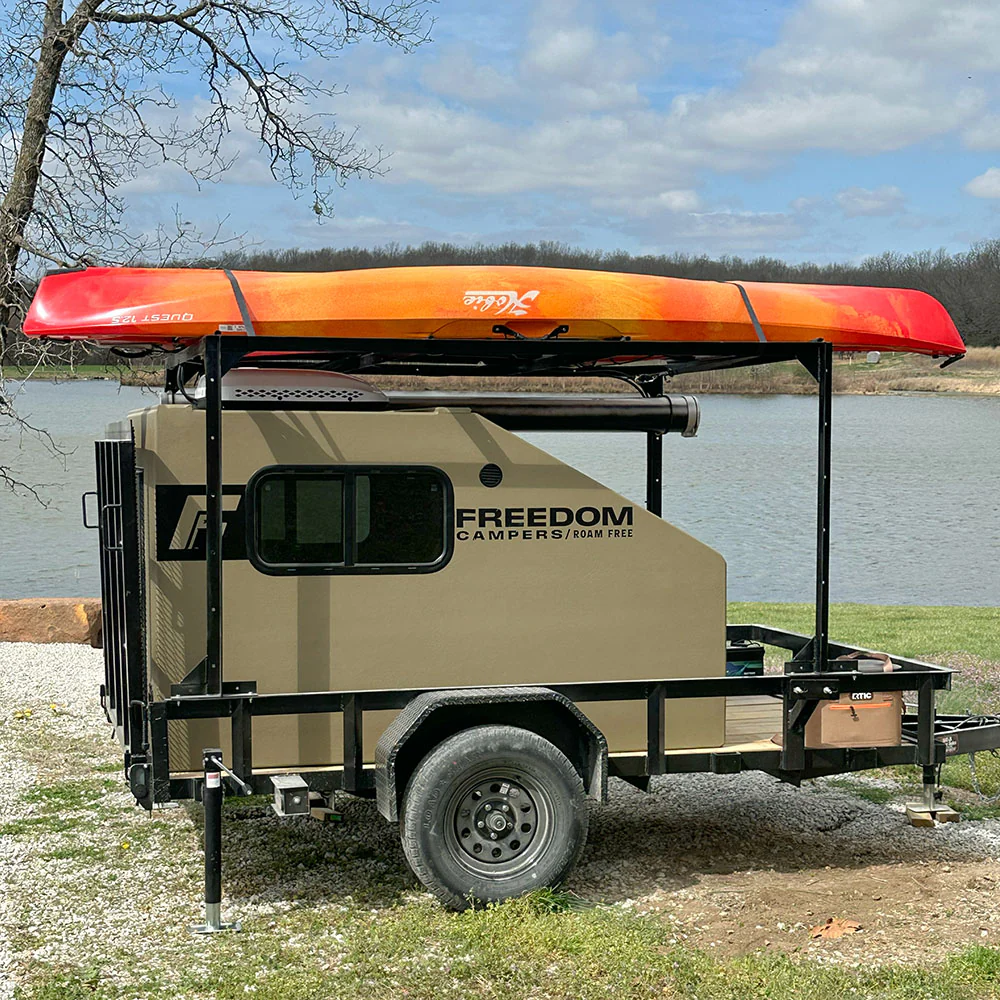
While Freedom Camper insulation is effective on its own, certain accessories can enhance seasonal comfort. Thermal curtains or window coverings improve privacy and add another layer of temperature control. Floor mats or removable insulation panels can further prevent cold from penetrating the camper floor. These options allow customization based on adventure type and climate.
For winter hunting trips, adding an insulated sleeping pad or a compact 12V heater can work synergistically with Freedom Camper insulation. For hot summer adventures, reflective window covers and fans optimize airflow while reducing heat gain. The camper’s design allows for these additions without interfering with mobility or mounting versatility.
Proper maintenance ensures that insulation performs optimally over time. Regularly checking seals around doors and windows, and preventing moisture buildup, helps preserve the integrity of the insulation. Freedom Camper’s construction facilitates these practices, making it easier for owners to maintain thermal efficiency season after season.
How Freedom Camper Insulation Supports the Overlanding Lifestyle

Insulation is a key enabler of the Freedom Camper lifestyle, giving adventurers confidence to travel year-round. Hunters, anglers, weekend overlanders, and solo travelers can rely on the camper to provide consistent comfort regardless of the season. This reduces planning stress and lets adventurers focus on the experience rather than temperature management.
Lightweight design combined with high-performance insulation supports mobility. You can mount the camper on multiple platforms, remove it for short trips, or store it easily at home. This versatility is a hallmark of the Freedom Camper approach to lightweight camping and off-grid exploration.
Ultimately, Freedom Camper insulation allows users to travel more spontaneously. You can take a Friday night trip in winter, a hot summer weekend, or a backcountry adventure without overthinking temperature extremes. Comfort becomes a given, making outdoor exploration more accessible and enjoyable.
FAQ
How effective is Freedom Camper insulation in freezing temperatures?
Freedom Camper insulation maintains comfortable interior temperatures even in sub-20°F conditions when paired with basic bedding or a small heater. Its complete thermal envelope minimizes drafts and heat loss.
Can the camper stay comfortable during 90+° summer days?
Yes. The insulation reduces heat gain, and strategic roof vents and windows allow airflow. Paired with fans or reflective covers, it keeps the interior cooler than uninsulated campers.
Does insulation add significant weight to the camper?
No. Freedom Camper insulation is engineered to be lightweight, contributing to the camper’s overall 190–192 lb weight without compromising thermal performance or mobility.
Can insulation be upgraded or supplemented?
Yes. Accessories like thermal curtains, floor mats, or removable panels can enhance seasonal comfort. These work with the existing insulation without interfering with camper mounting or mobility.
How does insulation affect energy usage on off-grid trips?
Proper insulation reduces reliance on heaters or fans, lowering energy consumption and extending battery life. This allows for longer off-grid trips without frequent recharging.
Friendly disclaimer: Our articles may contain affiliate links that support us without costing you more, and sometimes we spice things up with sponsored content—but only for products we truly stand behind!