


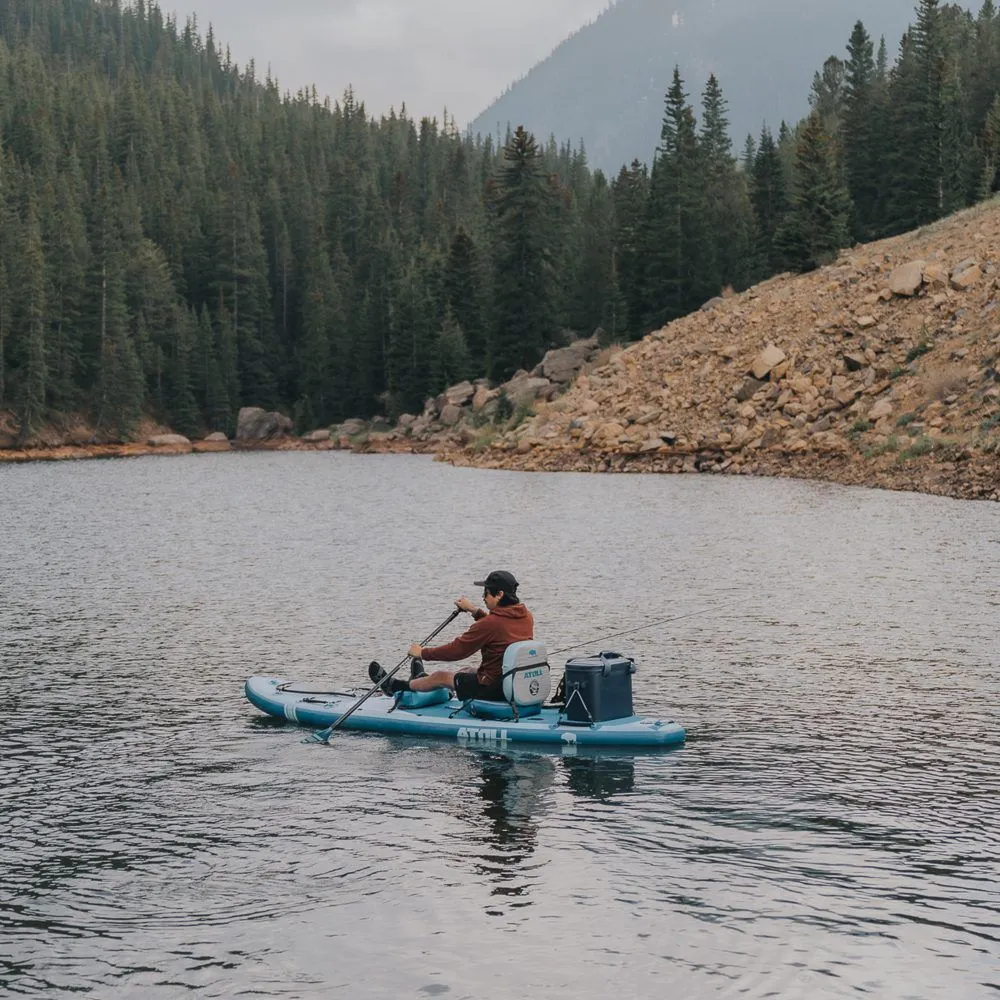

Combining overlanding and paddle boarding transforms an ordinary road trip into a multi-dimensional adventure. With a vehicle capable of reaching remote destinations and a paddle board ready to navigate hidden waterways, you gain freedom to access places few people ever see. The thrill of leaving the road behind and gliding along a quiet river or lake adds a sense of tranquility to the ruggedness of overland travel.
Yet, integrating paddle boarding into overlanding requires more than simply packing a board in your vehicle. It’s about efficiency, durability, and preparation. Boards must survive dusty trails, tight cargo spaces, and repeated inflation without compromising performance on the water. Gear placement, vehicle organization, and site planning all contribute to a seamless experience that makes spontaneous launches easy and enjoyable.
For folks committed to combining land and water exploration, choosing the right gear is paramount. High-quality inflatable boards, like those offered by Atoll, offer an ideal solution. Their portability, durability, and thoughtful design allow paddlers to transition smoothly from rugged terrain to quiet water. In this guide, we’ll show you how to build the perfect overlanding setup for paddle boarding adventures, so you can explore further and have more fun doing it!
Table of Contents
- Why Vehicle Setup Matters for Paddle Boarding Overlanding
- Choosing the Right Paddle Board for Overlanding
- Efficient Vehicle Storage Solutions
- Essential Gear for Paddle Boarding Overland Trips
- Campsite Planning for Combined Land and Water Adventures
- Protecting Your Gear on the Trail
- Portability and Travel Tips for Overlanders
- Integrating Paddle Boarding into Your Overlanding Routine
- Making Overland Paddle Boarding a Seamless Experience
- FAQ
Why Vehicle Setup Matters for Paddle Boarding Overlanding
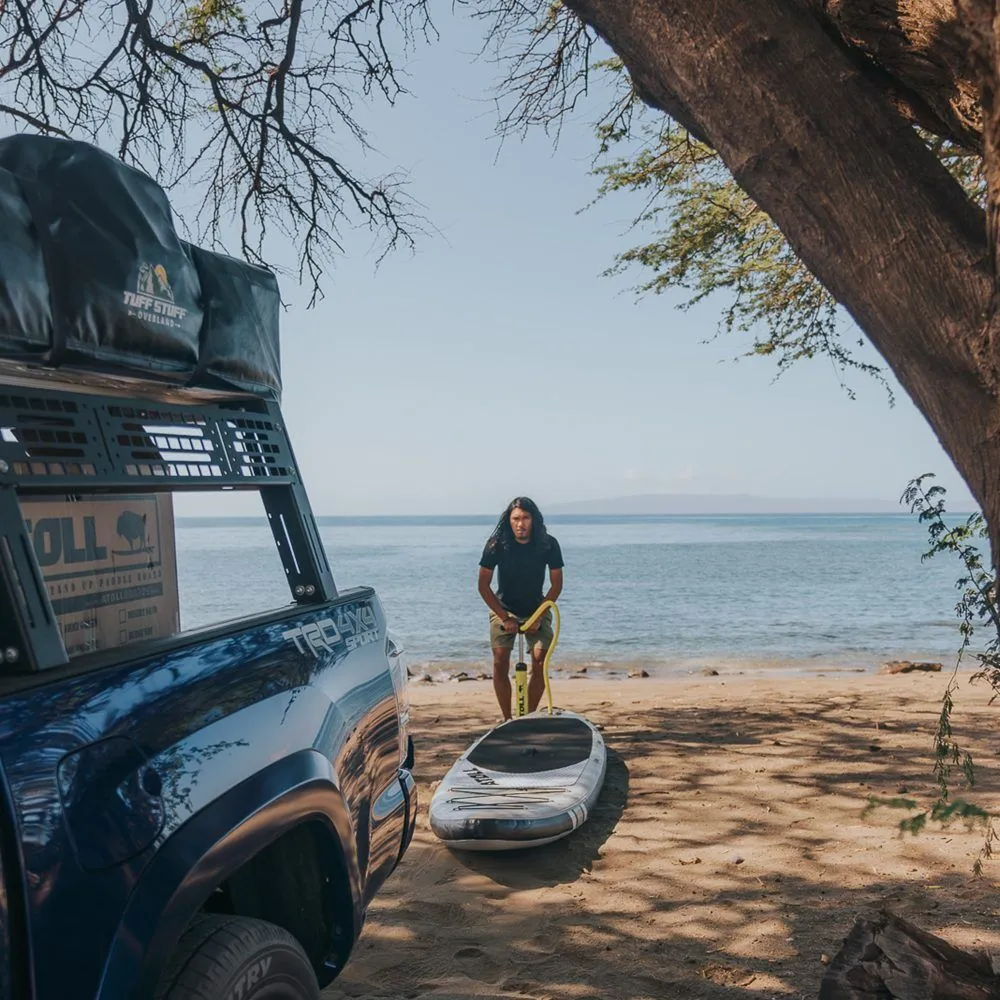
Vehicle setup plays a crucial role in the success of any paddle boarding overlanding trip. The way your boards, gear, and accessories are stored affects everything from convenience to safety. An organized setup ensures boards are protected during long drives, gear is accessible for quick launches, and you can manage space efficiently without compromising comfort or stability while driving.
Proper organization reduces stress and prevents damage. Inflatable boards can be folded and packed, but poor placement could cause them to rub against sharp edges or heavy gear, risking punctures. Similarly, improperly placed heavy gear can affect the vehicle’s weight distribution, making off-road driving more difficult and potentially dangerous.
Accessible placement matters for spontaneous paddling opportunities. If boards are buried under camping supplies, you may skip water launches entirely. A thoughtful setup, whether using roof racks, interior cargo areas, or soft bags, lets you get on the water quickly, even when arriving at remote or unmarked waterways.
Finally, a smart vehicle setup maximizes efficiency during multi-day trips. Everything from paddles and pumps to personal flotation devices can be stored in a way that allows rapid deployment. When gear is organized and prioritized, the combination of land travel and paddle boarding feels effortless rather than cumbersome.
Choosing the Right Paddle Board for Overlanding
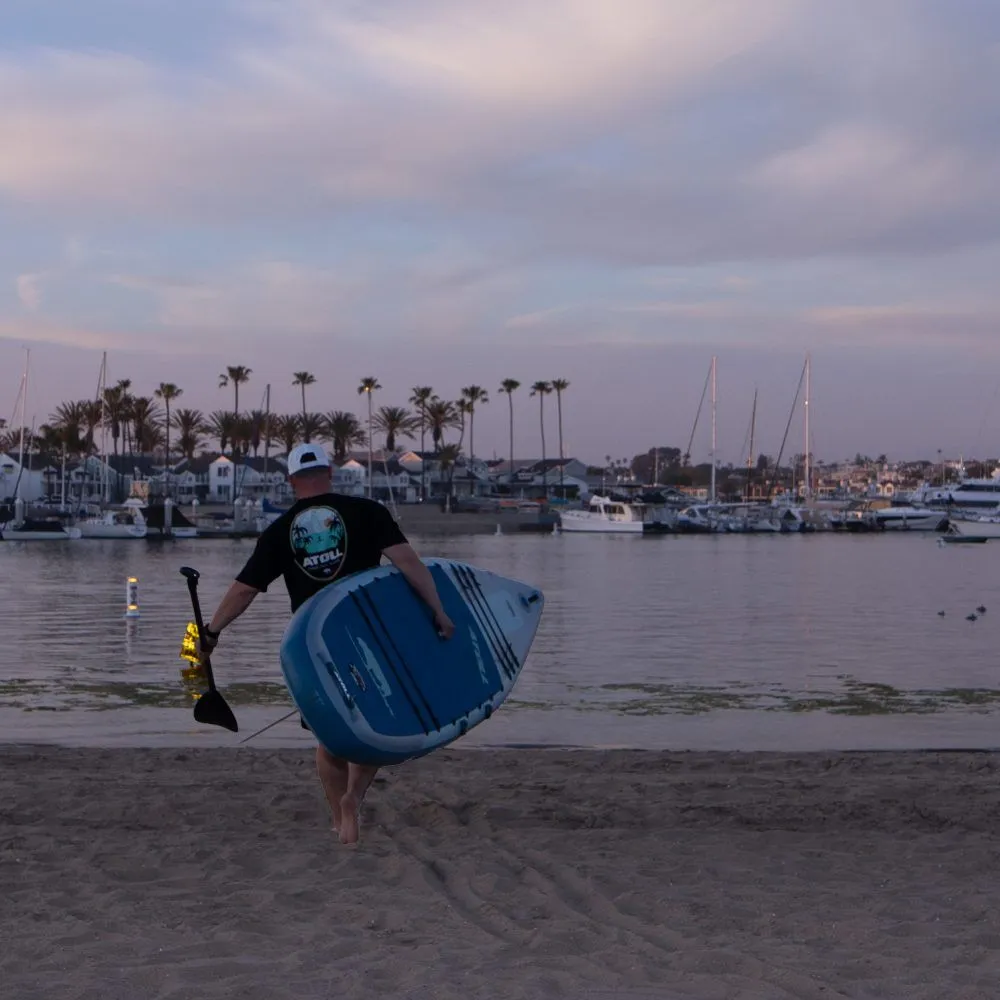
Inflatable paddle boards are the clear choice for overland travel. Unlike rigid boards, they can be packed compactly, resist bumps and abrasion on rough roads, and are easier to manage when space is tight. Among inflatable options, Atoll Paddle Boards are particularly well-suited for overlanding.
Atoll boards are built with military-grade PVC and fusion-laminated construction, making them extremely durable and puncture-resistant. Their drop-stitch inner core creates a rigid, stable platform when inflated, allowing them to perform like a hard board while remaining lightweight and portable. The 6-inch thickness supports up to 400 pounds, making it possible to carry extra gear, pets, or even a second paddler without compromising stability.
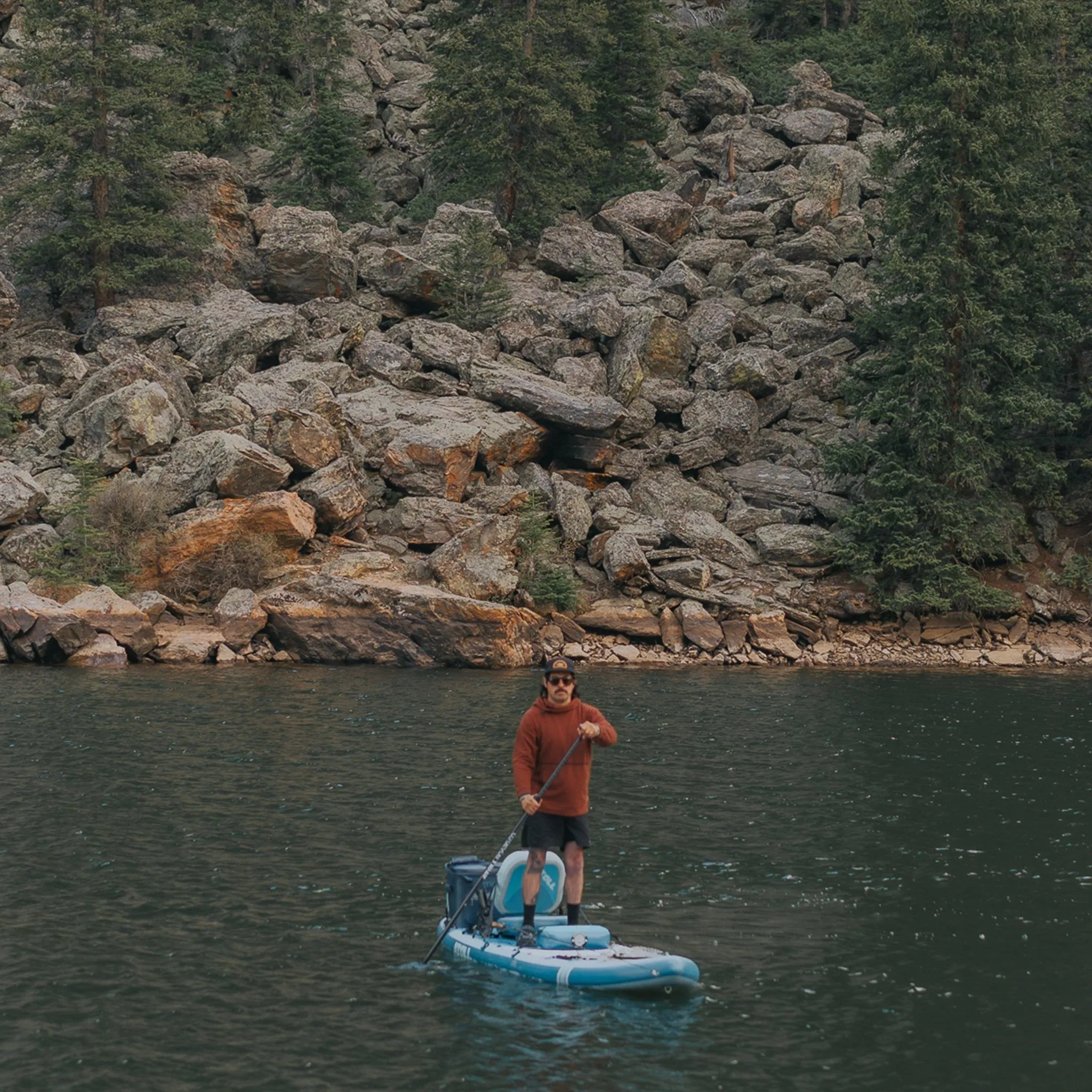
These boards are designed for real-world travel scenarios. Reinforced seams, UV resistance, and hard fins make Atoll boards durable for long drives, rocky shorelines, and repeated inflation and deflation. Inflating and deflating is simple with their dual-action hand pump, while the included backpack allows easy transport to water even when the launch point is a short hike from your vehicle.
Choosing the right size and volume is critical. Heavier paddlers or those carrying additional gear benefit from wider boards with higher volume for better flotation. Atoll’s designs cover a range of sizes and volumes, ensuring stability and ease of use across various body types and paddling conditions. With their combination of portability, durability, and weight capacity, Atoll boards make a compelling choice for overlanders seeking flexibility and reliability.
Efficient Vehicle Storage Solutions
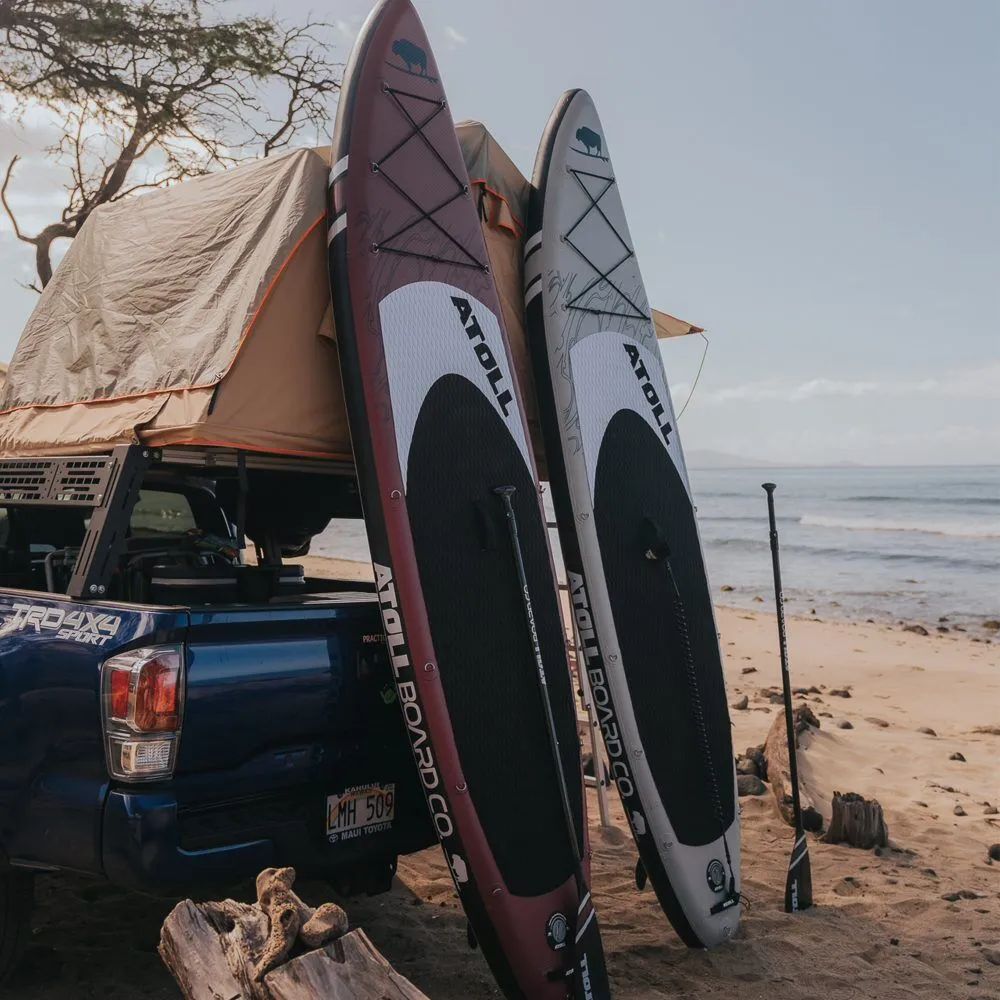
Storing your paddle board efficiently is vital for overland trips. Roof racks allow quick deployment but expose boards to potential scratches and UV damage. Interior storage protects boards from the elements and rough terrain but requires careful organization to avoid crowding.
Drawer systems or soft storage bags are excellent solutions. Boards can be folded and secured, while smaller gear like paddles, pumps, and safety equipment can be kept in dedicated compartments. This prevents shifting during rough trails and ensures gear is ready when you reach the water.
Weight distribution is another factor. Overlanders need to balance heavy gear evenly to maintain vehicle stability. Placing boards and accessories strategically prevents top-heaviness or uneven loading, reducing the risk of rollovers or vehicle damage during off-road travel.
For multi-day trips, consider staging gear for easy access. Frequently used items such as dry bags, water bottles, and first aid kits should be positioned for immediate reach, while seasonal or backup gear can be stowed in less accessible areas.
Essential Gear for Paddle Boarding Overland Trips
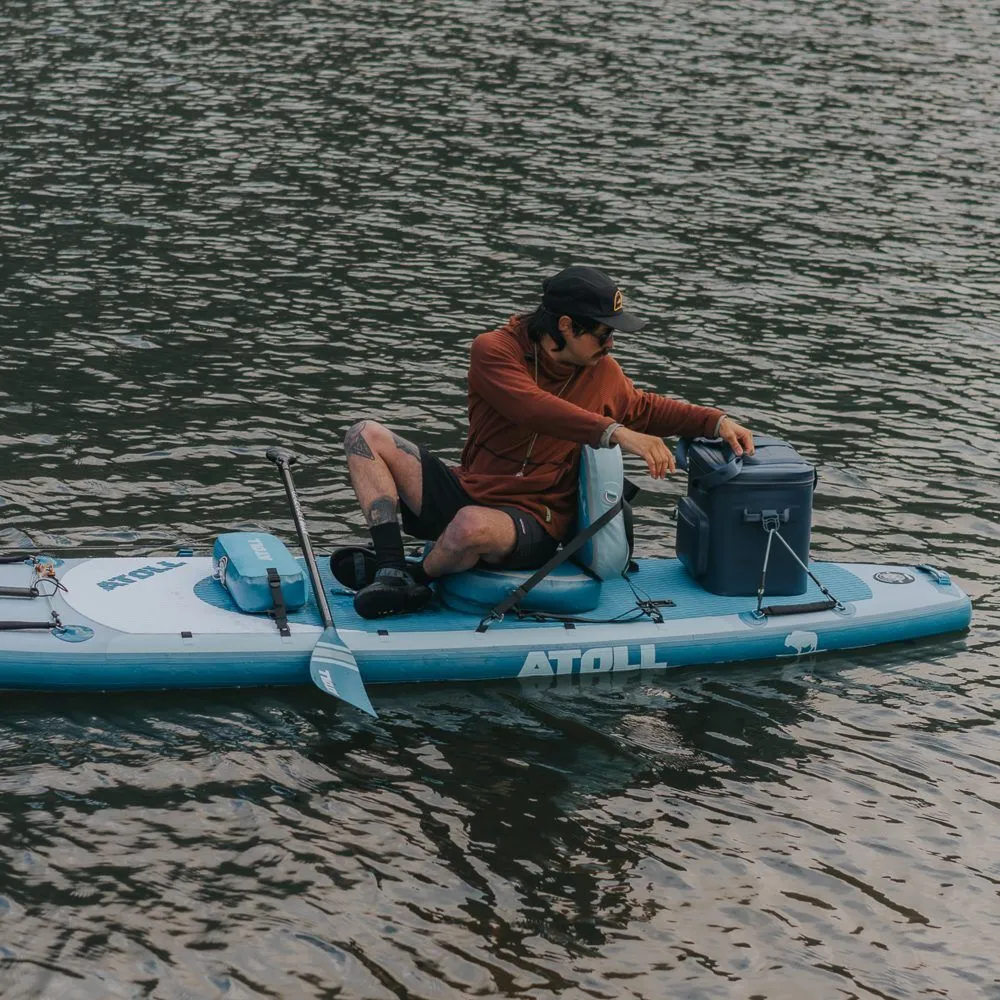
Paddle boarding requires more than just a board. Safety equipment like personal flotation devices, leashes, and signaling devices are essential, particularly in remote locations. Waterproof storage for valuables and electronics helps protect against splashes and accidental submersion.
Inflating boards efficiently is critical. Atoll’s dual-action hand pump accelerates inflation, while an optional electric pump can make setup faster. Lightweight paddles and travel-friendly accessories streamline the process, ensuring you spend more time on the water and less time fumbling with equipment.
Additional gear, such as dry bags, coolers, and portable seating, enhances comfort and convenience. Organizing these items in waterproof containers or secured bungees keeps the campsite tidy and ensures gear remains accessible for short water excursions or long paddling sessions.
Quick-deploy setups are ideal for overlanders as well. Having boards, paddles, and PFDs staged near the vehicle or campsite makes spontaneous paddling feasible, allowing you to take advantage of ideal conditions without extensive preparation.
Campsite Planning for Combined Land and Water Adventures
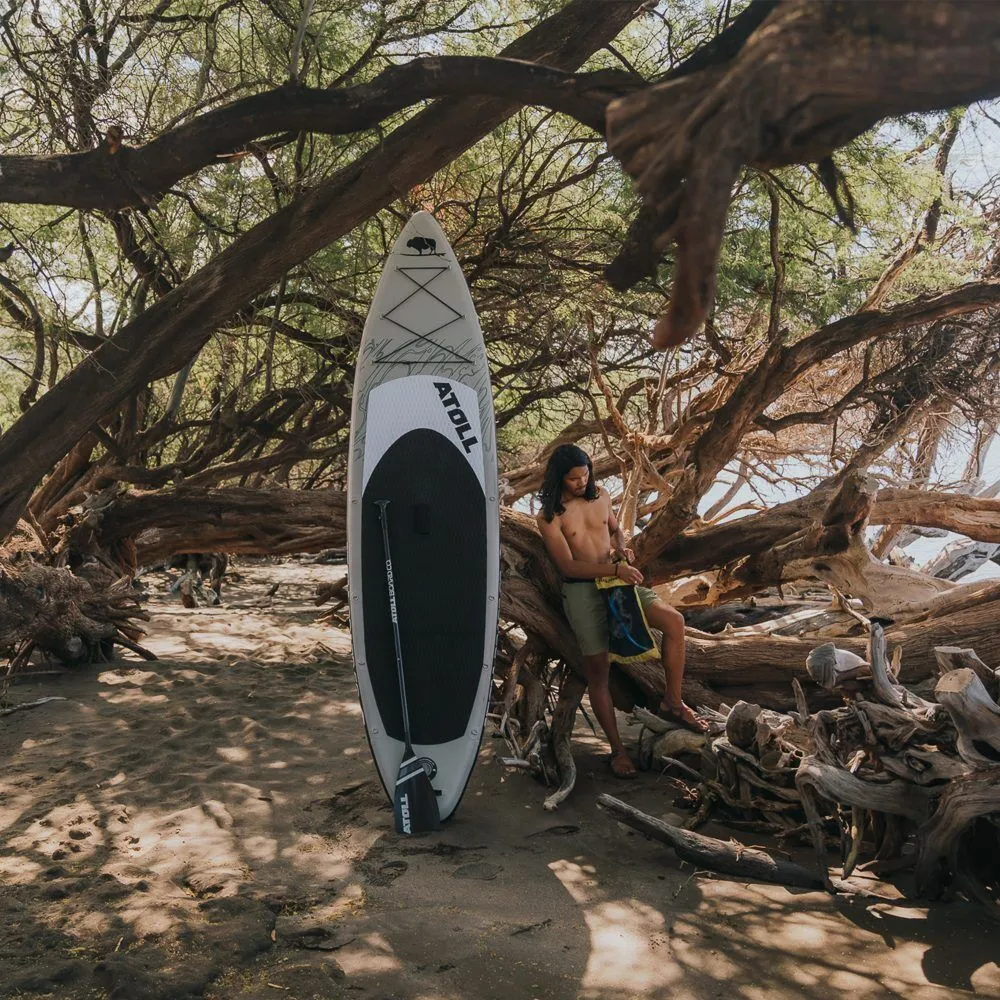
Choosing a campsite with convenient water access maximizes paddle boarding opportunities. Even small lakes, calm rivers, or hidden coves can serve as launch points. Understanding local regulations ensures compliance while protecting the environment.
Strategically positioning camp near multiple potential launch points offers flexibility. Morning paddles on calm waters and evening excursions in low-traffic areas become effortless when you’re close to water. Multi-day trips benefit from staging gear near your boards for efficiency and convenience.
Pay attention to shoreline conditions, too. Rocky, sandy, or muddy access points each require different handling strategies. Inflatable boards like Atoll are forgiving on varied terrain, allowing landings in areas where hard boards might be damaged.
Planning around daily weather conditions is equally important. Early mornings often offer calm waters, while afternoon winds can create more challenging paddling. Considering these factors ensures a safer and more enjoyable experience for overlanders of all skill levels.
Protecting Your Gear on the Trail
Proper care extends the life of both your boards and accessories. Inflatable paddle boards should be rinsed after saltwater use and dried before storage. Using protective sleeves and deck pads prevents abrasion during transport.
UV exposure can degrade materials over time. Storing boards inside vehicles or under protective covers when parked reduces this effect. Securing gear with straps prevents movement that can cause scratches or punctures.
Anticipate rough launches. Rocky or sandy entry points are common in overland scenarios, and boards may contact the ground repeatedly. Atoll boards are reinforced for these conditions, but using caution and protective gear ensures longevity.
Regular inspection and maintenance, including checking fins, seams, and valves, will prevent minor issues from becoming major problems during extended trips. A repair kit is an essential part of the overland paddle boarding setup.
Portability and Travel Tips for Overlanders

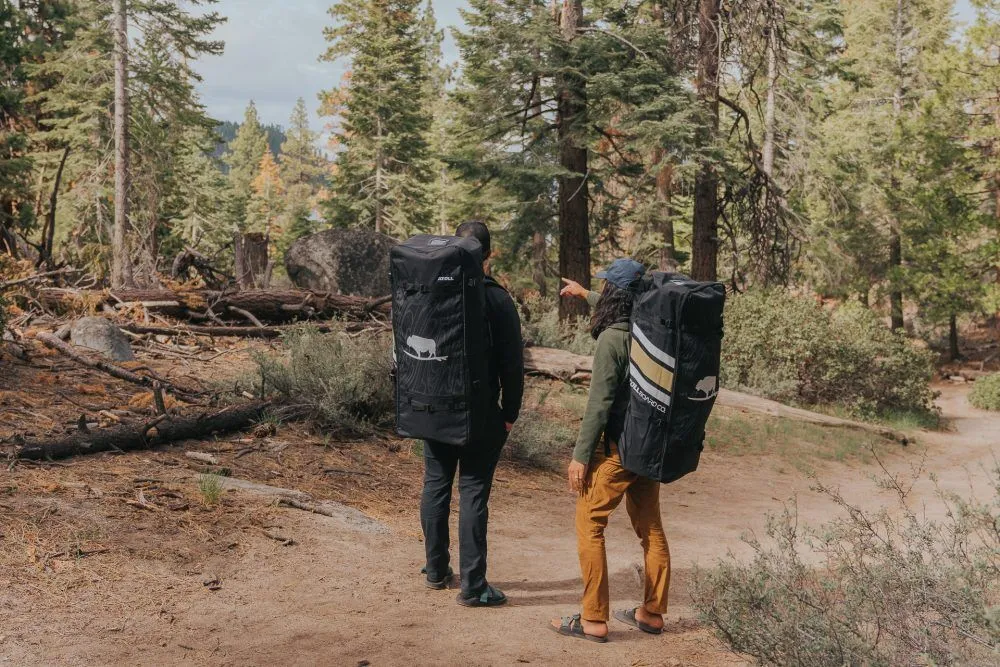
Transporting boards efficiently saves time and energy. Atoll boards fold into a durable backpack that fits easily in vehicles, freeing roof space and protecting the board from road debris. Padded handles allow comfortable carrying to launch points even on uneven terrain.
Inflation is simple with the dual-action pump, and boards can be deflated and stored in minutes. Planning inflation at the campsite rather than en route minimizes handling difficulties and allows for smoother, spontaneous launches.
Solo paddlers benefit from pre-positioned gear, while couples or small groups can rotate responsibilities for inflation, transport, and setup. Organized travel reduces fatigue and maximizes enjoyment, especially during back-to-back paddling and overland days.
Lightweight and portable gear also frees space for additional equipment such as camping supplies, food, or extra water, maintaining a balance between vehicle load and comfort.
Integrating Paddle Boarding into Your Overlanding Routine
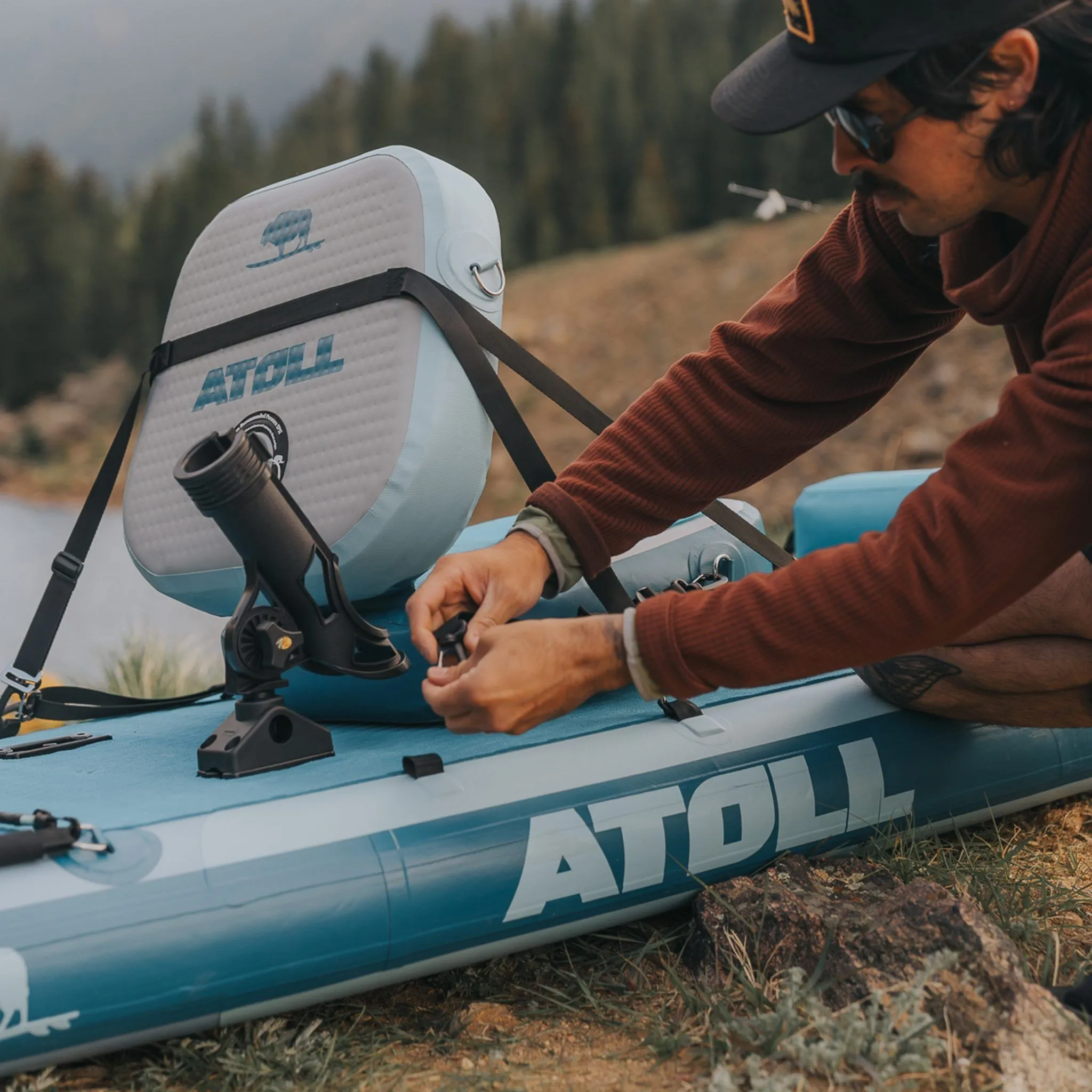
Paddle boarding can become a natural extension of your overlanding routine. Planning day trips around water access allows paddling, hiking, and sightseeing to complement each other without conflict. Morning and evening sessions can fit around driving or campsite setup, providing variety and relaxation.
Using boards to access remote areas adds a new dimension to exploration. Gentle rivers, hidden coves, and quiet lakes become extensions of your route, allowing paddlers to reach areas inaccessible by land. This creates a sense of immersion and rewards thoughtful planning.
The versatility of Atoll boards makes integration easy. Their portability and stability allow paddlers to quickly transition from vehicle to water without extensive preparation, encouraging regular use rather than occasional novelty.
As your routine evolves, paddle boarding can become a core component of trip planning, shaping routes, campsites, and daily activities around water access for a more engaging overland experience.
Making Overland Paddle Boarding a Seamless Experience
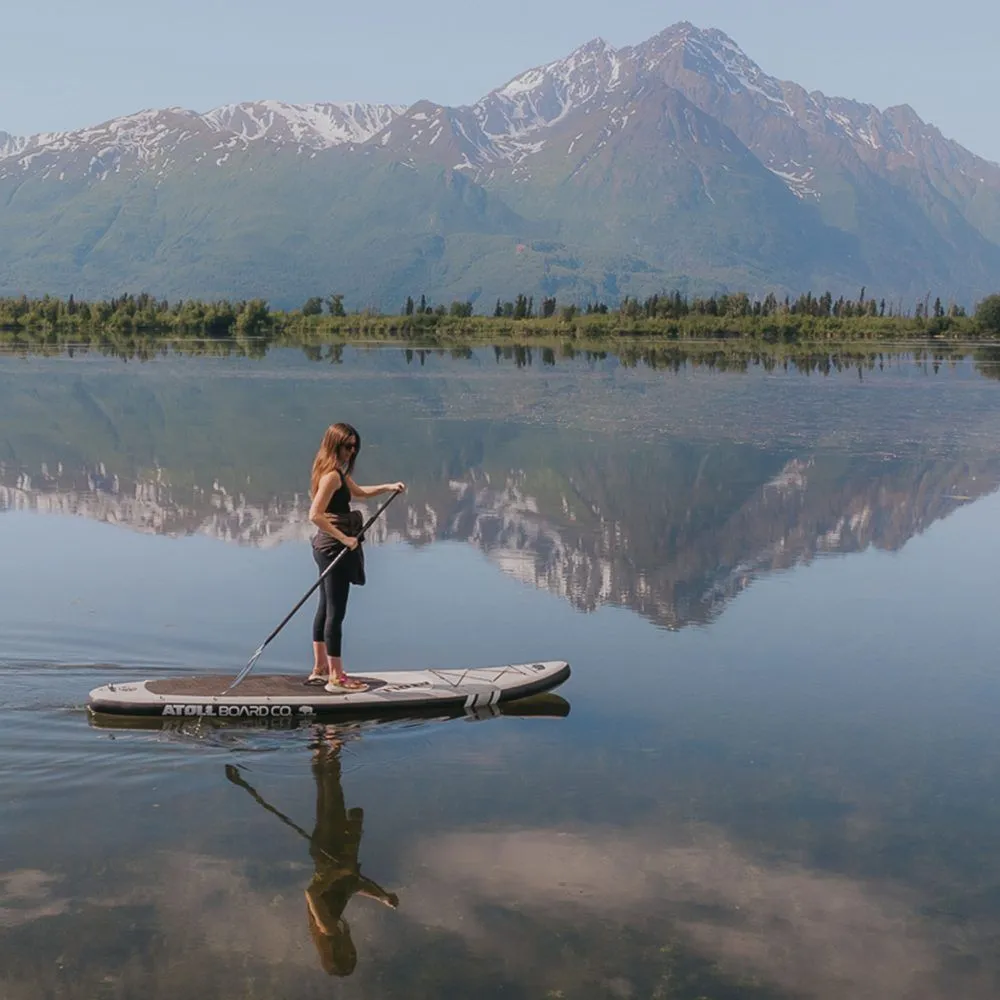
Combining overlanding and paddle boarding requires preparation, careful gear selection, and smart organization. Inflatable boards, particularly Atoll models, make this combination feasible, offering durability, portability, and versatility needed for remote trips.
By planning vehicle storage, choosing the right gear, and selecting accessible campsites, you create a setup that allows spontaneous water access while maintaining comfort and safety on the road. Each component, from board inflation to protective storage, contributes to a seamless adventure.
Ultimately, the perfect setup transforms overland travel into a multi-layered adventure, where each destination offers both land and water exploration. With Atoll Paddle Boards as a cornerstone of your gear, your paddle boarding overlanding experiences can be both reliable and thrilling, combining the best of both worlds.
FAQ
How do I carry an inflatable paddle board on a roof rack?
Use soft or padded straps to secure the board, keeping it inflated lightly or deflated depending on travel distance. Ensure it’s centered and balanced to avoid shifting during driving.
Can I store a fully inflated board inside my vehicle?
Yes, if space allows, but ensure it’s protected from sharp edges and heavy gear. Inflated boards are more vulnerable to punctures, so careful placement is essential.
What features make Atoll boards ideal for overlanders?
Atoll boards offer military-grade PVC, drop-stitch construction, high weight capacity, UV resistance, reinforced seams, and portability in a backpack, all perfect for remote launches and rugged travel.
How do I maintain my paddle board during multi-day trips?
Rinse after saltwater use, dry before storage, inspect fins and valves, use protective sleeves or deck pads, and keep the board out of prolonged direct sunlight.
What essential gear should I bring for paddle boarding off-grid?
PFDs, leashes, pumps, paddles, dry bags, repair kits, waterproof containers, and a sturdy backpack or strap system for transport. Atoll packages include most essentials for convenience.
A quick heads-up: If you snag something through our affiliate links or check out our sponsored content, we might earn a commission at no extra cost to you. But fear not, we’re all about recommending stuff we’re truly stoked about!