


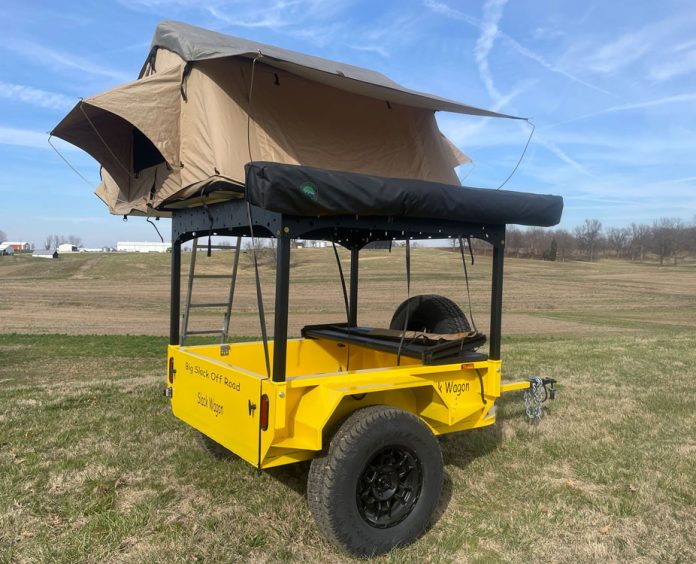

Most weekend trips start with a familiar constraint: cargo space. You look at your vehicle, look at your gear, then start cutting items before you even leave the driveway. That pattern shapes everything that follows, from where you go to how comfortable camp feels. A small off-road trailer changes that planning process from the first step.
Instead of planning around limits, you plan around structure. A compact trailer such as the Big Slack Off Road Slack Wagon adds dedicated storage, modular packing, and repeatable setup. Your vehicle stays clear. Your gear stays staged. Your checklist shrinks because much of your kit already sits packed and secured.
With that said, let’s walk through how trip planning shifts when you add a small off-road trailer to your system. Routes change. Campsite choices change. Gear strategy changes. Timelines change. Using the Slack Wagon as a working example, you will see how a lightweight trailer reshapes the way weekend adventures come together.
Table of Contents
- Trip Planning Without a Trailer: The Usual Constraints
- What a Small Off-Road Trailer Adds to the Planning Equation
- Route Planning Changes With a Small Off-Road Trailer
- Campsite Selection With a Slack Wagon-Size Trailer
- Gear Planning Becomes Modular Instead of Minimal
- Timeline and Departure Planning Improves
- Risk, Safety, and Contingency Planning
- Who Benefits Most From Slack Wagon-Style Planning
- Trip Planning Checklist With a Small Trailer
- Planning Gets Simpler With the Right Trailer Size
- Frequently Asked Questions
Trip Planning Without a Trailer: The Usual Constraints
Without a trailer, trip planning usually starts with a space audit. You measure the cargo area, fold seats, stack bins, then remove items until the hatch closes. That pattern pushes comfort gear out first. Chairs, larger cook systems, extra water, and weather backups often stay home.
This space pressure also forces constant repacking. After each trip, gear returns to the garage. Before the next trip, everything loads again. That cycle eats time and increases the chance of missed items. Many weekend travelers forget small but critical tools because nothing stays staged.
Vehicle clutter creates another planning burden. Packed cabins reduce visibility and passenger comfort. Recovery gear mixes with food bins. Loose items shift during travel. Planning then revolves around restraint instead of readiness. The trip feels compressed before it even starts.
What a Small Off-Road Trailer Adds to the Planning Equation
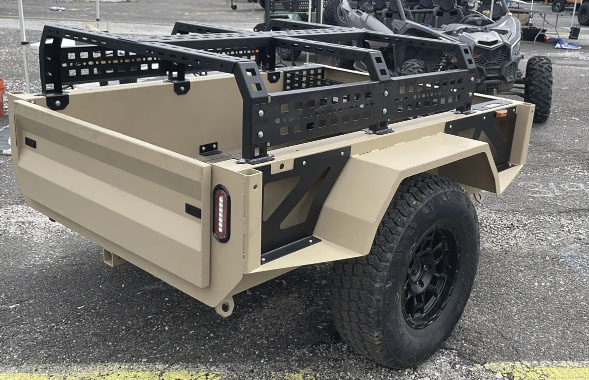
A small off-road trailer adds dedicated cargo space that stays separate from the cabin. That separation changes planning from compression to organization. Instead of asking what fits, you decide what belongs in each module. Kitchen gear rides together. Sleep gear rides together. Tools ride together.
The Big Slack Off Road Slack Wagon supports this planning style because of its compact bed, tie-down points, and rack options. The layout favors bin-based packing and repeatable placement. You build a system once, then reuse it each trip with only small adjustments.
Weight also shapes planning. A lightweight trailer like the Slack Wagon keeps tow requirements realistic for mid-size vehicles. You plan around balance and distribution instead of maximum load. That focus improves safety and predictability on dirt roads and highway stretches.
Route Planning Changes With a Small Off-Road Trailer

Route planning shifts the moment a trailer enters the picture. Width, turn radius, and surface quality matter more. Tight switchbacks and narrow tree corridors deserve extra attention during map review. Satellite layers and trail reports become part of normal planning.
A compact off-road trailer keeps more route options open than large traditional trailers. The Slack Wagon footprint fits many forest roads and desert tracks without forcing constant reroutes. That size advantage supports flexible planning instead of rigid routing.
Fuel and turnaround planning grows more precise as well. You mark wider pullouts and note safe reverse zones. You review elevation gain and descent grades more closely. In practice, this added attention leads to better route discipline and fewer surprises.
Campsite Selection With a Slack Wagon-Size Trailer

Campsite planning grows more deliberate with a trailer. You look for level ground first, scenery second. A stable trailer position supports safer unloading and cleaner organization. Slope and soft soil require extra thought during site selection.
The Slack Wagon size works well for dispersed sites because it does not demand oversized pads or wide loops. You still review entry angle, exit path, and staging space before committing. A short walk-through prevents awkward repositioning later.
Layout planning improves, too. You position the trailer so your kitchen side faces usable space and your sleeping area stays protected from wind. That level of placement planning rarely happens when gear stays packed inside a vehicle.
Gear Planning Becomes Modular Instead of Minimal

With a small off-road trailer, gear planning shifts from minimal to modular. Instead of cutting items to save space, you group them by function. Each module lives in a dedicated container and returns to the same place after each trip.
The Slack Wagon bed dimensions and anchor points support this method well. Recovery gear secures low. Kitchen bins stay forward. Shelter and sleep gear stack by priority of use. That repeatable layout speeds both packing and unpacking.
Comfort gear becomes easier to justify. Better chairs, better cook kits, and weather backup equipment fit without chaos. Over multiple trips, this modular system saves time and reduces planning fatigue.
Timeline and Departure Planning Improves

Departure timelines shrink when your trailer stays packed. Instead of building a loadout each Friday, you run a short checklist and hitch up. That shift alone increases how often short trips happen.
The Slack Wagon works well for staged readiness because it does not require complex onboard systems. There are fewer prep steps and fewer failure points. Simpler systems support faster departures.
After-work exits become realistic. You stop treating every outing like a major expedition and start treating it like a routine escape. That mindset change leads to more frequent use.
Risk, Safety, and Contingency Planning
Safety planning expands with a trailer. You account for longer braking distance, wider turns, and recovery strategies. That added planning improves overall trip discipline.
A small off-road trailer allows more gear. Extra water, tools, traction boards, and weather layers fit without crowding passengers. The Slack Wagon payload supports this margin without forcing oversize towing.
Load balance planning becomes standard practice. Heavier items stay low and centered. Frequently used items stay accessible. That structure reduces both risk and frustration.
Who Benefits Most From Slack Wagon-Style Planning
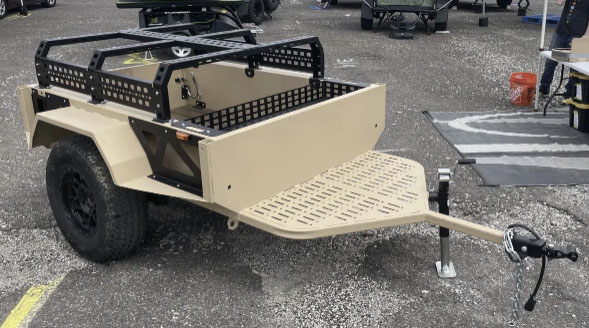
Weekend adventurers with mid-size vehicles benefit most from this planning model. They gain cargo structure without upgrading to a heavy truck platform.
Gear-heavy hobbies also fit well. Photography, fishing, paddling, and biking all require bulky kits. A small off-road trailer simplifies transport and staging.
Travelers who value repeatable systems over luxury interiors also benefit. The Slack Wagon supports organized function instead of built-in complexity.
Trip Planning Checklist With a Small Trailer
- Confirm tow rating and hitch setup
- Check trailer load balance
- Review route width and turnarounds
- Mark fuel and water stops
- Identify level campsite options
- Stage modular gear bins
- Secure recovery equipment
- Verify spare tire access
- Test lights and brakes
- Plan alternate camp locations
Planning Gets Simpler With the Right Trailer Size
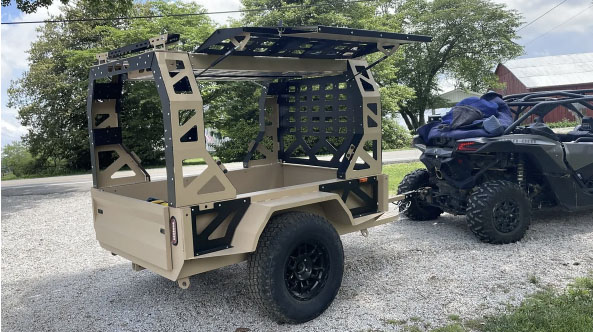
A small off-road trailer does not make trips more complex when the size and design match your vehicle and travel style. It replaces compression with structure and guesswork with repeatable systems.
The Big Slack Off Road Slack Wagon shows how a lightweight, modular design supports smarter planning instead of heavier logistics. When your gear stays staged and your layout stays consistent, weekend travel becomes easier to start and easier to enjoy.
FAQ
Does a small off-road trailer make trip planning harder?
No. A properly sized small off-road trailer usually makes trip planning more structured. You plan around organized modules instead of limited cargo space, which reduces last-minute packing decisions.
Can a small SUV tow a Slack Wagon trailer safely?
Many small and mid-size SUVs can tow a Slack Wagon trailer because of its lightweight design, but you should always confirm your vehicle’s tow rating, tongue weight limits, and brake requirements first.
Do I need different routes when towing a small off-road trailer?
Sometimes. You should review trail width, turnarounds, and grade steepness more carefully. Compact trailers like the Slack Wagon keep most forest and desert routes accessible.
How does a small off-road trailer change gear packing?
It shifts packing toward modular bins and repeatable layouts. Kitchen, sleep, and recovery gear can stay grouped and staged, which reduces prep time before each trip.
Is campsite selection more difficult with a trailer?
It requires more attention, but not necessarily more difficulty. You look for level ground and maneuver space, yet a compact trailer footprint keeps many dispersed sites usable.
Should I keep my trailer packed between trips?
Yes, when storage space allows. Keeping core gear packed inside the trailer shortens departure time and improves consistency across trips.
Do I need trailer brakes for a small off-road trailer?
That depends on total loaded weight and local regulations. Many lightweight trailers offer electric brake options, which improve control and safety even when not legally required.
What is the biggest planning benefit of a small off-road trailer?
The biggest benefit is repeatability. Your gear layout, packing list, and camp workflow stay consistent, which reduces stress and speeds up every stage of the trip.
Friendly disclaimer: Our articles may contain affiliate links that support us without costing you more, and sometimes we spice things up with sponsored content—but only for products we truly stand behind!